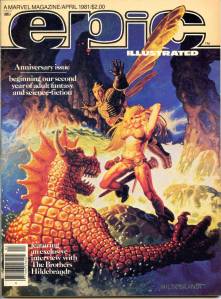
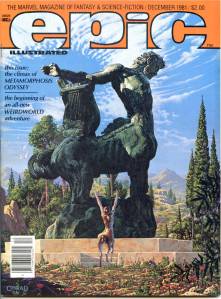
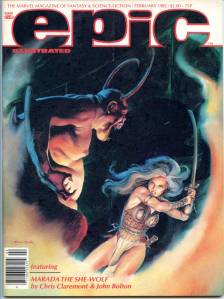
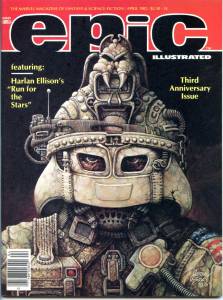
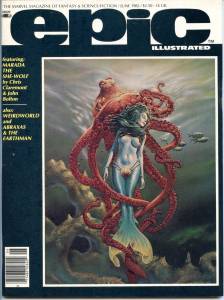
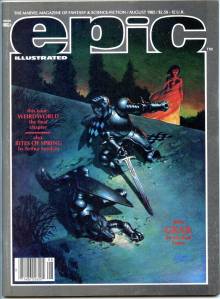
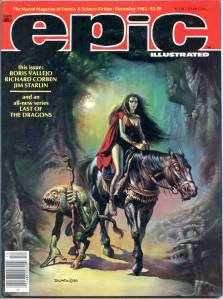
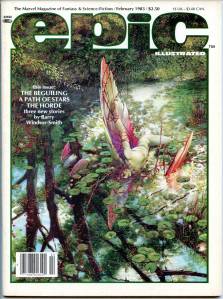
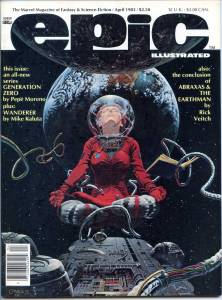
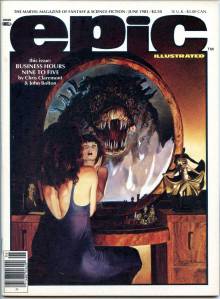
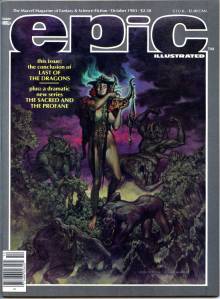
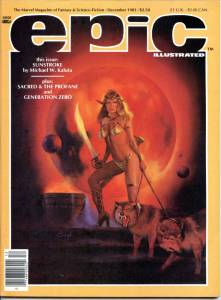
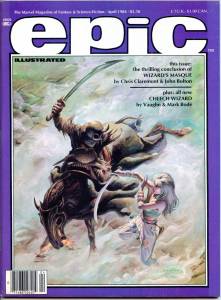
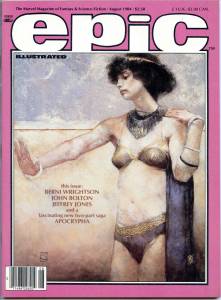
Epic Illustrated was a comics anthology in magazine format published in the United States by Marvel Comics. Similar to the US-licensed comic book magazine Heavy Metal, it allowed explicit content to be featured, unlike the traditional American comic books of that time bound by the restrictive Comics Code Authority, as well as offering its writers and artists ownership rights and royalties in place of the industry-standard work for hire contracts. The series lasted 34 issues from Spring 1980–February 1986.
A color comic-book imprint, Epic Comics, was spun off in 1982.
Epic Illustrated #5 April 1981 NM $22Epic Illustrated #9 December 1981 NM $19Epic Illustrated #10 February 1982 NM $22Epic Illustrated #11 April 1982 NM $19Epic Illustrated #12 June 1982 VF+ $17Epic Illustrated #13 August 1982 VF-NM $18Epic Illustrated #15 December 1982 NM $26Epic Illustrated #16 February 1983 NM- $24Epic Illustrated #17 April 1983 NM $18Epic Illustrated #18 June 1983 NM $18Epic Illustrated #20 October 1983 NM $18Epic Illustrated #21 December 1983 VF-NM $16Epic Illustrated #23 April 1984 NM- $17Epic Illustrated #25 August 1984 NM $18
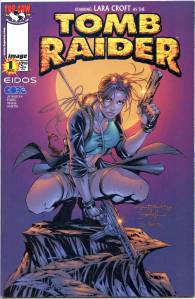
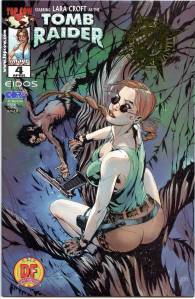
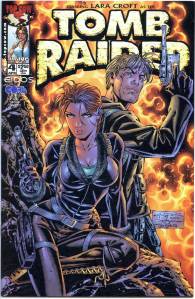
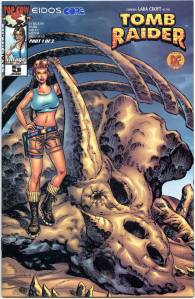
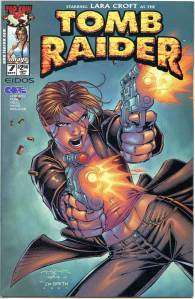
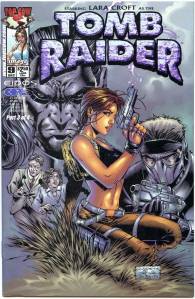
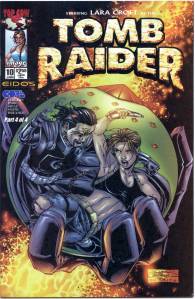
The Top Cow comics are primarily based on the same continuity as the games by Core Design, in which Lara’s plane crashes when she is twenty-one years old (rather than the latter games by Crystal Dynamics, the plane crash happening when she was only nine years old), but the exact details are changed. In the comic, Lara is accompanied by both her parents and her fiancé, the plane trip taken to celebrate her impending marriage (in the game series, Lara’s plane is chartered to take on a skiing holiday). Writers Dan Jurgens, John Nay Riber, and James Bonny worked on the series, which also featured the art of Andy Park, Michael Turner, Billy Tan, and Adam Hughes, amongst others.
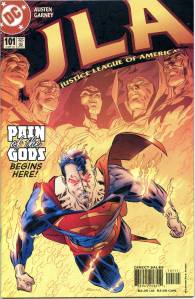
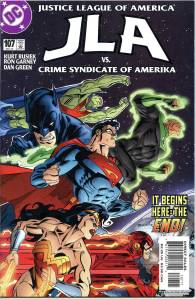
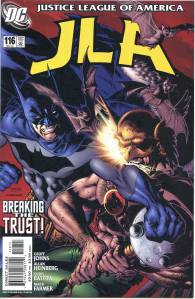
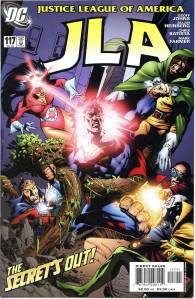
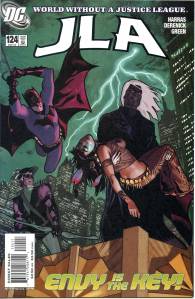
In 2005, a story arc by Geoff Johns and Alan Heinberg called “Crisis of Conscience” (JLA #115–119) depicts the dissolution of the Justice League of America as the breakdown of trust shown in the 2004 limited series Identity Crisis reaches its zenith. At the end of the arc, Superboy-Prime destroys the Justice League Watchtower. JLA, one of several titles to be cancelled at the conclusion of the Infinite Crisis storyline, ended with issue #125.
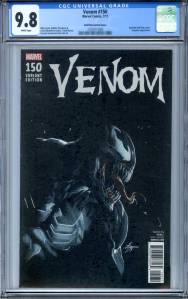
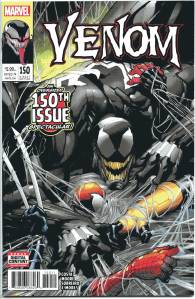
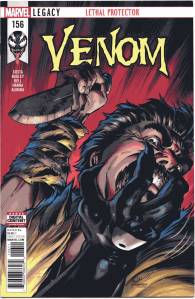
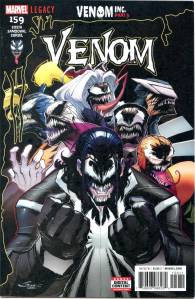
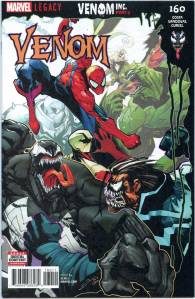
Eddie Brock and the Venom symbiote have been reunited, and they’re web-slinging their way around New York again. How was the symbiote separated from Flash Thompson, and what lies in its future now that it’s reunited with Eddie Brock?
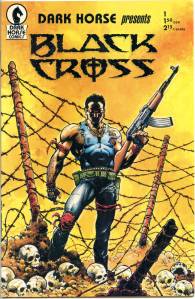
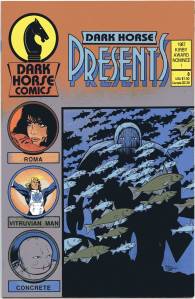
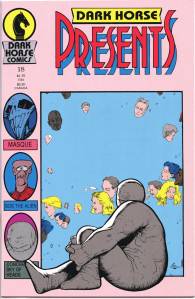
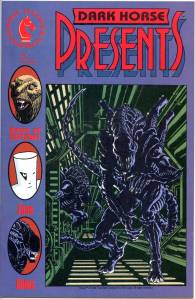
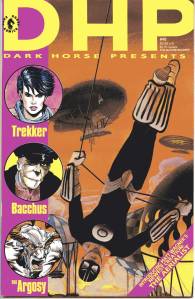
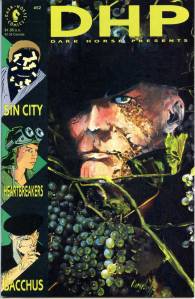
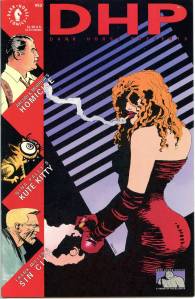
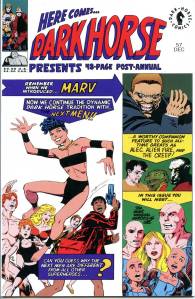
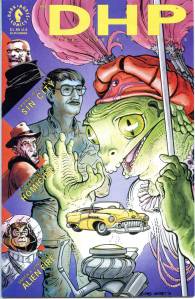
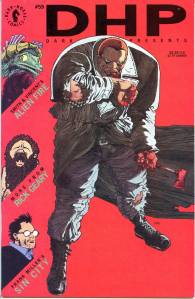
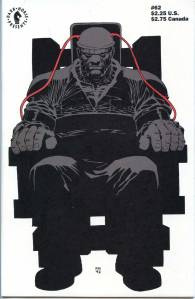
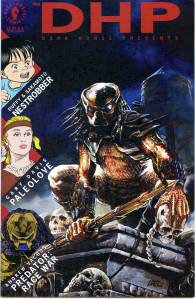
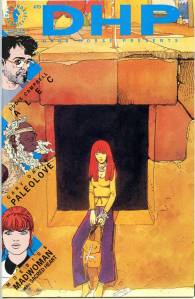
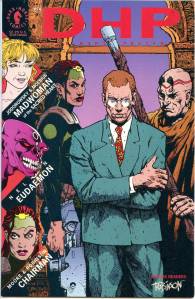
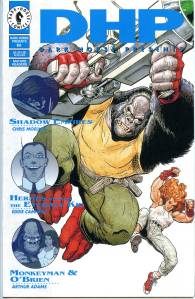
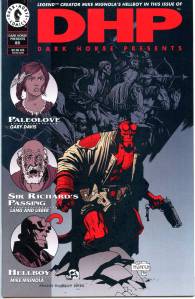
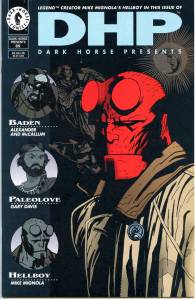
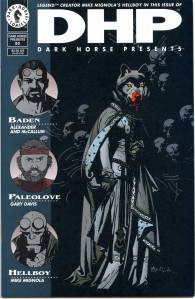
Dark Horse Presents was the first comic book published by Dark Horse Comics in 1986 and was their flagship title until its September 2000 cancellation. The second incarnation was published on MySpace, running from July 2007 until August 2010. A third incarnation began in April 2011, released in print form once again.
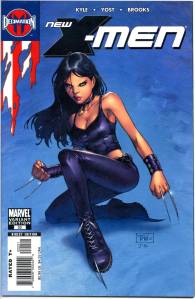
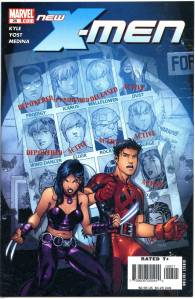
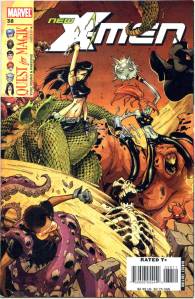
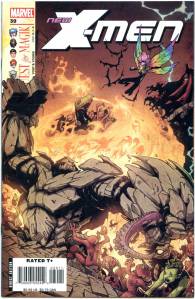
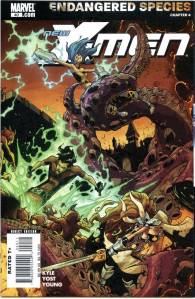
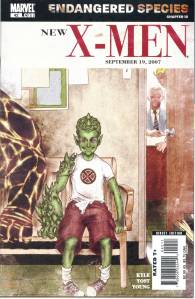
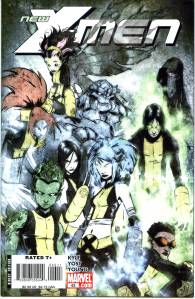
After the end of Grant Morrison‘s run on X-Men vol. 2 titled New X-Men, the title was used for a new series, New X-Men: Academy X. The title was later shortened to simply New X-Men.
New X-Men: Academy X was launched during the X-Men ReLoad event. The Academy X subtitle was dropped from the title when the new creative team of Craig Kyle and Christopher Yost took over the series with issue #20.
Whereas the other X-Men comics mostly deal with established adult mutants, this series concentrates on the lives of young students residing at the Xavier Institute for Higher Learning as they learn to control their powers.
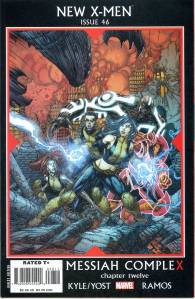
After the 2007 crossover X-Men: Messiah Complex, the New X-Men title was canceled and briefly relaunched as Young X-Men for 12 issues. The series was written by Marc Guggenheim. After the first arc of Young X-Men, the characters began appearing in the pages of Uncanny X-Men. With the cancellation of Young X-Men the characters were folded onto the main X-Men books, appearing most prominently in the pages of X-Men: Legacy, Wolverine and the X-Men, and most recently, in X-Men.
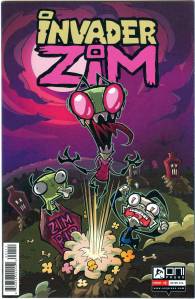
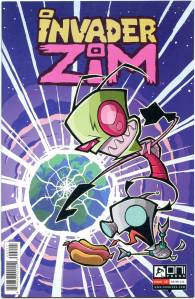
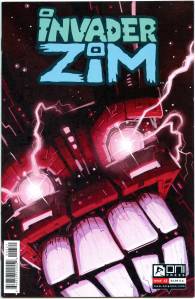
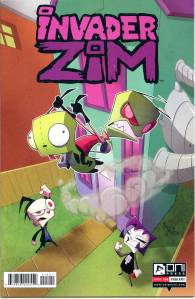
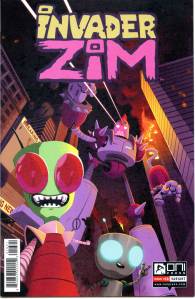
On February 20, 2015, Oni Press announced that they would be releasing an official Comic Book series based on Invader Zim, in collaboration with Jhonen Vasquez and Nickelodeon. Jhonen Vasquez said: “I’m always confused when people say how much they miss Invader Zim because the show never stopped running in my head, and then I remember everyone else isn’t in my head”. A pre-issue 0 was released on May 23, 2015 as a zine and foreshadow to the comic book series. The first issue was released on July 8, 2015, and since then most issues are released on a monthly basis.
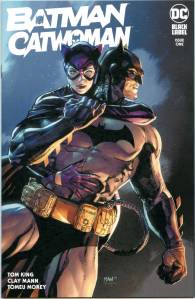
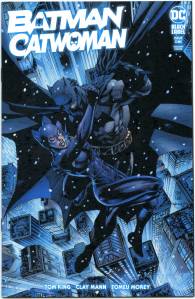
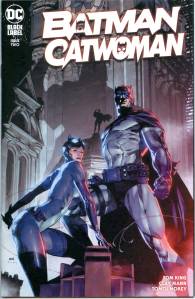
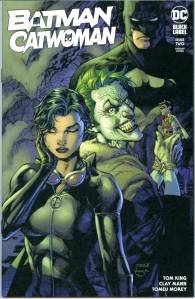
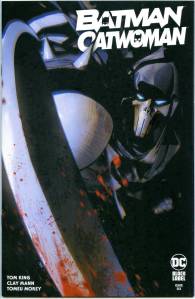
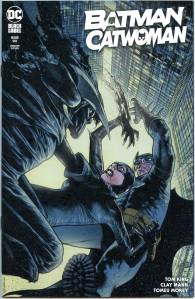
The comic was originally going to be canon, but James Tynion IV, who took over the writing duties on Batman (Volume 3) from Tom King, said that Batman/Catwoman was moving away from the “bounds of continuity” per his understanding and it would have no effect on the main Batman title.
King later stated it was a standalone series and was his version of how Batman and Catwoman’s ending should be. He also hoped it would lead to “breaking the mold” in DC about Batman’s status quo. The series follows the duo’s romance through multiple eras, unlike the current Prime Earth continuity.
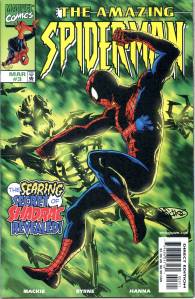
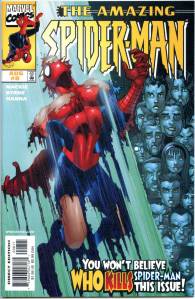
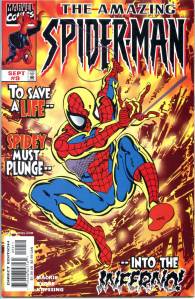
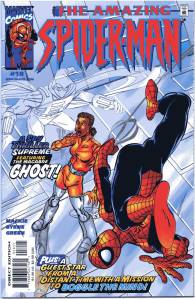
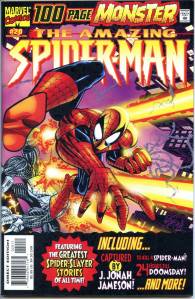
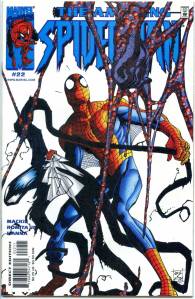
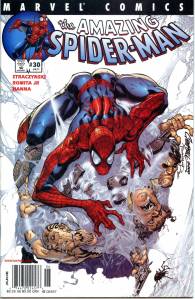
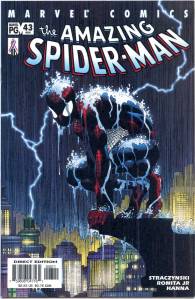
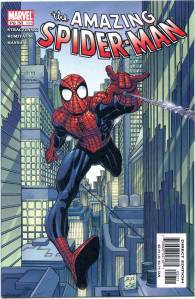
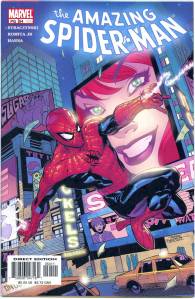
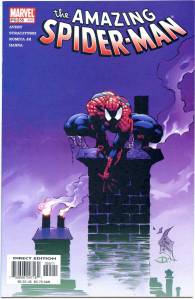
Marvel began The Amazing Spider-Man anew with (vol. 2) #1 (Jan. 1999). Howard Mackie wrote the first 29 issues. The relaunch included the Sandman being regressed to his criminal ways and the “death” of Mary Jane, which was ultimately reversed. Other elements included the introduction of a new Spider-Woman (who was spun off into her own short-lived series) and references to John Byrne’s miniseries Spider-Man: Chapter One, which was launched at the same time as the reboot. Byrne also penciled issues #1–18 (from 1999 to 2000) and wrote #13–14, John Romita Jr. took his place soon after in October 2000. Mackie’s run ended with The Amazing Spider-Man Annual 2001, which saw the return of Mary Jane, who then left Parker upon reuniting with him.
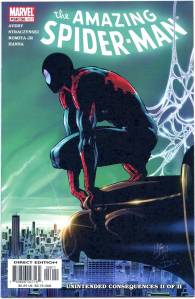
With issue #30 (June 2001), J. Michael Straczynski took over as writer and oversaw additional storylines – most notably his lengthy “Spider-Totem” arc, which raised the issue of whether Spider-Man’s powers were magic-based, rather than as the result of a radioactive spider’s bite. Additionally, Straczynski resurrected the plot point of Aunt May discovering her nephew was Spider-Man, and returned Mary Jane, with the couple reuniting in The Amazing Spider-Man (vol. 2) #50. Straczynski gave Spider-Man a new profession, having Parker teach at his former high school.
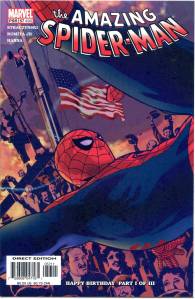
Issue #30 began a dual numbering system, with the original series numbering (#471) returned and placed alongside the volume two number on the cover. Other longtime, rebooted Marvel Comics titles, including Fantastic Four, likewise were given the dual numbering around this time. After (vol. 2) #58 (Nov. 2003), the title reverted completely to its original numbering for issue #500 (Dec. 2003). Mike Deodato, Jr. penciled the series from mid-2004 until 2006.
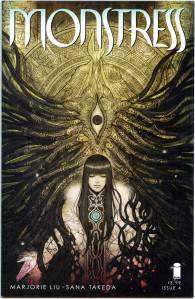
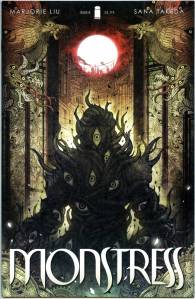
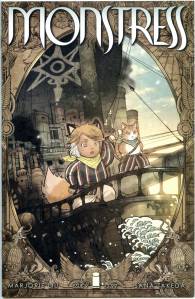
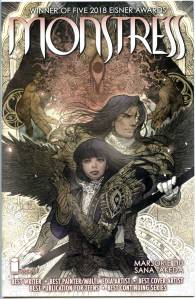
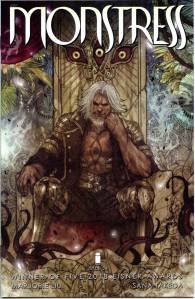
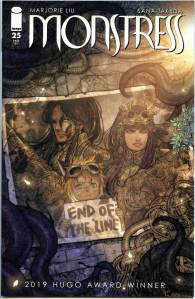
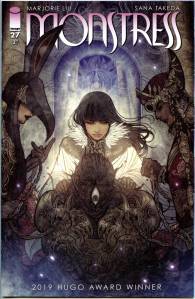
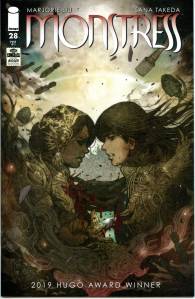
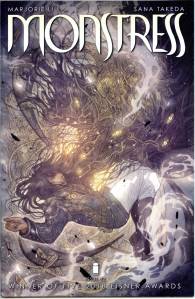
The series is set in a matriarchal “alternate Asia” riven by war between the Arcanics, magical creatures who sometimes can pass for human, and the Cumea, an order of sorceresses who consume Arcanics to fuel their power. The main character, Maika, is an Arcanic who is set on learning more about, and avenging, her dead mother. According to Liu, among the series’s themes are the inner strength required to withstand constant dehumanization, as well as the power of friendship among women.
The first, triple-sized issue of Monstress received critical praise. Writing for Kotaku, Evan Narcisse called it “a gorgeous comic book about racism, war and slavery”, noting the intricate detail of Takeda’s manga-inspired art. In the A.V. Club, Caitlin Rosberg described the leading characters, all women, as “deeply flawed and showing layers of nuanced characterization that you don’t often see in comic books”, and appreciated the series’s “sense of in-between-ness—(…) neither traditionally Western nor manga, paced like a novel but drawn like a comic”.