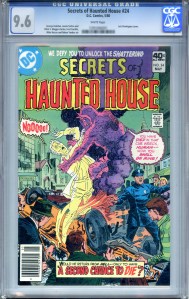
The series began in April–May 1975. Like its predecessor Secrets of Sinister House, Secrets of Haunted House was originally “hosted” by Cain, Abel, Eve, and Destiny who had moved over from Weird Mystery Tales. By issue #10 (Feb.–March 1978), Destiny was the only one of these who remained a regular. In issue #40 (Sept. 1981), Abel returned with no further mention of Destiny.
A Secrets of Haunted House Special was published in 1978 as part of the DC Special Seriesumbrella title. Secrets of Haunted House was a temporary victim of the “DC Implosion.” With issue #14 (Oct.–Nov. 1978), it was cancelled but revived a year later with issue #15 (Aug. 1979). The title continued until issue #46 (March 1982).
Secrets of Haunted House #15 VF+ $7Secrets of Haunted House #22 VF+ $6Secrets of Haunted House #24 CGC 9.6 White Pages $89Secrets of Haunted House #24 VF+ $6Secrets of Haunted House #44 FN+ $19
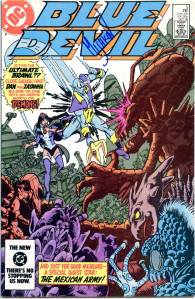
Blue Devil (Dan Cassidy) first appeared in a special insert published in Fury of Firestorm #24 (June 1984). That story led directly into Blue Devil #1, also cover dated June 1984. He was created by Dan Mishkin, Gary Cohn, and Paris Cullins. The Blue Devil comic book ran for 32 issues with Blue Devil later appearing as a regular character in Shadowpact that ran for 25 issues.
Dan Cassidy was working as a stuntman and special effects specialist in Hollywood when he created the Blue Devil full body suit, complete with a built in exoskeleton, specifically designed for the Blue Devil movie being produced by Verner Brothers Studios.
During filming on The Blue Devil, the demon Nebiros was accidentally unleashed from within an ancient temple and, thinking Cassidy was an actual demon, tried to drain his demonic powers with blasts of magic. Instead, the blasts permanently bonded the suit to Cassidy. This unnatural fusion of magic and technology caused Cassidy to experience unusual events and draw the attention of otherworldly beings, a condition known in occult circles as a “weirdness magnet”.
Blue Devil #1 Newstand NM $12Blue Devil #2 NM $3Blue Devil #5 VF-NM signed Dan Mishkin $5
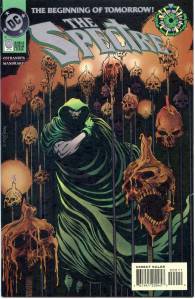
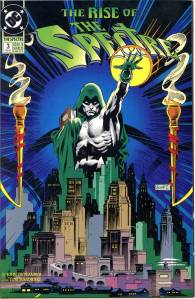
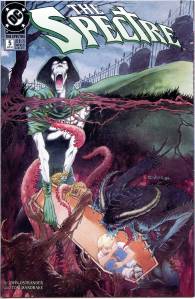
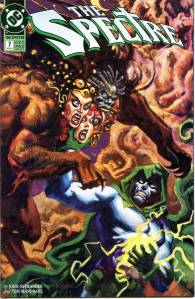
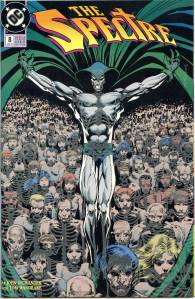
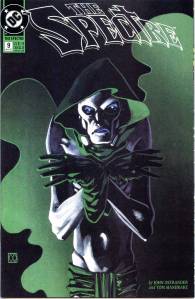
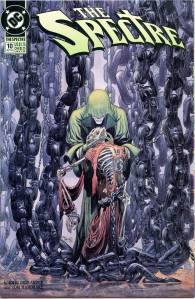
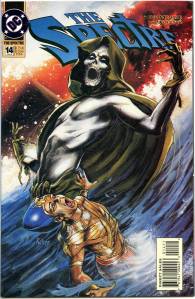
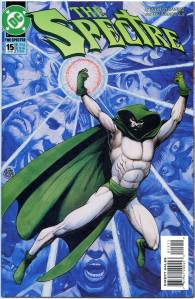
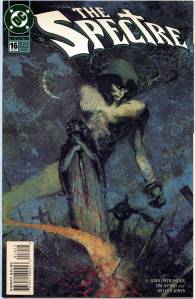
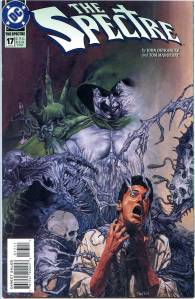
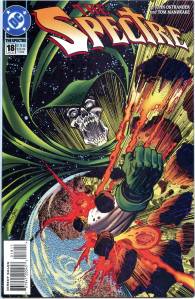
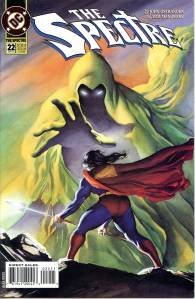
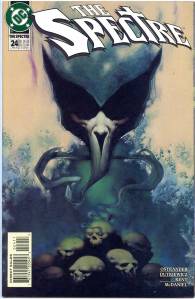
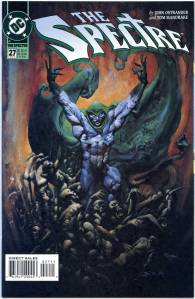
In 1992, the Spectre was again given his own series, this time written by writer and former theology student John Ostrander, who chose to re-examine the Spectre in his aspects as both the embodied Avenging Wrath of the Murdered Dead and as a brutal 1930s policeman.
Ostrander placed the Spectre in complex, morally-ambiguous situations that posed certain ethical questions, one example being: What vengeance should be wrought upon a woman who killed her abusive husband in his sleep?
Ostrander also added several new concepts into the Spectre’s history: He revealed that the Spectre was meant to exist as the embodiment of the Wrath of God, and Jim Corrigan was but the latest human spirit assigned to guide him while he existed on Earth. It was also shown that the Spectre was a fallen angel named Aztar who had participated in Lucifer‘s rebellion, but then repented, and that serving as the embodiment of God’s anger was its penance.
Furthermore, the Spectre was not the first embodiment of God’s anger, but was the replacement for the previously-minor DC character Eclipso. Ostrander chose to portray this as a distinction between the Spectre’s pursuit of vengeance and Eclipso’s pursuit of revenge. In a historical context, Eclipso was responsible for the biblical Flood, while the Spectre was the Angel of Death who slew the firstborn Egyptian children. Spectre and Eclipso have battled numerous times through history but neither entity can be fully destroyed.
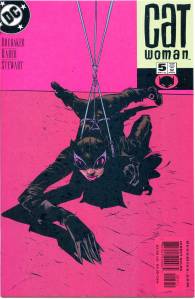
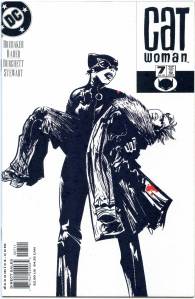
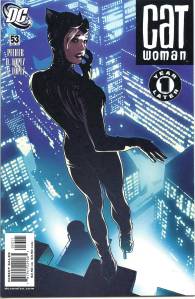
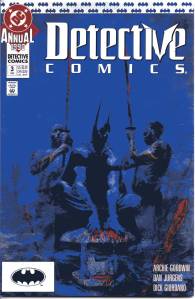
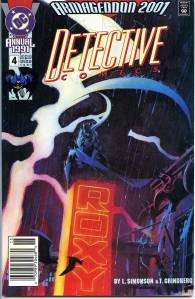
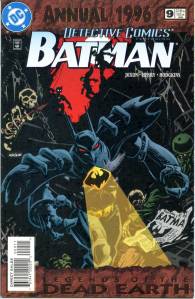
In the Detective Comics #759–762 (August–November 2001) backup storyline “Trail of the Catwoman”, by writer Ed Brubaker and artist Darwyn Cooke, private detective Slam Bradley attempts to find out what really happened to Selina Kyle. This storyline leads in to the Catwoman series of late 2001 (written by Brubaker initially with Cooke, later joined by artist Cameron Stewart). In this series, Selina Kyle, joined by new supporting cast members Holly and Slam Bradley (a character from the early Golden Age DC Comics), becomes protector of the residents of Gotham’s East End, while still carrying out an ambitious career as a cat burglar.
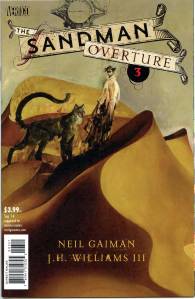
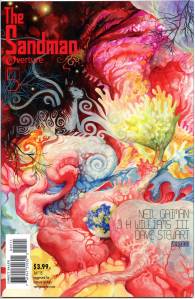
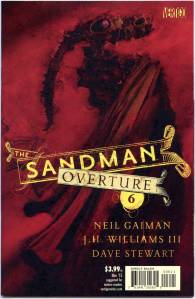
To commemorate the twenty-fifth anniversary of The Sandman, Gaiman wrote a new tale involving the battle that had exhausted Morpheus prior to the beginning of the original story. Written by Gaiman and with art by J. H. Williams III, Overture tells the previously hinted story of Dream’s adventure prior to Preludes and Nocturnes, which had exhausted him so much that it made Burgess’ actions capable of capturing him. The limited series had six issues. Issue #1 was released on October 30, 2013, and although it was planned to have a bi-monthly release schedule, issue 2 was delayed until March 2014, which Gaiman explained was “mostly due to the giant signing tour I was on from June, and me not getting script written on the tour, with knock-on effects”. Special editions were released approximately a month after the original editions, which contain interviews with the creative team, alongside rare artwork.
The Justice League has long protected Earth from all manner of foreign and alien invaders over the years, always keeping a vigilant eye to the skies for the next threat. But what if the threat was already walking the Earth…hiding in plain sight…watching…waiting for their moment to strike…
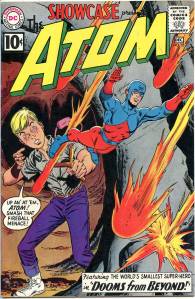
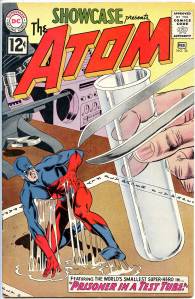
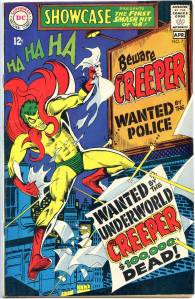
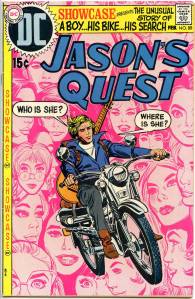
Showcase has been the title of several comic anthology series published by DC Comics. The general theme of these series has been to feature new and minor characters as a way to gauge reader interest in them, without the difficulty and risk of featuring “untested” characters in their own ongoing titles. The original series ran from March-April 1956 to September 1970 suspending publication with issue #93, and then was revived for eleven issues from August 1977 to September 1978.
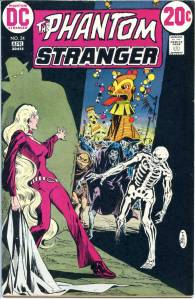
After an appearance in Showcase #80 (February 1969), he received another series beginning May–June 1969 that lasted until February–March 1976. The Showcase appearance and the first three issues of Phantom Stranger consisted of reprints from both the 1950s title and the “Dr. 13: Ghost-Breaker” feature from the last nine issues of Star Spangled Comics at the same time, with new, brief framing sequences. These had Dr. Thirteen, certain that the Phantom Stranger was an impostor, determined to expose him.
Beginning with issue #4 (November-December 1969), the series began featuring all-new material, with stories produced by Robert Kanigher, Len Wein, Jim Aparo, Neal Adams, Tony DeZuniga and others. In these stories, while the Stranger’s past remained a mystery, the writers added a semi-regular cast of characters for him. A demonic sorceress named Tala would become his archenemy; an alchemist/sorcerer named Tannarak was first an enemy and would later assist him against the Dark Circle; and a blind psychic named Cassandra Craft would assist him. Doctor Thirteen, dropped along with the reprints, was given a back-up series here as of #12 (March-April 1971) which morphed into “The Spawn of Frankenstein” in #23 (January-February 1973).
The second volume originally ended with the forty-first issue in November 1975, cover dated March 1976. In January 2010, a forty-second issue was added to the second series during the Blackest Night event, effectively a one-shot.
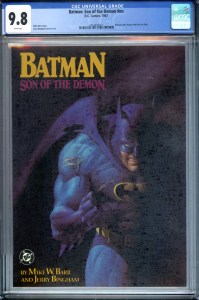
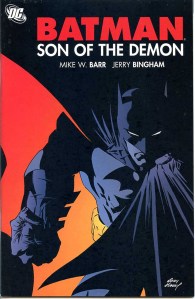
Although it was deemed to be non-canon, Grant Morrison used this story in the 4-issue story “Batman and Son” in 2006. DC Comics published a new printing of Batman: Son of the Demon in 2006 featuring new cover art by Andy Kubert for the first time in standard comic book size with a cover price of $5.99 US, tying in with the “Batman and Son” arc.
Batman Son of the Demon CGC 9.8 White Pages $295Batman Son of the Demon 2006 NM $19
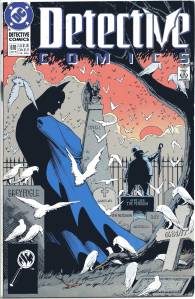
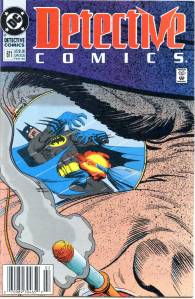
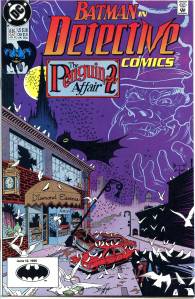
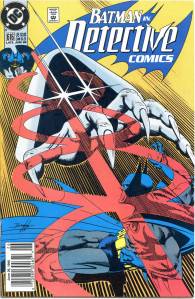
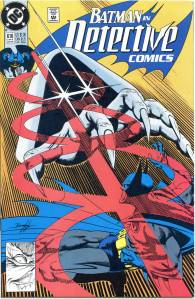
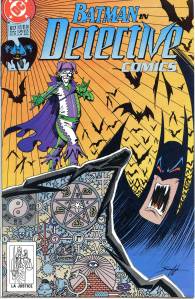
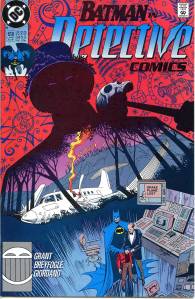
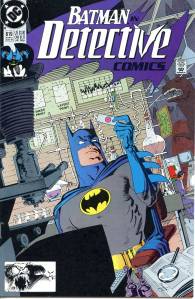
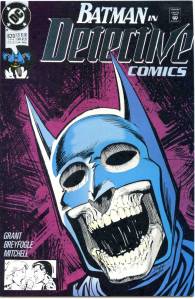
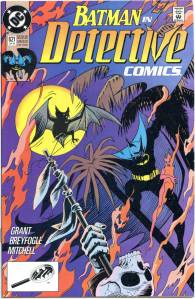
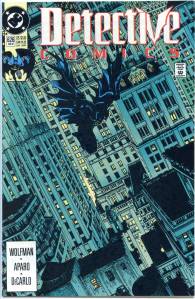
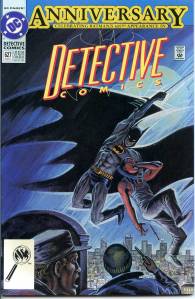
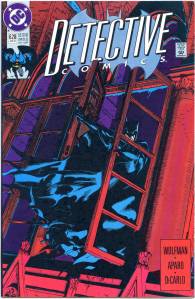
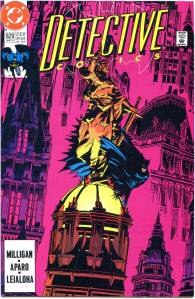
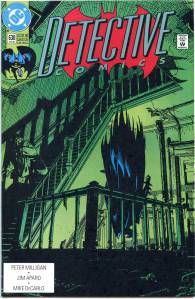
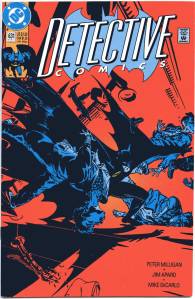
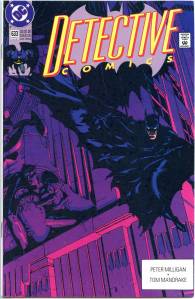
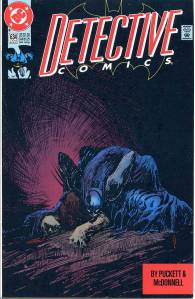
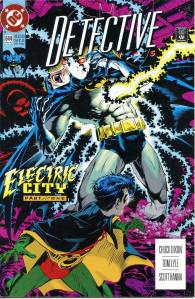
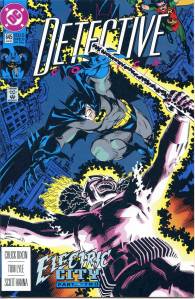
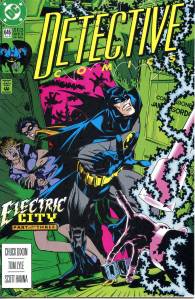
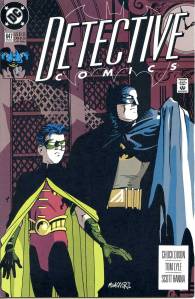
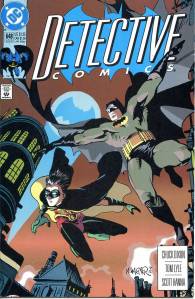
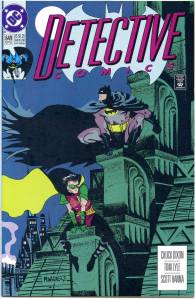
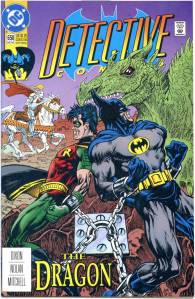
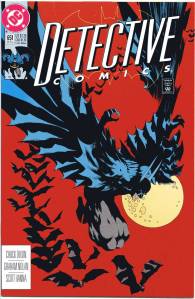
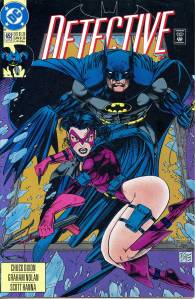
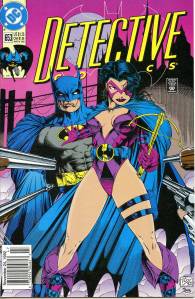
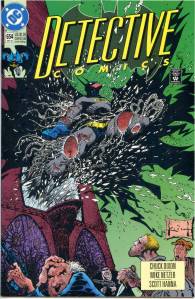
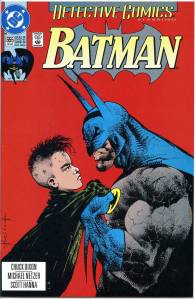
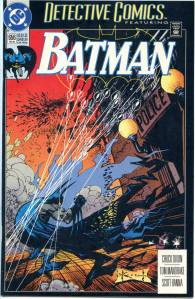
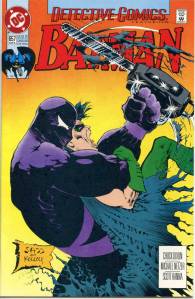
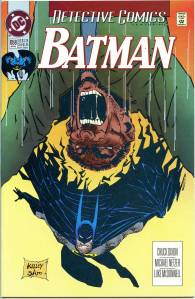
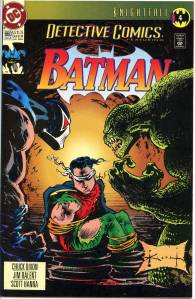
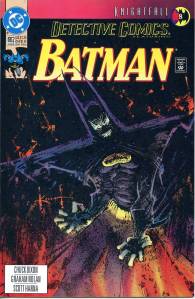
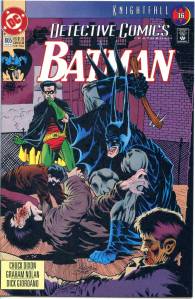
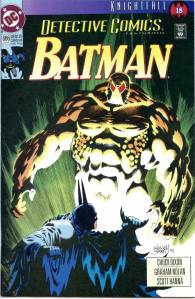
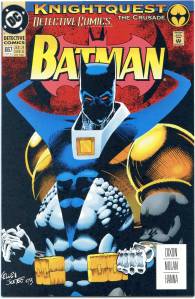
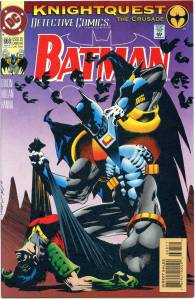
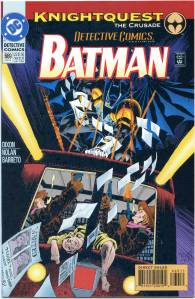
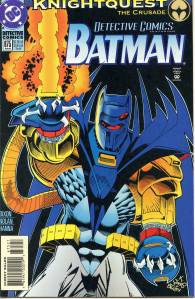
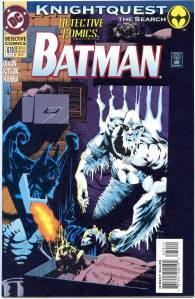
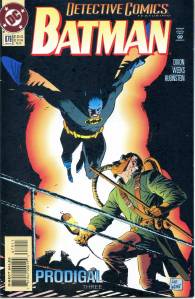
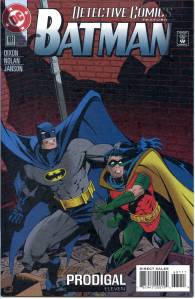
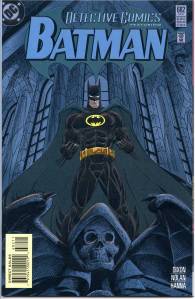
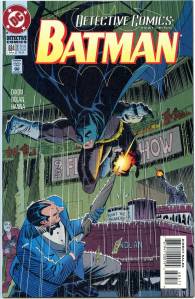
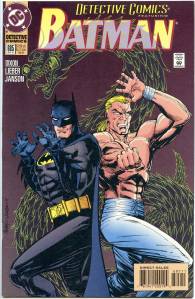
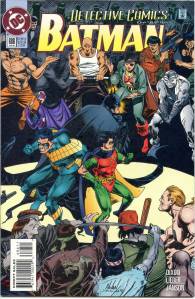
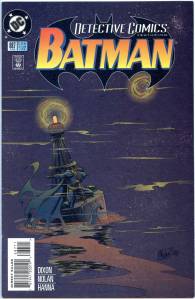
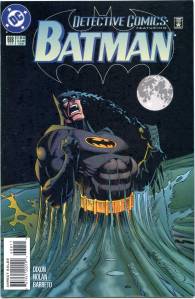
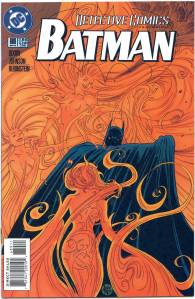
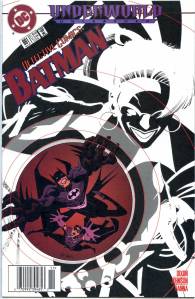
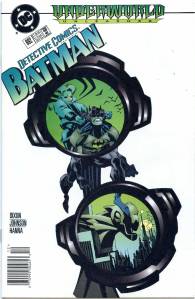
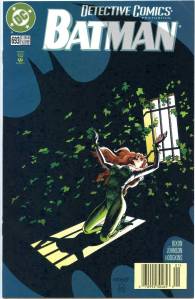
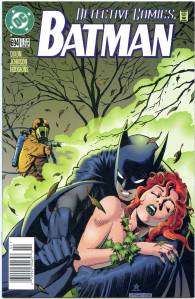
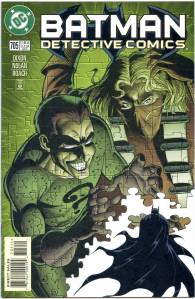
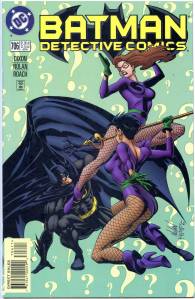
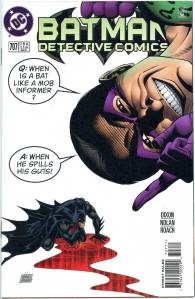
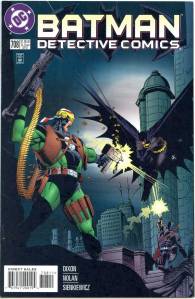
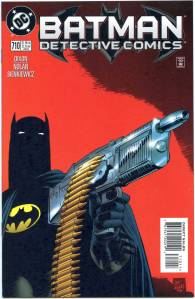
Chuck Dixon became the writer of the series with issue #644 (May 1992). He and Tom Lyle co-created the Electrocutioner in Detective Comics #644 (May 1992) and Stephanie Brown in Detective Comics #647 (August 1992).
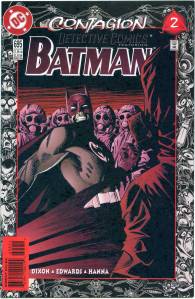
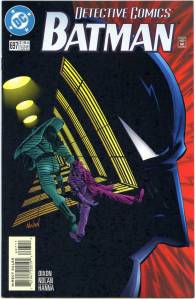
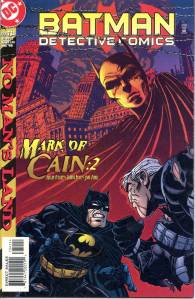
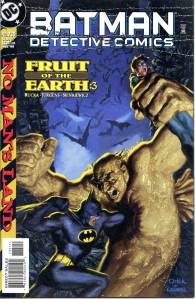
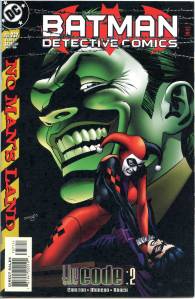
The “Batman: Legacy” storyline began in issue #700 (August 1996). The “No Man’s Land” storyline crossed over into Detective Comics in issues #730–741.