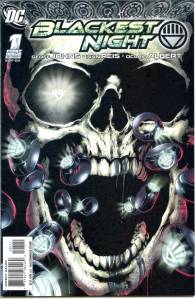
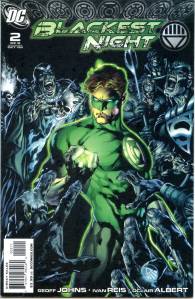
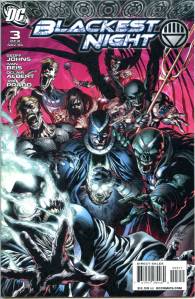
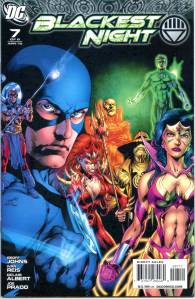
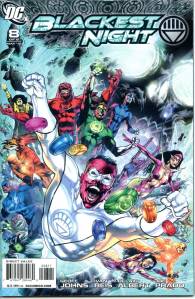
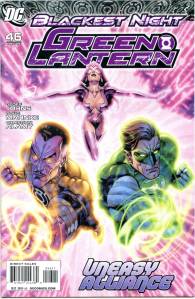
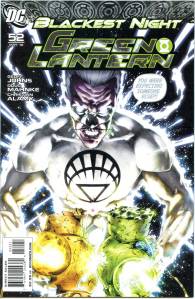
Blackest Night involves Nekron, a personified force of death who reanimates deceased superheroes and seeks to eliminate all life and emotion from the universe. Geoff Johns has identified the series’ central theme as emotion. The crossover was published for eight months as a limited series and in both the Green Lantern and Green Lantern Corps comic titles. Various other limited series and tie-ins, including an audio drama from Darker Projects, were published.
Blackest NIght #1 NM- $7Blackest NIght #2 NM- $5Blackest Night #3 NM $8Blackest NIght #3 2nd Print NM $8Blackest NIght #4 NM $6Blackest NIght #4 NM- $4Blackest Night #5 2nd Print NM $5Blackest NIght #6 NM $6Blackest NIght #7 NM $6Blackest NIght #8 NM $7
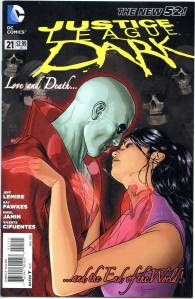
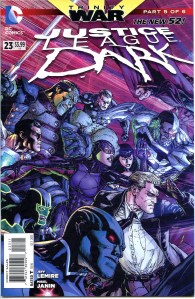
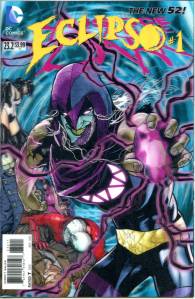
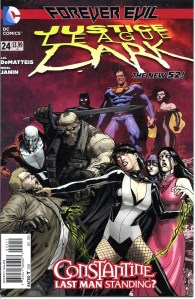
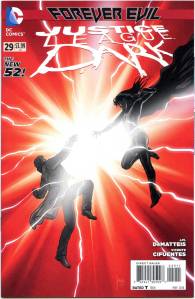
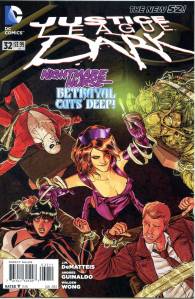
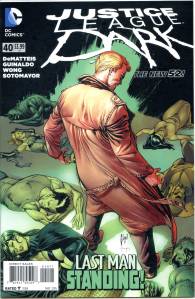
Justice League Dark was announced on May 31, 2011 as a First Wave title of The New 52The title and team was created by Peter Milligan, with art by Mikel Janín. The title launched on September 28, 2011. The title brought several of DC Comics’ occult and offbeat characters, something which had been a trait of sister imprint Vertigo, back into the main DC Universe following Vertigo’s editorial change to publish purely new, creator owned content.
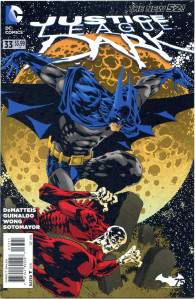
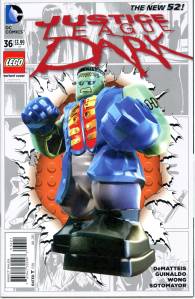
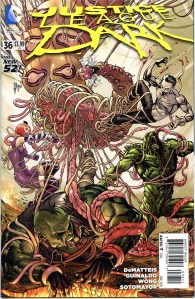
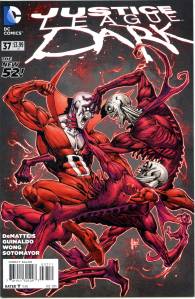
Justice League Dark #3 NM- $2Justice League Dark #21 NM- $2Justice League Dark #23 NM $3Justice League Dark #23.2 NM $4Justice League Dark #24 NM $3Justice League Dark #29 NM- $3Justice League Dark #32 NM $4Justice League Dark #33 NM $4Justice League Dark #36 Lego Variant NM $4Justice League Dark #36 NM $3Justice League Dark #37 NM $4Justice League Dark #40 NM $3Justice League Dark Annual #2 NM $4
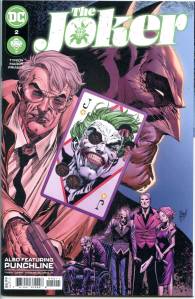
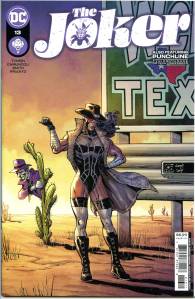
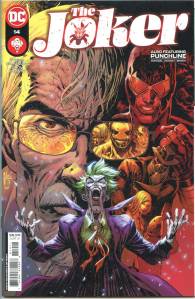
Following the events of Infinite Frontier #1, The Joker is the most wanted man in the world! But the Clown Prince of Crime is several steps ahead of law enforcement—and he’s on the run overseas. James Gordon, facing retirement, realizes this is the manhunt of his life and the last piece of a storied career…but what mysterious and deadly forces are also in pursuit of The Joker? And in the backup story, following the events of Punchline #1, DCs most controversial new villain navigates the infrastructure of Blackgate Penitentiary—while on the outside, Harper Row takes up the mantle of Bluebird to stop her brother from falling under Punchlines influence.
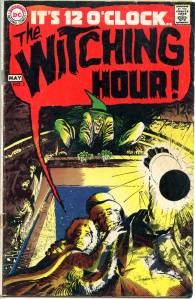
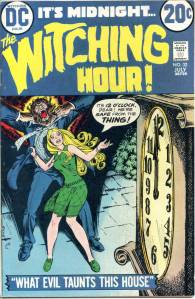
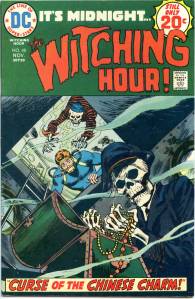
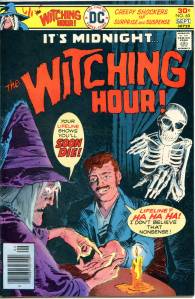
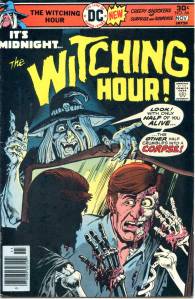
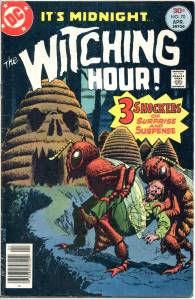
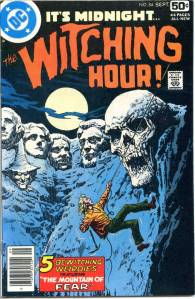
The series was published for 85 issues from February–March 1969 to October 1978. Its tagline was “It’s 12 o’clock… The Witching Hour!” and was changed to “It’s midnight…” from issue #14 onwards. The series was originally edited by Dick Giordano, who was replaced by Murray Boltinoff with issue #14.Nick Cardy was the cover artist for The Witching Hour for issues #1–6, 11–12, 15–16, 18–52, and 60. Stories in the comic were “hosted” and introduced by three witches, Morded, Mildred, and Cynthia.
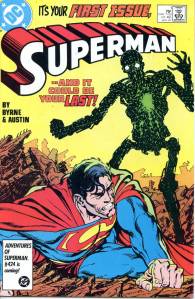
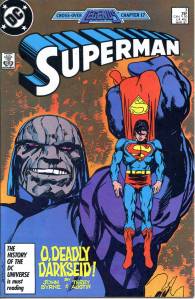
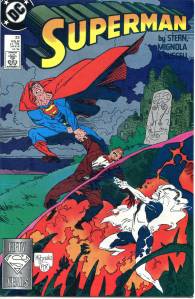
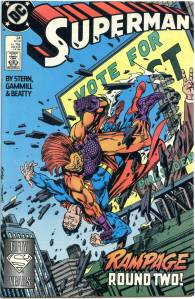
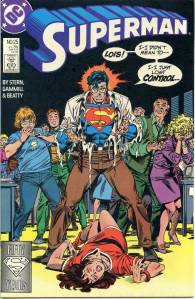
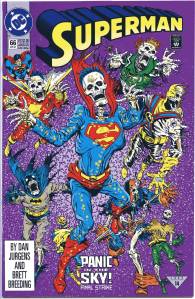
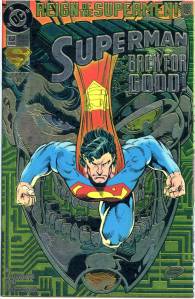
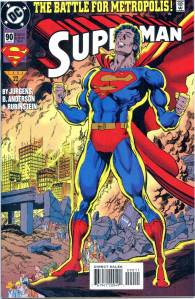
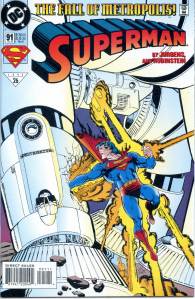
After that limited series, Action Comics returned to publication and Superman vol. 2, #1 was published. The original Superman series (volume 1) became The Adventures of Superman starting with issue #424. Superman vol. 2 continued publishing until April 2006 at which point DC restored The Adventures of Superman to its original title and canceled the second Superman series.
The series was initially a 96-page quarterly anthology, featuring various DC characters – always including Superman and Batman – in separate stories. Comics historian Les Daniels noted that “pairing Superman and Batman made sense financially, since the two were DC’s most popular heroes”. When superheroes fell out of vogue in the early 1950s, DC shortened the size of the publication to that of the rest of its output, leaving only enough space for one story; this led to Superman and Batman appearing in the same story together starting with World’s Finest Comics #71 (July 1954). The title often depicted Batman gaining superpowers as a way to avoid having him be overshadowed by Superman.Lex Luthor and the Joker first joined forces in issue #88 (June 1957).
Worlds Finest #79 CGC Pedigree 7.0 Off White Pages $689
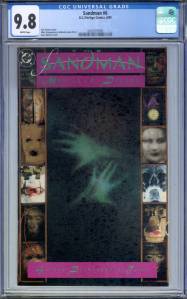
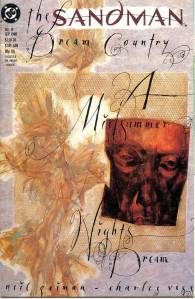
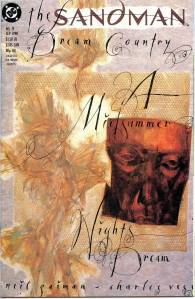
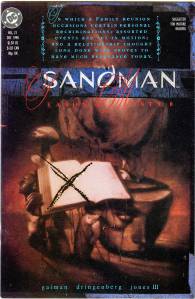
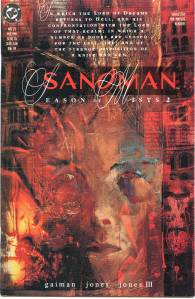
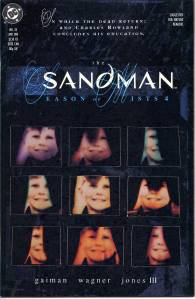
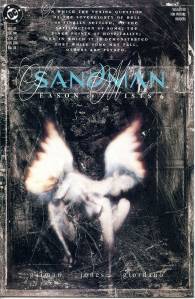
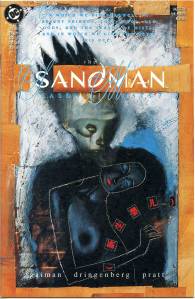
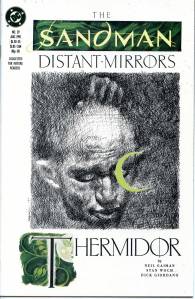
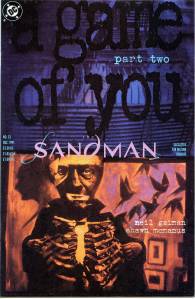
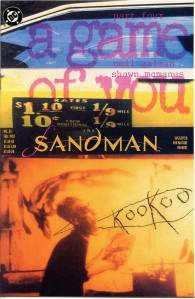
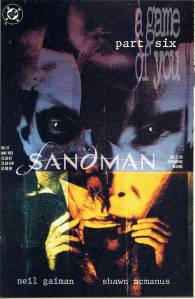
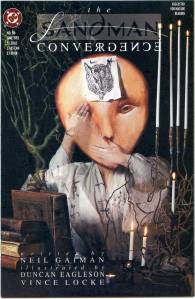
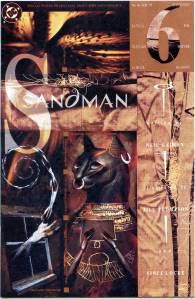
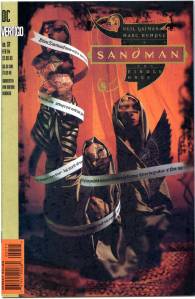
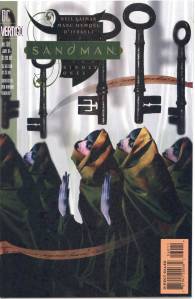
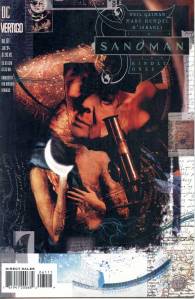
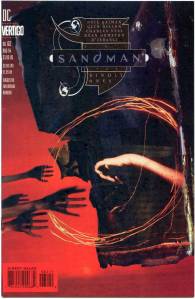
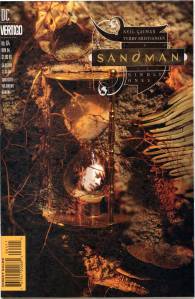
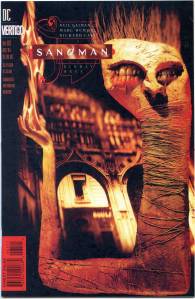
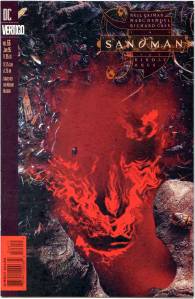
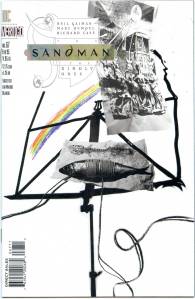
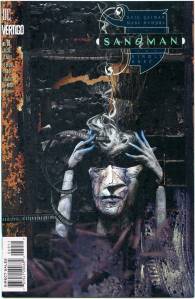
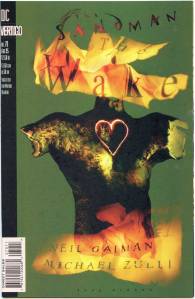
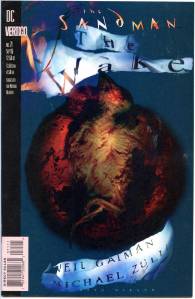
The main character of The Sandman is Dream, also known as Morpheus and other names, who is one of the seven Endless. The other Endless are Destiny, Death, Desire, Despair, Delirium, who was once Delight, and Destruction, who turned his back on his duties. The series is famous for Gaiman’s trademark use of anthropomorphic personification of various metaphysical entities, while also blending mythology and history in its horror setting within the DC Universe.The Sandman is a story about stories and how Morpheus, the Lord of Dreams, is captured and subsequently learns that sometimes change is inevitable. The Sandman was Vertigo’s flagship title, and is available as a series of ten trade paperbacks, a recolored five-volume Absolute hardcover edition with slipcase, in a black-and-white Annotated edition, and is available for digital download. Critically acclaimed,The Sandman was one of the first few graphic novels ever to be on the New York Times Best Seller list, along with Maus, Watchmen and The Dark Knight Returns. It was one of five graphic novels to make Entertainment Weekly‘s “100 best reads from 1983 to 2008,” ranking at No. 46. Norman Mailer described the series as “a comic strip for intellectuals.” The series is noted for having a large influence over the fantasy genre and graphic novel medium since then.
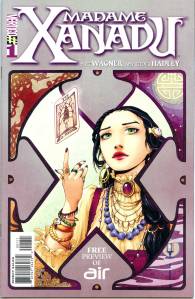
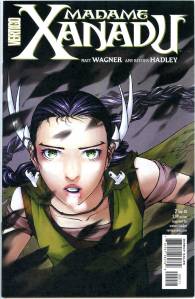
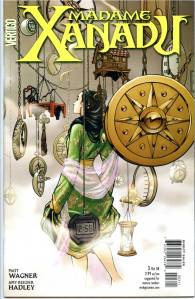
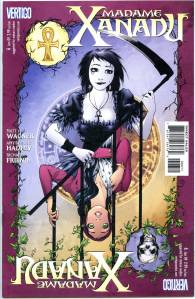
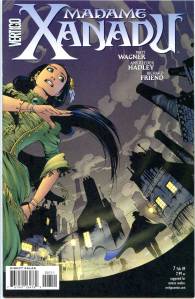
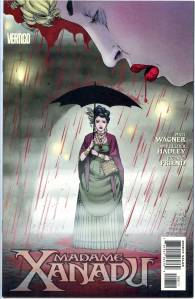
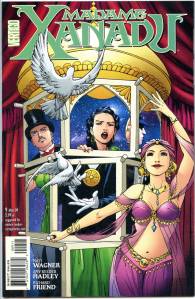
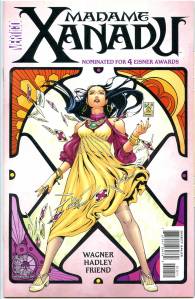
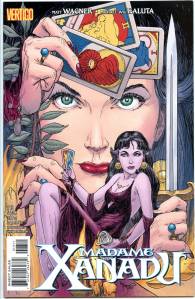
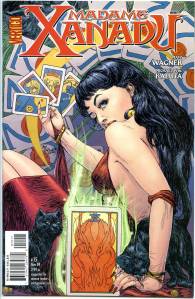
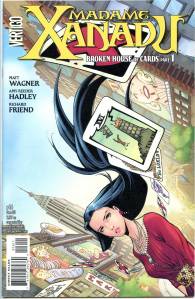
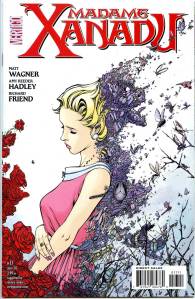
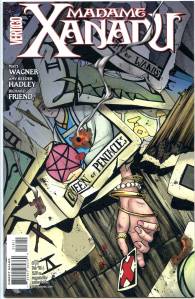
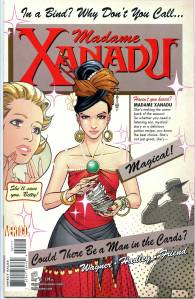
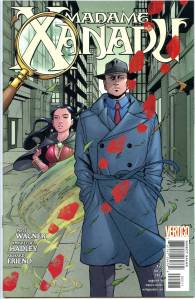
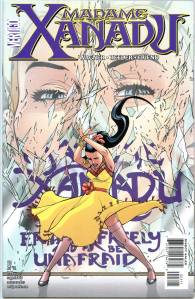
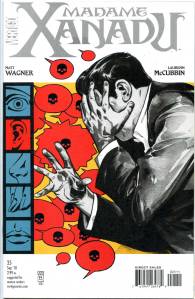
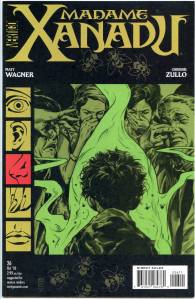
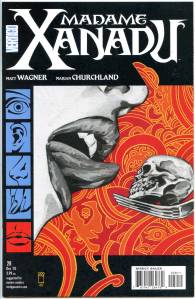
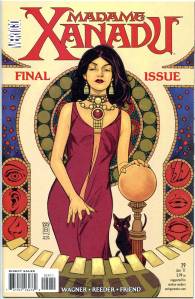
Madame Xanadu eventually got her own ongoing solo book when Matt Wagner and Amy Reeder Hadley teamed up for it in 2008, followed by more Wagner stories with artwork by many other equally amazing artists. The series went for 29 issues, exploring key moments in Xanadu’s very long life and centering in on the details of her magical powers more than any story had before. After the first couple arcs, most of the issues revolved around Xanadu’s actions at the margins of DC’s superhero community in the ‘40s, which makes the run a must-read for fans of DC’s Golden Age.
In her solo series, we discovered that Xanadu’s given name was Nimue Inwudu, and she was the third sibling after Morgan le Fay and the Lady of the Lake in Celtic mythology. They were descendants of the survivors of the destruction of Atlantis known as the homo magi, and thus all possessed inherent magical skills. After a particularly ill-fated affair with Merlin, she traveled the world and gained her immortality by besting Death in a card game.
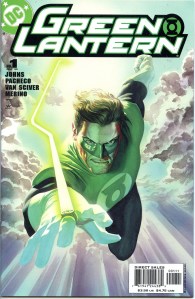
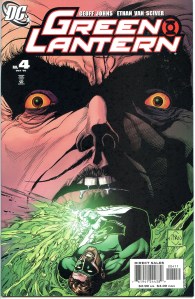
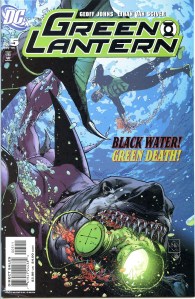
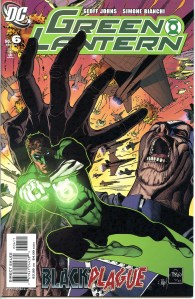
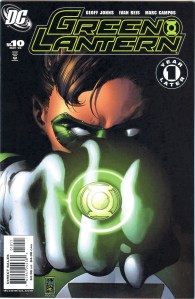
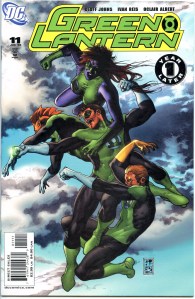
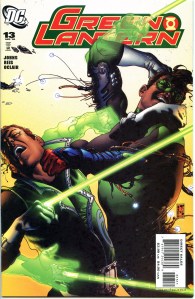
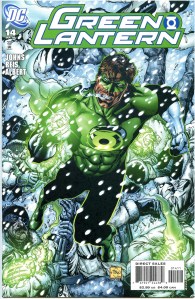
The fourth volume of Green Lantern began in 2005 in the aftermath of Green Lantern: Rebirth, which saw the return of fan favorite Hal Jordan. In the beginning of the series Hal tries to re-acclimate into society and life, both as Hal Jordan: Test Pilot and Hal Jordan: Green Lantern of Sector 2814. As critically acclaimed writer Geoff Johns reinvents Hal Jordan and reintroduces him into the DCU he comes across various problems and threats throughout the run. With Coast City being rebuilt Hal takes residence there, even if barely anyone else has. The Manhunter Androids, Cyborg-Superman, Shark, Hector Hammond and Black Hand cause serious problems for Hal. The Black Hand who becomes immensely important later on in the series.