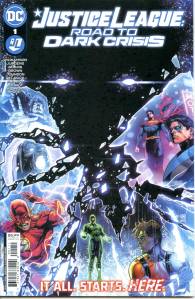
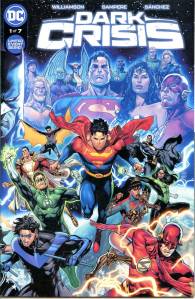
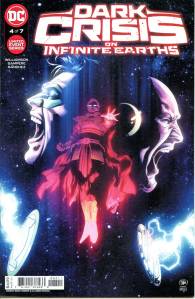
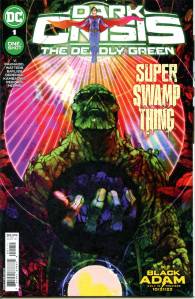
“Dark Crisis on Infinite Earths“, originally “Dark Crisis“, is a 2022 comic book storyline published by DC Comics, comprising an eponymous central 7 issue mini-series by writer Joshua Williamson and artist Daniel Sampere, and a number of tie-in books. The event received critical acclaim, with critics praising Williamson’s writing, inclusion of characters, art, story, and action. The storyline takes place towards the end of Infinite Frontier, with the conclusion of the series leading into the Dawn of DC in 2023.
The title of the series was changed from Dark Crisis to Dark Crisis on Infinite Earths on and after issue #4, which denoted how the series is a direct sequel to Crisis On Infinite Earths. The series results in the return of the DCU’s infinite multiverse which was destroyed in the original crisis in 1986.
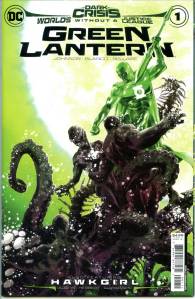
Road to Dark Crisis – Justice League #1 NM $5Dark Crisis #1 NM $3Dark Crisis #2 NM $5Dark Crisis #3 NM $5Dark Crisis on Infinite Earths #4 NM $3Dark Crisis – The Deadly Green #1 NM $3Dark Crisis – War Zone #1 NM $3Dark Crisis – Worlds Without a Justice League – Green Lantern #1 NM $5
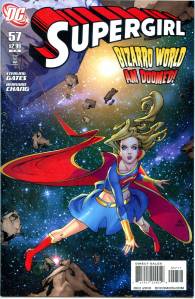
After the launch of the Superman/Batman comic book series, Executive Editor Dan DiDio had been looking for a way to simplify the Supergirl character from her convoluted post-crisis history; the simplest version of course, was Superman’s cousin. Jeph Loeb and editor Eddie Berganza found an opening to reintroduce the character following the conclusion of the first story arc of Superman/Batman.
The modern version of Kara Zor-El made her debut in Superman/Batman #8 (2004). Kara takes the mantle of Supergirl at the conclusion of the storyline. The Supergirl comic book series would later be relaunched, now starring Kara Zor-El as “The Girl of Steel”. The first arc of the new series was written by Jeph Loeb and illustrated by Ian Churchill.
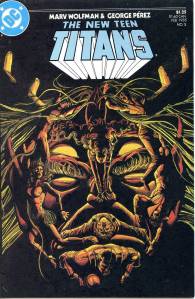
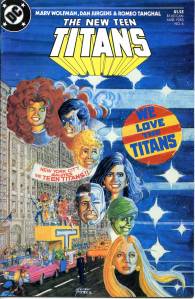
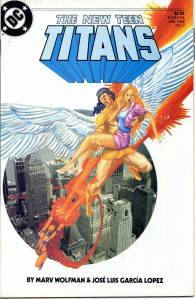
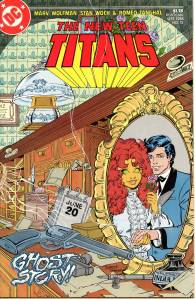
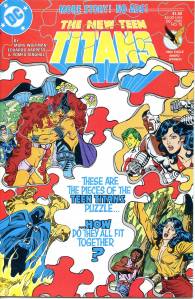
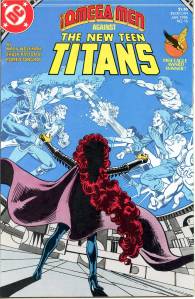
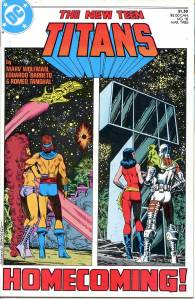
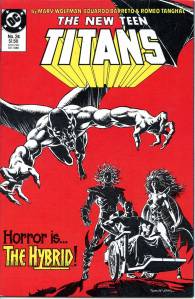
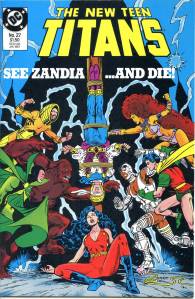
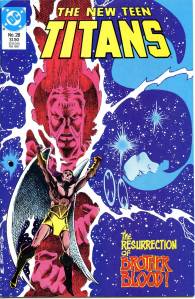
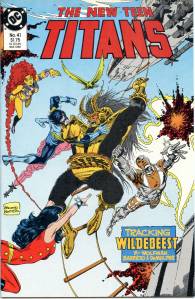
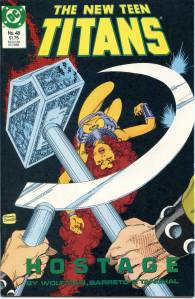
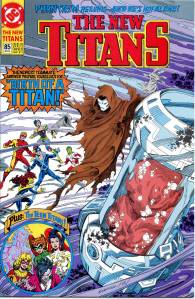
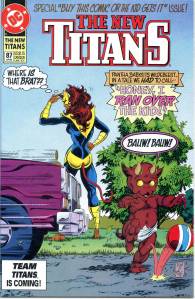
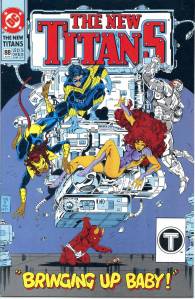
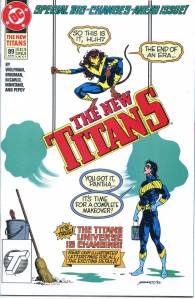
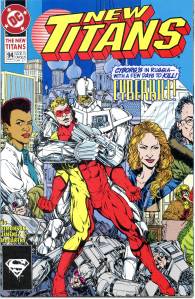
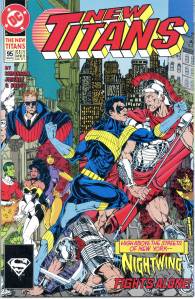
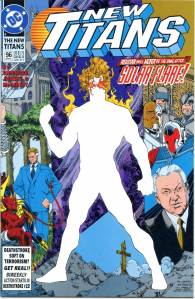
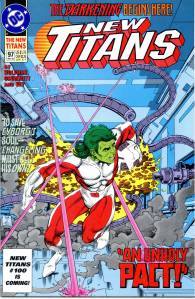
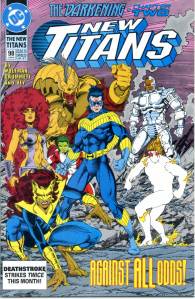
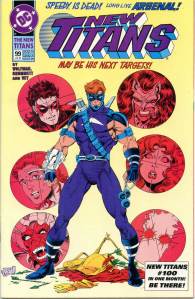
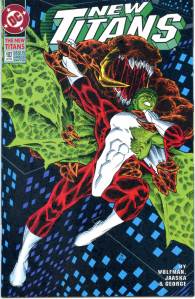
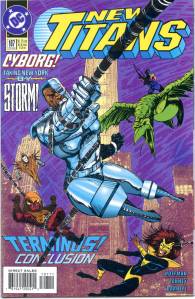
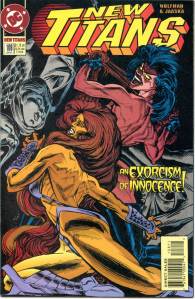
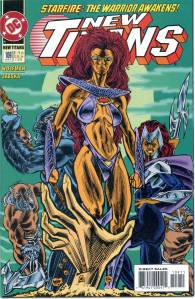
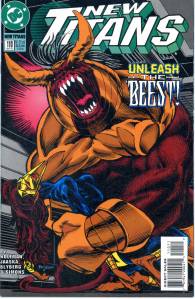
The New Teen Titans relaunched with a new #1 issue in August 1984 as part of a new initiative at DC informally referred to as “hardcover/softcover”. The New Teen Titans along with Legion of Super-Heroes and Batman and the Outsiders were the first and only titles included in this program. The same stories were published twice, first in a more expensive edition with higher-quality printing and paper distributed exclusively to comic book specialty stores, then republished a year later in the original format, distributed to newsstands. The title was renamed Tales of the Teen Titans with issue #41, while a new concurrently published series named The New Teen Titans vol. 2 launched with a new #1 following the release of Tales of the Teen Titans #44 and Annual #3, the conclusion of the “Judas Contract” storyline.
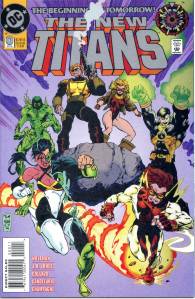
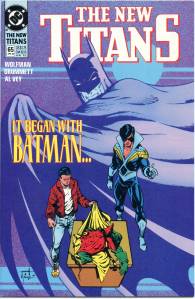
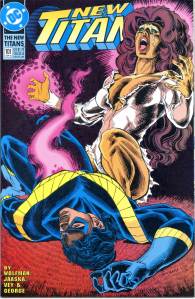
Pérez temporarily returned with issue #50, when the series took the name The New Titans without the “Teen” prefix, as the characters were no longer teenagers. Issue #50 told a new origin story for Wonder Girl, her link to Wonder Woman having been severed due to retcons created in the aftermath of Crisis on Infinite Earths. Issues #60 and #61 were part of a five-part crossover with Batman, “A Lonely Place of Dying” and along with issue #65, featured the debut of Tim Drake as the third Robin.
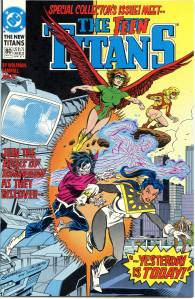
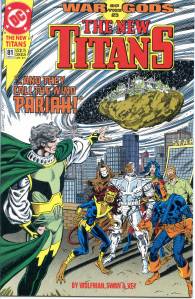
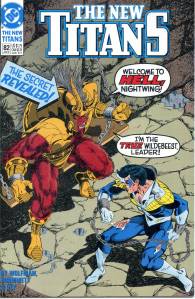
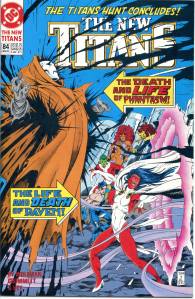
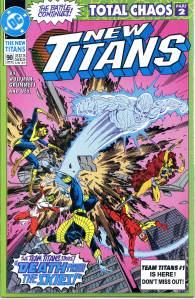
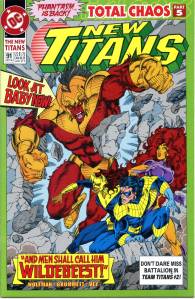
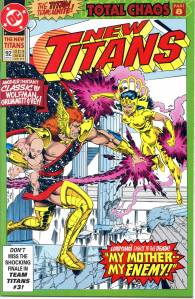
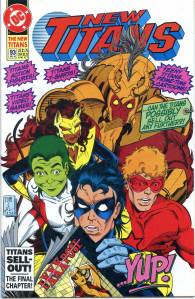
New Titans V2 #0 NM $4New Teen Titans V2 #1 CGC 9.8 White Pages $85New Teen Titans V2 #2 VF-NM $4New Teen Titans V2 #3 NM- $4New Teen Titans V2 #4 NM- $3New Teen Titans V2 #5 VF $2New Teen Titans V2 #6 VF-NM $2New Teen Titans V2 #7 NM- $3New Teen Titans V2 #9 NM $4New Teen Titans V2 #10 NM- $3New Teen Titans V2 #11 NM- $3New Teen Titans V2 #12 NM- $3New Teen Titans V2 #13 NM $4New Teen Titans V2 #14 NM $4New Teen Titans V2 #15 NM $4New Teen Titans V2 #16 NM $4New Teen Titans V2 #17 NM $4New Teen Titans V2 #18 NM $4New Teen Titans V2 #19 VF $2New Teen Titans V2 #20 NM $4New Teen Titans V2 #22 NM $4New Teen Titans V2 #23 NM $4New Teen Titans V2 #24 VF-NM $3New Teen Titans V2 #25 NM $4New Teen Titans V2 #26 NM $4New Teen Titans V2 #27 NM $4New Teen Titans V2 #28 NM $4New Teen Titans V2 #29 NM $4New Teen Titans V2 #30 NM $4New Teen Titans #41 NM $4New Teen Titans V2 #47 NM $4New Teen Titans #48 NM $4New Titans V2 #60 NM $7The New Titans #60 VF-NM $3The New Titans #61 NM- $5New Teen Titans #65 NM $9New Teen Titans #80 NM $4New Titans #81 NM $4New Titans #82 NM $4New Titans #84 NM $4New Titans #85 NM $4New Titans V2 #87 NM $4New Titans V2 #88 NM $4New Titans V2 #89 NM $4New Titans V2 #90 NM $4New Titans V2 #91 NM $4New Titans V2 #92 NM $4New Titans V2 #93 NM $4New Titans V2 #94 $4New Titans V2 #95 NM $4New Titans #96 NM $4New Titans #97 NM $4New Titans #98 NM $4New Titans #99 NM $9New Titans #101 NM $3New Titans #102 NM $3New Titans #103 NM $3New Titans #104 NM $3New Titans #105 NM $3New Titans #106 NM $3New Titans #107 NM $3New Titans #108 NM $3New Titans #109 NM $3New Titans #110 NM $3New Titans #111 NM $3New Titans #112 NM $3New Titans #113 NM $3New Titans #114 NM $3New Titans #116 $3New Titans #117 NM- $3New Teen Titans V2 Annual #1 VF-NM $2New Teen Titans V2 Annual #2 NM- $3
In 1978, DC Comics intended to revive its science-fiction anthology series Strange Adventures. These plans were put on hold that year due to the DC Implosion, a line-wide scaling back of the company’s publishing output. When the project was revived a year later, the title was changed to Time Warp and the series was in the Dollar Comics format. The first issue was published with an October–November 1979 cover date. Michael Kaluta provided the cover art for the entire run.
The title featured a mixture of both established comics creators and new talent. The writing team of Dan Mishkin and Gary Cohn made their comics debut in issue #3 with the three-page short story “On the Day of His Return” which was drawn by Steve Ditko.
Time Warp was canceled with issue #5 (June–July 1980) and unused inventory originally intended for the series was published in a revival of the Mystery in Space title. Other Time Warp stories appeared in the mystery anthology The Unexpected.
The initial Justice League lineup included seven of DC Comics’ superheroes who were regularly published at that time: Superman, Batman, Aquaman, Flash, Green Lantern, Martian Manhunter, and Wonder Woman. Rarely featured in most of the stories, Superman and Batman did not even appear on the cover most of the time. Three of DC’s other surviving or revived characters, Green Arrow,the Atom, and Hawkman were added to the roster over the next four years.
The title’s early success was indirectly responsible for the creation of the Fantastic Four. In his autobiography Stan Lee relates how in 1961, during a round of golf, DC publisher Jack Liebowitz mentioned to Marvel-Timely owner Martin Goodman how well DC’s new book (Justice League) was selling. Later that day Goodman, a publishing trend-follower aware of the JLA’s strong sales, told Lee, his comics editor, to come up with a team of superheroes for Marvel.
Justice League of America #45 VG $10Justice League of America #50 FN+ $18Justice League of America #52 FN $12Justice League of America #69 VG- $8
As with all of the books associated with the DC relaunch, Clark Kent appears to be about five years younger than the previous incarnation of the character (where it would focus on the early days of Superman’s career, whereas the main series would focus on the present). Superheroes at large have appeared only in the past five years, and are viewed with at best, suspicion, and at worst, outright hostility. The storyline in Action Comics takes place about a year before the events of Justice League #1, and was referred to by DC Co-Publisher Dan DiDio as “DC Universe Year Zero” while JL operates as “Year One.” The Man of Steel is not yet trusted by the citizens of Metropolis and wears a basic costume consisting of a caped T-shirt, jeans and work boots.
The world once again holds its breath as The Joker strikes again! But how far is he willing to go this time? From the twisted minds of Matthew Rosenberg (Task Force Z, What’s the Furthest Place from Here?) and Carmine Di Giandomenico (Batman: The Knight) comes a violent, mind-bending new series that picks up from the cataclysmic end of The Joker and follows the mayhem across the United States. With the Clown Prince of Crime setting out on his most bizarre caper yet, will a fan-favorite vigilante be able to prevent certain tragedy? Or is he in on the joke?
The Joker – The Man Who Stopped Laughing #1 NM $6The Joker – The Man Who Stopped Laughing #2 NM $6The Joker – The Man Who Stopped Laughing #3 NM $6The Joker – The Man Who Stopped Laughing #4 NM $6The Joker – The Man Who Stopped Laughing #5 NM $6The Joker – The Man Who Stopped Laughing #6 NM $6
On December 6, 2006, a new series was launched with the creative team of Geoff Johns (writer), Dale Eaglesham (pencils), and Alex Ross (cover art). The beginning of the new series showed JSA veterans the Flash, Green Lantern, and Wildcat choosing members of the new generation of superheroes to train. Continuing a major theme from the previous JSA title, this new series focused on the team being the caretakers of the superhero legacy from one generation to the next.
Justice Society of America #1 CGC 9.8 White Pages $89Justice Society of America V3 #1 VF-NM $9Justice Society of America V3 #5 NM $5Justice Society of America #6 NM $5Justice Society of America #8 NM- $3Justice Society of America V3 #9 NM $5Justice Society of America #11 VF+ $2Justice Society of America V3 #11 NM $4Justice Society of America V3 #12 NM $4Justice Society of America V3 #13 NM $4Justice Society of America V3 #14 NM $4Justice Society of America V3 #15 NM $4Justice Society of America V3 #16 NM $4Justice Society of America #17 NM $4Justice Society of America V3 #17 NM $4Justice Society of America #18 NM $4Justice Society of America V3 #19 NM $4Justice Society of America V3 #20 NM $4Justice Society of America #21 NM $4Justice Society of America V3 #21 VF-NM $2Justice Society of America V3# 22 NM- $3Justice Society of America V3 #25 NM- $3Justice Society of America V3 #26 NM $4Justice Society of America V3 #42 NM $4Justice Society of America Kingdom Come Special – Superman VF-NM $6
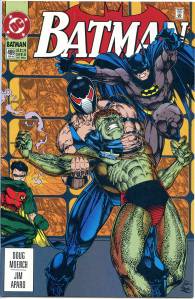
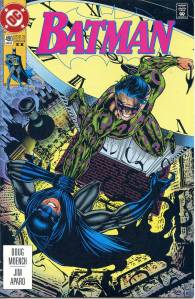
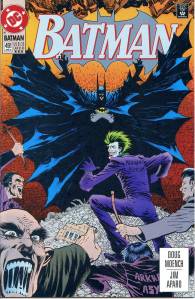
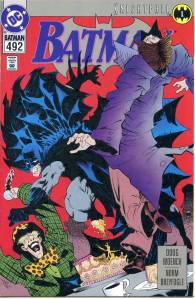
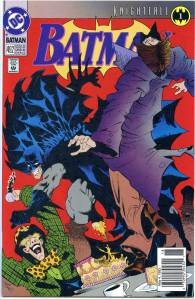
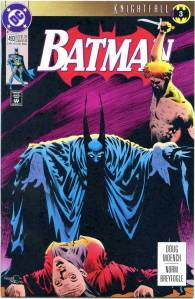
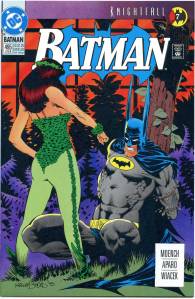
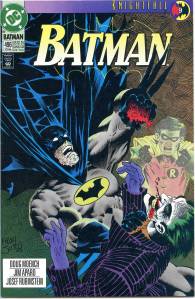
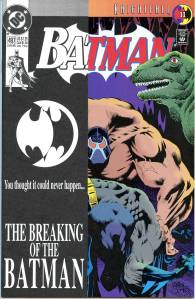
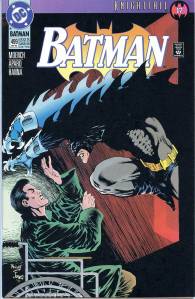
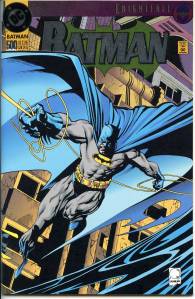
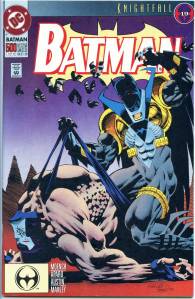
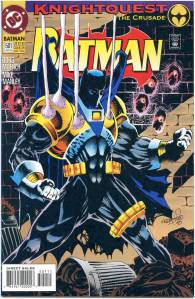
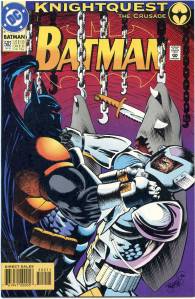
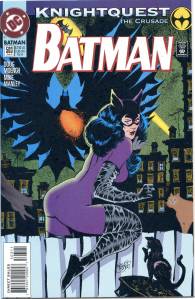
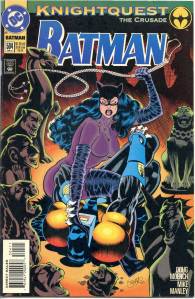
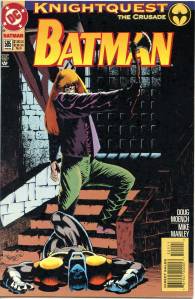
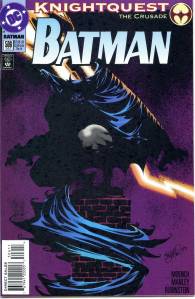
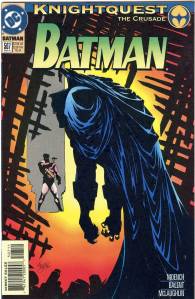
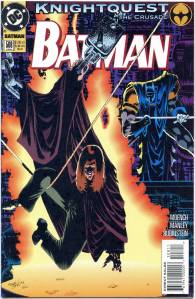
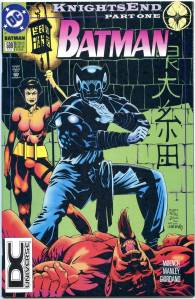
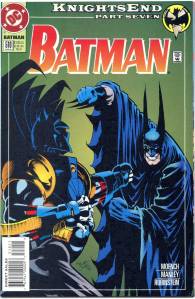
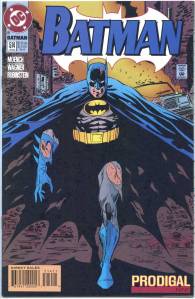
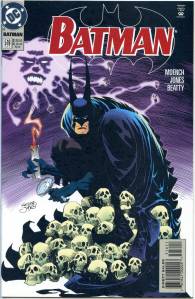
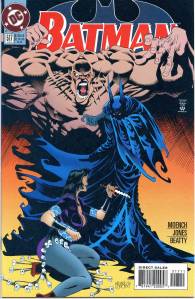
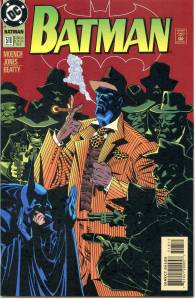
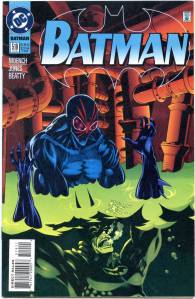
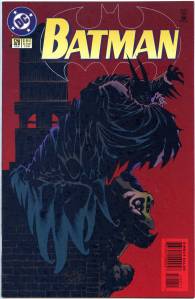
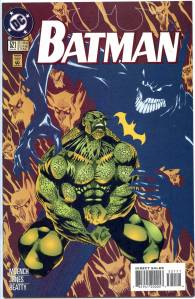
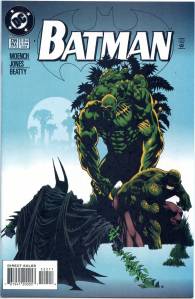
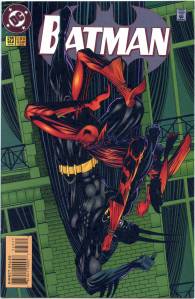
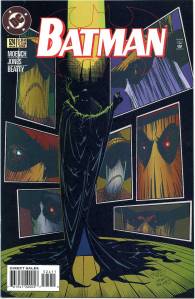
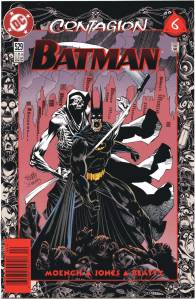
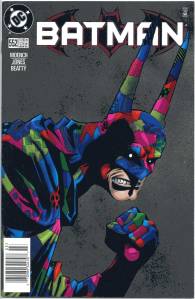
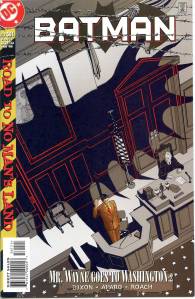
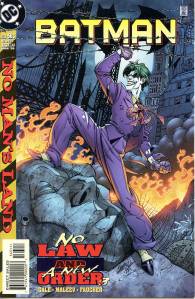
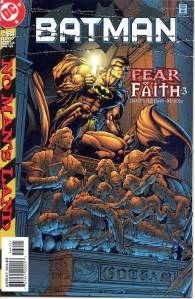
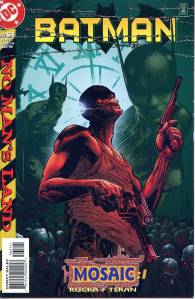
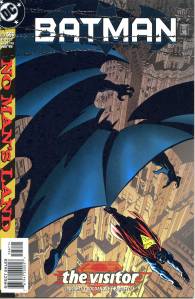
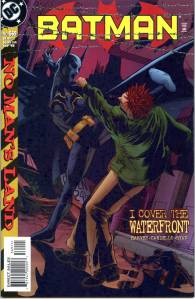
The 1993 “Knightfall” story arc introduced a new villain, Bane, who critically injures Batman. Jean-Paul Valley, known as Azrael, is called upon to wear the Batsuit during Bruce Wayne’s convalescence. Writers Doug Moench,Chuck Dixon, and Alan Grant worked on the Batman titles during “Knightfall”, and would also contribute to other Batman crossovers throughout the 1990s. 1998’s “Cataclysm” storyline served as the precursor to 1999’s “No Man’s Land“, a year-long storyline that ran through all the Batman-related titles dealing with the effects of an earthquake-ravaged Gotham City. At the conclusion of “No Man’s Land”, O’Neil stepped down as editor and was replaced by Bob Schreck.