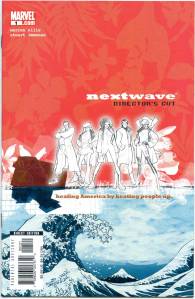
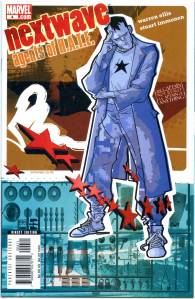
Nextwave is a humorous comic bookseries by Warren Ellis and Stuart Immonen, published by Marvel Comics between 2006 and 2007. Nextwave consistently features extreme violence and comedy, and simultaneously satirizes and celebrates Marvel’s superhero comics. The series frequently uses flashback scenes in which existing Marvel characters such as Captain America, Ulysses Bloodstone and the Celestials act grossly out of character for comedic purposes. In an interview, Ellis said, “I took The Authority and I stripped out all the plots, logic, character and sanity.” “It’s an absolute distillation of the superhero genre. No plot lines, characters, emotions, nothing whatsoever. It’s people posing in the street for no good reason. It is people getting kicked, and then exploding. It is a pure comic book, and I will fight anyone who says otherwise. And afterwards, they will explode.”
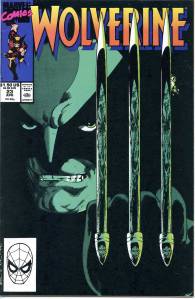
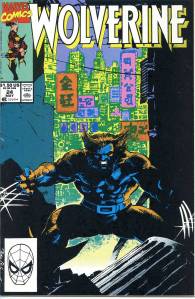
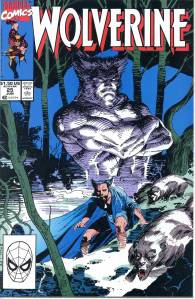
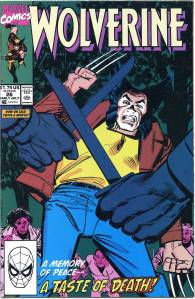
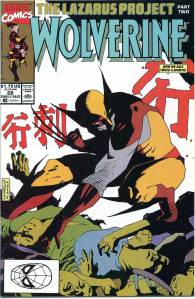
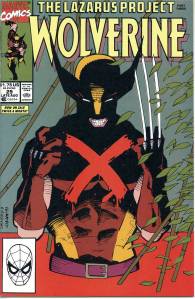
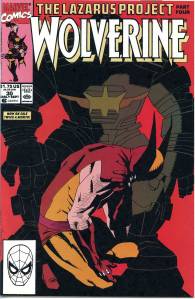
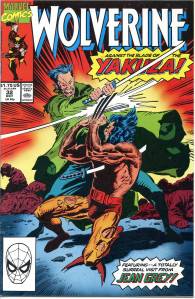
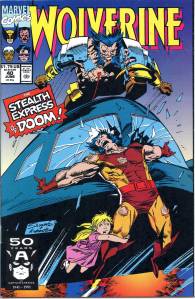
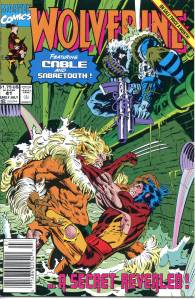
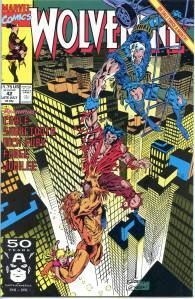
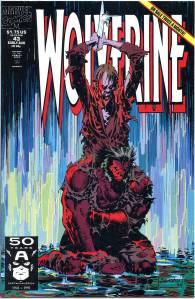
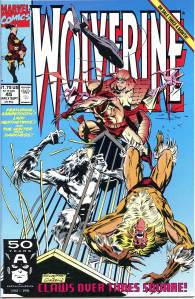
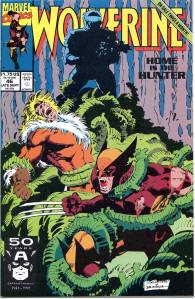
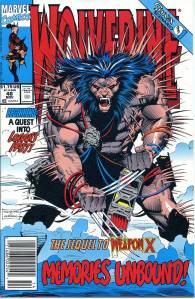
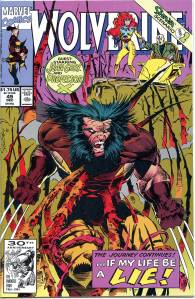
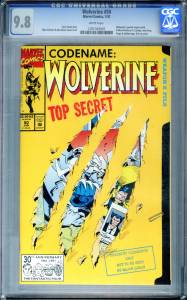
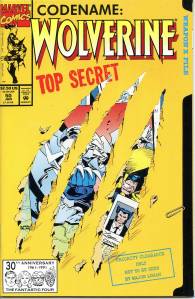
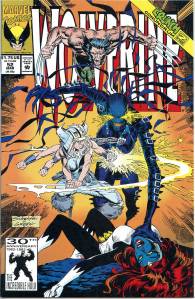
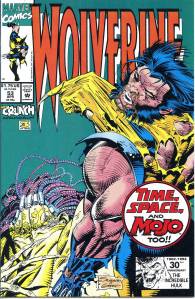
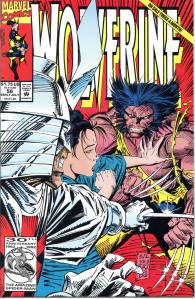
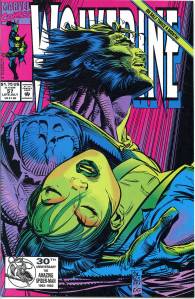
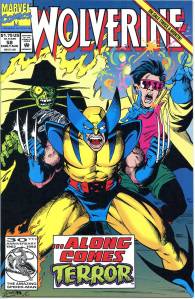
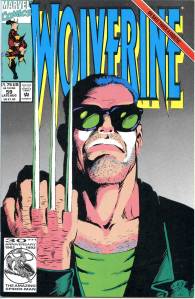
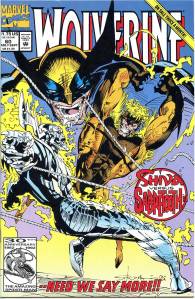
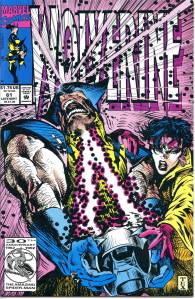
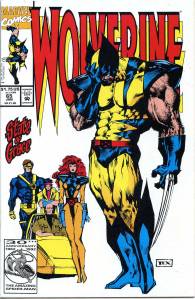
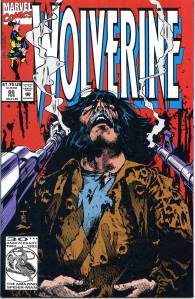
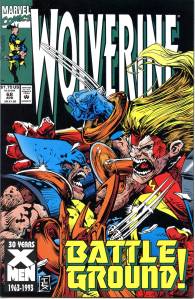
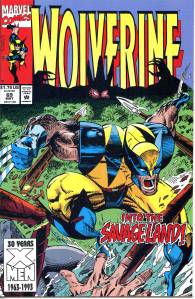
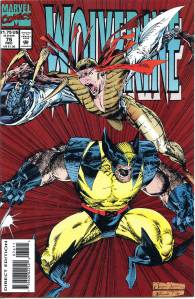
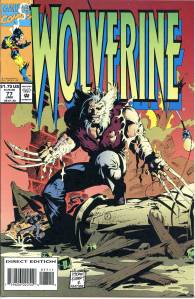
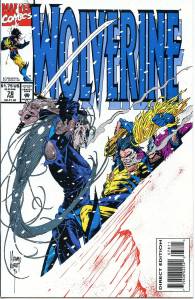
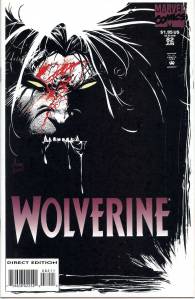
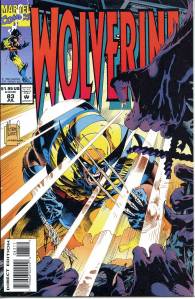
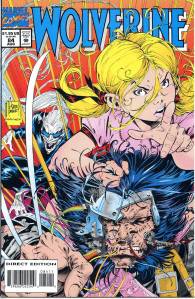
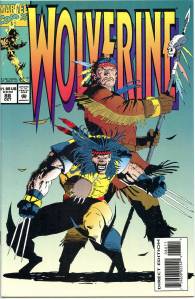
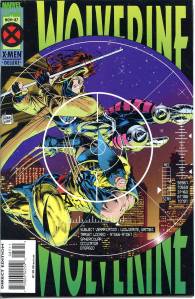
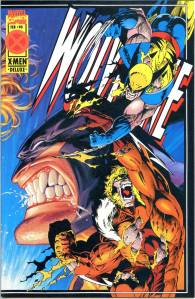
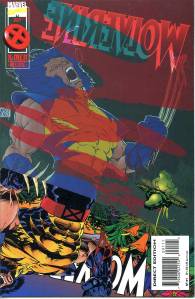
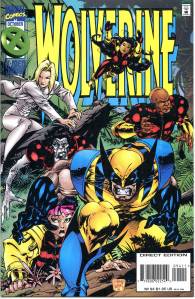
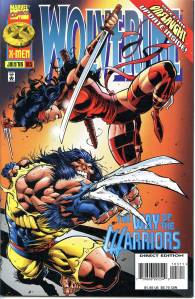
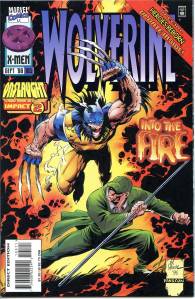
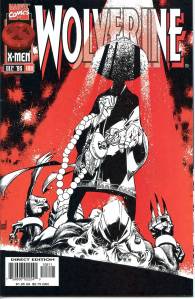
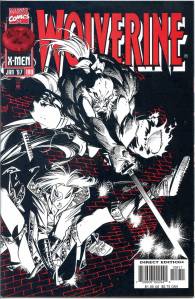
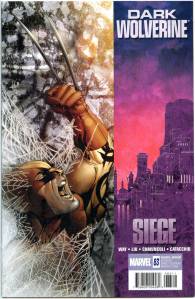
John Byrne stated, in both interviews and his website, that he drew a possible face for Wolverine, but then learned that Dave Cockrum had already drawn him unmasked in X-Men #98 (April 1976), long before Byrne’s run on the series.Later, Byrne used the drawing for the face of Sabretooth, an enemy of the martial artist superhero Iron Fist, whose stories Chris Claremont was writing. Byrne then conceived of the idea of Sabretooth being Wolverine’s father. Together, Byrne and Claremont came up with Wolverine being approximately 60 years old and having served in World War II after escaping from Sabretooth, who was approximately 120 years old. The plan had been for Wolverine to have been almost crushed in an accident; he would discover, when attempting to stand for the first time after recovering, that his healing factor does not work on bones, and his legs immediately break. He then spends over a decade in a hospital bed, almost going mad, when the Canadian government approaches him with the idea of replacing his skeleton one bone at a time with adamantium, the claws being a surprise. This origin, too, was never used.
Talbot Engineering Inc. is under new management – and its brilliant chief scientist, Batya Zahn, will do just about anything to get her family off the icy moon where they’ve been conducting research on water conservation. But there’s more than glacial springs to find in this forgotten corner of the galaxy. When they discover an extraordinary organism buried in the ice, it doesn’t take long for tensions to heat up. What is hidden in the snow comes forth in the thaw – and no one will be welcoming this spring. But Zahn is not willing to give up her work to this unexpected threat without a fight, no matter what horrors emerge from the ice in the black of night.
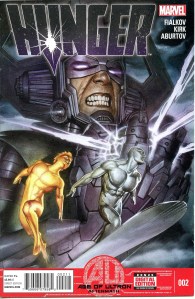
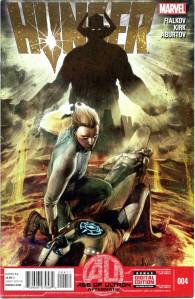
The Hunger rounds out the Age of Ultron event, dealing with the implications of the changes in the Marvel Universe status quo. For example, The Hunger serves as a catalyst for the Cataclysm event in the MarvelUltimate Comics universe, which involves that Universe’s war against Galactus.
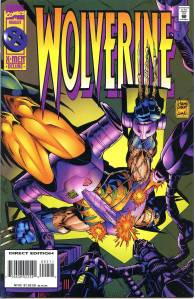
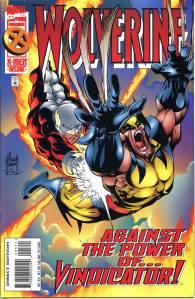
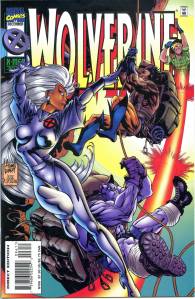
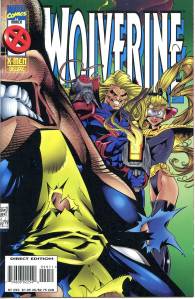
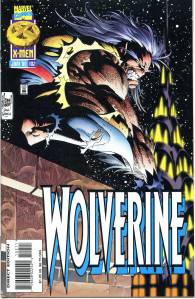
In 2008, writer Mark Millar and artist Steve McNiven explored a possible future for Wolverine in an eight-issue story arc entitled “Old Man Logan” that debuted with Wolverine #66. Millar, the writer for the story, said, “It’s The Dark Knight Returns for Wolverine, essentially. The big, wide, show-stopping series that plays around with the most popular Marvel character of the last forty years, a dystopian vision of the Marvel Universe and a unique look at their futures. The heroes have gone, the villains have won and we’re two generations away from the Marvel we know.
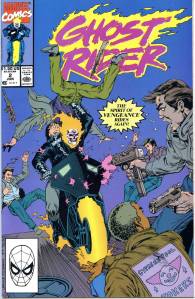
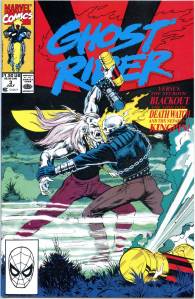
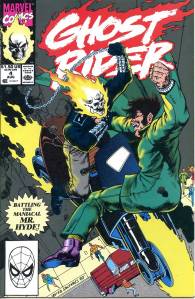
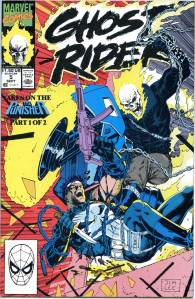
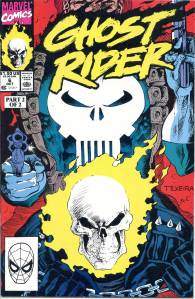
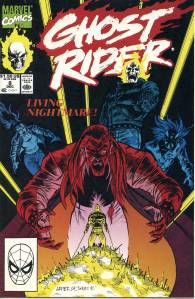
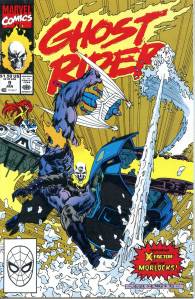
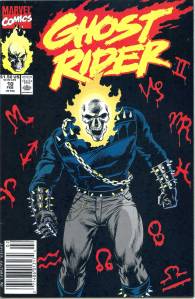
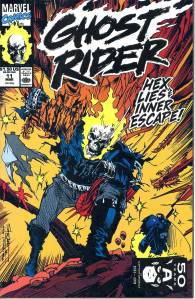
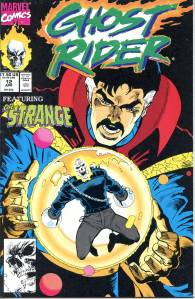
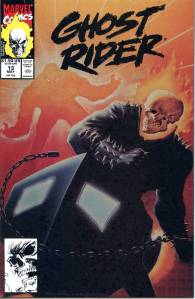
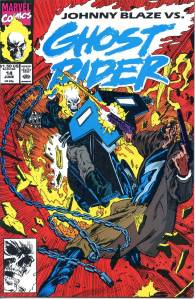
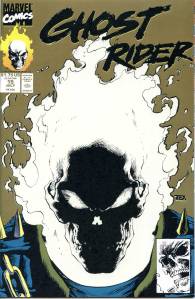
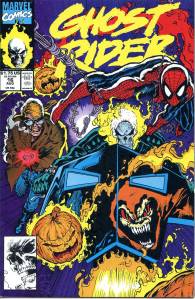
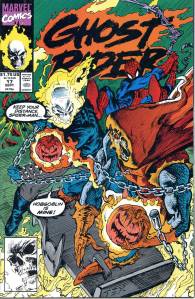
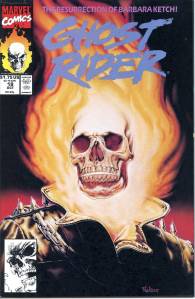
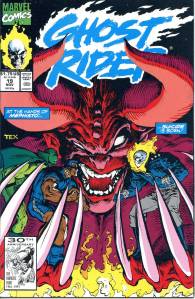
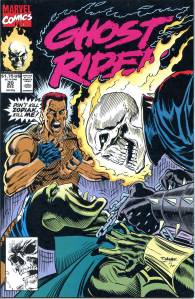
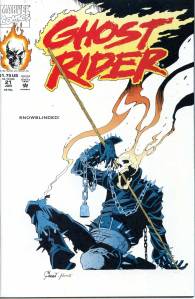
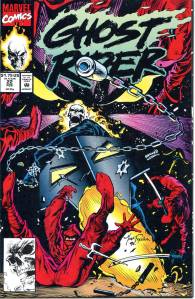
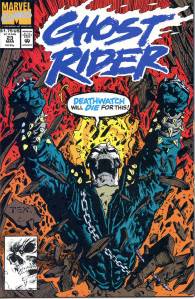
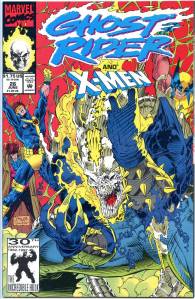
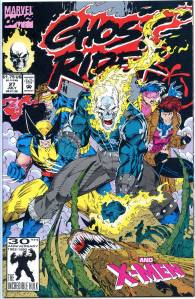
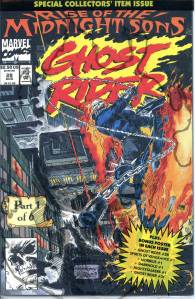
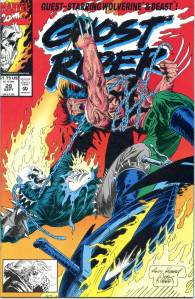
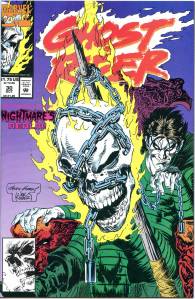
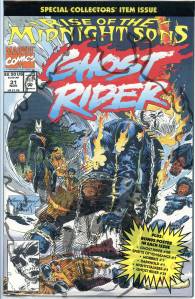
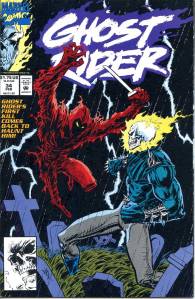
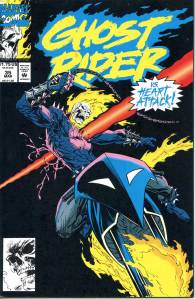
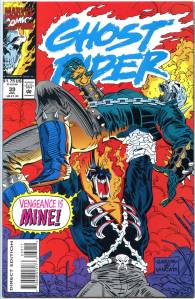
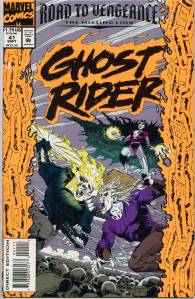
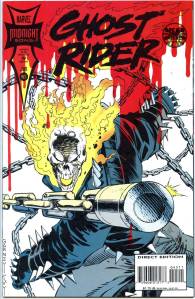
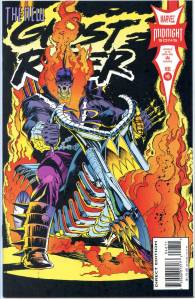
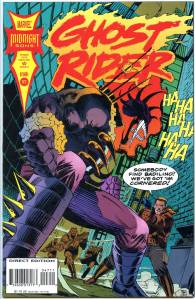
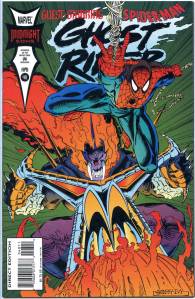
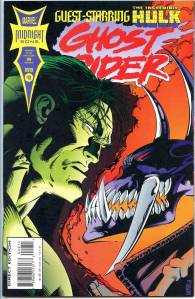
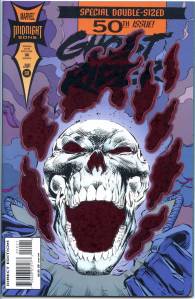
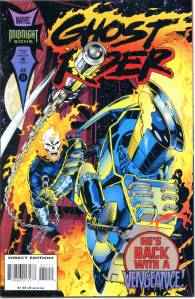
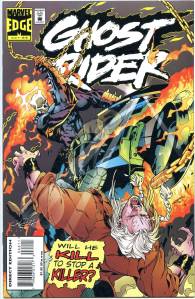
Daniel Ketch debuted in Ghost Rider vol. 3, #1 (May 1990). This Ghost Rider was nearly identical to the previous, although his costume was now a black leather biker jacket with spiked shoulder-pads, grey leather pants, and a mystic chain he wore across his chest, which responded to his mental commands and served as his primary melee weapon. His new motorcycle resembled a futuristic machine and the front of it could lower to serve as a battering ram. Like the original Ghost Rider’s bike, the wheels were composed of mystic hellfire. Unlike the relationship between the previous Ghost Rider and the demon with which he was bonded, Ketch and his demon — who in vol. 2, #91 (December 1997) is revealed to be Marvel’s incarnation of the Angel of Death/Judgment — are cooperative with each other. At the close of the series with vol. 2, #93 (Feb. 1998), Ketch apparently died. The following year, however, Peter Parker: Spider-Man #93 (July 1999) revealed Ketch was still alive. Nearly a decade later, Marvel published the long-completed final issue as Ghost Rider Finale (Jan. 2007), which reprints the last issue and the previously unpublished #94.
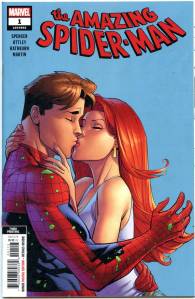
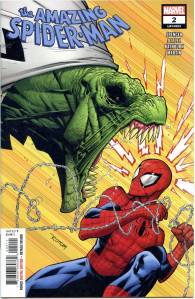
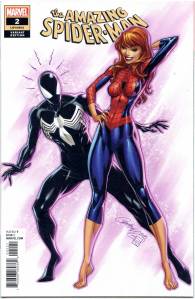
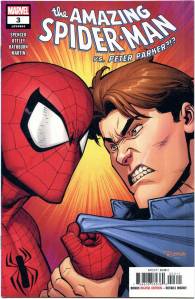
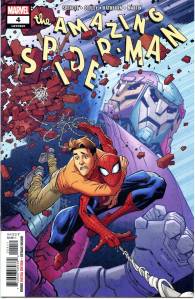
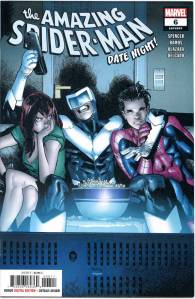
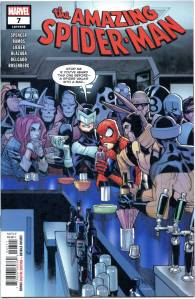
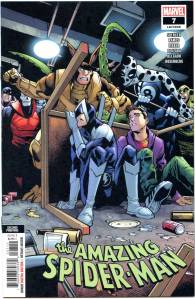
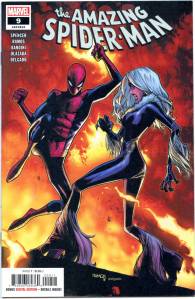
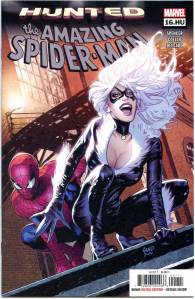
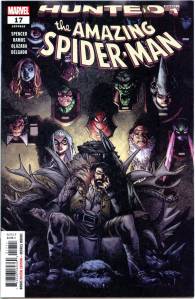
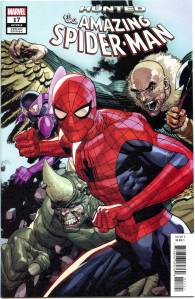
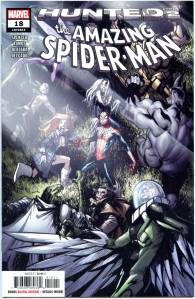
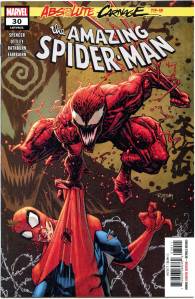
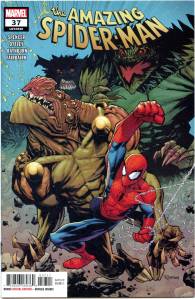
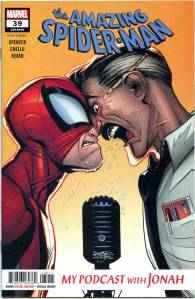
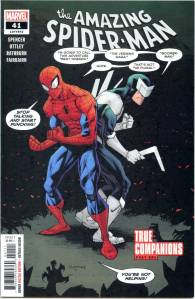
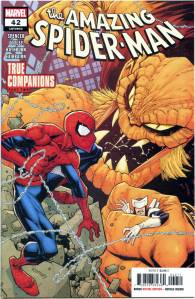
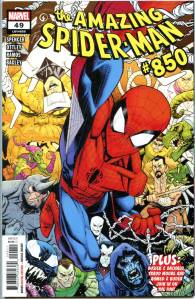
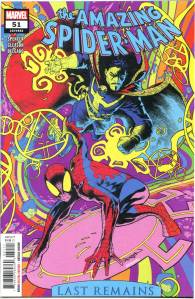
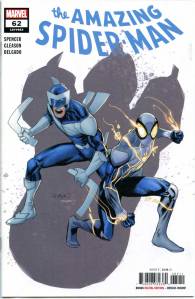
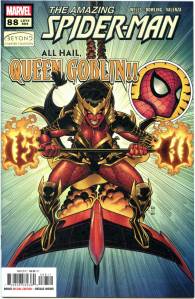
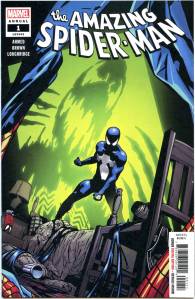
An alien invasion hits New York City and the only one who can stop it is… Spider-Man?! But that’s far from all you’ll find here – a revelation from the past puts Peter Parker’s job, relationships, and whole life in jeopardy! And if even that’s not enough, you’ll see a new roommate, new love interests – and a new villain! Spider-Man goes back to basics courtesy of Nick Spencer.
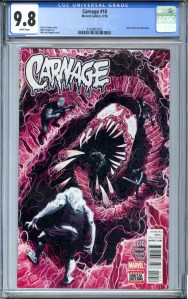
Cletus Kasady has renewed his killing spree, and the FBI is following the trail of bodies. They think they’re ready: They have the latest sonic tech, and a specialist team including military hero/astronaut John Jameson and a reformed Eddie Brock! And when they pursue Carnage into an abandoned coal mine, the trap is set — but is it for him, or for them?
Carnage #10 CGC 9.8 White Pages $74Carnage #16 NM $5
Moonshadow was originally a twelve-issue maxi-series by Marvel Comics under the Epic imprint. It was the first American comic book whose art was done entirely by painting. The series was subsequently reprinted as a single volume in 1989. Also in 1989, a limited edition hardcover was also released by Graphitti Designs. Only 1200 copies of this edition were published, each individually numbered and signed by DeMatteis and Muth.
The story takes the form of an eclectic and quirky fairy tale with satirical elements and dealing with philosophical concerns. It is told via the framing device of Moonshadow, now 120, looking back on his earlier life. The action concerns the events leading up to the “awakening” of Moonshadow, the child of a hippy mother and an enigmatic alien father. The alien, who resembles a glowing orb of light bearing a stylized human face, abducted Moonshadow’s mother from Earth in 1968 along with her black pet cat, Frodo. When the idealistic and naive Moonshadow is orphaned at approximately age 15, he becomes friends with a venal and opportunistic furry humanoid named Ira. Moonshadow and Ira and Frodo the cat set out to find a life for themselves in the stars.
In 1994, DC Comics, under their Vertigo imprint, republished the individual issues as a limited series. The Compleat Moonshadow followed in 1998. This edition also included Farewell, Moonshadow, a one-issue sequel, also published by Vertigo, which, set long after the action of the first miniseries, acts as a coda to the series. The Compleat Moonshadow included textual revisions to the original series.
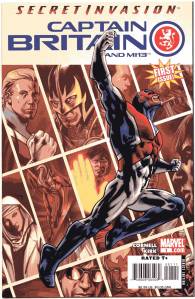
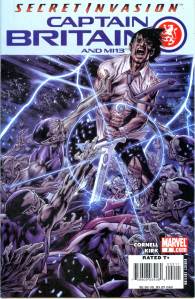
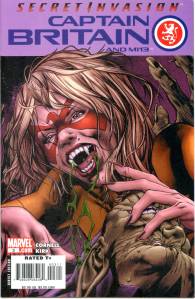
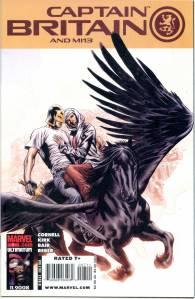
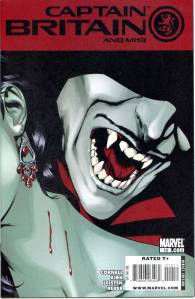
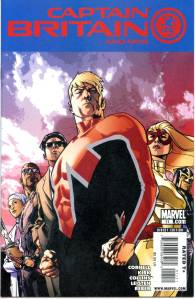
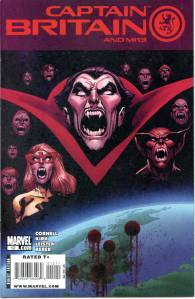
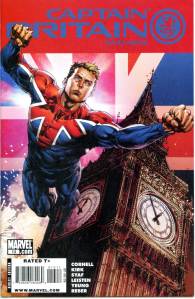
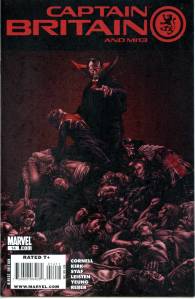
The series centers on the fictional British government agency MI: 13, which is dedicated to protecting the United Kingdom from supernatural threats. The main strikeforce is led by the superhero Captain Britain (Brian Braddock), and consists of various Marvel Comics characters that are of British descent or have a connection to the country. The series launched as a tie-in to the Secret Invasion event in May 2008 and ceased publication with issue #15.
Captain Britain and MI13 1# NM- $19Captain Britan and MI13 #2 NM $8Captain Britain and MI13 #2 NM- $6Captain Britan and MI13 #3 NM $5Captain Britain and MI13 #4 VF-NM $3Captain Britan and MI13 #7 NM $4Captain Britan and MI13 #10 NM $4Captain Britan and MI13 #11 NM $4Captain Britan and MI13 #12 NM $4Captain Britan and MI13 #13 NM $4Captain Britan and MI13 #14 NM $5