Look no further! We have a highly diverse selection of awesome comics.

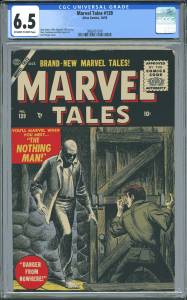
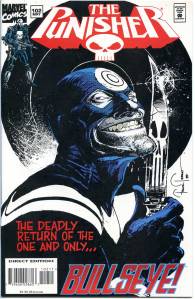
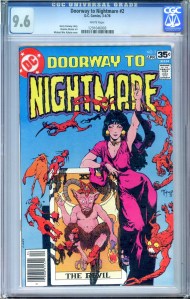
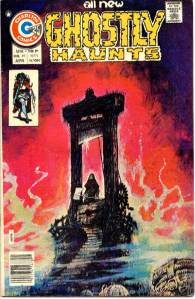
Look no further! We have a highly diverse selection of awesome comics.
 Hello and welcome to EHT Comics! Thank’s for taking the time to stop by our site. All of the items posted on our site are scans or photos of the actual items we have for sale. Just click on an item to view a larger and more detailed image. E-mail us anytime at EHTcomics@gmail.com in regards to items that you are interested in and a Paypal Invoice will be provided via email. Shipping information is provided under “About Us” on the right. We are always adding new comics, so stop back often and if you don’t see it, feel free to ask.
Thanks!
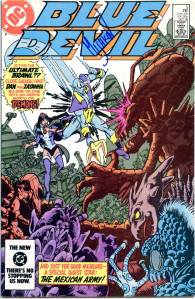
Blue Devil (Dan Cassidy) first appeared in a special insert published in Fury of Firestorm #24 (June 1984). That story led directly into Blue Devil #1, also cover dated June 1984. He was created by Dan Mishkin, Gary Cohn, and Paris Cullins. The Blue Devil comic book ran for 32 issues with Blue Devil later appearing as a regular character in Shadowpact that ran for 25 issues.
Dan Cassidy was working as a stuntman and special effects specialist in Hollywood when he created the Blue Devil full body suit, complete with a built in exoskeleton, specifically designed for the Blue Devil movie being produced by Verner Brothers Studios.
During filming on The Blue Devil, the demon Nebiros was accidentally unleashed from within an ancient temple and, thinking Cassidy was an actual demon, tried to drain his demonic powers with blasts of magic. Instead, the blasts permanently bonded the suit to Cassidy. This unnatural fusion of magic and technology caused Cassidy to experience unusual events and draw the attention of otherworldly beings, a condition known in occult circles as a “weirdness magnet”.


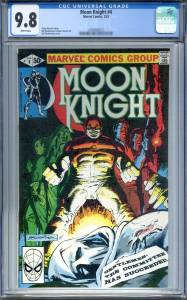
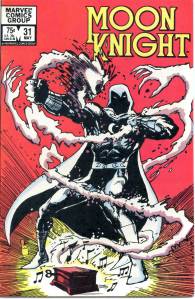
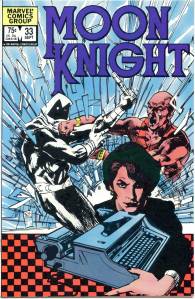
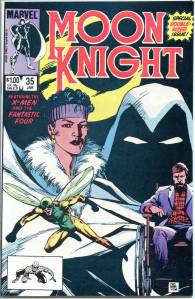
Moon Knight received his first ongoing series in 1980, with Doug Moench and Bill Sienkiewicz as its main creative team. The character received an expanded origin story in issue #1, which also introduced several recurring characters as well as recurring enemy Bushman. The series depicted several characters who doubted the moon god Khonshu was real and believed Marc Spector only experienced a hallucination while near death. It was never explained why other characters, such as Spector’s lover Marlene, concluded this when there was no other explanation for Marc’s spontaneous recovery from his wounds and a death-like state and when it was well known by this time that many gods of myth in the Marvel Universe (such as Thor and Zeus) were real, living entities from other dimensions and planets.
After early sales were good, Marvel made the Moon Knight series a flagship title available in comic shops starting with issue #15. The companion mini-series Moon Knight: Special Edition reprinted the Hulk and Marvel Preview Moon Knight stories in color and standard comic format, as opposed to their original magazine format. Sienkiewicz left the series after issue #30, though he continued to contribute covers until the series ended with issue #38.

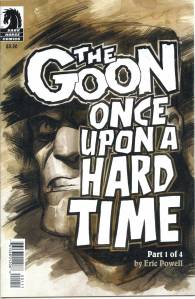
After the tragic events of Occasion of Revenge, the witch coven believes that control of the unnamed town will soon be in their grasp and the Goon’s tragic soul will contribute to the curse that increases their power. But has their plot destroyed the Goon or created a monster too savage for them to withstand?


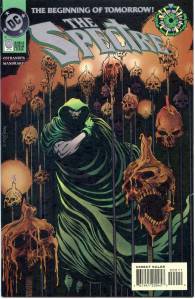
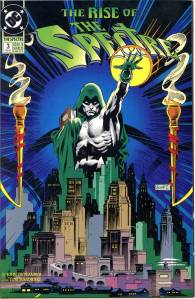
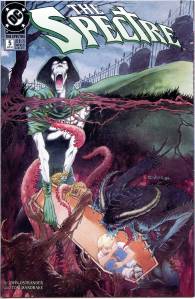
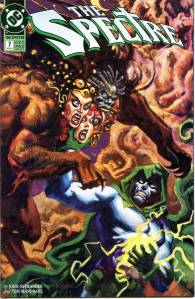
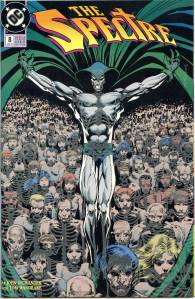
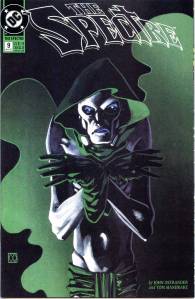
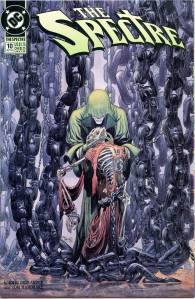
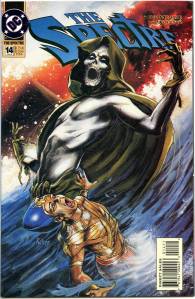
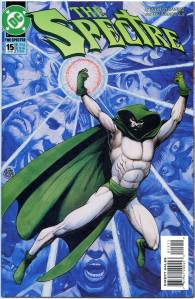
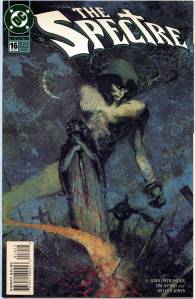
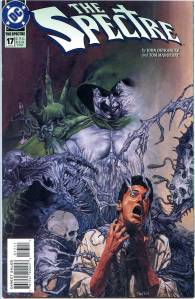
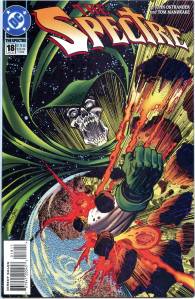
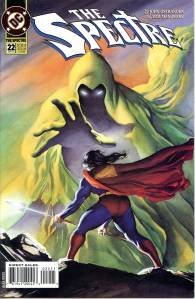
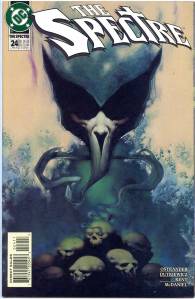
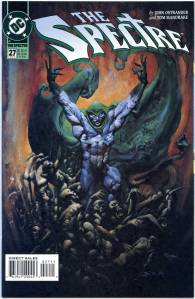
In 1992, the Spectre was again given his own series, this time written by writer and former theology student John Ostrander, who chose to re-examine the Spectre in his aspects as both the embodied Avenging Wrath of the Murdered Dead and as a brutal 1930s policeman.
Ostrander placed the Spectre in complex, morally-ambiguous situations that posed certain ethical questions, one example being: What vengeance should be wrought upon a woman who killed her abusive husband in his sleep?
Ostrander also added several new concepts into the Spectre’s history: He revealed that the Spectre was meant to exist as the embodiment of the Wrath of God, and Jim Corrigan was but the latest human spirit assigned to guide him while he existed on Earth. It was also shown that the Spectre was a fallen angel named Aztar who had participated in Lucifer‘s rebellion, but then repented, and that serving as the embodiment of God’s anger was its penance.
Furthermore, the Spectre was not the first embodiment of God’s anger, but was the replacement for the previously-minor DC character Eclipso. Ostrander chose to portray this as a distinction between the Spectre’s pursuit of vengeance and Eclipso’s pursuit of revenge. In a historical context, Eclipso was responsible for the biblical Flood, while the Spectre was the Angel of Death who slew the firstborn Egyptian children. Spectre and Eclipso have battled numerous times through history but neither entity can be fully destroyed.













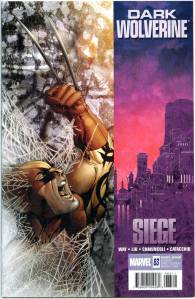
In 2008, writer Mark Millar and artist Steve McNiven explored a possible future for Wolverine in an eight-issue story arc entitled “Old Man Logan” that debuted with Wolverine #66. Millar, the writer for the story, said, “It’s The Dark Knight Returns for Wolverine, essentially. The big, wide, show-stopping series that plays around with the most popular Marvel character of the last forty years, a dystopian vision of the Marvel Universe and a unique look at their futures. The heroes have gone, the villains have won and we’re two generations away from the Marvel we know.




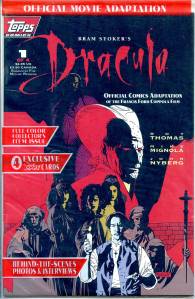
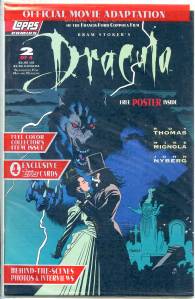
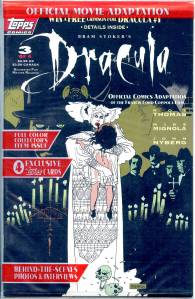
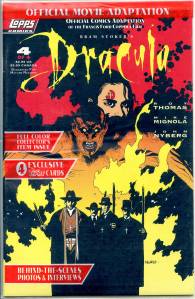
Bram Stoker’s Dracula, a four-issue Topps comic book adaptation of Columbia Pictures’ (Sony Pictures Entertainment) 1992 film directed by Francis Ford Coppola which starred a young Keanu Reeves as Jonathan Harker, Winona Ryder as Mina Murray, Anthony Hopkins as Professor Abraham Van Helsing and Gary Oldman as Dracula. Topps Comics released a 120-page adaptation in 1993, written by Roy Thomas and drawn by Mike Mignola, one of the last projects before launching Hellboy.

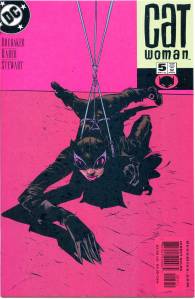
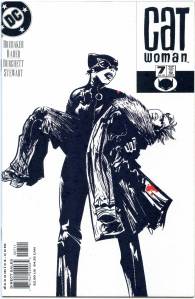
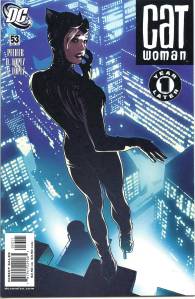
In the Detective Comics #759–762 (August–November 2001) backup storyline “Trail of the Catwoman”, by writer Ed Brubaker and artist Darwyn Cooke, private detective Slam Bradley attempts to find out what really happened to Selina Kyle. This storyline leads in to the Catwoman series of late 2001 (written by Brubaker initially with Cooke, later joined by artist Cameron Stewart). In this series, Selina Kyle, joined by new supporting cast members Holly and Slam Bradley (a character from the early Golden Age DC Comics), becomes protector of the residents of Gotham’s East End, while still carrying out an ambitious career as a cat burglar.


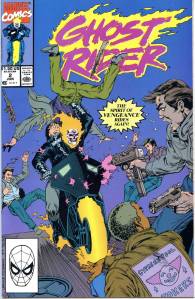
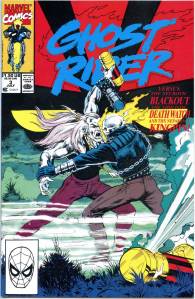
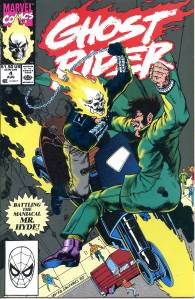
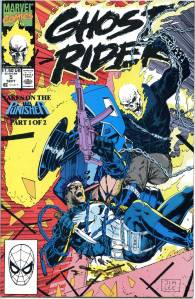
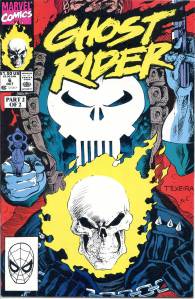
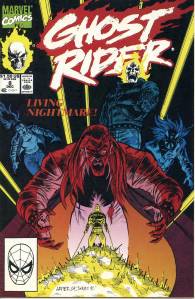
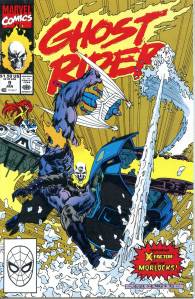
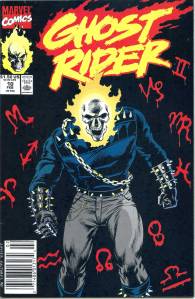
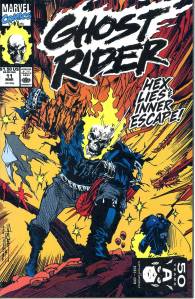
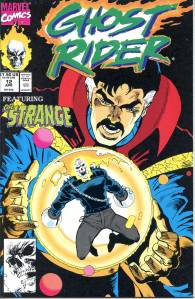
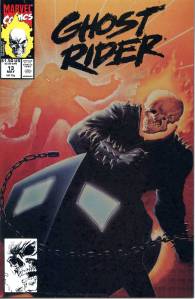
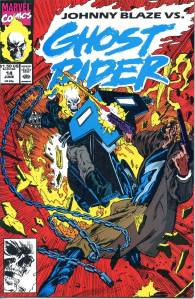
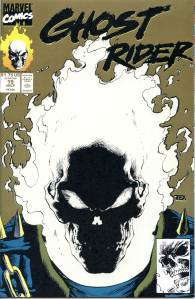
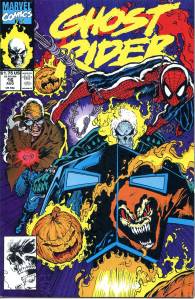
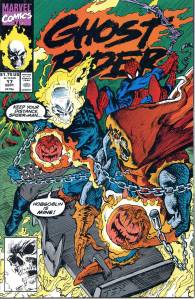
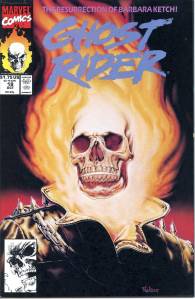
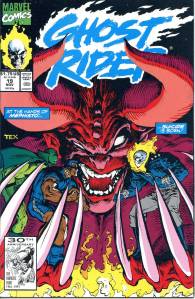
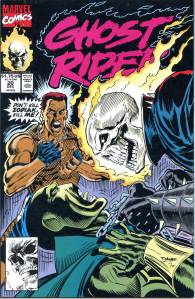
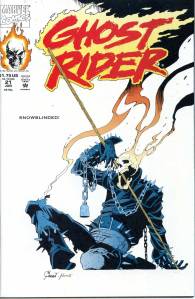
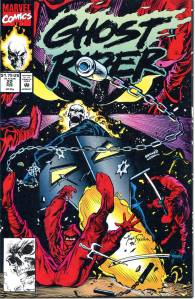
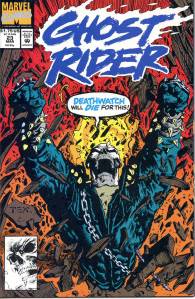
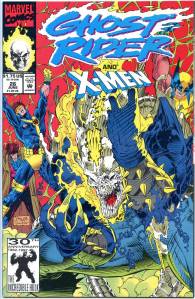
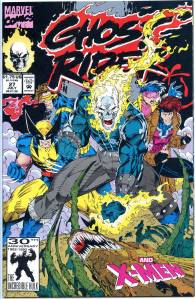
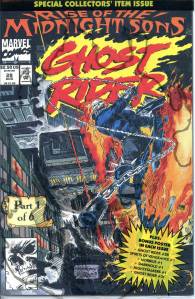
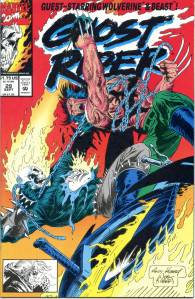
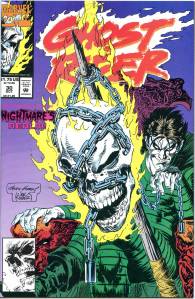
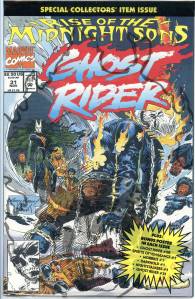
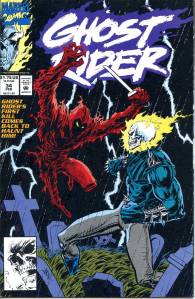
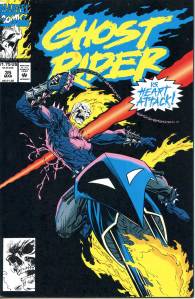
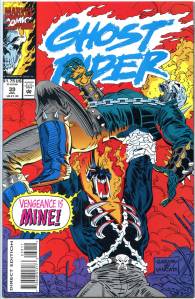
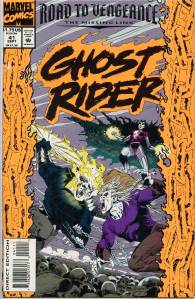
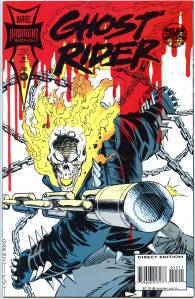
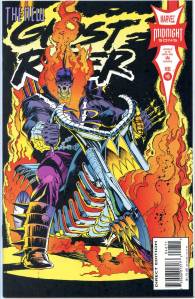
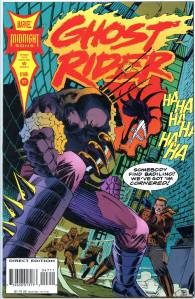
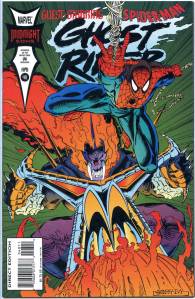
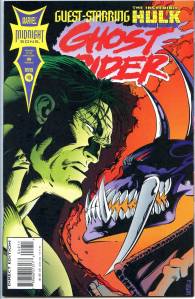
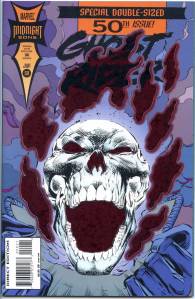
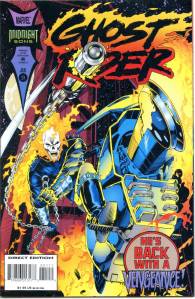
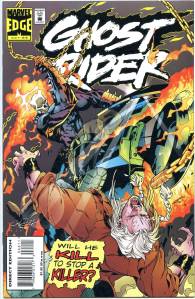
Daniel Ketch debuted in Ghost Rider vol. 3, #1 (May 1990). This Ghost Rider was nearly identical to the previous, although his costume was now a black leather biker jacket with spiked shoulder-pads, grey leather pants, and a mystic chain he wore across his chest, which responded to his mental commands and served as his primary melee weapon. His new motorcycle resembled a futuristic machine and the front of it could lower to serve as a battering ram. Like the original Ghost Rider’s bike, the wheels were composed of mystic hellfire. Unlike the relationship between the previous Ghost Rider and the demon with which he was bonded, Ketch and his demon — who in vol. 2, #91 (December 1997) is revealed to be Marvel’s incarnation of the Angel of Death/Judgment — are cooperative with each other. At the close of the series with vol. 2, #93 (Feb. 1998), Ketch apparently died. The following year, however, Peter Parker: Spider-Man #93 (July 1999) revealed Ketch was still alive. Nearly a decade later, Marvel published the long-completed final issue as Ghost Rider Finale (Jan. 2007), which reprints the last issue and the previously unpublished #94.



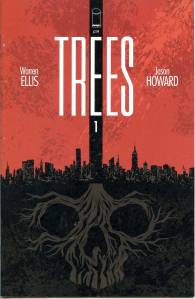
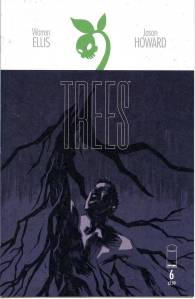
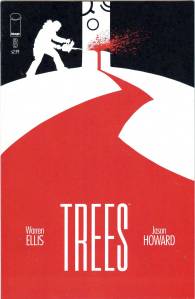
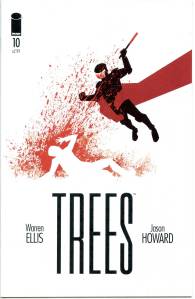
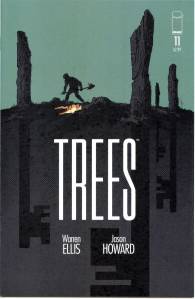
Trees is a science fiction comic book series by Warren Ellis and Jason Howard, published by Image Comics. The first issue was published May 28, 2014. The narrative begins ten years after the arrival of massive and silent alien presences who stand on the surface of the earth like the “Trees” of the title, not moving and seeming to take no account of human life and society. While a high concept science fiction story, the series also concerns itself with a cross-section of social and cultural issues as experienced by the characters, including policestates, feminism, economic disparity, and transgender identity.






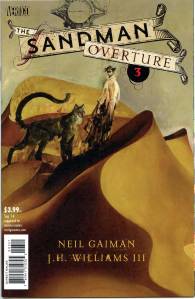
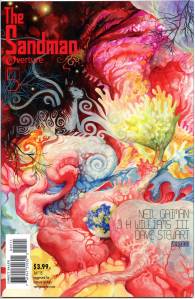
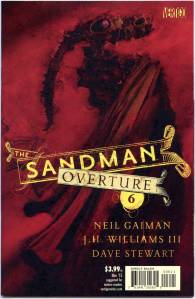
To commemorate the twenty-fifth anniversary of The Sandman, Gaiman wrote a new tale involving the battle that had exhausted Morpheus prior to the beginning of the original story. Written by Gaiman and with art by J. H. Williams III, Overture tells the previously hinted story of Dream’s adventure prior to Preludes and Nocturnes, which had exhausted him so much that it made Burgess’ actions capable of capturing him. The limited series had six issues. Issue #1 was released on October 30, 2013, and although it was planned to have a bi-monthly release schedule, issue 2 was delayed until March 2014, which Gaiman explained was “mostly due to the giant signing tour I was on from June, and me not getting script written on the tour, with knock-on effects”. Special editions were released approximately a month after the original editions, which contain interviews with the creative team, alongside rare artwork.