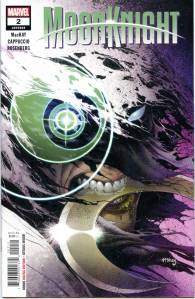
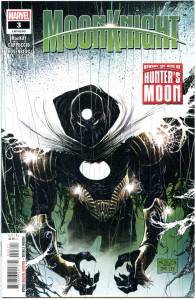
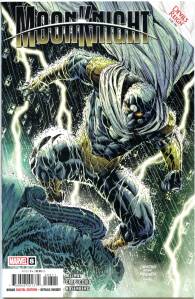
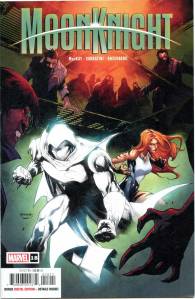
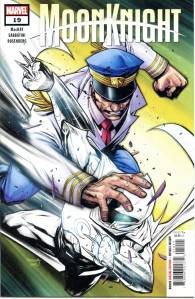
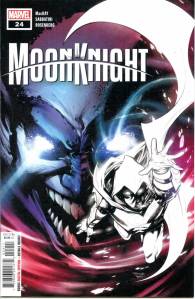
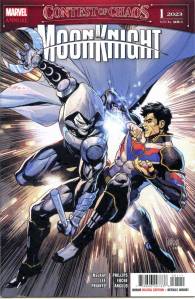
In 2021, the series Moon Knight vol. 10 launched under writer Jed MacKay, and artists Alessandro Capuccio and Rachelle Rosenberg. The new series has Marc Spector not only acting as the crimefighter Moon Knight but also (despite his Jewish background) adopting the role of high priest of “the Midnight Mission,” a congregation dedicated to Khonshu. In discussing his connection to Khonshu, Marc Spector now describes his four aspects as “the traveler”, “the pathfinder”, “the embracer”, “the defender of those who travel at night.” Once again, Marc Spector is depicted as being in regular therapy with a psychologist in order to help manage his psychological issues. The series also offers that Marc Spector may be immortal, as he has now been literally resurrected on multiple occasions and could be resurrected again in the future.
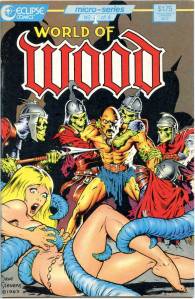
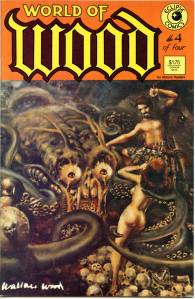
Color anthology reprint series of Wally Wood stories that included the following and more:
The Curse: Originally published in Vampirella Magazine #9 (Harris, 1971)
Overworked: Originally published in Eerie Magazine #131 (Warren, 1966)
The Misfits: Originally published in Heroes, Inc. Presents Cannon #1 (self published, 1969)
ME – 262!: Originally published in Blazing Combat #4 (Warren, 1966)
Prelude To Armageddon: Originally presented in Creepy #41 (Warren, 1971)
The Battle Of Britain!: Originally presented in Blazing Combat #3 (Warren, 1966)
The Manhunters: Originally presented in Eerie #60 (Warren, 1974)
World of Wood 1# VF- $49World of Wood #2 VF $35World of Wood #3 VF-NM $13World of Wood #4 VF+ $13
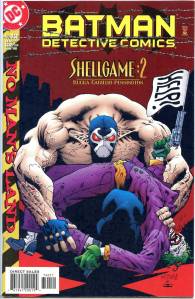
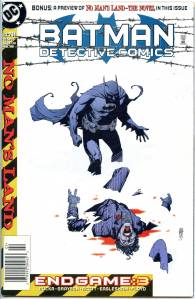
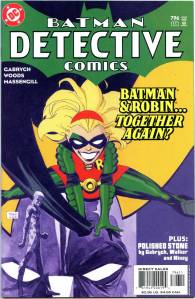
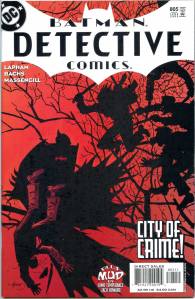
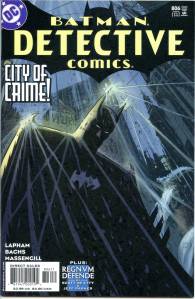
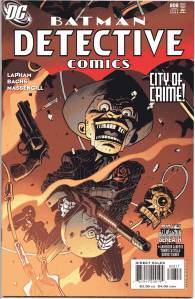
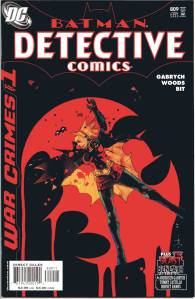
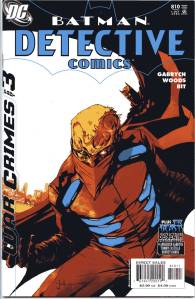
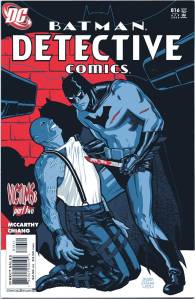
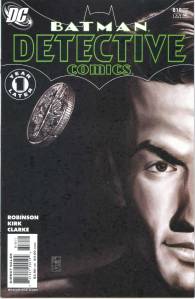
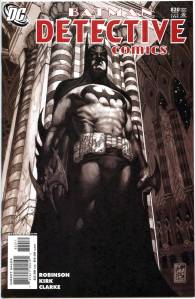
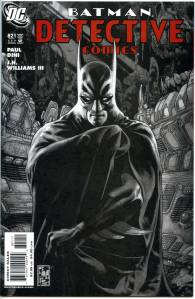
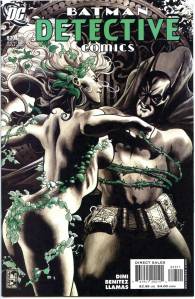
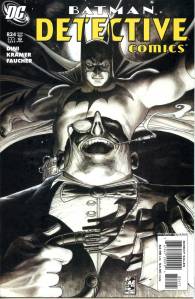
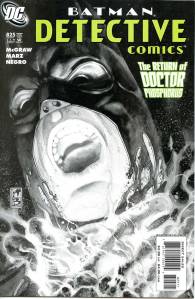
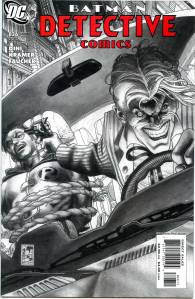
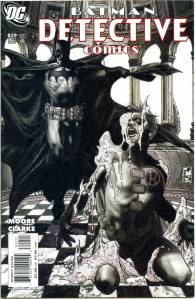
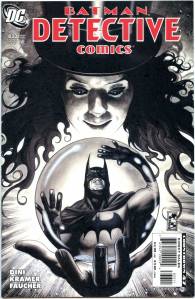
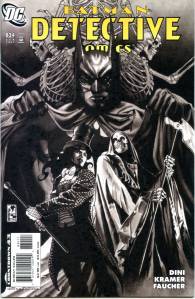
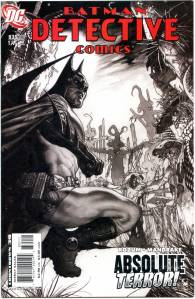
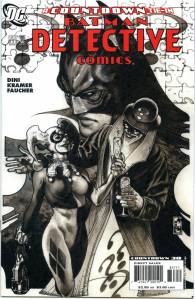
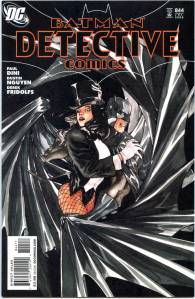
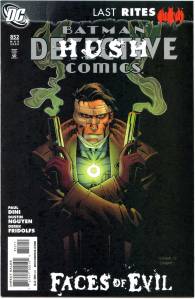
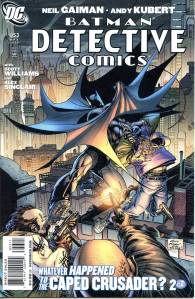
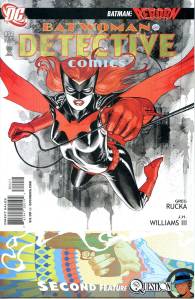
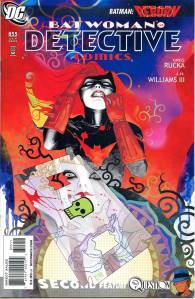
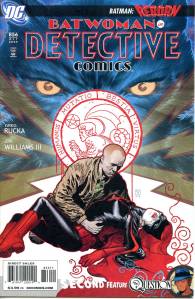
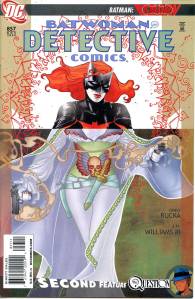
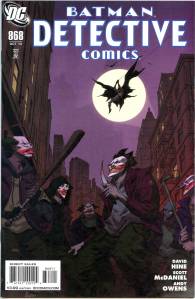
Writer Greg Rucka and artist Shawn Martinbrough became the creative team as of #742 (March 2000) and created the Sasha Bordeaux character is #751 (Dec. 2000). Issue #800 (Jan. 2005) was written by Andersen Gabrych and drawn by Pete Woods. Paul Dini became the writer of the series as of issue #821 (Sept. 2006) and created a new version of the Ventriloquist in #827 (March 2007).
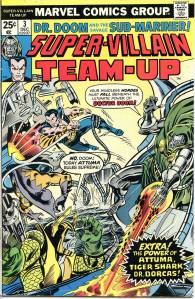
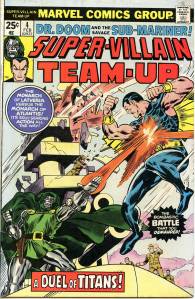
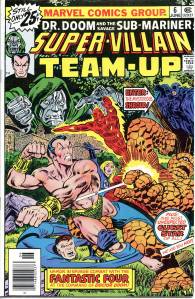
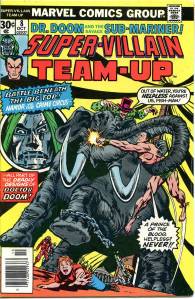
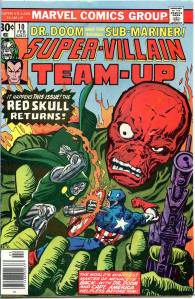
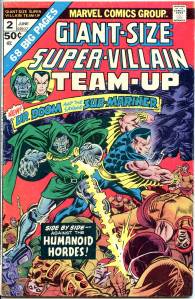
The first series started in 1975 with two giant-size issues before starting as a regular series, and was mostly bi-monthly during its existence. It initially teamed up Doctor Doom and the Sub-Mariner, who had lost his own series, from which it picked up the unresolved plots, especially that of the comatose Atlanteans. After a succession of writers and artists and a crossover with The Avengers, the plot gets resolved in issue #13 when Dr. Doom revives the Atlanteans, thus dissolving his alliance with the Sub-Mariner.
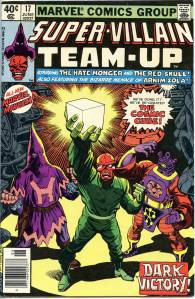
Issue #14 (Oct. 1977), which featured Magneto and Dr. Doom, was billed as the final issue of the series, and its plotline was resolved in The Champions #16. The following year, SVTU continued with issue #15 (Nov. 1978), a reprint of Astonishing Tales #4-5. Issues #16 (May 1979) and #17 (June 1980) featured the Red Skull and the Hate-Monger. The irregular publishing frequency of the final three issues was due to a legal maneuver to prevent DC Comics from trademarking the term “super-villain”.
The series saw the death of the Sub-Mariner’s 1940s sweetheart Betty Dean and the death of her murderer, Dr. Dorcas. Steve Englehart created The Shroud, a character partly inspired by Batman, shortly before he started to work for DC Comics on Detective Comics.
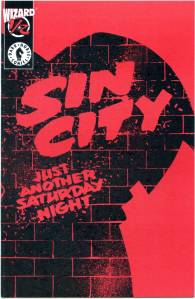
Just Another Saturday Night was first published in Sin City #1/2 (August 1997), a limited mail-in comic available only through a special offer in Wizard #73. It was later reprinted in a mass-market edition as Just Another Saturday Night (October 1998).
It is the story of what Marv was up to on the night John Hartigan met back up with Nancy (from That Yellow Bastard). Marv regains consciousness on a highway overlooking the Projects, surrounded by dead young guys, unable to remember how he got there. He lights one of the dead guys’ cigarettes and thinks back; since it is Saturday, he deduces he must have been at Kadie’s watching Nancy dance…
Sin City – Just Another Saturday Night – Wizard 1/2 with COA NM $5
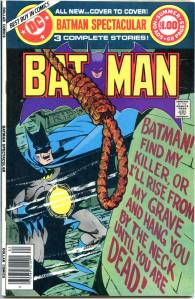
DC Special Series was an umbrella title for one-shots and special issues published by DC Comics between 1977 and 1981. Each issue featured a different character and was often in a different format than the issue before it. DC Special Series was published in four different formats: Dollar Comics, 48 page giants, digests, and treasury editions. Neither the umbrella title nor the numbering system appear on the cover; the title “DC Special Series” appeared only on the first page in the indicia. Most issues featured new material, but eight issues were reprints of previously published material.
DC Special Series #7 FN+ $6DC Special Series #8 FN-VF $10DC Special Series #15 -Batman Spectacular FN-VF $19DC Special Series #21 FN $19
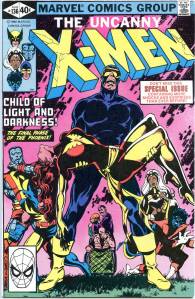
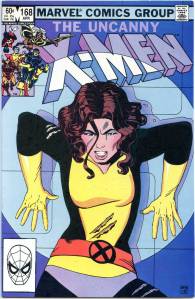
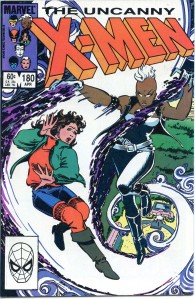
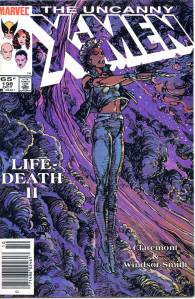
The “Dark Phoenix Saga” in 1980 led to a change in the line-up of the team, with the death of Phoenix (Jean Grey), and Cyclops leaving the team to mourn for her. Comics writers and historians Roy Thomas and Peter Sanderson observed that “‘The Dark Phoenix Saga’ is to Claremont and Byrne what ‘the Galactus Trilogy‘ is to Stan Lee and Jack Kirby. It is a landmark in Marvel history, showcasing its creators’ work at the height of their abilities.” The storyline also saw the introduction of recurring antagonists the Hellfire Club, and its Inner Circle consisting of Sebastian Shaw, Emma Frost, Harry Leland, Donald Pierce, along with Mastermind, previously a member of Magneto’s Brotherhood. The new teenage mutant Kitty Pryde was introduced in #129 (Jan. 1980) and joined the X-Men in #139. The Dazzler, a disco-singing, roller-skating mutant, was introduced in #130 (Feb. 1980), but did not join the team, instead headlining her own solo title.
A new Brotherhood of Evil Mutants, led by Mystique, was introduced in the “Days of Future Past” storyline (#141-#142, Jan–Feb 1981) in which a time-travelling Kitty Pryde tried to avert a dystopian future caused by the Brotherhood assassinating Presidential candidate Senator Robert Kelly. Byrne plotted the story wanting to depict the Sentinels as a genuine threat to the existence of the mutant race. He then left the series after #143, being replaced by a returning Cockrum, who in turn was succeeded by Paul Smith and John Romita Jr.
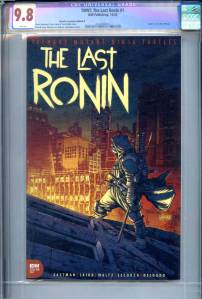
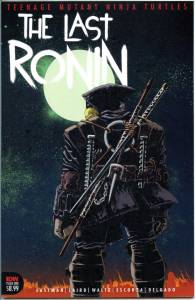
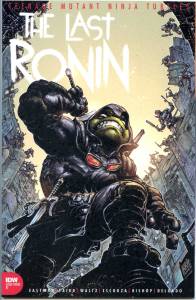
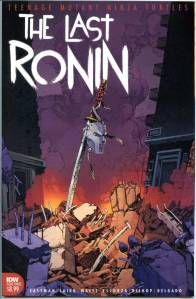
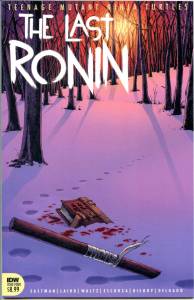
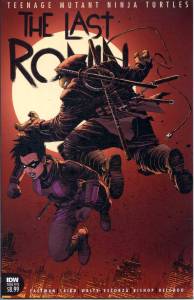
In a future NYC far different than the one we know today, a lone surviving Turtle goes on a seemingly hopeless mission to obtain justice for his fallen family and friends. Kinetic layouts from Eastman, moody inks from Andy Kuhn and a thrilling script full of surprises from longtime TMNT scribe Tom Waltz all combine to make this one of the most memorable TMNT stories you will ever read! This is a perennial TMNT tale that can’t be missed!
The Last Ronin #1 1:25 Retailer Variant CGC 9.8 White Pages $139The Last Ronin #1 2nd Print NM $14The Last Ronin #3 1:10 Variant $20The Last Ronin #3 NM $12The Last Ronin #4 NM $12The Last Ronin #5 NM $12
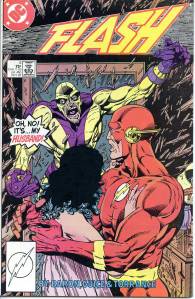
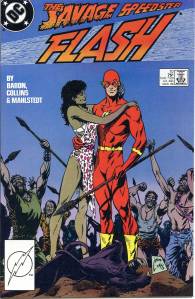
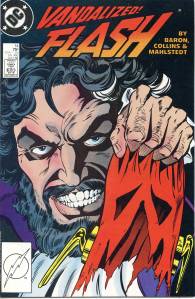
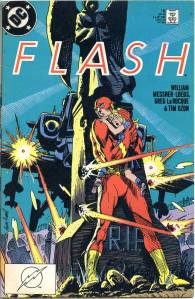
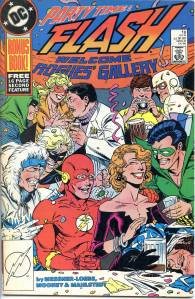
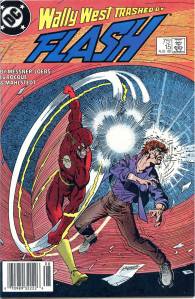
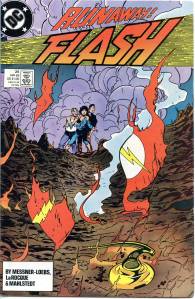
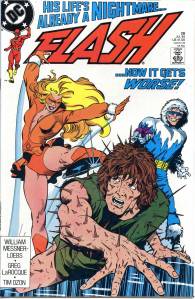
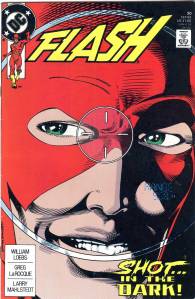
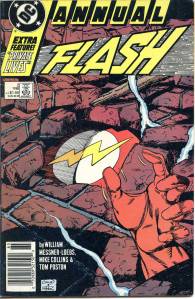
The third Flash was Wally West, introduced in The Flash (vol. 1) #110 (Dec. 1959) as Kid Flash. West, Allen’s nephew by marriage, gained the Flash’s powers through an accident identical to Allen’s. Adopting the identity of Kid Flash, he maintained membership in the Teen Titans for years. Following Allen’s death, West adopted the Flash identity in Crisis on Infinite Earths #12 and was given his own series, beginning with The Flash (vol. 2) #1 in 1987.[1] Many issues began with the catchphrase: “My name is Wally West. I’m the fastest man alive.”