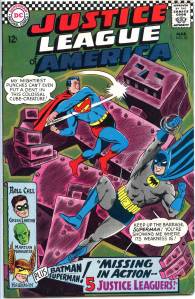
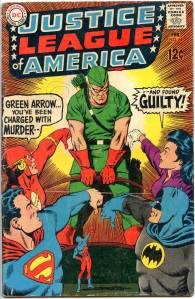
The initial Justice League lineup included seven of DC Comics’ superheroes who were regularly published at that time: Superman, Batman, Aquaman, Flash, Green Lantern, Martian Manhunter, and Wonder Woman. Rarely featured in most of the stories, Superman and Batman did not even appear on the cover most of the time. Three of DC’s other surviving or revived characters, Green Arrow,the Atom, and Hawkman were added to the roster over the next four years.
The title’s early success was indirectly responsible for the creation of the Fantastic Four. In his autobiography Stan Lee relates how in 1961, during a round of golf, DC publisher Jack Liebowitz mentioned to Marvel-Timely owner Martin Goodman how well DC’s new book (Justice League) was selling. Later that day Goodman, a publishing trend-follower aware of the JLA’s strong sales, told Lee, his comics editor, to come up with a team of superheroes for Marvel.
Justice League of America #45 VG $10Justice League of America #50 FN+ $18Justice League of America #52 FN $12Justice League of America #69 VG- $8
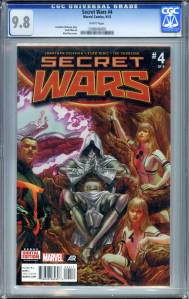
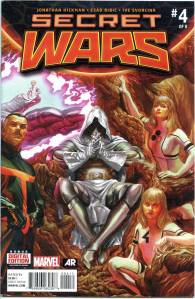
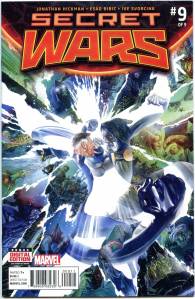
In May 2015, Marvel published a new Secret Wars miniseries, written by Jonathan Hickman and drawn by Esad Ribić, that picked up from where the “Time Runs Out” storyline running in Avengers and New Avengers at the time had ended. The storyline involved the Marvel Universe combining with other alternate universes, including the Ultimate Universe, as well as the 2099 Universe, to form Battleworld, a world which exhibits aspects of the various universes. The core limited series was nine issues long, and ran for eight months, ending in January 2016. One of the core miniseries, Ultimate End, had ended the Ultimate Marvel imprint after 15 years at the time. Ultimate End is written by Brian Michael Bendis and artist Mark Bagley, the team that began the Ultimate Marvel universe with Ultimate Spider-Man.
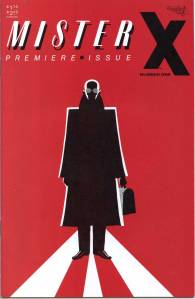
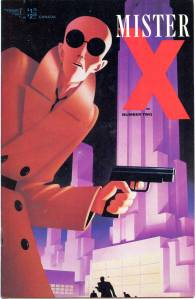
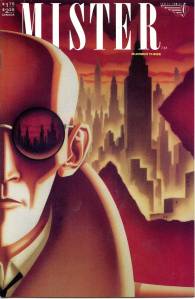
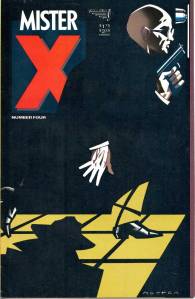
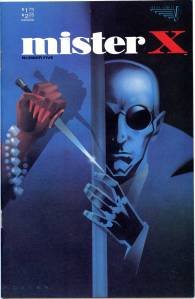
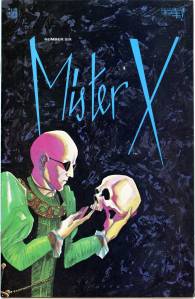
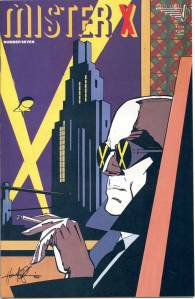
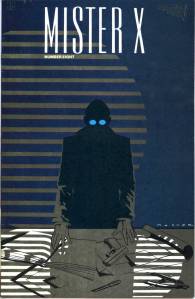
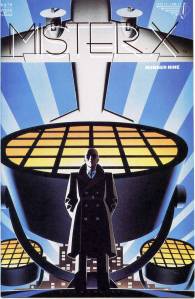
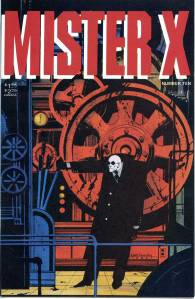
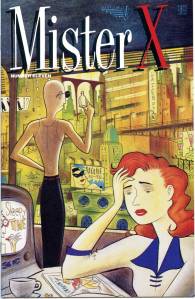
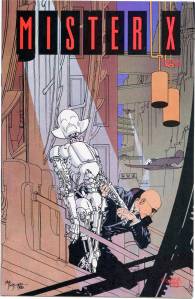
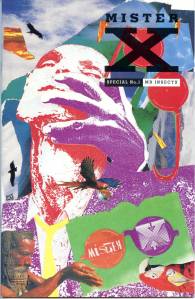
Created by album and book cover designer Dean Motter, Mister X was developed for a year in close collaboration with comic artist and illustrator Paul Rivoche, whose series of poster illustrations stirred up great interest in the project. The series published early work by comic artists who would later emerge as important alternative cartoonists, including Jaime Hernandez, Gilbert Hernandez, Mario Hernandez, Seth, Shane Oakley and D’Israeli.
A highly successful promotional campaign with posters and ads followed for the next year, while Motter and Rivoche struggled to produce an actual issue of Mister X. When Rivoche quit, Vortex Comics president Bill Marks became more skeptical than ever that Motter would be able to produce the series on time, and decided to turn the work over to the Hernandez brothers. The first four issues were written and illustrated by Jaime and Gilbert Hernandez, with additional writing by Mario Hernandez. The Hernandez brothers quit over payment delays from Vortex. Issues 5 through 14 of the series were then written by Motter, with issues 6 through 13 illustrated by Seth.
Vortex #2 VF $15Mister X #1 NM $15Mister X #2 VF+ $9Mister X #3 NM $12Mister X #4 VF $6Mister X #5 NM $10Mister X #6 NM $8Mister X #7 NM $8Mister X #8 VF-NM $5Mister X #9 NM $6Mister X #10 NM $6Mister X #11 NM $6Mister X #12 NM $6Mister X #13 NM $6Mister X #14 NM $6Mister X Special #1 NM $8
X-Men: The End is a 2004-2006 trilogy of miniseries published by Marvel Comics, detailing the last days of the X-Men and their adventures in an alternative future. The series, which was part of Marvel’s The End line of books, was written by Chris Claremont and drawn by Sean Chen, with cover art by Greg Land and Gene Ha.
The first part of the miniseries is titled Dreamers and Demons, the second Heroes and Martyrs, and the third Men and X-Men. As it was originally conceived, several years before its actual debut, this series would have re-teamed Chris Claremont and John Byrne, with Byrne providing plots and art and Claremont providing dialogue. Yet after a dispute with Marvel following the cancellation of Byrne’s ongoing series X-Men: The Hidden Years, Byrne left the publisher.
The story of X-Men: The End continues in the 2008 GeNext mini-series, then again in the 2009 mini-series, GeNext: United.
X-Men – The End #1 NM $6X-Men The End #2 NM $5X-Men The End #3 NM $4X-Men The End #4 NM $5X-Men The End #5 NM $5X-Men The End #6 NM $4
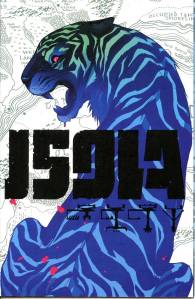
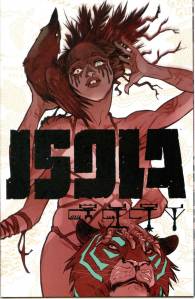
Isola was first announced at the 2016 Image Expo. Writer Brendan Fletcher explained he and writer/artist Karl Kerschl had been working towards the comic since elementary school. The story follows two women, Queen Olwyn, and Rook, her captain of the guard, on a journey to the island of Isola in hopes of reversing a curse that transformed the queen into a tiger. Kerschl and Fletcher cite the films of Hayao Miyazaki as an influence on the tone of Isola. Kerschl worked closely with colorist Michele Assarasakorn (MSassyK) to create a cinematic feel, mapping out colors in advance to reflect the characters’ journey.
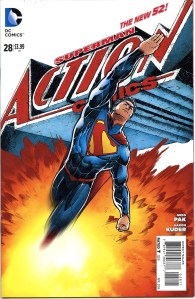
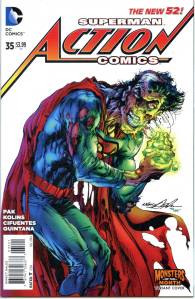
As with all of the books associated with the DC relaunch, Clark Kent appears to be about five years younger than the previous incarnation of the character (where it would focus on the early days of Superman’s career, whereas the main series would focus on the present). Superheroes at large have appeared only in the past five years, and are viewed with at best, suspicion, and at worst, outright hostility. The storyline in Action Comics takes place about a year before the events of Justice League #1, and was referred to by DC Co-Publisher Dan DiDio as “DC Universe Year Zero” while JL operates as “Year One.” The Man of Steel is not yet trusted by the citizens of Metropolis and wears a basic costume consisting of a caped T-shirt, jeans and work boots.
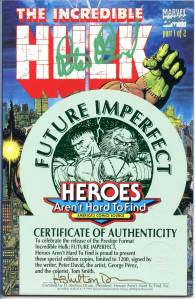
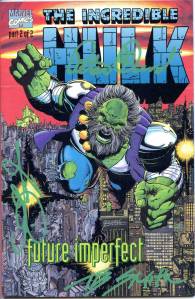
The Incredible Hulk travels to an apocalyptic future to face his ultimate challenge…himself. Meet the Maestro, the Hulk’s future imperfect self. Approximately a hundred years into the future, a nuclear war has killed almost all of Earth‘s superhumans and has taken the world to the brink of extinction. A future version of the Hulk called Maestro has seized control after being driven insane by the nuclear radiation he has absorbed and the bitterness he feels towards the world at his continued treatment. He has the intelligence of Bruce Banner and the absorbed radiation has significantly enhanced his strength. Can even the Green Goliath defeat a foe whose strength rivals his own? A foe who knows his every move before he even makes it?
Incredible Hulk – Future Imperfect #1 Signed Set NM $159Incredible Hulk – Future Imperfect #2 Signed Set NM $159Incredible Hulk – Future Imperfect #1 NM $39