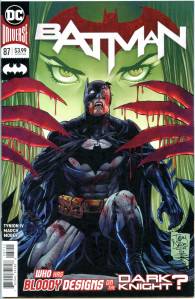
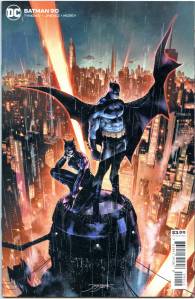
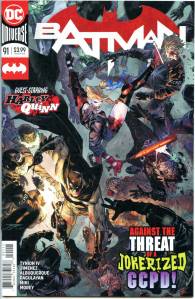
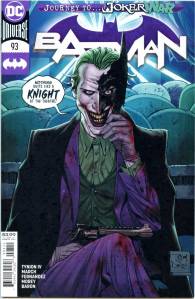
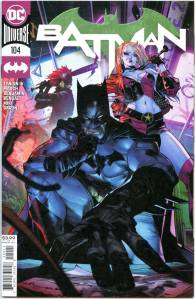
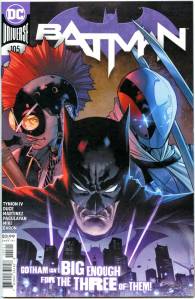
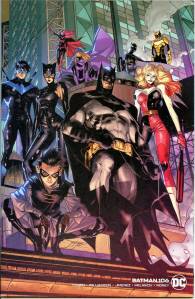
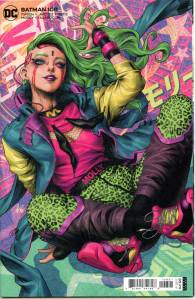
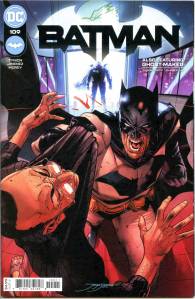
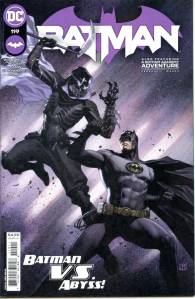
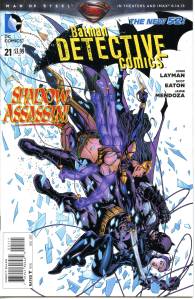
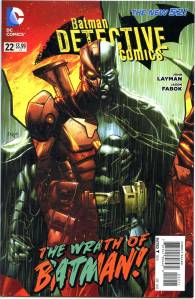
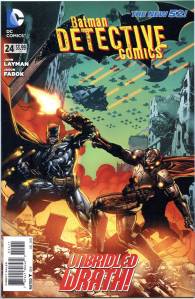
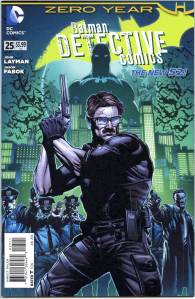
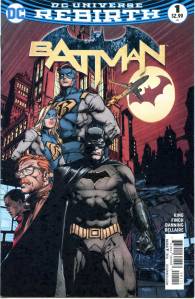
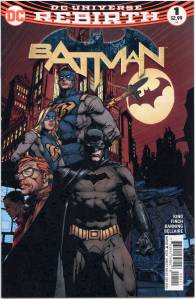
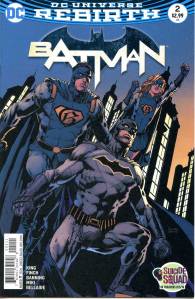
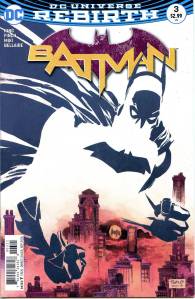
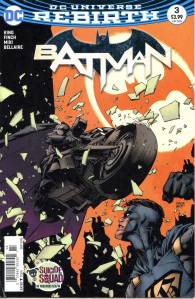
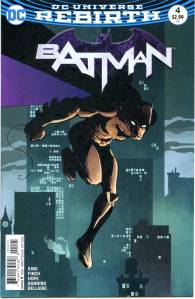
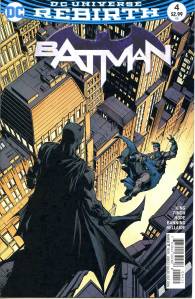
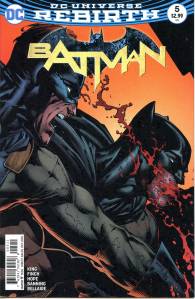
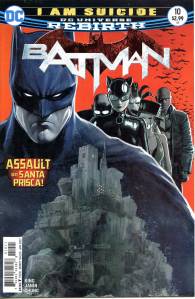
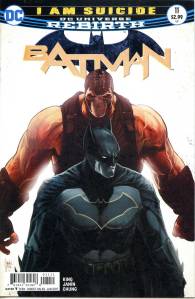
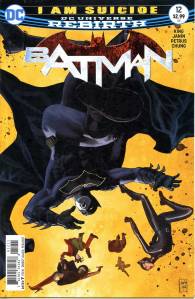
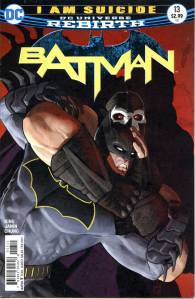
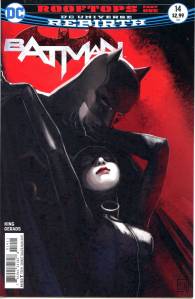
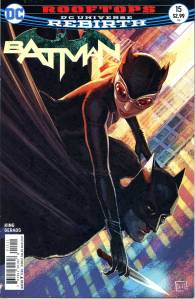
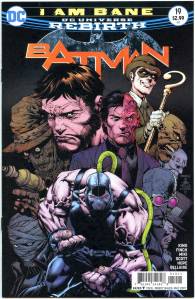
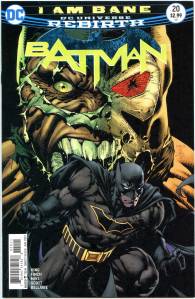
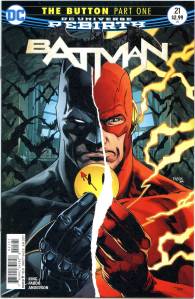
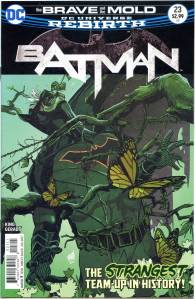
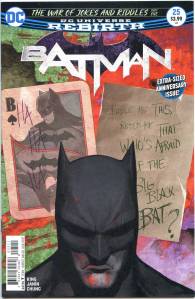
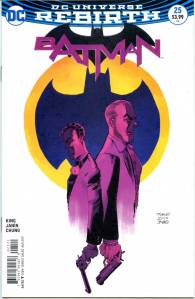
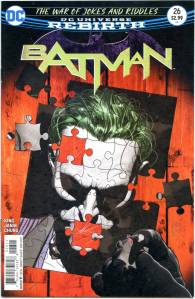
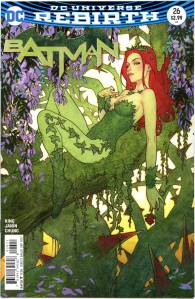
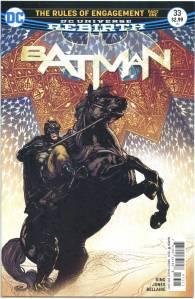
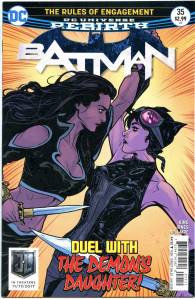
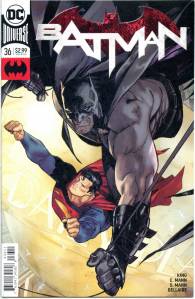
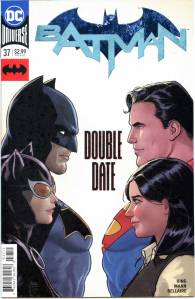
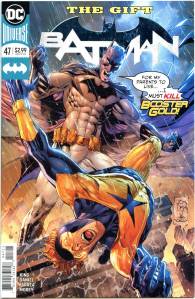
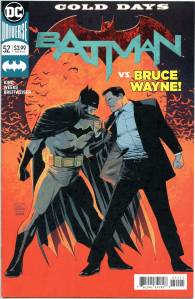
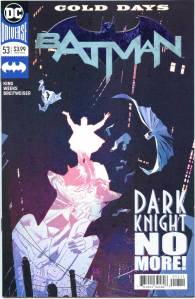
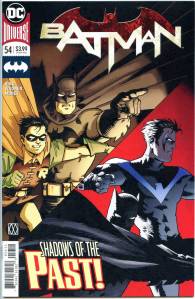
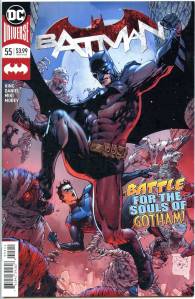
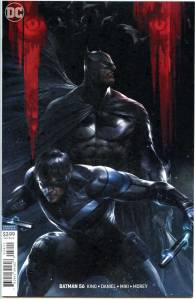
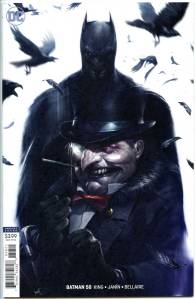
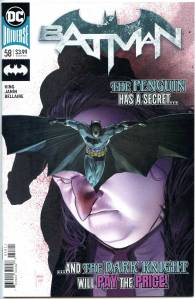
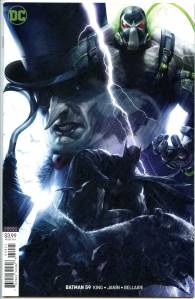
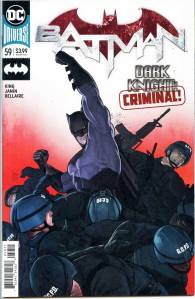
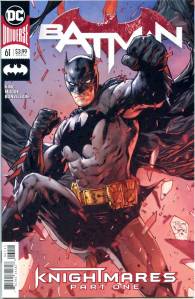
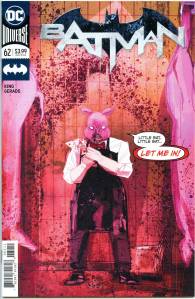
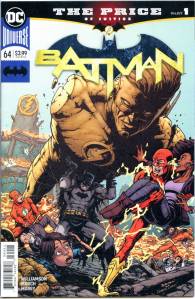
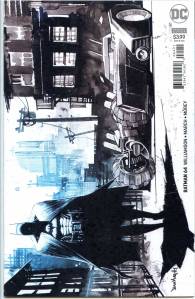
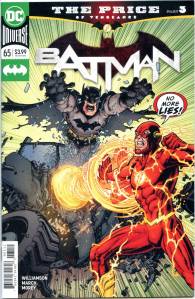
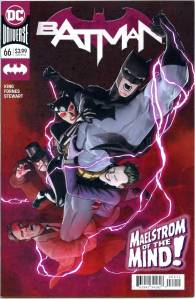
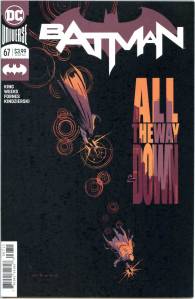
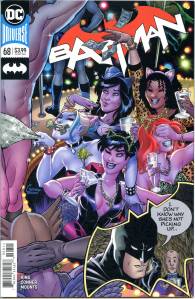
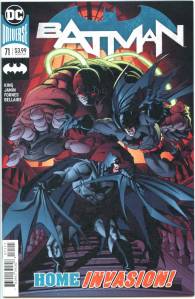
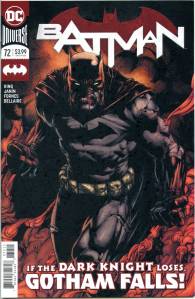
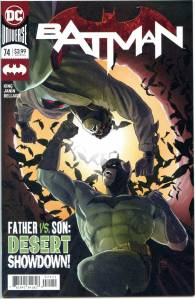
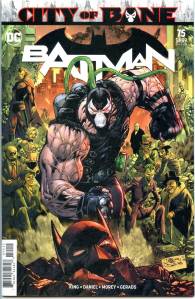
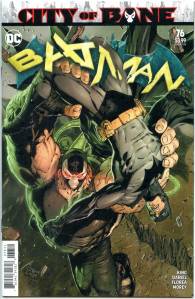
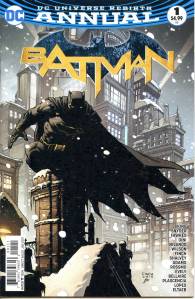
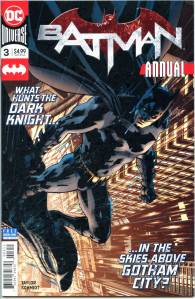
DC Comics ended the DC Rebirth branding in December 2017, opting to include everything under a larger DC Universe banner and naming. The continuity established by DC Rebirth continues across DC’s comic book titles, including volume 1 of Detective Comics and volume 3 of Batman.
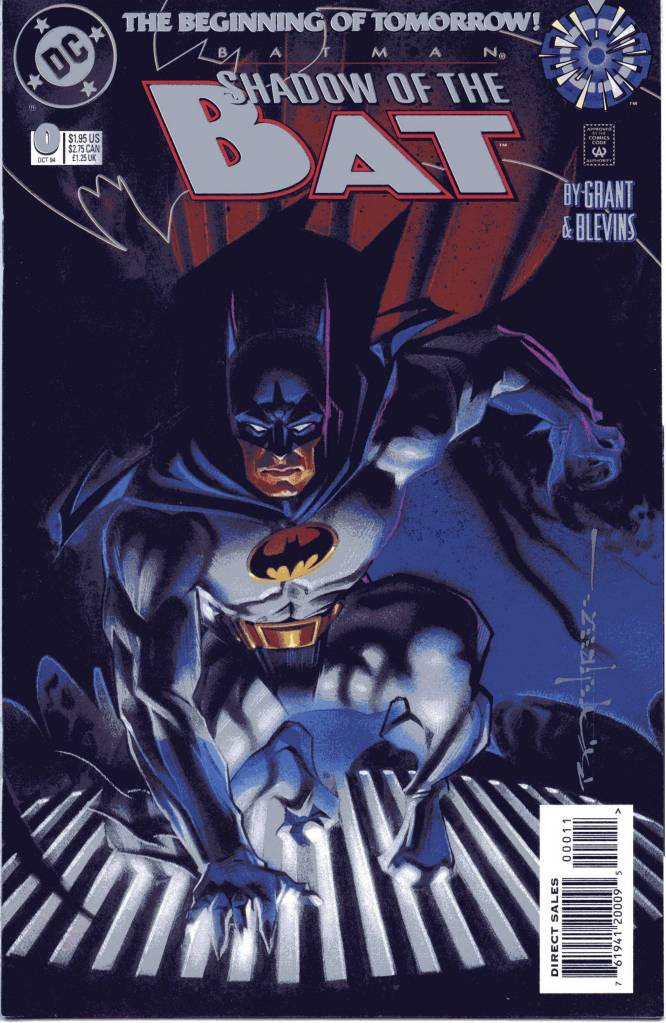
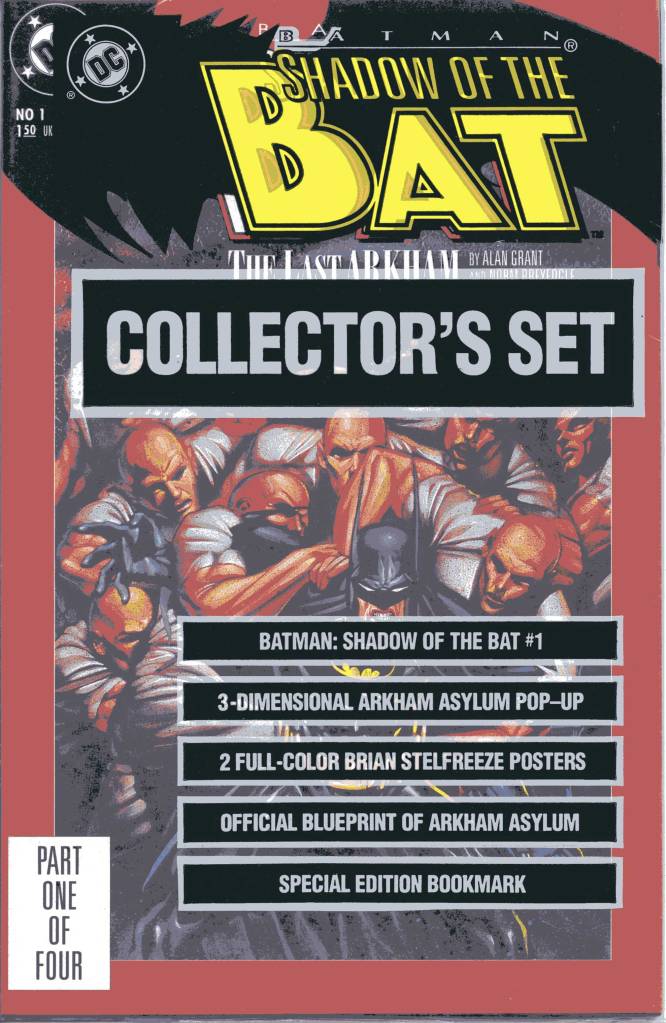
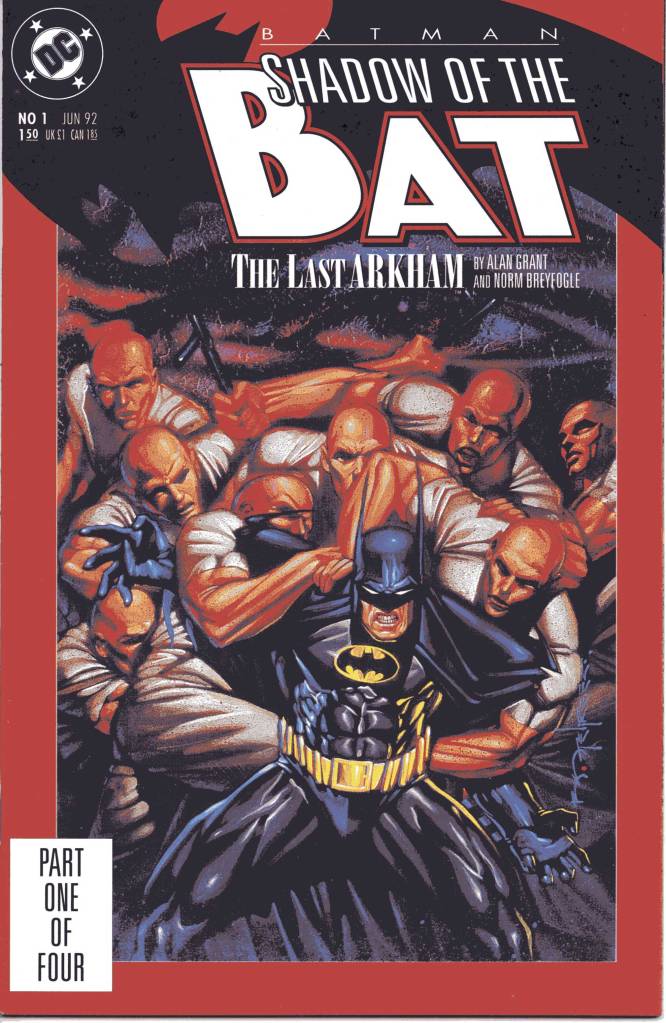
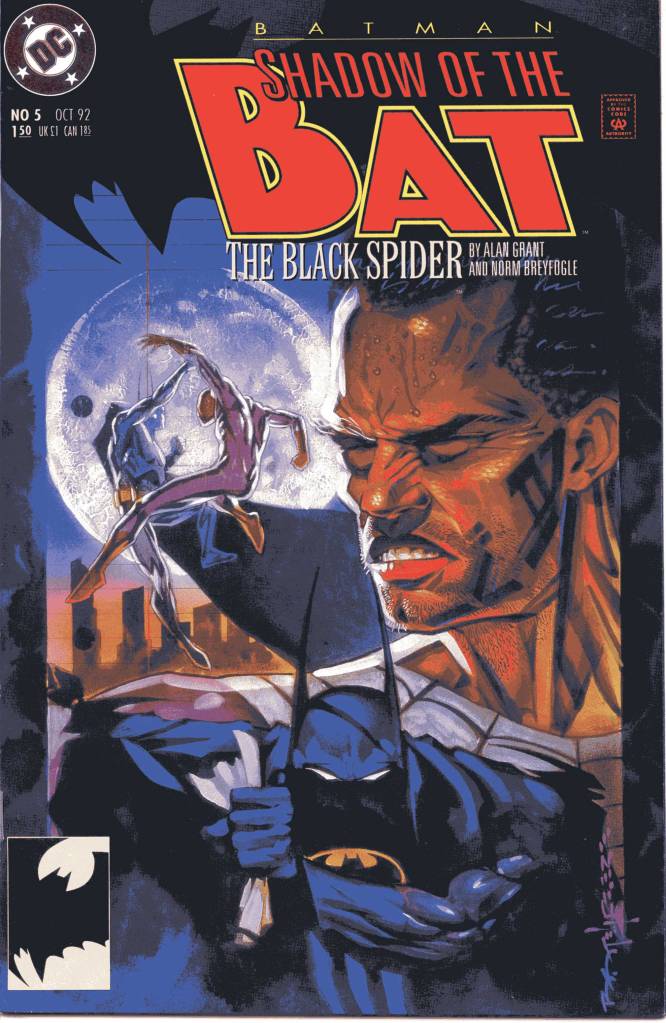
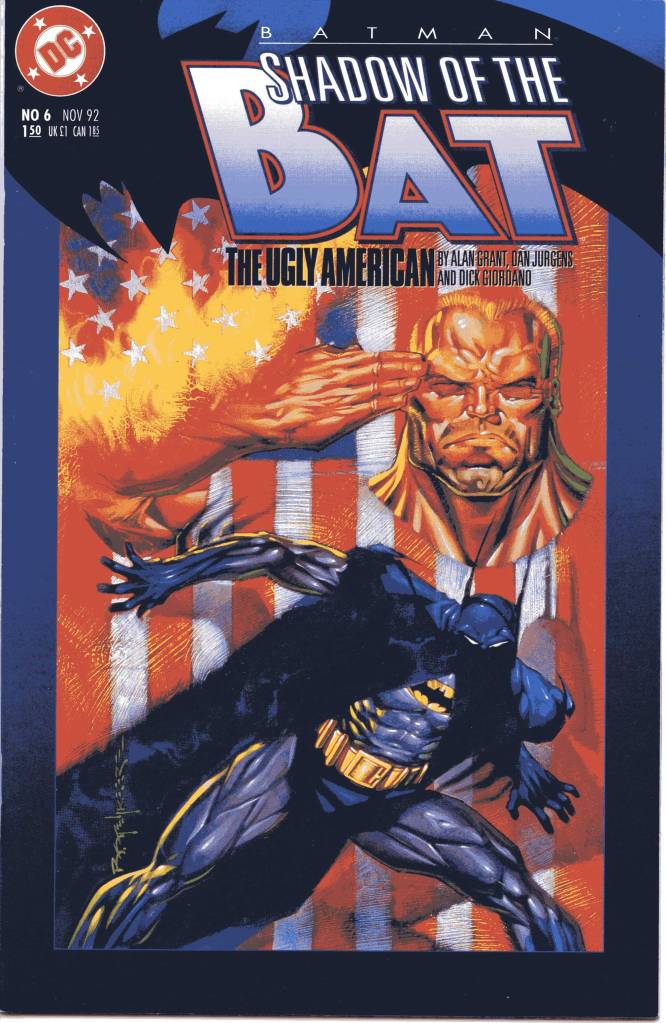
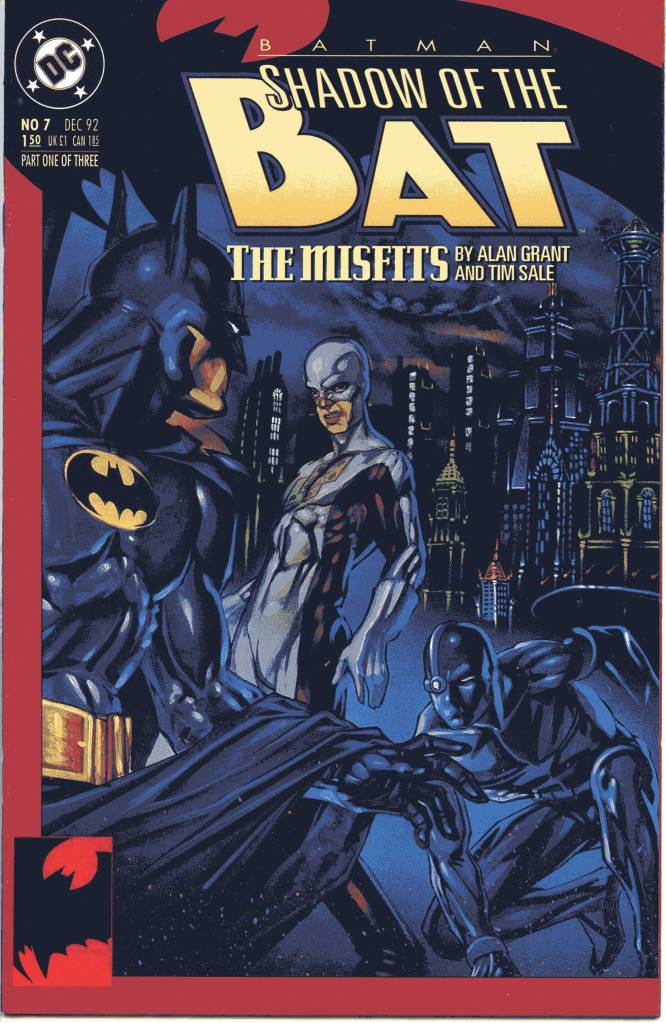
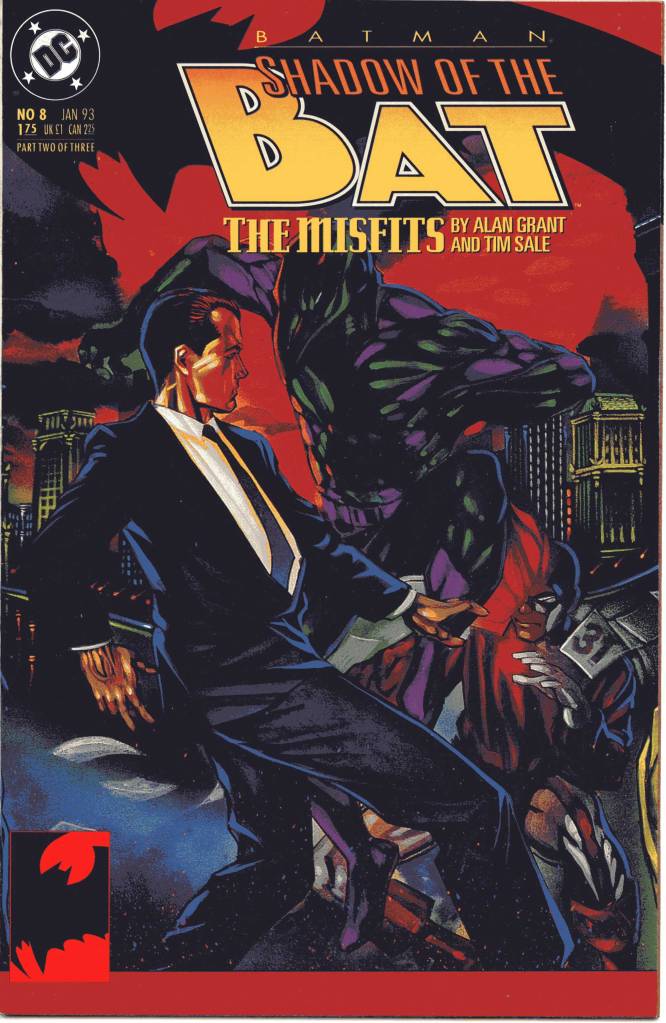
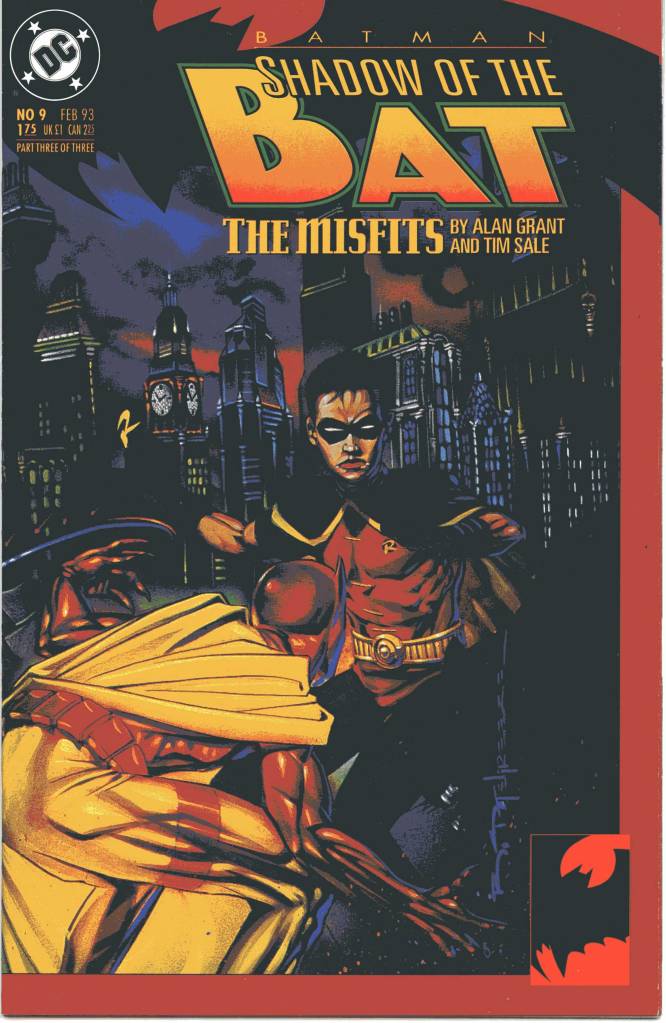
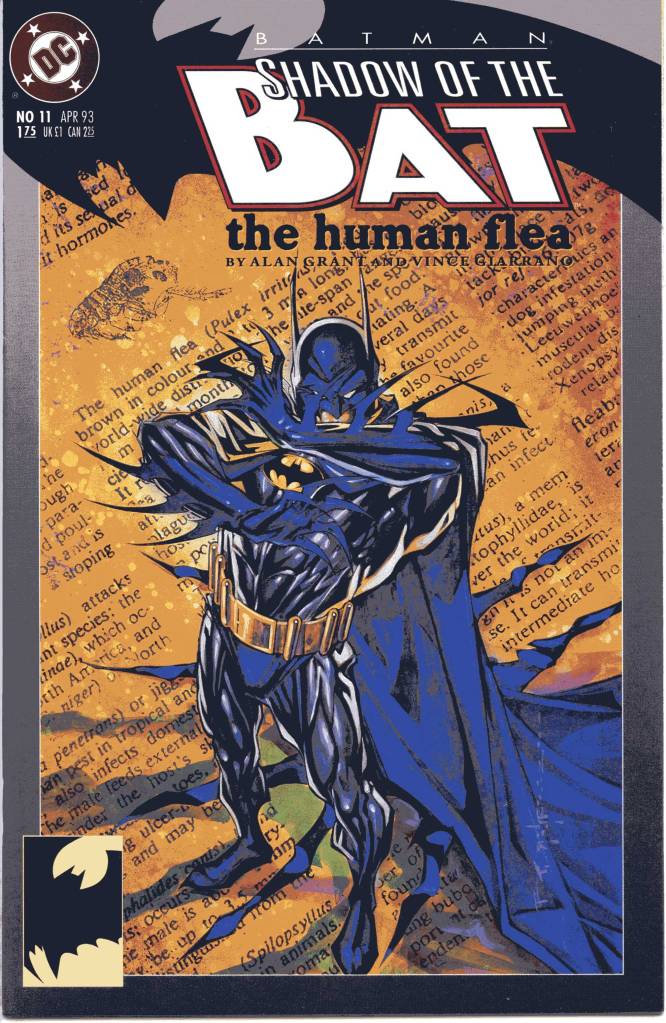
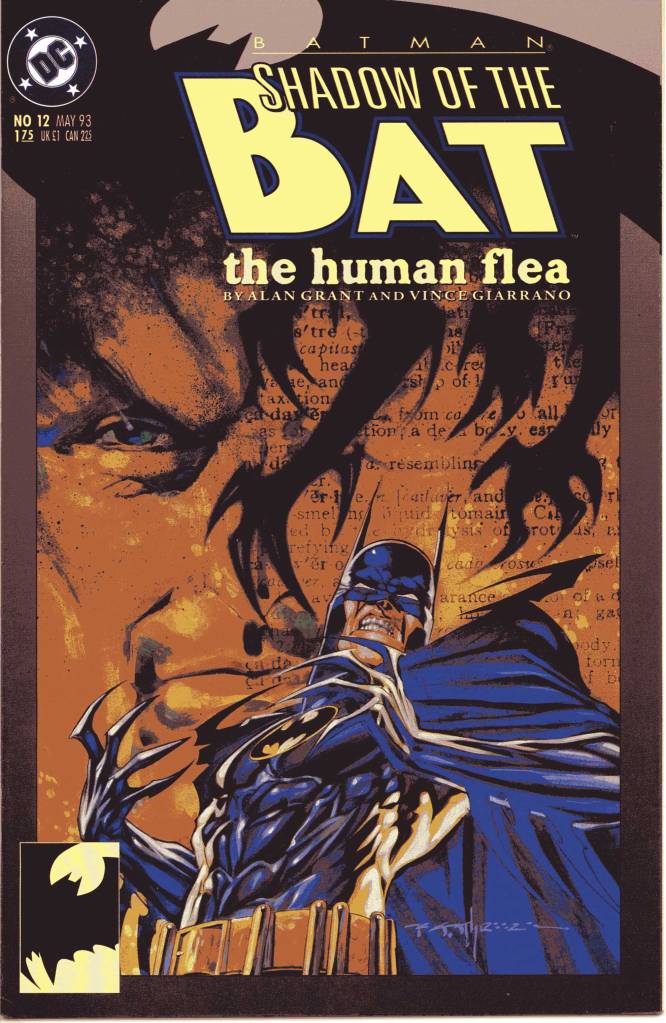
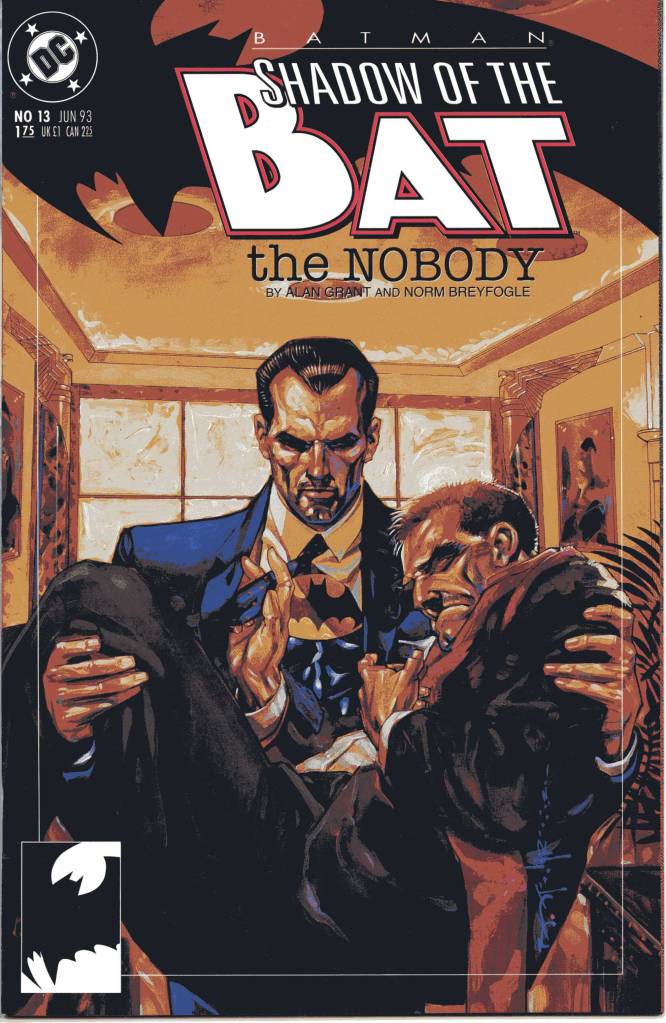
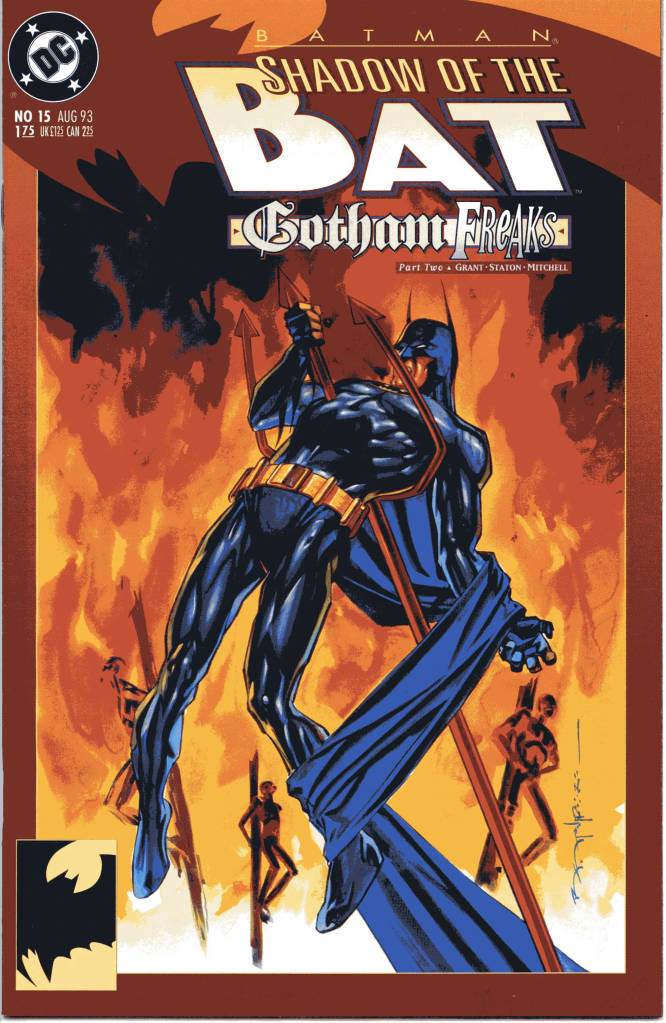
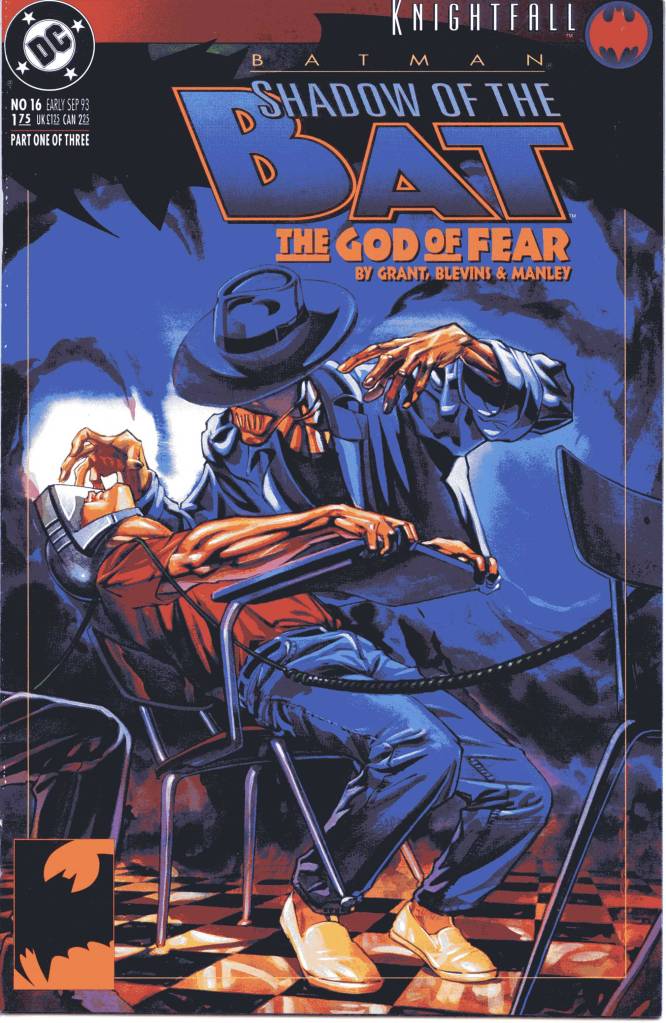
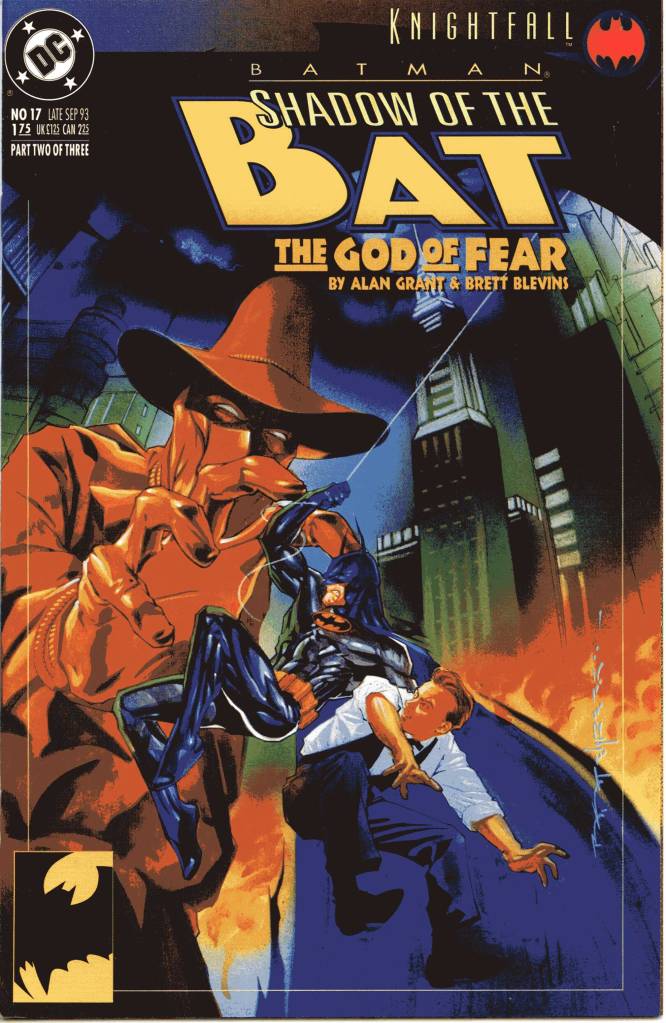
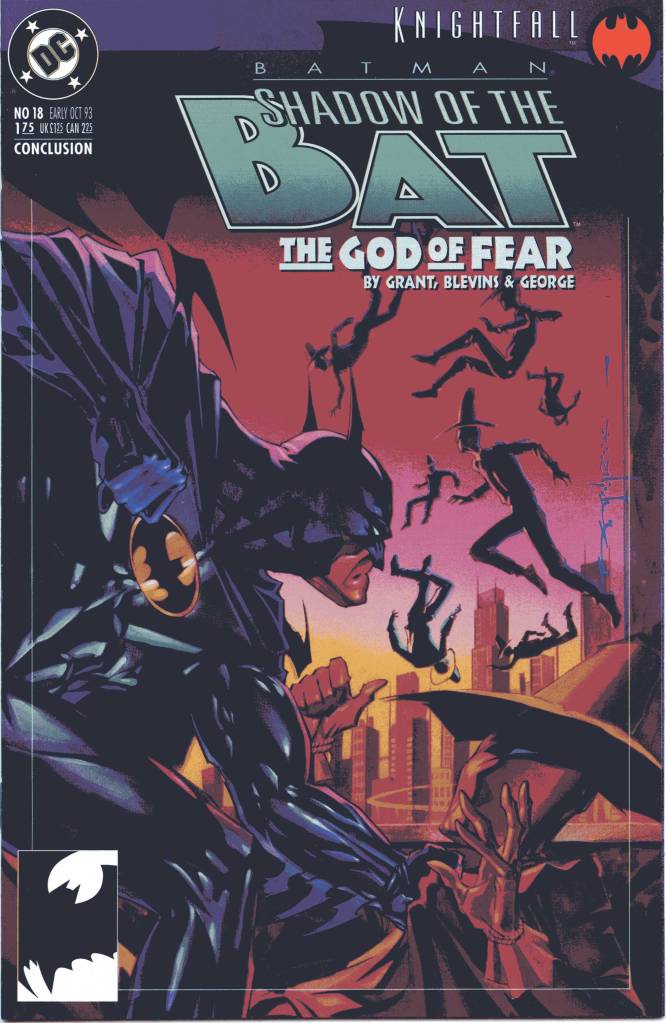
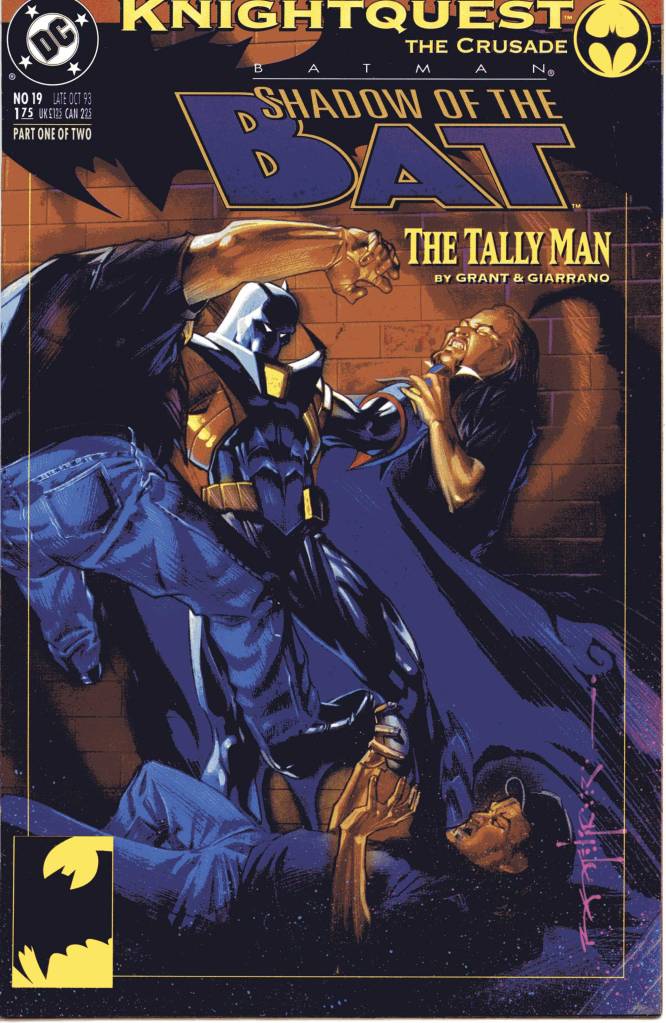
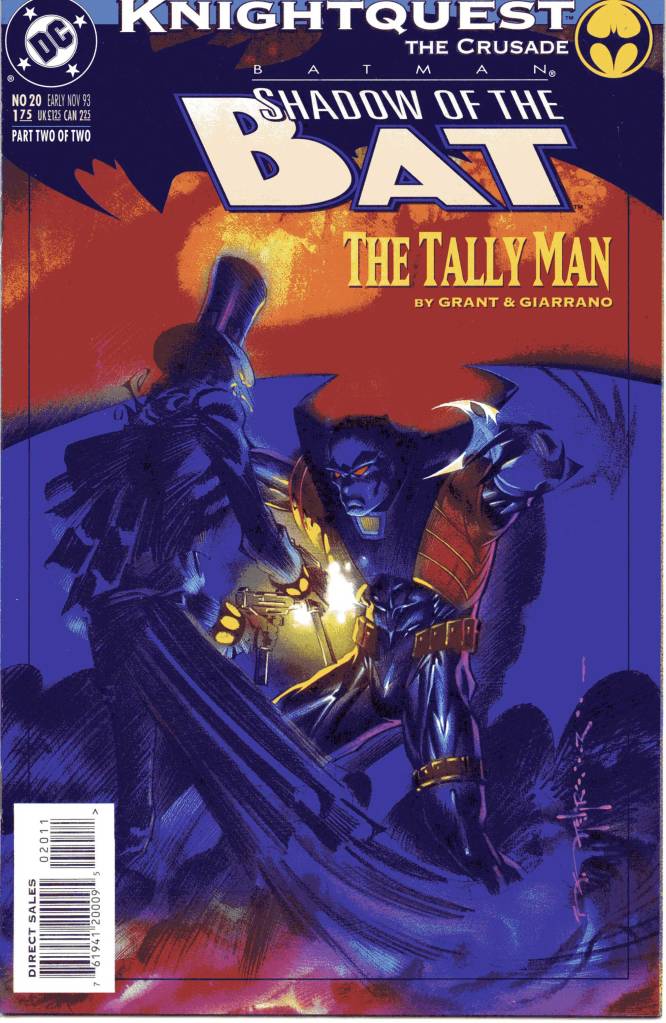
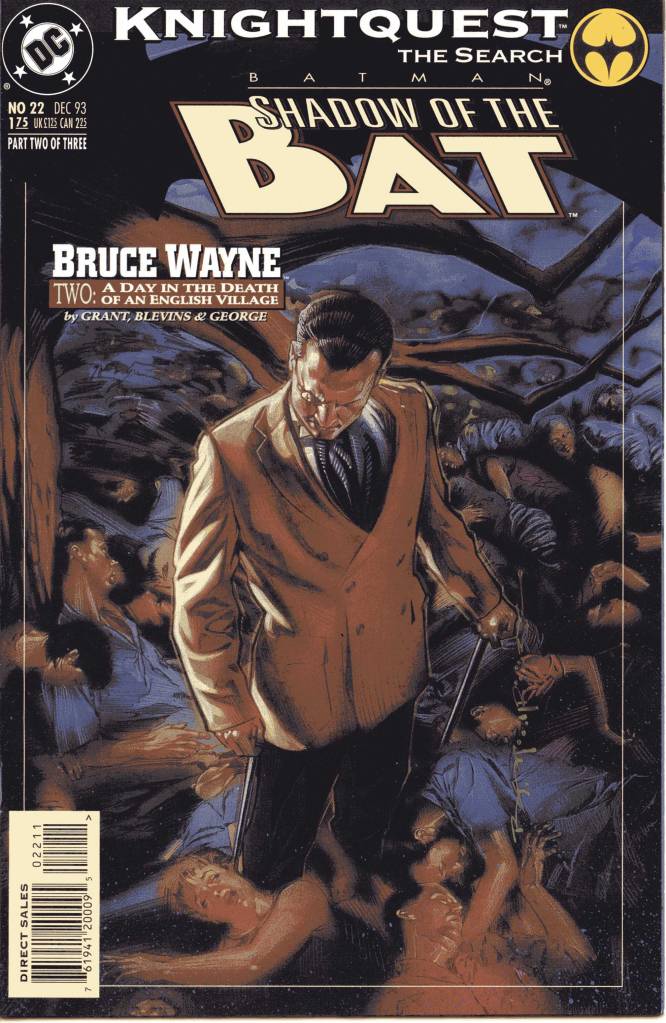
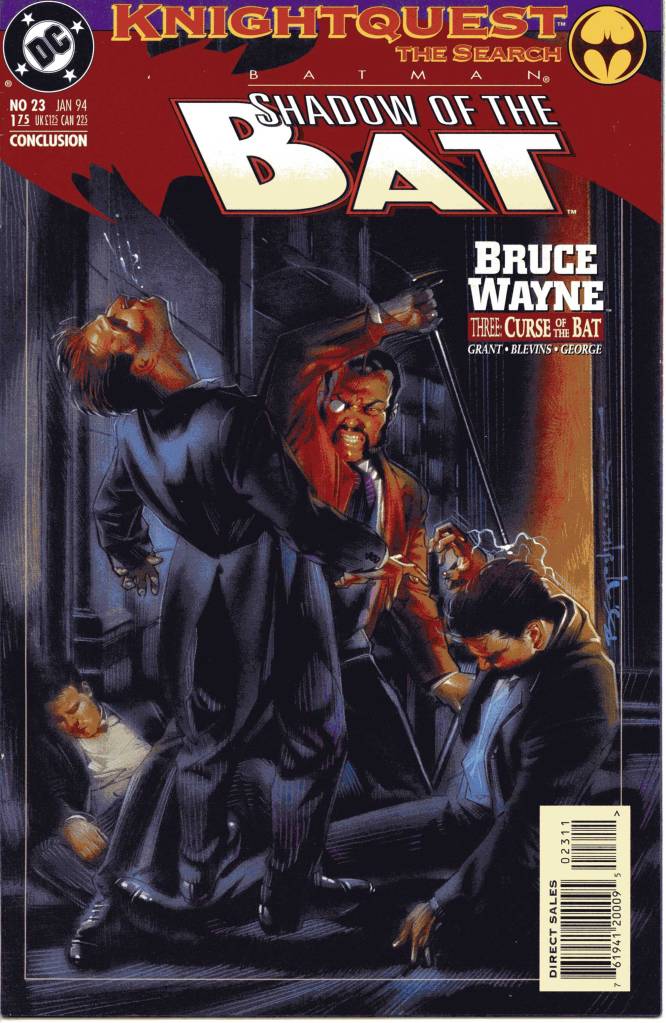
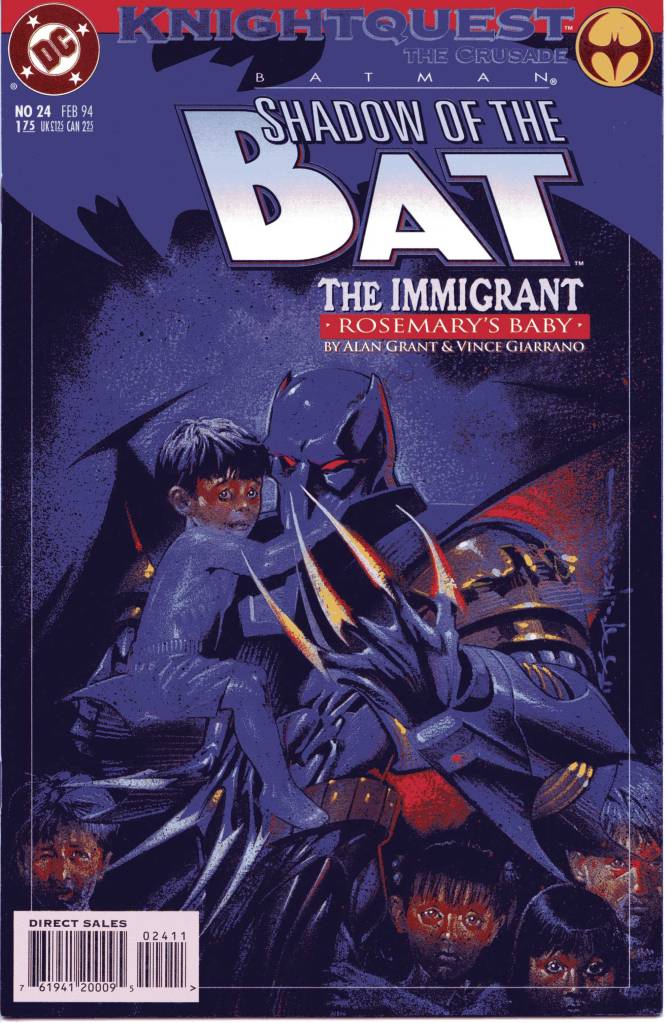
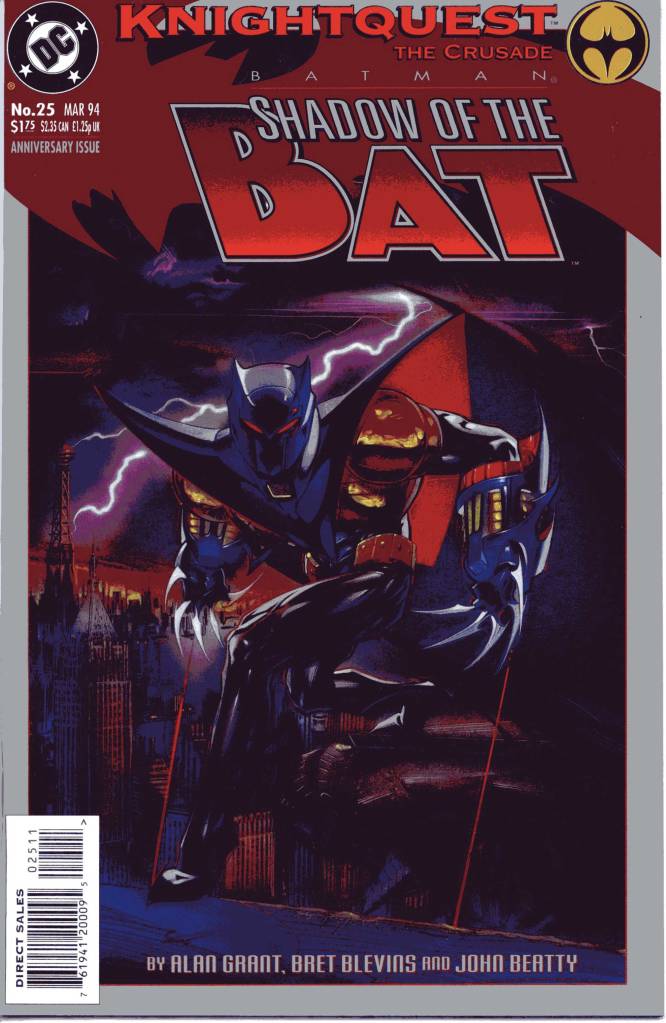
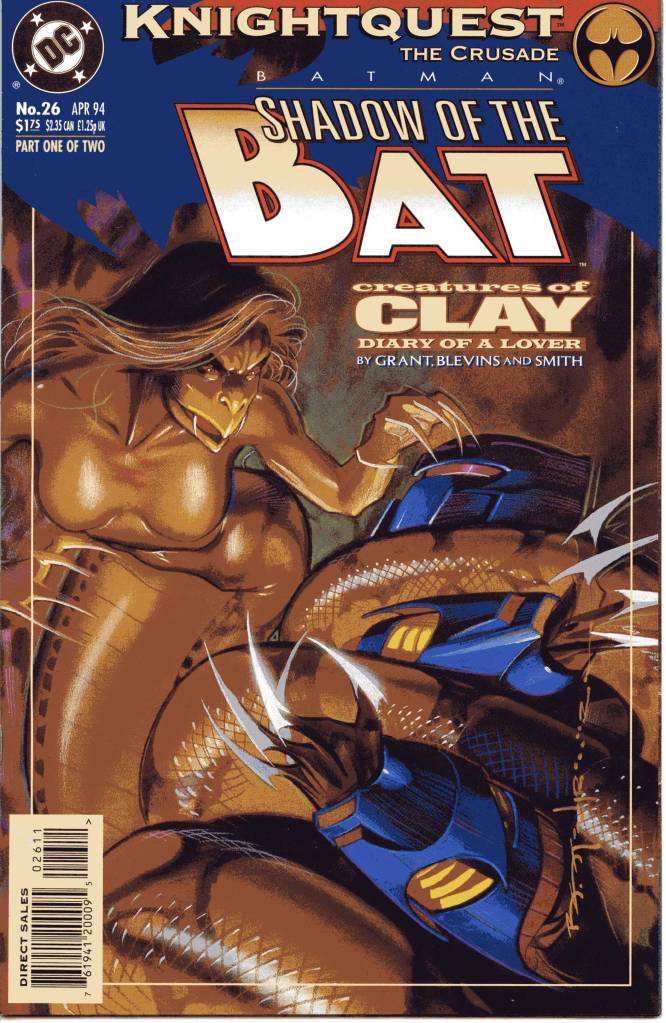
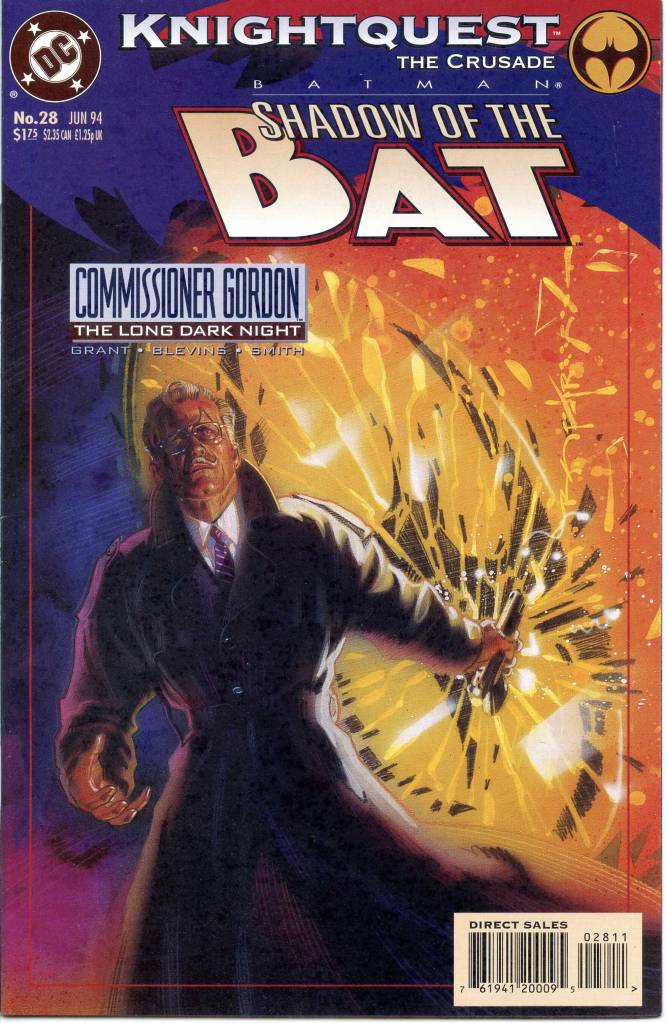
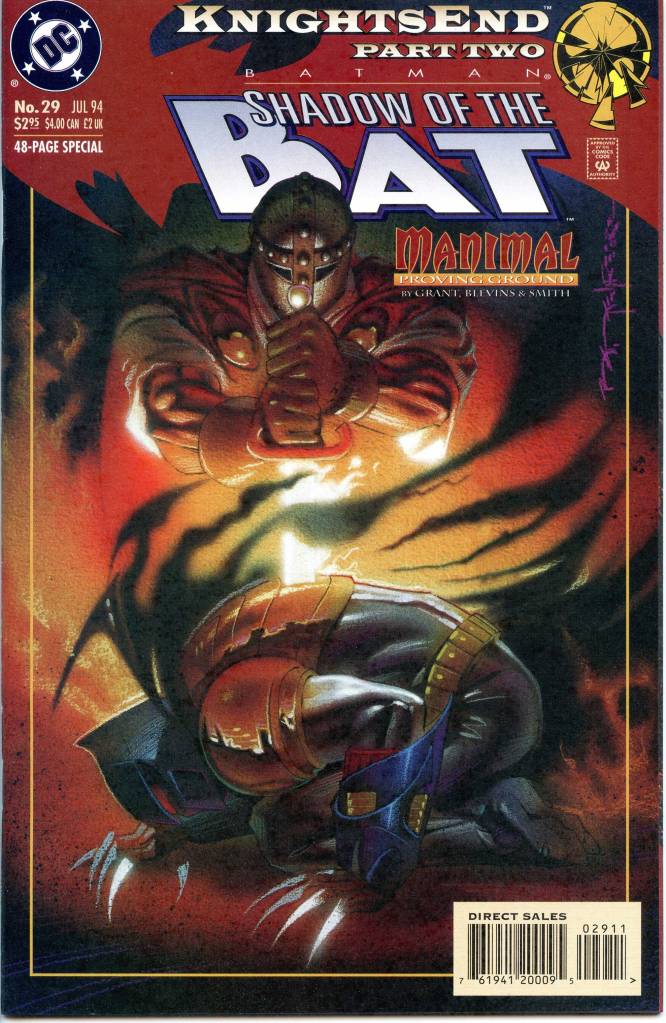
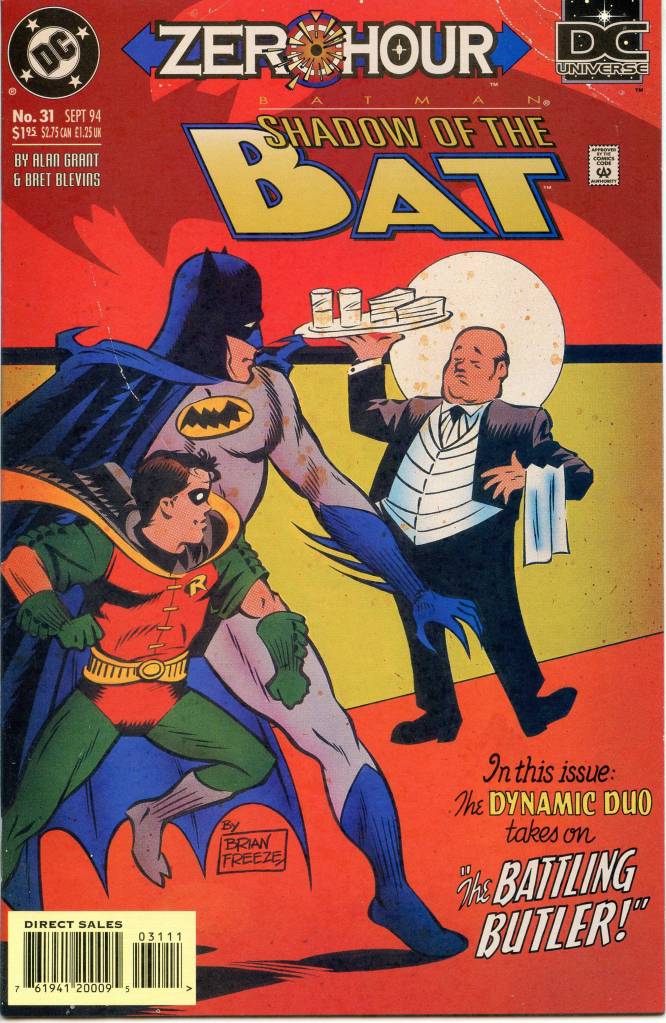
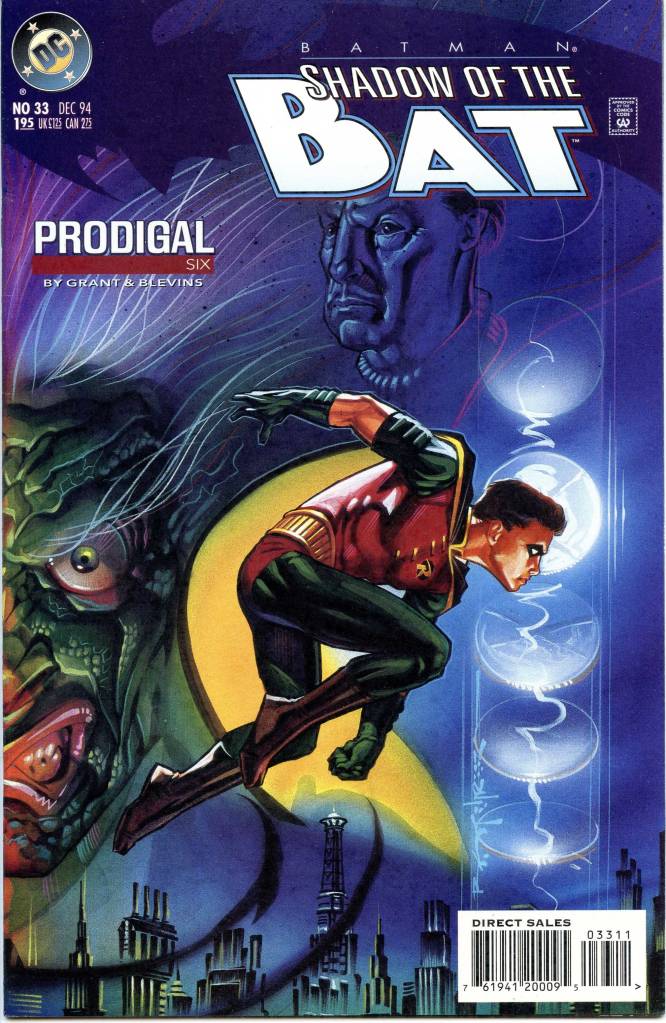
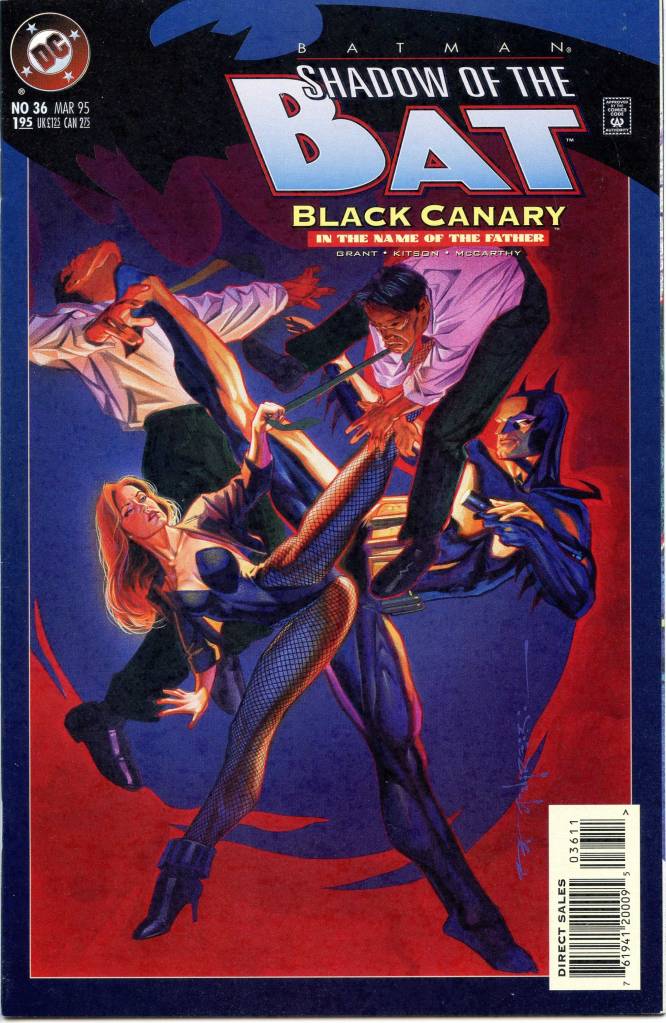
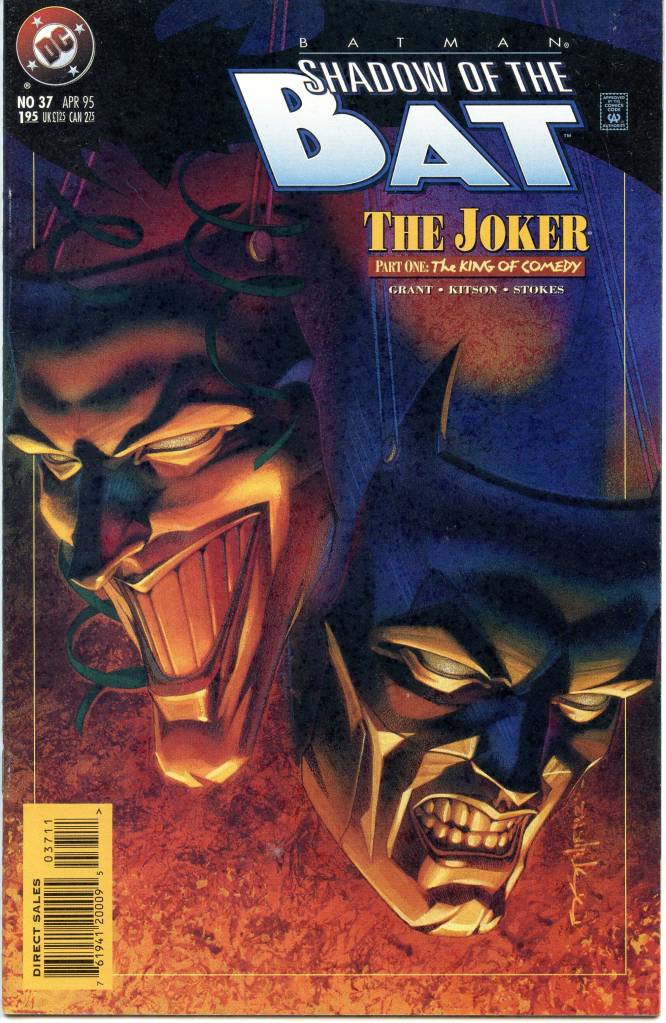
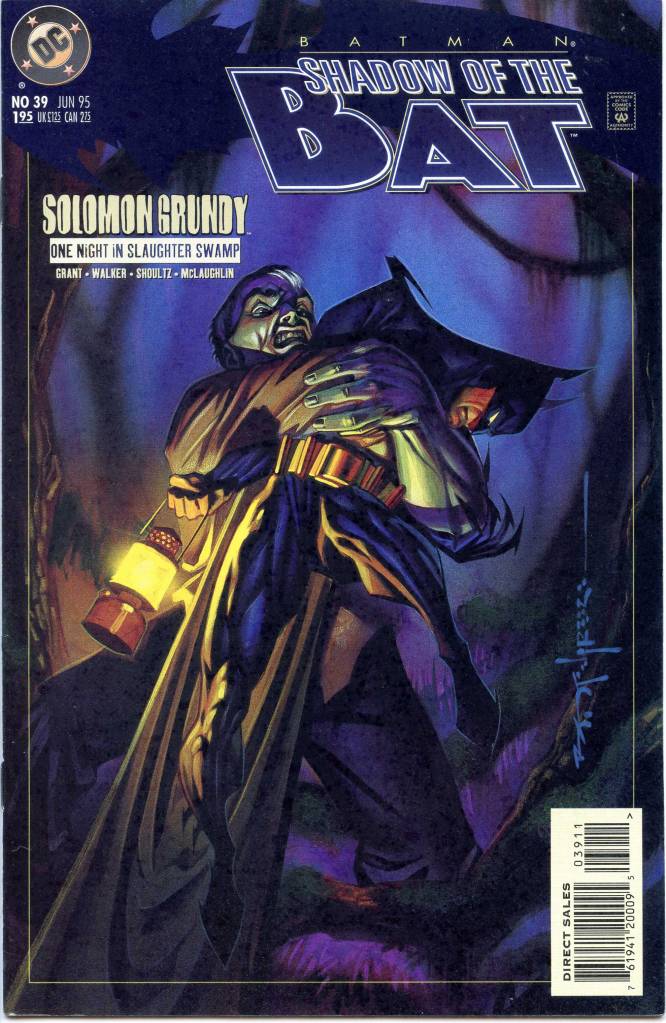
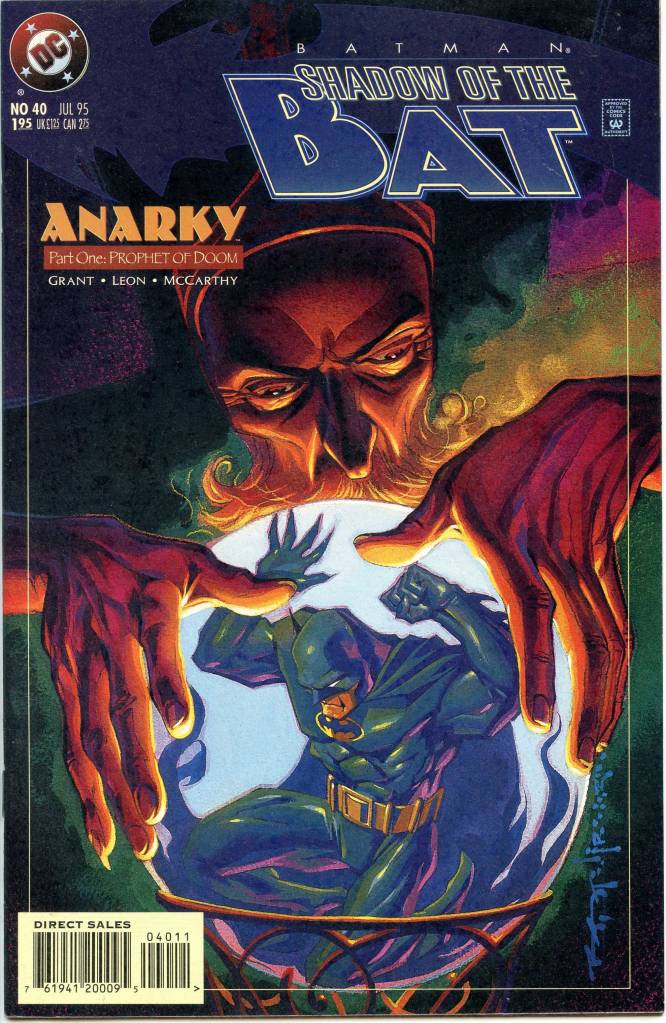
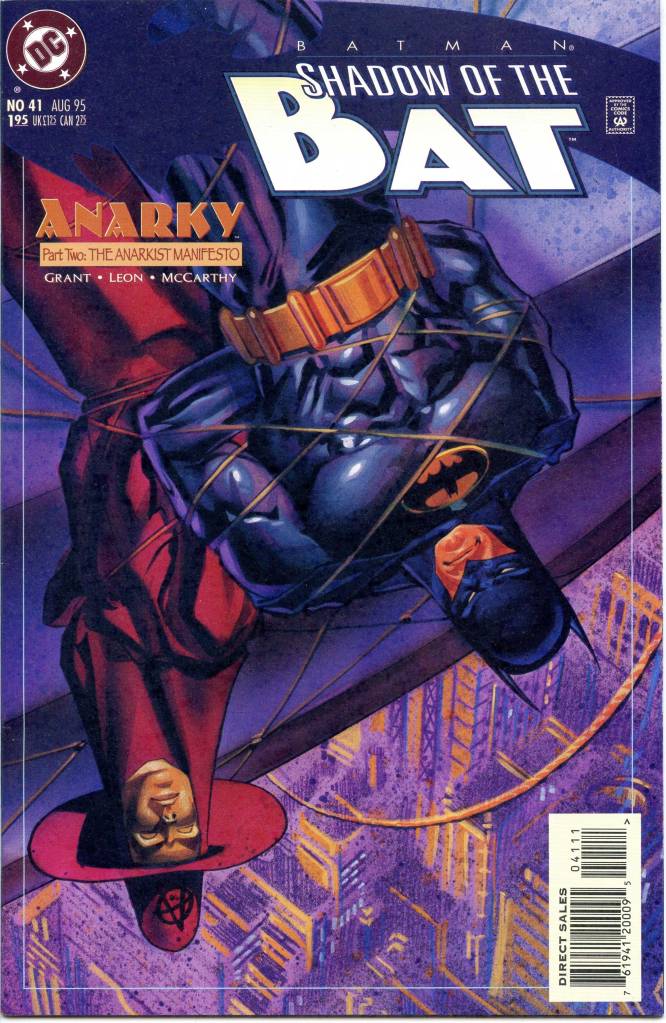
Batman: Shadow of the Bat ran for 96 issues, from 1992 to 2000. The stories took place in Batman’s then-current continuity along with Detective Comics and Batman, in contrast to Batman: Legends of the Dark Knight, which focused on Batman’s early years. Batman: Shadow of the Bat looked into the psyche of the various cast members of the Batman comics. It was also notable for introducing the villain Victor Zsasz into the Batman mythos.
Shadow of the Bat #0 NM $4Shadow of the Bat #1 NM $9Shadow of the Bat #5 NM $3Shadow of the Bat #6 NM $3Shadow of the Bat #7 NM $3Shadow of the Bat #8 NM $3Shadow of the Bat #9 NM $3Shadow of the Bat #11 NM $3Shadow of the Bat #12 NM $3Shadow of the Bat #13 NM $3Shadow of the Bat #15 NM $3Shadow of the Bat #16 NM $3Shadow of the Bat #17 NM $3Shadow of the Bat #18 NM $3Shadow of the Bat #19 NM $3Shadow of the Bat #20 NM $3Shadow of the Bat #22 NM $3Shadow of the Bat #23 NM $3Shadow of the Bat #24 NM $3Shadow of the Bat #25 NM $3Shadow of the Bat #26 NM $3Shadow of the Bat #28 NM $3Shadow of the Bat #29 NM $3Shadow of the Bat #31 NM $4Shadow of the Bat #33 NM $4Shadow of the Bat #36 NM $4Shadow of the Bat #37 NM $4Shadow of the Bat #39 NM $3Shadow of the Bat #40 NM $3Shadow of the Bat #41 NM $3
Starting in 1969, writer Dennis O’Neil and artist Neal Adams made a deliberate effort to distance Batman from the campy portrayal of the 1960s TV series and to return the character to his roots as a “grim avenger of the night”. O’Neil said his idea was “simply to take it back to where it started. I went to the DC library and read some of the early stories. I tried to get a sense of what Kane and Finger were after.”
O’Neil and Adams first collaborated on the story “The Secret of the Waiting Graves” (Detective Comics #395, January 1970). Few stories were true collaborations between O’Neil, Adams, Schwartz, and inker Dick Giordano, and in actuality these men were mixed and matched with various other creators during the 1970s; nevertheless the influence of their work was “tremendous”.Giordano said: “We went back to a grimmer, darker Batman, and I think that’s why these stories did so well…” While the work of O’Neil and Adams was popular with fans, the acclaim did little to improve declining sales; the same held true with a similarly acclaimed run by writer Steve Englehart and penciler Marshall Rogers in Detective Comics #471–476 (August 1977 – April 1978), which went on to influence the 1989 movie Batman and be adapted for Batman: The Animated Series, which debuted in 1992.Regardless, circulation continued to drop through the 1970s and 1980s, hitting an all-time low in 1985.
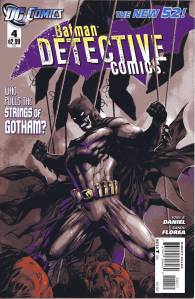
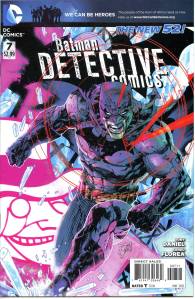
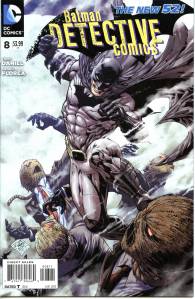
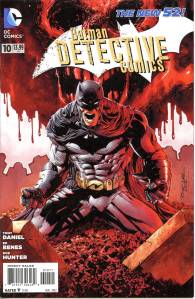
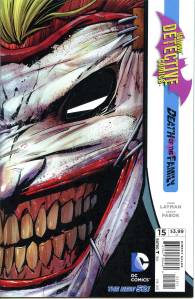
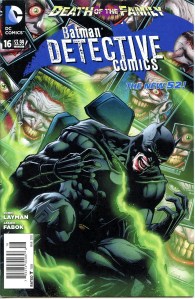
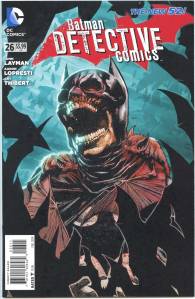
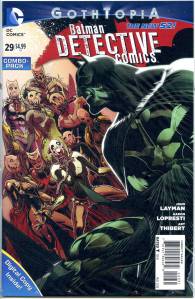
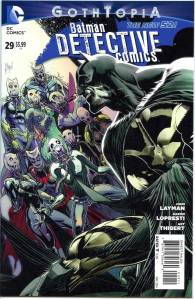
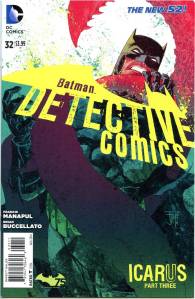
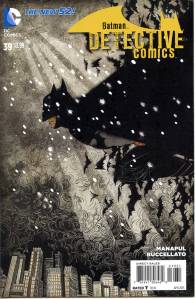
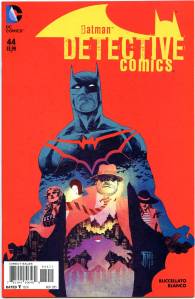
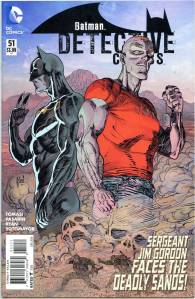
Detective Comics #1 vol. 2 (Nov. 2011) is the relaunch of Detective Comics. Story by Tony Daniel; art by Tony Daniel and Ryan Winn. The first issue of the relaunched Detective Comics has received six printings, second only to the relaunched Justice League which had seven printings.The series seventh issue was also DC Comic’s sixth highest selling digital comic, ranking above many other series in the Batman category.Scott West of Sciencefiction.com gave the series’ third arc a positive review, stating that “After last month’s disappointing ‘Night of the Owls’ tie-in issue, it’s nice to see ‘Detective Comics’ getting back to where it should be… good detective stories.”The relaunched Detective Comics received the award for “Best Series” at the 2012 Stan Lee Awards. The series’ first collected edition would reach the number one spot on The New York Times Best Seller list in the category of “Hardcover Graphic Books”.
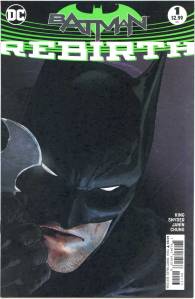
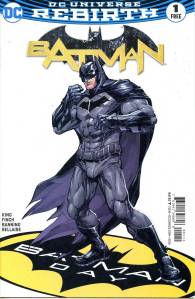
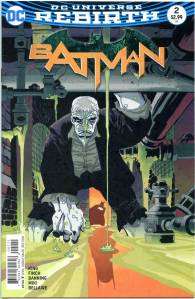
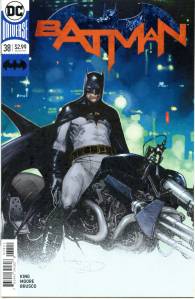
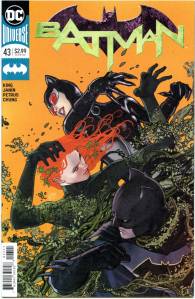
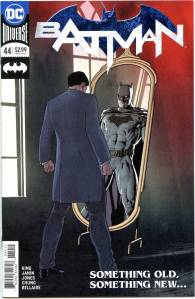
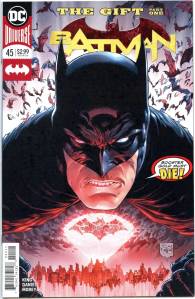
In June 2016, the DC Rebirth event relaunched DC Comics’ entire line of comic book titles. Batman was rebooted as starting with a one-shot issue entitled Batman: Rebirth #1 (August 2016). The series then began shipping twice-monthly as a third volume, starting with Batman vol. 3, #1 (August 2016). The third volume of Batman was written by Tom King, and artwork was provided by David Finch and Mikel Janín. The Batman series introduced two vigilantes, Gotham and Gotham Girl.
DC Comics ended the Rebirth branding in December 2017, opting to include everything under a larger “DC Universe” banner and naming. The continuity established by Rebirth continues across DC’s comic book titles, including volume one of Detective Comics and the third volume of Batman.
By 1964, sales of Batman titles had fallen drastically. Bob Kane noted that, as a result, DC was “planning to kill Batman off altogether”. In response to this, editor Julius Schwartz was assigned to the Batman titles. He presided over drastic changes, beginning with 1964’s Detective Comics #327 (May 1964), which was cover-billed as the “New Look”. Schwartz introduced changes designed to make Batman more contemporary, and to return him to more detective-oriented stories. He brought in artist Carmine Infantino to help overhaul the character. The Batmobile was redesigned, and Batman’s costume was modified to incorporate a yellow ellipse behind the bat-insignia. The space aliens, time travel, and characters of the 1950s such as Batwoman, Ace, and Bat-Mite were retired. Bruce Wayne’s butler Alfred was killed off (though his death was quickly reversed) while a new female relative for the Wayne family, Aunt Harriet, came to live with Bruce Wayne and Dick Grayson.
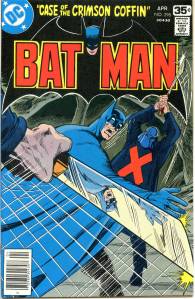
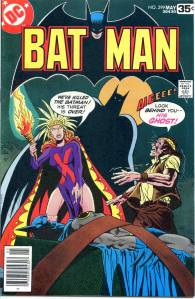
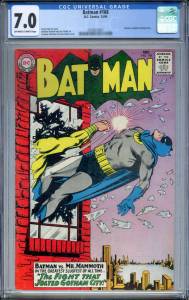
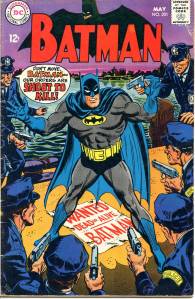
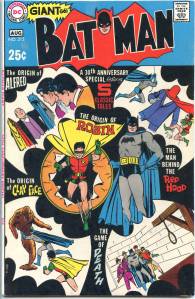
Batman #168 CGC 7.0 Off-White to White Pages $129Batman #180 FN+ $45Batman #201 VG- $18Batman #213 VF $89
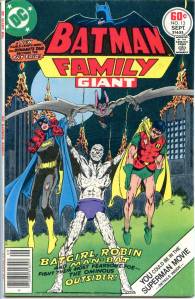
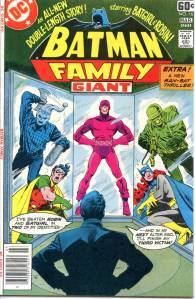
The Batman Family ran twenty issues from September-October 1975 to October-November 1978 and featured solo and team-up stories starring Batgirl and Robin. The lead story in the first issue teaming Batgirl and Robin was originally intended for publication in an issue of 1st Issue Special.The series additionally featured reprints of Golden Age and Silver Age stories. Many issues of Batman Family featured Batman supporting characters such as Alfred Pennyworth, Vicki Vale, the Elongated Man, the Huntress, and Ace the Bat-Hound. Writer Bob Rozakis introduced the Duela Dent character in issue #6 (July–August 1976)and revived the original Batwoman in issue #10 (March–April 1977).The series began featuring only new material as of issue #11 (May-June 1977) and Man-Bat began appearing as a regular feature. Batman Family converted to the Dollar Comics format with issue #17 (April–May 1978).
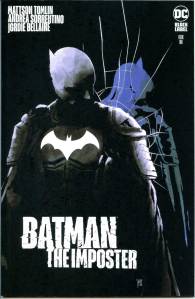
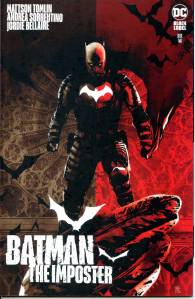
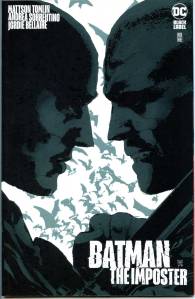
Bruce Wayne’s mission as the Batman has only been under way for a year or so, but he can tell he’s making a difference. Unfortunately, he’s made some powerful enemies. All the traditional power brokers of Gotham resent the disruption the Batman has brought to town…and it seems one of them has a plan to neutralize him. There’s a second Batman haunting Gotham’s rooftops and alleys—and this one has no qualms about murdering criminals, live and on tape.
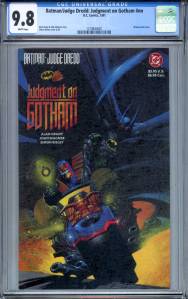
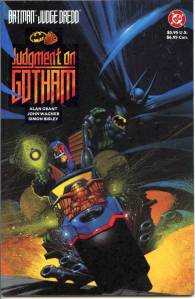
Judge Death makes a dimensional jump to Gotham City, murdering two lovers and a police officer. Batman defeats Death, who flees in spirit form. Among the remains of his host body, Batman finds a dimensional jump belt that he accidentally activates, transporting him to Mega-City One, where is confronted by Mean Machine Angel. As Mean Machine attacks Batman, they are both confronted by Judge Dredd. Mean Machine flees to Gotham using the belt, then wanders into the city looking for Judge Death.
Batman – Judgment on Gotham CGC SS 9.8 Signed by Simon Bisley $229
Batman – Judge Dredd – Judgement on Gotham CGC 9.8 White Pages $79
The world of Batman: White Knight expands with this standalone tale! On the night of Bruce Wayne’s traumatic birth, Victor Fries must intervene to save the lives of Martha Wayne and the future Batman. As the evening unfolds, Victor distracts Thomas with the incredible tale of his own father figures-one a Nazi, the other a Jew-and their complex connection to Wayne Laboratories. As the Third Reich roars into power, the deep friendship and working relationship between the Baron von Fries and his research partner, Jacob Smithstein, is in crisis. Ordered by Himmler to speed development of their cryotechnology in service of world domination, Smithstein is forced to go into hiding and compromise his moral code in order to save his wife and infant daughter, Nora, from persecution and certain death. When the S.S. ramps up surveillance over the project, young Victor begins to question his father’s true allegiance. Both families are driven toward an impossible choice and a sinister standoff, and Victor makes a pact with Smithstein that will ripple through generations.