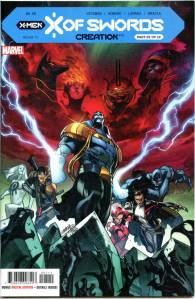
It is discovered that the first incarnation of the Horsemen are actually the biological children of Apocalypse and his wife Genesis who was also sent with Arakko. Following that, Apocalypse went to the Summoner and directed him to the portal to Otherworld where he could return to Arakko, while being accompanied by Unus and Banshee. However, what Apocalypse didn’t expect was that this was all an elaborated plan created by his own children so they could return and overthrow Krakoa with their fellow Arakki mutants and Daemon army. Apocalypse himself was soon attacked and critically injured by his daughter War, being forced to retreat back to Krakoa to heal their wounds and prepare for war between the two groups.
X of Swords – Creation #1 NM $7X of Swords – Stasis Variant NM $5X of Swords – Stasis #1 NM $5X of Swords – Destruction #1 NM $5
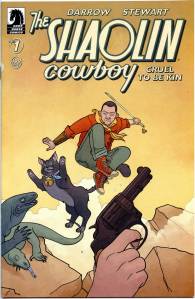
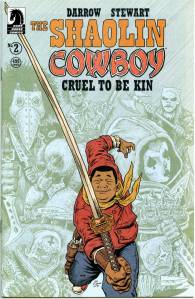
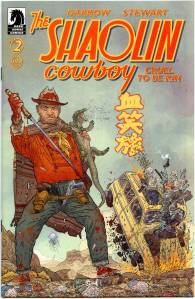
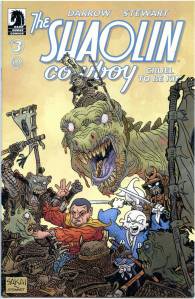
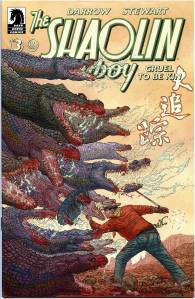
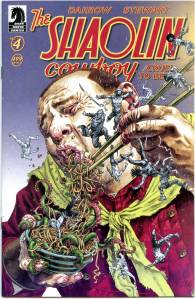
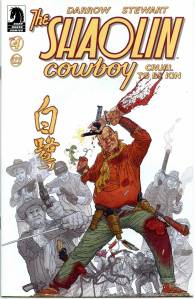
The Shaolin Cowboy finds his parenting skills being tested when he is forced to homeschool during a pandemic of unparalleled violence, in this story torn from yesterday’s viral twitter feeds.
Can he get a kung fu grip on the situation before a horde of .45 loving human monsters and not so human monsters send him to the ICU?
Only guns, swords, and flying guillotines will tell!
The Shaolin Cowboy – Cruel to be Kin #1 NM $6The Shaolin Cowboy – Cruel to be Kin #2 Piskor Variant NM $5The Shaolin Cowboy – Cruel to be Kin #2 NM $5The Shaolin Cowboy – Cruel to be Kin #3 Sakai Variant NM $5The Shaolin Cowboy – Cruel to be Kin #3 NM $5The Shaolin Cowboy – Cruel to be Kin #4 Fegredo Variant NM $5The Shaolin Cowboy – Cruel to be Kin #4 NM $5
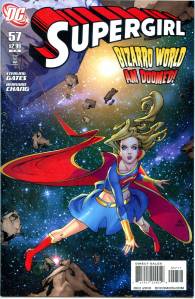
After the launch of the Superman/Batman comic book series, Executive Editor Dan DiDio had been looking for a way to simplify the Supergirl character from her convoluted post-crisis history; the simplest version of course, was Superman’s cousin. Jeph Loeb and editor Eddie Berganza found an opening to reintroduce the character following the conclusion of the first story arc of Superman/Batman.
The modern version of Kara Zor-El made her debut in Superman/Batman #8 (2004). Kara takes the mantle of Supergirl at the conclusion of the storyline. The Supergirl comic book series would later be relaunched, now starring Kara Zor-El as “The Girl of Steel”. The first arc of the new series was written by Jeph Loeb and illustrated by Ian Churchill.
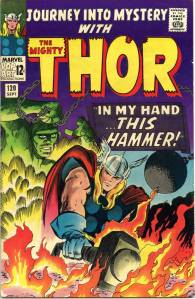
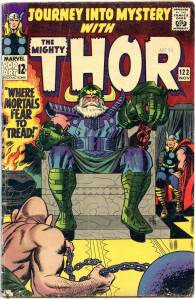
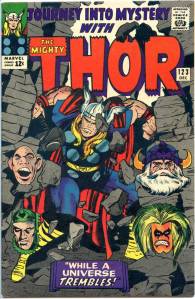
Journey into Mystery was initially published by Atlas Comics, then by its successor, Marvel Comics. Initially a horror comics anthology, it segued to giant-monster and science fiction stories in the late 1950s. Beginning with issue #83 (cover dated August 1962), it ran the superhero feature “The Mighty Thor“, created by writers Stan Lee and Larry Lieber and artist Jack Kirby, and inspired by the mythological Norsethunder god. The series, which was renamed for its superhero star with issue #126 (March 1966), has been revived three times: in the 1970s as a horror anthology, and in the 1990s and 2010s with characters from Marvel’s Thor mythos.
Journey into Mystery #120 FN+ $39Journey into Mystery #122 VG $24Journey into Mystery #123 VF- $65
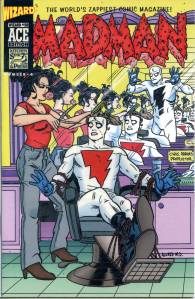
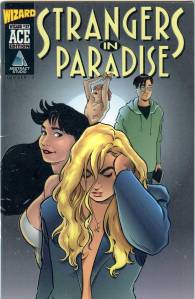
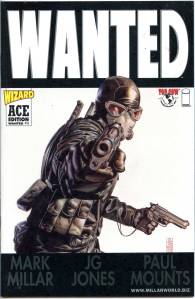
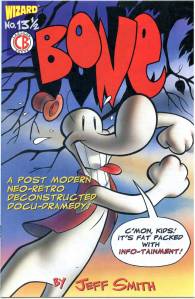
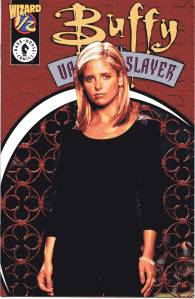
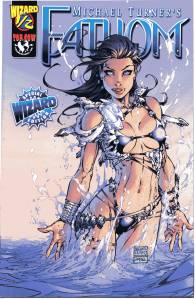
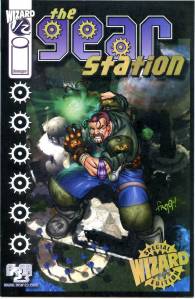
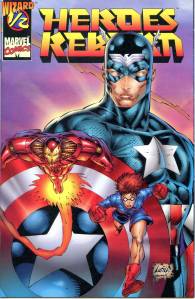
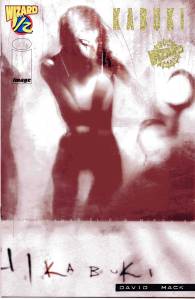
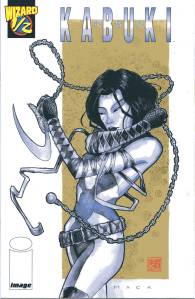
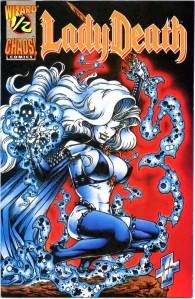
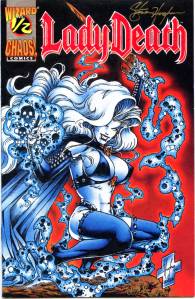
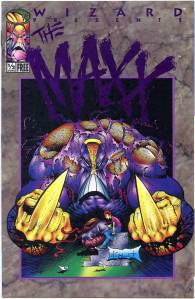
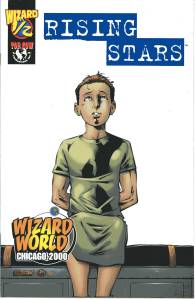
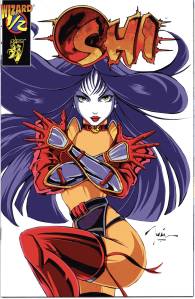
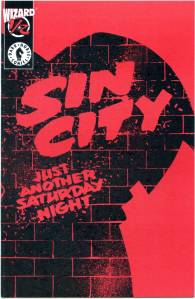
Wizard often featured mail-away offers for exclusive merchandise. Wizard began a practice of producing specially offered Wizard #½ issues. These were special issues of ongoing major comic book series which featured in-continuity stories that supplemented the regular series’ published issues. The issues were numbered #½ so as not to disrupt the series’ ongoing numbering system. Often Wizard would also include free pack-in issues with their magazines, usually numbered as Wizard #0.
Madman #1 Wizard Edition NM $19Strangers in Paradise Wizard Ace Edition NM- $12Wanted #1 Wizard Ace Edition NM $6Bone #13 1/2 Wizard NM $9Buffy the Vampire Slayer 1/2 VF $4Fathom 1/2 NM $24Gear Station Wizard #1/2 NM- $4Heroes Reborn 1/2 NM $6Kabuki 1/2 Cover A NM $12Kabuki 1/2 Cover B NM $9Lady Death #1/2 Wizard NM $9Lady Death #1/2 Red Velvet Wizard Signed Steven Hughes and Brian Pulido VF+ $29The Maxx #1/2 NM $8Rising Stars 1/2 Wizard World Chicago 2000 VF $4Shi 1/2 NM $9Sin City – Just Another Saturday Night – Wizard 1/2 with COA NM $5Violent Messiahs Wizard #.5 VF+ $4Wizard 500 – Witchblade NM- $7
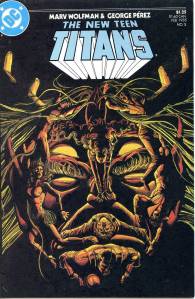
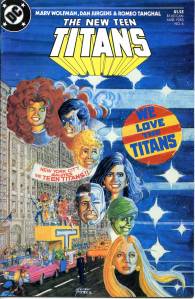
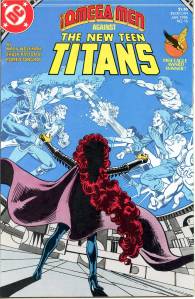
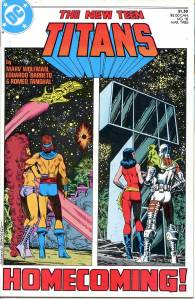
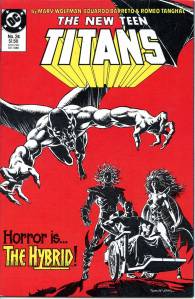
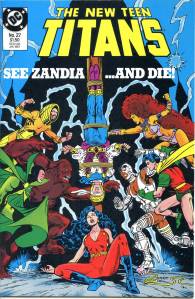
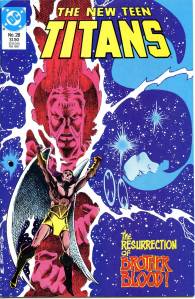
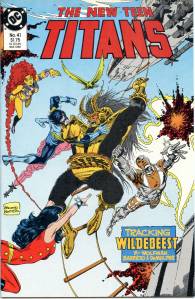
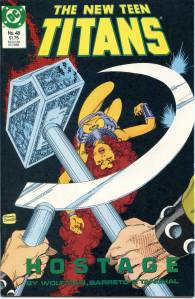
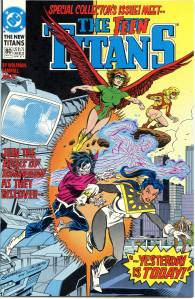
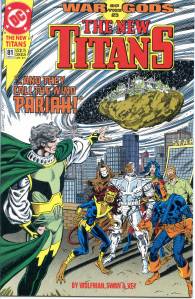
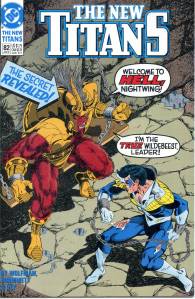
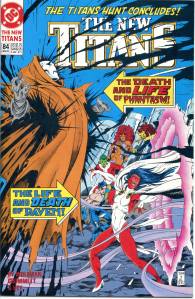
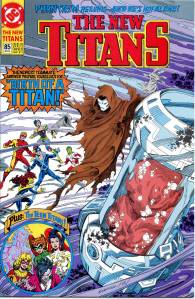
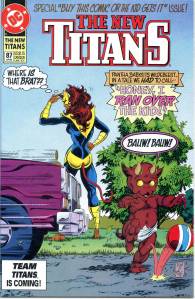
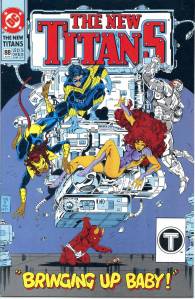
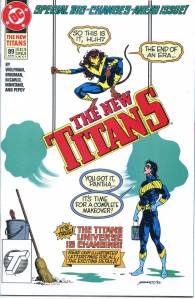
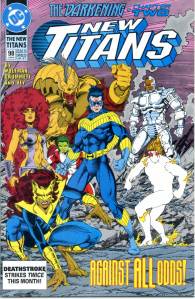
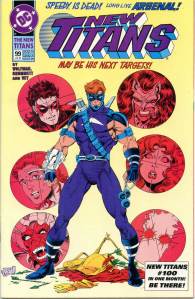
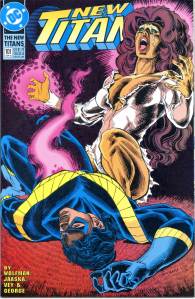
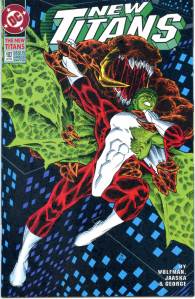
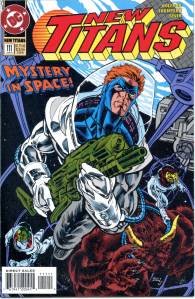
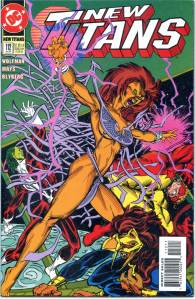
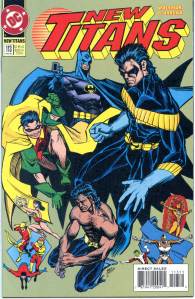
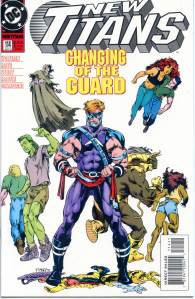
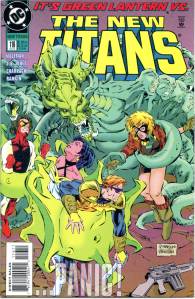
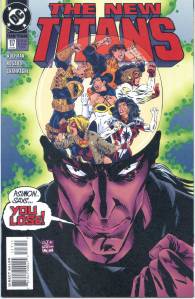
The New Teen Titans relaunched with a new #1 issue in August 1984 as part of a new initiative at DC informally referred to as “hardcover/softcover”. The New Teen Titans along with Legion of Super-Heroes and Batman and the Outsiders were the first and only titles included in this program. The same stories were published twice, first in a more expensive edition with higher-quality printing and paper distributed exclusively to comic book specialty stores, then republished a year later in the original format, distributed to newsstands. The title was renamed Tales of the Teen Titans with issue #41, while a new concurrently published series named The New Teen Titans vol. 2 launched with a new #1 following the release of Tales of the Teen Titans #44 and Annual #3, the conclusion of the “Judas Contract” storyline.
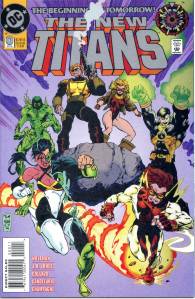
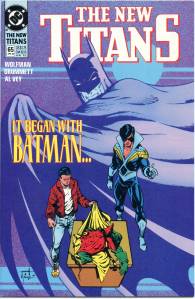
Pérez temporarily returned with issue #50, when the series took the name The New Titans without the “Teen” prefix, as the characters were no longer teenagers. Issue #50 told a new origin story for Wonder Girl, her link to Wonder Woman having been severed due to retcons created in the aftermath of Crisis on Infinite Earths. Issues #60 and #61 were part of a five-part crossover with Batman, “A Lonely Place of Dying” and along with issue #65, featured the debut of Tim Drake as the third Robin.
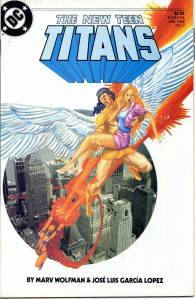
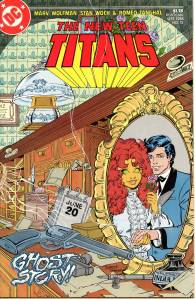
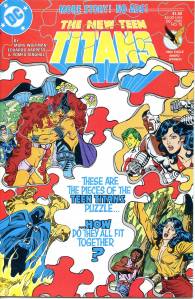
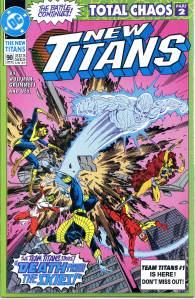
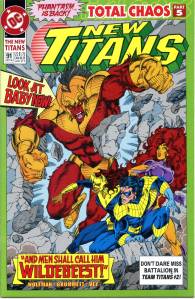
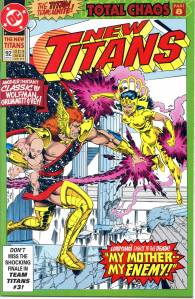
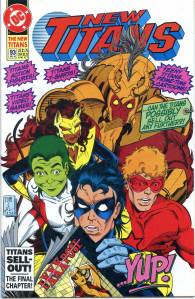
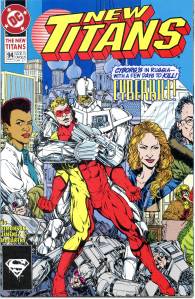
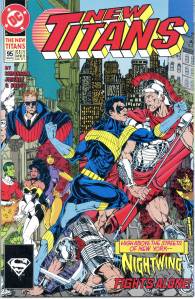
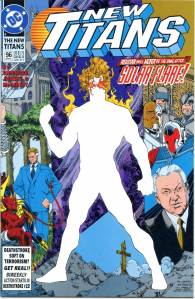
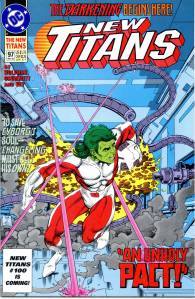
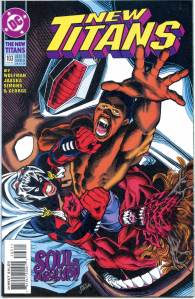
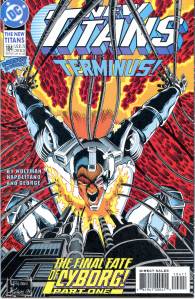
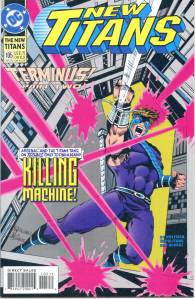
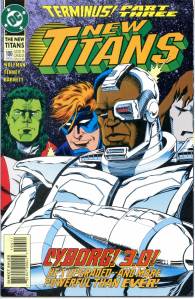
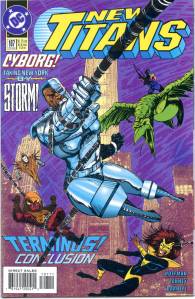
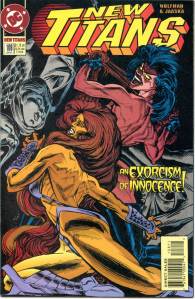
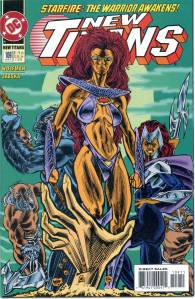
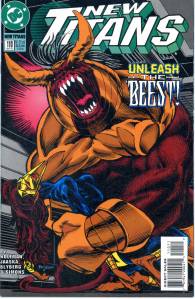
New Titans V2 #0 NM $4New Teen Titans V2 #1 CGC 9.8 White Pages $85New Teen Titans V2 #2 VF-NM $4New Teen Titans V2 #3 NM- $4New Teen Titans V2 #4 NM- $3New Teen Titans V2 #5 VF $2New Teen Titans V2 #6 VF-NM $2New Teen Titans V2 #7 NM- $3New Teen Titans V2 #9 NM $4New Teen Titans V2 #10 NM- $3New Teen Titans V2 #11 NM- $3New Teen Titans V2 #12 NM- $3New Teen Titans V2 #13 NM $4New Teen Titans V2 #14 NM $4New Teen Titans V2 #15 NM $4New Teen Titans V2 #16 NM $4New Teen Titans V2 #17 NM $4New Teen Titans V2 #18 NM $4New Teen Titans V2 #19 VF $2New Teen Titans V2 #20 NM $4New Teen Titans V2 #22 NM $4New Teen Titans V2 #23 NM $4New Teen Titans V2 #24 VF-NM $3New Teen Titans V2 #25 NM $4New Teen Titans V2 #26 NM $4New Teen Titans V2 #27 NM $4New Teen Titans V2 #28 NM $4New Teen Titans V2 #29 NM $4New Teen Titans V2 #30 NM $4New Teen Titans #41 NM $4New Teen Titans V2 #47 NM $4New Teen Titans #48 NM $4New Titans V2 #60 NM $7The New Titans #60 VF-NM $3The New Titans #61 NM- $5New Teen Titans #65 NM $9New Teen Titans #80 NM $4New Titans #81 NM $4New Titans #82 NM $4New Titans #84 NM $4New Titans #85 NM $4New Titans V2 #87 NM $4New Titans V2 #88 NM $4New Titans V2 #89 NM $4New Titans V2 #90 NM $4New Titans V2 #91 NM $4New Titans V2 #92 NM $4New Titans V2 #93 NM $4New Titans V2 #94 $4New Titans V2 #95 NM $4New Titans #96 NM $4New Titans #97 NM $4New Titans #98 NM $4New Titans #99 NM $9New Titans #101 NM $3New Titans #102 NM $3New Titans #103 NM $3New Titans #104 NM $3New Titans #105 NM $3New Titans #106 NM $3New Titans #107 NM $3New Titans #108 NM $3New Titans #109 NM $3New Titans #110 NM $3New Titans #111 NM $3New Titans #112 NM $3New Titans #113 NM $3New Titans #114 NM $3New Titans #116 $3New Titans #117 NM- $3New Teen Titans V2 Annual #1 VF-NM $2New Teen Titans V2 Annual #2 NM- $3
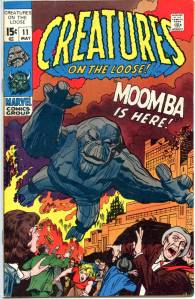
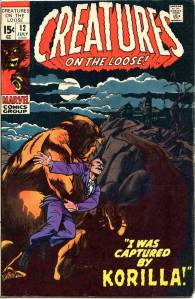
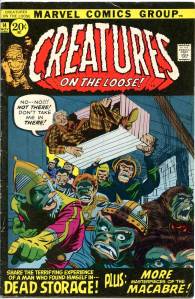
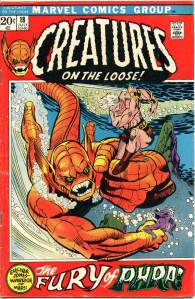
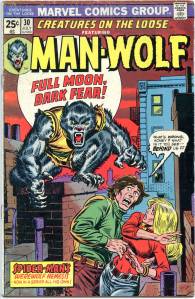
Tower of Shadows was re titled Creatures on the Loose with issue #10 (March 1971), this version led off with a seven-page King Kull story by Thomas and artist Bernie Wrightson. The book then became all-reprint until issue #16 (March 1972), when writer Thomas and the art team of Gil Kane and Bill Everett introduced the series “Gullivar Jones, Warrior of Mars”, starring an interplanetary Earthman created by author Edwin L. Arnold in his 1905 book Lieut. Gullivar Jones: His Vacation. Following another issue by Thomas and one by Gerry Conway, science fiction novelist George Alec Effinger wrote the final three installments.
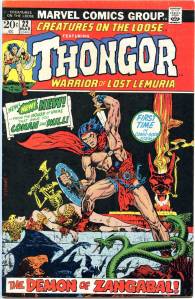
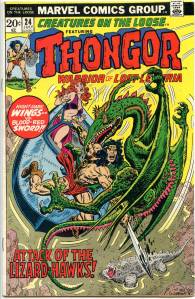
Effinger continued as writer for the series that immediately followed, in issue #22 (March 1973): “Thongor! Warrior of Lost Lemuria!”, adapting asword-and-sorcery barbarian character created by author Lin Carter. Following writers Tony Isabella and Gardner Fox, Carter himself co-wrote (with Steve Gerber) the final two installments.
Thomas, Marvel’s associate editor at the time, recalled in 2007 that Thongor had been the company’s first choice when Marvel decided to published a licensed fantasy character, rather than the eventual hit Conan the Barbarian. Publisher Martin Goodman “authorized us to go after a character. I first went after Lin Carter’s Thongor, who was a quasi-Conan with elements of John Carter of Mars, partly became editor-in-chiefStan Lee liked that name the most … I soon got stalled by Lin Carter’s agent on Thongor (he was hoping I’d offer more than the $150 per issue I was authorized to offer), and I got a sudden impulse to go after Conan”.
Creatures on the Loose #11 FN+ $15Creatures on the Loose #12 FN+ $12Creatures on the Loose #14 FN $9Creatures on the Loose #18 FN $5Creatures on the Loose #22 FN+ $14Creatures on the Loose #24 FN-VF $7Creatures on the Loose #30 VG $18
Spawn began a resurgence in popularity as the title approached its 300th issue, with the title once again becoming a fixture in Diamond’s Top 100. This 300th issue also made Spawn the longest-running independent comic book series of all time.
Spawn #314 A NM $4Spawn #315 A NM $4Spawn #315 B NM $6Spawn #321 NM $4Spawn #322 NM $4Spawn #323 NM $4Spawn #325 NM $4Spawn #329 NM $4Spawn #331 NM $4Spawn #332 NM $4Spawn #334 Cover A NM $3Spawn #334 Cover B NM $3
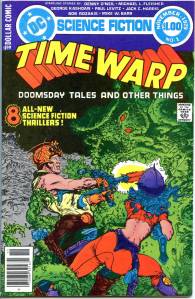
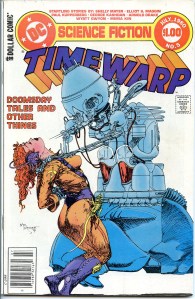
In 1978, DC Comics intended to revive its science-fiction anthology series Strange Adventures. These plans were put on hold that year due to the DC Implosion, a line-wide scaling back of the company’s publishing output. When the project was revived a year later, the title was changed to Time Warp and the series was in the Dollar Comics format. The first issue was published with an October–November 1979 cover date. Michael Kaluta provided the cover art for the entire run.
The title featured a mixture of both established comics creators and new talent. The writing team of Dan Mishkin and Gary Cohn made their comics debut in issue #3 with the three-page short story “On the Day of His Return” which was drawn by Steve Ditko.
Time Warp was canceled with issue #5 (June–July 1980) and unused inventory originally intended for the series was published in a revival of the Mystery in Space title. Other Time Warp stories appeared in the mystery anthology The Unexpected.