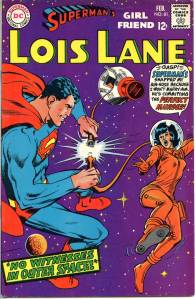
Following a tryout in Showcase, DC decided to give Lois Lane her own ongoing series. The comic series focus on Lois’ solo adventures, and sometimes with stories centered on Lois’ romantic interest in Supermanand her attempts to maneuver him into marriage, only to fail due to a comic plot twist. In the early 1960s, Lana Lang made regular guest appearances, generally as Lois’ romantic rival. Artist Kurt Schaffenberger drew most of the stories for the first 81 issues of the series, missing only issue #29. Schaffenberger’s rendition of Lois Lane became cited by many as the “definitive” version of the character.
Superman’s Girl Friend Lois Lane #44 VG- $14Supermans Girlfriend Lois Lane #81 VF- $15
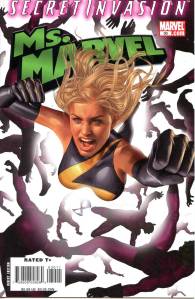
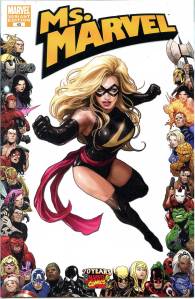
Ms. Marvel also plays a significant role in the 2008 storyline “Secret Invasion“, in which members of the shapeshifting alien race, the Skrulls, are revealed to have secretly infiltrated Earth by impersonating humans. She befriends Captain Marvel’s Skrull impostor and proves to him that she is not a Skrull by revealing intimate details about their life together. At the conclusion of the war with the Skrulls, Norman Osborn is placed in charge of the registered Avengers team. Refusing to serve under Osborn, Ms. Marvel flees Avengers Tower, and joins the New Avengers, becoming second-in-command. Osborn appoints former Thunderbolt member Moonstone (Karla Sofen) as the “new” Ms. Marvel to his Dark Avengers team; Moonstone wears a variation of Ms. Marvel’s original costume. Osborn engineers a battle that results in Danvers’s powers overloading, causing her apparent death. The character Moonstone takes over the title role in the ongoing Ms. Marvel series. Danvers returns with the aid of the New Avengers, a group of MODOKembryos (creations of the organization Advanced Idea Mechanics [AIM]), and a character known as the “Storyteller” and reclaims the title of Ms. Marvel from Karla Sofen.
The increased use of Carol Danvers as a prominent character in many story arcs throughout this decade eventually prompted one commentator to note that “she’s now the House of Ideas’ premier heroine”
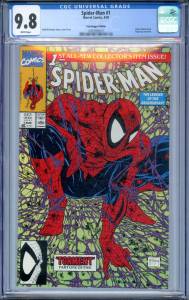
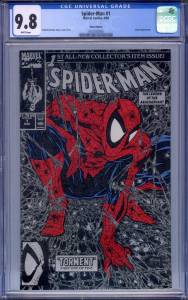
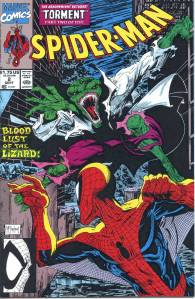
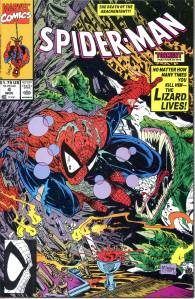
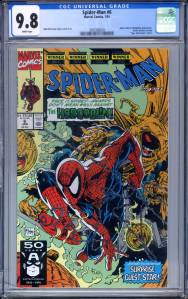
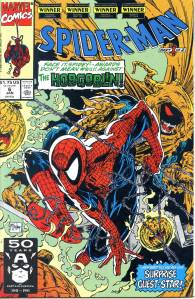
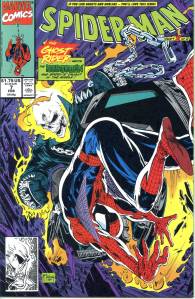
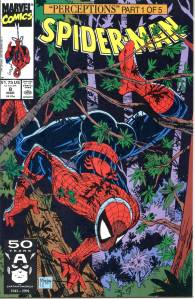
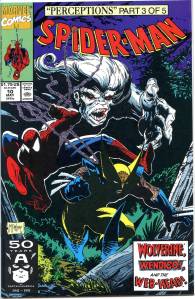
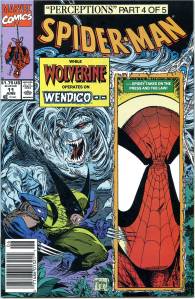
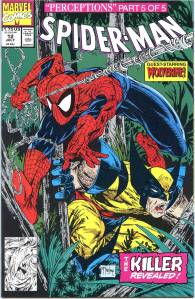
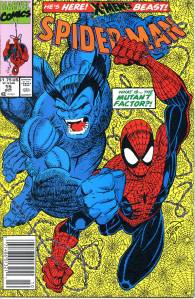
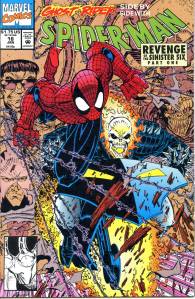
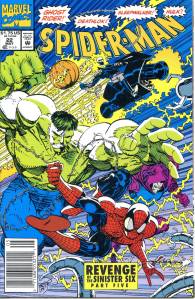
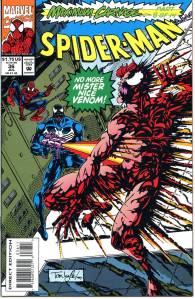
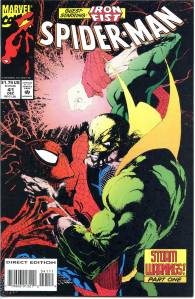
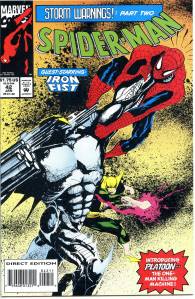
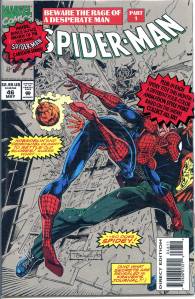
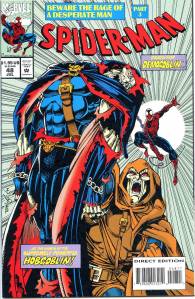
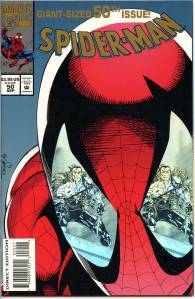
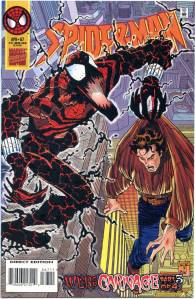
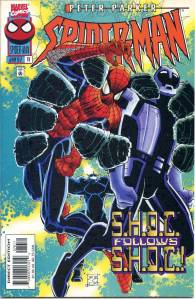
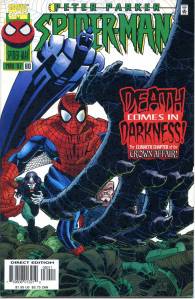
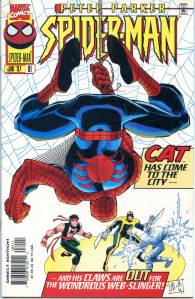
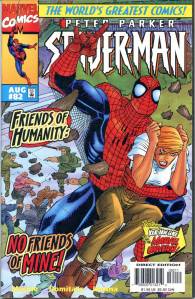
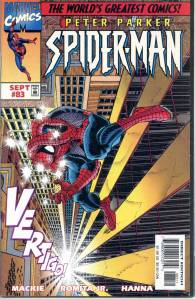
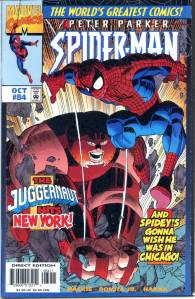
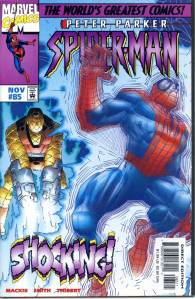
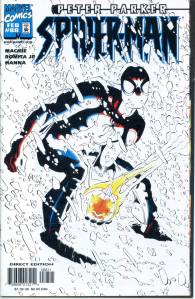
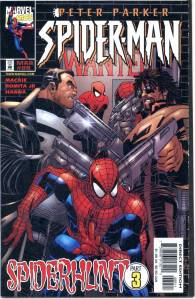
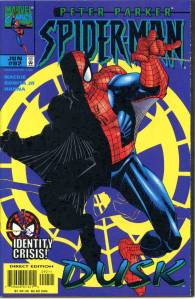
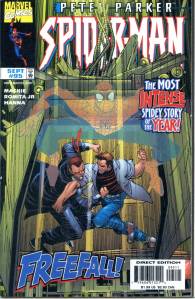
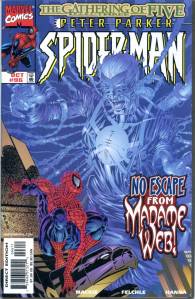
Spider-Man ran for 98 issues from 1990 to 1998. The series was re titled Peter Parker: Spider-Man with issue #75, but only on the covers, the series was still under its original Spider-Man title in the comic’s legal indicia, printed on the title page, from #75 to #98; the comic book would not officially be titled Peter Parker: Spider-Man until the volume 2 series relaunch.
The series originally was conceived as a showcase for Todd McFarlane. McFarlane, who until then had only been known as an artist, was hugely popular at the time and the series was created by editor Jim Salicrup so that McFarlane could pencil, ink, and write a Spider-Man title of his own, starting with the “Torment” storyline.
The series was a massive sales success with over 2.5 million copies printed. McFarlane stayed on the title until issue #16 (November 1991) in which the story was printed in a landscape format. He would go on to create the character Spawn and help found Image Comics in 1992. He was succeeded on the title by Erik Larsen, who had succeeded McFarlane on The Amazing Spider-Man two years earlier, and would later join him in the founding of Image. Larsen wrote and drew the six-issue story arc “Revenge of the Sinister Six” (#18–23). Writer Don McGregor and artist Marshall Rogers crafted a two-part story in issues #27–28 dealing with gun violence.
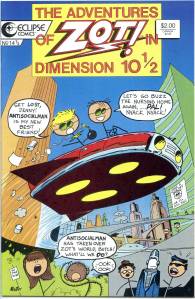
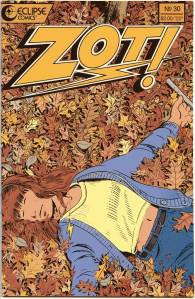
Zot! is a comic book created by Scott McCloud in 1984 and published by Eclipse Comics until 1990 as a lighthearted alternative to the darker and more violent comics that dominated the industry during that period. There were a total of 36 issues, with the first ten in color and the remainder in black and white. McCloud credited Astro Boy creator Osamu Tezuka as a major influence on the book, making it one of the first manga-inspired American comic books.
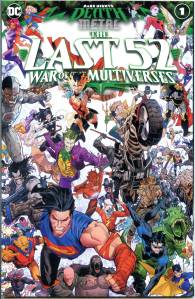
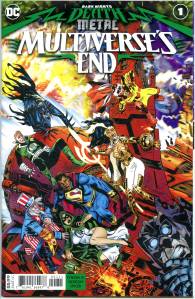
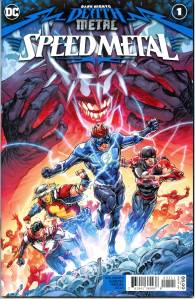
“Dark Nights: Death Metal” is the sequel to 2017’s Dark Nights: Metal and concludes Scott Snyder‘s run in DC Comics; he stated “Everything is coming back, we want to pay it forward. The Omega Titans, Barbatos, the Forge, it’s all coming back. Everything you read, our goal is to reward. All of it culminates in like a year in like a “Metal” event.”[1] “Death Metal” not only concludes the three-year spanning Dark Multiverse narrative that began with “Dark Nights: Metal”, but will bring an end to the New 52 and DC Rebirth continuities that began with 2011’s “Flashpoint” storyline.
In April 2020 during an interview on DC Daily, Snyder assured that the purpose of “Death Metal” is to unify every storyline from mainline DC Universe comic books, including the standalone stories
Dark Nights Death Metal – The Last 52 War of the Multiverses #1 NM $7Dark Nights – Death Metal – Legends of the Dark Knights #1 NM $7Dark Nights – Death Metal – Multiverse’s End #1 NM $6Dark Nights – Death Metal – Speed metal #1 NM $6
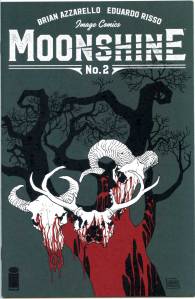
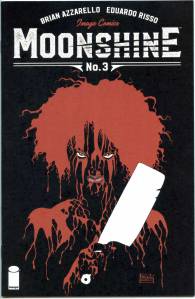
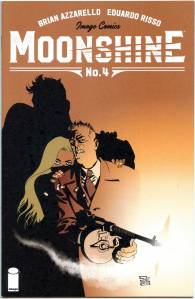
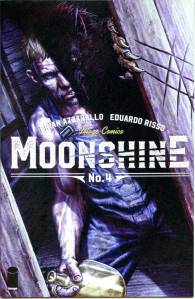
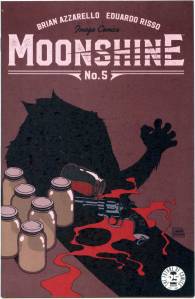
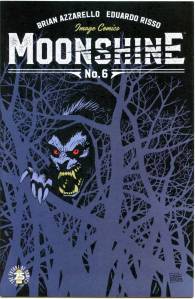
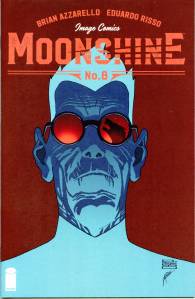
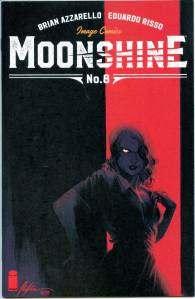
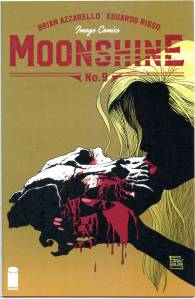
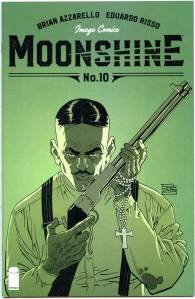
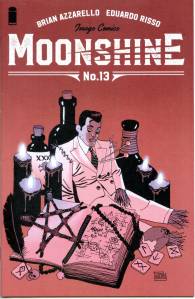
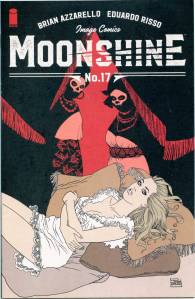
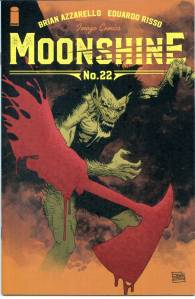
Set during Prohibition, and deep in the backwoods of Appalachia, MOONSHINE tells the story of Lou Pirlo, a city-slick “torpedo” sent from New York City to negotiate a deal with the best moonshiner in West Virginia, one Hiram Holt. What Lou doesn’t figure on is that Holt is just as cunning and ruthless as any NYC crime boss. Because not only will Holt do anything to protect his illicit booze operation, he’ll stop at nothing to protect a much darker family secret…a bloody, supernatural secret that must never see the light of day… or better still, the light of the full moon.
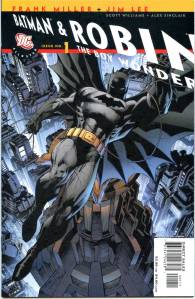
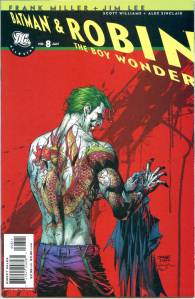
All Star Batman & Robin the Boy Wonder is an American comic book series written by Frank Miller and penciled by Jim Lee. It was published by DC Comics, with a sporadic schedule, between 2005[1] and 2008. The series was to be rebooted under the title Dark Knight: Boy Wonder in 2011, when both Miller and Lee were to finish the last six issues. The series retells the origin story of Dick Grayson, who became Batman‘s sidekick Robin.
This was the first series to be launched in 2005 under DC’s All Starimprint. These series are helmed by renowned writers and artists in the American comic book industry and attempt to retell some of the history of prominent DC Universe characters, but outside of DC Universe continuity, and not be restricted by it, in order to appeal to new and returning readers. Each title under the All Star imprint is set in its own continuity and separate universe.[2] According to Miller, the series takes place in the same continuity as Miller’s other Batman-related works, such as The Dark Knight Returns.
Since its initial publication, Miller’s writing of All Star Batman has consistently received an overwhelmingly negative critical response, though Lee’s artwork has been praised.
Batman and Robin the Boy Wonder #1 NM- $5Batman and Robin the Boy Wonder #2 NM- $4Batman and Robin the Boy Wonder #3 NM $4Batman and Robin the Boy Wonder #4 NM $4Batman and Robin the Boy Wonder #5 NM $4Batman and Robin the Boy Wonder #7 NM $4All Star Batman and Robin the Boy Wonder #8 NM $8
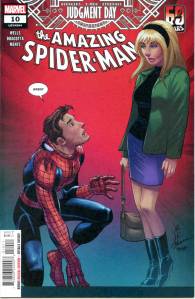
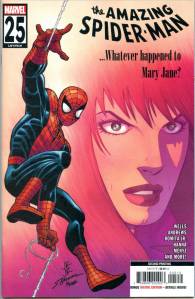
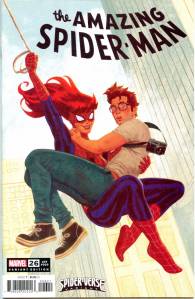
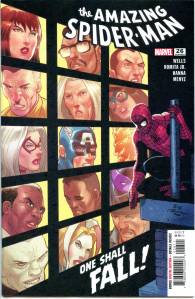
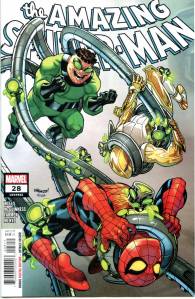
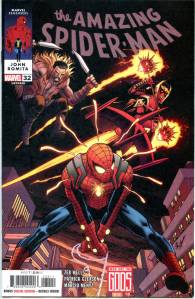
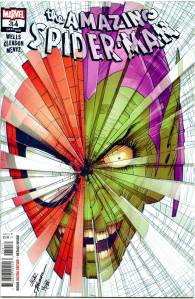
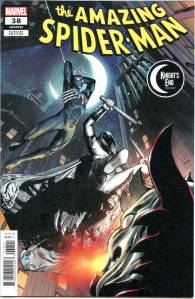
In January 2022, it was announced that writer Zeb Wells and John Romita Jr. would be working on a relaunched The Amazing Spider-Man, bringing the number of volumes for the title to its sixth, with the series beginning in April 2022. The relaunch encompasses both a legacy numbering of #900 as well as the 60th anniversary for the character. It included the crossover event, Dark Web, with Chasm having teamed up with Madelyne Pryor to bring limbo to Earth.