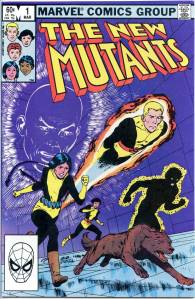
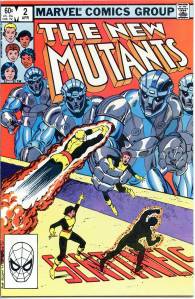
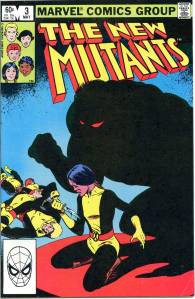
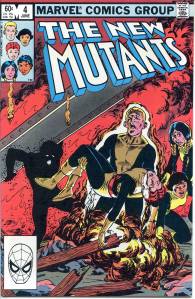
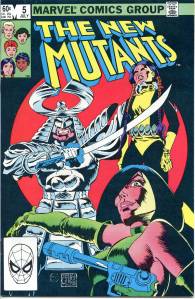
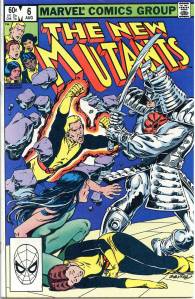
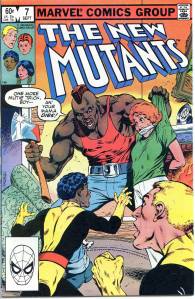
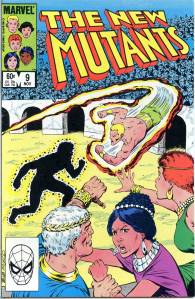
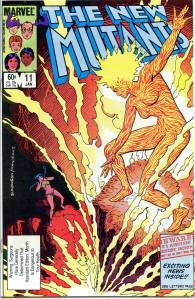
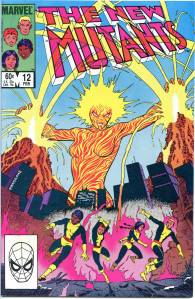
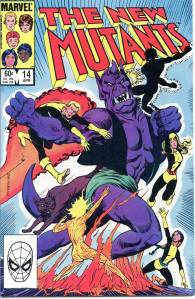
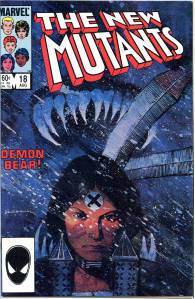
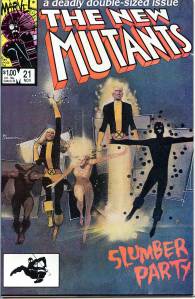
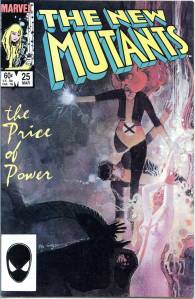
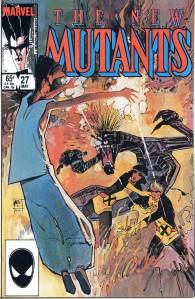
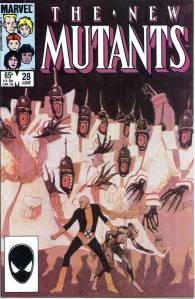
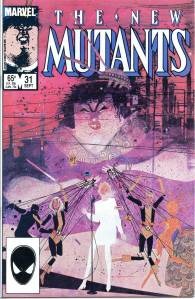
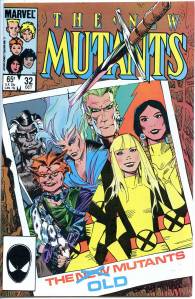
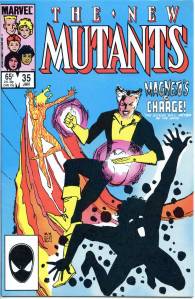
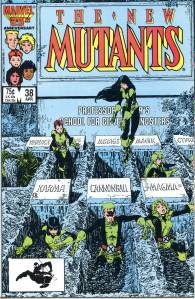
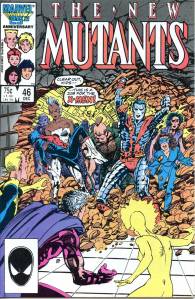
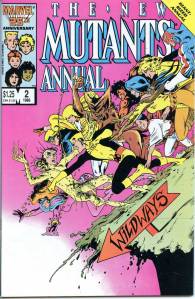
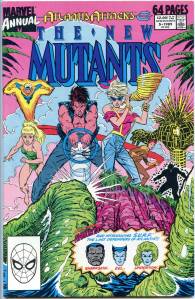
The first team of New Mutants characters was created by Chris Claremont and artist Bob McLeod. They first appeared in 1982’s Marvel Graphic Novel #4 and are subsequently featured in their own title from 1983 until 1991. Like its parent title, The New Mutants highlighted interpersonal and group conflict as well as action and adventure, and featured a large ensemble cast, including the introduction of cult figure Deadpool. With the end of the first series, the characters were relaunched as X-Force in a new, eponymous series.
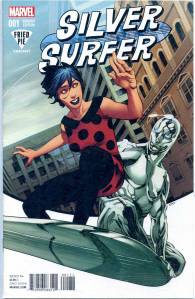
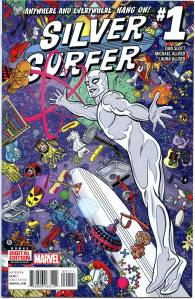
“Fantastic Planet”. The Surfer has taken Dawn Greenwood to the end of the universe, and now he’s going to show her the most fantastic planet of them all: Earth! It’s your homeworld like you’ve never seen it before: with monsters, magic and…a secret that will change everything!
The title series began with Chuck Dixon’s one shot Black Canary/Oracle: Birds of Prey (cover date 1996 / published December 1995). Initially, the two heroines featured were Barbara Gordon (formerly “Batgirl“) and Dinah Lance (currently “Black Canary”). From the beginning, Canary was written as passionate and idealistic. In an interview with Comics Bulletin, Dixon described this choice as a fertile clash of values: “Dinah’s more idealistic approach is at the heart of this book.
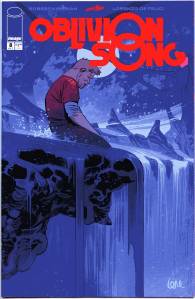
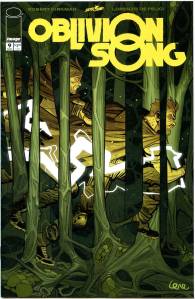
It is a supernaturalscience fiction story that chronicles Nathan Cole, a man who makes daily trips to try and rescue those still living in the apocalyptic hellscape of Oblivion, a part of Philadelphia lost a decade ago along with 300,000 of its citizens.
In the aftermath of an apocalypse which wiped out nearly all magic from a once-wondrous fantasy world, a former bard named Hum (a man of few words, so nicknamed because his standard reply is “hm”) seeks a way to save the soul of his wife with nothing but a foul-tempered mutant unicorn and his wits to protect him…but is unwillingly drawn into a brutal power struggle which will decide forever who rules the Weird Wasteland.
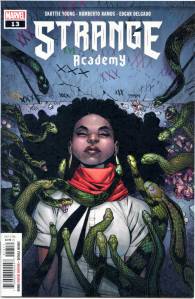
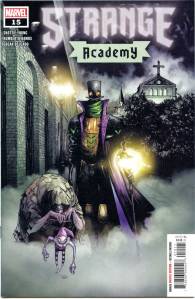
Strange Academy is a fictional school appearing in comics published by Marvel Comics. It was founded by Doctor Strange to train young people from many worlds with magical abilities in the use of sorcery and magical artifacts. The school first appears in Strange Academy #1 (March 2020) and was created by writer Skottie Young and artist Humberto Ramos.
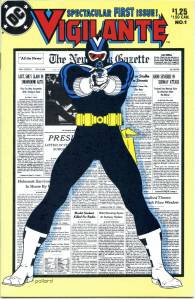
Vigilante was an ongoing series published from November of 1983 to February 1988. The series featured the honorable Adrian Chase, who was first introduced in the pages of New Teen Titans Annual #2. Spanning a total of fifty issues and two Annuals, the series ended with the death of the main character.
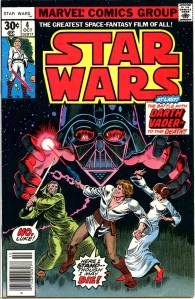
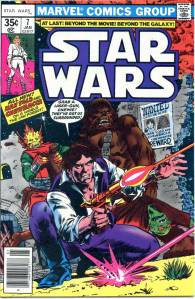
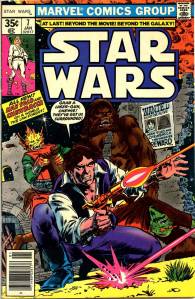
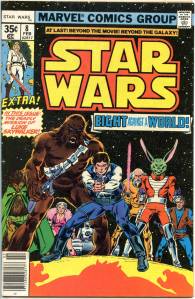
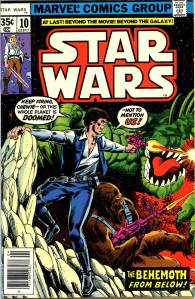
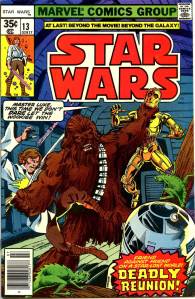
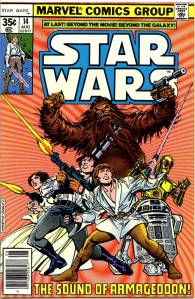
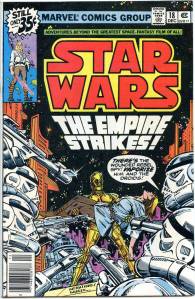
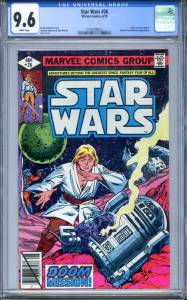
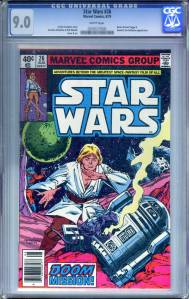
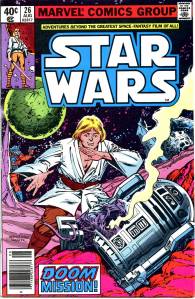
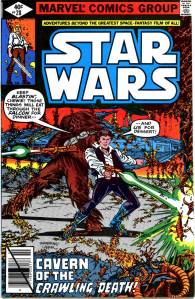
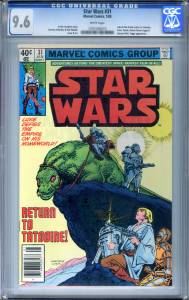
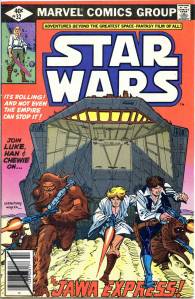
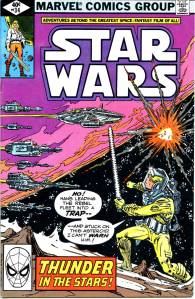
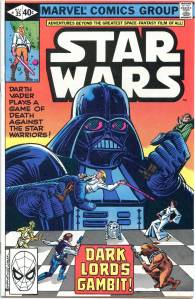
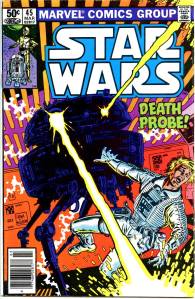
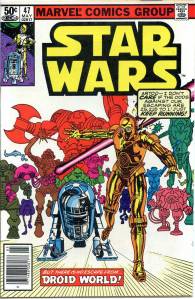
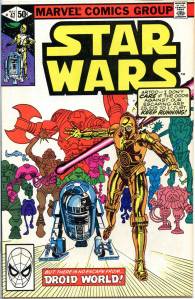
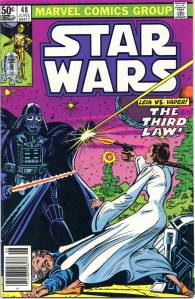
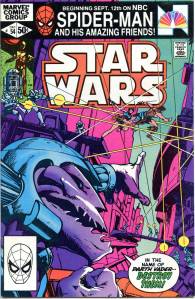
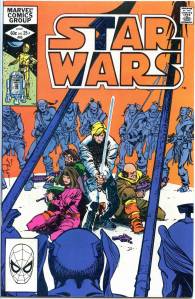
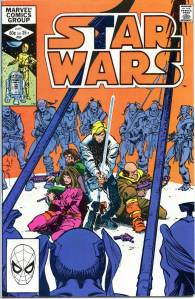
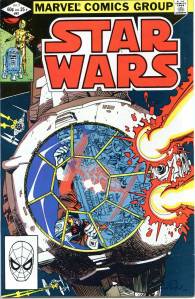
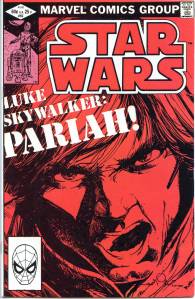
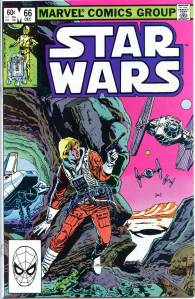
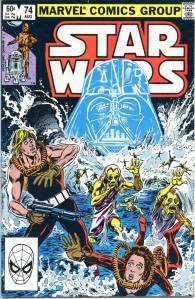
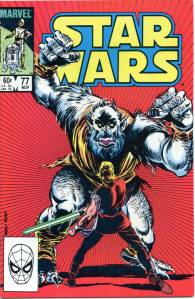
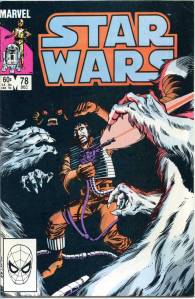
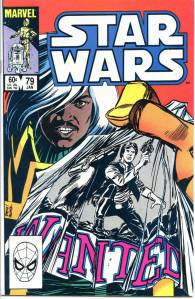
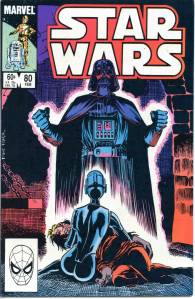
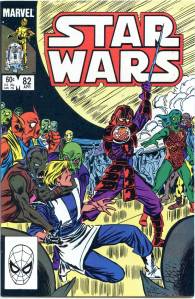
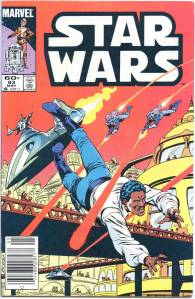
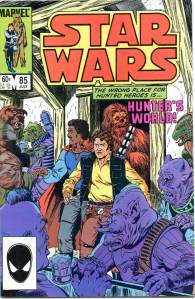
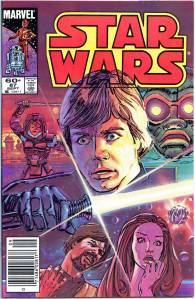
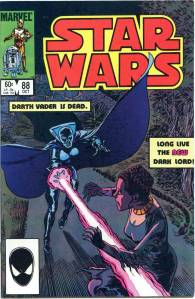
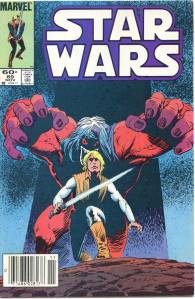
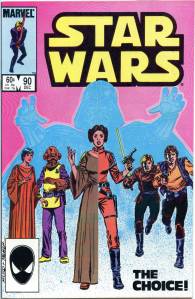
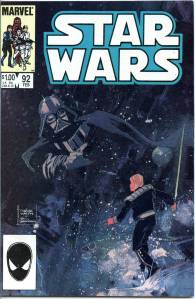
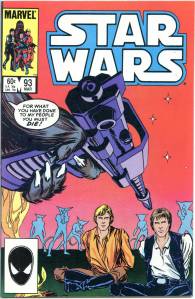
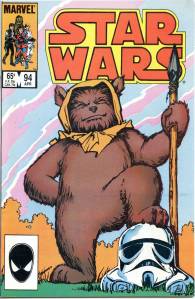
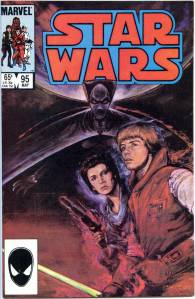
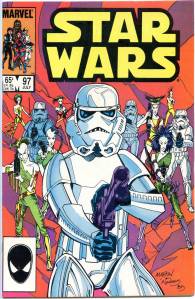
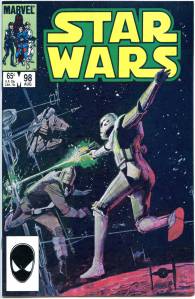
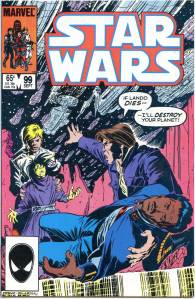
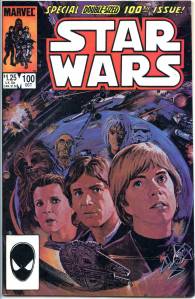
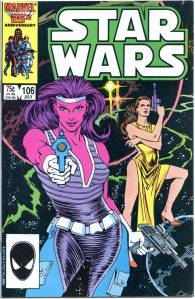
Charles Lippincott, Lucasfilm‘s publicity supervisor, initially approached Stan Lee in 1975 about publishing a Star Wars comic book prior to the film’s release to appeal to the film’s most likely audience. However, Lee declined to consider such a proposal until the film was completed, and was only persuaded otherwise in a second meeting arranged by Roy Thomas, who wanted to edit the series. Considering movie tie-in comics rarely sold well at that time, Lee negotiated a publishing arrangement with no royalties to Lucasfilm until sales exceeded 100,000 at which point legal arrangements could be revisited.
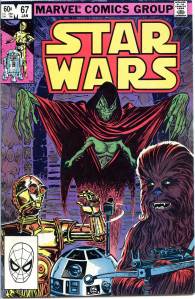
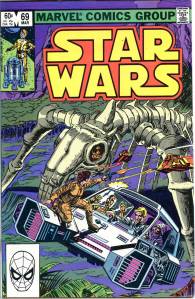
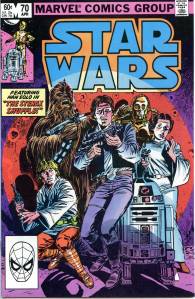
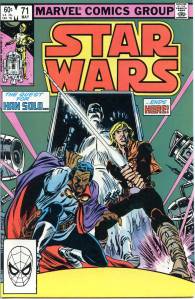
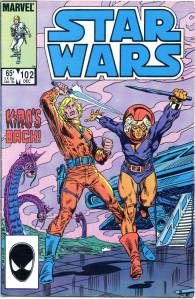
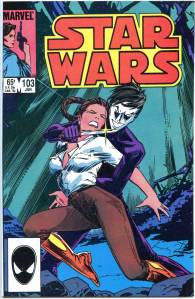
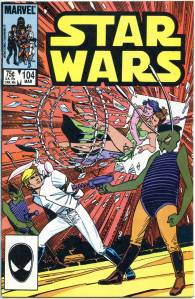
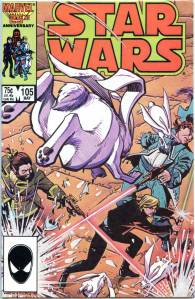
Marvel Comics Group published a series of Star Wars comic books from 1977 to 1986, lasting 107 issues and 3 annuals. According to former Marvel Editor-In-Chief Jim Shooter, the strong sales of Star Wars comics saved Marvel financially in 1977 and 1978. Marvel’s Star Wars series was one of the industry’s top selling titles in 1979 and 1980.The only downside for Marvel was that the 100,000 copy sales quota was surpassed quickly, allowing Lippincott to renegotiate the royalty arrangements from a position of strength.
With only two witches left, one of them takes her own life rather than fall prey to her enemies. With her dying breath, she summons Dawn, the Goddess of the earth, of birth and rebirth, and protector of the witches. Lucifer, prince of lies, and Ahura-Mazda, master of Heaven, may try to bar her path with treachery and swords, but neither Heaven nor Hell is safe from Dawn’s quest for answers – and for bloody vengeance.