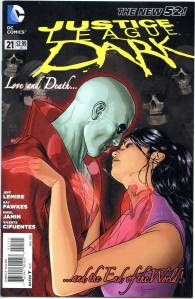
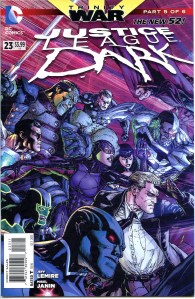
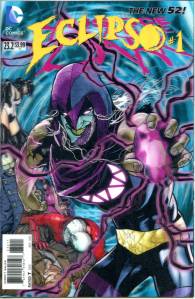
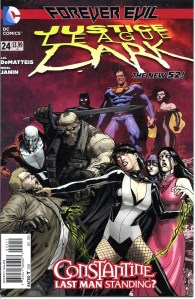
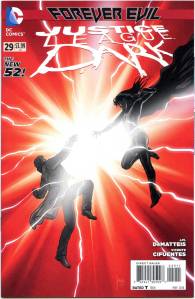
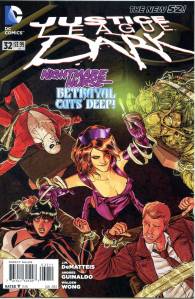
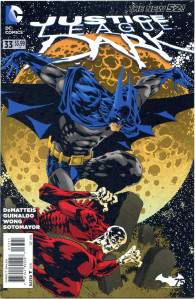
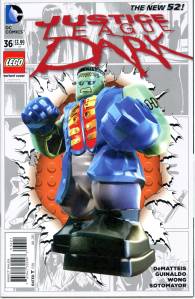
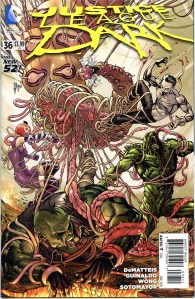
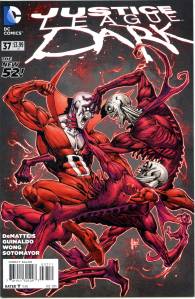
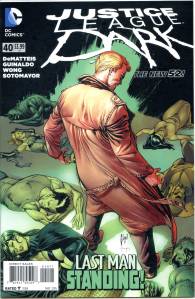
Justice League Dark was announced on May 31, 2011 as a First Wave title of The New 52The title and team was created by Peter Milligan, with art by Mikel Janín. The title launched on September 28, 2011. The title brought several of DC Comics’ occult and offbeat characters, something which had been a trait of sister imprint Vertigo, back into the main DC Universe following Vertigo’s editorial change to publish purely new, creator owned content.
Justice League Dark #3 NM- $2Justice League Dark #21 NM- $2Justice League Dark #23 NM $3Justice League Dark #23.2 NM $4Justice League Dark #24 NM $3Justice League Dark #29 NM- $3Justice League Dark #32 NM $4Justice League Dark #33 NM $4Justice League Dark #36 Lego Variant NM $4Justice League Dark #36 NM $3Justice League Dark #37 NM $4Justice League Dark #40 NM $3Justice League Dark Annual #2 NM $4
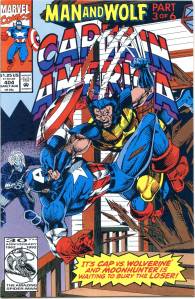
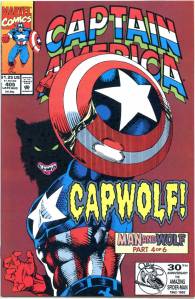
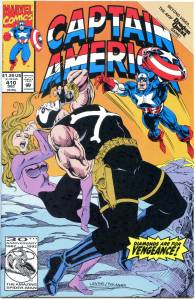
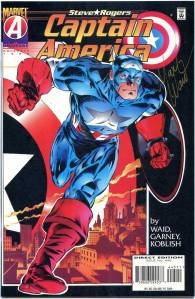
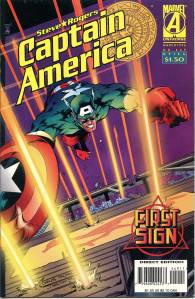
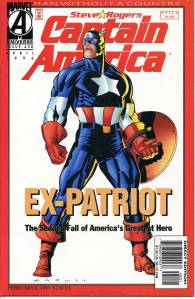
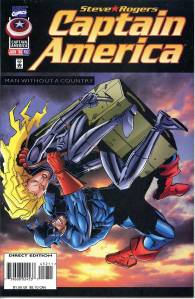
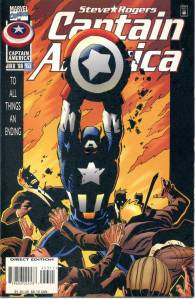
Following Mark Gruenwald’s departure from the series, Mark Waid took over and resurrected Sharon Carter as Cap’s love interest. The title was then relaunched under Rob Liefeld as Cap became part of the Heroes Reborn universe for 13 issues before another relaunch restored Waid to the title in an arc that saw Cap lose his shield for a time using an energy based shield as a temporary replacement.
Captain America #402 NM- $4Captain America #403 NM $5Captain America #404 NM $5Captain America #405 VF-NM $7Captain America #406 NM $5Captain America #407 NM $5Captain America #410 NM $5Captain America V1 #444 VF Signed by Mark Waid $4Captain America V1 #445 NM Signed by Mark Waid $8Captain America V1 #446 VF- Signed by Mark Waid $4Captain America V1 #447 NM $4Captain America V1 #448 VF- $3Captain America V1 #449 NM $4Captain America V1 #450 NM $9Captain America V1 #452 NM $4Captain America #453 VF+ $3
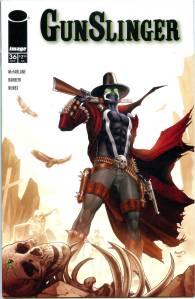
He is a man out of time. Lost in his future and in search for a way back to the past. Gunslinger Spawn has many scores to settle with those that did him wrong. Be he has been thrown into a greater conflict, one of the fate of humanity, and his revenge just might have to wait for a bit.
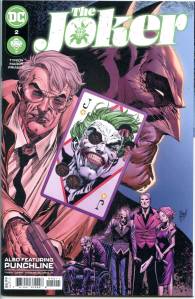
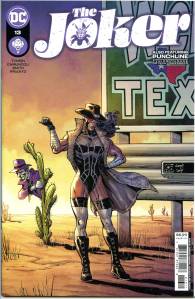
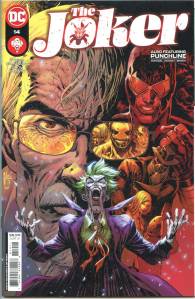
Following the events of Infinite Frontier #1, The Joker is the most wanted man in the world! But the Clown Prince of Crime is several steps ahead of law enforcement—and he’s on the run overseas. James Gordon, facing retirement, realizes this is the manhunt of his life and the last piece of a storied career…but what mysterious and deadly forces are also in pursuit of The Joker? And in the backup story, following the events of Punchline #1, DCs most controversial new villain navigates the infrastructure of Blackgate Penitentiary—while on the outside, Harper Row takes up the mantle of Bluebird to stop her brother from falling under Punchlines influence.
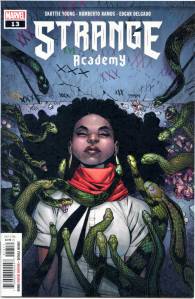
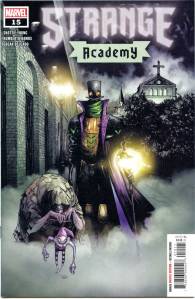
Strange Academy is a fictional school appearing in comics published by Marvel Comics. It was founded by Doctor Strange to train young people from many worlds with magical abilities in the use of sorcery and magical artifacts. The school first appears in Strange Academy #1 (March 2020) and was created by writer Skottie Young and artist Humberto Ramos.
Strange Academy #10 NM $5Strange Academy #13 NM $8Strange Academy #15 NM $5Strange Academy #17 NM $4
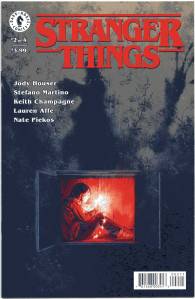
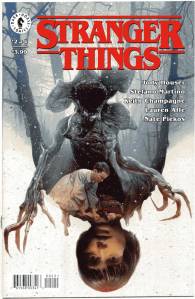
The first series in the line explores the adventures of Will Byers (Noah Schnapp) after he was transported to the horrific extra-dimensional Upside Down at the beginning of season 1. Viewers only saw Will reappear in that season’s finale when he was finally found by his mother Joyce (Winona Ryder), but obviously a lot happened in the interim. This four-issue Stranger Things miniseries — written by Jody Houser, illustrated by Stefano Martino, inked by Keith Champagne, colored by Lauren Affe, and lettered by Nate Piekos — will finally give fans a look at what happened to Will in the Upside Down.
Stranger Tales #2A NM $4Stranger Things #2B NM $5Stranger Things #2C NM $5Stranger Things #2D NM $5
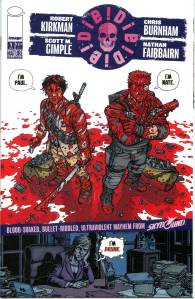
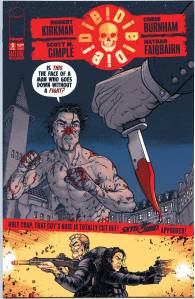
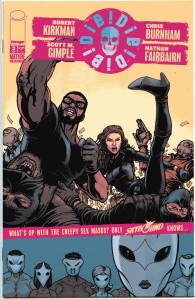
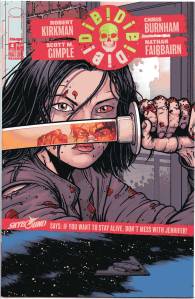
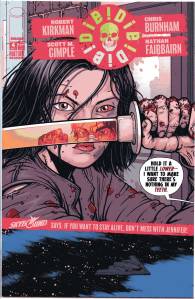
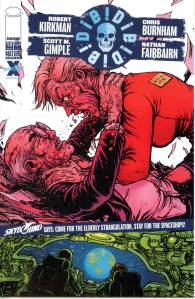
Die!Die!Die! was created and is written by Robert Kirkman with co-writer Scott M. Gimple, artist Chris Burnham and colorist Nathan Fairbairn. It is a blood-soaked, no holds barred, action-packed, irreverent story that fans won’t be able to rip their eyes from. We live in an evil world where evil people do evil stuff all the time and Die!Die!Die! lifts the veil on a secret cabal within the United States government that influences world matters through targeted assassination.
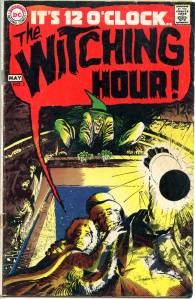
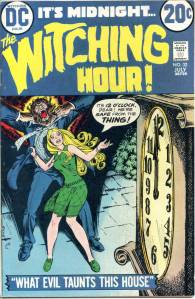
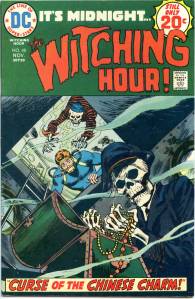
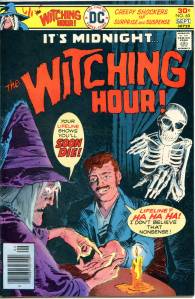
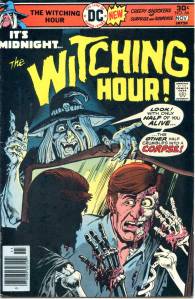
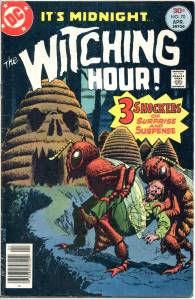
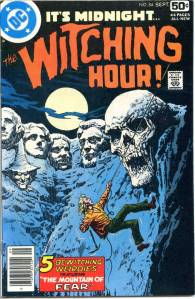
The series was published for 85 issues from February–March 1969 to October 1978. Its tagline was “It’s 12 o’clock… The Witching Hour!” and was changed to “It’s midnight…” from issue #14 onwards. The series was originally edited by Dick Giordano, who was replaced by Murray Boltinoff with issue #14.Nick Cardy was the cover artist for The Witching Hour for issues #1–6, 11–12, 15–16, 18–52, and 60. Stories in the comic were “hosted” and introduced by three witches, Morded, Mildred, and Cynthia.
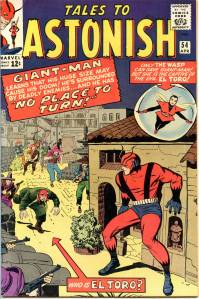
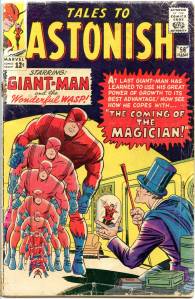
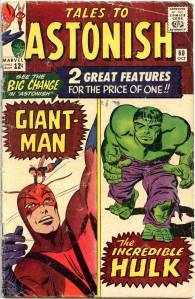
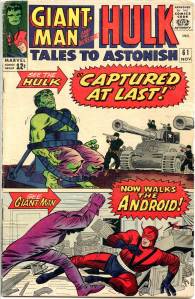
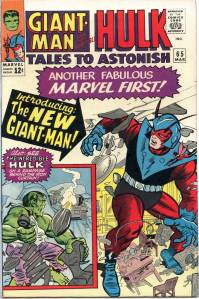
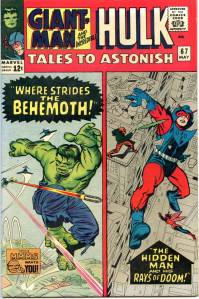
Following his one-shot anthological story in #27 (Jan. 1962), scientist Henry Pym returned donning a cybernetic helmet and red costume, and using size-changing technology to debut as the insect-sized hero Ant-Man in #35 (Sept. 1962). The series was plotted by Lee and scripted by Lieber, with penciling first by Kirby and later by Heck and others. The Wasp was introduced as Ant-Man’s costar in issue #44 (June 1963). Ant-Man and Pym’s subsequent iteration, Giant-Man, introduced in #49 (Nov. 1963), starred in 10- to 13-page and later 18-page adventures,
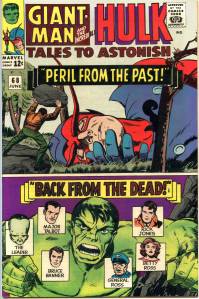
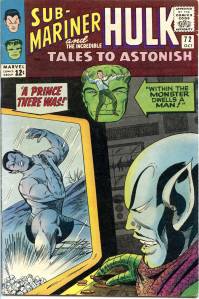
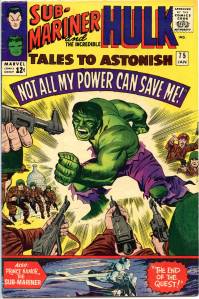
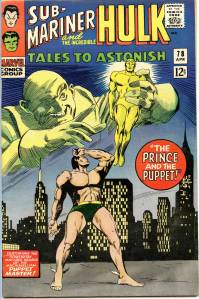
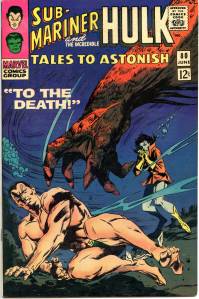
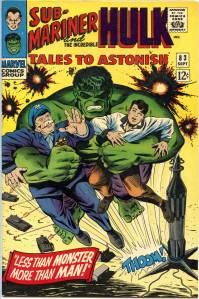
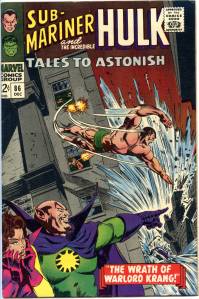
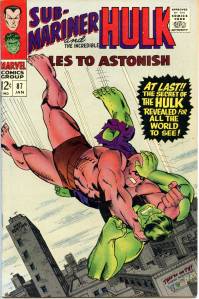
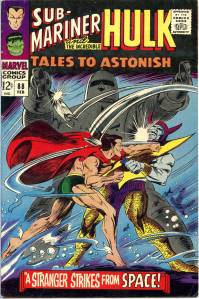
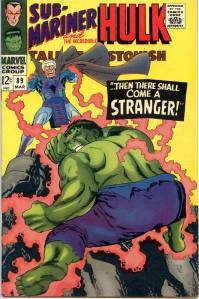
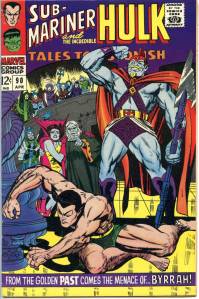
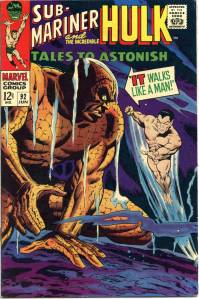
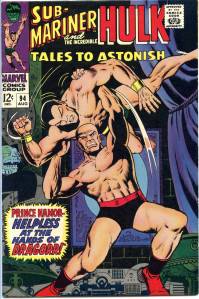
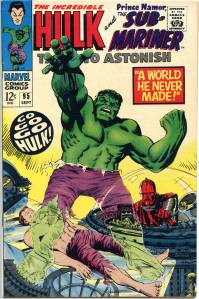
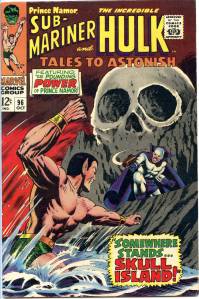
The Hulk, whose original series The Incredible Hulk had been canceled after a six-issue run in 1962-63, returned to star in his own feature when Tales to Astonish became a split book at issue #60 (Oct. 1964),]after having guest-starred as Giant-Man’s antagonist in a full-length story the previous issue. The Hulk had proven a popular guest-star in three issues of Fantastic Four and an issue of The Amazing Spider-Man. His new stories here were initially scripted by Lee and illustrated by the seldom-seen team of penciler Steve Ditko and inkerGeorge Roussos. This early part of the Hulk’s run introduced the Leader, who would become the Hulk’s nemesis, and this run additionally made the Hulk’s identity known, initially only to the military and then later publicly.
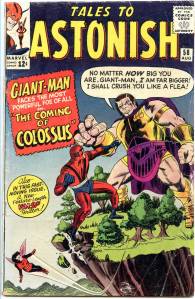
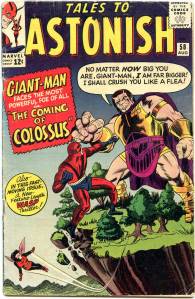
Tales to Astonish #54 VF- $120Tales to Astonish #56 G- $14Tales to Astonish #58 G-VG $26Tales to Astonish #58 VG- $29Tales to Astonish #60 G $22Tales to Astonish #61 VG $29Tales to Astonish #65 FN+ $69Tales to Astonish #67 VF- $75Tales to Astonish #68 VF- $75Tales to Astonish #71 FN $29Tales to Astonish #72 FN $30Tales to Astonish #75 FN+ $30Tales to Astonish #78 FN $20Tales to Astonish #80 FN+ $30Tales to Astonish #83 VF+ $55Tales to Astonish #86 VF- $40Tales to Astonish #87 VF- $40Tales to Astonish #88 FN+ $25Tales to Astonish #89 VF+ $55Tales to Astonish #90 VF- $120Tales to Astonish #92 FN+ $29Tales to Astonish #94 VF- $29Tales to Astonish #95 VF $30Tales to Astonish #96 FN+ $20
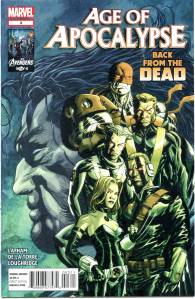
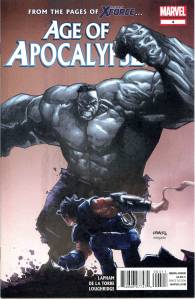
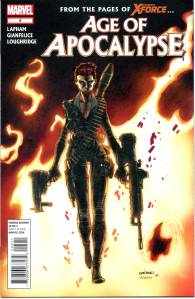
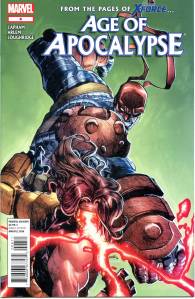
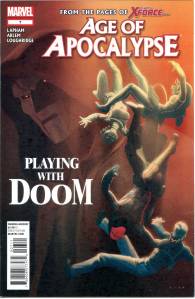
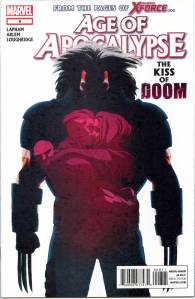
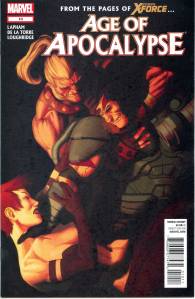
Jean Grey and Sabretooth return to Earth 616. Weapon X and his Black Legion attack the last human city where Weapon X slays both Magneto and Rogue, leaving Jean Grey and Sabretooth the last two X-Men alive. Jean telepathically nudges clones of the Scarlet Witch to recreate the Decimation and remove all mutants’ powers across the globe. However, this was only successful within a radius of 12 feet, so Jean Grey and Sabretooth are both left de-powered. The human coalition distracts Weapon X with a bomb long enough for the group to escape as the city explodes behind them. Harper Simons joins with the human team, the X-Terminated. Others who work with the X-Terminated are Doctor Moreau and Bolivar Trask.
Age of Apocalypse #3 NM $4Age of Apocalypse #4 NM $4Age of Apocalypse #5 NM $4Age of Apocalypse #6 NM $4Age of Ajpocalypse #7 NM $4Age of Apocalypse #8 NM $4Age of Apocalypse #10 NM $4