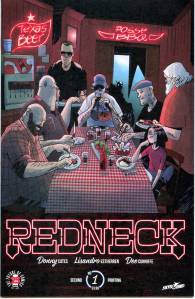
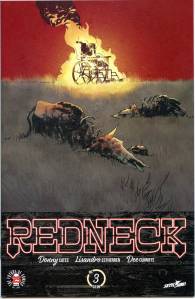
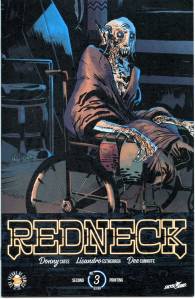
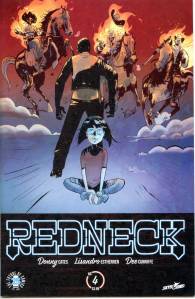
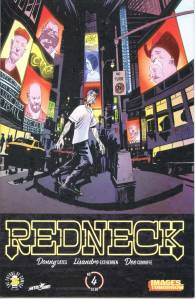
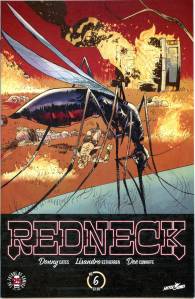
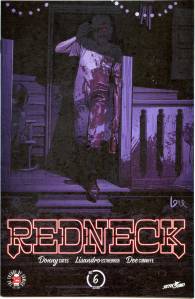
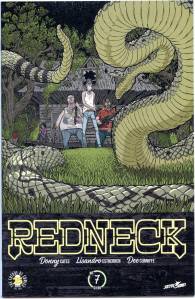
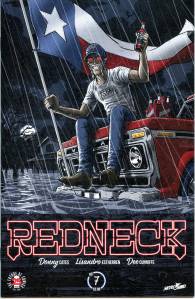
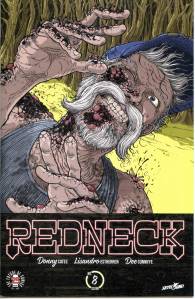
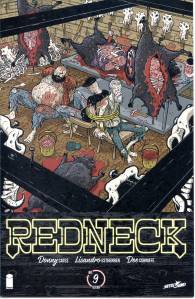
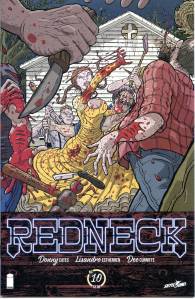
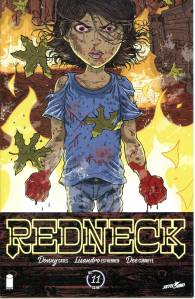
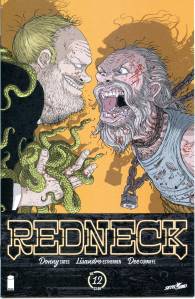
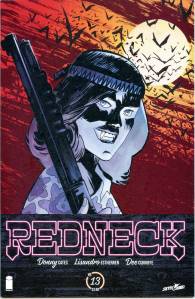
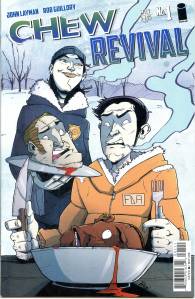
The Bowmans are VAMPIRES who have quietly run the local barbecue joint in their small town for years, living off cow’s blood. Their peaceful coexistence ends as generations of hate, fear, and bad blood bubble to the surface–making it impossible to separate man from monster!
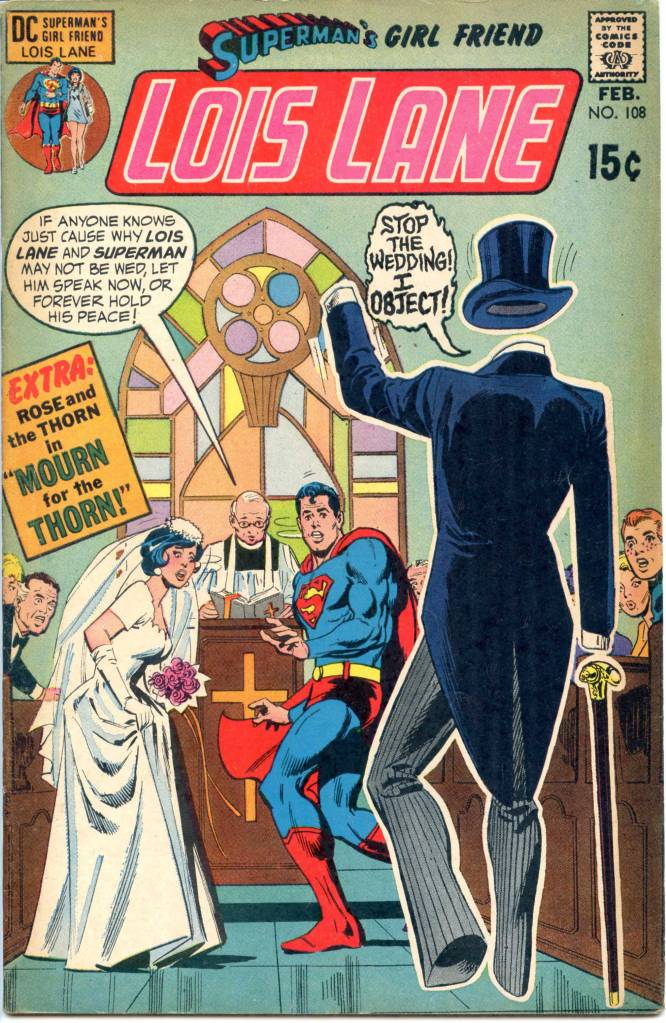
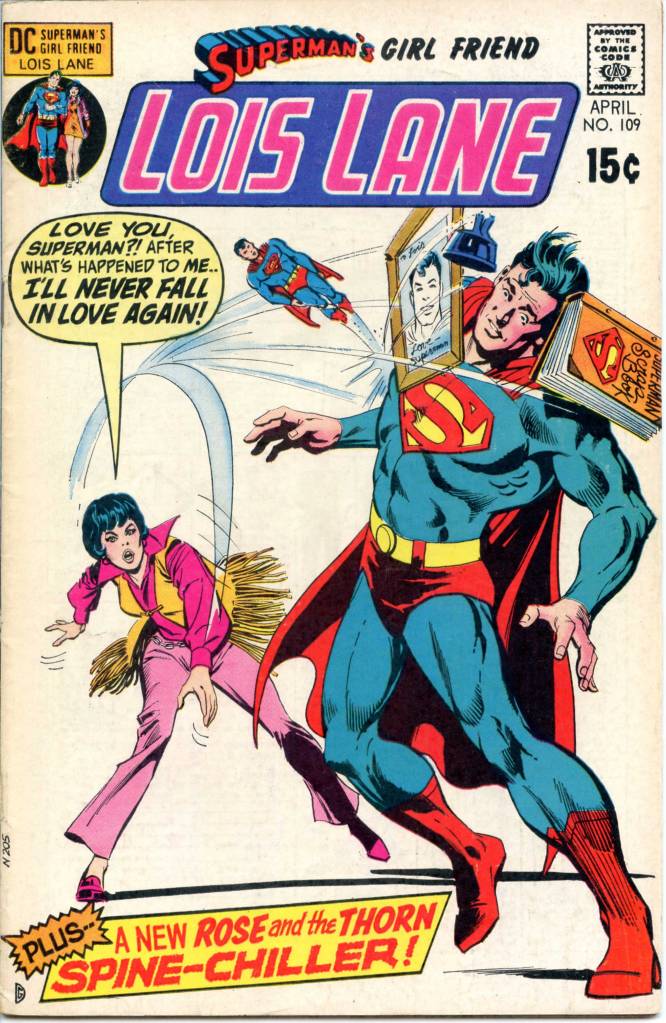
By the 1970s, the stories began to reflect growing social awareness: Lois became less fixated on romance and more on current issues. In the controversial story “I Am Curious (Black)!” in #106 (November 1970), Lois uses a machine that allows her to experience racism firsthand as an African American woman. The series saw the debut of the Silver Age heroine “Rose & The Thorn” in a backup feature that ran from #105 (October 1970) through #130 (April 1973). Editor E. Nelson Bridwell had several characters and plot concepts from Jack Kirby‘s “Fourth World” appear in issues #111–119 (July 1971 – February 1972). Lois’ sister, Lucy Lane, was believed to have died in issue #120 (March 1972) but the character was later revived.
In 1974, the title ended, as Superman’s Pal Jimmy Olsen had earlier that year. Both would be merged into The Superman Family, which chronologically continued from the elder title, premiering with issue #164 (April–May 1974). The release of the last issue of Superman’s Girl Friend, Lois Lane was delayed for several months due to a nationwide paper shortage.
Supermans Girl Friend Lois Lane #108 FN $8Supermans Girl Friend Lois Lane #109 FN+ $9
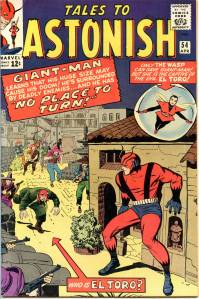
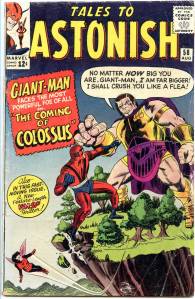
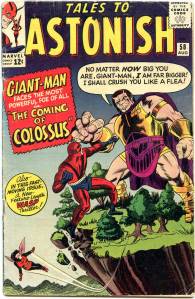
Following his one-shot anthological story in #27 (Jan. 1962), scientist Henry Pym returned donning a cybernetic helmet and red costume, and using size-changing technology to debut as the insect-sized hero Ant-Man in #35 (Sept. 1962). The series was plotted by Lee and scripted by Lieber, with penciling first by Kirby and later by Heck and others. The Wasp was introduced as Ant-Man’s costar in issue #44 (June 1963). Ant-Man and Pym’s subsequent iteration, Giant-Man, introduced in #49 (Nov. 1963), starred in 10- to 13-page and later 18-page adventures,
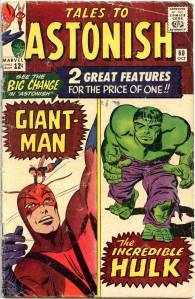
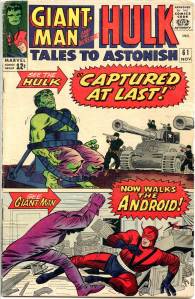
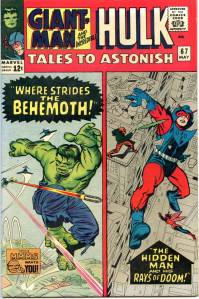
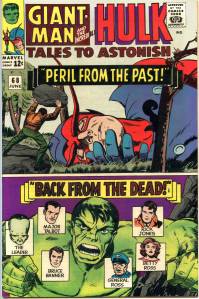
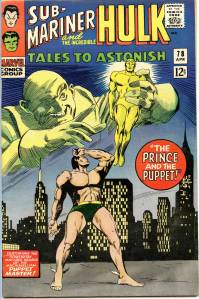
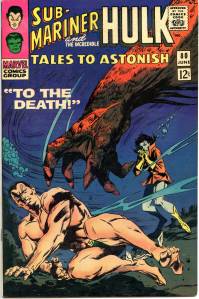
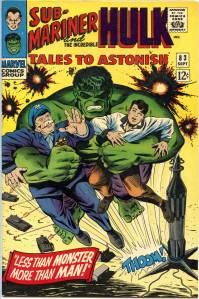
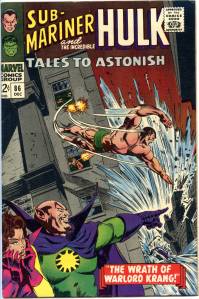
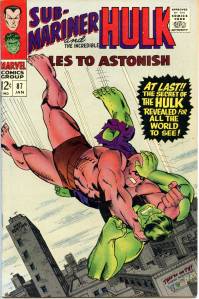
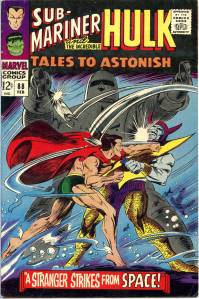
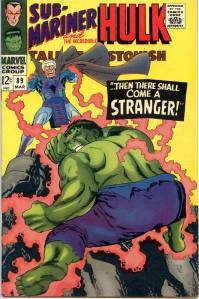
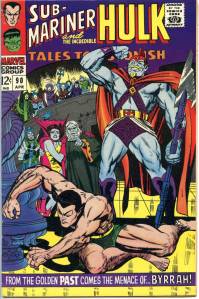
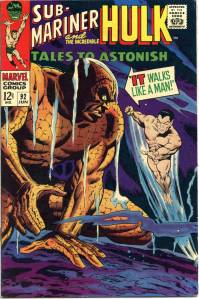
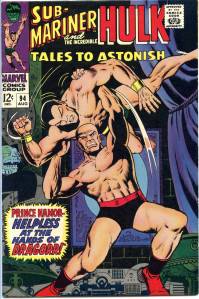
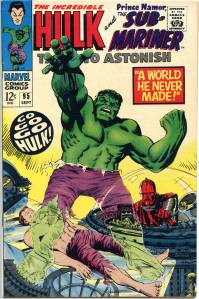
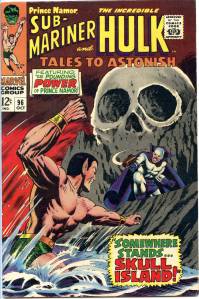
The Hulk, whose original series The Incredible Hulk had been canceled after a six-issue run in 1962-63, returned to star in his own feature when Tales to Astonish became a split book at issue #60 (Oct. 1964),]after having guest-starred as Giant-Man’s antagonist in a full-length story the previous issue. The Hulk had proven a popular guest-star in three issues of Fantastic Four and an issue of The Amazing Spider-Man. His new stories here were initially scripted by Lee and illustrated by the seldom-seen team of penciler Steve Ditko and inkerGeorge Roussos. This early part of the Hulk’s run introduced the Leader, who would become the Hulk’s nemesis, and this run additionally made the Hulk’s identity known, initially only to the military and then later publicly.
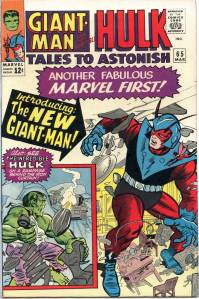
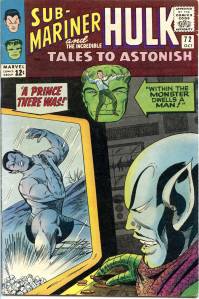
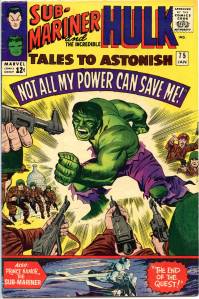
Tales to Astonish #54 VF- $120Tales to Astonish #56 G- $14Tales to Astonish #58 G-VG $26Tales to Astonish #58 VG- $29Tales to Astonish #60 G $22Tales to Astonish #61 VG $29Tales to Astonish #65 FN+ $69Tales to Astonish #67 VF- $75Tales to Astonish #68 VF- $75Tales to Astonish #71 FN $29Tales to Astonish #72 FN $30Tales to Astonish #75 FN+ $30Tales to Astonish #78 FN $20Tales to Astonish #80 FN+ $30Tales to Astonish #83 VF+ $55Tales to Astonish #86 VF- $40Tales to Astonish #87 VF- $40Tales to Astonish #88 FN+ $25Tales to Astonish #89 VF+ $55Tales to Astonish #90 VF- $120Tales to Astonish #92 FN+ $29Tales to Astonish #94 VF- $29Tales to Astonish #95 VF $30Tales to Astonish #96 FN+ $20
A notable difference from the comic version is that Becky survives the final gunfight by hiding in a nook in the alley, leaving her alive for the final “epilogue” scene of the movie which ends when she meets The Salesman from The Customer is Always Right, who had been introduced in the movie’s prologue. He then offers her a cigarette just like he did in The Customer is Always Right, and Becky seems to sense why he’s there and tells her mother she loves her before hanging up.
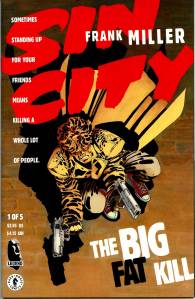
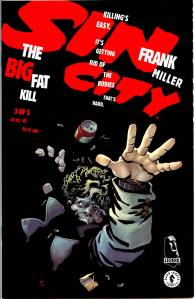
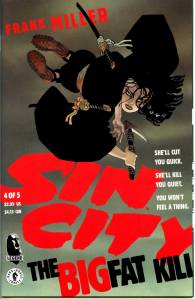
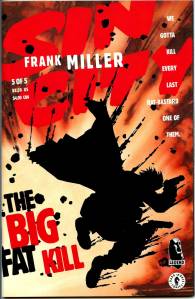
Sin City TBFK #1 NM $8Sin City TBFK #2 NM $6Sin City TBFK #3 NM $6Sin City TBFK #4 NM $6Sin City TBFK #5 NM $6
In the view of comics historian Les Daniels, artist Curt Swan became the definitive artist of Superman in the early 1960s with a “new look” to the character that replaced Wayne Boring’s version. Writer Jim Shooter and Swan crafted the story “Superman’s Race With the Flash!” in Superman #199 (Aug. 1967) which featured the first race between the Flash and Superman, two characters known for their super-speed powers. Another Silver Age first is the “Death of Superman,” from 1961’s Superman #149, by Jerry Siegel, Curt Swan and Sheldon Moldoff. The Silver Age was a fantastic period for Superman fans, giving us characters such as Braniac, Bizzaro, Titano, Supergirl and The Legion of Superheroes.
Superman #190 CGC 9.4 Off-White to White Pages $379Superman #208 VF+ $50Superman #210 VF- $30
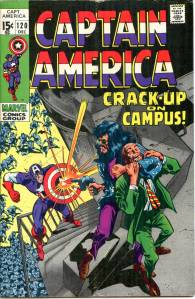
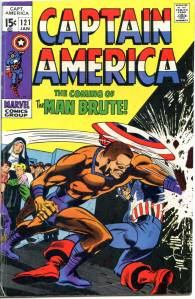
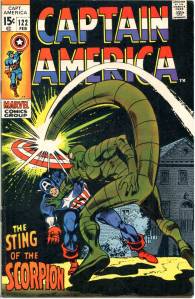
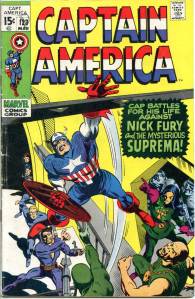
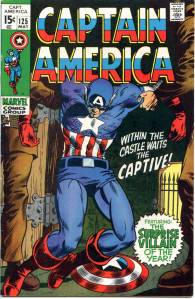
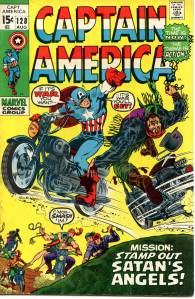
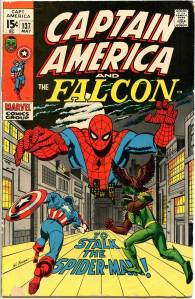
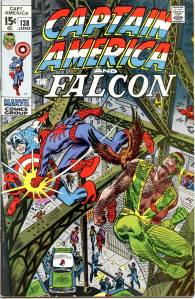
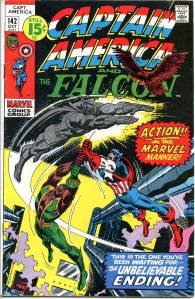
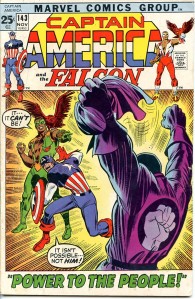
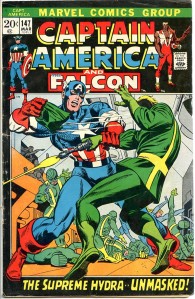
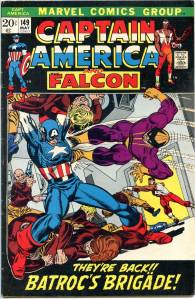
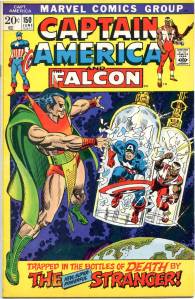
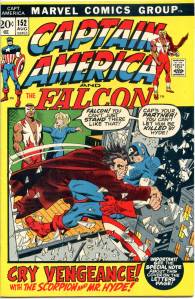
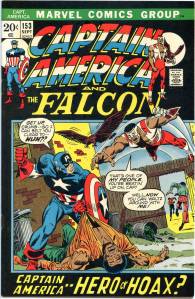
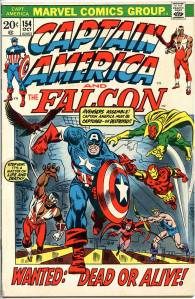
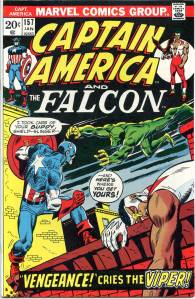
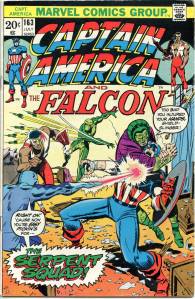
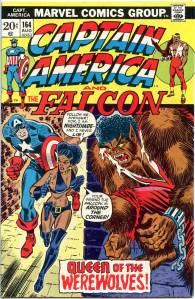
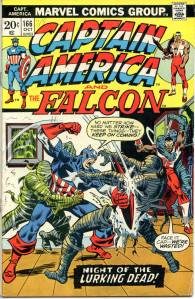
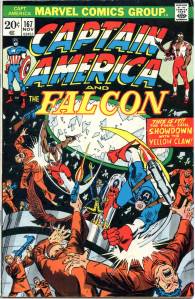
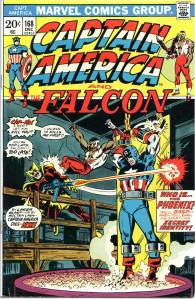
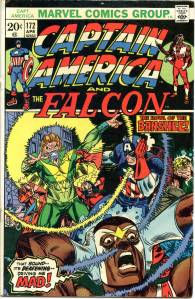
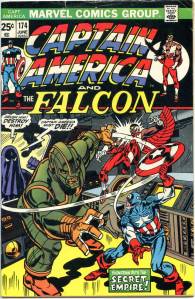
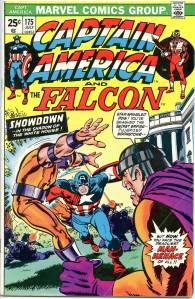
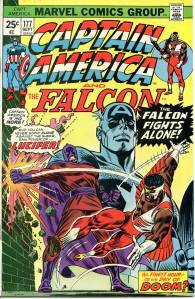
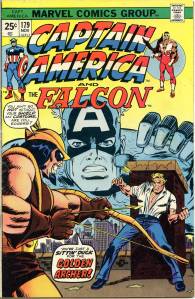
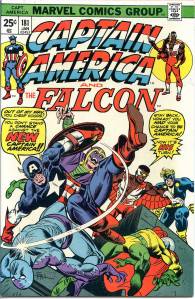
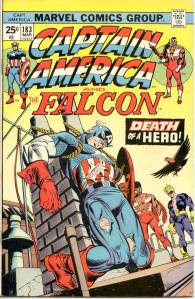
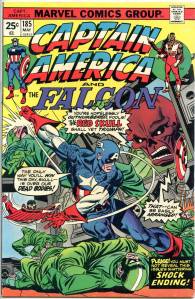
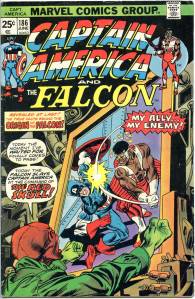
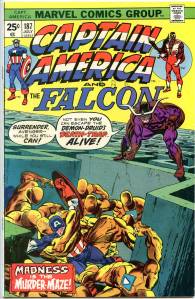
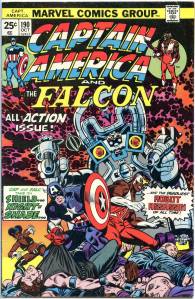
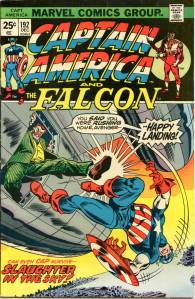
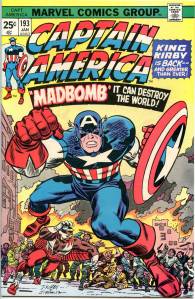
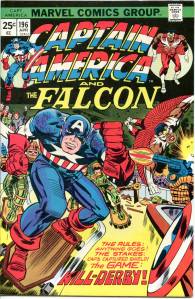
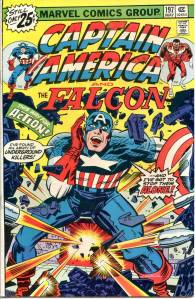
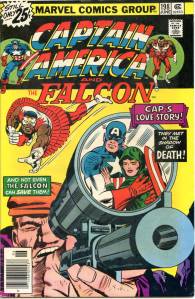
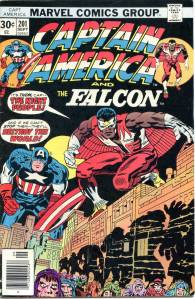
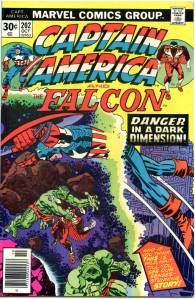
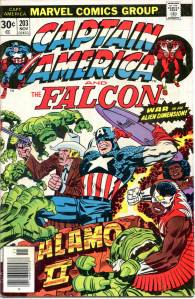
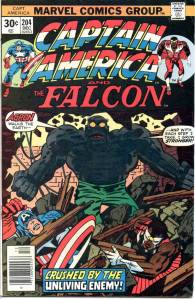
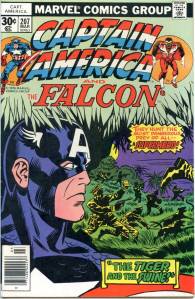
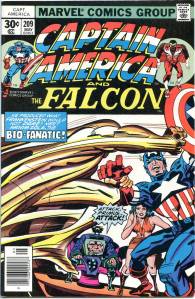
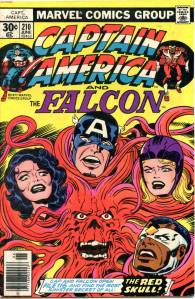
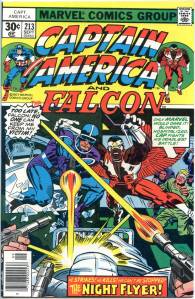
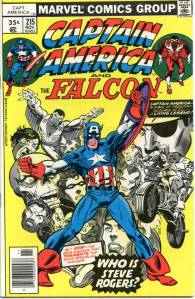
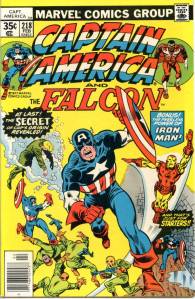
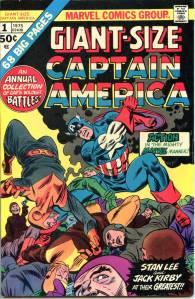
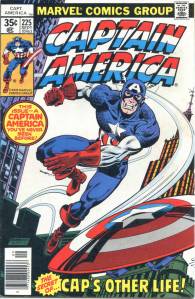
Captain America continued from Tales of Suspensewith artwork by Kirby, as well as a short run by Jim Steranko, and work by many of the industry’s top artists and writers. It was called Captain America and the Falcon from #134 (Feb. 1971) to #222 (June 1978) although the Falcon’s name was not on the cover for issues #193, 200, and 216. The 1972–1975 run on the title by writer Steve Englehart and artist Sal Buscema saw the series become one of Marvel’s top-sellers. In 2010, Comics Bulletin ranked Englehart and Buscema’s run on Captain America fourth on its list of the “Top 10 1970s Marvels”. Kirby returned to the series as writer and penciler with issue #193 (Jan. 1975) ]and remained through #214 (Oct. 1977).
Captain America #120 G-VG $5Captain America #121 VG $7Captain America #122 VF- $19Captain America #123 VG $7Captain America #125 VF+ $29Captain America #126 VF $79Captain America #127 NM- $49Captain America #128 VF- $24Captain America #129 VF $19Captain America #131 VF- $15Captain America #133 FN+ $24Captain America #137 VG $15Captain America #138 VF $49Captain America #142 FN $9Captain America #143 FN $6Captain America #144 VG $19Captain America #146 FN $6Captain America #147 FN $4Captain America #148 VF $9Captain America #149 FN $6Captain America #150 FN-VF $19Captain America #151 VF-NM $29Captain America #152 VF-NM $29Captain America #153 VF-NM $74Captain America #154 VF- $29Captain America #155 VG $6Captain America #156 VF $18Captain America #157 VF-NM $39Captain America #158 NM- $39Captain America #161 FN $8Captain America #163 FN+ $14Captain America #164 VF-NM 49Captain America #166 FN+ $14Captain America #167 FN $9Captain America #168 VF+ $129Captain America #170 VF+ $29Captain America #170 FN+ $12Captain America #172 FN $7Captain America #174 GD+ $5Captain America #175 FN+ $8Captain America #177 VF+ $19Captain America #178 VF $7Captain America #179 FN+ $4Captain America #180 VF+ $69Captain America #181 VF $11Captain America #182 F-VF $4Captain America #183 FN+ $14Captain America #184 VF+ $5Captain America #185 VF+ $14Captain America #185 VF $12Captain America #186 FN $6Captain America #187 FN+ $6Captain America #190 VF-NM $12Captain America #191 FN+ $6Captain America #192 FN-VF $14Captain America #192 FN+ $9Captain America #193 NM $89Captain America #194 FN+ $5Captain America #195 VF $12Captain America #196 VF+ $15Captain America #197 FN+ $9Captain America #198 FN+ $8Captain America #199 NM- $25Captain America #200 VG $3Captain America #201 VG-FN $4Captain America #202 FN $6Captain America #203 FN- $4Captain America #204 FN- $4Captain America #205 VF-NM $10Captain America #206 VF-NM $10Captain America #207 FN+ $6Captain America #208 VF+ $39Captain America #209 VF-NM $45Captain America #210 FN-$4Captain America #211 VG-FN $3Captain America #213 F-VF $6Captain America #214 FN- $4Captain America #215 FN $5Captain America #216 VF+ $11Captain America #218 VF-NM $12Captain America #219 VF- $6Captain America #220 FN-VFN $4Captain America #221 FN+ $3Captain America #222 F-VF $6Captain America #224 NM $14Captain America King-Size Special #1 VG $9Captain America Special #2 VF $12Captain America Annual #3 VF $12Captain America Annual #4 VF $12Captain America Giant Size #1 FN+ $12
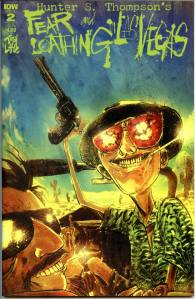
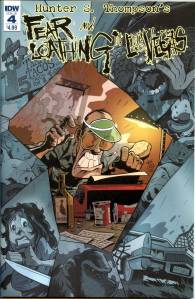
“What were we doing out here…? What was the meaning of this trip? Did I actually have a big red convertible out there on the street? Was I just roaming around these Mint Hotel escalators in a drug frenzy of some kind, or had I really come out here to Las Vegas to work on a story?” — Hunter S. Thompson, Fear and Loathing in Las Vegas
Fear and Lothing in Las Vegas #2 Variant NM $39Fear and Lothing in Las Vegas #4 NM $22
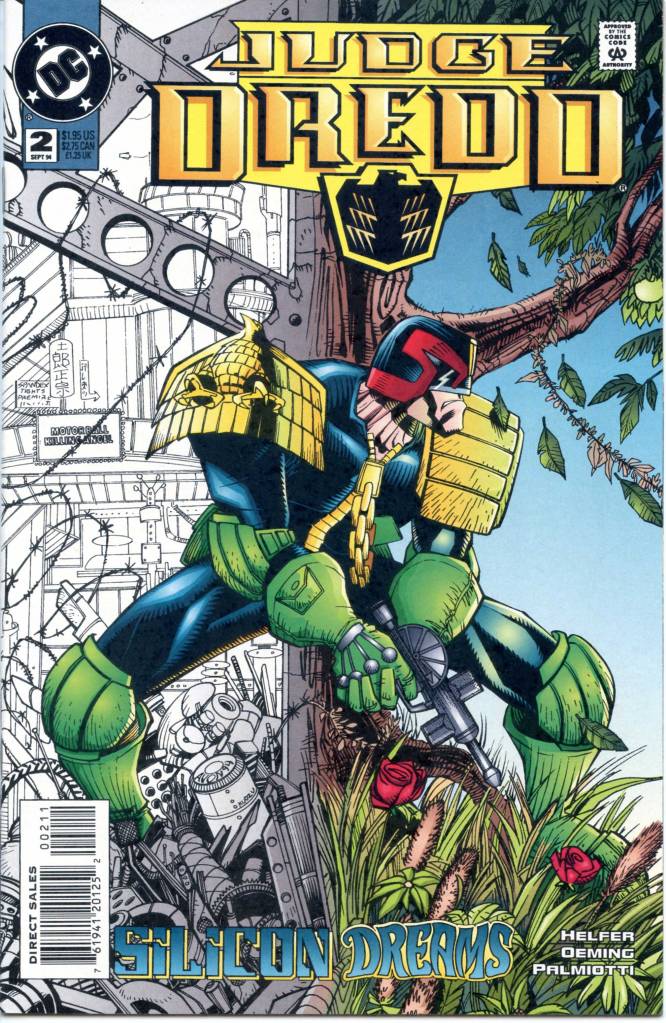
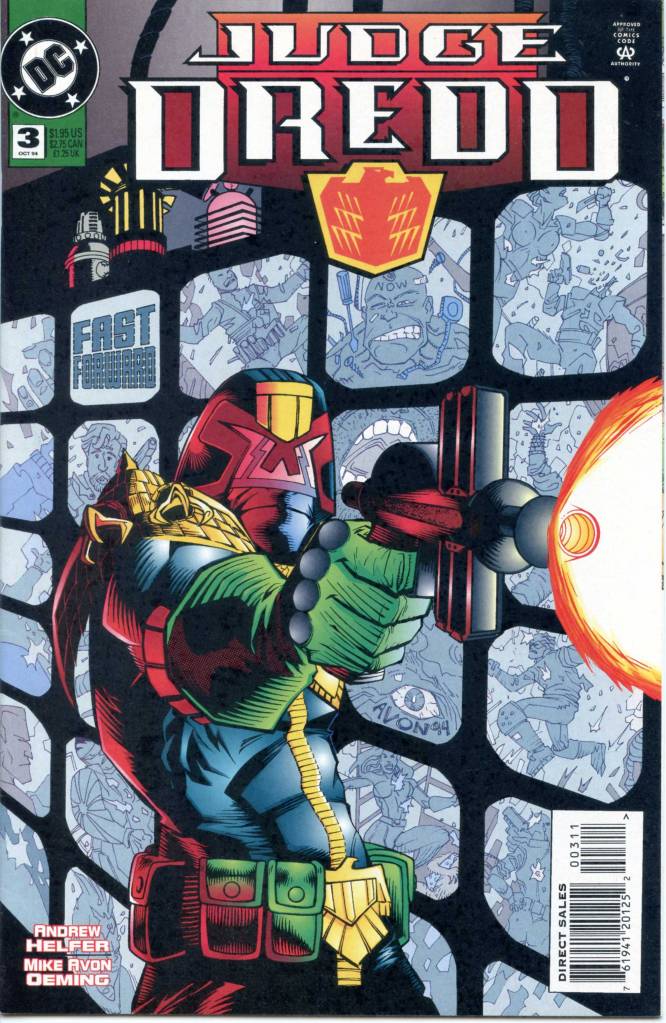
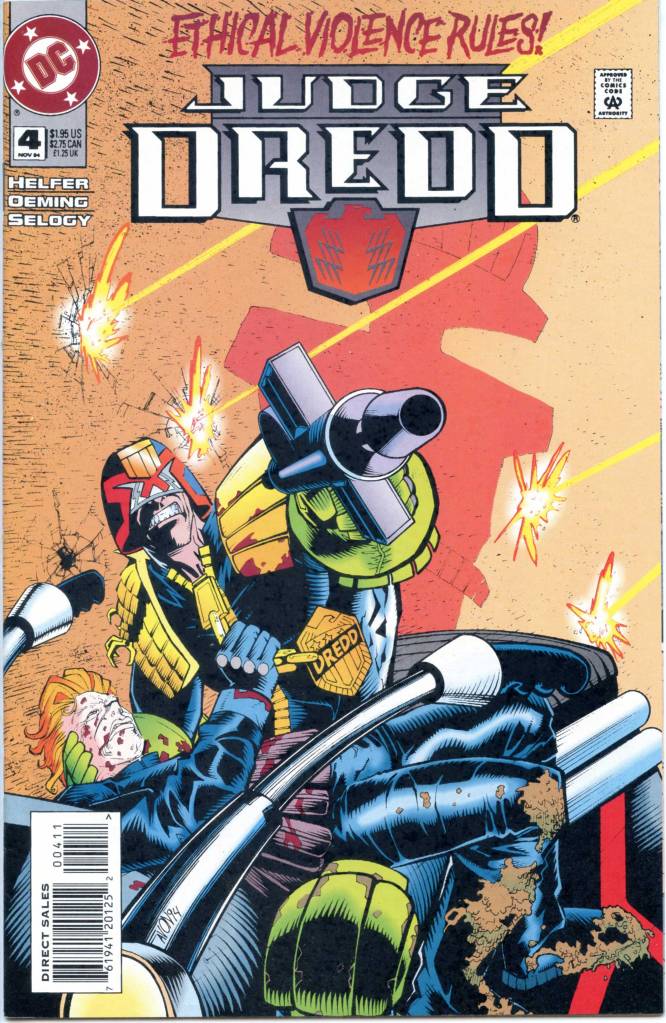
The Law comes to DC Comics! Judge Dredd storms North America in all-new, all-different adventures. In the post-apocalyptic future world of Mega-City One, where crime and corruption are rampant, the pseudo-militaristic Judges are the only true force for order in a world of seething anarchy. And the most uncompromising of these 21st-century law men is Judge Dredd, a man who lives by the law – and the gun – as he redefines crime and punishment in the not-too-distant future.
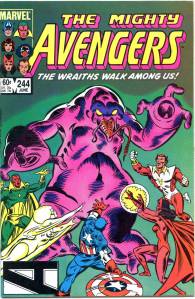
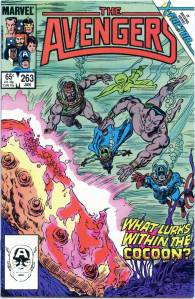
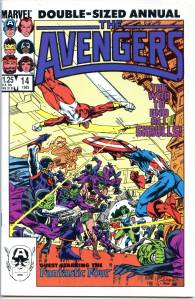
The first major development of the 80’s was the breakdown of Henry Pym, with his frequent changes of costume and name being symptomatic of an identity problem and an inferiority complex. After he abused his wife, failed to win back the confidence of the Avengers with a ruse and was duped by the villain Egghead, Pym was jailed. Pym would later outwit Egghead and defeated the latest incarnation of the Masters of Evil single-handedly, and proved his innocence. Pym reconciled with the Wasp, but they decided to remain apart. Pym retired from super-heroics, but returned years later.
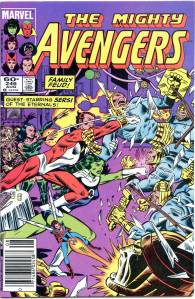
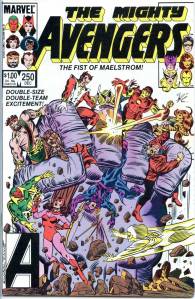
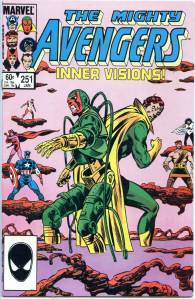
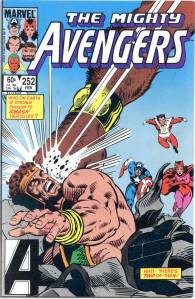
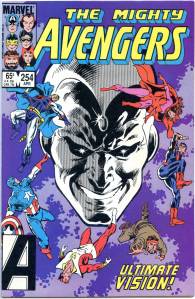
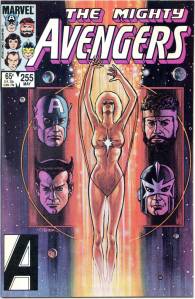
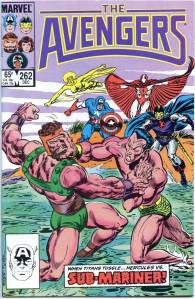
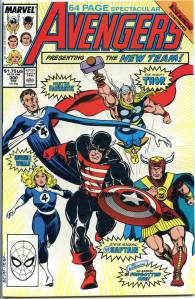
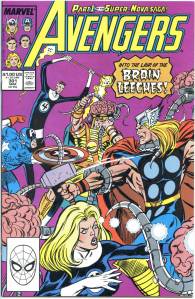
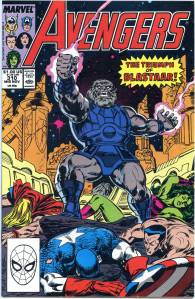
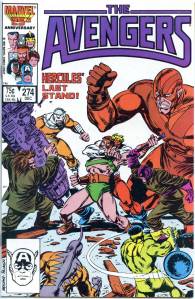
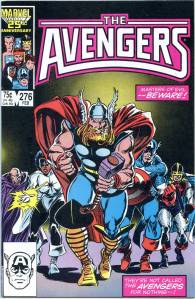
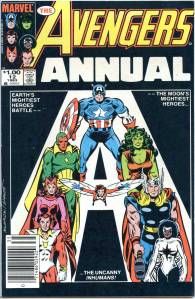
This was followed by several major storylines, such as “Ultimate Vision” in which the Vision took over the world’s computer systems in a misguided attempt to create world peace; the formation of the West Coast Avengers; and “Avengers Under Siege” which involved the second Baron Zemo and the Masters of Evil taking over the mansion and severely injuring Jarvis and Hercules. “Assault on Olympus” featured Hercules’ father, Zeus, blaming the Avengers for his son’s injuries and brought them to Olympus for trial, and the “Heavy Metal” arc saw the Super Adaptoid organized several robotic villains for an assault on the team. New members during the 1980s included Tigra; the She-Hulk;Monica Rambeau (then going by the name Captain Marvel);Starfox (the brother of Thanos); Hawkeye’s wife, Mockingbird; and Namor, while Henry Pym emerged from retirement to join the West Coast Avengers. Spider-Man was again offered membership, but failed to gain admission due to security concerns by the Avengers’ government liaison.
The villain Nebula falsely claimed to be the granddaughter of Thanos. The team relocated for a period to a floating island off the coast of New York called Hydrobase after Avengers Mansion was severely damaged during the events in “Under Siege”. Hydrobase was later sunk during the Acts of Vengeance crossover.
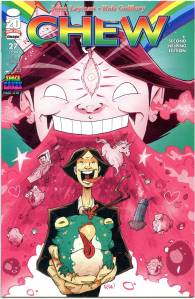
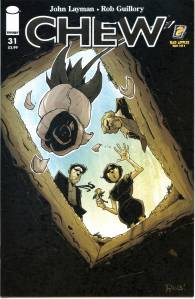
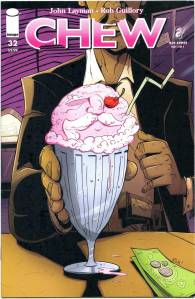
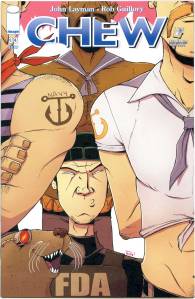
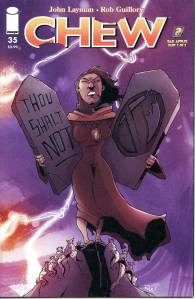
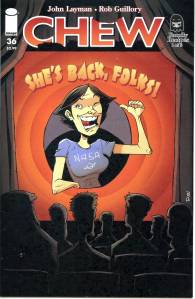
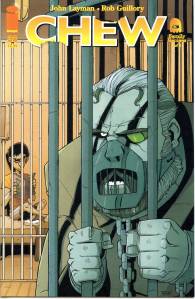
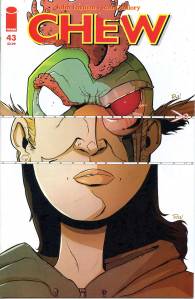
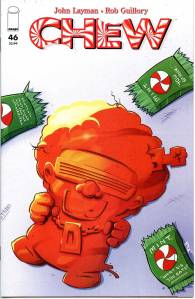
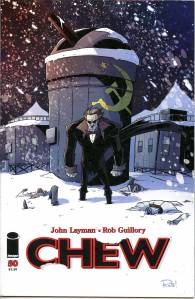
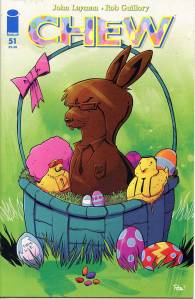
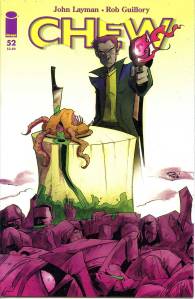
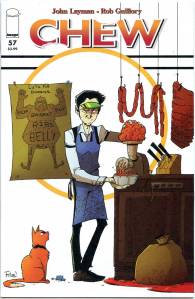
Set in a world where all chicken and other bird meats are illegal, after a catastrophic outbreak of the bird flu that killed 23 million Americans, Chew centers on Tony Chu, a police detective who is a Cibopath (pronounced “see-bo-path”). Tony becomes a vice cop with the Philadelphia Police Department, and when on assignment, trying to find people smuggling chicken, he enters a black market chicken restaurant on invitation from the U.S. FDA. He has a bowl of chicken soup only to find he gets a psychic impression of the cook killing people and putting them into the soup. He goes to bust the cook, only for the cook to kill himself outside the restaurant. Chu eats a bite of the cooks tongue to find out the names of the rest of the victims. He is fired from his job with the Philadelphia PD and gets hired on to the FDA by an agent named Mason Savoy, who is also a cibopath.