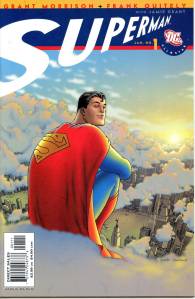
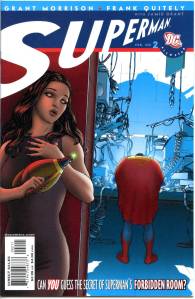
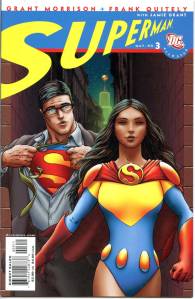
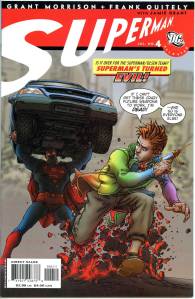
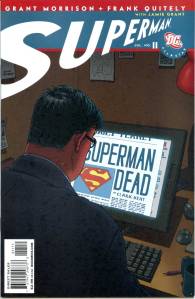
All-Star Superman is a twelve-issue series featuring Superman that was published by DC Comics. The series ran from November 2005 to October 2008. The series was written by Grant Morrison, drawn by Frank Quitely, and digitally inked by Jamie Grant. DC claimed that this series would “strip down the Man of Steel to his timeless, essential elements”.
The series was the second to be launched in 2005 under DC’s All-Starimprint, the first being All Star Batman & Robin, the Boy Wonder. These series were attempts by DC to allow major comics creators a chance to tell stories showcasing these characters without being restricted by DC Universecontinuity.
The series was met with critical acclaim and is widely considered to be one of the best Superman stories of all time.
All Star Superman #1 NM $17All Star Superman Special Edition NM $7All Star Superman #2 NM $5All Star Superman #3 NM $5All Star Superman #4 NM $5All Star Superman #5 NM $5All Star Superman #6 NM $5All Star Superman #7 NM $5All Star Superman #11 NM $5All Star Superman #12 NM $5
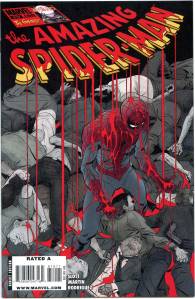
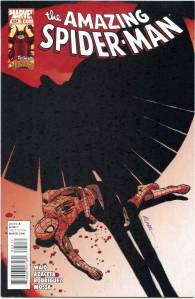
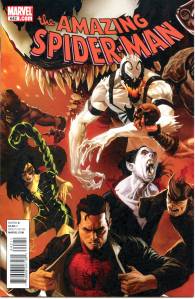
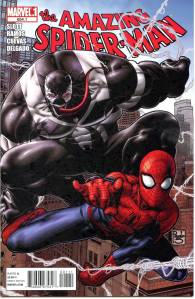
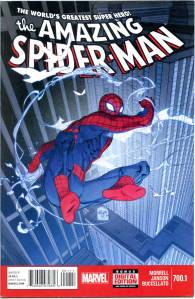
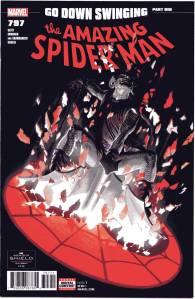
Mark Waid scripted the opening of “The Gauntlet” storyline in issue No. 612. The Gauntlet story was concluded by Grim Hunt (No. 634-637) which saw the resurrection of long-dead Spider-Man villain, Kraven the Hunter. The series became a twice-monthly title with Dan Slott as sole writer at issue No. 648, launching the Big Time storyline. Eight additional pages were added per issue. Big Time saw major changes in Spider-Man/Peter Parker’s life, Peter would start working at Horizon Labs and begin a relationship with Carlie Cooper (his first serious relationship since his marriage to Mary Jane), Mac Gargan returned as Scorpion after spending the past few years as Venom, Phil Urich would take up the mantle of Hobgoblin, and the death of J. Jonah Jameson’s wife, Marla Jameson. Issues 654 and 654.1 saw the birth of Agent Venom, Flash Thompson bonded with the Venom symbiote, which would lead to Venom getting his own series Venom (volume 2). Starting in No. 659 and going to No. 655, the series built-up to the Spider-Island event which officially started in No. 666 and ended in No. 673. Ends of the Earth was the next event that ran from No. 682 through No. 687. This publishing format lasted until issue No. 700, which concluded the “Dying Wish” storyline, in which Parker and Doctor Octopus swapped bodies, and the latter taking on the mantle of Spider-Man when Parker apparently died in Doctor Octopus’ body. The Amazing Spider-Man ended with this issue, with the story continuing in the new series The Superior Spider-Man.] Despite The Superior Spider-Man being considered a different series to The Amazing Spider-Man, the first 33 issue run goes towards the legacy numbering of The Amazing Spider-Man acting as issues 701-733. In December 2013, the series returned for five issues, numbered 700.1 through 700.5, with the first two written by David Morrell and drawn by Klaus Janson.
While Wanda lies close to death, Spawn returns to the eighth level of Hell for a final showdown with a weakened Malebolgia. At the height of the conflict, Angela arrives to join in the battle. After mortally wounding Malebolgia and thinking him dead, Spawn and Angela prepare to escape; however, with his last breath, Malebolgia extracts Angela’s lance and impales her with it. In a rage, Spawn decapitates Malebolgia with Angela’s sword. Carrying Angela’s lifeless body, Spawn delivers her to a host of angels who offer him forgiveness and redemption. He refuses this angelic pardon, but the angel who offers it can yet do one favor for Spawn: She appears in Wanda’ hospital room and breathes new life into Wanda. Meanwhile, Spawn finally comes to terms with his place in the world.
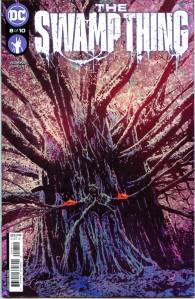
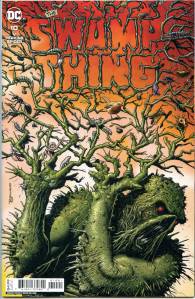
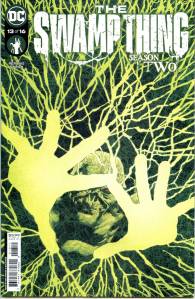
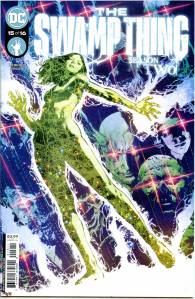
Swamp Thing returns in a new series that stars Levi Kamei as the next Guardian of the Green. Unable to control his transformation into the monstrous Swamp Thing, Levi is thrust into the harsh, unforgiving mystery of grisly murders committed by a supernatural desert legend. Levi must revisit past events in his homeland of India and face the deadly reality of a ravenous new villain in order to comprehend what he is truly, and horrifyingly, becoming.
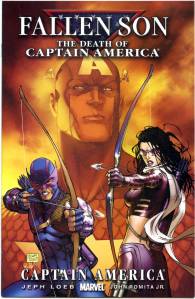
The premise for this limited series was created by J. Michael Straczynski during a Marvel retreat in New York. (The book credits Straczynski with the initial concept.) He suggested the structure of five issues, each based on Elizabeth Kubler Ross’ Five Stages of Grief: denial, anger, bargaining, depression, and acceptance. Loeb lobbied hard to write the series, and succeeded, saying that he could draw upon his own experience of having lost his son Sam Loeb. In the Spring Preview issue of Wizard magazine, Loeb said:
When Straczynski [speaks] it’s a little bit like the burning bush and the rest of us are Moses. He held up this yellow pad and said, ‘It’s the five stages of grief! Denial, anger, bargaining, depression, acceptance.’ The theme of each issue is represented by a particular Marvel character and also ends with a transition phase leading into the following stage. Denial deals with Wolverine, Anger deals with the two Avengers teams (Mighty Avengers & New Avengers), Captain America himself is dealt with in Bargaining, Spider-Man is the focus of Depression and Iron Man comes under the spotlight in Acceptance.
Fallen Son – The Death of Captain America 3 – CGC 9.8 White Pages Signed Romita Jr. and Loeb $85Fallen Son – The Death of Captain America #3 NM $6Fallen Son – The Death of Captain America #3 Turner Variant NM $12
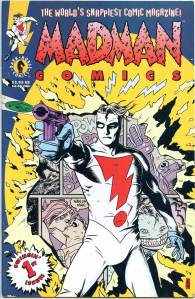
This is it! The all-new, all-exciting, bimonthly continuing series makes its triumphant return to the racks! Thrilling stories, brilliant art — this is the one, folks! The comic-book event of the decade! In fact, this is the comic-book series you’ll be telling your grandkids about.
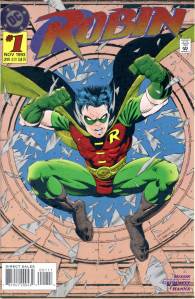
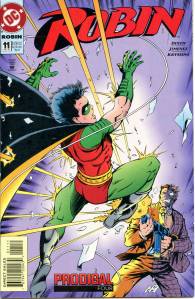
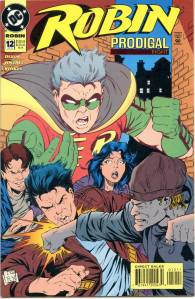
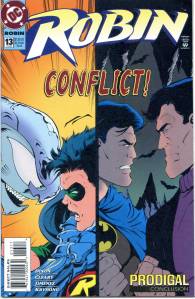
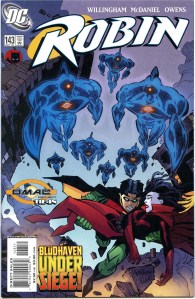
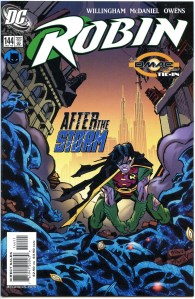
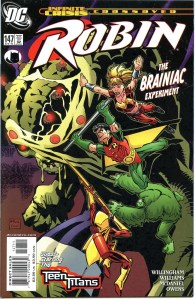
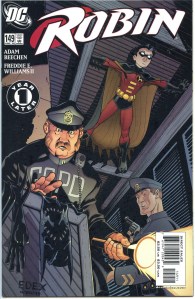
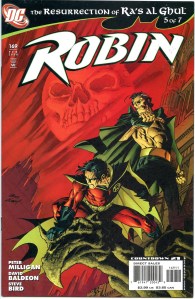
In 1993, the success of the three Robin miniseries led to the ongoing Robin series which ran 183 issues until 2009 and helped his transition from sidekick to a superhero in his own right. In 2004 storylines, established DC Comics character Stephanie Brown became the fourth Robin for a short while before the role reverted to Tim Drake. Batman’s son Damian Wayne then succeeds Drake as Robin in the 2009 story arc “Battle for the Cowl“, until his death in 2013 story. Following the 2011 continuity reboot “The New 52“, Tim Drake is revised as having assumed the title Red Robin out of deference to the deceased Jason Todd; Jason Todd, as he exists today, operates as the Red Hood and has been slowly repairing his relationship with Batman; Dick Grayson is Nightwing, and later fakes his death to become an undercover operative; and Stephanie Brown is introduced anew as Spoiler once again in the pages of Batman Eternal (2014).
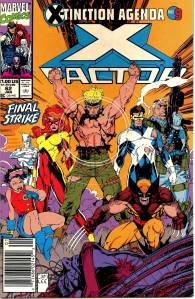
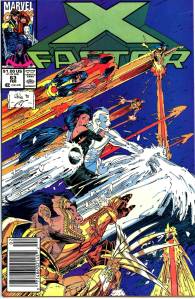
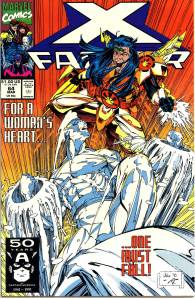
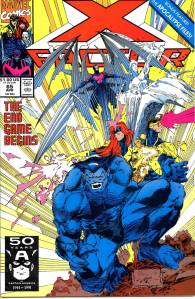
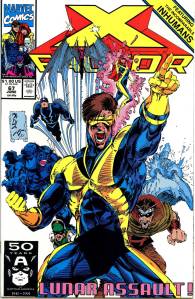
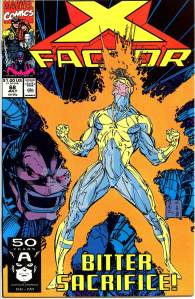
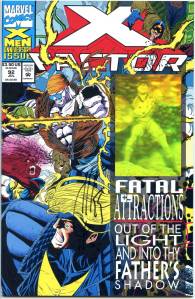
In the last major storyline of the first X-Factor series, published in early 1991, Apocalypse kidnaps Nathan Summers, sensing that he would grow up to be a powerful mutant and possible threat. X-Factor rescue Nathan from Apocalypse’s lunar base, but find him infected with a “techno-organic” virus that cannot be treated. A clan of rebels from the future, known as the Askani, send a representative to the present time to bring Nathan 2,000 years into the future to be treated. Fully grown, he returns to the 20th century as the antihero, Cable.
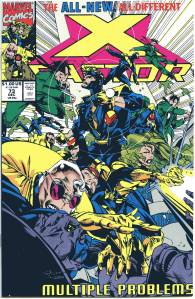
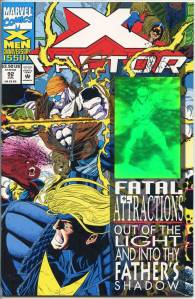
X-Factor, the X-Men, and several minor characters team up to fight the telepathic Shadow King in another crossover event, The Muir Island Saga. Afterward, the original members of X-Factor rejoin the X-Men and several characters from various X-Men-related series become founding members of a new X-Factor.
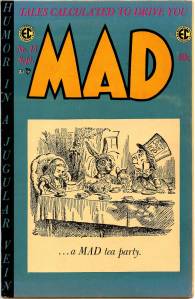
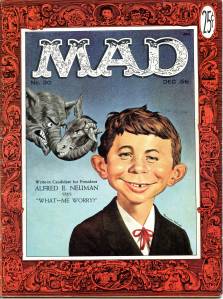
MAD is an American humor magazine founded in 1952 by editor Harvey Kurtzman and publisher William Gaines, launched as a comic book before it became a magazine. It was widely imitated and influential, affecting satirical media as well as the cultural landscape of the 20th century, with editor Al Feldstein increasing readership to more than two million during its 1974 circulation peak. As of January 2017, Mad has published 544 regular issues, as well as hundreds of reprint “Specials,” original material paperbacks, compilation books and other print projects.
mad #15 FN+ $150Mad #30 (1956) 1st Full Alfred E. Neuman cover FN-VF $195Mad #30 FN-VF $195 back cover
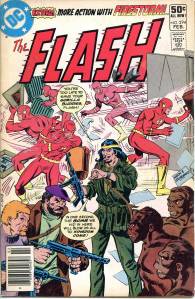
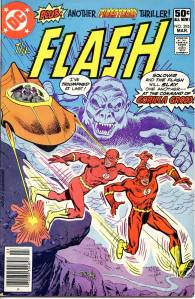
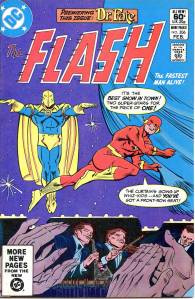
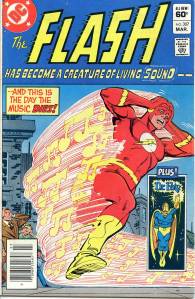
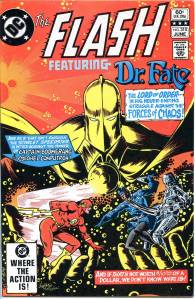
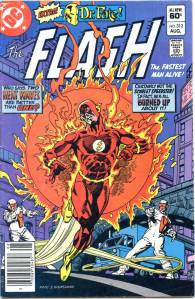
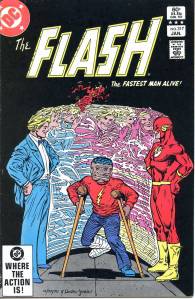
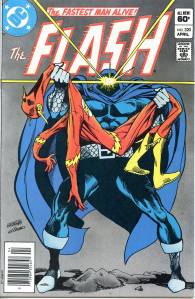
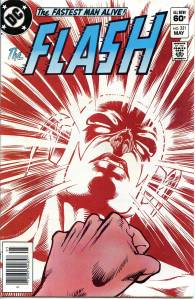
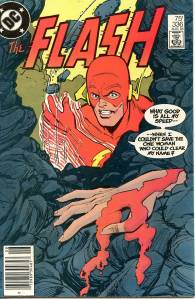
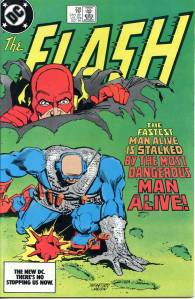
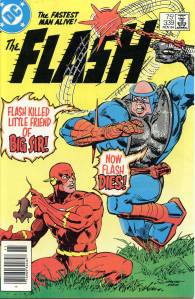
Barry Allen’s adventures continued in his own title until the event of Crisis on Infinite Earths. The Flash ended as a series with issue #350. Allen’s life had become considerably confused in the early 1980s, and DC elected to end his adventures and pass the mantle on to another character. Allen died heroically in Crisis on Infinite Earths #8 (1985). Thanks to his ability to travel through time, he would continue to appear occasionally in the years to come.