Step into the thrilling pages of Spellbound, a classic Atlas comics series that captivated readers in the 1950s. Through the expert craftsmanship of writer Sol Brodsky and talented artists, Spellbound brings to life unforgettable characters and stunning visuals that will linger in your mind long after you close the cover. Don’t miss out on this captivating series that defined the golden age of Atlas comics.
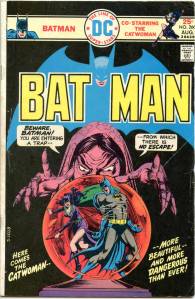
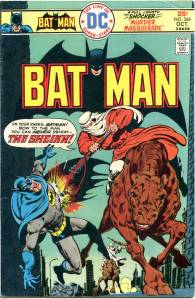
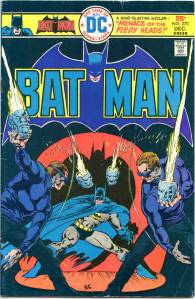
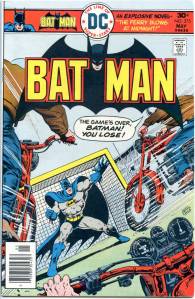
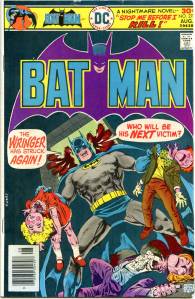
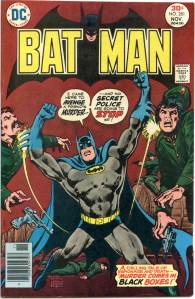
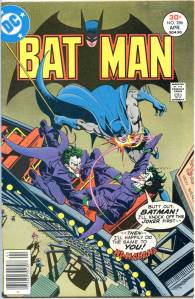
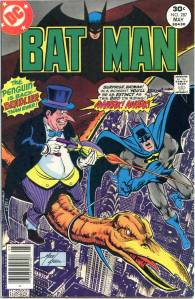
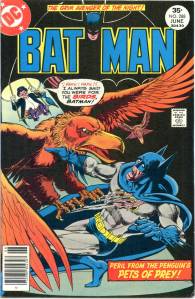
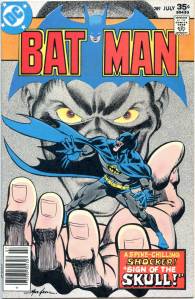
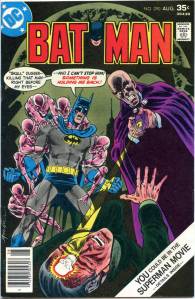
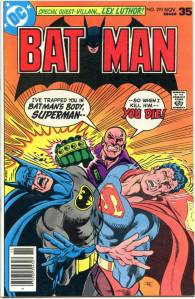
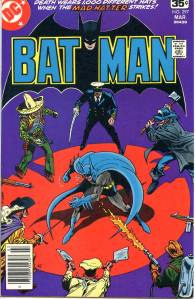
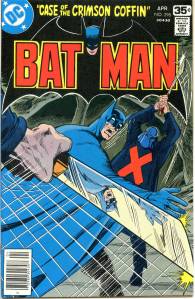
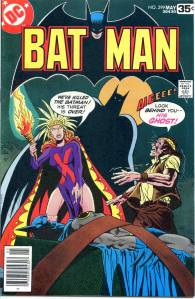
Starting in 1969, writer Dennis O’Neil and artist Neal Adams made a deliberate effort to distance Batman from the campy portrayal of the 1960s TV series and to return the character to his roots as a “grim avenger of the night”. O’Neil said his idea was “simply to take it back to where it started. I went to the DC library and read some of the early stories. I tried to get a sense of what Kane and Finger were after.”
O’Neil and Adams first collaborated on the story “The Secret of the Waiting Graves” (Detective Comics #395, January 1970). Few stories were true collaborations between O’Neil, Adams, Schwartz, and inker Dick Giordano, and in actuality these men were mixed and matched with various other creators during the 1970s; nevertheless the influence of their work was “tremendous”.Giordano said: “We went back to a grimmer, darker Batman, and I think that’s why these stories did so well…” While the work of O’Neil and Adams was popular with fans, the acclaim did little to improve declining sales; the same held true with a similarly acclaimed run by writer Steve Englehart and penciler Marshall Rogers in Detective Comics #471–476 (August 1977 – April 1978), which went on to influence the 1989 movie Batman and be adapted for Batman: The Animated Series, which debuted in 1992.Regardless, circulation continued to drop through the 1970s and 1980s, hitting an all-time low in 1985.
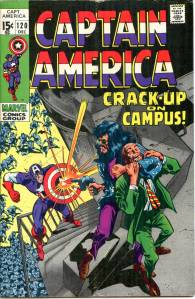
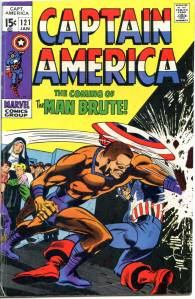
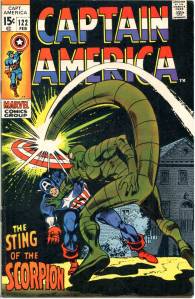
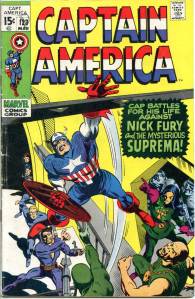
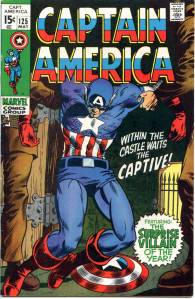
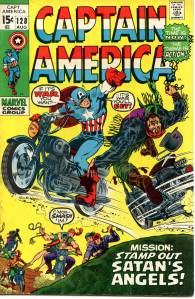
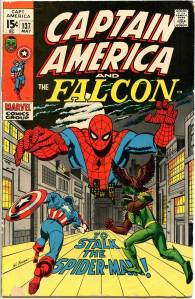
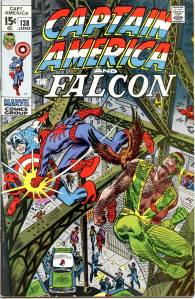
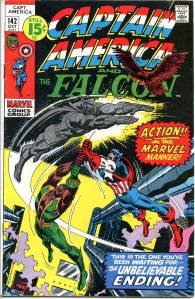
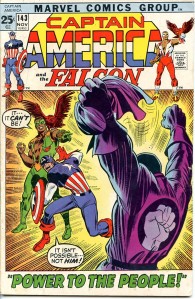
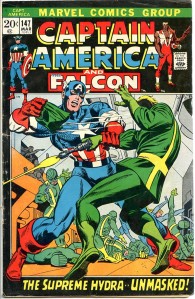
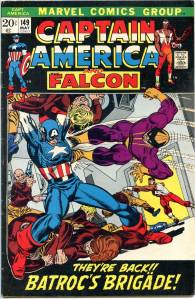
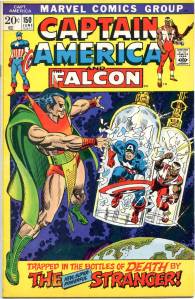
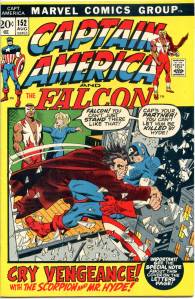
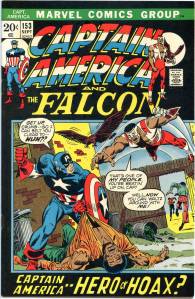
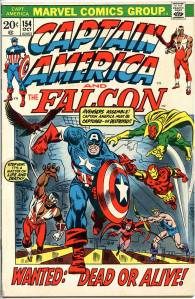
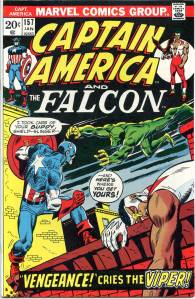
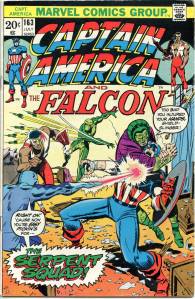
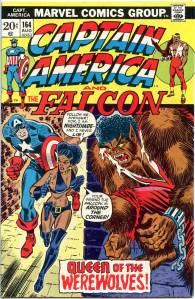
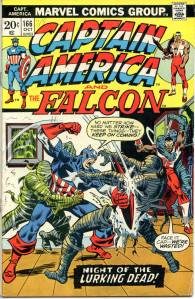
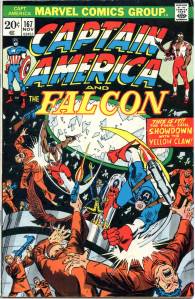
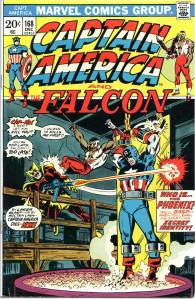
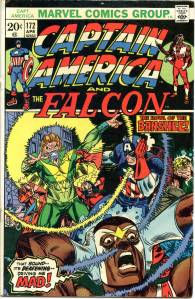
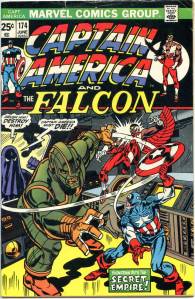
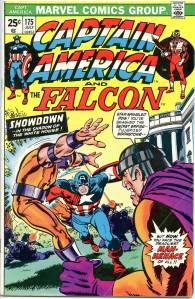
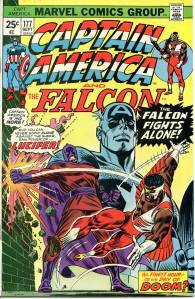
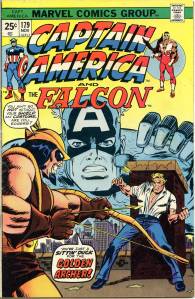
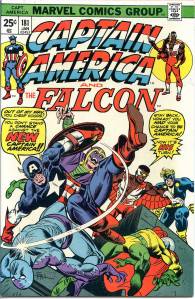
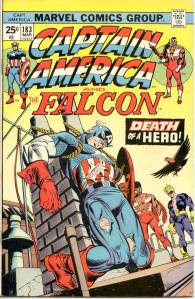
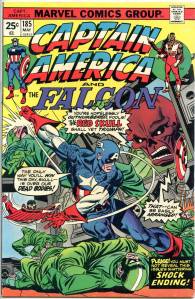
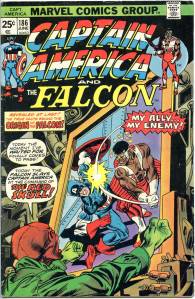
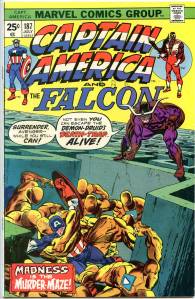
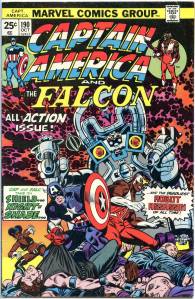
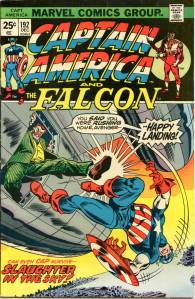
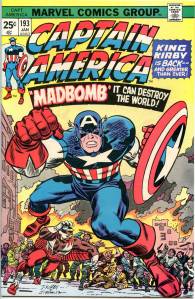
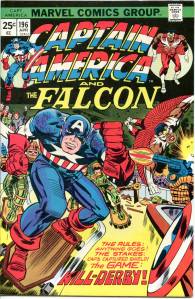
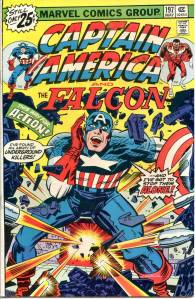
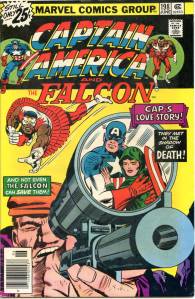
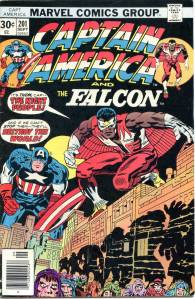
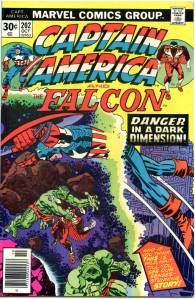
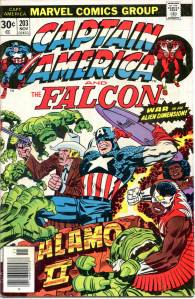
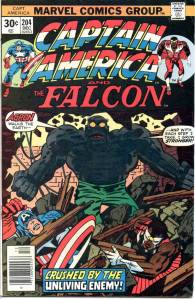
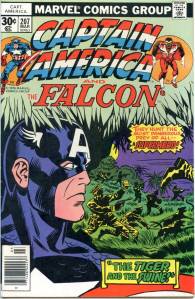
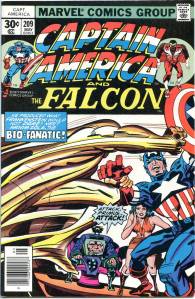
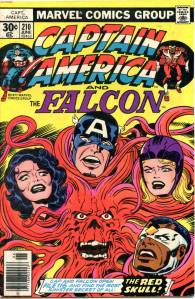
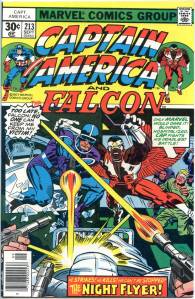
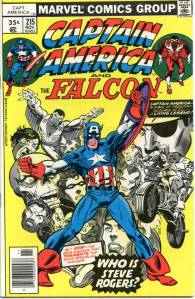
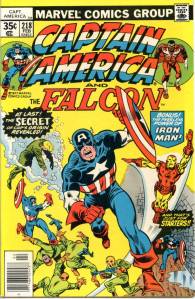
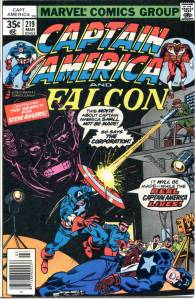
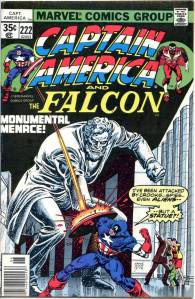
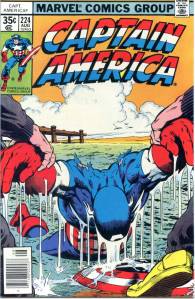
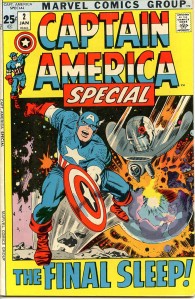
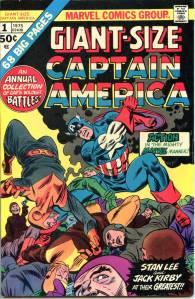
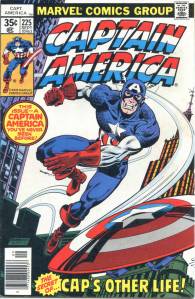
Captain America continued from Tales of Suspensewith artwork by Kirby, as well as a short run by Jim Steranko, and work by many of the industry’s top artists and writers. It was called Captain America and the Falcon from #134 (Feb. 1971) to #222 (June 1978) although the Falcon’s name was not on the cover for issues #193, 200, and 216. The 1972–1975 run on the title by writer Steve Englehart and artist Sal Buscema saw the series become one of Marvel’s top-sellers. In 2010, Comics Bulletin ranked Englehart and Buscema’s run on Captain America fourth on its list of the “Top 10 1970s Marvels”. Kirby returned to the series as writer and penciler with issue #193 (Jan. 1975) ]and remained through #214 (Oct. 1977).
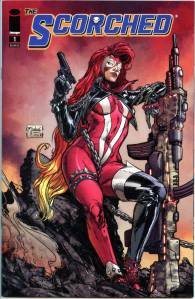
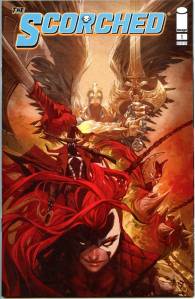
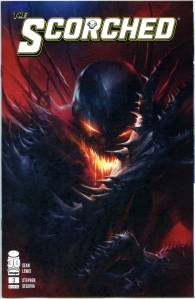
The Scorched is a team of Hellspawns protecting the world from supernatural threats, The team consists of Spawn, Jessica Priest aka She-Spawn II, Marc Rosen aka Medieval Spawn II, Gunslinger Spawn, Redeemer, and Eddie Frank the Reaper.
As the series continued, Soul Crusher, Natasha, Monolith, Haunt, Cy-gor, Overkill and Jim Dowing were added to the rotating cast.
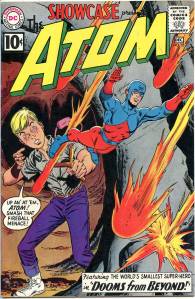
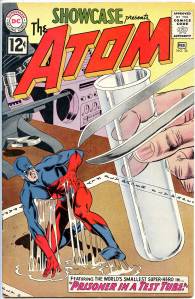
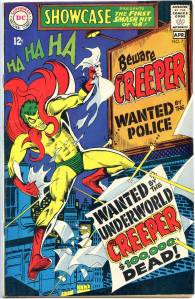
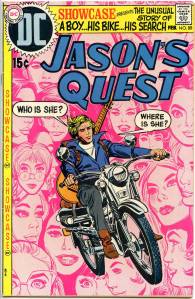
Showcase has been the title of several comic anthology series published by DC Comics. The general theme of these series has been to feature new and minor characters as a way to gauge reader interest in them, without the difficulty and risk of featuring “untested” characters in their own ongoing titles. The original series ran from March-April 1956 to September 1970 suspending publication with issue #93, and then was revived for eleven issues from August 1977 to September 1978.
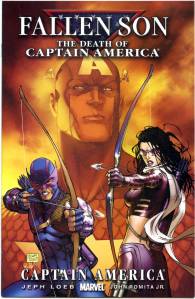
The premise for this limited series was created by J. Michael Straczynski during a Marvel retreat in New York. (The book credits Straczynski with the initial concept.) He suggested the structure of five issues, each based on Elizabeth Kubler Ross’ Five Stages of Grief: denial, anger, bargaining, depression, and acceptance. Loeb lobbied hard to write the series, and succeeded, saying that he could draw upon his own experience of having lost his son Sam Loeb. In the Spring Preview issue of Wizard magazine, Loeb said:
When Straczynski [speaks] it’s a little bit like the burning bush and the rest of us are Moses. He held up this yellow pad and said, ‘It’s the five stages of grief! Denial, anger, bargaining, depression, acceptance.’ The theme of each issue is represented by a particular Marvel character and also ends with a transition phase leading into the following stage. Denial deals with Wolverine, Anger deals with the two Avengers teams (Mighty Avengers & New Avengers), Captain America himself is dealt with in Bargaining, Spider-Man is the focus of Depression and Iron Man comes under the spotlight in Acceptance.
Fallen Son – The Death of Captain America 3 – CGC 9.8 White Pages Signed Romita Jr. and Loeb $85
Fallen Son – The Death of Captain America #3 NM $6
Fallen Son – The Death of Captain America #3 Turner Variant NM $12
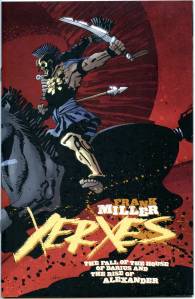
Xerxes: The Fall of the House of Darius and the Rise of Alexander is a 2018 historically inspired comic booklimited series written and illustrated by Frank Miller. It acts as a prequel and sequel to the events chronicled in Miller’s earlier series 300, a fictional retelling of the Battle of Thermopylae.
Parts of the series were loosely adapted for the 2014 film 300: Rise of an Empire, a sequel to the 2006 film adaptation of 300. However, the comic series was not actually published until 2018, four years after the film’s release.
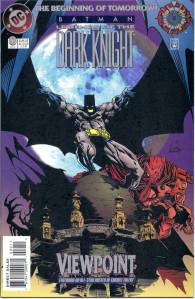
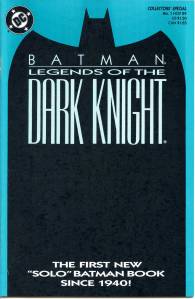
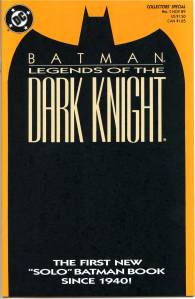
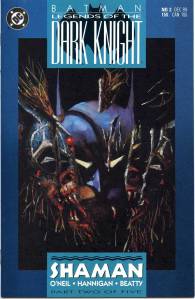
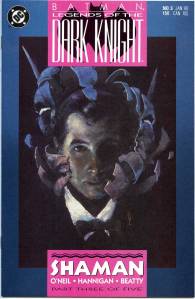
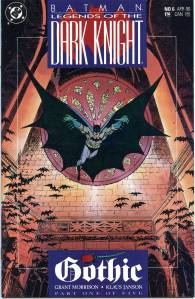
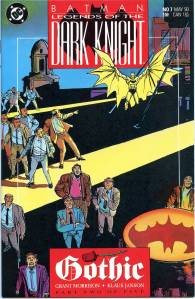
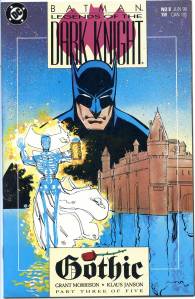
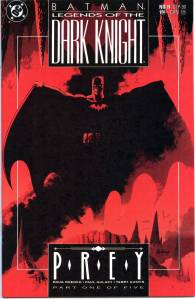
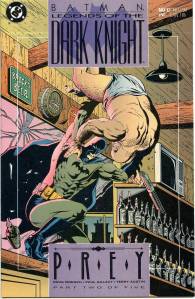
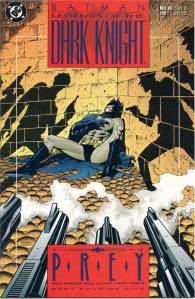
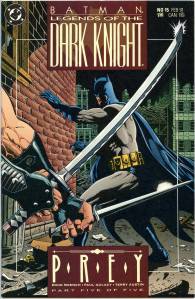
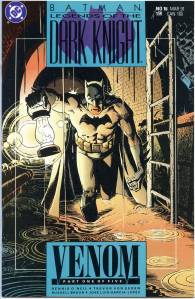
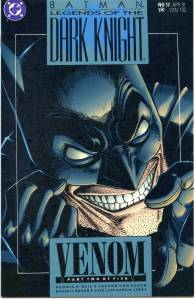
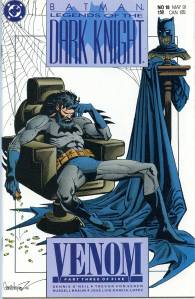
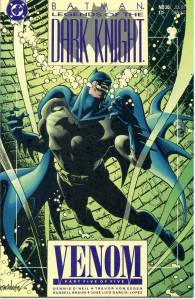
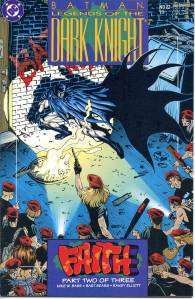
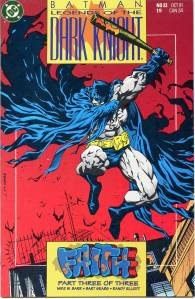
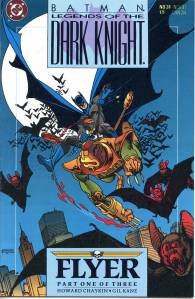
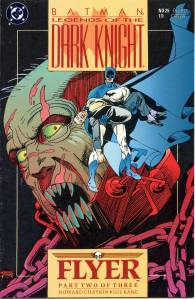
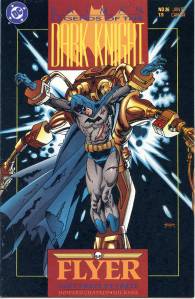
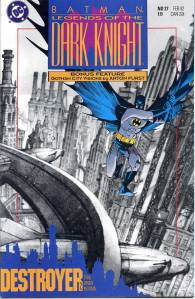
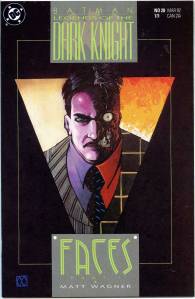
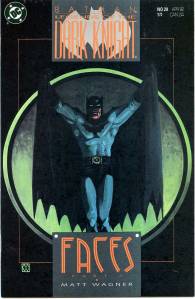
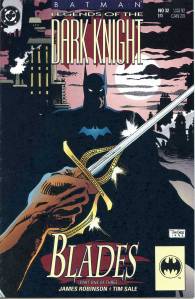
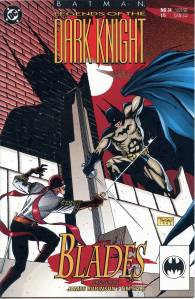
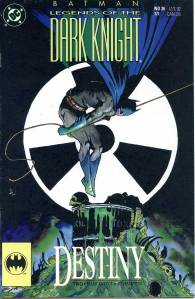
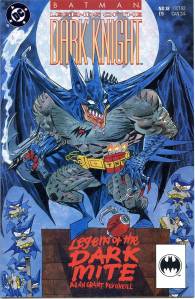
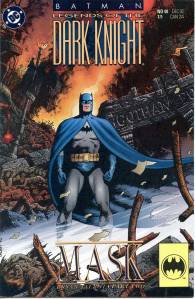
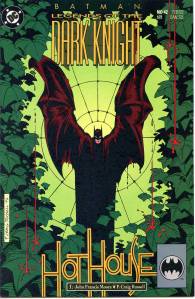
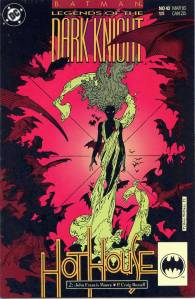
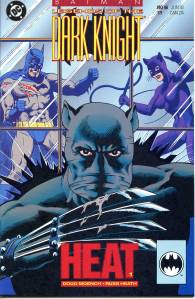
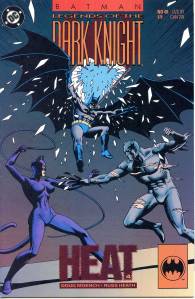
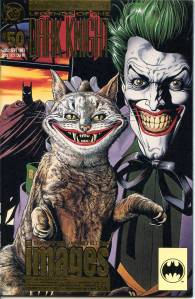
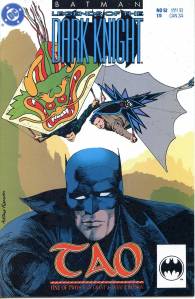
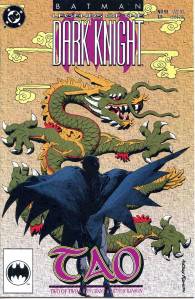
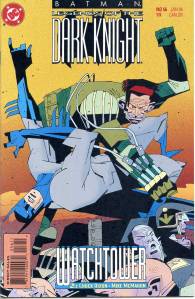
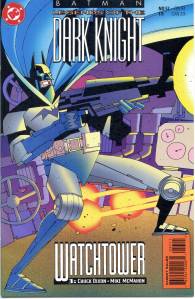
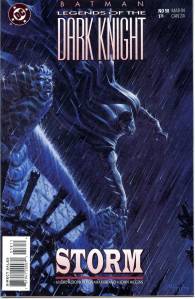
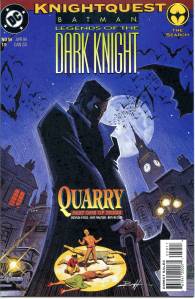
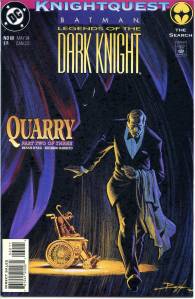
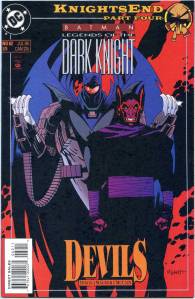
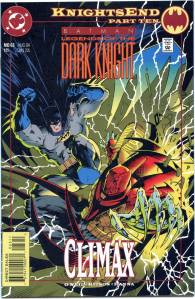
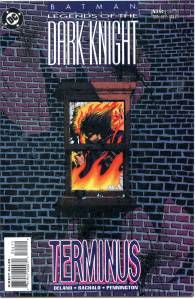
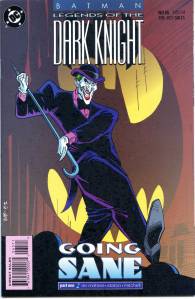
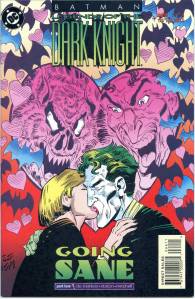
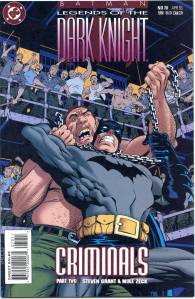
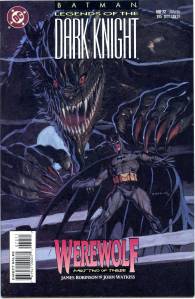
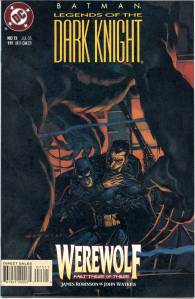
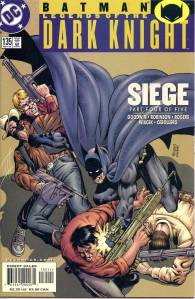
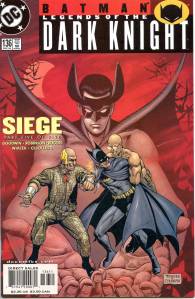
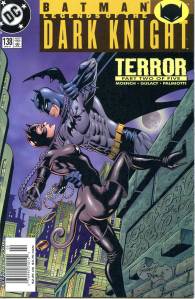
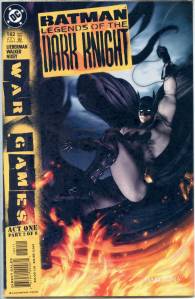
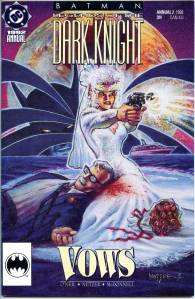
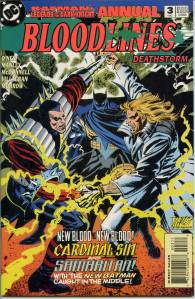
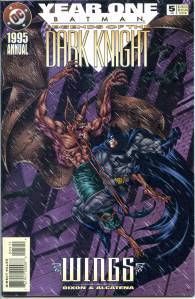
Legends of the Dark Knightwas launched in 1989 with the popularity of the Batman movie, following on from Frank Miller’s Batman: Year One. It differs from other Batman titles in that it has constantly rotating creative teams, and the stories are not necessarily part of the current events of the other Batman comics. Initially the title was promoted as running only stand alone self-contained five issue stories of graphic novel quality. However, after issue 20, stories of different lengths started to appear. While some stories have tied in with the other titles, generally this has not been the case.
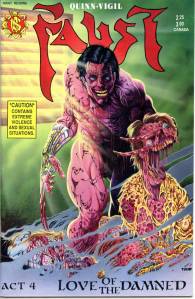
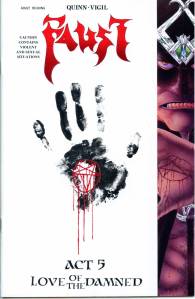
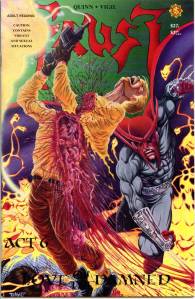
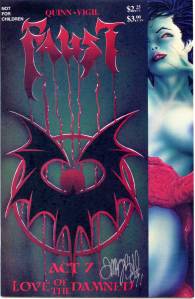
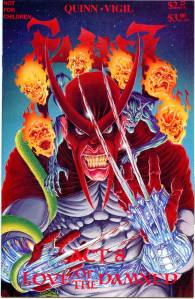
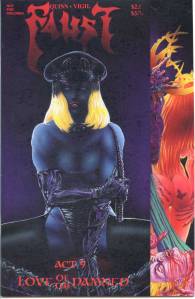
Alongside contemporaries Watchmen, The Crow, and The Dark Knight Returns, Faust was credited with popularizing the “deconstructed superheroes” genre and the notion that “comics aren’t just for kids.” One of the bestselling independent comics of the era, Faust issue 1 sold over 100,000 copies with later issues averaging 50,000 sales per issue, most of which sold through several printings and editions.
The series features strong graphic violence and sexual situations. The main series is known as Faust: Love of The Damned and debuted in 1988, with new issues published irregularly, roughly once a year, or sometimes every two years. David Quinn completed a script in 1996 (when writing the proposal to sell the film). The gap between issues grew wider with time. Issue 13 was published in 2005. It then took seven years for the authors to deliver the two last issues, 14 and 15, which concluded the story 25 years after the first episode.























































































 EHT Comics