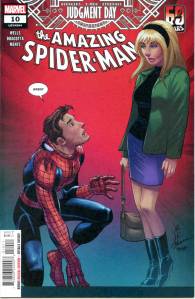
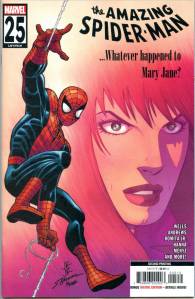
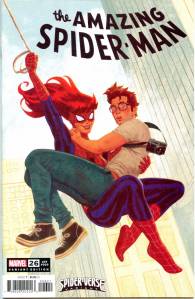
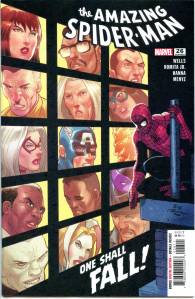
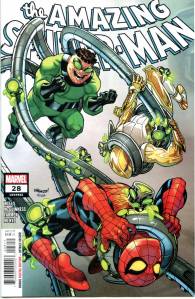
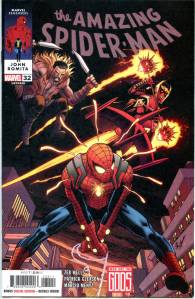
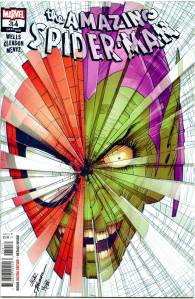
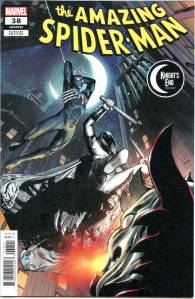
In January 2022, it was announced that writer Zeb Wells and John Romita Jr. would be working on a relaunched The Amazing Spider-Man, bringing the number of volumes for the title to its sixth, with the series beginning in April 2022. The relaunch encompasses both a legacy numbering of #900 as well as the 60th anniversary for the character. It included the crossover event, Dark Web, with Chasm having teamed up with Madelyne Pryor to bring limbo to Earth.
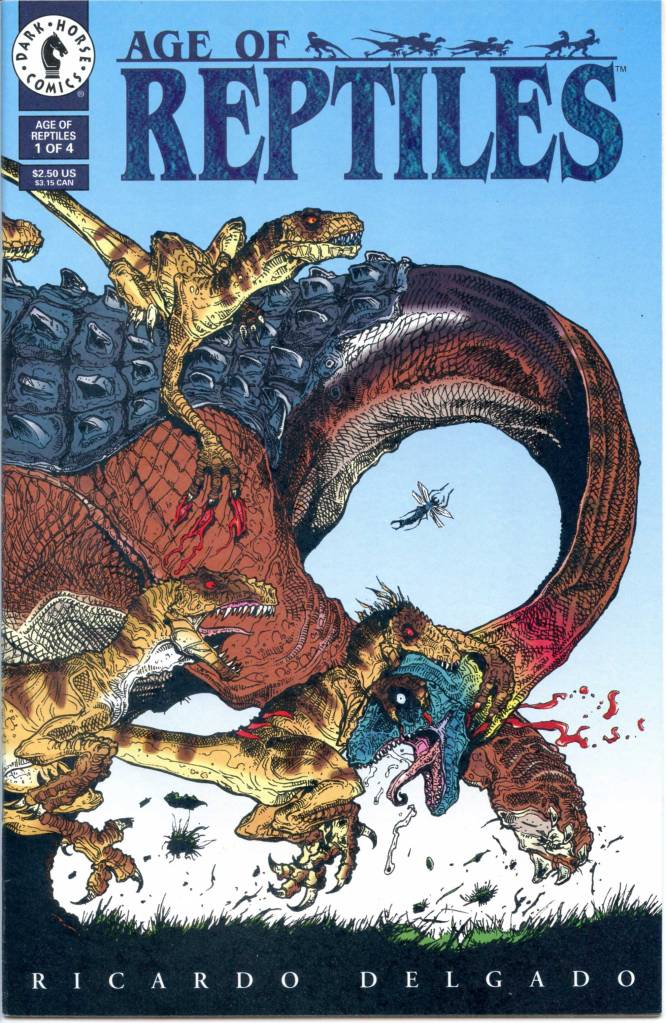
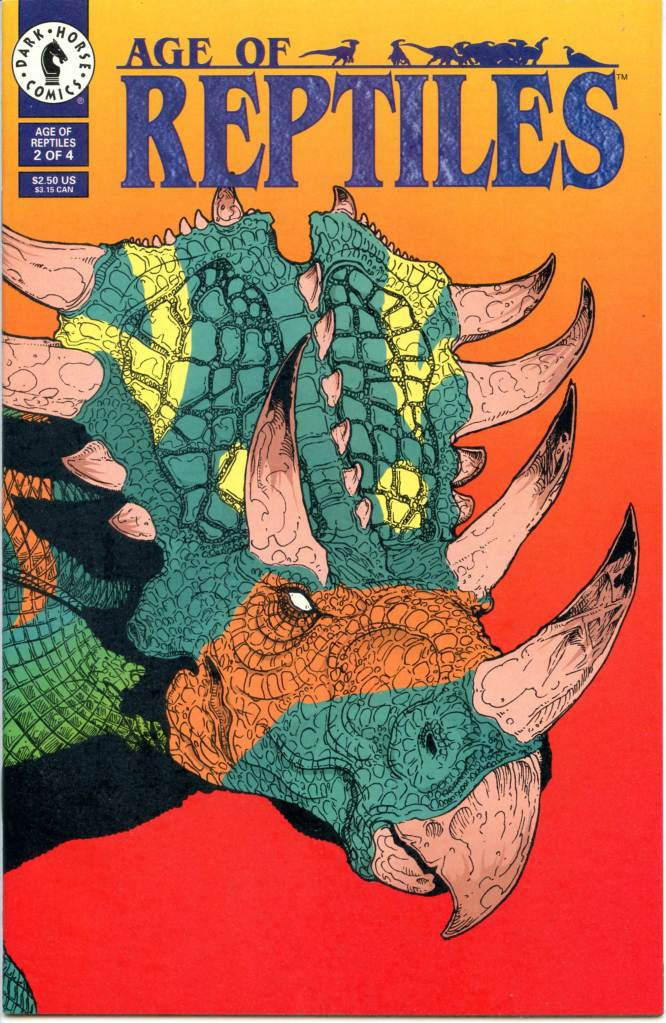
It’s morning in America — Cretaceous America, that is! In an era when dinosaurs rule, a small band of intrepid Deinonycuses fights tooth and claw for survival — and for these bloodthirsty reptiles, survival means meat! Deprived of a spectacular kill by a roving Tyrannosaurus, the band exact a precise and terrible revenge!
Ricardo Delgado, production artist for Star Trek: Deep Space Nine, has crafted the finest comic about dinosaurs ever.
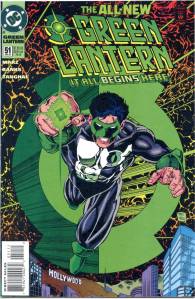
Green Lantern would know a number of revivals and cancellations. Its title would change to Green Lantern Corps at one point as the popularity rose and waned. During a time there were two regular titles, each with a Green Lantern, and a third member in the Justice League. A new character, Kyle Rayner, was created to become the feature while Hal Jordan first became the villain Parallax, then died and came back as the Spectre.
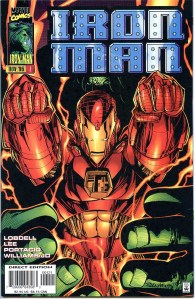
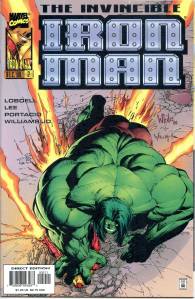
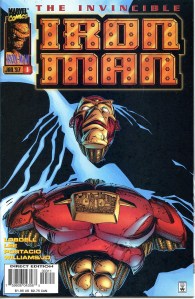
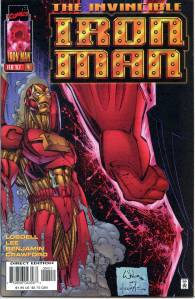
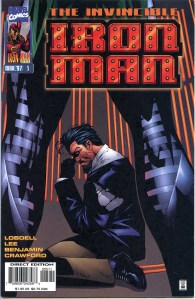
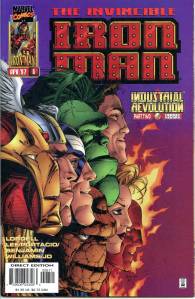
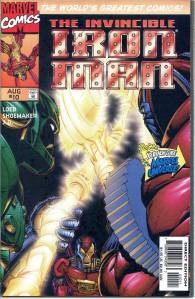
Iron Man left two lives behind when he vanished, but can he avoid his former mistakes in his new one? The armored Avenger takes on Hydra, Heralds and the Hulk – and the eyes of the Marvel Universe are upon him in the form of Loki, the Watcher and Onslaught himself! Featuring Doc Samson and… or rather as …the Abomination! Plus: Rebel O’Reilly, later of Thunderbolts fame!
Iron Man V2 1A NM $4Iron Man V2 1B NM $4Iron Man V2 #2 NM $4Iron Man V2 #3 NM $3Iron Man V2 #4 NM $3Iron Man V2 #5 NM $3Iron Man V2 #6 NM $3Iron Man V2 #6 NM- $2Iron Man V2 #7 NM $3Iron Man V2 #8 NM $3Iron Man V2 #9 NM $3Iron Man V2 #10 NM $3Iron Man V2 #11 NM- $9
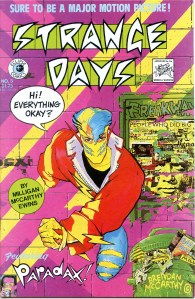
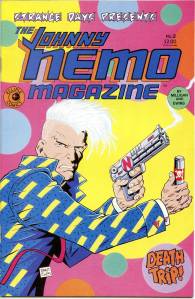
Concurrently, Milligan, Ewins and Brendan McCarthy worked on the anthology title, Strange Days for Eclipse Comics. Strange Days featured three strips, “Paradax“, “Freakwave“, and “Johnny Nemo“. Milligan, McCarthy and Ewins produced three issues of this psychedelic comic, it was not a great seller but it picked up a small, loyal readership. The most conventional strip, “Johnny Nemo”, had its own series, while the more quirky “Paradax” had a two-issue series published by Vortex Comics in 1987.
Strange Days #1 NM $12Strange Days #2 NM $10Strange Tales #3 NM $8Strange Days Presents – Johnny Nemo Magazine #2 VF+ $3
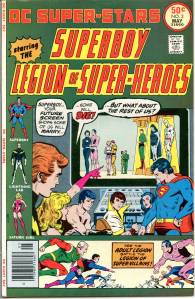
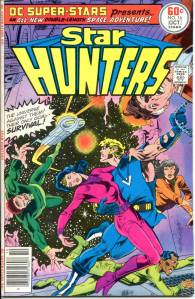
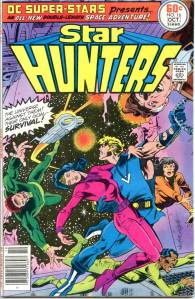
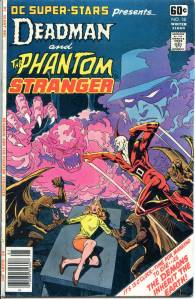
The series’ middle period was marked by theme issues — Aquaman, heroes with guns, sports, magic-users — until issue #12, which heralded the title’s second original story, featuring Superboy. From that point until DC Super Stars was cancelled after issue #18, the series contained new stories about a range of different characters (some being showcased for their own titles), as well as a collection of “secret origin” stories. The Bronze AgeHuntress made her first appearance in DC Super Stars #17 (November/December 1977) in a story written by Paul Levitz and drawn by Joe Staton and Bob Layton.
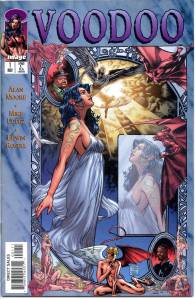
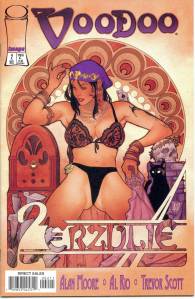
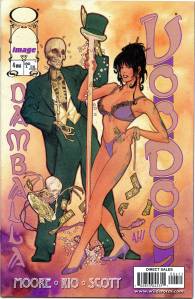
When former WildCATs member Voodoo decides to return to her roots, she reaches a crossroads in New Orleans. The nice gentleman who offers to get her a job as an exotic dancer isn’t quite what he seems…but then again, neither is Priscilla.
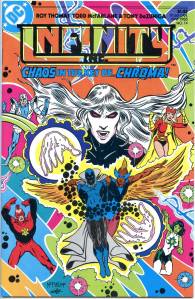
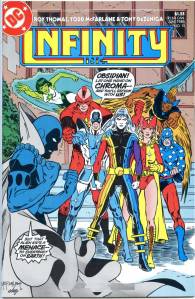
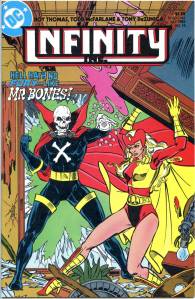
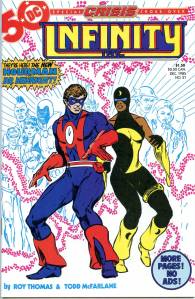
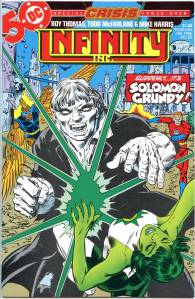
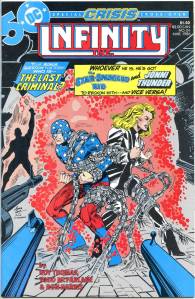
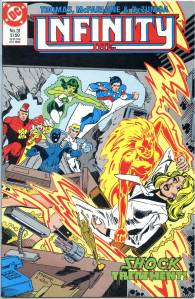
The group was organized by Sylvester Pemberton, the original Star-Spangled Kid, in Infinity Inc. #1, when a number of JSA protégés were denied admission to the JSA. They instead formed their own group. Members of Infinity, Inc. were known as Infinitors.
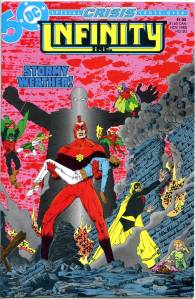
The series ended in 1988 with the death of the Star-Spangled Kid (by then known as Skyman), and presumably the group disbanded shortly thereafter. Several members have gone on to supporting roles in other comics series. Fury filled a pivotal role in The Sandman and is the mother of Daniel Hall. Hourman, Obsidian, Nuklon (as Atom Smasher), Silver Scarab(as Doctor Fate), and Power Girl eventually joined the 21st century incarnation of the JSA.
Originally, the series took place on the parallel world of Earth-Two, but in 1986 it was merged with the rest of DC continuity following Crisis on Infinite Earths. From then on, they shared their spot as Los Angeles’ superteam with the Outsiders, and were involved in a crossover with the New Teen Titans.
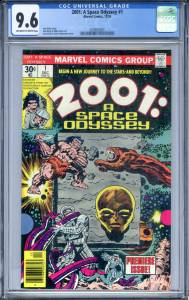
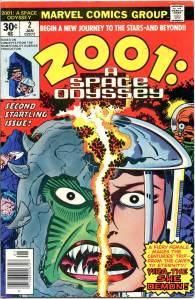
Shortly after the publication of the treasury edition, Kirby continued to explore the concepts of 2001 in a monthly comic book series of the same name, the first issue of which was dated December 1976. In this issue, Kirby followed the pattern established in the film. Once again the reader encounters a prehistoric man (“Beast-Killer”) who gains new insight upon encountering a monolith as did Moon-Watcher in the film. The scene then shifts, where a descendant of Beast-Killer is part of a space mission to explore yet another monolith. When he finds it, this monolith begins to transform the astronaut into a star child, called in the comic a “New Seed”.
Issues #1-6 of the series replay the same idea with different characters in different situations, both prehistoric and futuristic. In #7 (June 1977), the comic opens with the birth of a New Seed who then travels the galaxy witnessing the suffering that men cause each other. While the New Seed is unable or unwilling to prevent this devastation, he takes the essence of two doomed lovers and uses it to seed another planet with the potential for human life.
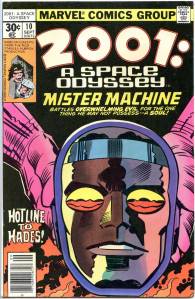
In issue #8 (July 1977), Kirby introduces Mister Machine, who is later renamed Machine Man.Mister Machine is an advanced robot designated X-51. All the other robots in the X series go on a rampage as they achieve sentience and are destroyed. X-51, supported by both the love of his creator Dr. Abel Stack and an encounter with a monolith, transcends the malfunction that destroyed his siblings. After the death of Dr. Stack, X-51 takes the name Aaron Stack and begins to blend into humanity. Issues #9 and 10, the final issues of the series, continue the story of X-51 as he flees destruction at the hands of the Army.
2001 A Space Odyssey 1 CGC 9.6 Off White to White Pages $792001 #1 FN $82001 #2 VF- $52001 #3 VF- $52001 A Space Odyssey #5 VF- $52001 A Space Odyssey #7 VF+ $72001 A Space Odyssey #10 VF- $5