In 2008, a new Deadpoolongoing series written by Daniel Way with artist Paco Medina began as a Secret Invasion tie-in. In the first arc, the character is seen working with Nick Fury to steal data on how to kill the Skrull queen Veranke. Norman Osborn steals the information that Deadpool had stolen from the Skrulls, and subsequent stories deal with the fallout from that. Writer Daniel Way explained, “the first thing Osborn does to try and take care of the situation is to bring in a hired gun to take Deadpool down, which would be Tiger-Shark. That would be the standard thing to do, but of course everything about Deadpool is non-standard. So it goes completely awry and Norman has to get more serious about things.” The story also sees the return of Bob, Agent of HYDRA; “I don’t want the book to become ‘Deadpool and Friends’ so characters will drift in and out, but Bob was someone I definitely wanted to bring in. It just had to be at the perfect moment and when I was putting this storyline together that moment presented itself.”
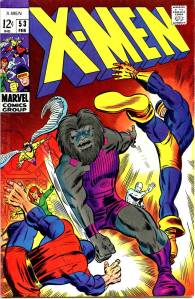
Early X-Men issues introduced the original team composed of Cyclops, Marvel Girl, Beast, Angel and Iceman among a few others, their archenemy Magneto and his Brotherhood of Evil Mutants featuring Mastermind, Quicksilver, Scarlet Witch, and Toad. The comic focused on a common human theme of good versus evil and later included storylines and themes about prejudice and racism, all of which have persisted throughout the series in one form or another. The evil side in the fight was shown in human form and under some sympathetic beginnings via Magneto, a character who was later revealed to have survived Nazi concentration camps only to pursue a hatred for normal humanity. His key followers, Quicksilver and the Scarlet Witch, were Romani. Only one new member of the X-Men was added, Mimic/Calvin Rankin, but soon left due to his temporary loss of power.
The title lagged in sales behind Marvel’s other comic franchises. In 1969, writer Roy Thomas and illustrator Neal Adams rejuvenated the comic book and gave regular roles to two recently introduced characters: Havok/Alex Summers (who had been introduced by Roy Thomas before Adams began work on the comic) and Lorna Dane, later called Polaris (created by Arnold Drake and Jim Steranko). However, these later X-Men issues failed to attract sales and Marvel stopped producing new stories with issue #66, later reprinting a number of the older comics as issues #67–93.
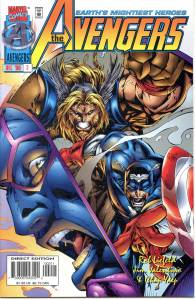
During the “Heroes Reborn” event, many of the Avengers together with the Fantastic Four and others, died trying to stop the psychic entity Onslaught, although it was revealed that Franklin Richards preserved those heroes in a pocket universe. Believing the main team to be gone, the Black Widow disbanded the Avengers, and only butler Edwin Jarvis remained to tend to the Mansion.
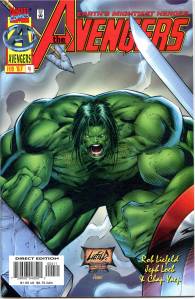
The previous continuity of the Marvel Universe was set aside as the heroes were “reborn” in the pocket universe created by Franklin Richards to save his parents and their friends, while the “Heroes Reborn” line ended and the heroes returned to the prime Marvel Universe. This restoration also undid recent changes to the team members such as the Wasp being mutated into an insectoid form, Hawkeye being rendered deaf, and Stark being replaced by his teenage self, attributed to Franklin’s childish perception recreating the heroes in the manner he was more familiar with.
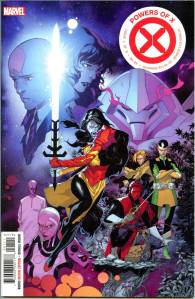
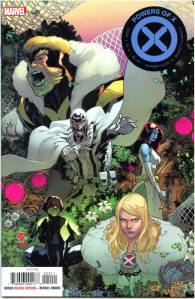
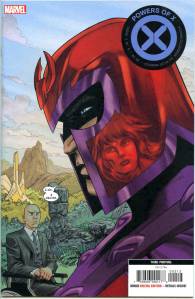
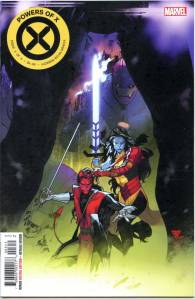
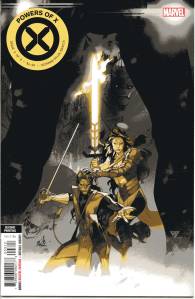
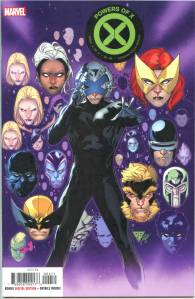
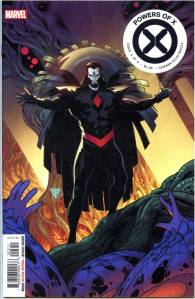
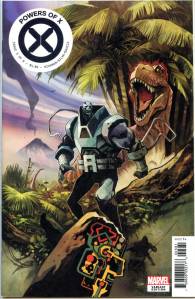
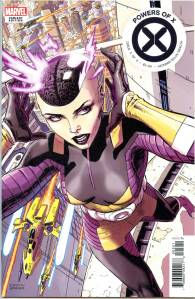
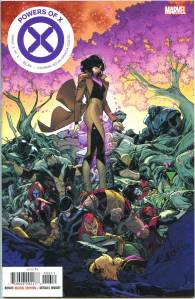
Jonathan Hickman wrote a story arc in the Avengers and New Avengers comic, ending in the 2015 crossover Secret Wars. His return was announced in March 2019. Some days later, it was detailed that he would write two comic books, House of X and Powers of X, with penciling by Pepe Larraz and R.B. Silva. Marvel Editor in Chief C. B. Cebulski said that “We are excited to have Jon back with the Marvel family, and we could not have asked for a better creative team to help usher the X-Men into a whole new era”
Both comics were released as a company wide relaunch of the X-Men. All the ongoing X-Men comics were cancelled: Uncanny X-Men, Mr. and Mrs. X, X-Force, X-23, and the Age of X-Man tie-in miniseries.
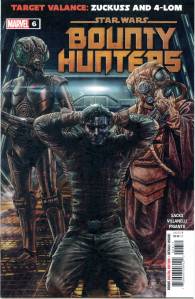
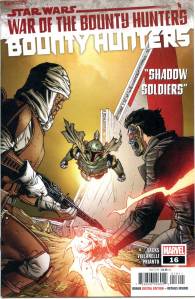
Never betray a Bounty Hunter – especially if it’s Boba Fett!
Years ago, Valance and fellow bounty hunters Bossk and Boba Fett took on a mission that went sideways in a bad way after Valance’s mentor, Nakano Lash, violently betrayed them. Valance’s team barely escaped with their lives. He never thought he’d face his old mentor ever again…until Lash finally resurfaces under mysterious circumstances. Every bounty hunter in the galaxy wants a piece and Valance is hell-bent on getting to the prize first. He has score to settle—but so does Boba Fett!
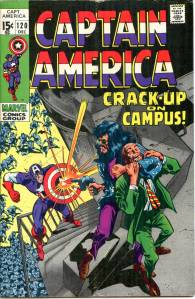
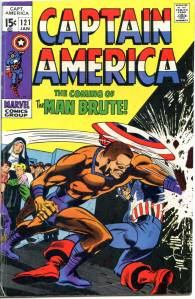
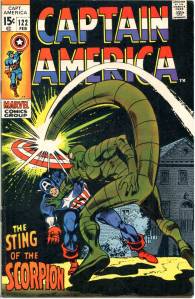
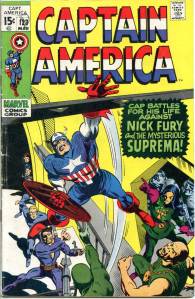
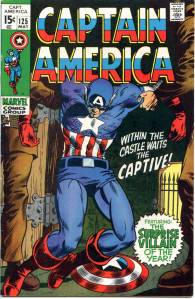
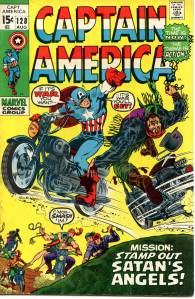
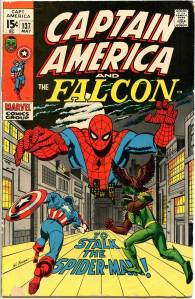
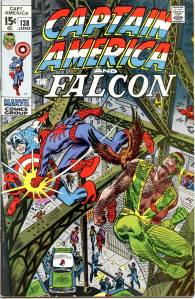
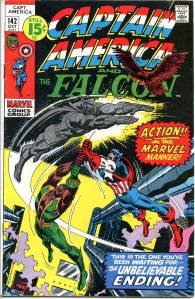
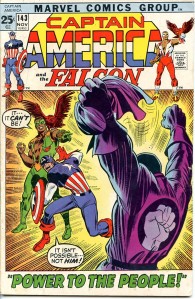
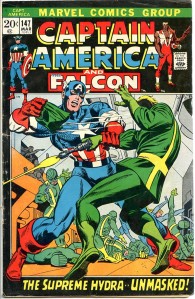
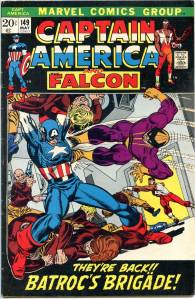
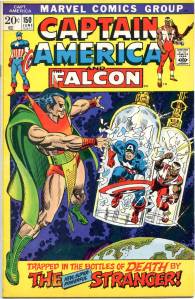
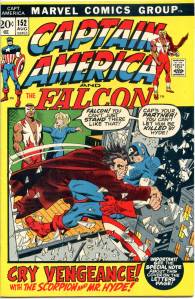
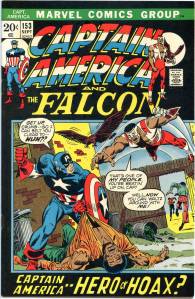
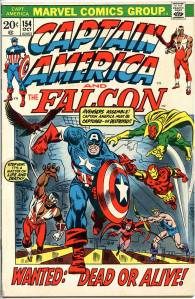
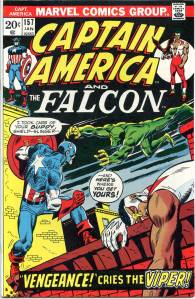
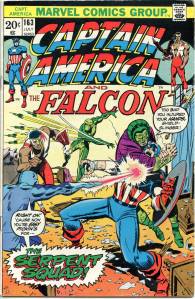
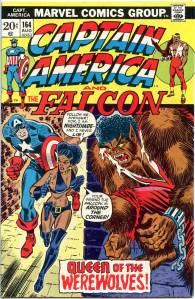
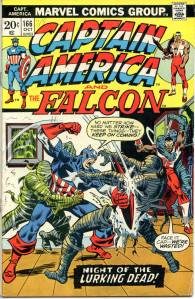
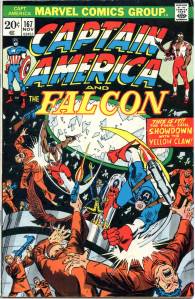
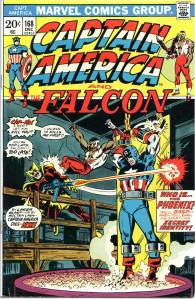
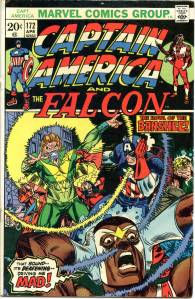
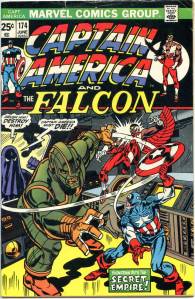
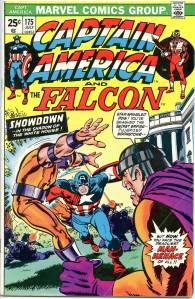
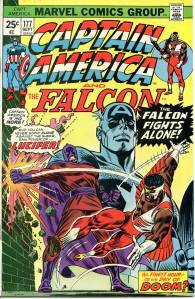
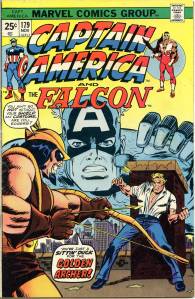
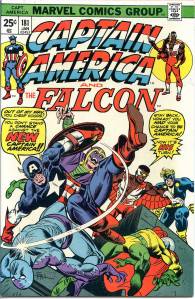
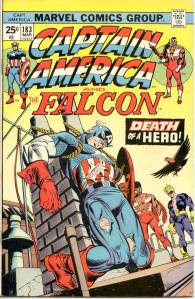
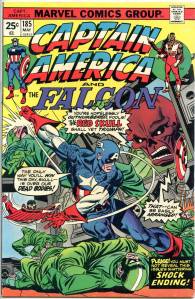
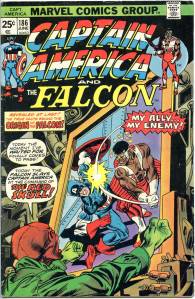
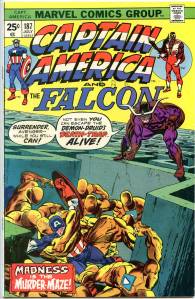
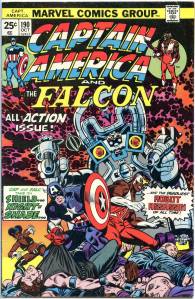
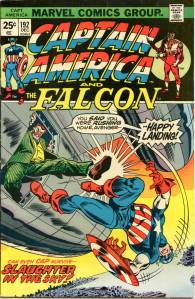
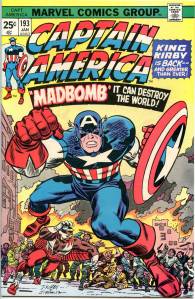
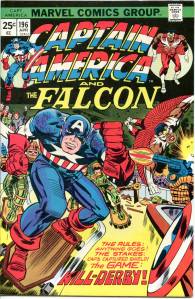
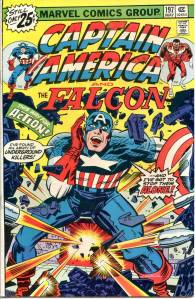
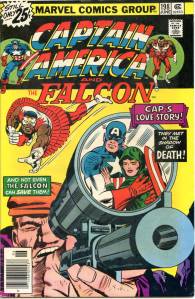
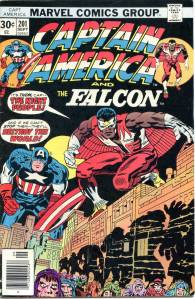
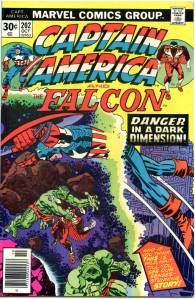
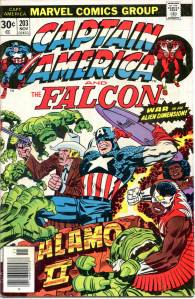
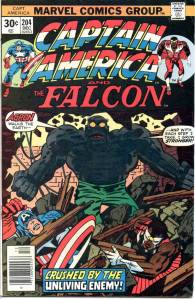
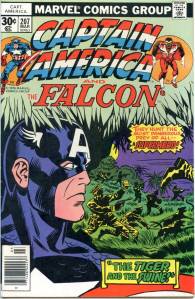
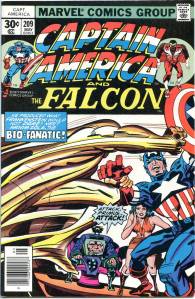
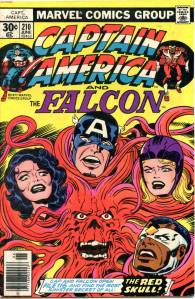
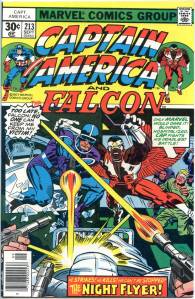
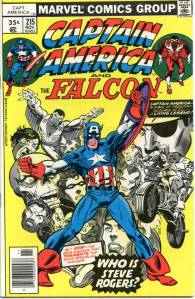
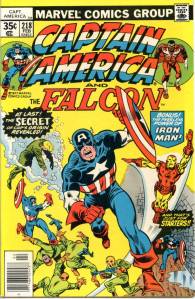
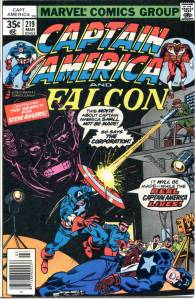
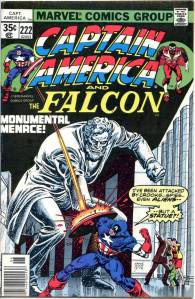
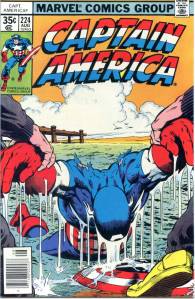
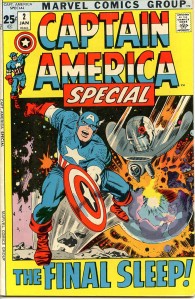
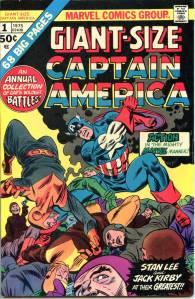
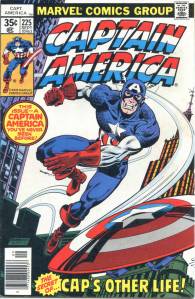
Captain America continued from Tales of Suspensewith artwork by Kirby, as well as a short run by Jim Steranko, and work by many of the industry’s top artists and writers. It was called Captain America and the Falcon from #134 (Feb. 1971) to #222 (June 1978) although the Falcon’s name was not on the cover for issues #193, 200, and 216. The 1972–1975 run on the title by writer Steve Englehart and artist Sal Buscema saw the series become one of Marvel’s top-sellers. In 2010, Comics Bulletin ranked Englehart and Buscema’s run on Captain America fourth on its list of the “Top 10 1970s Marvels”. Kirby returned to the series as writer and penciler with issue #193 (Jan. 1975) ]and remained through #214 (Oct. 1977).
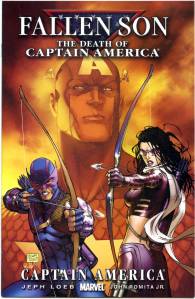
The premise for this limited series was created by J. Michael Straczynski during a Marvel retreat in New York. (The book credits Straczynski with the initial concept.) He suggested the structure of five issues, each based on Elizabeth Kubler Ross’ Five Stages of Grief: denial, anger, bargaining, depression, and acceptance. Loeb lobbied hard to write the series, and succeeded, saying that he could draw upon his own experience of having lost his son Sam Loeb. In the Spring Preview issue of Wizard magazine, Loeb said:
When Straczynski [speaks] it’s a little bit like the burning bush and the rest of us are Moses. He held up this yellow pad and said, ‘It’s the five stages of grief! Denial, anger, bargaining, depression, acceptance.’ The theme of each issue is represented by a particular Marvel character and also ends with a transition phase leading into the following stage. Denial deals with Wolverine, Anger deals with the two Avengers teams (Mighty Avengers & New Avengers), Captain America himself is dealt with in Bargaining, Spider-Man is the focus of Depression and Iron Man comes under the spotlight in Acceptance.
Fallen Son – The Death of Captain America 3 – CGC 9.8 White Pages Signed Romita Jr. and Loeb $85
Fallen Son – The Death of Captain America #3 NM $6
Fallen Son – The Death of Captain America #3 Turner Variant NM $12
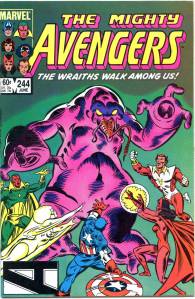
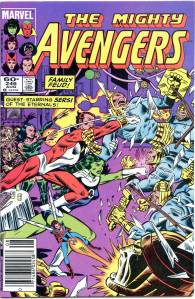
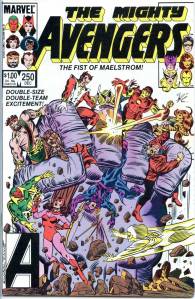
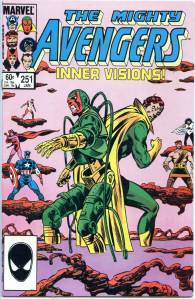
The first major development of the 80’s was the breakdown of Henry Pym, with his frequent changes of costume and name being symptomatic of an identity problem and an inferiority complex. After he abused his wife, failed to win back the confidence of the Avengers with a ruse and was duped by the villain Egghead, Pym was jailed. Pym would later outwit Egghead and defeated the latest incarnation of the Masters of Evil single-handedly, and proved his innocence. Pym reconciled with the Wasp, but they decided to remain apart. Pym retired from super-heroics, but returned years later.
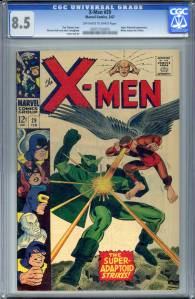
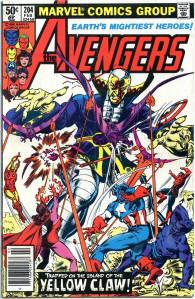
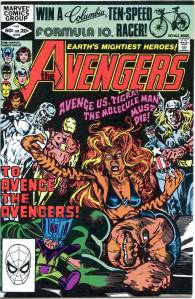
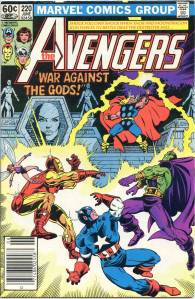
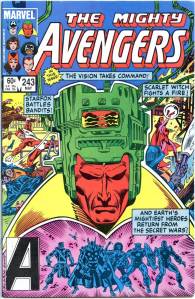
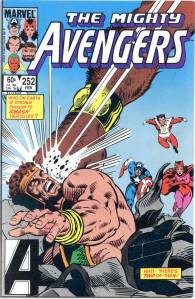
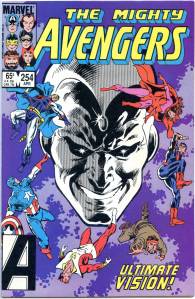
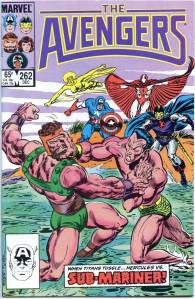
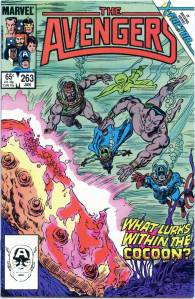
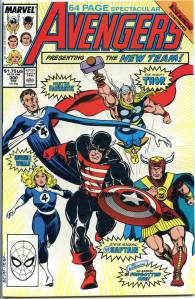
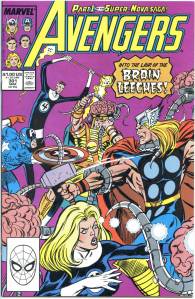
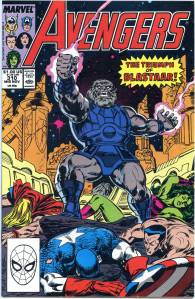
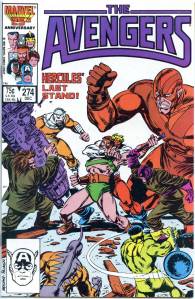
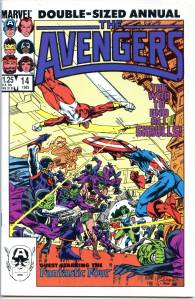
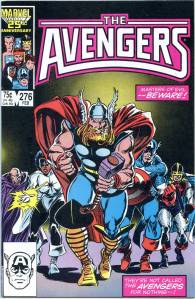
This was followed by several major storylines, such as “Ultimate Vision” in which the Vision took over the world’s computer systems in a misguided attempt to create world peace; the formation of the West Coast Avengers; and “Avengers Under Siege” which involved the second Baron Zemo and the Masters of Evil taking over the mansion and severely injuring Jarvis and Hercules. “Assault on Olympus” featured Hercules’ father, Zeus, blaming the Avengers for his son’s injuries and brought them to Olympus for trial, and the “Heavy Metal” arc saw the Super Adaptoid organized several robotic villains for an assault on the team. New members during the 1980s included Tigra; the She-Hulk;Monica Rambeau (then going by the name Captain Marvel);Starfox (the brother of Thanos); Hawkeye’s wife, Mockingbird; and Namor, while Henry Pym emerged from retirement to join the West Coast Avengers. Spider-Man was again offered membership, but failed to gain admission due to security concerns by the Avengers’ government liaison.
The villain Nebula falsely claimed to be the granddaughter of Thanos. The team relocated for a period to a floating island off the coast of New York called Hydrobase after Avengers Mansion was severely damaged during the events in “Under Siege”. Hydrobase was later sunk during the Acts of Vengeance crossover.
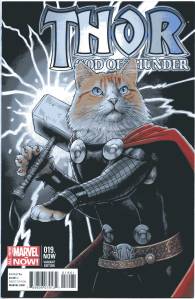
In October 2012, Thor became a regular character in Uncanny Avengers, beginning with issue #1. The following month, an ongoing series titled Thor: God of Thunder by writer Jason Aaron and artist Esad Ribić debuted as part of the Marvel NOW! relaunch.[49][50] This story arc was voted as the 8th best Thor story by Comicbook.com.





























































 EHT Comics