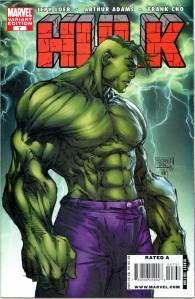
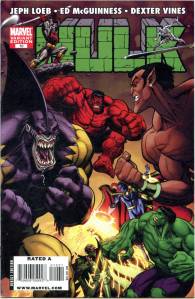
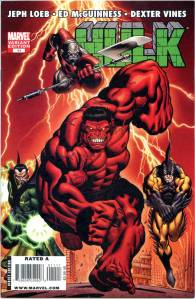
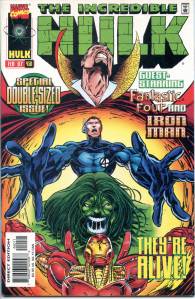
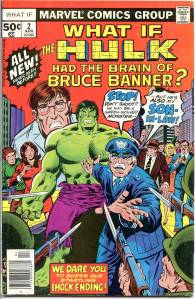
The first incarnation of Red Hulk (also known as Rulk) first appeared in the Hulk series that debuted in 2008. The 2010 “World War Hulks” storyline reveals that this being is United States Army General Thunderbolt Ross, the father-in-law and longtime nemesis of the original Hulk, Bruce Banner. The storyline reveals that Ross was given the ability to transform into Red Hulk by the organizations A.I.M. and the Intelligencia, and that he did this in order to be able to better fight the original Hulk.
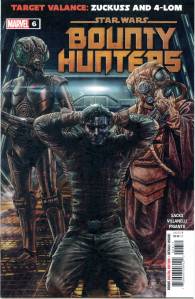
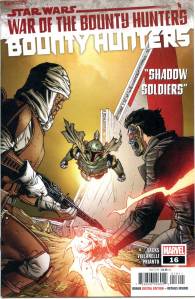
Never betray a Bounty Hunter – especially if it’s Boba Fett!
Years ago, Valance and fellow bounty hunters Bossk and Boba Fett took on a mission that went sideways in a bad way after Valance’s mentor, Nakano Lash, violently betrayed them. Valance’s team barely escaped with their lives. He never thought he’d face his old mentor ever again…until Lash finally resurfaces under mysterious circumstances. Every bounty hunter in the galaxy wants a piece and Valance is hell-bent on getting to the prize first. He has score to settle—but so does Boba Fett!
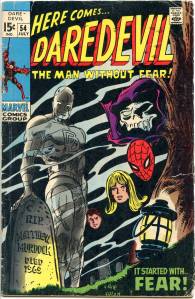
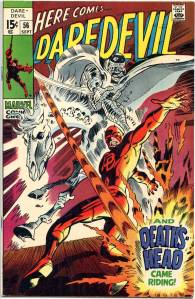
Daredevil debuted in Marvel Comics‘ Daredevil #1 (cover date April 1964), created by writer-editor Stan Lee and artist Bill Everett, with character design input from Jack Kirby, who devised Daredevil’s billy club. When Everett turned in his first-issue pencils extremely late, Marvel production manager Sol Brodsky and Spider-Man co-creator Steve Ditko inked a large variety of different backgrounds, a “lot of backgrounds and secondary figures on the fly and cobbled the cover and the splash page together from Kirby’s original concept drawing”.
Writer and comics historian Mark Evanier has concluded (but cannot confirm) that Kirby designed the basic image of Daredevil’s costume, though Everett modified it. The character’s original costume design was a combination of black, yellow, and red, reminiscent of acrobat tights. Wally Wood, known for his 1950s EC Comics stories, penciled and inked issues #5–10, introducing Daredevil’s modern red costume in issue #7.
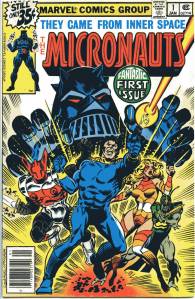
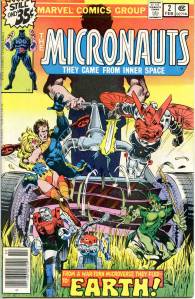
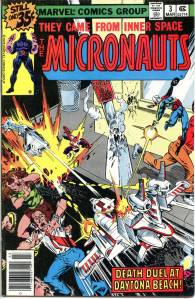
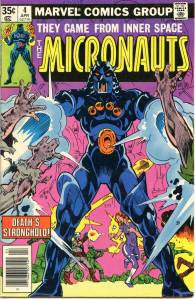
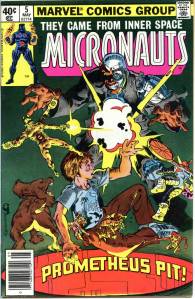
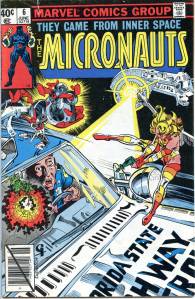
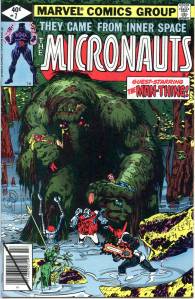
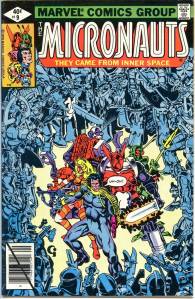
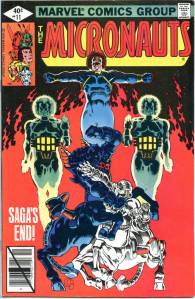
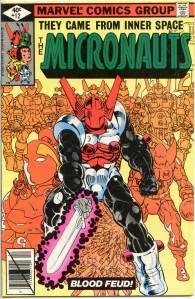
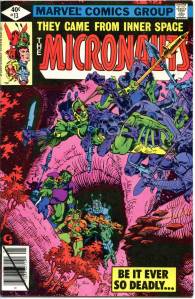
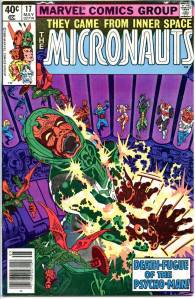
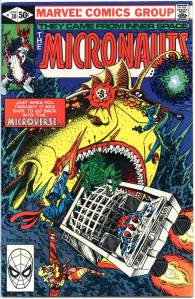
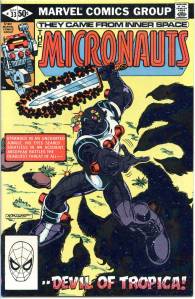
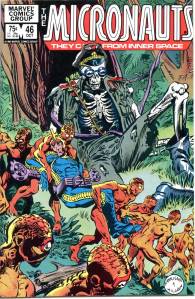
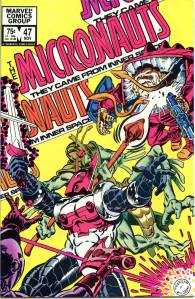
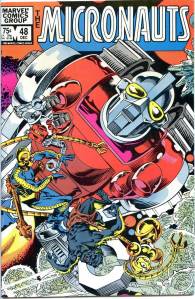
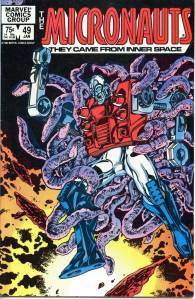
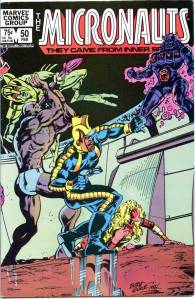
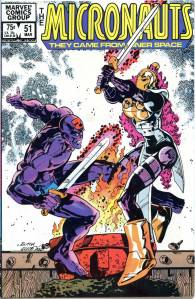
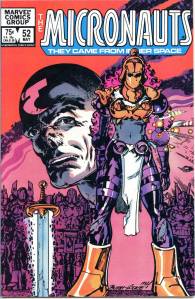
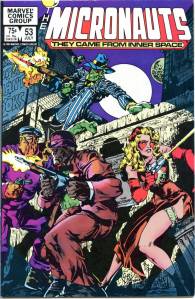
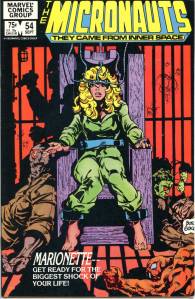
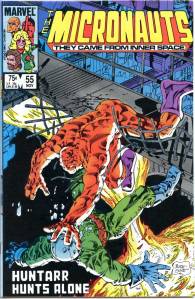
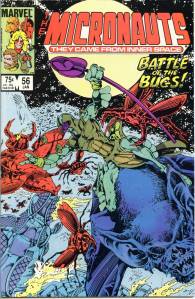
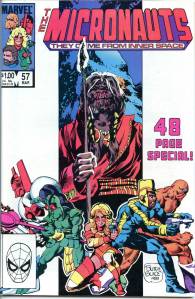
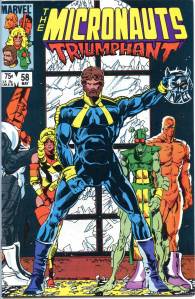
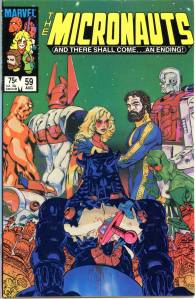
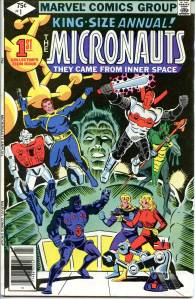
The Micronauts began life as comic book characters thanks to a fortuitous accident on Christmas 1977. Marvel Comics writer Bill Mantlo’s son Adam opened a new present, a line of the Mego Corporation‘s Micronauts action figures. Seeing the toys, Mantlo was instantly struck by inspiration to write their adventures. Convincing then Editor-in-chief Jim Shooter to get the comics license for these toys, Mantlo was hired to script their series.
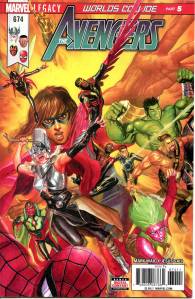
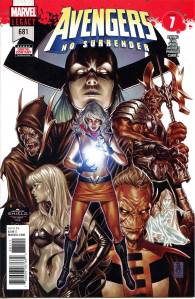
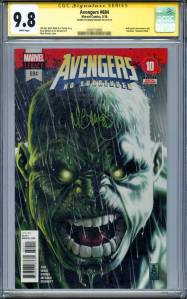
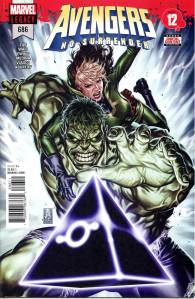
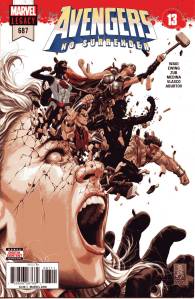
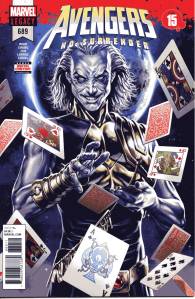
The Earth has been STOLEN! The sky burns while mysterious cosmic objects crash down from above, wreaking havoc across the world – and the Avengers are the last line of defense between Earth and the mysterious forces threatening to tear it apart. It’s time to ASSEMBLE almost everyone who has ever been an Avenger! All of the Avengers you know and love come together to face threats beyond any they’ve faced before – including the Black Order and the Lethal Legion. These two teams of powerful villains bent on destroying each other have arrived on Earth, and they don’t care who gets caught in the crossfire. And when the mysterious Challenger faces off against the Grandmaster, can the Earth survive the destruction they unleash? The Avengers are engaged in a game of cosmic proportions, but they don’t know the rules…and not everyone will survive! Plus: Who is Voyager? Valerie Vector, the forgotten founding Avenger, is revealed. And fan-favorite Avenger, Hulk, returns to the fold as the stakes in the battle for Earth become clear! Tension is high and peril is imminent, but there’s no option to surrender for the relentless Avengers!
The underlying difference between this title and the other Spider-Man titles was that Marvel Knights Spider-Man was done with a more mature slant (in style if not content), thus the “Marvel Knights” prefix.
Intended to replace the canceled Spider-Man’s Tangled Web series, Marvel Knights Spider-Man was originally supposed to be written by Kevin Smith, but due to scheduling problems he was replaced by Mark Millar. When Millar completed his year-long story arc, he was followed by writer Reginald Hudlin.
With the consolidation of the Marvel Knights line, Marvel Knights Spider-Man was renamed The Sensational Spider-Man as of issue 23. At this time, Roberto Aguirre-Sacasa took over writing duties on the book.
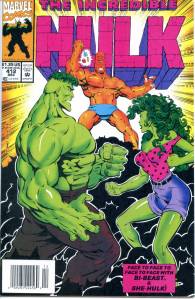
The 1990s saw the Green Hulk return. In issue #377 (Jan. 1991), the Hulk was revamped in a storyline that saw the personalities of Banner, Grey Hulk, and Savage Hulk confront Banner’s past abuse at the hands of his father Brian and a new “Guilt Hulk” persona. Overcoming the trauma, the intelligent Banner, cunning Grey Hulk, and powerful Savage Hulk personalities merge into a new single entity possessing the traits of all three. The Hulk also joined the Pantheon, a secretive organization of superpowered individuals. His tenure with the organization brought the Hulk into conflict with a tyrannical alternate future version of himself called the Maestro in the 1993 Future Imperfectminiseries, who rules over a world where many heroes are dead.
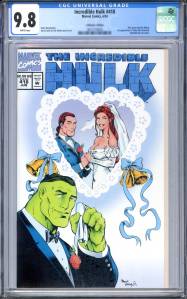
Incredible Hulk V1 #367 VF $3Incredible Hulk V1 #369 Newsstand NM $6Incredible Hulk V1 #369 NM- $3Incredible Hulk V1 #370 NM $4Incredible Hulk V1 #371 VF-NM $2Incredible Hulk V1 #372 Newsstand NM $6Incredible Hulk #372 NM $4Incredible Hulk V1 #373 NM $4Incredible Hulk V1 #374 VF-NM $3Incredible Hulk V1 #375 NM- $3Incredible Hulk V1 #378 NM $6Incredible Hulk V1 #380 NM $4Incredible Hulk V1 #381 VF $2Incredible Hulk V1 #382 VF $2Incredible Hulk V1 #383 NM $4Incredible Hulk V1 #383 VF-NM $3Incredible Hulk V1 #384 NM $4Incredible Hulk V1 #385 NM $4Incredible Hulk V1 #386 NM $4Incredible Hulk V1 #387 NM $4Incredible Hulk V1 #388 VF-NM $2Incredible Hulk V1 #389 NM $4Incredible Hulk V1 #390 NM $4Incredible Hulk V1 #392 NM $4Incredible Hulk V1 #393 NM $4Incredible Hulk V1 #394 NM $3Incredible Hulk V1 #395 NM $4Incredible Hulk V1 #396 NM- $3Incredible Hulk V1 #397 NM $4Incredible Hulk #400 NM $3Incredible Hulk #401 NM- $4Incredible Hulk V1 #411 NM $3Incredible Hulk #412 Newsstand NM $6Incredible Hulk #418 CGC 9.8 White Pages $59Incredible Hulk V1 #418 NM $15Incredible Hulk V1 #420 NM $3Incredible Hulk V1 #421 NM $3Incredible Hulk V1 #425 NM $5Incredible Hulk V1 #426 NM $4Incredible Hulk #447 NM $4Incredible Hulk #450 NM $7Incredible Hulk V1 Annual #16 NM- $4
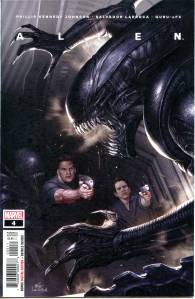
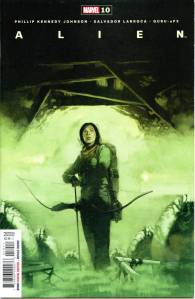
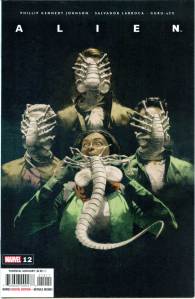
Gabriel Cruz gave his life to Weyland-Yutani–In the case of an alien attack he barely survived, almost literally! Recently retired, Cruz is trying to patch things up with his abandoned son with the help of his friend, a Bishop-model android, but his re-entry into civilian life is not going smoothly…and his encounters with the deadly Xenomorph are far from over.
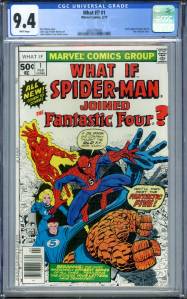
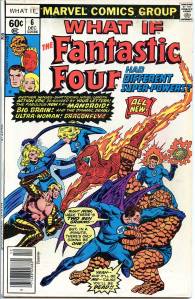
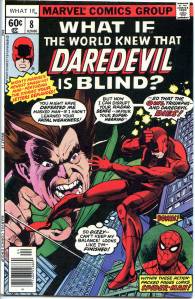
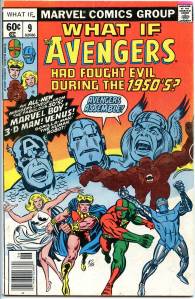
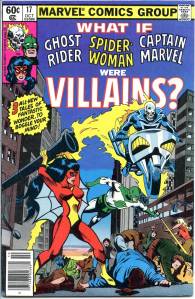
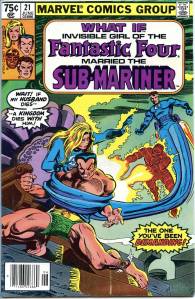
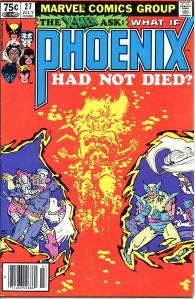
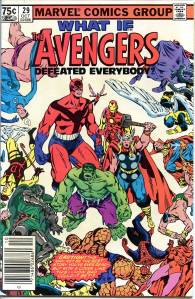
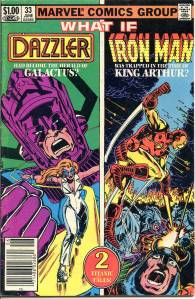
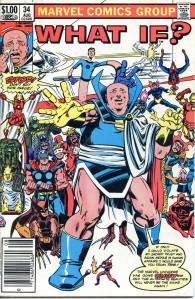
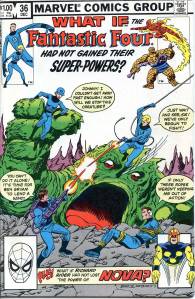
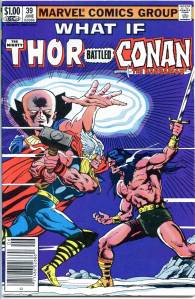
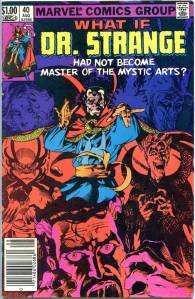
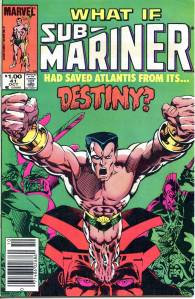
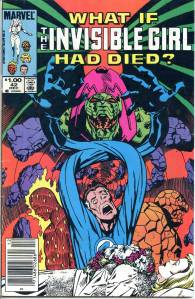
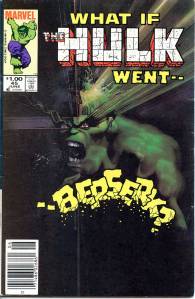
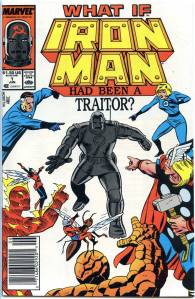
What If, sometimes rendered as What If…?, is published by Marvel Comics whose stories explore how the Marvel Universe might have unfolded if key moments in its history hadn’t occurred as they did in mainstream continuity. What If comics have been published in eleven series (volumes).
The stories of the inaugural series (1977–1984) feature the alien Uatu the Watcher as a narrator. From the moon, Uatu, a member of an immortal race of “Watchers”, observes both the Earth and alternate realities. Most What If stories begin with Uatu describing an event in the mainstream Marvel Universe, then introducing a point of divergence in that event and then describing the consequences of the divergence. Uatu was used similarly in the second series (1989–1998) until a point where, in the Fantastic Four comic book, Uatu was punished for destroying another Watcher. This made the use of Uatu improbable so the character was phased out to its last appearance in issue #76. Without a framing device, the stories themselves became the focus.
What If #1 CGC 9.4 White Pages $124What If V1 #2 FN+ $8What If V1 #4 FN- $6What If V1 #6 FN $7What If V1 #8 VF $9What If V1 #9 VF- $14What If V1 #17 VF $14What If V1 #20 VF- $14What If V1 #21 VF $12What If V1 #27 VF $8What If V1 #29 FN+ $8What If V1 #33 VF $9What If V1 #34 VF-NM $10What If V1 #36 NM $24What If V1 #37 VF+ $12What If #39 Newstand VF+ $24What If #40 VF- $5What If V1 #41 VF+ $9What If V1 #42 VF+ $9What If V1 #44 NM- $24What If V1 #45 F+$7What If V1 #46 F- $4What If Special #1 NM $8
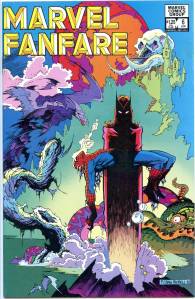
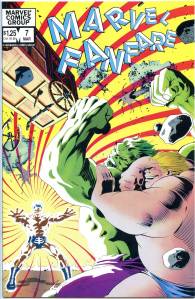
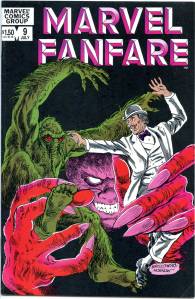
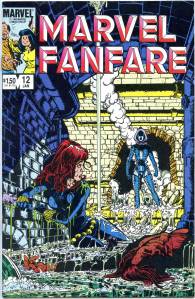
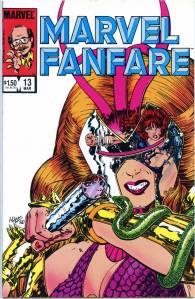
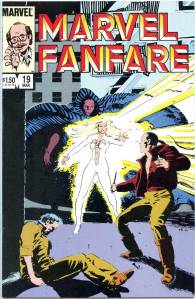
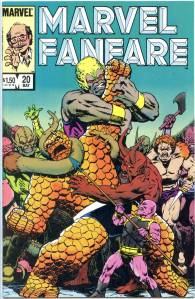
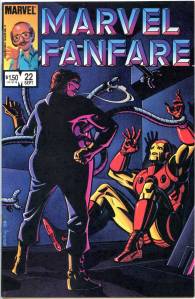
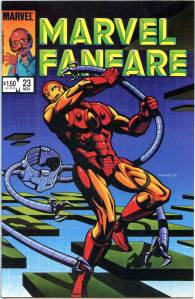
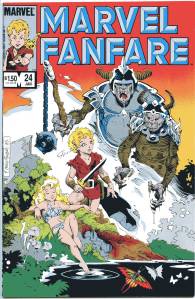
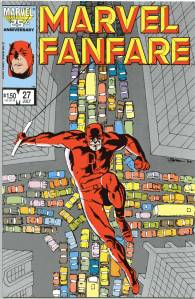
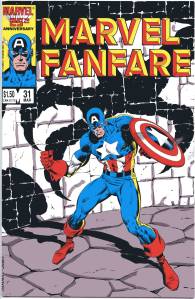
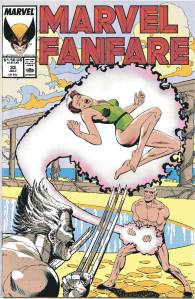
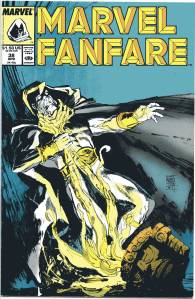
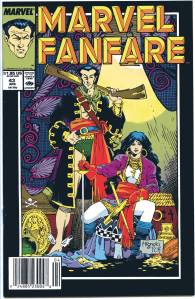
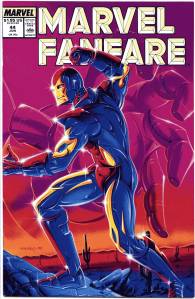
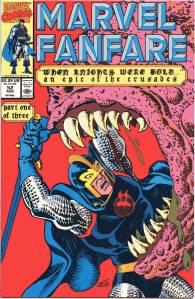
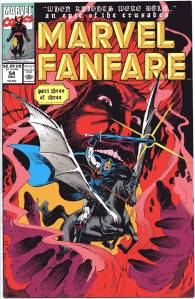
Marvel Fanfare was envisioned as a showcase of the comics industry’s best talent. Each issue featured 36 pages of material with no advertisements and it was printed on magazine-style slick paper. It was more than twice as expensive as standard comic books ($1.25 in 1982 when most titles were 60 cents and $2.25 in 1991 when most were $1).