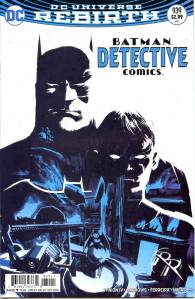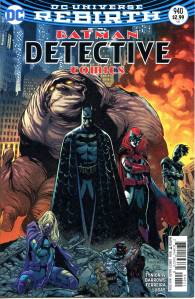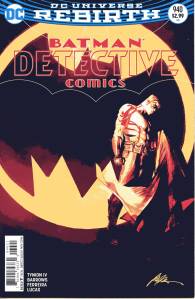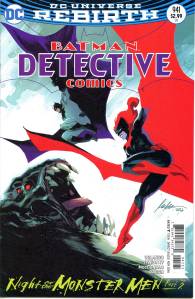
Batman and Robin V1 (2009)

Batman and Robin is an ongoing series, created by Grant Morrison and featuring Batman and Robin. The debut of the series followed the events of “Batman R.I.P.“, Final Crisis, and “Battle for the Cowl” in which the original Batman, Bruce Wayneapparently died at the hands of DC Comics villain Darkseid and features the winner of the “Battle for the Cowl” as the new Batman. The conclusion of Battle for the Cowl shows Dick Grayson ascending to the role of Batman, while Damian Wayne becomes the new Robin.

Batman and Robin V2 (2011)

The relaunched DC Universe features several notable differences from its previous incarnation, making all of the established heroes roughly five years younger than their previous versions before the relaunch. While much of Batman’s history from the previous DC Universe remains intact, Bruce Wayne is again the only hero serving as Batman and as such, he has replaced Dick Grayson in this title. Volume 2 features the exploits of Bruce and Damian, father and son, as Batman and Robin.
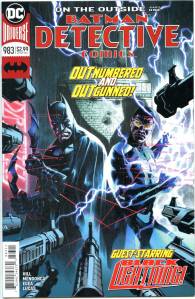
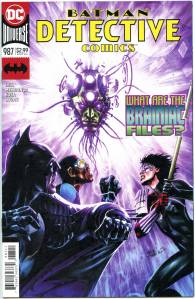
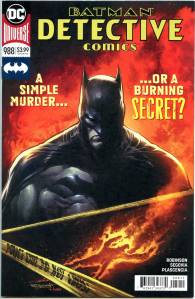
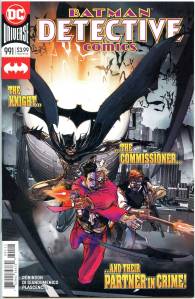
Detective Comics – New 52 (2011)

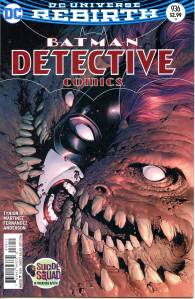
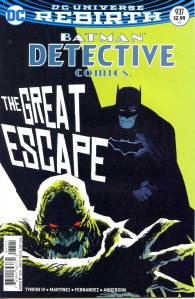
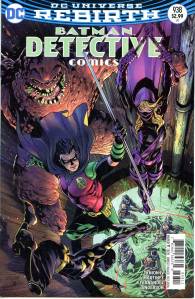
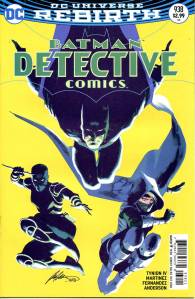
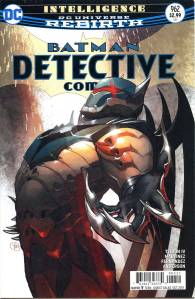
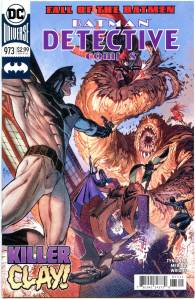
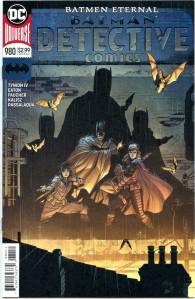
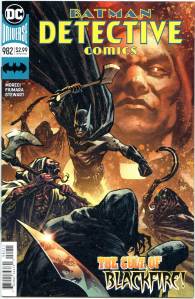
Detective Comics #1 vol. 2 (Nov. 2011) is the relaunch of Detective Comics. Story by Tony Daniel; art by Tony Daniel and Ryan Winn. The first issue of the relaunched Detective Comics has received six printings, second only to the relaunched Justice League which had seven printings.The series seventh issue was also DC Comic’s sixth highest selling digital comic, ranking above many other series in the Batman category. Scott West of Sciencefiction.com gave the series’ third arc a positive review, stating that “After last month’s disappointing ‘Night of the Owls’ tie-in issue, it’s nice to see ‘Detective Comics’ getting back to where it should be… good detective stories.” The relaunched Detective Comics received the award for “Best Series” at the 2012 Stan Lee Awards. The series’ first collected edition would reach the number one spot on The New York Times Best Seller list in the category of “Hardcover Graphic Books”.

Lobo: The Last Czarnian (1990)

Lobo was introduced as a regular character in Keith Giffen and Roger Slifer’s Green Lantern and Teen Titans spin-off Omega Men. At that time, he was a Velorpian whose entire race had been exterminated by Psions and was partnered with Bedlam, whom he later killed; his origin was later retconned.

After a well-received appearance in Justice League International, Lobo became a regular character in L.E.G.I.O.N. and its successor series R.E.B.E.L.S..

In 1990, he appeared in his four-issue own miniseries, Lobo: The Last Czarnian, plotted by Giffen, written by Alan Grant and with art by Simon Bisley, which changed his origin story: he became the last Czarnian after violently killing every other member of the species. That miniseries led to many subsequent miniseries and specials.

Crisis on Infinite Earths (1985)

Crisis on Infinite Earths was published by DC Comics from 1985 to 1986, consisting of an eponymous 12-issue, limited series comic book and a number of tie-in books. It was produced by DC Comics to simplify its then-50-year-old continuity. The series was written by Marv Wolfman and illustrated by George Pérez (pencils and layouts), Mike DeCarlo, Dick Giordano and Jerry Ordway (inking and embellishing). The series removed the multiverse concept from the fictional DC Universe, depicting the death of long-standing characters Supergirl and the Barry Allen incarnation of the Flash. Continuity in the DC Universe is divided into pre-Crisis and post-Crisis periods. The Flash was later reborn.
The series’ title was inspired by earlier multiverse crossover stories of parallel Earths, such as “Crisis on Earth-Two” and “Crisis on Earth-Three“, and involves almost every significant character in every parallel universe of DC Comics history. It inspired the titles of three DC crossover series: Zero Hour: Crisis in Time! (1994), Infinite Crisis (2005–2006), and Final Crisis(2008).

Swamp Thing (1970’s)

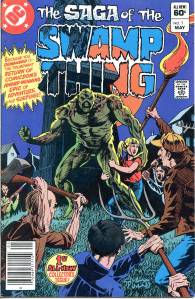
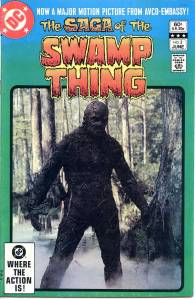
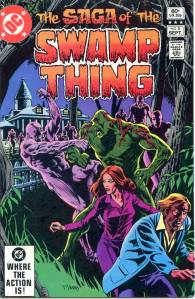
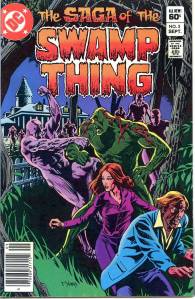
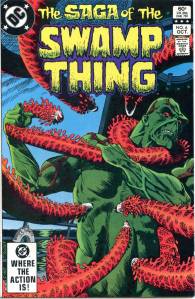
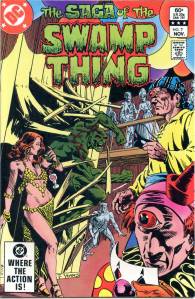
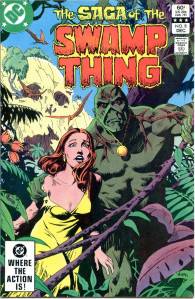
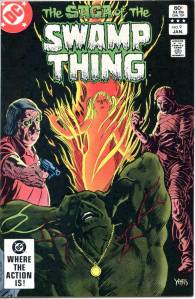
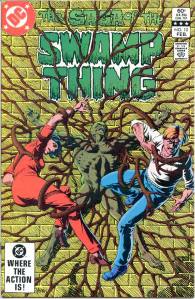
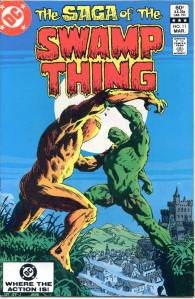
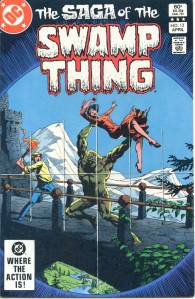
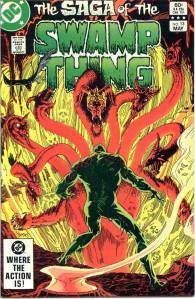
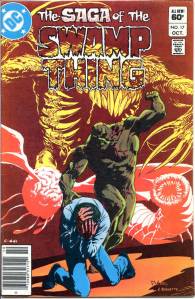
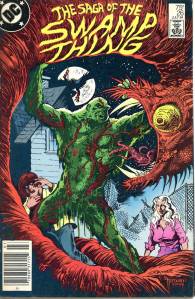
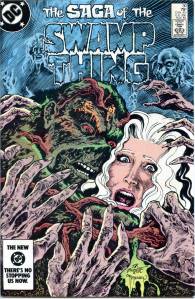
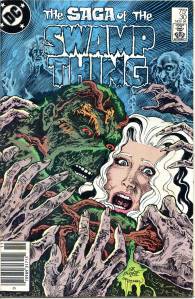
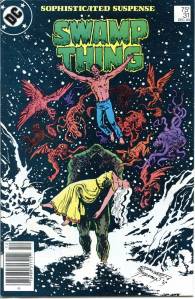
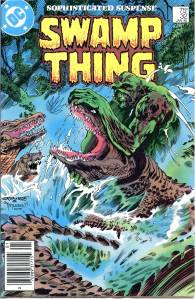
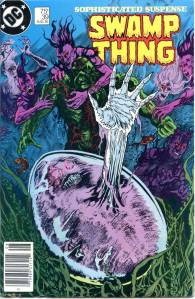
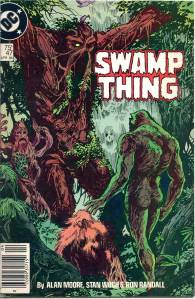
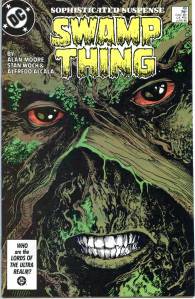
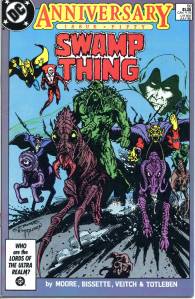
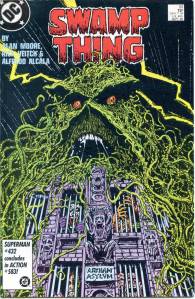
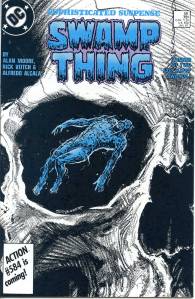
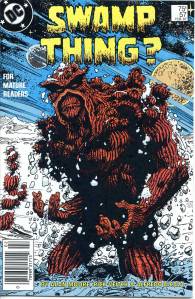
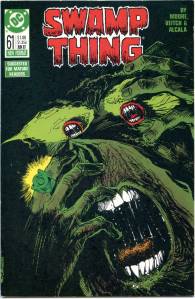
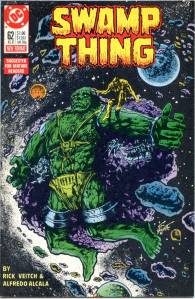
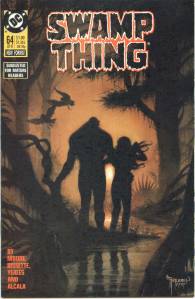
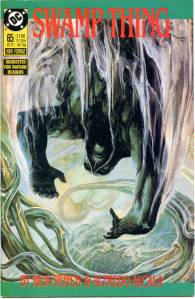
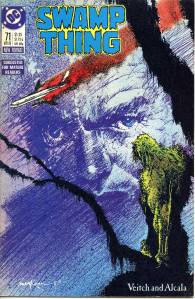
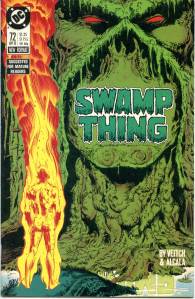
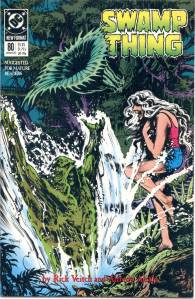
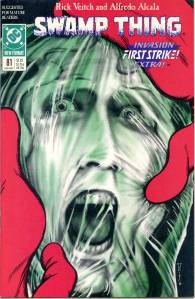
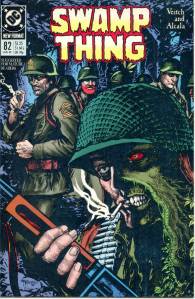
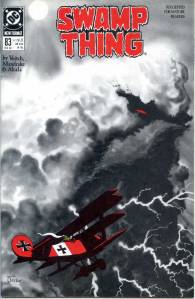
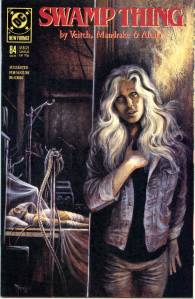
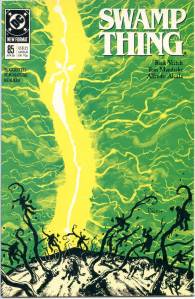
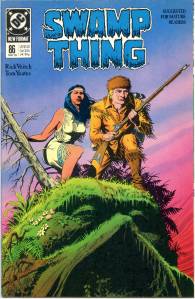
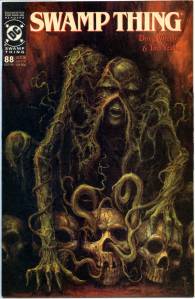
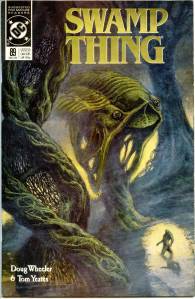
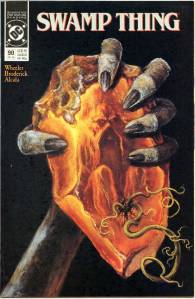
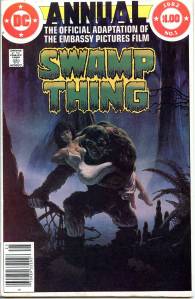
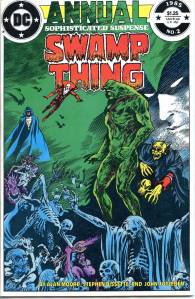
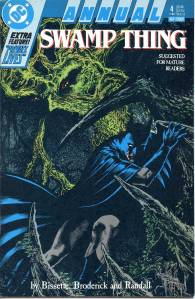
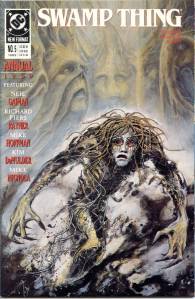
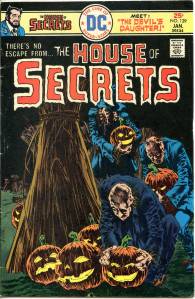
The Swamp Thing character first appeared in House of Secrets #92 (June–July 1971). After the success of the short story in the House of Secrets comic, the original creators were asked to write an ongoing series, depicting a more heroic, more contemporary creature. InSwamp Thing #1 (October–November 1972) Wein and Wrightson updated the time frame to the 1970s and featured a new version character: Alec Holland, a scientist working in the Louisiana swamps on a secret bio-restorative formula “that can make forests out of deserts”. Holland is killed by a bomb planted by agents of the mysterious Mr. E (Nathan Ellery), who wants the formula. Splashed with burning chemicals in the massive fire, Holland runs from the lab and falls into the muck-filled swamp, after which a creature resembling a humanoid plant appears. Roy Thomas and Gerry Conway, who co-created Man-Thing for Marvel Comics a year and a half earlier, thought that this origin was too similar to that of their character, and Wein himself had written a Man-Thing story that was published with a June 1972 cover date, but he refused to change the origin in spite of some cajoling by Conway, who was his roommate at the time. Marvel, however, never took the issue to court, realizing the similarity of both characters to The Heap.

Adventure Comics (Silver Age)

Adventure Comics was published by DC Comics from 1938 to 1983 and revived from 2009 to 2011. In its first era, the series ran for 503 issues (472 of those after the title changed from New Adventure Comics), making it the fifth-longest-running DC series, behind Detective Comics, Action Comics, Superman, and Batman. It was revived in 2009 by writer Geoff Johns with the Conner Kent incarnation of Superboy headlining the title’s main feature, and the Legion of Super-Heroes in the back-up story. It returned to its original numbering with #516 (September 2010). The series finally ended with #529 (October 2011), prior to DC’s The New 52 company reboot.

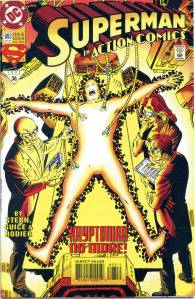
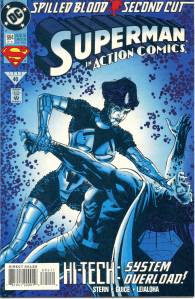
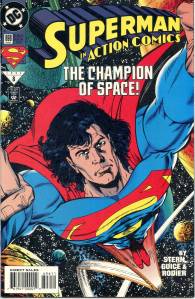
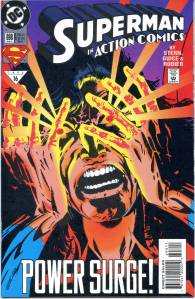
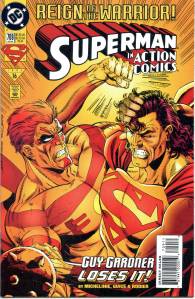
Action Comics (2020’s)

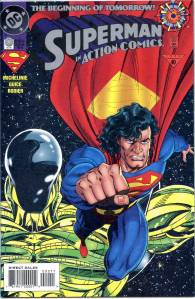
After learning of an enslaved race with mysterious ties to Krypton, Superman and the Authority leave earth and travel across the galaxy to liberate Warworld. Think it’s that simple? Think again.

With Superman captured on Warworld and banished to the lower catacombs, he’ll need to team up with other enslaved gladiators to turn the hordes of Warworld against their masters. As the Warworld Saga reaches a breaking point, battle lines are drawn between the two towering forces at odds: Mongul and Superman.

Which heroes will survive the conflict and what will be the fate of the citizens of Warworld?

Adventures of Superman (2000’s)

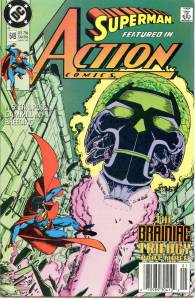
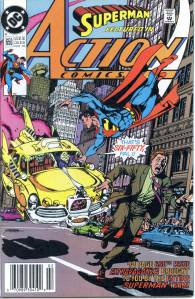
The Adventures of Superman was numbered from issue #424 (January 1987) to issue #649 (April 2006), for a total of 228 monthly issues including issue #0 (October 1994) published between issues #516 and #517 as a tie-in to the Zero Hour limited series and issue #1,000,000 (November 1998) as a tie-in to the DC One Million limited series and nine Annuals published between 1987 and 1997.

As of the start of 2002, the integration between the Superman titles became less frequent, and the remaining issues of The Adventures of Superman commonly carried self-contained stories. Issue #600 (March 2002) was a double-sized special featuring Superman combating Lex Luthor.The final issue (#649) was part of a three-part crossover with Superman and Action Comics, an homage to the Earth-2 Superman in the wake of events in the limited series Infinite Crisis.

For its last two years, The Adventures of Superman was written by Greg Rucka. His stories included the villain Ruin, the attempted assassination of Lois Lane and a number of Mister Mxyzptlk appearances.

Batman V3: Rebirth (2016)

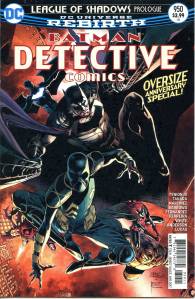
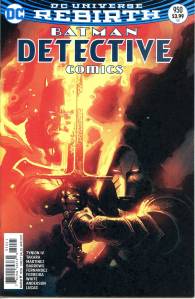
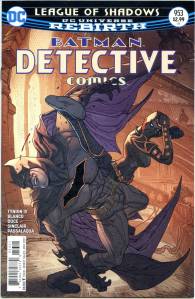
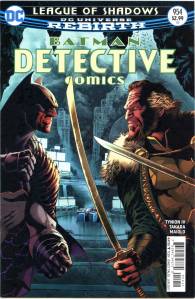
In June 2016, the DC Rebirth event relaunched DC Comics’ entire line of comic book titles. Batman was rebooted as starting with a one-shot issue entitled Batman: Rebirth #1 (August 2016). The series then began shipping twice-monthly as a third volume, starting with Batman vol. 3, #1 (August 2016). The third volume of Batman was written by Tom King, and artwork was provided by David Finch and Mikel Janín. The Batman series introduced two vigilantes, Gotham and Gotham Girl.

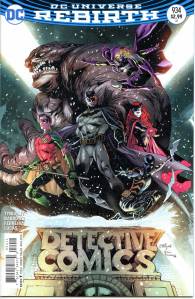
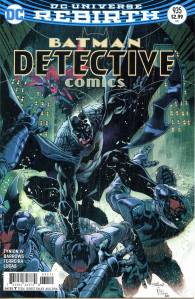
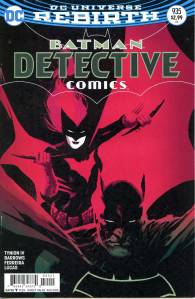
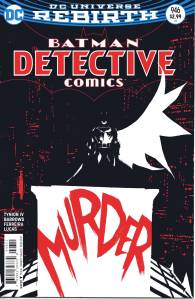
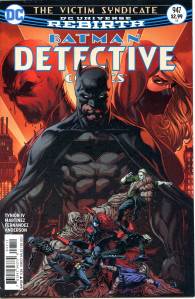
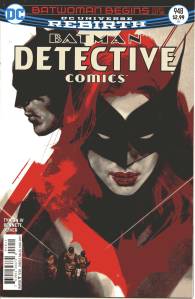
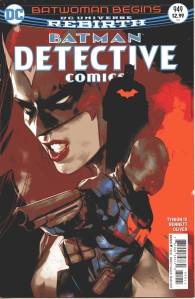
DC Comics ended the Rebirth branding in December 2017, opting to include everything under a larger “DC Universe” banner and naming. The continuity established by Rebirth continues across DC’s comic book titles, including volume one of Detective Comics and the third volume of Batman.