The end of the spider-verse is coming! edge (‘ej) noun – 1. outermost limit of an object – 2. the sharp side of a blade. The leading edge of the Spider-Verse brought you Spider-Gwen and Peni Parker. This final edge will introduce you to some of the most important characters in the future of the Spider-Verse…but it will also slice the final strand of the web.
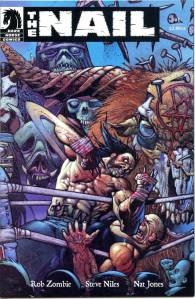
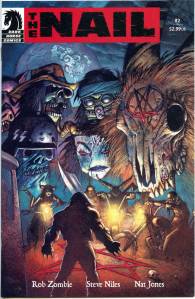
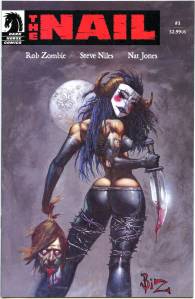
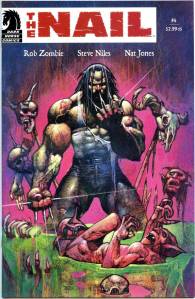
Musician, Rob Zombie has also done work with comic books, having numerous series available. His Spookshow International series launched in November 2003, and went on to produce nine editions, with the last coming out in July 2004. His second series, The Nail, spawned four issues between June and October 2004, while his Bigfoot series lasted from February to May 2005, spawning four issues. The Devil’s Rejects was a set of comics based after Zombie’s film of the same name, while The Haunted World of El Superbeasto would later be turned into Zombie’s first animated film. Zombie’s seventh and latest series, Whatever Happened to Baron Von Shock? spawned four issues in 2010.
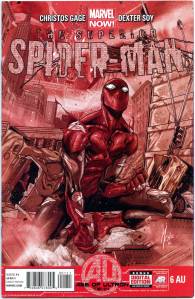
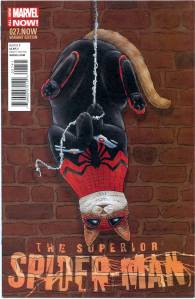
The series was written by Dan Slott with artwork by Ryan Stegman, Humberto Ramos, and Giuseppe Camuncoli. The storyline sees a dying Otto Octavius swapping bodies with Peter Parker and allowing Parker to die in his body. However, he later learns about responsibility and redeems himself. Adopting the alias “Superior Spider-Man”, he becomes a superhero and is determined to prove himself as a better Spider-Man than Parker ever was, and a better man than Octavius.
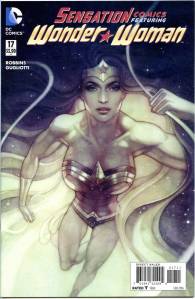
DC Comics revived the Sensation Comics series in August 2014 as a “Digital First” series featuring Wonder Woman. The print edition debuted with an October 2014 cover date. This series was cancelled in December 2015. The final issue was #17 (cover dated Feb. 2016).
Halo: Lone Wolf follows Spartan Linda-058 alone on a covert mission. Her skills in infiltration and marksmanship make her perfect for the high-stakes mission to end the threat posed by a wanted scientist on a distant planet. With only an ONI-assigned AI at her side, Linda must fight through both the dregs of the Covenant and the hostility of a lost human settlement to stop the rogue scientist in his tracks.
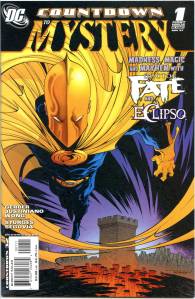
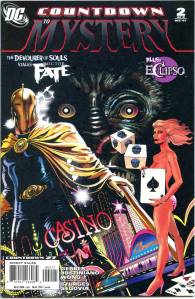
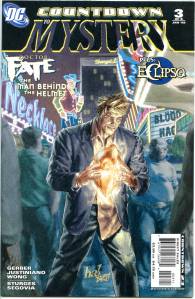
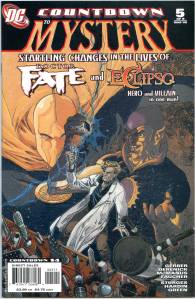
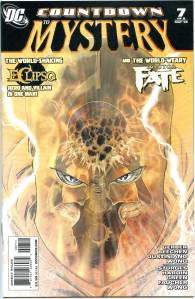
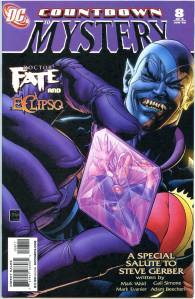
Countdown to Mystery is an eight-issue limited series published from November 2007 to June 2008. The series is a dual feature, with two separate stories. One story focuses on Dr. Kent V. Nelson, the new Doctor Fate, while the other focuses on the actions of Eclipso, and the new Spectre, Crispus Allen.
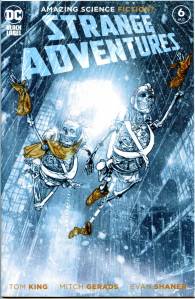
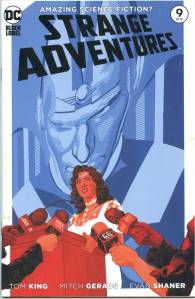
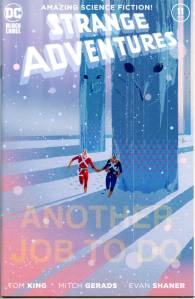
This new science fiction epic written by bestselling author Tom King reinvents one of DC’s classic adventure characters, Adam Strange. Born on Earth and hero of the distant planet Rann, Adam Strange is famous throughout the galaxy for his bravery and honor. After leading his adopted home to victory in a great planetary war, Adam and his wife, Alanna, retire to Earth, where they are greeted with cheers, awards, and parades. But not all is as it seems, as the decisions Adam made during battles on Rann come back to haunt his family. It will take an investigation by one of the most brilliant heroes in the DC Universe, Mr. Terrific, to uncover the truth and reveal whether Adam Strange is a hero or a disgrace.
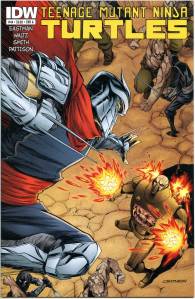
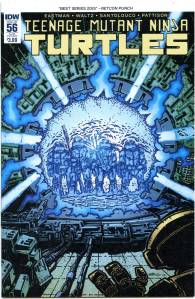
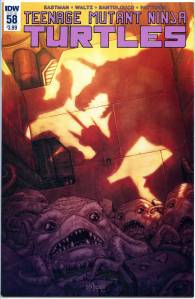
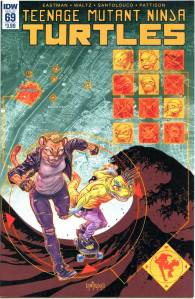
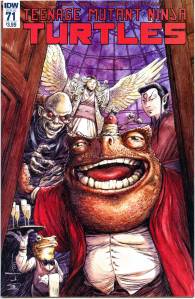
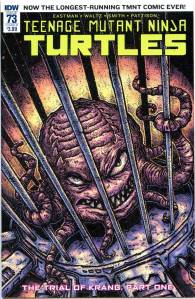
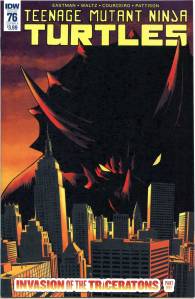
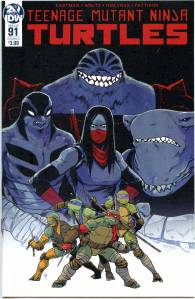
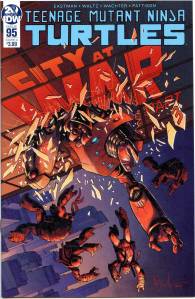
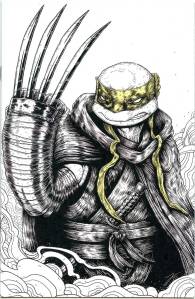
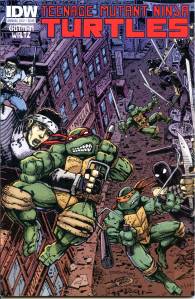
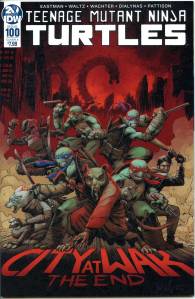
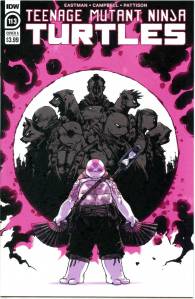
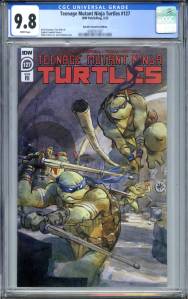
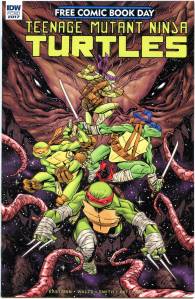
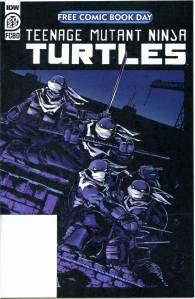
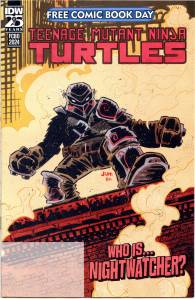
In April 2011, IDW Publishing announced that they had acquired the license to publish new collections of Mirage storylines and a new ongoing series. The first issue of the new series was released on August 24, 2011. Turtles co-creator Kevin Eastman and Tom Waltz write, with Eastman and Dan Duncan providing art.
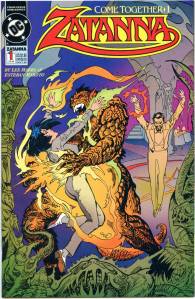
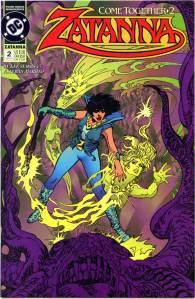
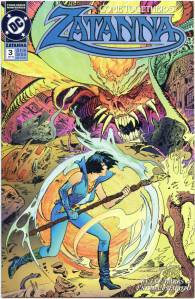
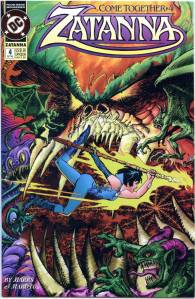
A 4 part mini-series from writer Lee Marrs and illustrated by Spanish artist Esteban Maroto. The series introduced a new costume for Zatanna which she briefly wore during the 1990’s. Zatanna is constantly haunted by bad dreams of her mother, pleading for help and she wonders if the dreams have any connection with her decision to stop using magic and start living as a regular person.
Left on a small town orphanage’s doorstep, Huck was raised and cared for in the orphanage he was dropped off. Quiet, a slow learner, yet humble and gentle, Huck uses his special abilities to do a good deed everyday. In return, the people he has helped keeps his abilities a secret.