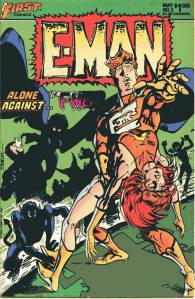
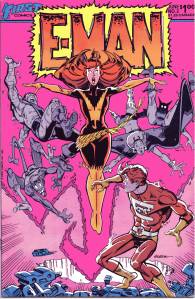
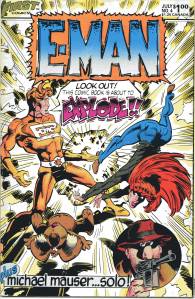
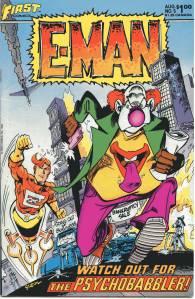
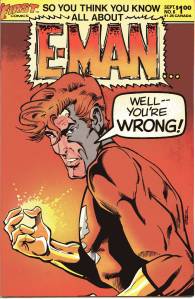
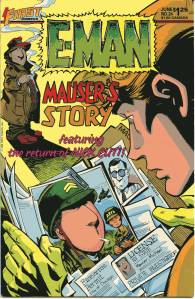
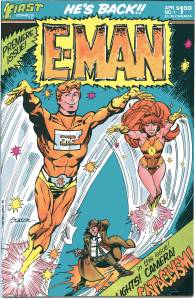
E-Man (1983) First Comics

When Staton became art director at First Comics, the publisher acquired the rights to the character from Charlton and launched a series. Cuti was asked to write the title, but his obligations to DC Comics prevented him from accepting. The series was initially written by Martin Pasko, who had previously worked with Staton on Plastic Man and Metal Men. After Pasko’s run, Staton and Paul Kupperberg wrote the series until Cuti took over as writer with issue #24.

As a direct-market publisher not distributed to newsstands, the First series was not obligated to seek Comics Code Authority approval and could address more mature topics than Code-approved comics. Where the Charlton series featured broad whimsical themes, the First Comics series engaged in more specific satire directed at targets including the X-Men, Steven Spielberg, and Scientology.

The first 10 issues each contained a one-page parody of the Hostess snack advertisements that ran in comics through the 1970s and 1980s. These parodies were written and drawn by different creators and featured characters from across the independent comics industry.
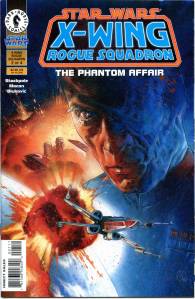
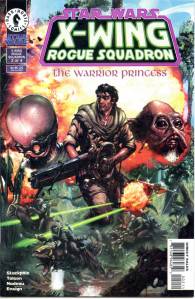
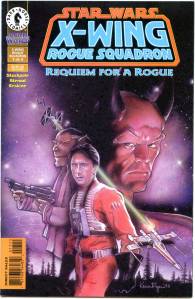
Star Wars: Rogue Squadron (1995)

Star Wars: X-Wing: Rogue Squadron is a series of comics published by Dark Horse Comics. The first issue came out on July 1, 1995. It was originally intended to be just the first three story-arcs, but ended up running for 35 issues.

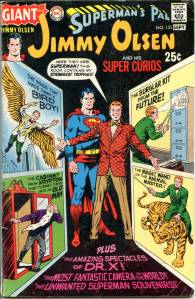
Superman’s Pal Jimmy Olsen (1970’s)

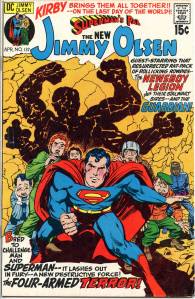
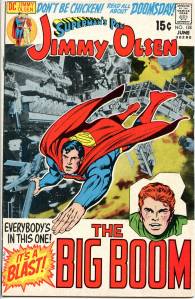
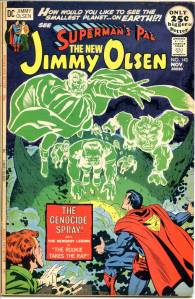
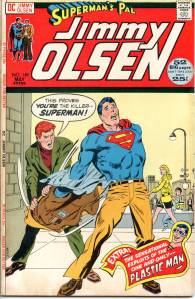
Superman’s Pal, Jimmy Olsen is a series published by DC Comics from September–October 1954 until March 1974, spanning a total of 163 issues. Featuring the adventures of Superman supporting character Jimmy Olsen, it contains stories often of humorous nature.

The 1952 television series Adventures of Superman co-starred actor Jack Larson, who appeared regularly as Jimmy Olsen. Largely because of the popularity of Larson and his portrayal of the character, National Comics Publications (DC Comics) decided to create a regular title featuring Jimmy as the leading character. Curt Swan was the main artist on the series for its first decade.

Many of the issues include Jimmy undergoing a transformation of some form.

Carnage (2015)

Cletus Kasady has renewed his killing spree, and the FBI is following the trail of bodies. They think they’re ready: They have the latest sonic tech, and a specialist team including military hero/astronaut John Jameson and a reformed Eddie Brock! And when they pursue Carnage into an abandoned coal mine, the trap is set — but is it for him, or for them?

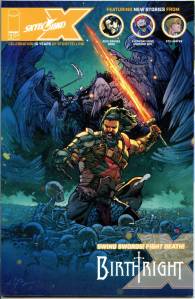
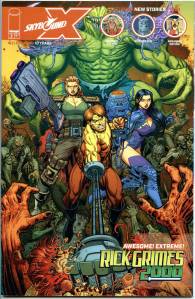
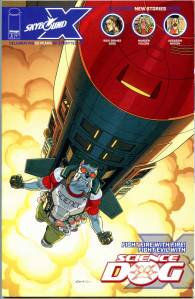
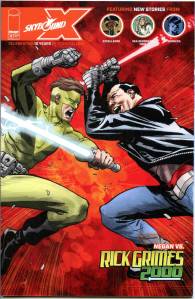
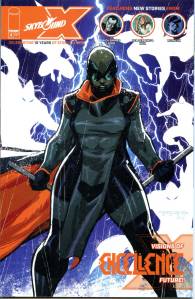
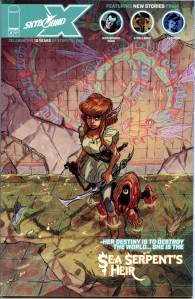
Skybound X (2021)

Celebrate a sensational 10 years of Skybound with a cavalcade of your favorite creators and all-new stories of your favorite series past, present, and future! Each issue of this oversized, weekly series will kick off with a new chapter of a serialized The Walking Dead story – Rick Grimes 2000.

Also debuting all-new series and characters every issue, starting with the first appearance of the most requested Walking Dead character of all-time: Clementine, star of the bestselling Telltale’s The Walking Dead video game series!

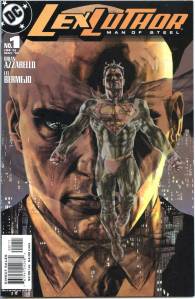
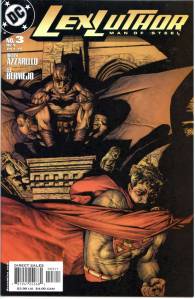
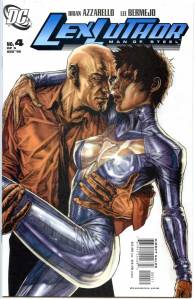
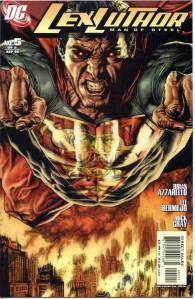
Lex Luthor: Man of Steel (2005)

Lex Luthor: Man of Steel (later collected as simply Luthor) is a five-issue monthly limited series written by Brian Azzarello and illustrated by Lee Bermejo, which features Superman‘s nemesis Lex Luthor as the protagonist.

It explores Luthor’s motivations behind being a constant foe to the Man of Steel inside a city that has largely embraced him. Luthor views Superman as a demigod who looks down on humanity and believes that in order to “save” the human race from extraterrestrial threats, Superman must be stopped.

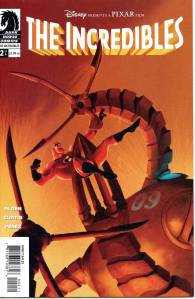
The Incredibles (2004)

Based on the smash cinematic blockbuster, this graphic novelization recounts the reawakening of dormant heroism that has seemingly been stifled by social conformity and lowered mid-life expectations. Bob Parr, his wife Helen, daughter Violet, son Dash, and baby Jack-Jack grapple with the banality of a comfortable suburban existence and yearn to reaffirm their individuality by expressing their unique “super”-powers.

Unlike most movie adaptations, this succeeds in both being faithful to and expanding the original plotline. It helps when the artist is a Pixar storyboarder and the writer is the film’s director. Serving up high quality art and narrative, this tale lives up to expectations.

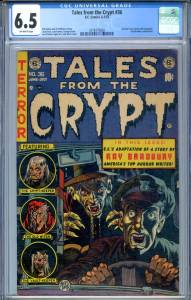
Tales from the Crypt (1950)

Tales from the Crypt was an American bi-monthly horror comic anthology series published by EC Comics from 1950 to 1955, producing 27 issues (the first issue with the title was #20, previously having been International Comics (#1–5); International Crime Patrol (#6); Crime Patrol (#7–16) and The Crypt of Terror (#17–19) for a total of 46 issues in the series). Along with its sister titles, The Haunt of Fear and The Vault of Horror, Tales from the Crypt was popular, but in the late 1940s and early 1950s comic books came under attack from parents, clergymen, schoolteachers and others who believed the books contributed to illiteracy and juvenile delinquency. In April and June 1954, highly publicized congressional subcommittee hearings on the effects of comic books upon children left the industry shaken. With the subsequent imposition of a highly restrictive Comics Code, EC Comics publisher Bill Gaines cancelled Tales from the Crypt and its two companion horror titles, along with the company’s remaining crime and science fiction series in September 1954.
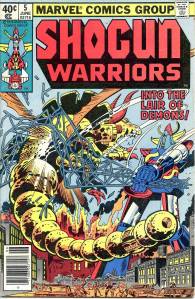
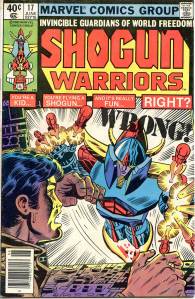
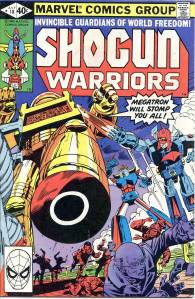
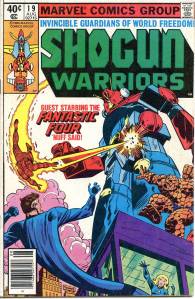
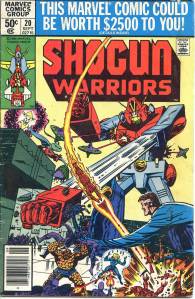
Shogun Warriors (1979)

The Shogun Warriors characters were licensed by Marvel Comics to create a comic book series written by Doug Moench and drawn by Herb Trimpe. The series was composed of 20 issues that were published from February 1979 to September 1980. In the comic book series, the Shogun Warriors were created by a mysterious group called the Followers of the Light, and human operators were chosen from all around the world to operate the massive robots in order to battle evil.

The Creech: Out for Blood (2001)

The new series picks up right where the original left off when reporter Chris Rafferty sees Agency Director Dross on TV. Rafferty is certain he saw Dross fatally impaled during the heated battle with the aliens where the Creech sacrificed himself. Now, if Dross is alive, Rafferty questions if anything he remembers actually happened at all.

Dross, who has mysteriously returned from the dead, finds himself in deep trouble for having allowed his genetic engineering program to spin so far out of control. The disappearance of the Creech seems be the triggering event leading to an intergalactic war between two alien races.