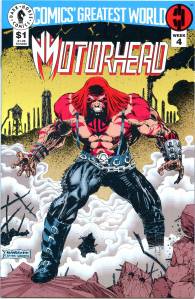
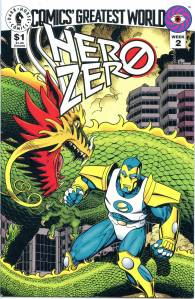
Comics’ Greatest World was created by Team CGW. Originally conceived in 1990, it took three years for the line to be released, which led to an industry-wide perception that it was created to capitalize on the speculator mania of the early 1990s. When the mania ended, most of the titles were canceled. Ghost, one of the imprint’s more unorthodox titles, managed to survive the longest. It was canceled twice, first in early 1998, before being revived later that year and canceled again after a run of just less than two years.
All Comics’ Greatest World titles took place in a shared universe. Most of the action centered on four cities in a slightly skewed version of America: Arcadia, Golden City, Steel Harbor, and the Cinnibar Flats area of Nevada, home of an interdimensional rift called the “Vortex”.
The series started off with a story in Dark Horse Comics before kicking off in four weekly limited series, introducing the cities and characters. These were followed by several short-lived series, one-shots, and mini-series. Only a few titles lasted very long.
Around April 1995, the imprint was renamed “Dark Horse Heroes”. With the name change, the use of the city logos was also dropped.
Comics Greatest World – Arcadia NM $8
Comics Greatest World – Cinnabar Flats NM $8
Comics Greatest World – Golden City NM $8
Comics Greatest World – Steel Harbor NM $8
Comics’ Greatest World Arcadia Week #1 X Limited Edition NM $6
Comics’ Greatest World Arcadia Week #1 X NM $4
Comics’ Greatest World Arcadia Week #2 Pit Bulls NM $2
Comics’ Greatest World Arcadia Week #3 Ghost NM $3
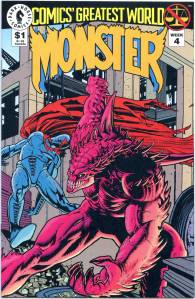
Comics’ Greatest World Arcadia Week #4 Monster NM $2
Comics Greatest World Golden City Week #1 Rebel Limited Edition NM $6
Comics Greatest World Golden City Week #1 Rebel NM $2
Comics Greatest World Golden City Week #2 Mecha NM $2
Comics Greatest World Golden City Week #3 Titan NM $2
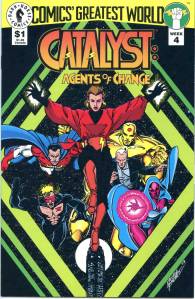
Comics Greatest World Golden City Week #4 Catalyst NM $2
The first Marvel Tales was the direct continuation of the superhero anthology Marvel Mystery Comics, published by Marvel Comics‘ initial iteration, Timely Comics. This series ran through issue #92 (cover-dated June 1949). Beginning with issue #93 (Aug. 1949), it became Marvel Tales, an anthology of horror, fantasy, and science fiction stories. The bulk of this series was published under the company name Atlas Comics.
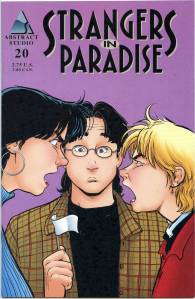
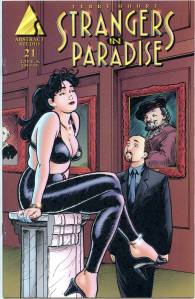
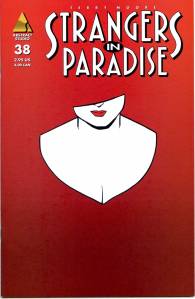
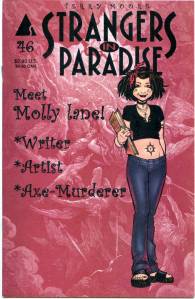
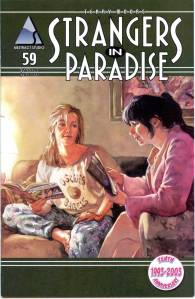
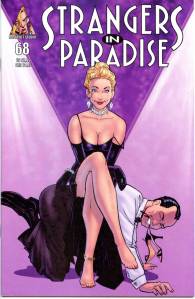
Strangers in Paradise is the entertaining and poignant look at the relationship of two young women and the twists and turns that life throws at them. Francine and Katchoo are high-school best friends who are reunited when Francine comes back to town after years away from her hometown. David is their new friend entangled in their complicated lives. From creepy ex-boyfriends and insensitive bosses to the reality of AIDS and underworld prostitution, you never know what will come up next – but you can always count on laughing and crying at the same time.
The second Grendel anthology, in the tradition of the multiple Eisner Award-winning Grendel: Black, White, & Red. Each written by the Devil’s acclaimed creator, Matt Wagner, these short stories are vignettes of the devious misdeeds of Hunter Rose, the first incarnation of Grendel. The tales are illustrated in stark black, white, and blood red by some of the top talents in comics, including Zander Cannon, Andy Kuhn, Ashley Wood, Tom Fowler, Mike Huddleston, Cliff Chiang, John K. Snyder, and more.
Batman: The Killing Joke is a 1988 DC Comicsone-shotgraphic novel featuring the characters Batman and the Joker written by Alan Moore and illustrated by Brian Bolland. The Killing Joke provides an origin story for the supervillain the Joker, loosely adapted from the 1951 story “The Man Behind the Red Hood!“, which was written by Batman co-creator Bill Finger. The Joker’s origin is presented via flashback, while simultaneously depicting his attempt to drive Jim Gordon insane and Batman’s desperate attempt to stop him.
Created by Moore, Bolland, and Higgins as their own take on the Joker’s source and psychology, the story became famous for its origin of the Joker as a tragic character; a family man and failed comedian who suffered “one bad day” that finally drove him insane. Moore stated that he attempted to show the similarities and contrasts between Batman and the Joker. The story’s effects on the mainstream Batman continuity also included the shooting and paralysis of Barbara Gordon (a.k.a. Batgirl), an event that eventually leads her to develop the identity of Oracle, secret data broker for the DC Universe‘s superhero community and leader of the superhero team Birds of Prey.
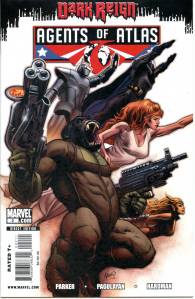
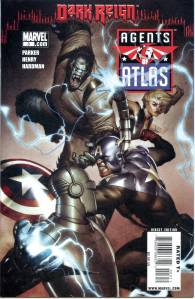
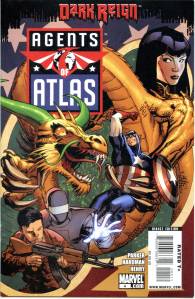
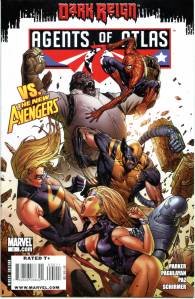
The heroes of the 1950s are back with big plans for the 21st Century! When Federal enforcers under the hand of Norman Osborn burst into an armory under the control of the Atlas Foundation, Jimmy Woo’s Agents go head-to-head with the new powers that be. How it all goes down will make the playing field of the modern Marvel Universe more volatile than ever!
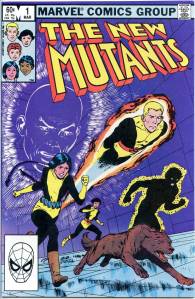
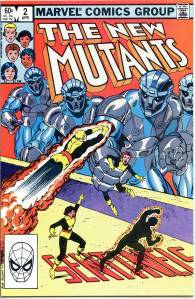
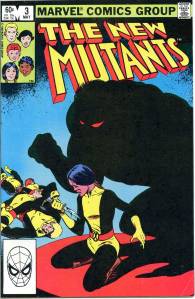
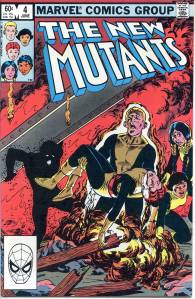
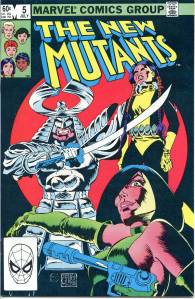
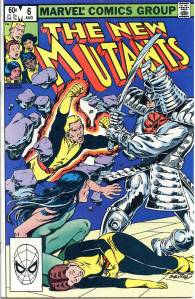
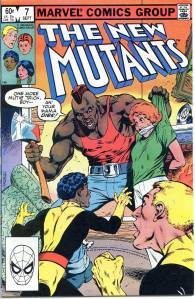
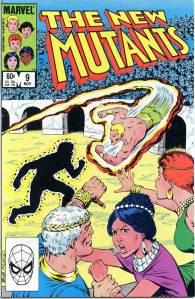
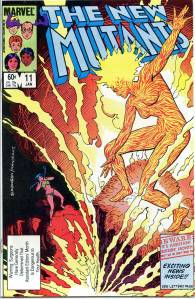
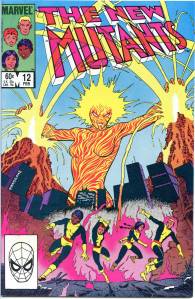
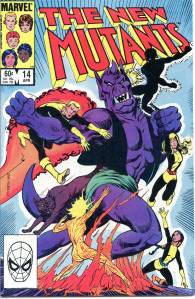
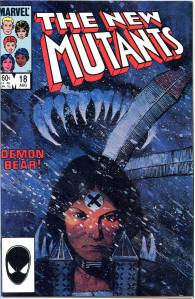
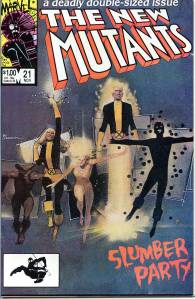
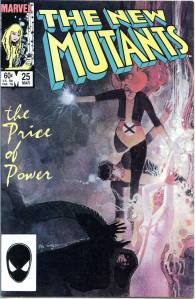
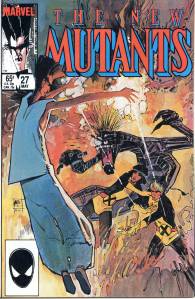
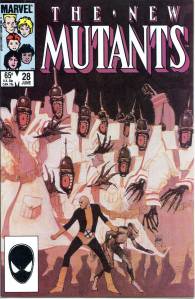
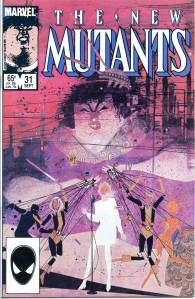
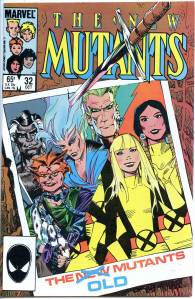
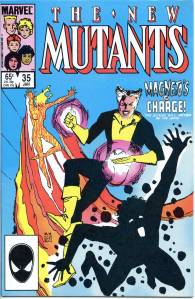
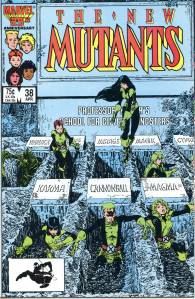
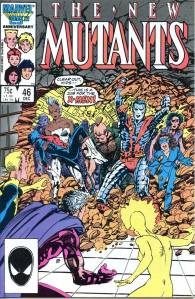
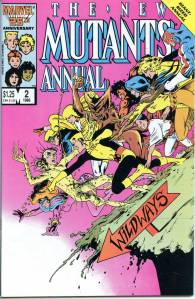
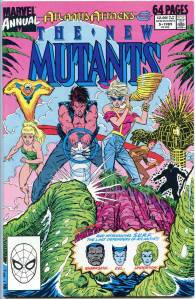
The first team of New Mutants characters was created by Chris Claremont and artist Bob McLeod. They first appeared in 1982’s Marvel Graphic Novel #4 and are subsequently featured in their own title from 1983 until 1991. Like its parent title, The New Mutants highlighted interpersonal and group conflict as well as action and adventure, and featured a large ensemble cast, including the introduction of cult figure Deadpool. With the end of the first series, the characters were relaunched as X-Force in a new, eponymous series.
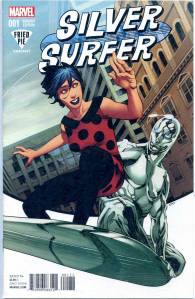
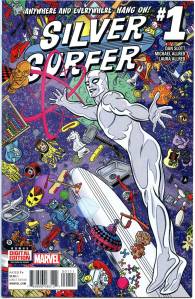
“Fantastic Planet”. The Surfer has taken Dawn Greenwood to the end of the universe, and now he’s going to show her the most fantastic planet of them all: Earth! It’s your homeworld like you’ve never seen it before: with monsters, magic and…a secret that will change everything!
The title series began with Chuck Dixon’s one shot Black Canary/Oracle: Birds of Prey (cover date 1996 / published December 1995). Initially, the two heroines featured were Barbara Gordon (formerly “Batgirl“) and Dinah Lance (currently “Black Canary”). From the beginning, Canary was written as passionate and idealistic. In an interview with Comics Bulletin, Dixon described this choice as a fertile clash of values: “Dinah’s more idealistic approach is at the heart of this book.