The series was initially a 96-page quarterly anthology, featuring various DC characters – always including Superman and Batman – in separate stories. Comics historian Les Daniels noted that “pairing Superman and Batman made sense financially, since the two were DC’s most popular heroes”. When superheroes fell out of vogue in the early 1950s, DC shortened the size of the publication to that of the rest of its output, leaving only enough space for one story; this led to Superman and Batman appearing in the same story together starting with World’s Finest Comics #71 (July 1954). The title often depicted Batman gaining superpowers as a way to avoid having him be overshadowed by Superman.Lex Luthor and the Joker first joined forces in issue #88 (June 1957).
Worlds Finest #79 CGC Pedigree 7.0 Off White Pages $689
After Bruce Banner’s death during Civil War II and subsequent resurrection during the events of Avengers: No Surrender, the Devil Hulk suppressed the rest of Banner’s personalities and became the “dominant” Hulk. Now calling themselves the “Immortal Hulk”—due to it manifesting at night even if Banner is killed during the day and apparently unable to be killed itself—the collective personalities reveal during a conversation with Doc Samson that the Immortal Hulk actually embodies Banner’s desire for a protective father figure, and that Banner’s inability to “imagine love without pain” is why he had previously perceived it as being a malevolent, Sadistic entity.
Immortal Hulk #0 NM $5
Immortal Hulk #23 NM $4
Immortal Hulk #32 NM $4
Immortal Hulk #33 NM $6
Immortal Hulk #35 NM $5
Immortal Hulk #37 NM $4
Immortal Hulk #38 NM $4
Immortal Hulk #39 NM $4
Immortal Hulk #43 NM $4
Immortal Hulk #48 NM $4
Immortal Hulk #50 Marvel Masterpiece Variant NM $9
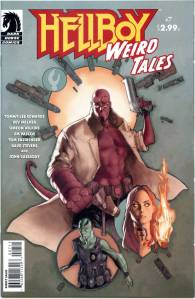
Hellboy: Weird Tales is a Dark Horse Comics bimonthly eight-issue limited series that offered a variety of guest writers and artists the chance to give their own take on the Hellboy characters created by Mike Mignola whilst he was in Prague working on the first Hellboy movie. The issues were published bi-monthly to alternate with a series of B.P.R.D. one-shots and were collected in two trade paperback volumes.
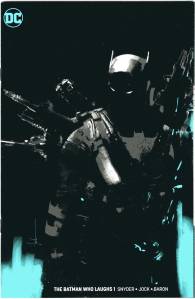
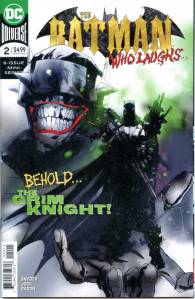
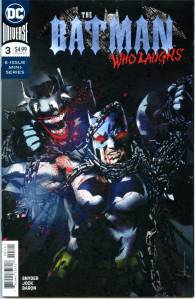
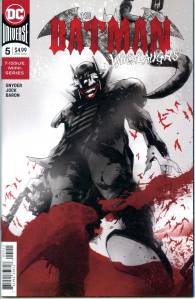
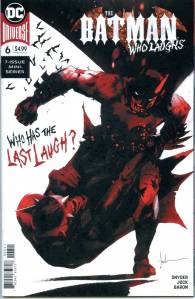
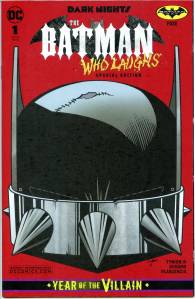
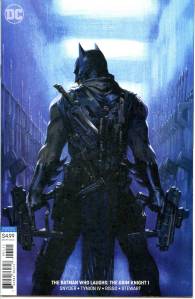
Left rattled by the events of DARK NIGHTS: METAL, Bruce Wayne must come face to face with the nightmares spawned from the Dark Multiverse. But even though evil devoured evil in the collapse of Challengers Mountain, the Dark Knight still has his doubts. He discovers that the Batman Who Laughs not only survived the fight with The Joker at the end of METAL, but now he is enacting a sinister plan across the Multiverse-something both terrifying and oddly familiar. But when Bruce Wayne realizes the only way to stop this madman is to kill him, he must consider violating the very rule Batman won’t break…the same rule that created this insatiable villain-the Batman Who Laughs!
The Batman Who Laughs V2 Jock Variant #1 NM $29
Batman Who Laughs #2 NM $5
Batman Who Laughs #3 NM $5
Batman Who Laughs #5 NM $5
Batman Who Laughs #6 NM $5
The Batman who Laughs – Special Edition #1 NM $5
The Batman Who Laughs – The Grim Knight #1 Variant NM $8
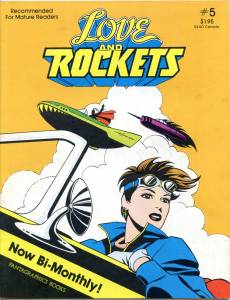
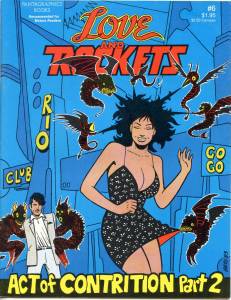
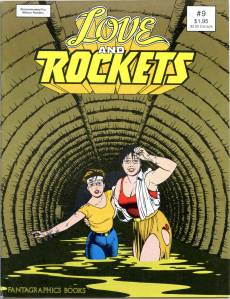
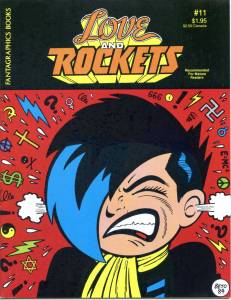
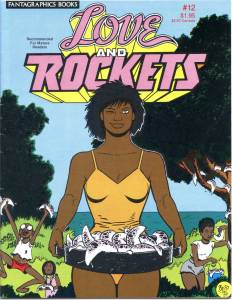
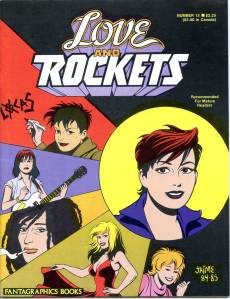
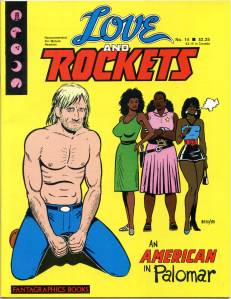
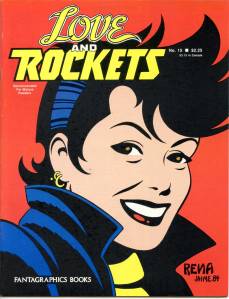
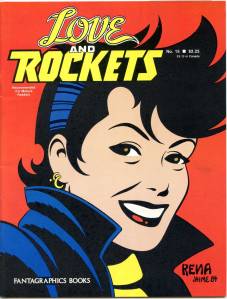
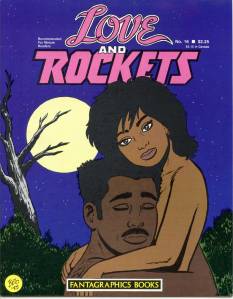
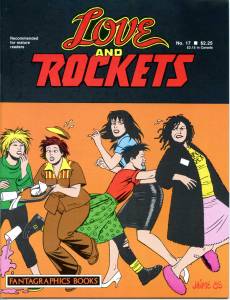
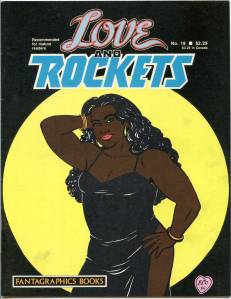
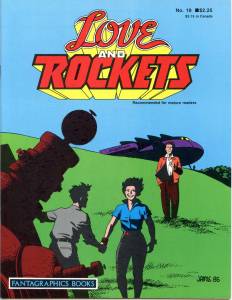
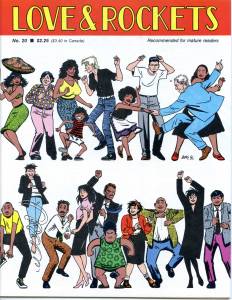
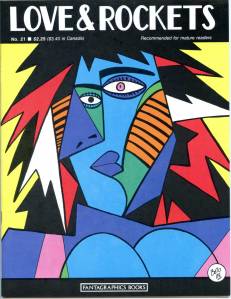
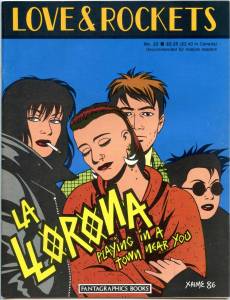
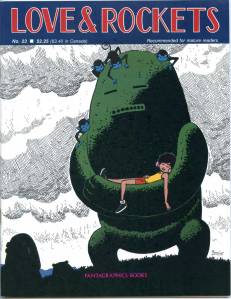
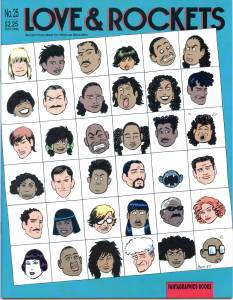
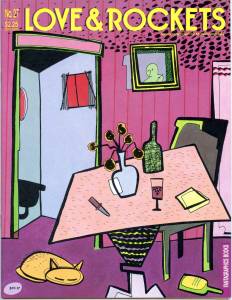
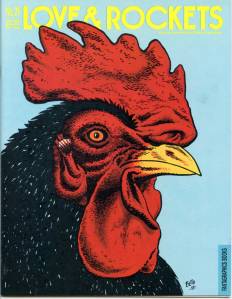
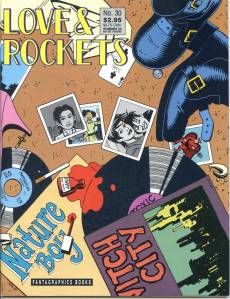
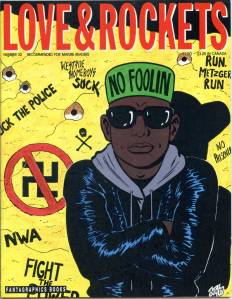
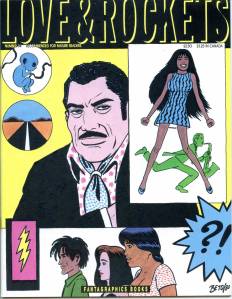
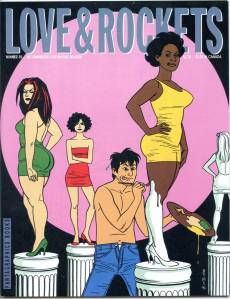
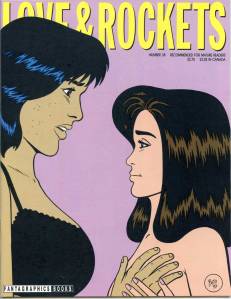
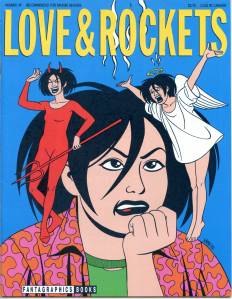
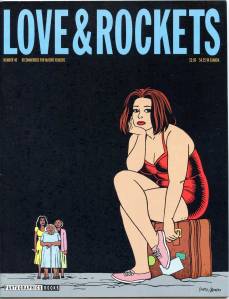
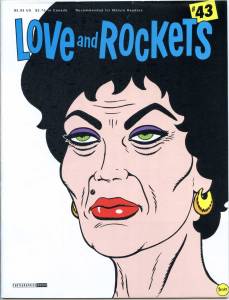
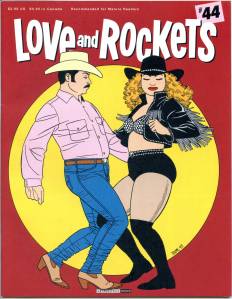
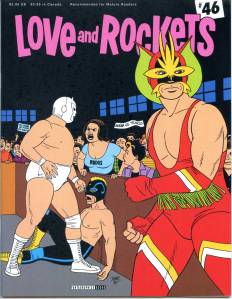
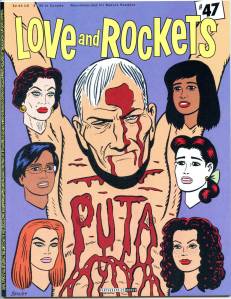
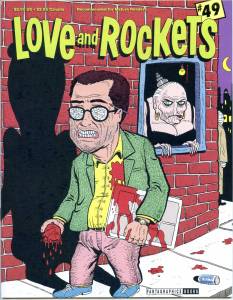
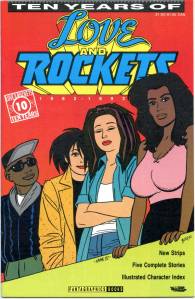
The Hernandez brothers self-published the first issue of Love and Rockets in 1981, but since 1982 it has been published by Fantagraphics Books. The magazine temporarily ceased publication in 1996 after the release of issue #50, while Gilbert and Jaime went on to do separate series involving many of the same characters. However, in 2001 Los Bros revived the series as Love and Rockets Volume 2.
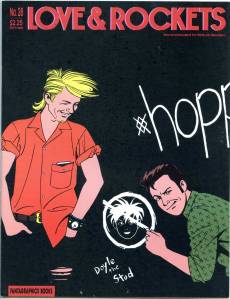
Love and Rockets contains several ongoing serial narratives, the most prominent being Gilbert’s Palomar stories and Jaime’s Hoppers 13(aka Locas) stories. It also contains one-offs, shorter stories, surrealist jokes, and more.
Palomar tells the story of a fictional village in Latin America and its inhabitants. Its vibrant characters and sometimes-fantastic events are sometimes compared to the magical realism literary style of authors such as Gabriel García Márquez. The series is also sometimes referred to as Heartbreak Soup, after the first story set in Palomar.
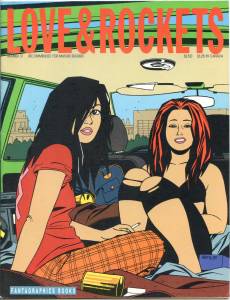
Hoppers 13 follows the tangled lives of a group of primarily chicano characters, from their teenage years in the early days of the California punk scene to the present day. (Hoppers, or Huerta, is a fictional city based on the Hernandezes’s home town of Oxnard, California.) The series is also often called Locas (Spanish for “crazy women”) because of the many quirky female characters depicted.
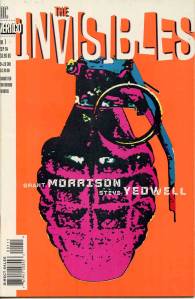
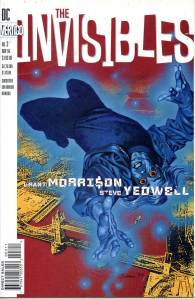
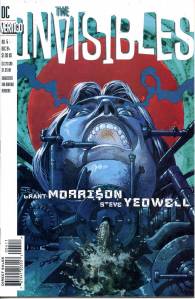
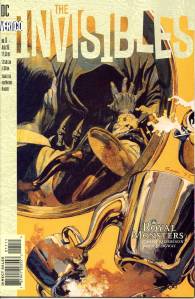
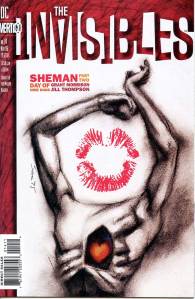
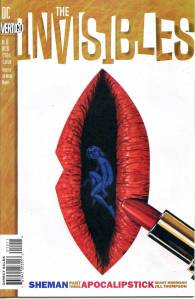
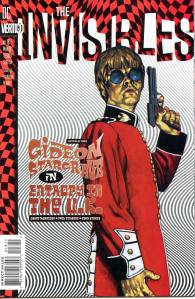
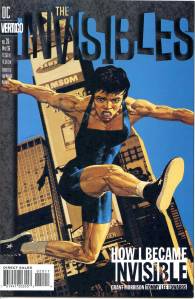
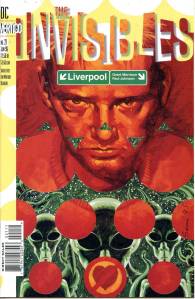
The Invisibles was created and scripted by Scottish writer Grant Morrison, and drawn by various artists throughout its publication.
The series loosely follows the doings of a single cell of The Invisible College, a secret organization battling against physical and psychic oppression using time travel, magic, meditation, and physical violence.
For most of the series, the team includes leader King Mob; Lord Fanny, a transgender Brazilianshaman; Boy, a former member of the NYPD; Ragged Robin, a telepath with a mysterious past; and Jack Frost, a young hooligan from Liverpool who may be the next Buddha. Their enemies are the Archons of the Outer Church, interdimensional alien gods who have already enslaved most of the human race without their knowledge.
Radiant Black launches into his first crossover event ever with the Image Comics debut of Inferno Girl Red and the first appearance of Rogue Sun! The future of Image’s superhero universe is here!
In 1994, Dark Horse Comics published a new series of Star Wars: Droids, continuing the story started in Dark Horse Comics Nos. 17–19. Set before the events of Star Wars: Episode IV – A New Hope, the mini-series ran for six issues. A Special No. 1 was released in January 1995, followed by a second mini-series that ran for eight issues. A one-shot titled Star Wars: Droids – The Protocol Offensive was published in September 1997.
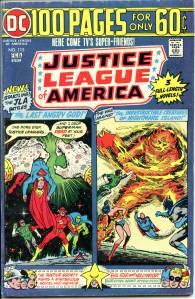
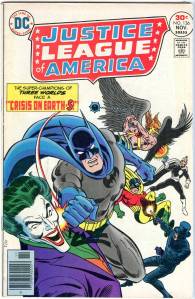
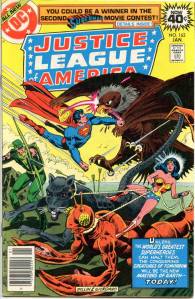
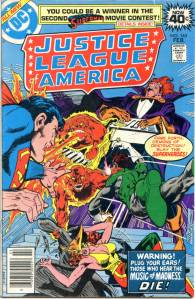
In need of a new secure headquarters, the Justice League moved into an orbiting satellite headquarters in Justice League of America #78 (February 1970). The Elongated Man, the Red Tornado, Hawkwoman, Zatanna, and Firestorm joined the team, and Wonder Woman returned during this period.
Len Wein wrote issues #100–114, in which he and Dillin re-introduced the Seven Soldiers of Victory in issues #100-102 and the Freedom Fighters in issues #107-108. In the fall of 1972, Wein and writers Gerry Conway and Steve Englehart crafted a metafiction an unofficial crossover spanning titles from both Marvel and DC. Each comic featured Englehart, Conway, and Wein, as well as Wein’s first wife Glynis, interacting with Marvel or DC characters at the Rutland Halloween Parade in Rutland, Vermont.
Beginning in Amazing Adventures #16 (by Englehart with art by Bob Brown and Frank McLaughlin), the story continued in Justice League of America #103 (by Wein, Dillin and Dick Giordano), and concluded in Thor #207 (by Conway and penciler John Buscema). As Englehart explained in 2010, “It certainly seemed like a radical concept and we knew that we had to be subtle (laughs) and each story had to stand on its own, but we really worked it out. It’s really worthwhile to read those stories back to back to back — it didn’t matter to us that one was at DC and two were at Marvel — I think it was us being creative, thinking what would be really cool to do.” Justice League of America #103 also featured the Justice League offering membership to the Phantom Stranger. Len Wein commented on the Phantom Stranger’s relationship with the JLA in a 2012 interview stating that the character “only sort of joined. He was offered membership but vanished, as per usual, without actually accepting the offer. Over the years, other writers have just assumed [he] was a member, but in my world, he never really said yes.” Libra, a supervillain created by Wein and Dillin in Justice League of America #111 (May–June 1974), would play a leading role in Grant Morrison‘s Final Crisisstoryline in 2008.
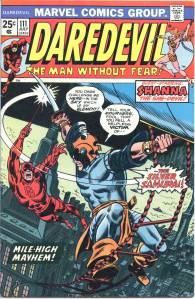
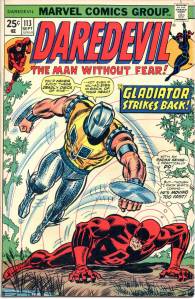
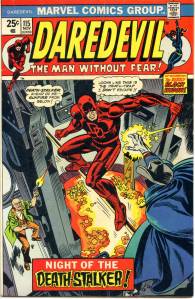
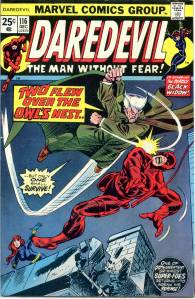
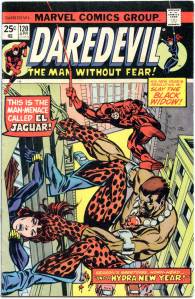
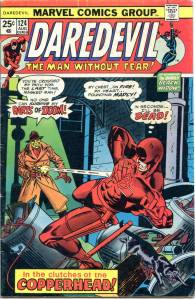
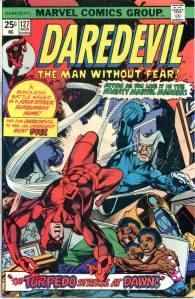
Gerry Conway took over as writer with issue #72, and turned the series in a pulp science fiction direction: a lengthy story arc centered on a robot from thousands of years in the future trying to change history. Even long-standing arch-villain the Owl was outfitted with futuristic weaponry and vehicles. Conway also moved Daredevil to San Francisco beginning with Daredevil #86, and simultaneously brought on the Black Widow as a co-star for the series. The Black Widow served as Daredevil’s crime-fighting ally as well as his love interest from issue #81–124 (Nov. 1971–Aug. 1975), of which #93-108 were titled Daredevil and the Black Widow.
In a story arc overlapping Wolfman, Shooter, and McKenzie’s runs on the series, Daredevil reveals his identity to Heather Glenn and becomes partially responsible for the suicide of her father; their relationship would persist but would prove increasingly harmful to both of them. Though the Black Widow returned for a dozen issues (#155–166) and attempted to rekindle her romance with Daredevil, he ultimately rejects her in favor of Glenn.






















 EHT Comics