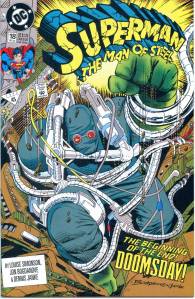
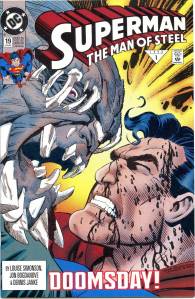
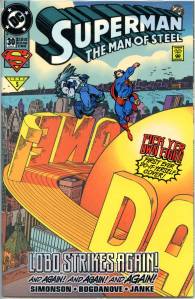
Beginning an all-new monthly Superman title. Over a year ago, Superman fought the urge to become the Krypton Man…now the Krypton Man is born anew from the Earth’s fiery sun, where the Man of Steel buried the mysterious Kryptonian Eradicator! In the wake of the rebirth of his nemesis, Earth’s yellow sun begins turning red – causing natural disasters planetwide!
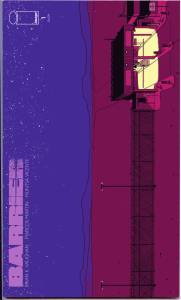
From the Eisner Award-winning team behind The Private Eye, Barrier is an unconventional drama about violence, language, aend illegal immigration…with a shocking sci-fi twist. Printed in its original “landscape” format (side-stapled for convenient shelving!) and graced with gorgeous cardstock covers, each comic is meant to be a durable work of art, and there are no plans for these print issues to ever be collected.
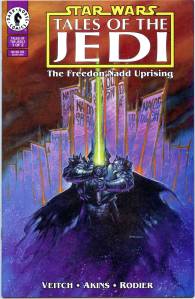
While attempting to move the sarcophagi of Freedon Nadd and Queen Amanoa to the moon of Dxun, Jedi Knights Arca Jeth, Ulic Qel-Droma, Cay Qel-Droma, Tott Doneeta and Oss Wilum are attacked by several hundred Naddists, led by Warb Null, invading Iziz from underground. While distracting the Iziz forces, a group of Naddists are able to snatch the sarcophagi and take it back with them underground.
Tales of the Jedi – The Freedon Nadd Uprising #1 NM $9
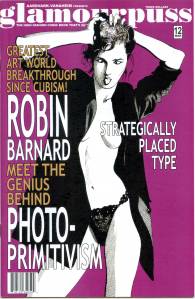
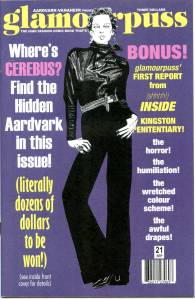
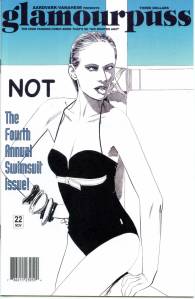
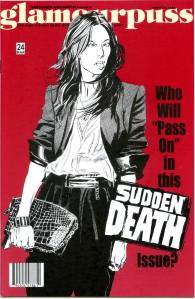
Glamourpuss is a Canadianindependent comic book written and illustrated by Dave Sim which was published from April 2008 to July 2012 and ran for 26 issues. The comic was published bimonthly, with 24 pages of story and art, and back issues remaining available throughout the comic’s print run. The premise of the book is threefold: a parody of fashion magazines, a history of photorealism in comics, and a surrealsuper-heroine comic.
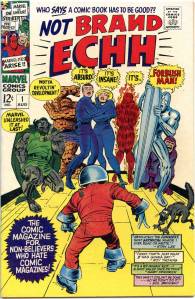
Its mascot, Forbush Man, introduced in the first issue, was a superhero wannabe with no superpowers and a costume of red long johns emblazoned with the letter “F” and a cooking pot, with eye-holes, covering his never-revealed head. His secret identity was eventually revealed in issue #5 (Dec. 1967) as Irving Forbush, Marvel’s fictitious office gofer.
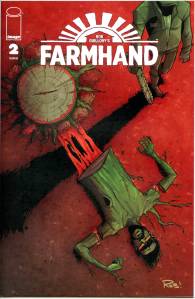
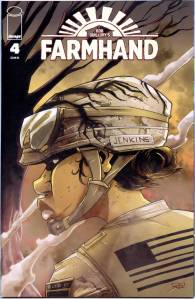
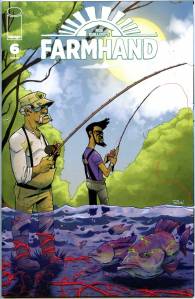
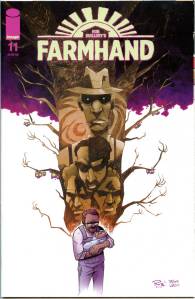
a Louisiana farmer named Jedidiah receives a vision and creates a plant which can grow replacement limbs and organs for human beings. The plot begins several years later when his estranged adult son, Ezekiel, returns home to join the family business. Many outside agents, including foreign and domestic government operatives, are after the secret of Jedidiah’s seed. Meanwhile, Jedidiah’s former partner, Thorne, has been covertly introducing the seed into the wild and is elected mayor.
Farmhand debuted to mostly positive reviews. Critics were divided on the effectiveness of the story’s pacing but praised the combination of humor and horror elements. The story is told with a cartoon-like art style and often features visual gags.
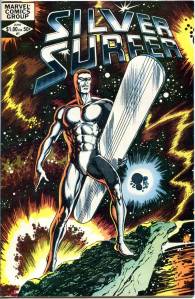
The galactic herald returns in this jam-packed one-shot! Silver Surfer recalls happier times with the Fantastic Four. With Norrin Radd becoming a distant memory with each passing day, will Surfer ever recover the man he once was? Surfer returns to his homeland Zenn-La to find absolute devastation. A new quest begins for Silver Surfer — one that involves finding his soulmate, Shalla Bal!
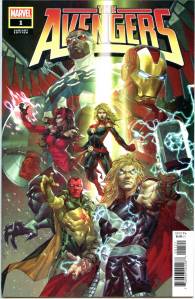
The world is ever in peril, and a new team of Avengers mobilizes to meet any dangers that dare threaten the planet. But when Terminus attacks, a new and insidious danger rears its head: one that the Avengers know all too well, and one that comes to them in the most dangerous of guises – that of a friend.
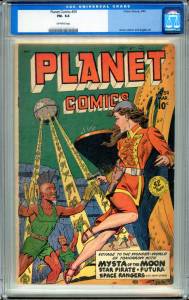
Planet Comics was a science fictioncomic book title published by Fiction House from January 1940 to Winter 1953. It was the first comic book dedicated wholly to science fiction. Like most of Fiction House’s early comics titles, Planet Comics was a spinoff of a pulp magazine, in this case Planet Stories. Like the magazine before it, Planet Comics features space operatic tales of muscular, heroic space adventurers who are quick with their “ray pistols” and always running into gorgeous women who need rescuing from bug-eyed space aliens or fiendish interstellar bad guys.
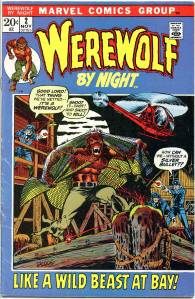
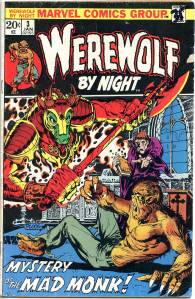
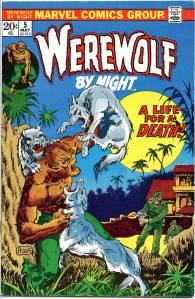
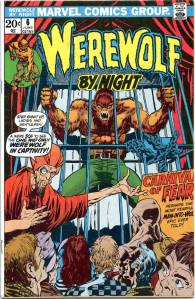
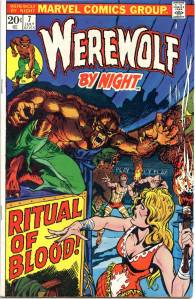
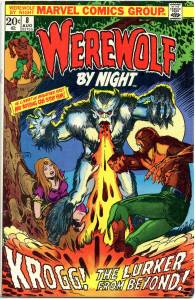
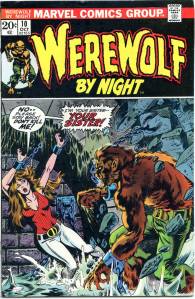
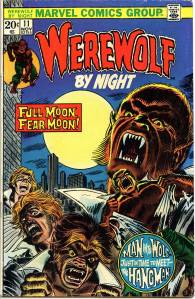
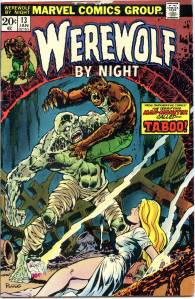
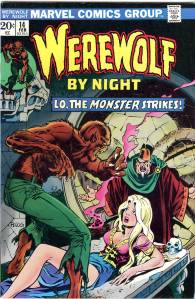
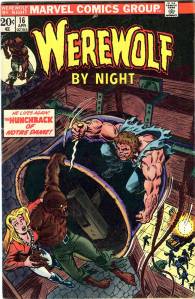
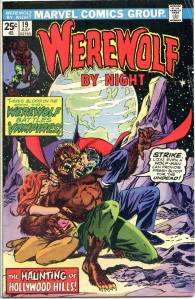
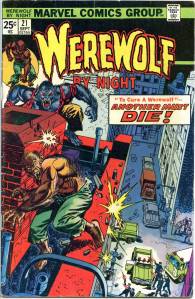
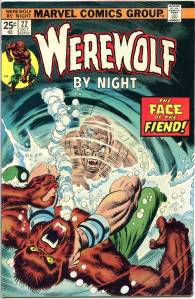
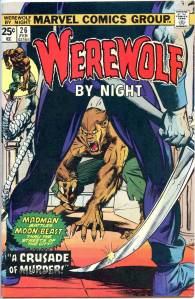
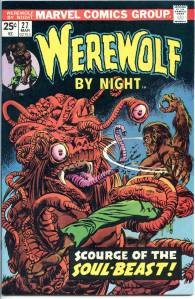
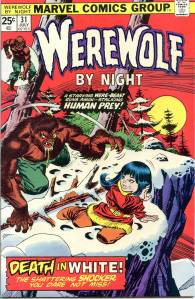
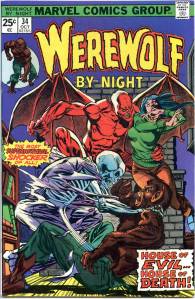
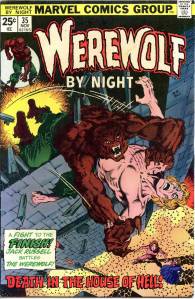
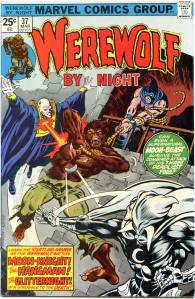
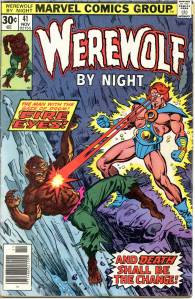
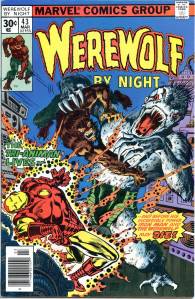
The Werewolf by Night character first appeared in Marvel Spotlight #2 (Feb. 1972) and was based on an idea by Roy Thomas. The series name was suggested by Stan Lee and the debut story was crafted by Gerry Conway and Mike Ploog. The character made additional appearances in Marvel Spotlight #3 and #4 and then graduated to his own eponymous series in September 1972. Werewolf by Night was published for 43 issues and ran through March 1977. Issue #32 contains the first appearance of Moon Knight. Jack Russell co-starred with Tigra in Giant Size Creatures #1 (July 1974), which was the first appearance of Greer Grant as Tigra instead of the Cat.That series was retitled Giant-Size Werewolf with its second issue.