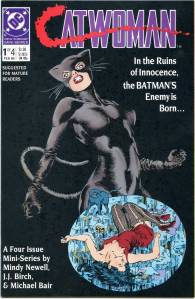
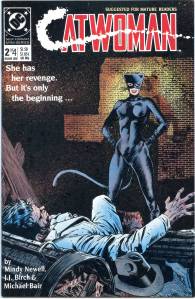
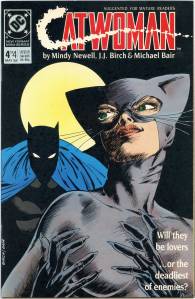
The 1989 Catwoman limited series, written by Mindy Newell and with art by J.J. Birch, expanded upon Miller’s Year One origin. This storyline, known as “Her Sister’s Keeper”, explores Selina’s early life as a dominatrix and the start of her career as Catwoman. The story culminates with Selina’s former pimp, Stan, abducting and beating her sister Maggie, who, in contrast to Selina, is a nun. Selina kills Stan to save her sister, and gets away with it. Most of this is revealed in the former series, but is expanded upon in “Her Sister’s Keeper”.
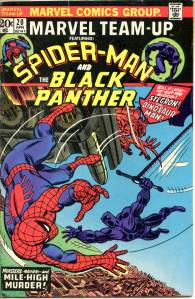
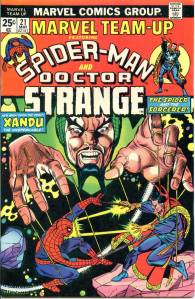
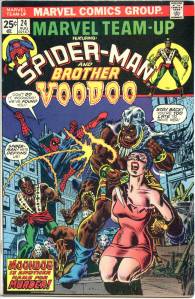
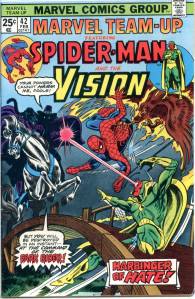
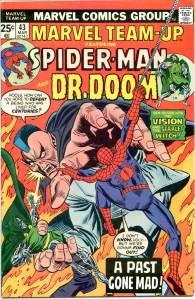
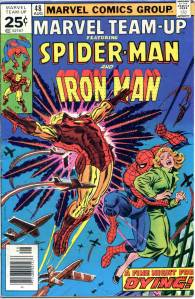
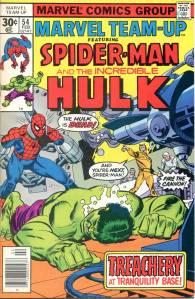
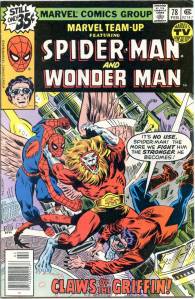
The series featured two or more Marvel characters in one story. The series was originally published from March 1972 through February 1985, and featured Spider-Man as the lead “team-up” character in all but ten of its 150 issues, and in six of its seven Annuals. It was the first major ongoing spin-off series for Spider-Man, being preceded only by the short-lived The Spectacular Spider-Man magazine.
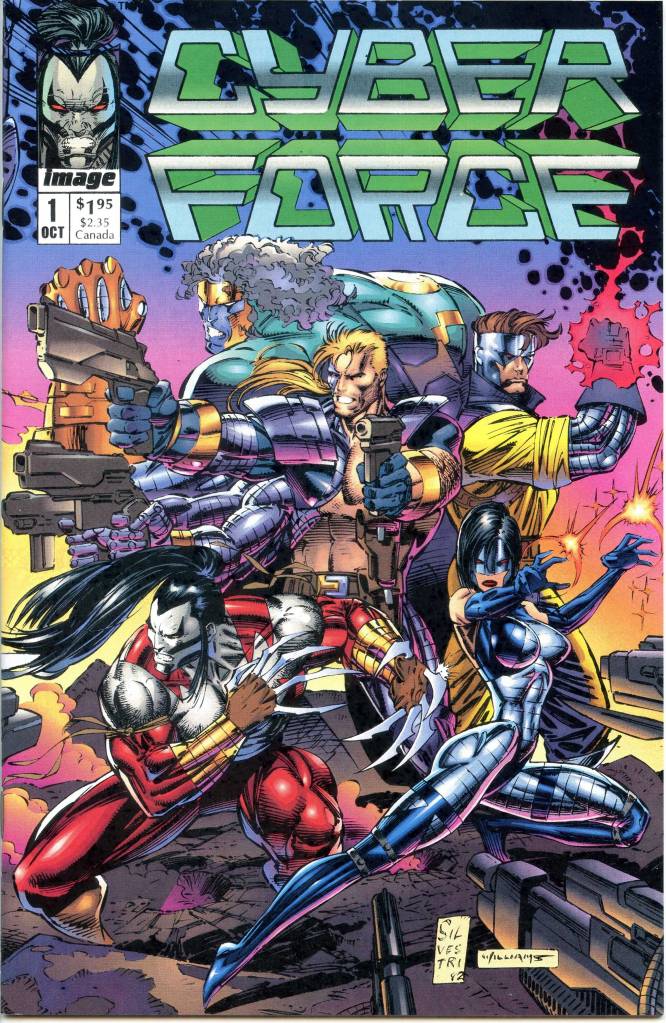
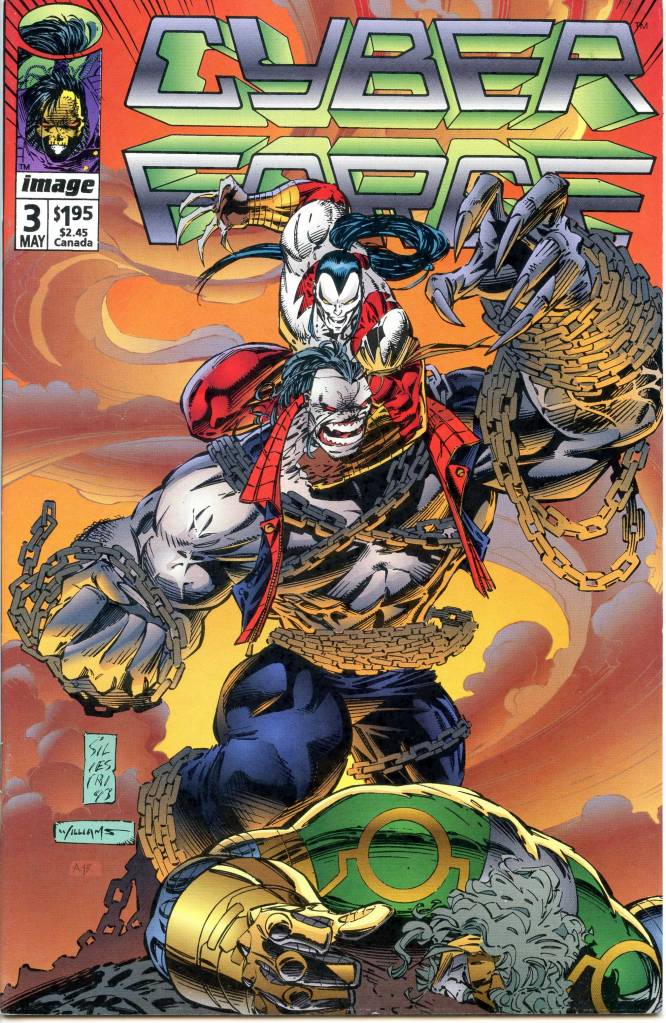
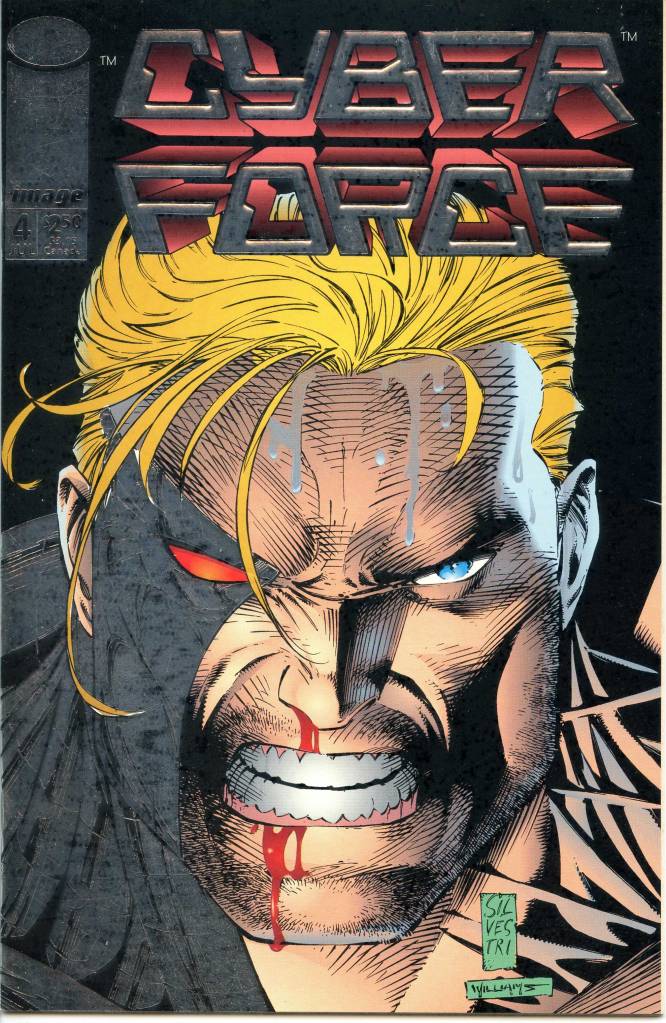
The first story titled “Tin Men of War”, follows Carin Taylor, a mutant otherwise known as Velocity as she attempts to escape the forces of Cyberdata, a corrupt mega-corporation. Her attempts to evade Cyberdata’s task force, led by her sister, Cassandra Taylor a.k.a. “Ballistic” bring her into contact with the Cyber Force, a group of cybernetically enhanced mutant escapees from Cyberdata, consisting of Stryker, Cyblade, Heatwave, Impact and Ripclaw. After Velocity is rescued, the team explains to her that they were created by Cyberdata to enhance their mutant abilities, turning them into super-soldiers known as S.H.O.C.s (Special Hazardous Operation Cyborgs), but they escaped and formed Cyber Force, making it their mission to bring down Cyberdata for good.
Cyber Force – Mini #1 NM $5Cyber Force – Mini #3 NM $4Cyber Force – Mini #4 NM $4
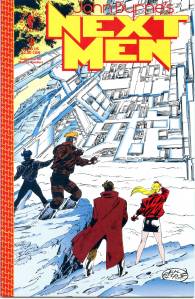
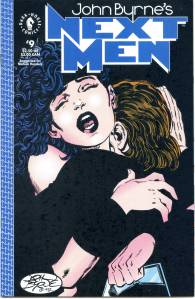
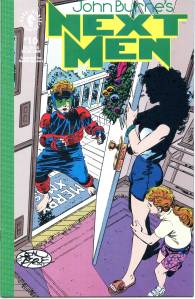
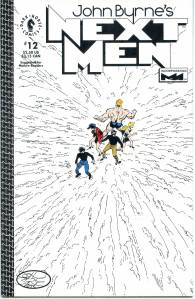
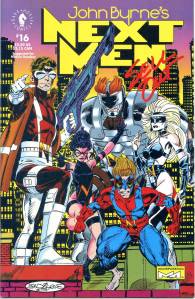
The Next Men characters made a prototypical appearance as “Freaks” in a lithography plate that was published within the History of the DC Universe Portfolio in 1986. Byrne had originally pitched the series to DC Comics, but the series never surfaced there. With some changes, Byrne changed the concept to fit in with his work on the graphic novel2112, to become the John Byrne’s Next Men series. Two characters from the “Freaks” artwork somewhat retained their physical looks and became the lead characters of the Next Men series: heroine Jasmine and villain Aldus Hilltop.
Next Men #0 NM $4Next Men #1 NM $4Next Men #8 NM $8Next Men #9 NM $4Next Men #10 NM $4Next Men #12 NM $4Next Men #16 NM $4
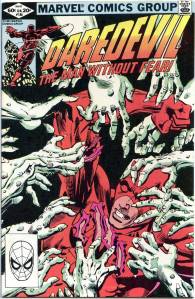
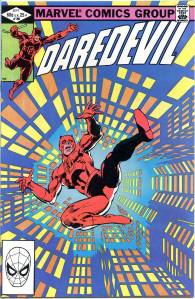
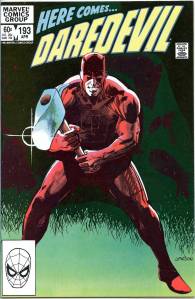
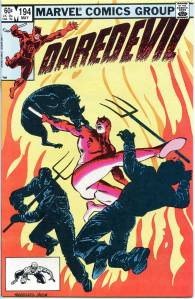
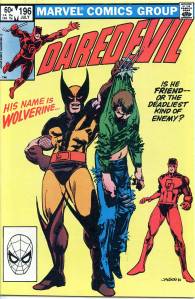
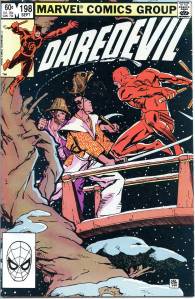
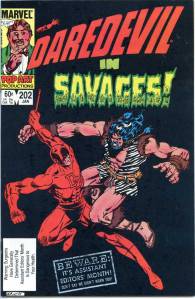
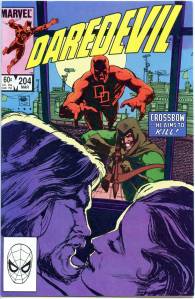
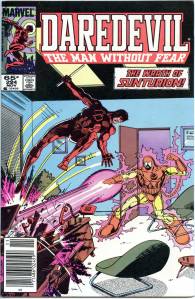
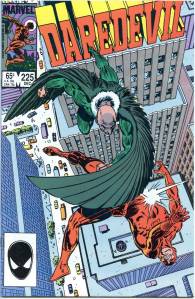
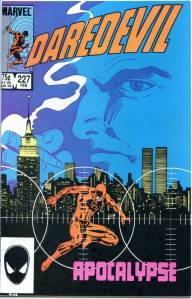
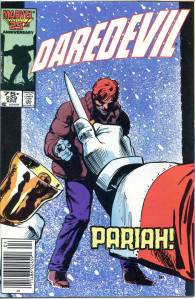
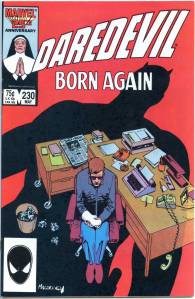
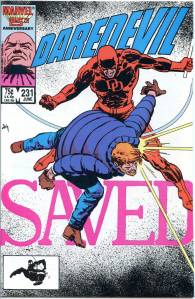
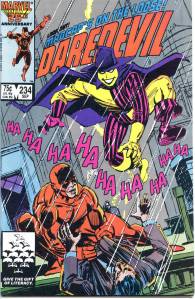
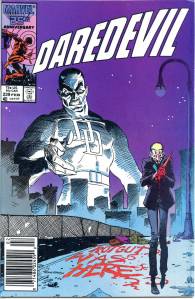
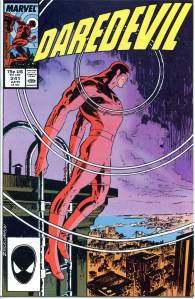
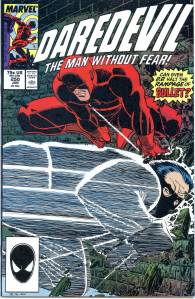
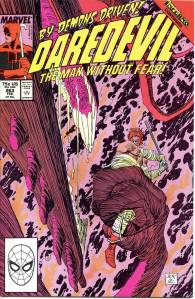
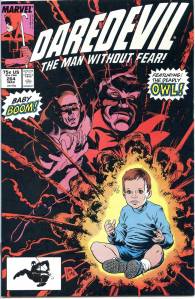
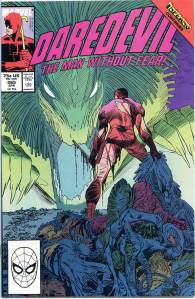
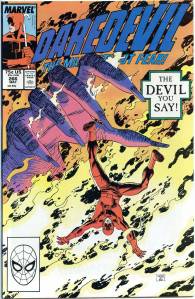
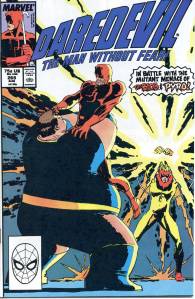
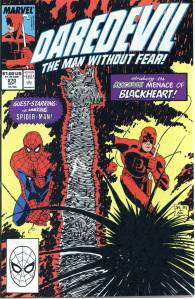
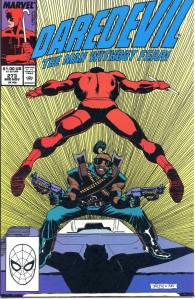
During the 80’s Frank Miller was hired to continue the title and did so in a similar vein to previous writer Roger McKenzie. Resuming the drastic metamorphosis the previous writer had begun, Miller took the step of essentially ignoring all of Daredevil’s continuity prior to his run on the series; on the occasions where older villains and supporting cast were used, their characterizations and history with Daredevil were reworked or overwritten. Most prominently, dedicated and loving father Jack Murdock was reimagined as a drunkard who physically abused his son Matt, entirely revising Daredevil’s reasons for becoming a lawyer. Spider-Man villain Kingpin was introduced as Daredevil’s new nemesis, displacing most of his large rogues gallery. Daredevil himself was gradually developed into an antihero. In issue #181 (April 1982), he attempts to murder one of his arch-enemies by throwing him off a tall building; when the villain survives as a quadriplegic, he breaks into his hospital room and tries to scare him to death by playing a two-man variation on Russian roulette with a secretly unloaded gun.Comics historian Les Daniels noted that “Almost immediately, [Miller] began to attract attention with his terse tales of urban crime.” Miller’s revamping of the title was controversial among fans, but it clicked with new readers, and sales began soaring, the comic returning to monthly status just three issues after Miller came on as writer.
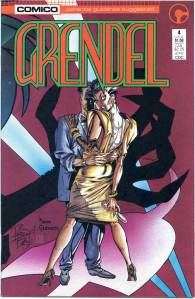
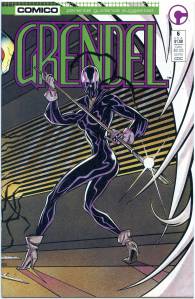
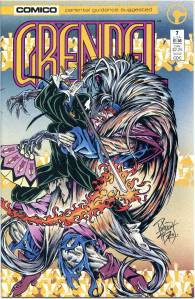
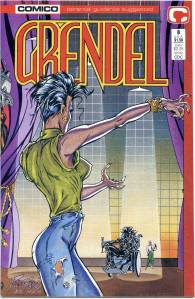
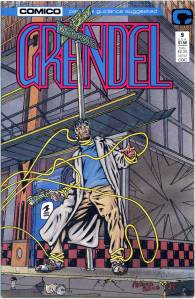
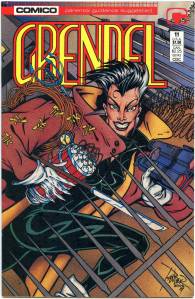
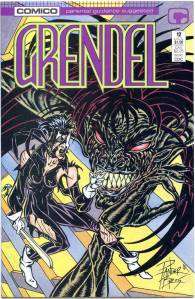
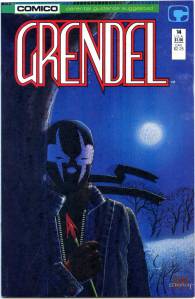
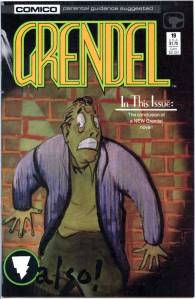
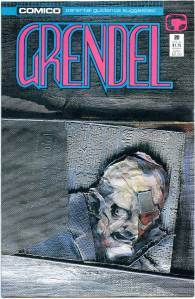
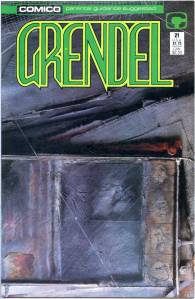
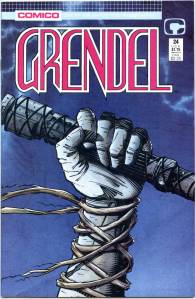
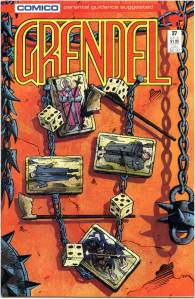
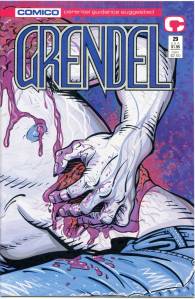
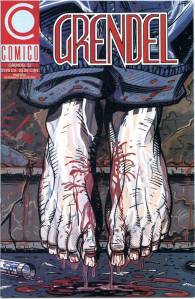
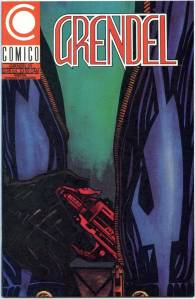
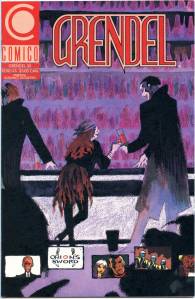
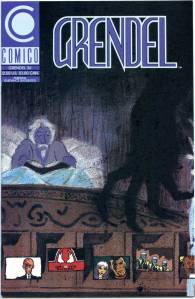
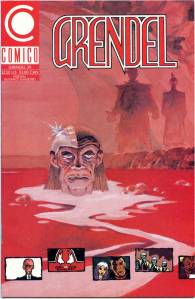
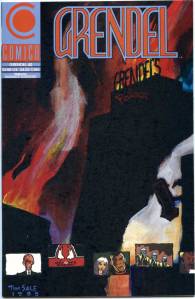
The Grendel ongoing series published by Comico started in 1986 and lasted 40 issues. It was written by Matt Wagner and drawn by a variety of artists, including the Pander Brothers, Bernie Mireault, Tim Sale, John K. Snyder III and others. It began with a story set in the near future, with Christine Spar, Hunter’s posthumous biographer, taking on the identity of Grendel to pursue a mission of revenge. The identity passed briefly, and tragically, to her deluded boyfriend Brian Li Sung. After a brief return to stories of Hunter Rose (actually two in-universe fictional novels written by Captain Wiggins, a supporting character from the Christine Spar arc), Wagner then spun the series further into the future, with the Grendel identity affecting a variety of people. The name “Grendel” took on several meanings as the stories portrayed a dystopian future. Grendel became a synonym for The Devil with the title held by the emperor of the world, (Grendel-Khan) and members of a warrior society identical to samurai.
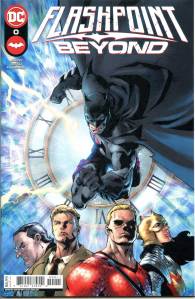
After helping Barry Allen—the speedster superhero The Flash—restore the timeline back to its original state,Thomas Wayne—the vigilante Batman—finds himself once again in the aberrant timeline known as the Flashpoint, whose existence Batman is determined to change and replace with another version of the DC Universe (DCU), all for the sole purpose of erasing the death of his son Bruce.
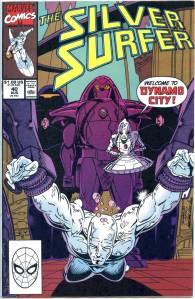
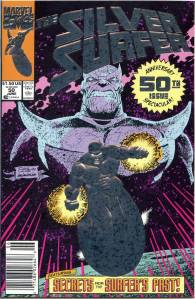
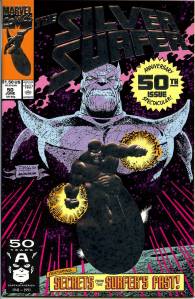
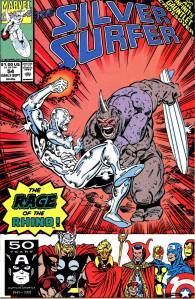
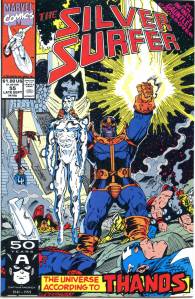
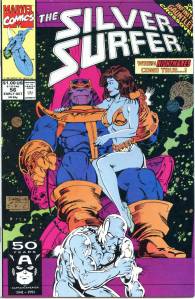
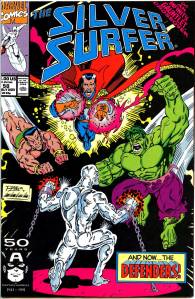
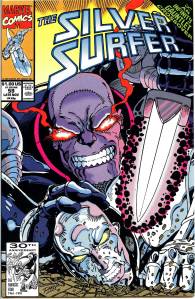
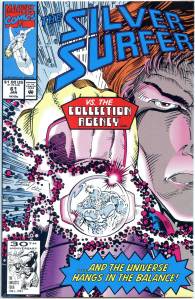
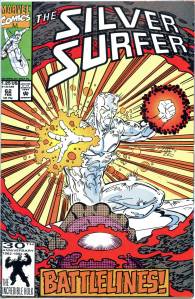
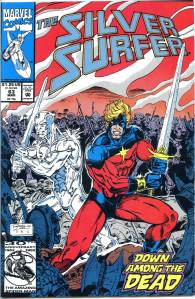
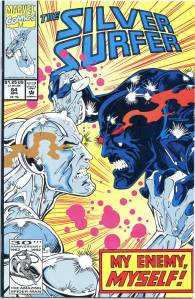
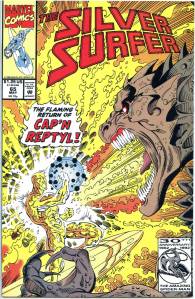
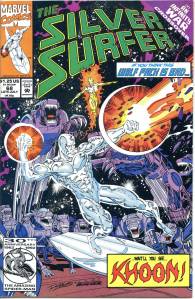
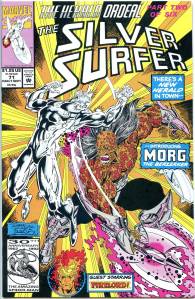
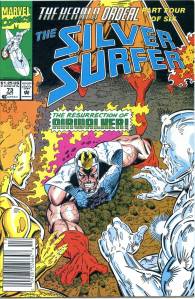
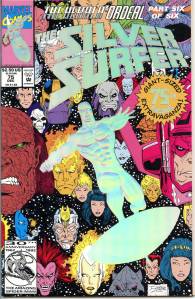
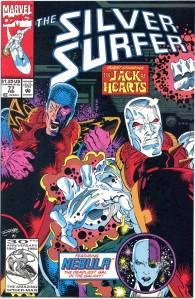
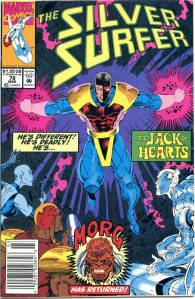
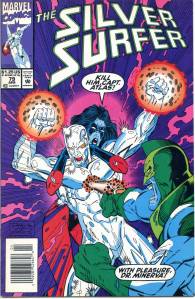
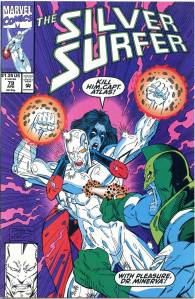
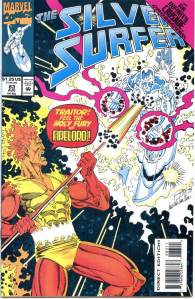
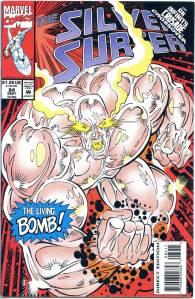
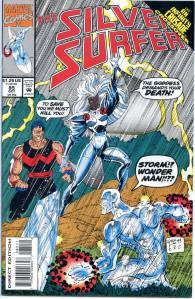
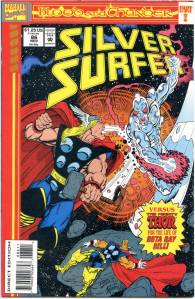
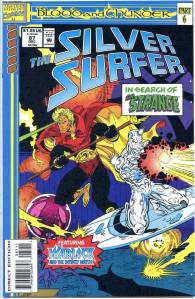
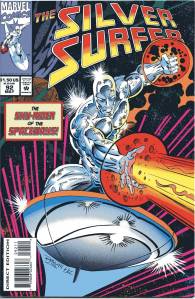
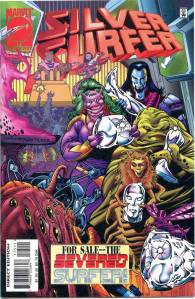
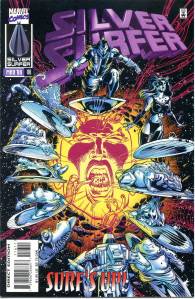
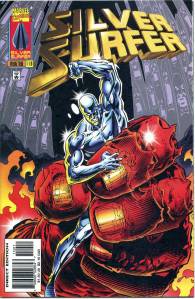
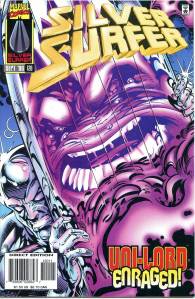
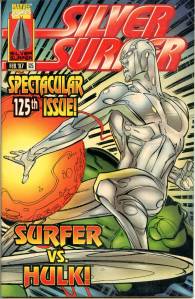
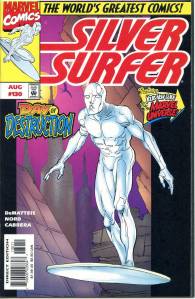
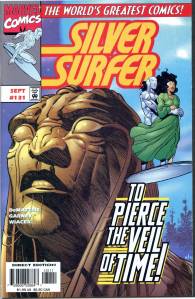
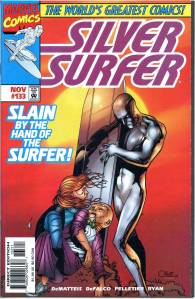
JIm Starlin took over as writer with issue #34 after several fill-in issues, and incorporated Thanos, Adam Warlock, and Drax the Destroyer into the series. Under Starlin and later Ron Marz, the series would receive acclaim and sales boost due to Silver Surfer’s involvement with Starlin’s Infinity Trilogy, with George Pérez and J. M. DeMatteis also having brief writing stints on the series as well. Additional artists included Tom Grindberg, Ron Garney, and Jon J. Muth, as well as periodic guest spots by John Buscema. The title experienced great initial success which allowed Marvel to push the character into other media, including a 1990 video game, 1992 trading card set, and 1998 animated series, as well as spinning off a variety of other comics series including Cosmic Powers, Cosmic Powers Unlimited, Captain Marvel vol. 2, and Star Masters. It ran 146 issues, through 1998.
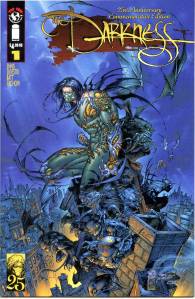
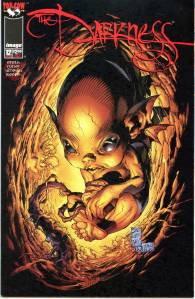
The Darkness is a cosmic entity predating recorded history. It is the embodiment of the empty void of chaos which existed prior to the coming of God’slight – embodied as the Angelus. As the cosmos formed in its place, the now-usurped Darkness grew to resent God and His creation. Growing powerful enough to manifest itself and conjure a legion of demons, the Darkness declared war upon the Angelus and her host. This lasted for eons until a truce was found to prevent mutual destruction. To seal the covenant, the two powers mated and conceived the Witchblade.
Some time after this, the Darkness began inhabiting human vessels – inherited through the sons of its chosen bloodline; the father passing the curse to his child at the moment of conception, expiring as the force leaves his body. The power then awakens on the son’s 21st birthday. A wielder of the Darkness has been present in every major time period and continental power in history. These hosts have usually been of a violent predisposition, such as dictators and warlords. Many have also been of a criminal background; namely murderers, thieves, and molesters.
In response to the restrictions imposed by the Comics Code Authority, DC began a new science-fiction series in 1956. The series featured artwork by Murphy Anderson, Gil Kane, and many others, with stories by John Broome, Gardner Fox, and additional writers. It was an anthology comic for many years, publishing a variety of science fiction stories. The series featured Space Ranger as of issue #40 and running through #82 (April–May 1964) Other features included the “Green Glob” (issues #85–98, 100, 102, 103) and “Automan” (issues #91, 94, 97). The series’ last issue as Tales of the Unexpected was #104 (December 1967–January 1968). As of issue #105 (February–March 1968), the title was shortened to The Unexpected.
Tales of the Unexpected #101 FN+ $24Tales of the Unexpected #103 FN+ $24