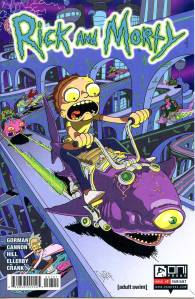
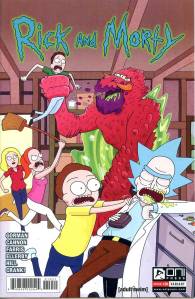
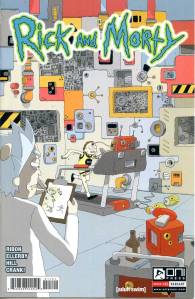
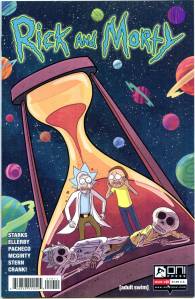
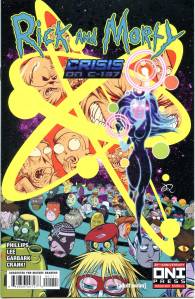
On April 1, 2015, a Rick and Morty comic book adaptation debuted with its first monthly issue, entitled “BAM!” The series is written by Zac Gorman and illustrated by CJ Cannon.[71] Artist Tom Fowler wrote a multi-issue story arc that began in March 2016. Using the television series’ established premise of alternate timelines, the comic book expressly features the Rick and Morty (and supporting cast) of a different timeline, allowing the comics to tell stories without conflicting with the canon of the show.
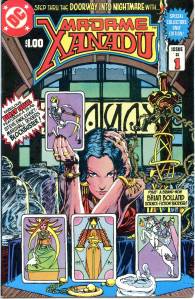
Step thru the doorway into nightmare with Madame Xanadu in the 25-page “Dance For Two Demons.” Script by Steve Englehart, art by Marshall Rogers. Madame Xanadu centerfold by Michael W. Kaluta. Plus: A disease that transforms and corrupts is explored in the 7-page science fiction tale “Falling Down to Heaven…” Script by J.M. DeMatteis, art by Brian Bolland. Cover by Michael W. Kaluta.
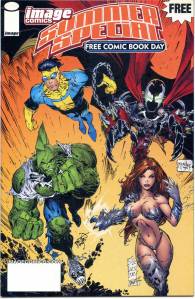
Cover by Todd McFarlane, Erik Larsen, Marc Silvestri and BATT. Free Comic Book Day 2004. Contains: “The Curse of Spawn”, “Witchblade First Strike” by Robert Place Napton with art by Francis Manapul, “Invincible” by Robert Kirkman with art by Ryan Ottley, “Savage Dragon Power Shortage” by Erik Larson.
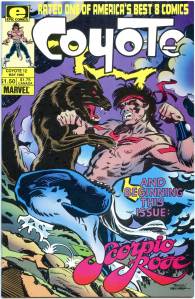
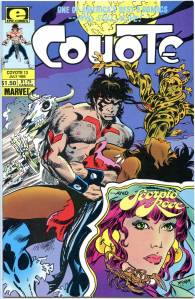
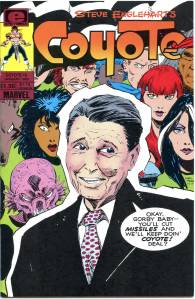
The characters first appeared in Eclipse Magazine #2-8. It would later be reprinted in a color trade paperback, I Am Coyote. Afterwards, a new comic book series started at Marvel ComicsEpic Comics line, that ran 16 issues. It was notable for the first published work of Todd McFarlane. According to Epic editor-in-chief Archie Goodwin, artist Steve Leialoha‘s departure after issue #2 caused deadline problems that the series never fully recovered from, leading to its early cancellation.
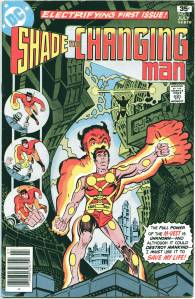
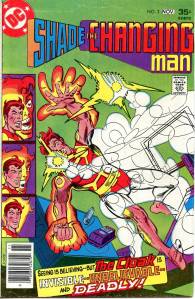
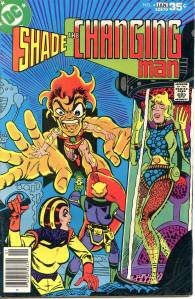
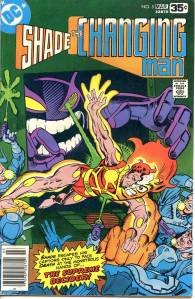
Shade, the Changing Man told the story of a fugitive from the militant planet Meta in another dimension. Shade (whose full name is Rac Shade) was powered by a stolen “M-vest” (or Miraco-Vest, named for its inventor) which protected him with a force field and enabled him to project the illusion of becoming a large grotesque version of himself. The character was the first Ditko had created, or helped to create, for a mainstream publisher for many years. Prior to rejoining DC Comics, Ditko had worked on characters such as his Mr. A. title. Shade was very much a return to mainstream superheroics, although Shade indicated no particular connection with the DC Universe (although the letters columns stated that there is no reason it could not be shown to be there). Michael Fleisher scripted the series based on Ditko’s plotting and art.
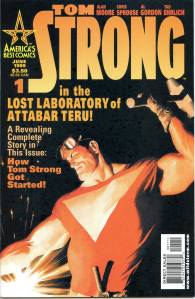
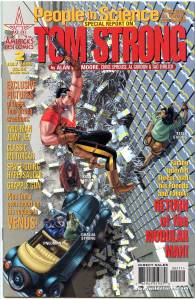
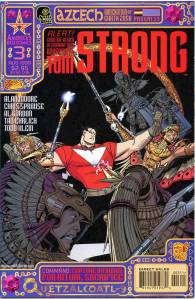
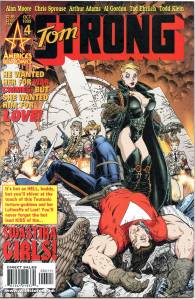
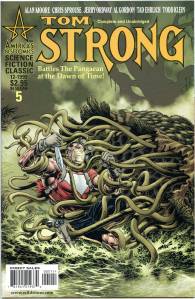
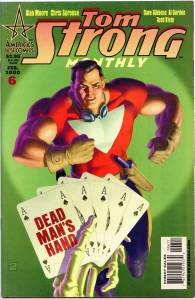
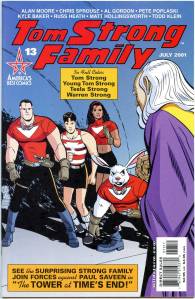
Tom Strong is a comic book created by writer Alan Moore and artist Chris Sprouse, initially published bi-monthly by America’s Best Comics, an imprint of DC Comics‘ Wildstorm division. Tom Strong, the title character, is a “science hero”, with a wife, Dhalua, and a daughter, Tesla, both with enhanced physical and mental abilities and longevity. He lives in a building called The Stronghold in Millennium City. He is also helped by Pneuman, a steam-poweredrobot, and King Solomon, a gorilla with human characteristics. His greatest foe is tuxedo-clad “science villain” Paul Saveen. The series explores many different timelines and universes, which are a nod to different comic genres. The primary characters are tributes to and spoofs of early pulp heroes.
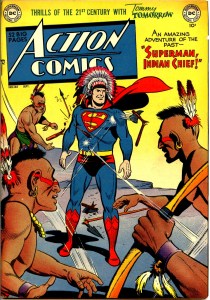
The major event many cite as marking the beginning of the Golden Age was the 1938 debut of Superman in Action Comics #1, published by the predecessor of modern-day DC Comics. The creation of Superman made comic books into a major industry. Some date the start to earlier events in the 1930s: The Overstreet Comic Book Price Guide‘s regular publication The Golden Age Quarterly lists comic books from 1933 onwards (1933 saw the publication of the first comic book in the size that would subsequently define the format); some historians, such Roger Sabin, date it to the publication of the first comic books featuring entirely original stories rather than re-prints of comic strips from newspapers (1935) by the company that would become DC Comics.
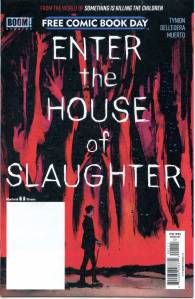
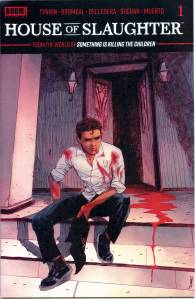
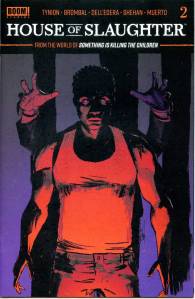
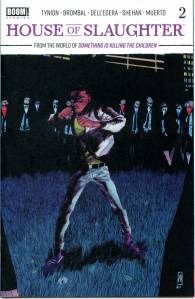
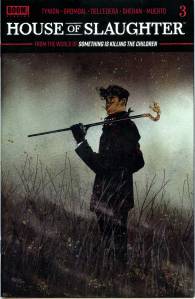
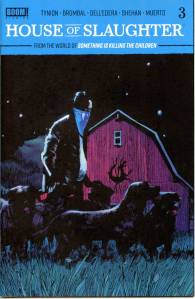
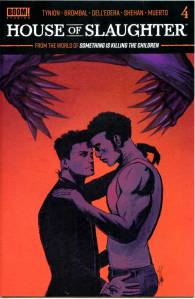
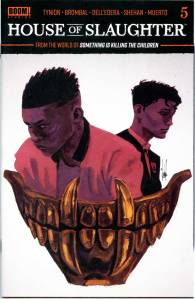
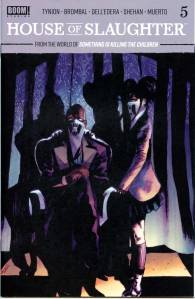
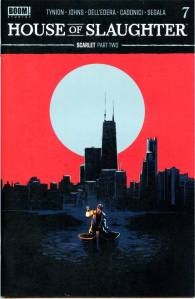
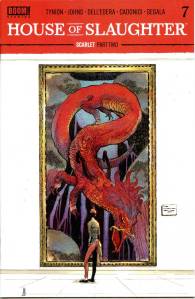
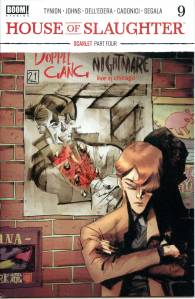
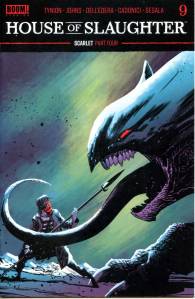
Discover the inner workings of the House of Slaughter in this new horror series exploring the secret history of the Order that forged Erica Slaughter into the monster hunter she is today. You know Aaron Slaughter as Erica’s handler and rival. But before he donned the black mask, Aaron was a teenager training within the House of Slaughter. Surviving within the school is tough enough, but it gets even more complicated when Aaron falls for a mysterious boy destined to be his competition.
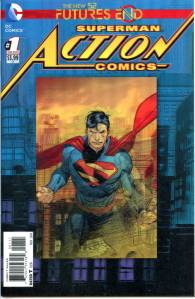
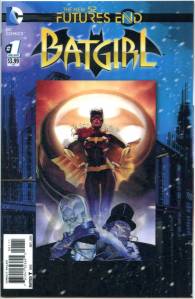
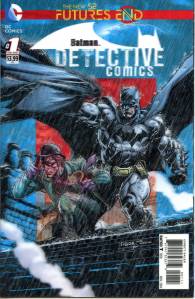
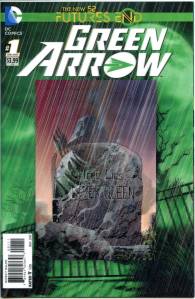
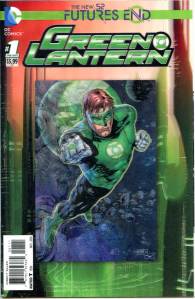
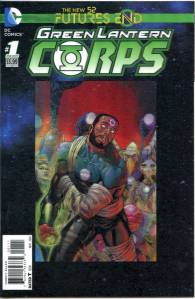
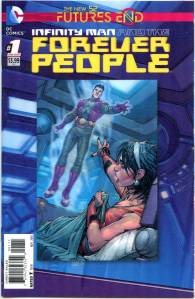
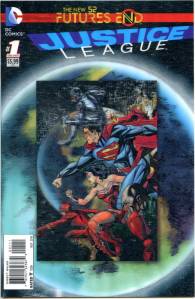
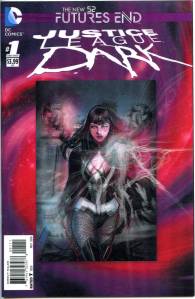
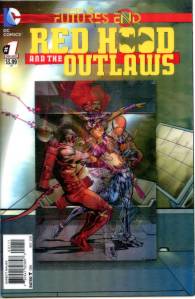
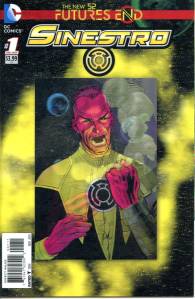
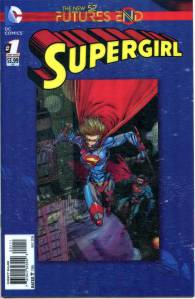
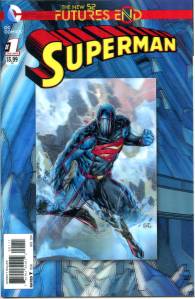
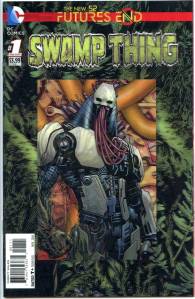
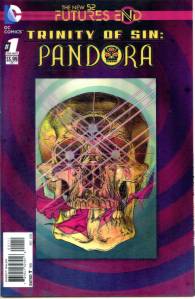
In February 2014, DC announced that as part of the celebration of The New 52’s third anniversary, all ongoing titles published in September 2014 feature stories that tie in to The New 52: Futures End. DiDio stated “One of the things we wanted to do was not just look at it through the lens of the weekly series, but also take a month and flash forward, and see what the potential futures of all our characters might be in that month. So in that month, you’ll get a chance to see where, in the next five years, our characters might finish up or might end up being.” He added that like the “Villains Month” event in September 2013, these titles also feature 3Dlenticular covers, in addition to the 2D ones, saying, “The covers now will also have the ability to have a ‘flicker’ effect. That means that the images change and show the transformation going on… There is a level of change that is taking place with our characters during the course of this story.”
Futures End – Action Comics #1 NM $4
Futures End – Batgirl NM $8
Futures End – Constantine #1 NM $6
Futures End Detective Comics #1 NM $4
Futures End – Green Arrow #1 NM $4
Futures End – Green Lantern #1 NM $4
Futures End – Green Lantern Corps #1 NM $4
Futures End Infinity Man and the Forever People #1 NM $4