DC 100 Page Super Spectacular was published by DC Comics from 1971 through 1973, featuring only reprints initially and later including new stories. The “100 Page” count included both sides of the front and back covers as pages. Each numbered issue appearing under this title featured a wrap-around cover with all editorial content and no advertisements. Versions after late 1973 included advertisements.
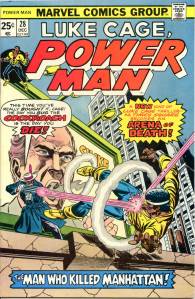
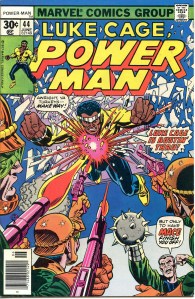
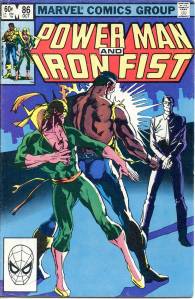
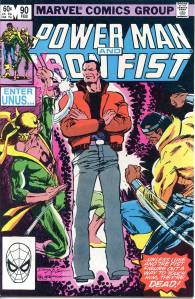
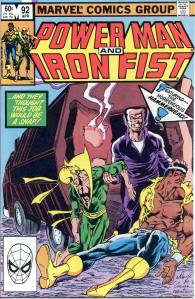
Luke Cage was created by Archie Goodwin and John Romita, Sr. shortly after Blaxploitation films emerged as a popular new genre. He debuted in his own series, Luke Cage, Hero for Hire, which was initially written by Goodwin and pencilled by George Tuska. Cage’s adventures were set in a grungier, more crime-dominated New York City than that inhabited by other Marvel superheroes of the time. The series was retitled Luke Cage, Power Man with issue #17.
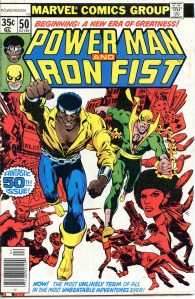
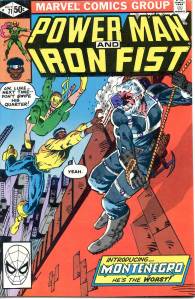
As the Blaxploitation genre’s popularity faded, Cage became unable to support his own series and was paired with another superhero whose popularity was based on a declining film genre, the martial arts hero Iron Fist, in an effort to save both characters from cancellation. Though the series title would remain Power Man in the indicia for a while longer, with issue #50 (April 1978) the cover title became Power Man and Iron Fist. It would remain thus until the series’s cancellation with issue #125 (September 1986). The series’s final writer, James Owsley, attempted to shed Cage’s Blaxploitation roots by giving him a larger vocabulary and reducing usage of his catchphrase, “Sweet Christmas!”.
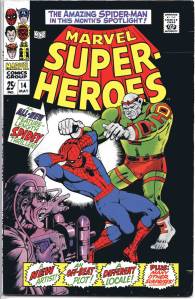
Fantasy Masterpieces, became Marvel Super-Heroes with issue #12 began showcasing a try-out feature as each issue’s lead. This encompassed solo stories of such supporting characters as Medusa of the Inhumans, as well as the debuts of Captain Marvel (#12), the Phantom Eagle (#16) and the Guardians of the Galaxy (#18). The Spider-Man story drawn by Ross Andru in issue #14 was originally planned as a fill-in issue of The Amazing Spider-Man but was used here when that title’s regular artist, John Romita Sr. recovered more quickly than anticipated from a wrist injury. Andru would become the regular artist on The Amazing Spider-Man several years later.
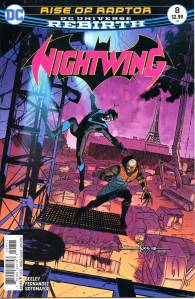
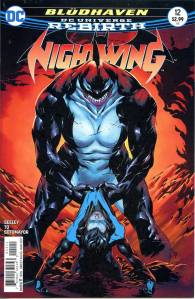
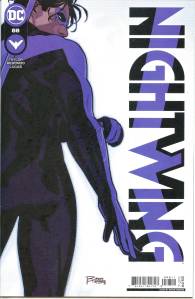
Following the erasure of the knowledge regarding his secret identity from most of the world in the final issue of Grayson, Dick went back to the Nightwing identity in the DC Rebirth era solo series, and the costume’s colors were changed back to the traditional black and blue. At the start of the series (rebirth) Nightwing is still a member of the Court of Owls (after Robin War) and he goes on missions around the world for the Court. They give him a partner named “Raptor” and like Nightwing he wears a costume, but he is much more violent than Dick and multiple times Dick has to try to stop him from killing. Throughout the story arc, Dick must work as an undercover agent but also has to keep his morals and not kill even if the Court tells him to.
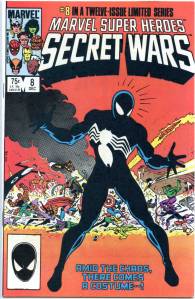
In 2011, IGN listed Secret Wars as one of the best comic book events. Their writers found the action and goofiness of the story to be enjoyable. They also highlighted the impact it had on the Marvel Universe by introducing the symbiote and new characters. In 2011, Alex Zalben of MTV News ranked Secret Wars as the second biggest comic event ever; he praised its story and lasting effect.
The title was the first to feature Neal Adams‘ version of Batman, generating fan interest that led to Adams’ style defining the modern Batman image to this day. In addition, Adams updated Green Arrow‘s visual appearance by designing a new costume for the character in issue #85 (Aug.–Sept 1969). The primary artist for the second half of the run was Jim Aparo, starting with #98 (October–November 1971). Haney frequently disregarded continuity by scripting stories which contradicted DC’s canon or by writing major heroes in an out-of-character fashion. Issue #100 (Feb.–March 1972) featured Batman and “4 Famous Co-Stars” (Green Lantern, Green Arrow, Black Canary, and Robin) in a story by Haney and Aparo. Issues #112 (April–May 1974) to #117 (Feb.–March 1975) of the series were in the 100 Page Super Spectacular format.
In this Dark Horse’s comic series, Thoth-Amon was finally given an origin. Thoth-Amon, the dark wizard began life as young Thoth, a street thief in Memphia, stealing for his father to barely earn a living with perpetual beatings the only sign of affection his father gave. The only person Thoth cared for was his sister, whom he vowed to take away from the cruel city one day.
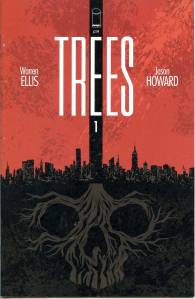
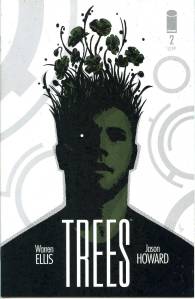
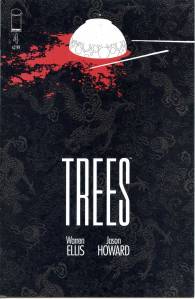
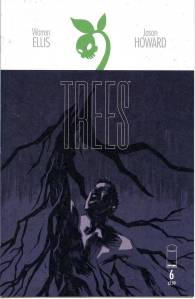
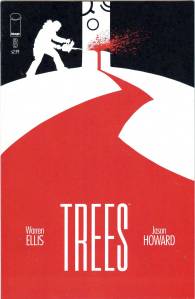
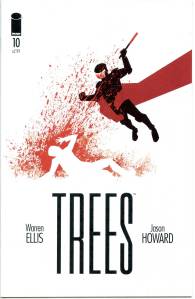
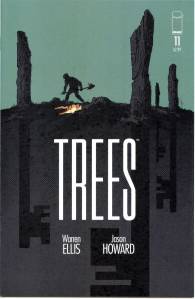
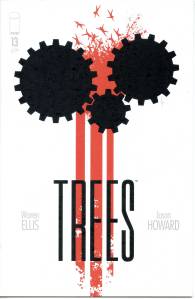
Trees is a science fiction comic book series by Warren Ellis and Jason Howard, published by Image Comics. The first issue was published May 28, 2014. The narrative begins ten years after the arrival of massive and silent alien presences who stand on the surface of the earth like the “Trees” of the title, not moving and seeming to take no account of human life and society. While a high concept science fiction story, the series also concerns itself with a cross-section of social and cultural issues as experienced by the characters, including policestates, feminism, economic disparity, and transgender identity.
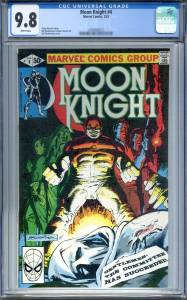
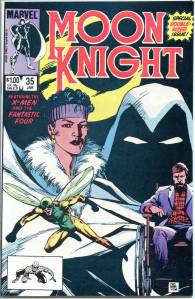
Moon Knight received his first ongoing series in 1980, with Doug Moench and Bill Sienkiewicz as its main creative team. The character received an expanded origin story in issue #1, which also introduced several recurring characters as well as recurring enemy Bushman. The series depicted several characters who doubted the moon god Khonshu was real and believed Marc Spector only experienced a hallucination while near death. It was never explained why other characters, such as Spector’s lover Marlene, concluded this when there was no other explanation for Marc’s spontaneous recovery from his wounds and a death-like state and when it was well known by this time that many gods of myth in the Marvel Universe (such as Thor and Zeus) were real, living entities from other dimensions and planets.
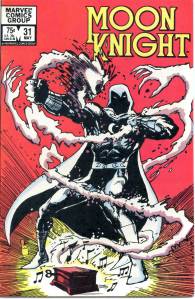
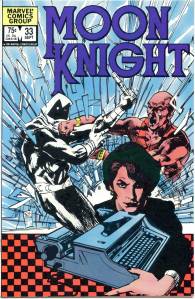
After early sales were good, Marvel made the Moon Knight series a flagship title available in comic shops starting with issue #15. The companion mini-series Moon Knight: Special Edition reprinted the Hulk and Marvel Preview Moon Knight stories in color and standard comic format, as opposed to their original magazine format. Sienkiewicz left the series after issue #30, though he continued to contribute covers until the series ended with issue #38.
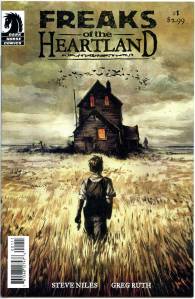
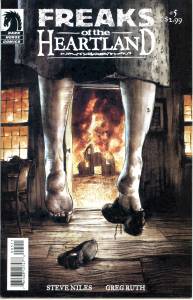
Trevor Owen has a younger brother who lives in the barn behind the house, too monstrous to be let into the house. The boy’s only six years old, but he towers over his older brother, and possesses monstrous strength. For years, Trevor has looked after his baby brother, keeping him from the light, but now that’s all about to change. His family’s profane secret is about to be revealed, uncovering the horrible truth of the small mid-western town the boys have grown up in.