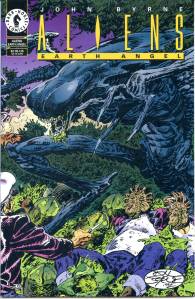
Into the age of diners, black leather jackets, and Buddy Holly comes a monster worse than any that ever made popcorn fly in front of a drive-in screen — the Alien. Legend creator John Byrne has long been a fan of the Aliens films and he jumped at the opportunity to tell his story of the first Alien invasion, the one that took place in 1950’s suburban America! When you Byrne an Alien, you gotta figure it’s gonna give off some heat!
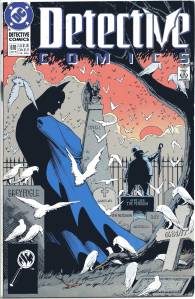
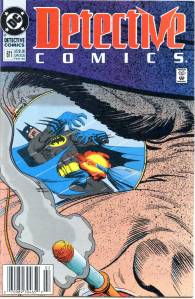
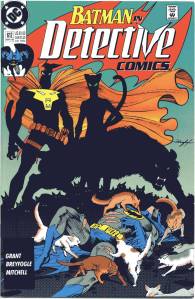
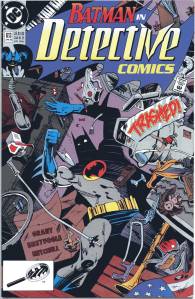
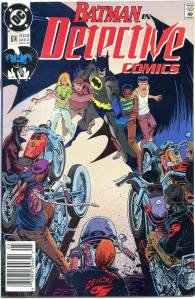
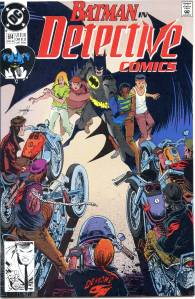
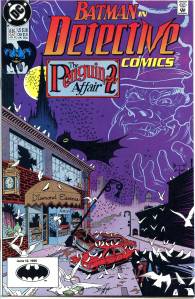
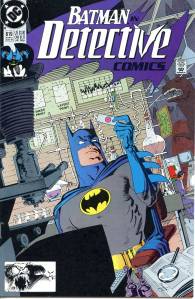
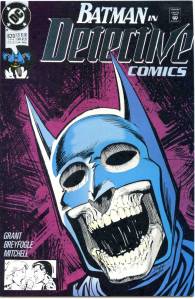
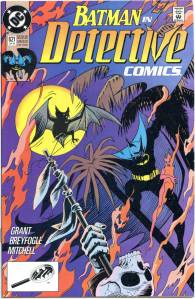
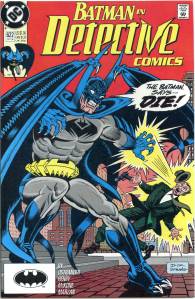
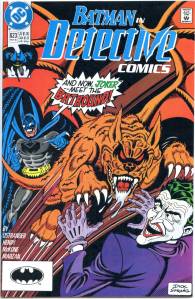
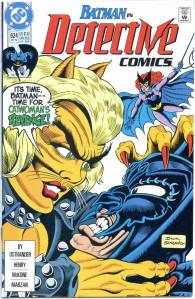
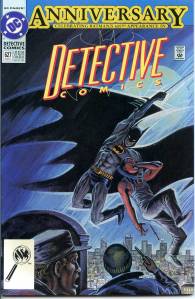
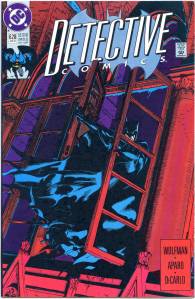
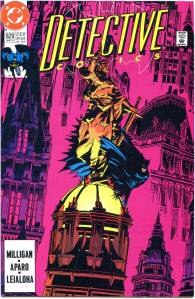
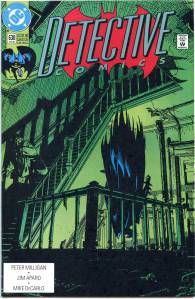
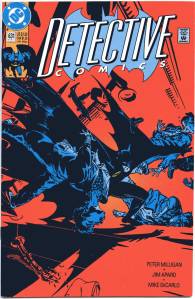
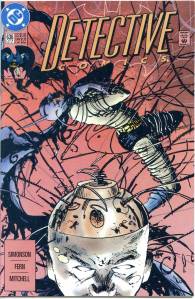
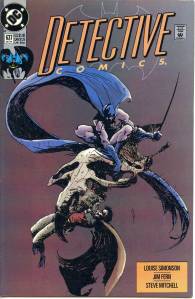
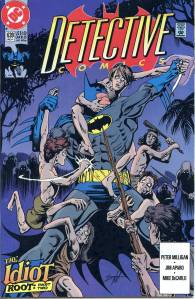
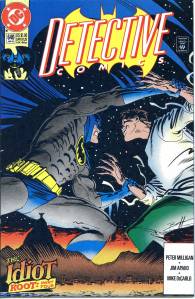
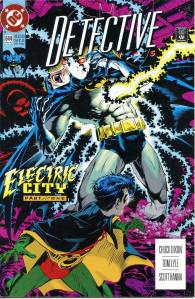
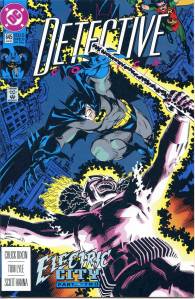
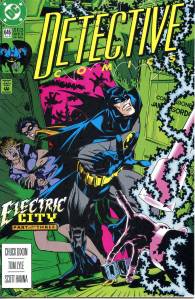
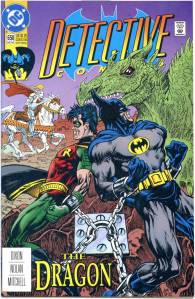
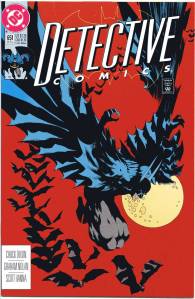
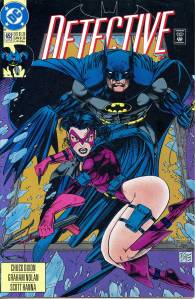
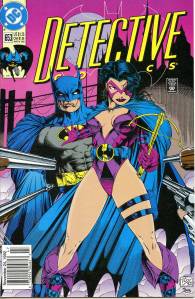
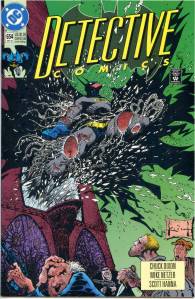
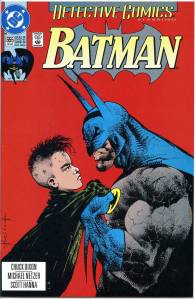
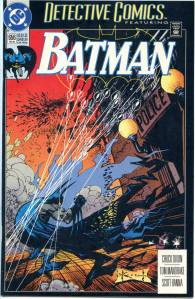
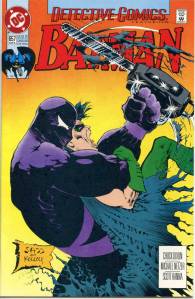
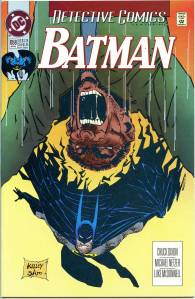
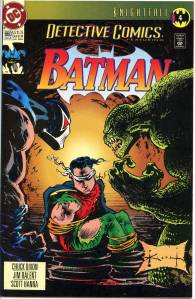
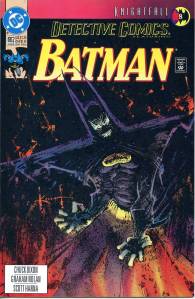
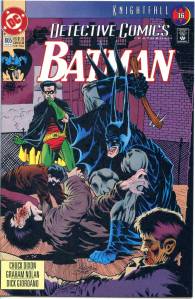
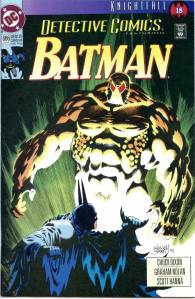
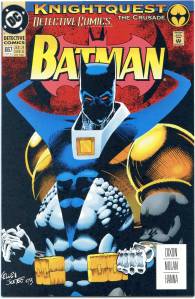
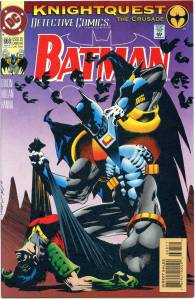
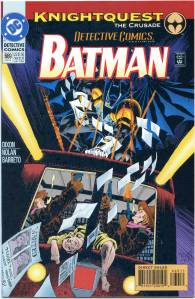
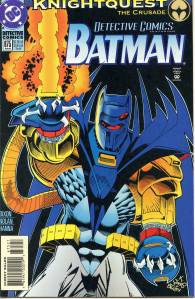
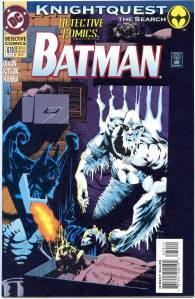
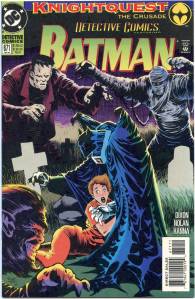
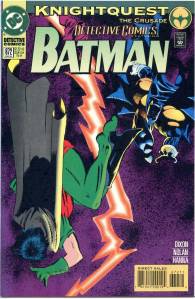
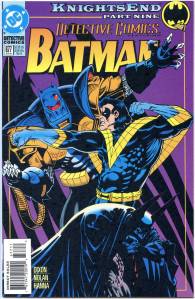
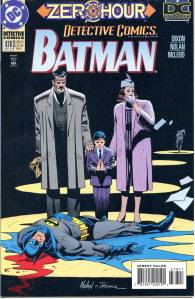
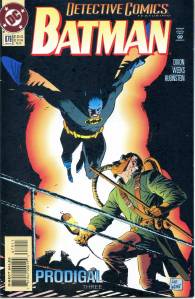
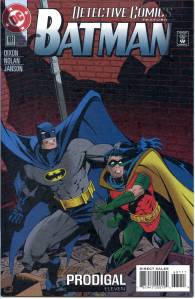
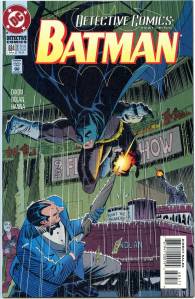
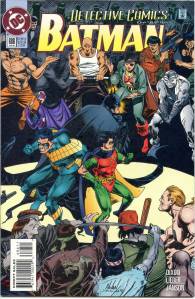
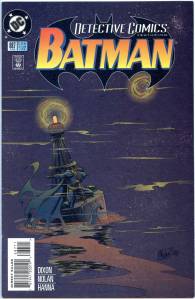
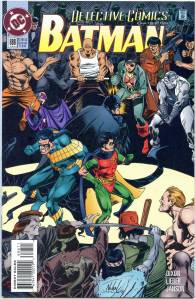
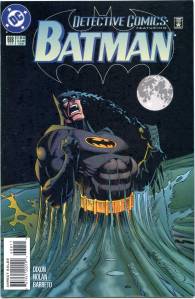
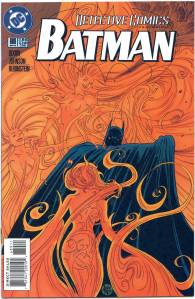
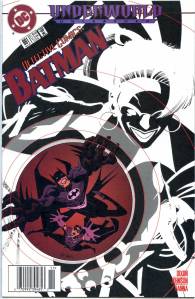
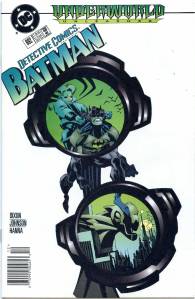
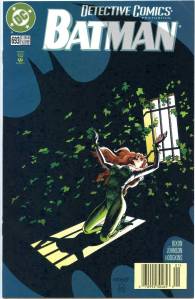
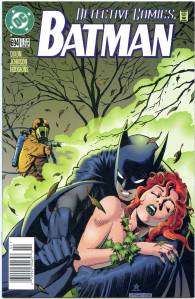
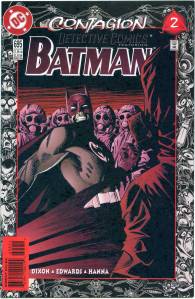
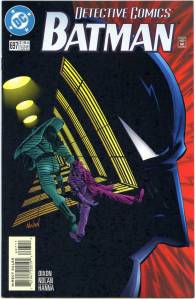
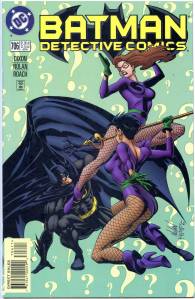
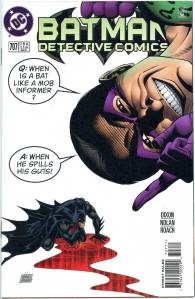
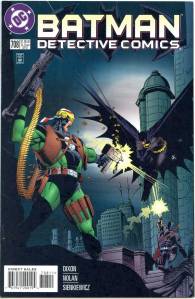
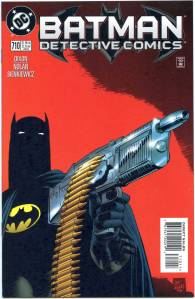
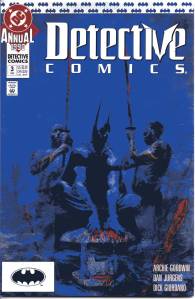
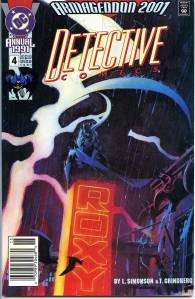
Chuck Dixon became the writer of the series with issue #644 (May 1992). He and Tom Lyle co-created the Electrocutioner in Detective Comics #644 (May 1992) and Stephanie Brown in Detective Comics #647 (August 1992).
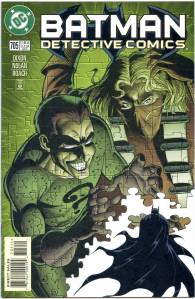
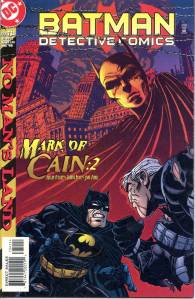
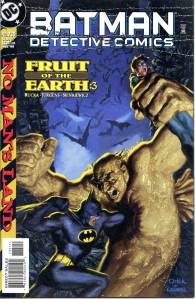
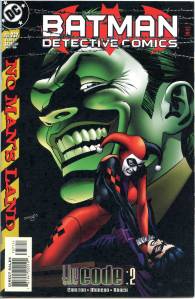
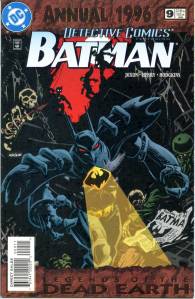
The “Batman: Legacy” storyline began in issue #700 (August 1996). The “No Man’s Land” storyline crossed over into Detective Comics in issues #730–741.
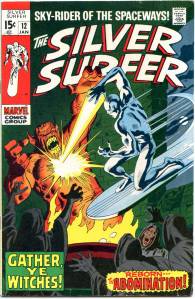
The Silver Surfer debuted as an unplanned addition to Fantastic Four#48 (March 1966). The comic’s writer-editor, Stan Lee, and its penciller and co-plotter, Jack Kirby, had by the mid-1960s developed a collaborative technique known as the “Marvel Method“: the two would discuss story ideas, Kirby would work from a brief synopsis to draw the individual scenes and plot details, and Lee would finally add the dialog and captions. When Kirby turned in his pencil art for the story, he included a new character he and Lee had not discussed. As Lee recalled in 1995, “There, in the middle of the story we had so carefully worked out, was a nut on some sort of flying surfboard”. He later expanded on this, recalling, “I thought, ‘Jack, this time you’ve gone too far'”. Kirby explained that the story’s agreed-upon antagonist, a god-like cosmic predator of planets named Galactus, should have some sort of herald, and that he created the surfboard “because I’m tired of drawing spaceships!” Taken by the noble features of the new character, who turned on his master to help defend Earth, Lee overcame his initial skepticism and began adding characterization. The Silver Surfer soon became a key part of the unfolding story.
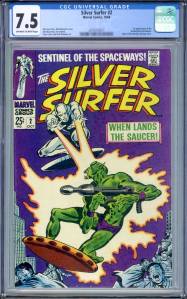
Silver Surfer #2 CGC 7.5 Off-White to White Pages $169
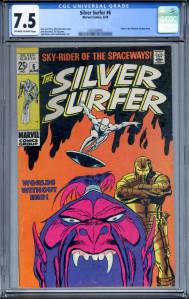
Silver Surfer #6 CGC 7.5 Off White to White Pages $129
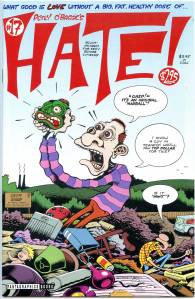
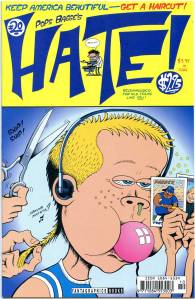
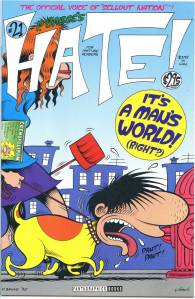
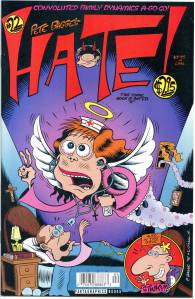
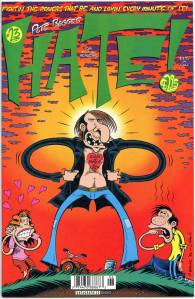
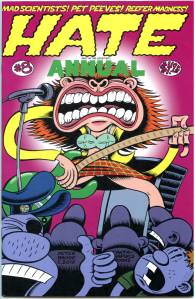
Hate is a comic book by writer-artist Peter Bagge. First published by Fantagraphics in 1990 it ran for 30 issues, and was one of the best-selling alternative comics of the 1990s, at its height selling 30,000 copies an issue. In 2000 Bagge revived the series in Hate Annual, a yearly comic that continues the story after Hate in short stories, and includes writings on libertarianism, culture, and topical cartoons.
Hate follows the life of Buddy Bradley, in a continuation of events from Bagge’s strip “The Bradleys” from former publications Neat Stuff. It is set for the first half in Seattle and later in suburban New Jersey. Buddy has to deal with the end of adolescence, reluctantly growing up, his relationships with a host of unpleasant acquaintances he has to class as friends, working in dead-end jobs and having no direction in life. Bagge used memories of events from his own life as material.
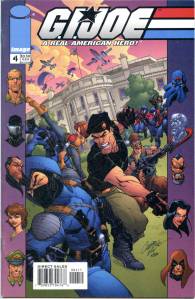
In July 2001, Devil’s Due acquired the rights to G.I. Joe, and released a four-issue limited series through Image Comics, written by Josh Blaylock with John Larter and Steve Kurth as the artists. The title quickly became known to the fans as A Real American Hero vol. 2 (following from Marvel’s original series), or G.I. Joe Reinstated (the title of the first four-issue arc). Strong sales on the limited series led to it being upgraded to an ongoing series, with the publication of a fifth issue and a monthly schedule.
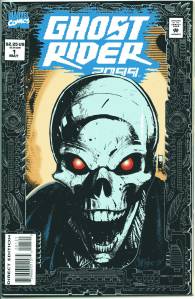
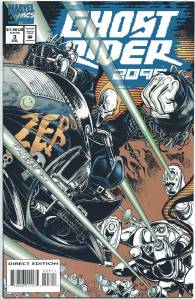
The series is set in the year 2099, in a dystopian possible future of the Marvel Universe, and features Kenshiro “Zero” Cochrane, a hacker who was killed but resurrected as the Ghost Rider — his mind controlling a powerful and well-armed robot. As with most of the Marvel 2099 titles, the protagonist was a futuristic version of a commercially successful Marvel Universe character. The series was heavily influenced by cyberpunk science fiction.
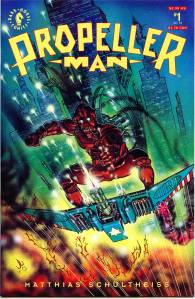
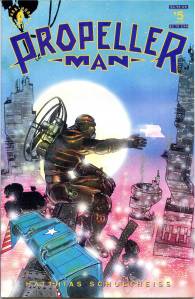
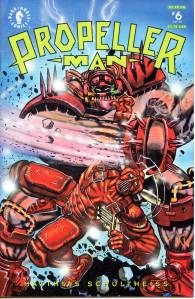
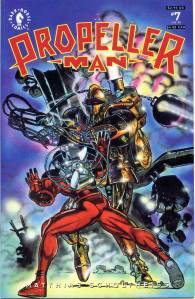
The future. A tired world of economic collapse and ecological disaster. In this corporate-dominated world, a living weapon escapes to blaze a trail of destruction as it searches for its creator. A solitary figure watches from the rooftops. Propellerman. Does the creature provide some clues to his missing memory?
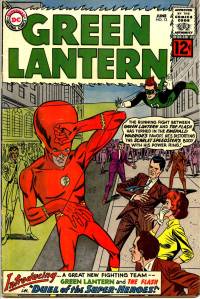
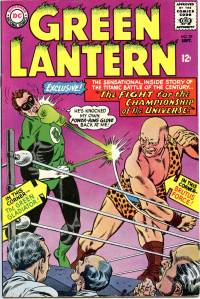
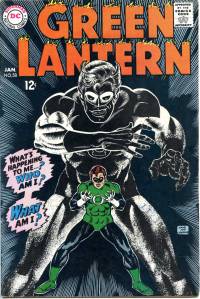
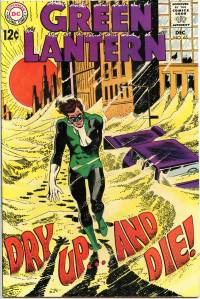
Following the successful revival of the Flash in Showcase #4 (Oct. 1956), a new Green Lantern was introduced in Showcase #22 (September–October 1959).
This Green Lantern was Hal Jordan, a test pilot who was given a power ring by a dying alien, Abin Sur, and who became a member of the Green Lantern Corps, an interstellar organization of police overseen by the Guardians of the Universe. The Corps’ rings were powerless against anything colored yellow, due to a yellow-colored “impurity,” or “dopant,” in the master power generator located on Oa, where the Guardians maintained their headquarters; the yellow dopant was described as being a “necessary” one, for without it, the master generator could not function as such.
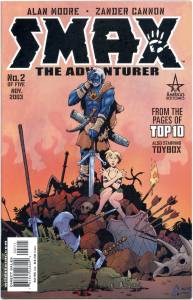
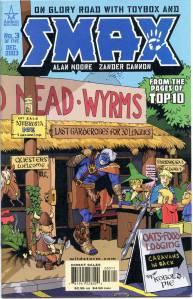
The story deals with Smax and Toybox returning, via magical teleportation, to Jeff’s magically enchanted homeworld. Smax, now a city dweller, seems embarrassed by his unsophisticated, sword-and-sorcery roots. They attend Smax’s uncle’s funeral where Jeff introduces Robyn as his wife, though no such relationship exists. At this point Jeff’s sister Rexa Macksun is introduced, dressed in the typical garb of a female fantasy barbarian such as Red Sonja and just as tall and physically impressive as her brother with the same blue skin and white hair.































 EHT Comics