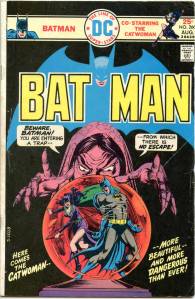
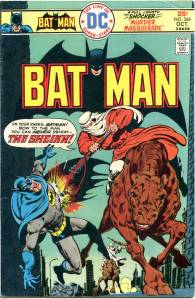
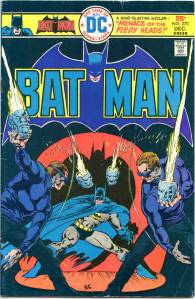
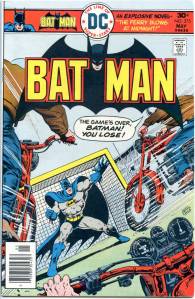
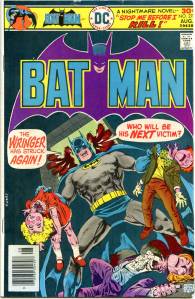
The title was the first to feature Neal Adams‘ version of Batman, generating fan interest that led to Adams’ style defining the modern Batman image to this day. In addition, Adams updated Green Arrow‘s visual appearance by designing a new costume for the character in issue #85 (Aug.–Sept 1969). The primary artist for the second half of the run was Jim Aparo, starting with #98 (October–November 1971). Haney frequently disregarded continuity by scripting stories which contradicted DC’s canon or by writing major heroes in an out-of-character fashion. Issue #100 (Feb.–March 1972) featured Batman and “4 Famous Co-Stars” (Green Lantern, Green Arrow, Black Canary, and Robin) in a story by Haney and Aparo. Issues #112 (April–May 1974) to #117 (Feb.–March 1975) of the series were in the 100 Page Super Spectacular format.
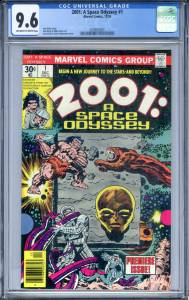
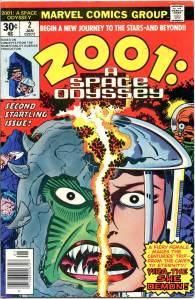
Shortly after the publication of the treasury edition, Kirby continued to explore the concepts of 2001 in a monthly comic book series of the same name, the first issue of which was dated December 1976. In this issue, Kirby followed the pattern established in the film. Once again the reader encounters a prehistoric man (“Beast-Killer”) who gains new insight upon encountering a monolith as did Moon-Watcher in the film. The scene then shifts, where a descendant of Beast-Killer is part of a space mission to explore yet another monolith. When he finds it, this monolith begins to transform the astronaut into a star child, called in the comic a “New Seed”.
Issues #1-6 of the series replay the same idea with different characters in different situations, both prehistoric and futuristic. In #7 (June 1977), the comic opens with the birth of a New Seed who then travels the galaxy witnessing the suffering that men cause each other. While the New Seed is unable or unwilling to prevent this devastation, he takes the essence of two doomed lovers and uses it to seed another planet with the potential for human life.
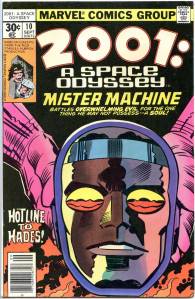
In issue #8 (July 1977), Kirby introduces Mister Machine, who is later renamed Machine Man.Mister Machine is an advanced robot designated X-51. All the other robots in the X series go on a rampage as they achieve sentience and are destroyed. X-51, supported by both the love of his creator Dr. Abel Stack and an encounter with a monolith, transcends the malfunction that destroyed his siblings. After the death of Dr. Stack, X-51 takes the name Aaron Stack and begins to blend into humanity. Issues #9 and 10, the final issues of the series, continue the story of X-51 as he flees destruction at the hands of the Army.
2001 A Space Odyssey 1 CGC 9.6 Off White to White Pages $79
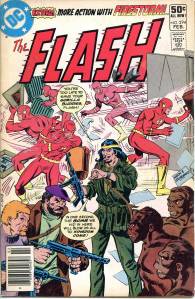
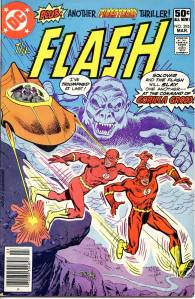
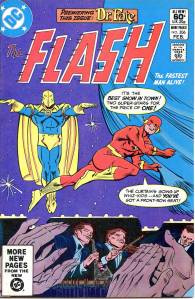
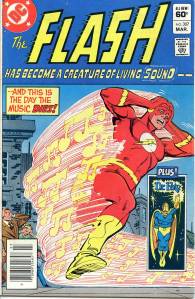
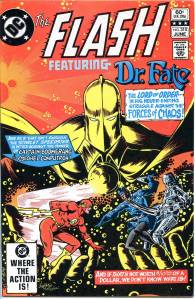
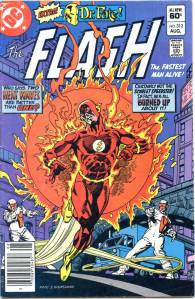
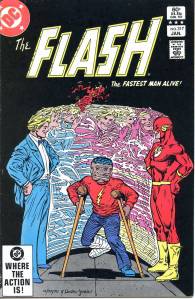
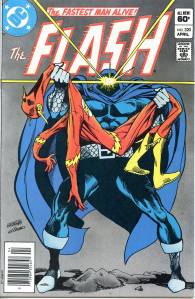
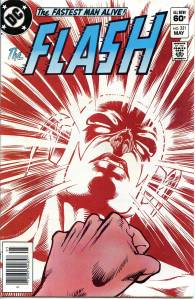
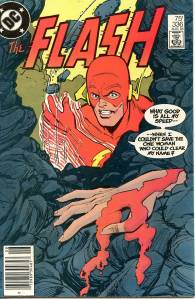
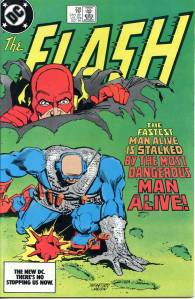
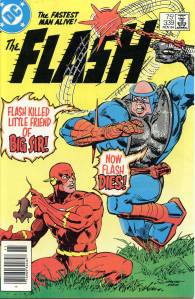
Barry Allen’s adventures continued in his own title until the event of Crisis on Infinite Earths. The Flash ended as a series with issue #350. Allen’s life had become considerably confused in the early 1980s, and DC elected to end his adventures and pass the mantle on to another character. Allen died heroically in Crisis on Infinite Earths #8 (1985). Thanks to his ability to travel through time, he would continue to appear occasionally in the years to come.
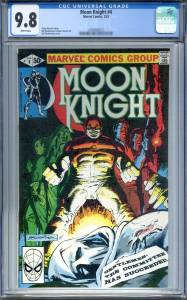
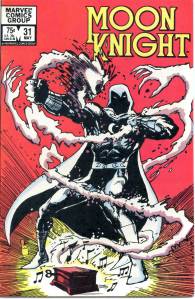
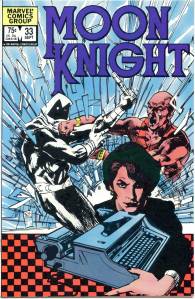
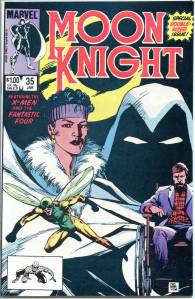
Moon Knight received his first ongoing series in 1980, with Doug Moench and Bill Sienkiewicz as its main creative team. The character received an expanded origin story in issue #1, which also introduced several recurring characters as well as recurring enemy Bushman. The series depicted several characters who doubted the moon god Khonshu was real and believed Marc Spector only experienced a hallucination while near death. It was never explained why other characters, such as Spector’s lover Marlene, concluded this when there was no other explanation for Marc’s spontaneous recovery from his wounds and a death-like state and when it was well known by this time that many gods of myth in the Marvel Universe (such as Thor and Zeus) were real, living entities from other dimensions and planets.
After early sales were good, Marvel made the Moon Knight series a flagship title available in comic shops starting with issue #15. The companion mini-series Moon Knight: Special Edition reprinted the Hulk and Marvel Preview Moon Knight stories in color and standard comic format, as opposed to their original magazine format. Sienkiewicz left the series after issue #30, though he continued to contribute covers until the series ended with issue #38.
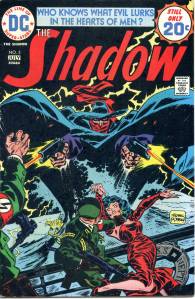
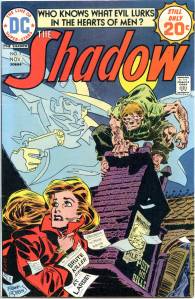
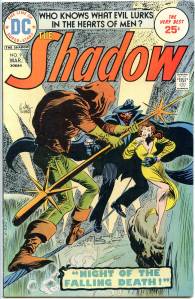
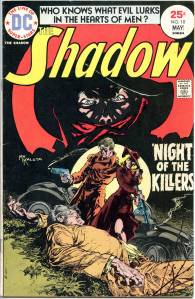
During the mid-1970s, DC Comics published an “atmospheric interpretation” of the character by writer Dennis O’Neil and artist Michael Kaluta in a 12-issue series (Nov. 1973 – Sept. 1975). Kaluta drew issues 1–4 and 6 and was followed by Frank Robbins and then E. R. Cruz. Attempting to be faithful to both the pulp-magazine and radio-drama character, the series guest-starred fellow pulp fiction hero the Avenger in issue #11.
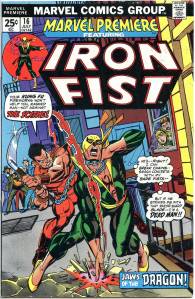
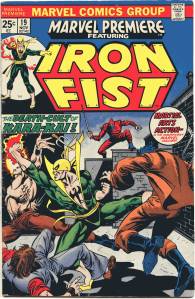
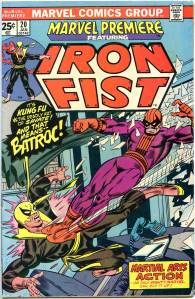
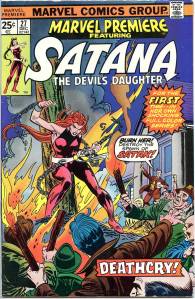
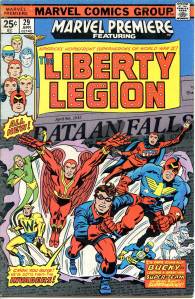
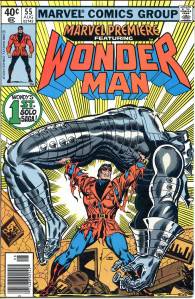
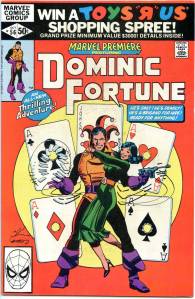
Marvel Premiere ran for 61 issues from April 1972 to August 1981. The series introduced new characters and reintroduced characters who no longer had their own titles. Writer Roy Thomas and penciler Gil Kane significantly revamped Him as the allegorical Messiah Adam Warlock in Marvel Premiere #1 (April 1972). Iron Fist first appeared in issue #15, written by Roy Thomas and drawn by Gil Kane. Other introductions include the Legion of Monsters, the Liberty Legion,Woodgod, the 3-D Man, and the second Ant-Man (Scott Lang). The series also featured the first comic book appearance of rock musician Alice Cooper. Later in the title’s run, Marvel Premiere was used to finish stories of characters who had lost their own series including the Man-Wolf in issues #45-46 and the Black Panther in issues #51-53.
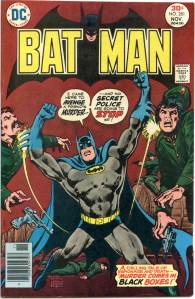
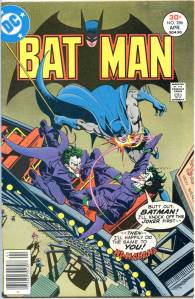
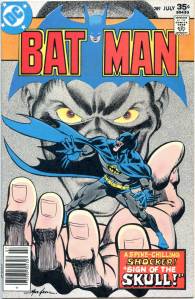
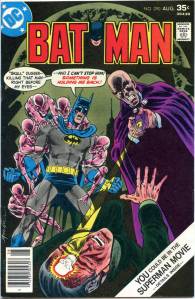
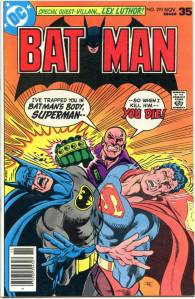
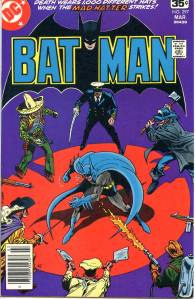
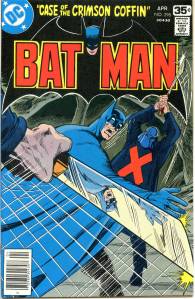
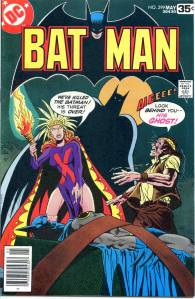
Starting in 1969, writer Dennis O’Neil and artist Neal Adams made a deliberate effort to distance Batman from the campy portrayal of the 1960s TV series and to return the character to his roots as a “grim avenger of the night”. O’Neil said his idea was “simply to take it back to where it started. I went to the DC library and read some of the early stories. I tried to get a sense of what Kane and Finger were after.”
O’Neil and Adams first collaborated on the story “The Secret of the Waiting Graves” (Detective Comics #395, January 1970). Few stories were true collaborations between O’Neil, Adams, Schwartz, and inker Dick Giordano, and in actuality these men were mixed and matched with various other creators during the 1970s; nevertheless the influence of their work was “tremendous”.Giordano said: “We went back to a grimmer, darker Batman, and I think that’s why these stories did so well…” While the work of O’Neil and Adams was popular with fans, the acclaim did little to improve declining sales; the same held true with a similarly acclaimed run by writer Steve Englehart and penciler Marshall Rogers in Detective Comics #471–476 (August 1977 – April 1978), which went on to influence the 1989 movie Batman and be adapted for Batman: The Animated Series, which debuted in 1992.Regardless, circulation continued to drop through the 1970s and 1980s, hitting an all-time low in 1985.
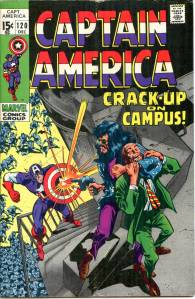
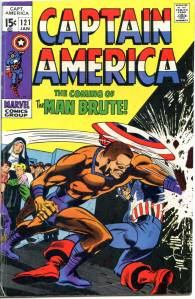
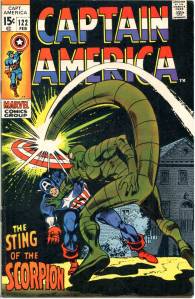
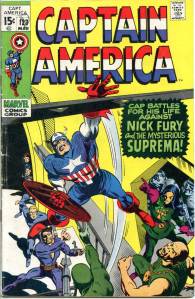
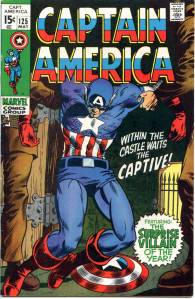
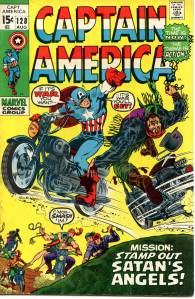
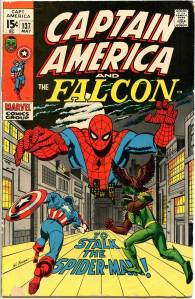
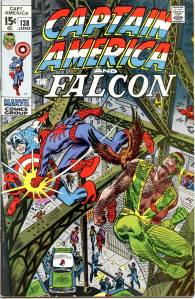
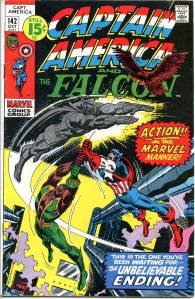
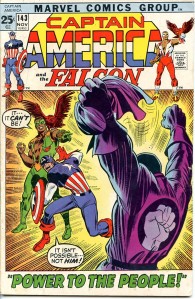
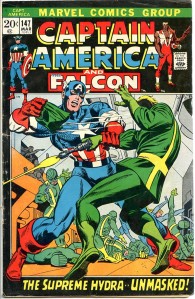
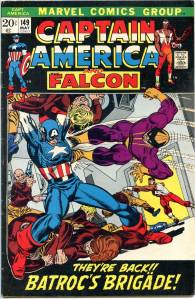
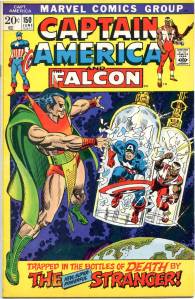
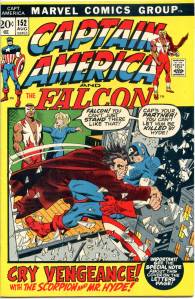
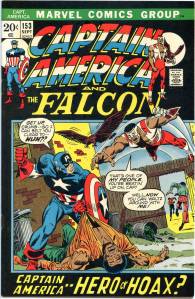
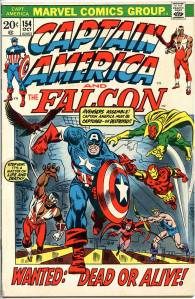
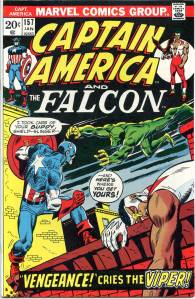
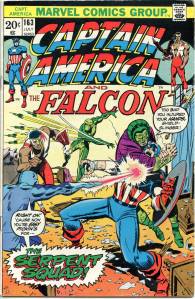
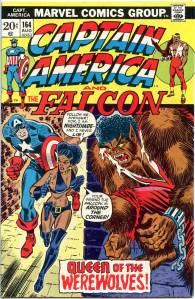
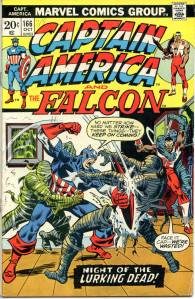
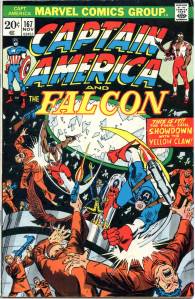
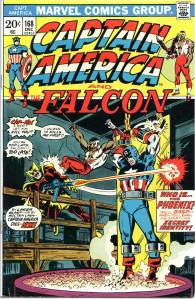
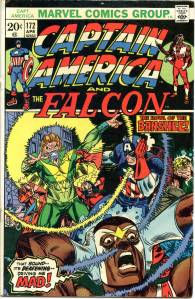
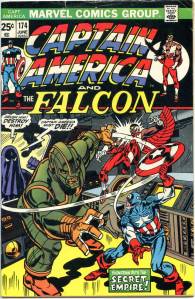
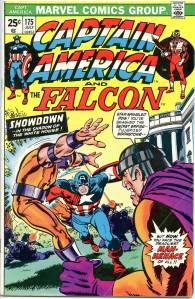
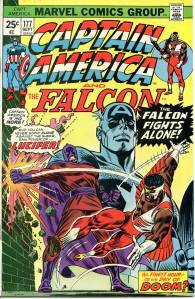
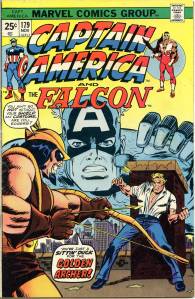
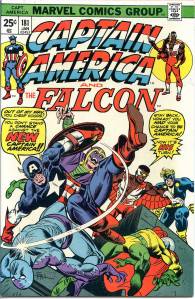
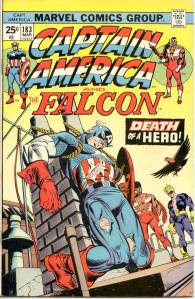
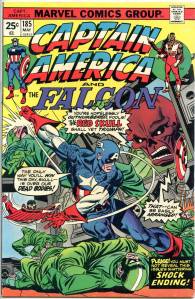
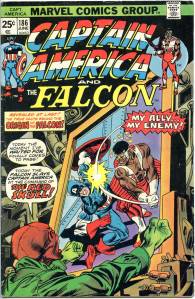
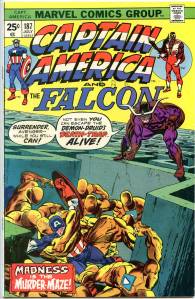
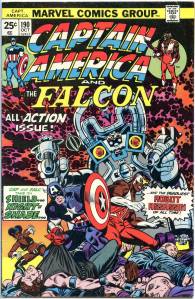
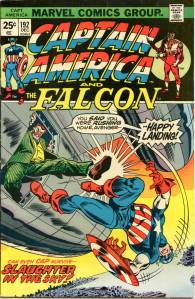
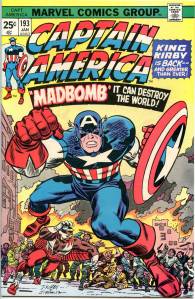
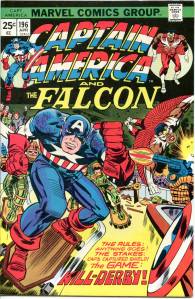
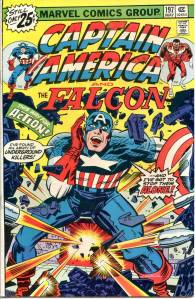
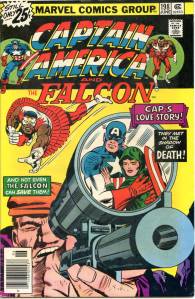
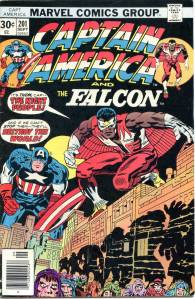
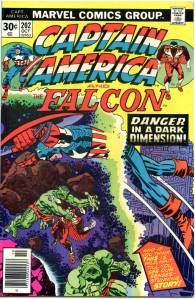
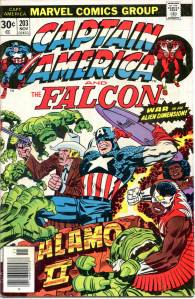
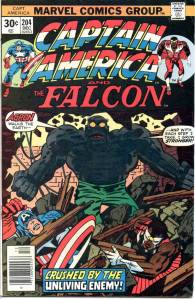
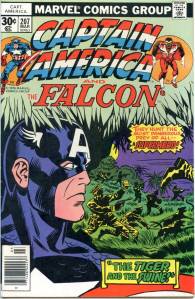
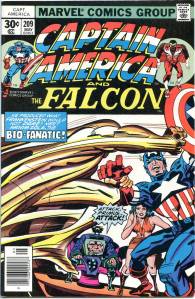
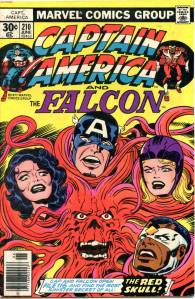
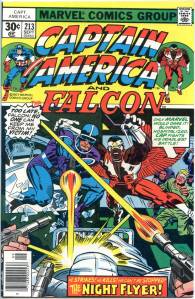
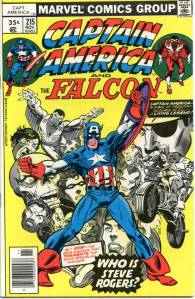
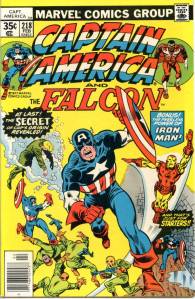
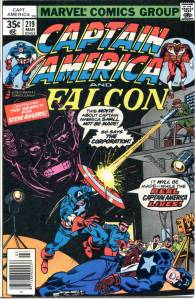
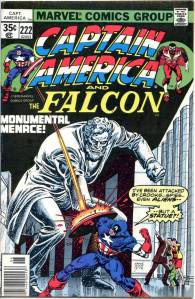
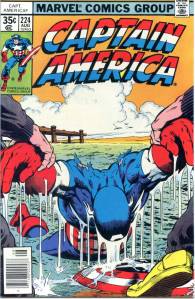
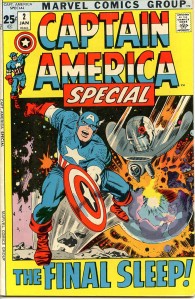
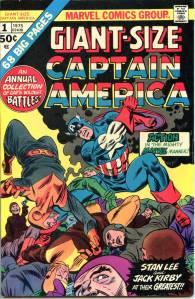
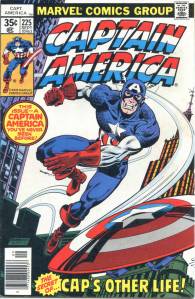
Captain America continued from Tales of Suspensewith artwork by Kirby, as well as a short run by Jim Steranko, and work by many of the industry’s top artists and writers. It was called Captain America and the Falcon from #134 (Feb. 1971) to #222 (June 1978) although the Falcon’s name was not on the cover for issues #193, 200, and 216. The 1972–1975 run on the title by writer Steve Englehart and artist Sal Buscema saw the series become one of Marvel’s top-sellers. In 2010, Comics Bulletin ranked Englehart and Buscema’s run on Captain America fourth on its list of the “Top 10 1970s Marvels”. Kirby returned to the series as writer and penciler with issue #193 (Jan. 1975) ]and remained through #214 (Oct. 1977).
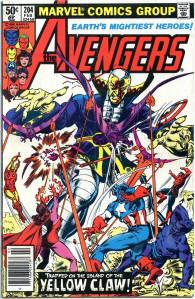
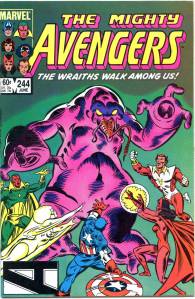
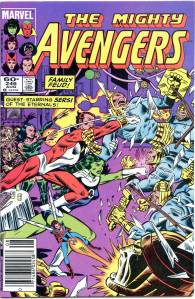
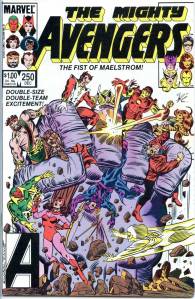
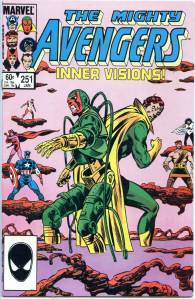
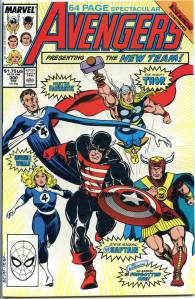
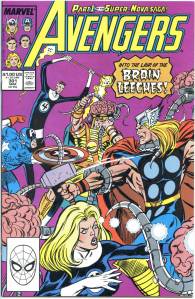
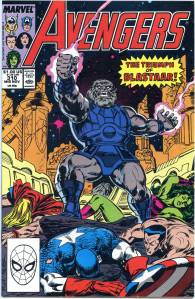
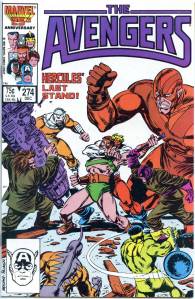
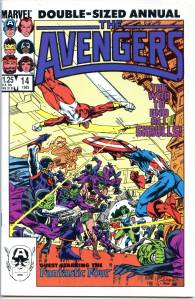
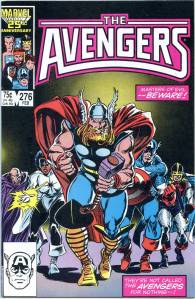
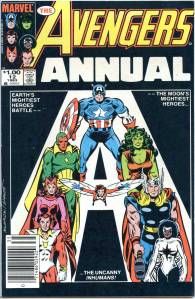
The first major development of the 80’s was the breakdown of Henry Pym, with his frequent changes of costume and name being symptomatic of an identity problem and an inferiority complex. After he abused his wife, failed to win back the confidence of the Avengers with a ruse and was duped by the villain Egghead, Pym was jailed. Pym would later outwit Egghead and defeated the latest incarnation of the Masters of Evil single-handedly, and proved his innocence. Pym reconciled with the Wasp, but they decided to remain apart. Pym retired from super-heroics, but returned years later.
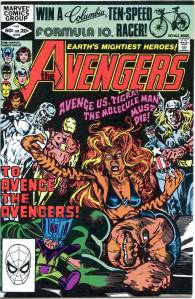
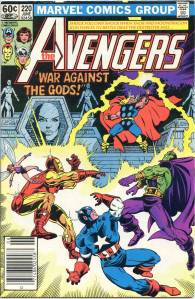
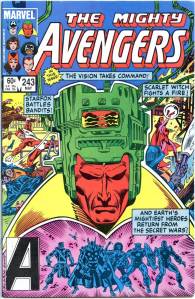
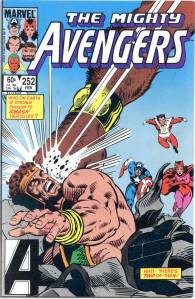
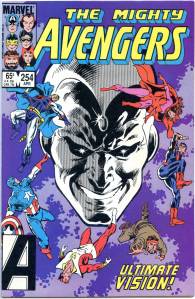
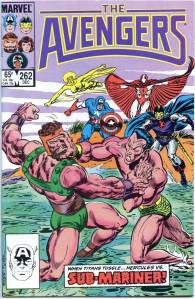
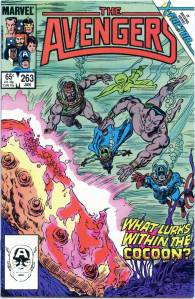
This was followed by several major storylines, such as “Ultimate Vision” in which the Vision took over the world’s computer systems in a misguided attempt to create world peace; the formation of the West Coast Avengers; and “Avengers Under Siege” which involved the second Baron Zemo and the Masters of Evil taking over the mansion and severely injuring Jarvis and Hercules. “Assault on Olympus” featured Hercules’ father, Zeus, blaming the Avengers for his son’s injuries and brought them to Olympus for trial, and the “Heavy Metal” arc saw the Super Adaptoid organized several robotic villains for an assault on the team. New members during the 1980s included Tigra; the She-Hulk;Monica Rambeau (then going by the name Captain Marvel);Starfox (the brother of Thanos); Hawkeye’s wife, Mockingbird; and Namor, while Henry Pym emerged from retirement to join the West Coast Avengers. Spider-Man was again offered membership, but failed to gain admission due to security concerns by the Avengers’ government liaison.
The villain Nebula falsely claimed to be the granddaughter of Thanos. The team relocated for a period to a floating island off the coast of New York called Hydrobase after Avengers Mansion was severely damaged during the events in “Under Siege”. Hydrobase was later sunk during the Acts of Vengeance crossover.
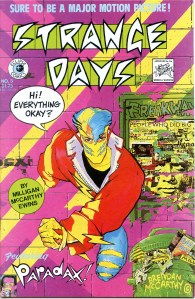
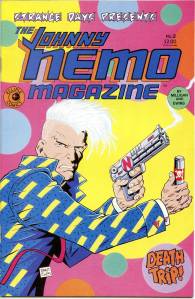
Concurrently, Milligan, Ewins and Brendan McCarthy worked on the anthology title, Strange Days for Eclipse Comics. Strange Days featured three strips, “Paradax“, “Freakwave“, and “Johnny Nemo“. Milligan, McCarthy and Ewins produced three issues of this psychedelic comic, it was not a great seller but it picked up a small, loyal readership. The most conventional strip, “Johnny Nemo”, had its own series, while the more quirky “Paradax” had a two-issue series published by Vortex Comics in 1987.
Strange Days #1 NM $12
Strange Days #2 NM $10
Strange Tales #3 NM $8
Strange Days Presents – Johnny Nemo Magazine #2 VF+ $3






















































































 EHT Comics