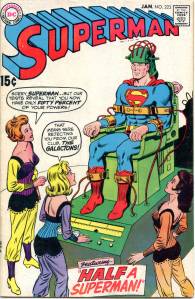
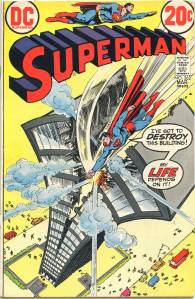
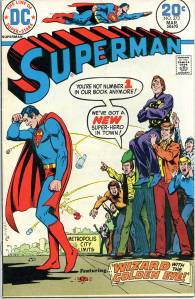
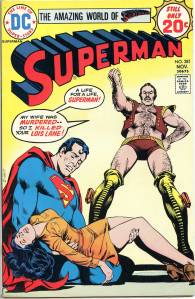
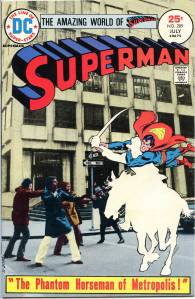
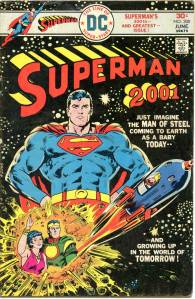
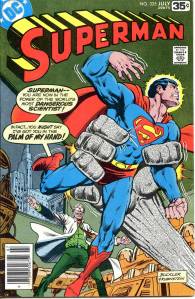
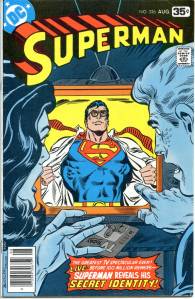
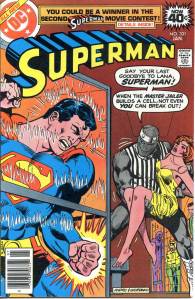
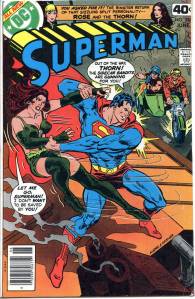
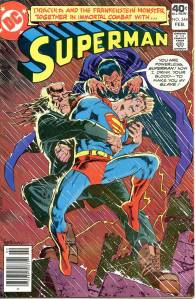
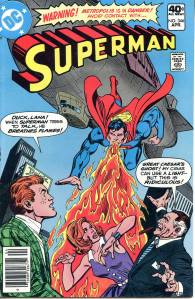
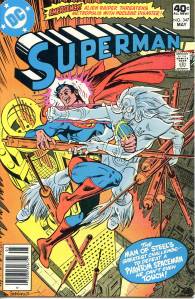
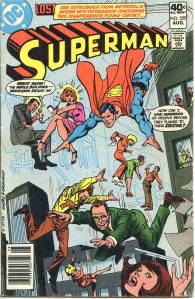
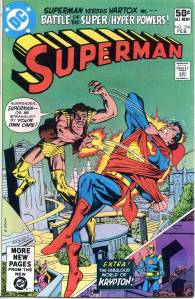
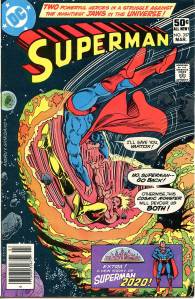
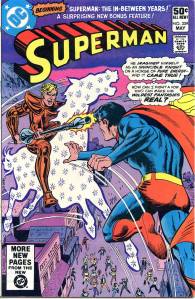
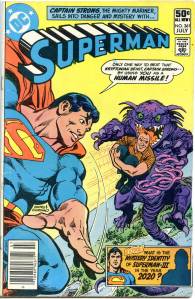
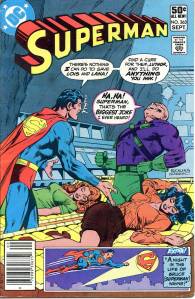
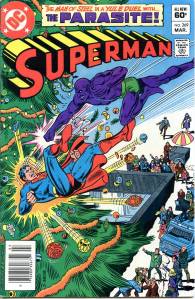
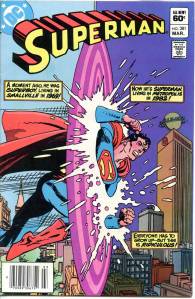
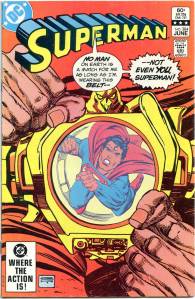
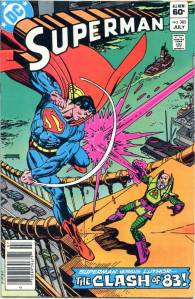
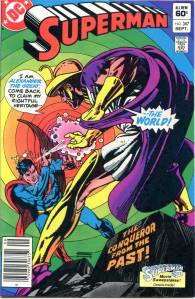
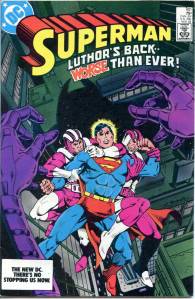
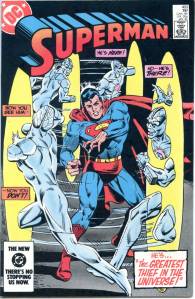
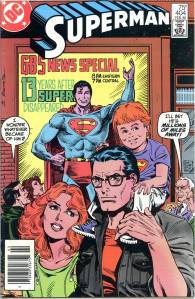
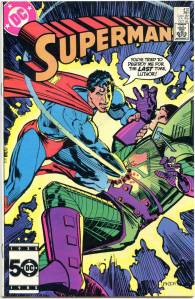
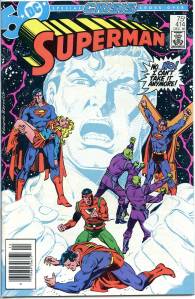
The early 1970s were a time of change for the Man of Steel. As Clark Kent shifted from being a newspaper reporter to a TV newscaster, his alter ego saw the destruction of all remaining Kryptonite on Earth! This period also featured many new villains, including Terra-Man, and the dramatic reintroductions of such foes as Lex Luthor — in green and purple armor!
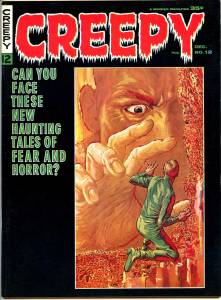
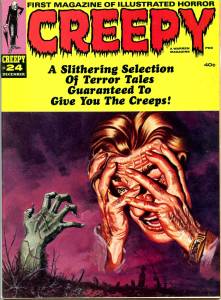
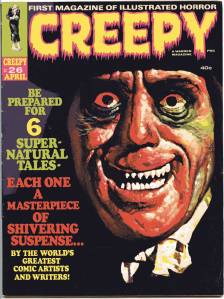
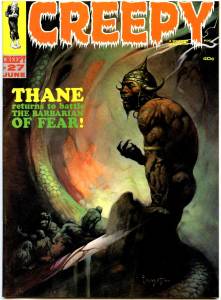
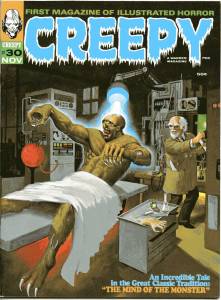
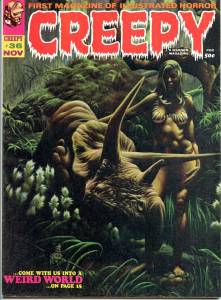
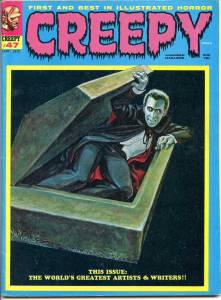
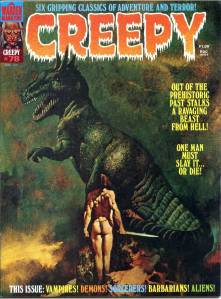
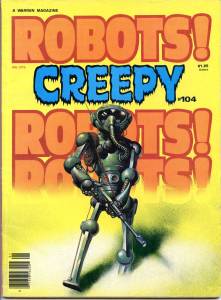
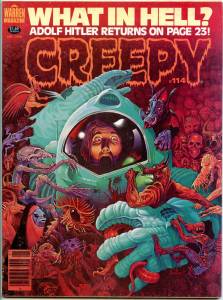
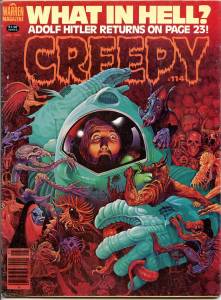
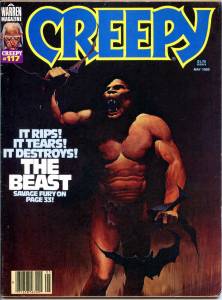
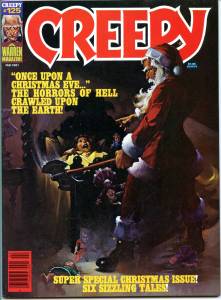
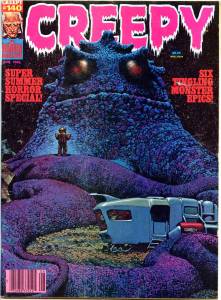
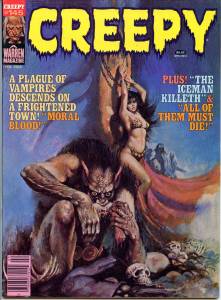
Creepy was an American horror-comics magazine launched by Warren Publishing in 1964. Like Mad, it was a black-and-white newsstand publication in a magazine format and thus did not require the approval or seal of the Comics Code Authority. The anthology magazine was initially published quarterly but later went bimonthly. Each issue’s stories were introduced by the host character, Uncle Creepy. Its sister publications were Eerie and Vampirella.
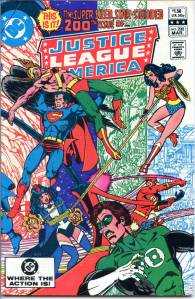
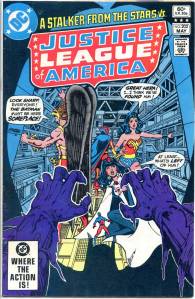
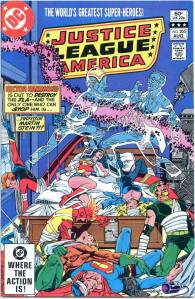
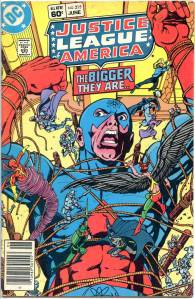
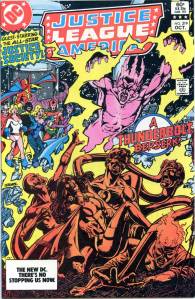
In the early 80’s, George Pérez, Don Heck, and Rich Buckler would rotate as artist on the title. The double-sized anniversary issue #200 (March 1982) was a “jam” featuring a story written by Conway, a framing sequence drawn by Pérez, and chapters drawn by Pat Broderick, Jim Aparo, Dick Giordano, Gil Kane, Carmine Infantino, Brian Bolland, and Joe Kubert. Bolland’s chapter gave the artist his “first stab at drawing Batman.” Pérez would leave the title with issue #200 to concentrate on The New Teen Titans although he would contribute covers to the JLAthrough issue #220 (November 1983). The 1982 team-up with the Justice Society in issues #207–209 crossed over with All-Star Squadron #14–15. A Justice League story by Gerry Conway and Rich Buckler originally intended for publication as an issue of All-New Collectors’ Edition saw print in Justice League of America #210–212 (January–March 1983).
Seeking to capitalize on the popularity of their other team books, which focused upon heroes in their late teens/early 20s, Gerry Conway and artist Chuck Patton revamped the Justice League series. After most of the original heroes fail to help fend off an invasion of Martians, Aquaman dissolves the League and rewrites its charter to allow only heroes who will devote their full-time to the roster. The new team initially consists of Aquaman, Zatanna, Martian Manhunter, Elongated Man, the Vixen, and a trio of teenage heroes Gypsy, Steel, and Vibe. Aquaman leaves the team after a year, due to resolving marital problems, and his role as leader is assumed by the Martian Manhunter.
The final storyline for the original Justice League of America series (#258–261), by writer J. M. DeMatteis and artist Luke McDonnell, concludes with the murders of Vibe and Steel at the hands of robots created by long-time League nemesis Professor Ivo, and the resignations of Vixen, Gypsy, and the Elongated Man during the events of DC’s Legends miniseries, which sees the team disband.
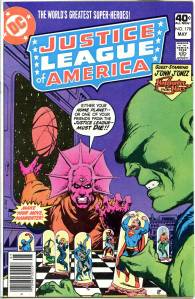
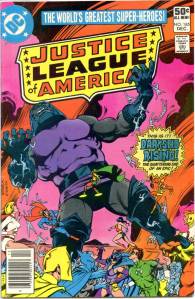
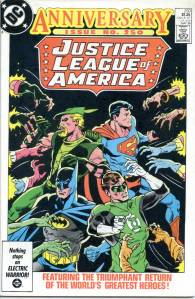
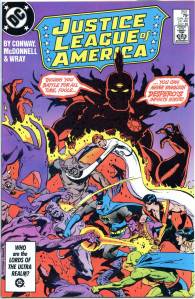
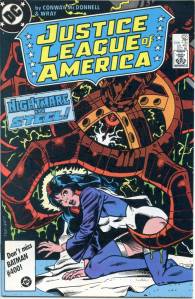
Justice League of America #178 VF $5Justice League of America V1 #182 FN+ $4Justice League of America V1 #183 FN $5Justice League of America V1 #185 FN- $3Justice League of America V1 #189 VG $5Justice League of America V1 #194 FN- $3Justice League of America #198 Newsstand VF $6Justice League of America #198 F $3Justice League of America #200 VF- $9Justice League of America V1 #200 FN $4Justice League of America V1 #201 FN $3Justice League of America #206 VF- $4Justice League of America V1 #207 FN $3Justice League of America #202 F $3Justice League of America #203 F $3Justice League of America #205 VF+ $6Justice League of America #209 NM $9Justice League of America #210 NM- $7Justice League of America #211 VF $5Justice League of America #213 VF- $4Justice League of America V1 #213 FN $3Justice League of America #214 VF $4Justice League of America V1 #215 FN-VF $5Justice League of America #215 Newsstand F $3Justice League of America #217 NM $9Justice League of America #218 VF $4Justice League of America #219 NM- $8Justice League of America #220 VF-NM $7Justice League of America #226 VF-NM $7Justice League of America #232 VF- $3Justice League of America #227 Newsstand VF- $3Justice League of America #240 NM- $8Justice League of America #242 NM $9Justice League of America #244 NM- $5Justice League of America #248 VF $3Justice League of Amerca #250 VF $9Justice League of America #251 VF+ $5Justice League of America #252 NM- $6Justice League of America #252 VF+ $4Justice League of America #252 VF $3Justice League of America #253 NM $7Justice League of America #254 VF $3Justice League of America #255 VF+ $5Justice League of America #255 Newsstand F-VF $2Justice League of America #261 VF+ $8Justice League of America #261 VF $5
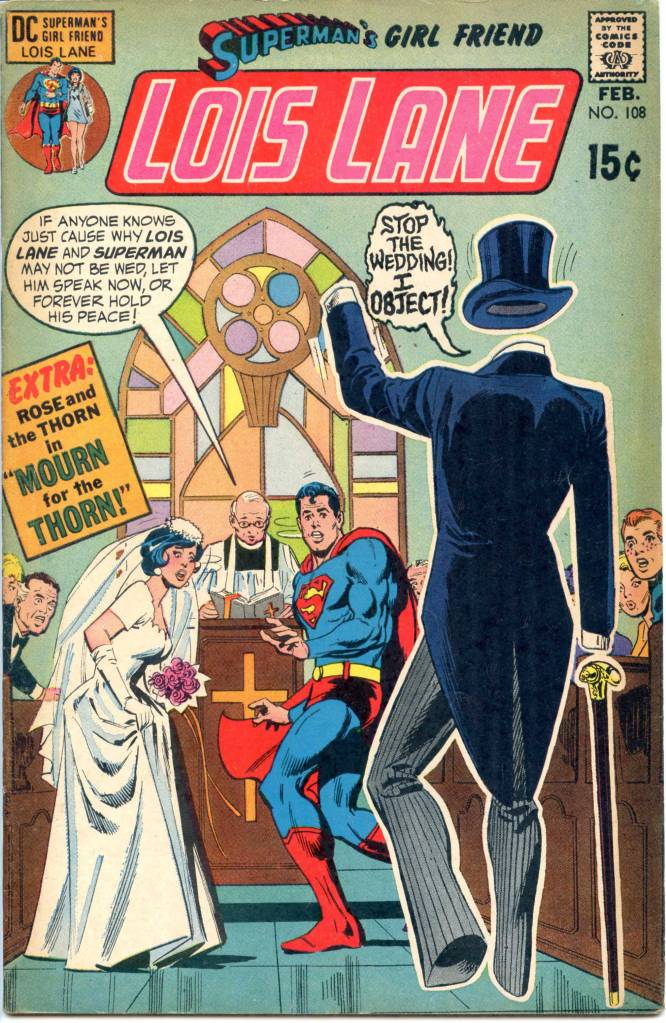
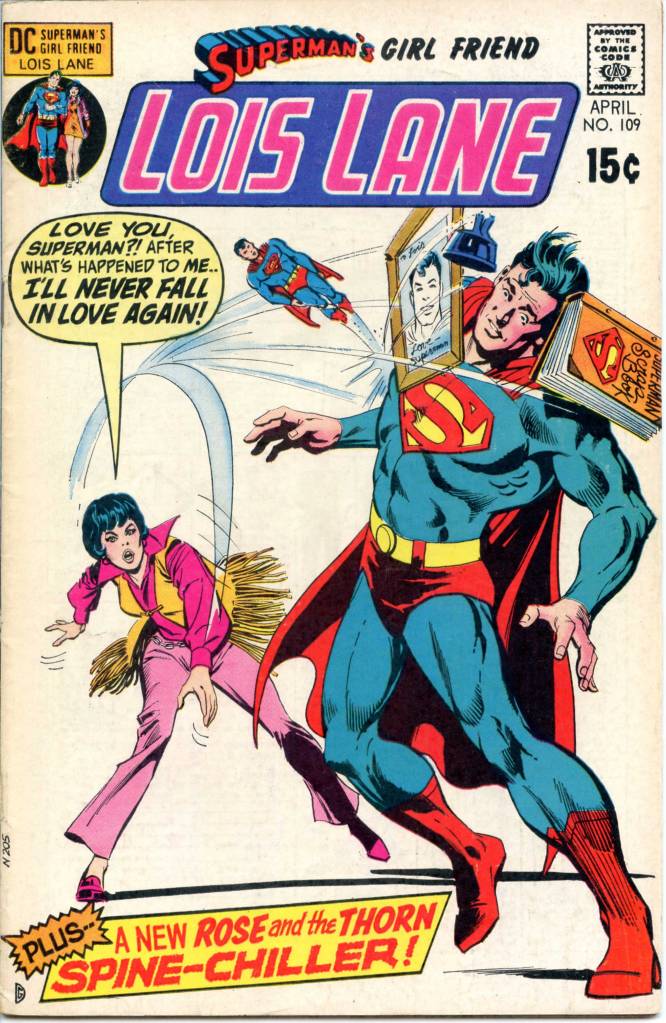
By the 1970s, the stories began to reflect growing social awareness: Lois became less fixated on romance and more on current issues. In the controversial story “I Am Curious (Black)!” in #106 (November 1970), Lois uses a machine that allows her to experience racism firsthand as an African American woman. The series saw the debut of the Silver Age heroine “Rose & The Thorn” in a backup feature that ran from #105 (October 1970) through #130 (April 1973). Editor E. Nelson Bridwell had several characters and plot concepts from Jack Kirby‘s “Fourth World” appear in issues #111–119 (July 1971 – February 1972). Lois’ sister, Lucy Lane, was believed to have died in issue #120 (March 1972) but the character was later revived.
In 1974, the title ended, as Superman’s Pal Jimmy Olsen had earlier that year. Both would be merged into The Superman Family, which chronologically continued from the elder title, premiering with issue #164 (April–May 1974). The release of the last issue of Superman’s Girl Friend, Lois Lane was delayed for several months due to a nationwide paper shortage.
Supermans Girl Friend Lois Lane #108 FN $8Supermans Girl Friend Lois Lane #109 FN+ $9
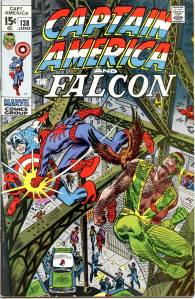
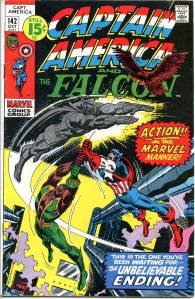
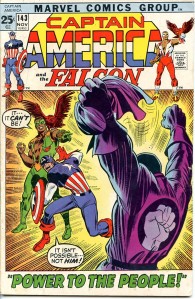
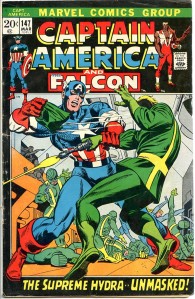
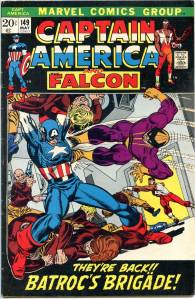
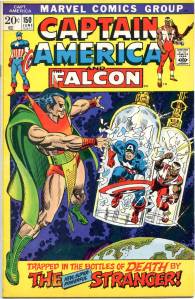
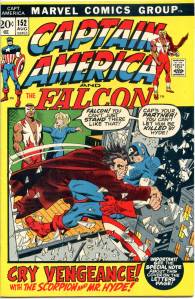
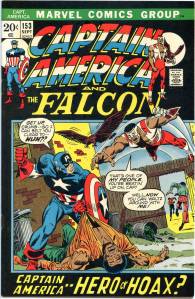
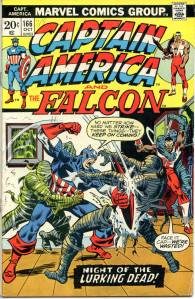
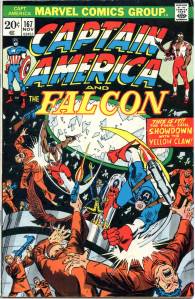
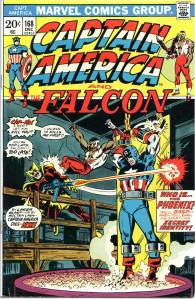
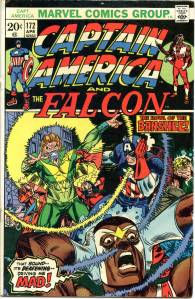
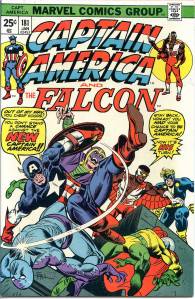
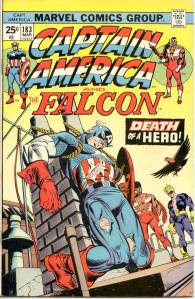
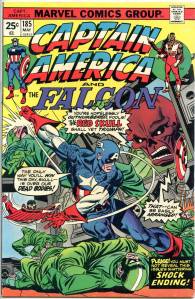
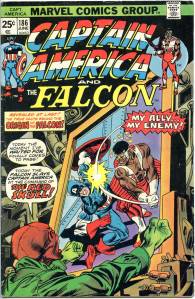
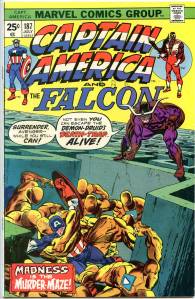
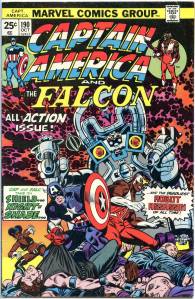
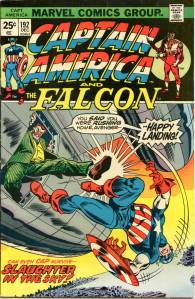
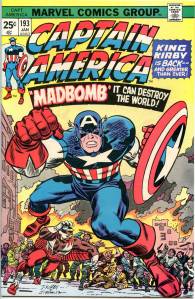
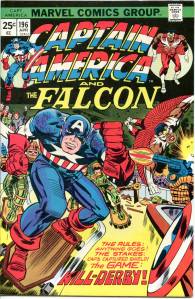
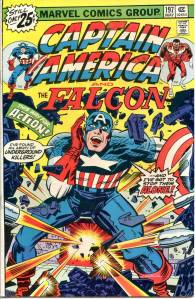
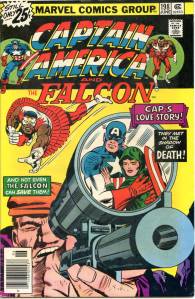
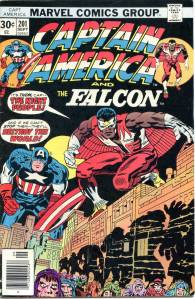
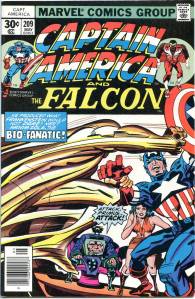
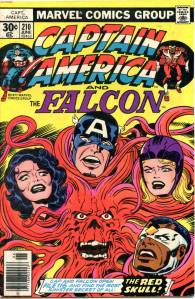
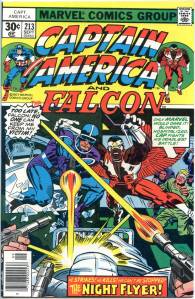
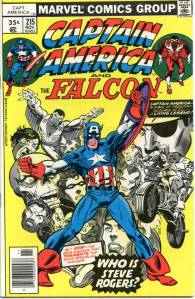
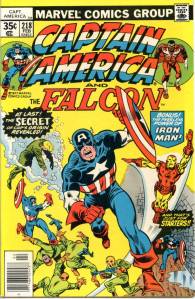
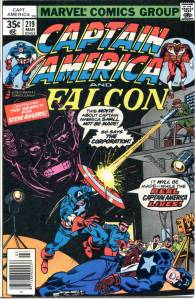
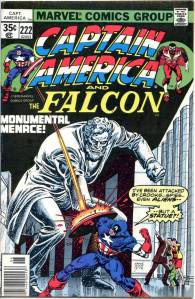
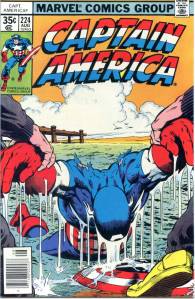
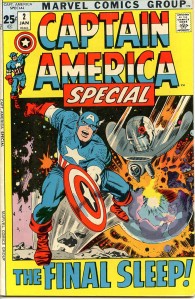
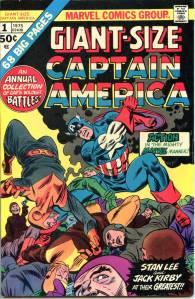
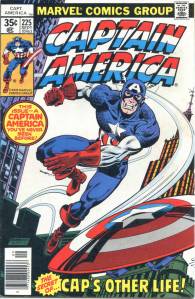
Captain America continued from Tales of Suspensewith artwork by Kirby, as well as a short run by Jim Steranko, and work by many of the industry’s top artists and writers. It was called Captain America and the Falcon from #134 (Feb. 1971) to #222 (June 1978) although the Falcon’s name was not on the cover for issues #193, 200, and 216. The 1972–1975 run on the title by writer Steve Englehart and artist Sal Buscema saw the series become one of Marvel’s top-sellers. In 2010, Comics Bulletin ranked Englehart and Buscema’s run on Captain America fourth on its list of the “Top 10 1970s Marvels”. Kirby returned to the series as writer and penciler with issue #193 (Jan. 1975) ]and remained through #214 (Oct. 1977).
Captain America #120 G-VG $5Captain America #121 VG $7Captain America #122 VF- $19Captain America #123 VG $7Captain America #125 VF+ $29Captain America #126 VF $79Captain America #127 NM- $49Captain America #128 VF- $24Captain America #129 VF $19Captain America #131 VF- $15Captain America #133 FN+ $24Captain America #137 VG $15Captain America #138 VF $49Captain America #142 FN $9Captain America #143 FN $6Captain America #144 VG $19Captain America #146 FN $6Captain America #147 FN $4Captain America #148 VF $9Captain America #149 FN $6Captain America #150 FN-VF $19Captain America #151 VF-NM $29Captain America #152 VF-NM $29Captain America #153 VF-NM $74Captain America #154 VF- $29Captain America #155 VG $6Captain America #156 VF $18Captain America #157 VF-NM $39Captain America #158 NM- $39Captain America #161 FN $8Captain America #163 FN+ $14Captain America #164 VF-NM 49Captain America #166 FN+ $14Captain America #167 FN $9Captain America #168 VF+ $129Captain America #170 VF+ $29Captain America #170 FN+ $12Captain America #172 FN $7Captain America #174 GD+ $5Captain America #175 FN+ $8Captain America #177 VF+ $19Captain America #178 VF $7Captain America #179 FN+ $4Captain America #180 VF+ $69Captain America #181 VF $11Captain America #182 F-VF $4Captain America #183 FN+ $14Captain America #184 VF+ $5Captain America #185 VF+ $14Captain America #185 VF $12Captain America #186 FN $6Captain America #187 FN+ $6Captain America #190 VF-NM $12Captain America #191 FN+ $6Captain America #192 FN-VF $14Captain America #192 FN+ $9Captain America #193 NM $89Captain America #194 FN+ $5Captain America #195 VF $12Captain America #196 VF+ $15Captain America #197 FN+ $9Captain America #198 FN+ $8Captain America #199 NM- $25Captain America #200 VG $3Captain America #201 VG-FN $4Captain America #202 FN $6Captain America #203 FN- $4Captain America #204 FN- $4Captain America #205 VF-NM $10Captain America #206 VF-NM $10Captain America #207 FN+ $6Captain America #208 VF+ $39Captain America #209 VF-NM $45Captain America #210 FN-$4Captain America #211 VG-FN $3Captain America #213 F-VF $6Captain America #214 FN- $4Captain America #215 FN $5Captain America #216 VF+ $11Captain America #218 VF-NM $12Captain America #219 VF- $6Captain America #220 FN-VFN $4Captain America #221 FN+ $3Captain America #222 F-VF $6Captain America #224 NM $14Captain America King-Size Special #1 VG $9Captain America Special #2 VF $12Captain America Annual #3 VF $12Captain America Annual #4 VF $12Captain America Giant Size #1 FN+ $12
The 1980s saw radical revisions of Superman. DC decided to remove the multiverse in a bid to simplify its comics line. This led to the rewriting of the back story of the characters DC published, Superman included. John Byrne rewrote Superman, removing many established conventions and characters from continuity, including Superboy and Supergirl. Byrne also re-established Superman’s adoptive parents, The Kents, as characters. In the previous continuity, the characters had been written as having died early in Superman’s life (about the time of Clark Kent’s graduation from high school).
Superboy became Superboy starring the Legion of Super-Heroes with issue #197 (August 1973). Crafted by Bates and Cockrum, the feature proved popular and saw such events as the wedding of Bouncing Boy and Duo Damsel in Superboy #200 (Feb 1974). Cockrum was replaced on art by Mike Grell as of issue #203 (August 1974) which featured the death of Invisible Kid. With #231 (September 1977), the book’s title officially changed to Superboy and the Legion of Super-Heroes and also became a “giant-size” title. At this point, the book was written by longtime fan Paul Levitz and drawn by James Sherman, although Gerry Conway frequently wrote as well. Saturn Girl and Lightning Lad were married in All-New Collectors’ Edition #C-55 (1978), a treasury-sized special written by Levitz and drawn by Grell. In #241–245 (July–December 1978) Levitz and Sherman (and then Joe Staton) produced what was at that time the most ambitious Legion storyline: “Earthwar“, a galactic war between the United Planets and the Khunds, with several other villains lurking in the background. During this period, Karate Kid was spun off into his own 20th Century-based self-titled series, which lasted 15 issues. Levitz left the book, to be replaced full-time by Gerry Conway.
Superboy departed from the Legion due to a plot of a villain, and the book was renamed simply Legion of Super-Heroes starting with issue #259 (January 1980). Editor Jack C. Harris hired Steve Ditko as guest artist on several issues, a decision which garnered a mixed reaction from the title’s readership. Jimmy Janes became the regular artist in a lengthy tale by Conway (and later Roy Thomas) involving Ultra Boy’s disappearance during a mission, and his long odyssey to rejoin the team. This story told the tale of the Legionnaire Reflecto (only glimpsed during the “Adult Legion” stories in Adventure Comics), featured villainy by the Time Trapper and Grimbor the Chainsman, and saw Superboy rejoin the team.
Superboy and the Legion of Super-Heroes #204 FN $5Superboy and the Legion of Super-heroes #218 VF- $5Superboy and the Legion of Super-heroes #219 NM- $12Superboy and the Legion of Super-Heroes #233 VF $6Superboy and the Legion of Super-Heroes #237 VF+ $8Superboy and the Legion of Super-Heroes #245 VF+ $7Superboy and the Legion of Super-Heroes #247 VF+ $7Superboy and the Legion of Super-Heroes #250 VF-NM $8Superboy and the Legion of Super-Heroes #253 F $3Superboy and the Legion of Super-Heroes #257 F $3Legion of Super-heroes #259 VF $7
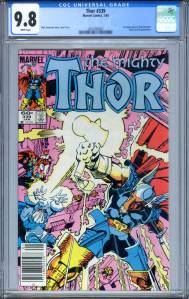
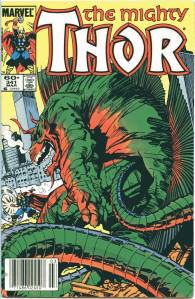
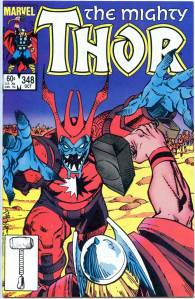
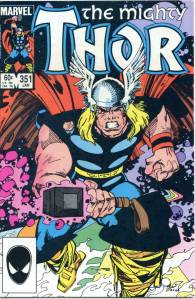
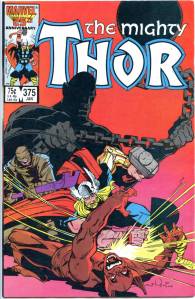
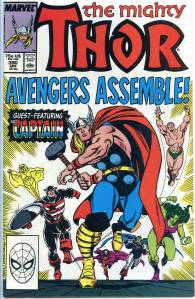
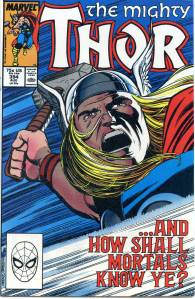
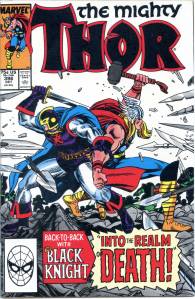
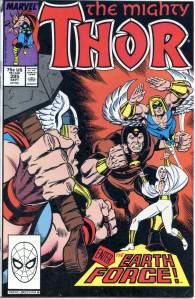
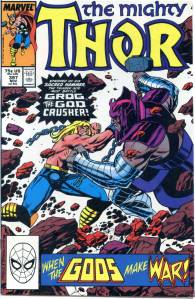
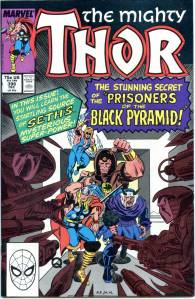
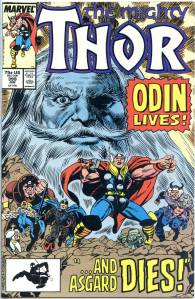
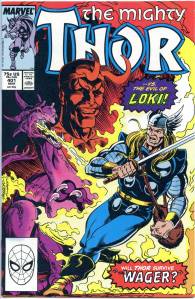
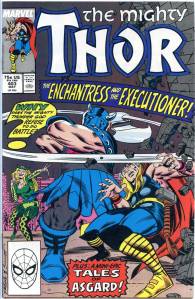
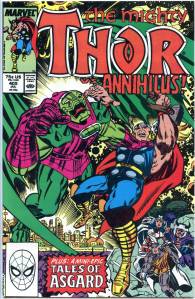
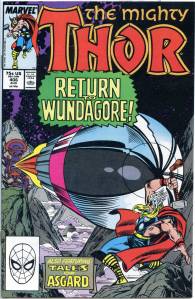
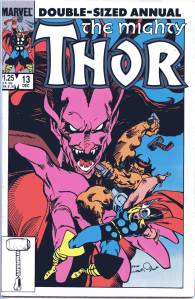
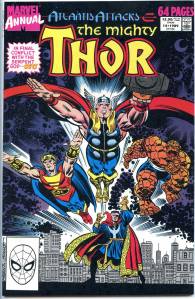
Walt Simonson took over both writing and art as of #337 (Nov. 1983). His stories placed a greater emphasis on the character’s mythological origins. Simonson’s run as writer-artist lasted until #367 (May 1986), although he continued to write – and occasionally draw – the book until issue #382 (Aug. 1987). Simonson’s run, which introduced the character Beta Ray Bill, was regarded as a popular and critical success.Simonson’s later stories were drawn by Sal Buscema, who describes Simonson’s stories as “very stimulating. It was a pleasure working on his plots, because they were a lot of fun to illustrate. He had a lot of great ideas, and he took Thor in a totally new direction.” Asked why he was leaving Thor, Simonson said that he felt the series was due for a change in creative direction, and that he wanted to reduce his work load for a time. After Simonson’s departure, Marvel’s editor-in-chief at the time, Tom DeFalco, became the writer. Working primarily with artist Ron Frenz, DeFalco stayed on the book until #459 (Feb. 1993).
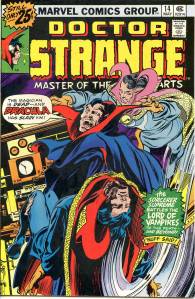
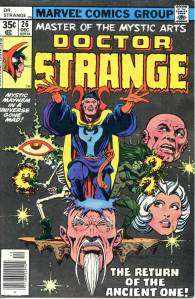
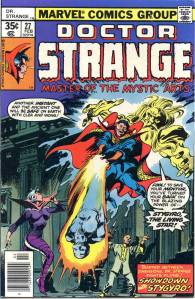
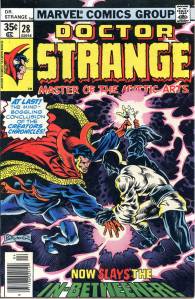
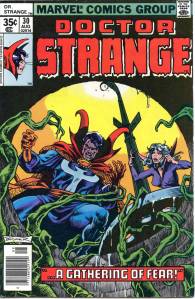
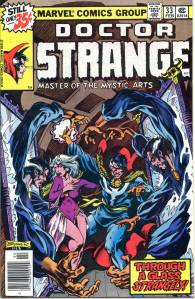
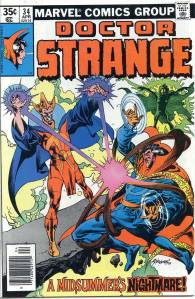
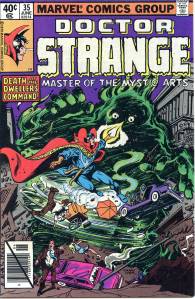
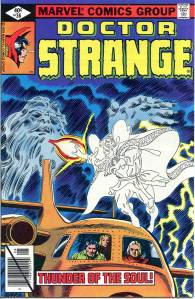
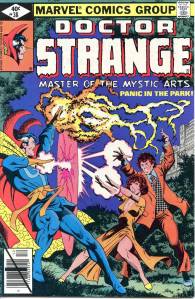
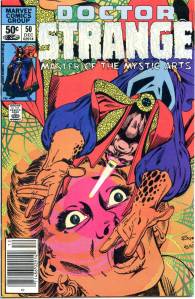
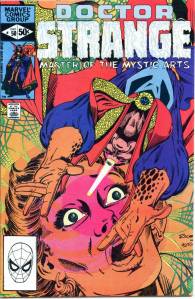
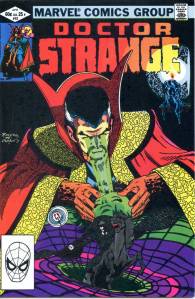
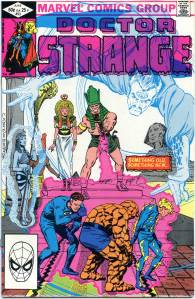
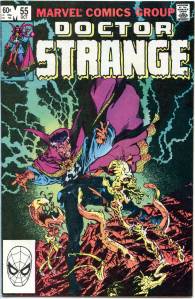
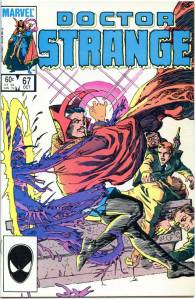
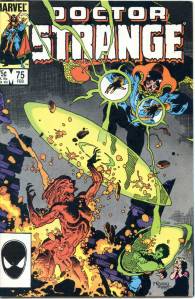
Doctor Strange: Master of the Mystic Arts, also known as Doctor Strange vol. 2, ran 81 issues (June 1974-February 1987). Doctor Strange #14 featured a crossover story with The Tomb of Dracula #44, another series which was being drawn by Gene Colan at the time.In Englehart’s final story, he sent Dr. Strange back in time to meet Benjamin Franklin. In 2010, Comics Bulletin ranked Englehart’s work on Doctor Strange with artists Brunner and Colan ninth on its list of the “Top 10 1970s Marvels.”
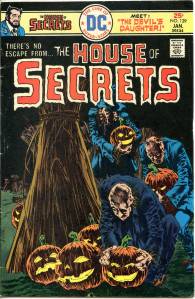
The House of Secrets was revived in 1969 after a 3 year absence. Now its horror and suspense tales were introduced by a host named Abel, who would also host the satirical comic Plop!. His brother Cain hosted House of Mystery. Swamp Thing first appeared in House of Secrets #92 (July 1971) in a stand-alone horror story set in the early 20th century written by Len Wein and drawn by Bernie Wrightson. The woman appearing on the cover of this issue was modeled after future comics writer Louise Simonson.
This revival, sporting many covers by Neal Adams, Bernie Wrightson, and Michael Kaluta, ran through issue #154 (Nov. 1978), with three months passing between #140 (April 1976) and #141 (July 1976). It was then ‘merged’ into The Unexpected with issue #189, through issue #199. The series was 68 ad-free pages, allowing all three portions to be full-length issues.
The House of Secrets also came to be the name of the actual edifice in which Abel lives. Writer Mike Friedrich and artist Jerry Grandenetti introduced the house and explained its origins. The Sandman series revealed it exists both in the real world of the DC Universe and in the Dreaming, as a repository for secrets of all kinds.
The House of Secrets #92 Signed by Bernie Wrightson FN+Bernie Wrightson HOS 92House of Secrets #102 VG+ $7House of Secrets #106 VF- $29House of Secrets #110 VF+ $24House of Secrets #112 VG $6House of Secrets #113 VG+ $7House of Secrets #115 VG+ $7House of Secrets #116 VF-NM $39House of Secrets #117 VF $24House of Secrets #119 VG+ $7House of Secrets #121 VG- $5House of Secrets #122 FN-VF $9House of Secrets #124 VF- $10House of Secrets #126 FN+ $6House of Secrets #128 FN $7House of Secrets #130 FN $7House of Secrets #131 FN+ $11House of Secrets #132 VG+ $6House of Secrets #133 VG $5House of Secrets #135 VG+ $6House of Secrets #136 VG-FN $7House of Secrets #137 VG-FN $5House of Secrets #138 FN- $6House of Secrets #139 VG-FN $12House of Secrets #140 FN-VF $8House of Secrets #141 FN $6House of Secrets #142 FN $6House of Secrets #143 VG-FN $4House of Secrets #144 VG-FN $4House of Secrets #146 VG+ $3House of Secrets #148 FN+ $6House of Secrets #149 VF- $12House of Secrets #151 FN- $4House of Secrets #152 VG+ $3House of Secrets #153 VF-NM $19