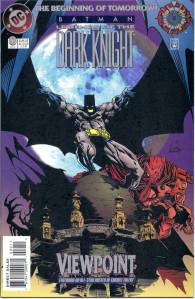
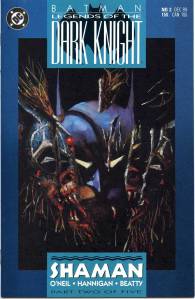
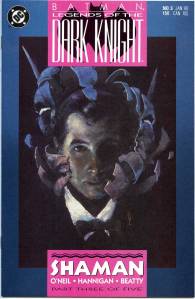
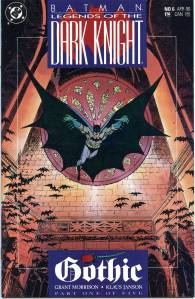
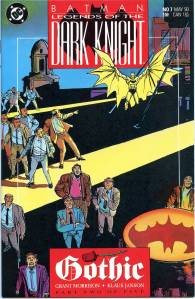
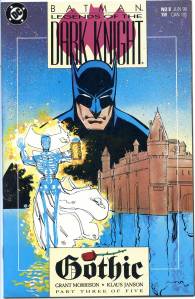
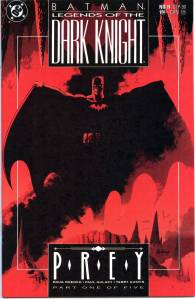
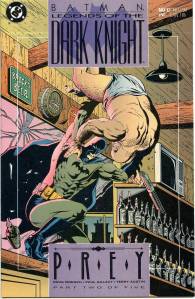
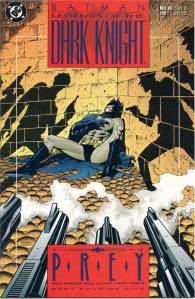
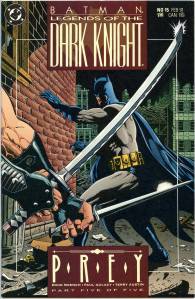
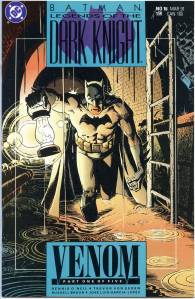
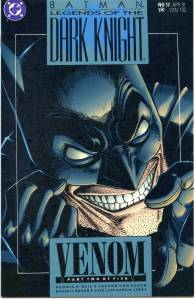
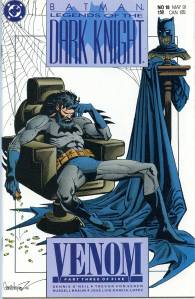
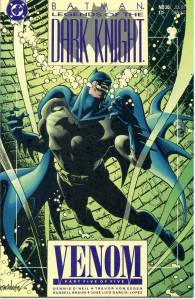
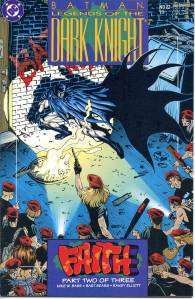
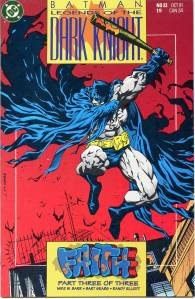
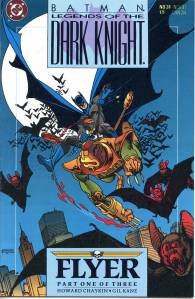
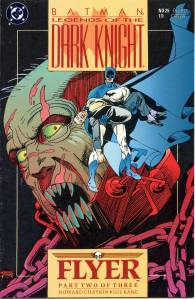
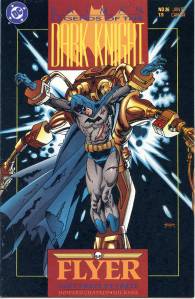
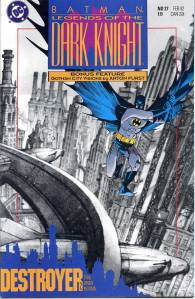
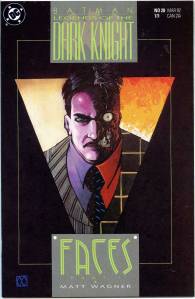
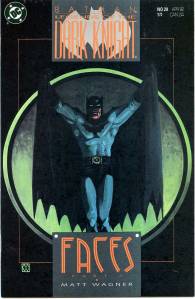
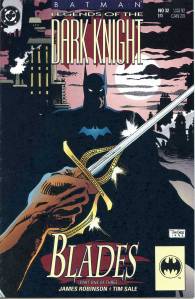
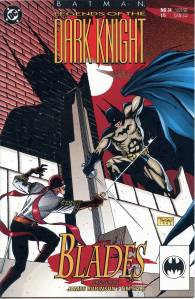
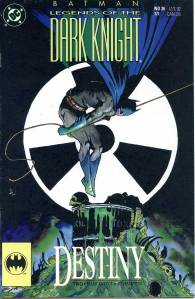
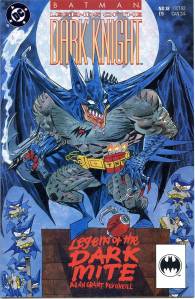
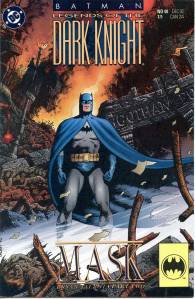
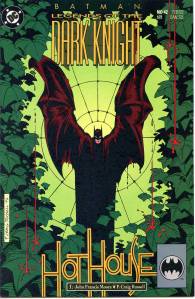
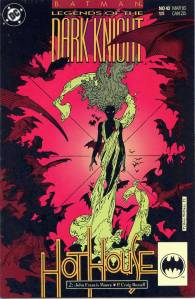
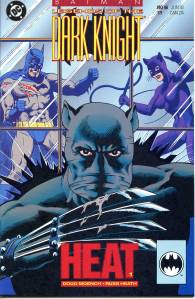
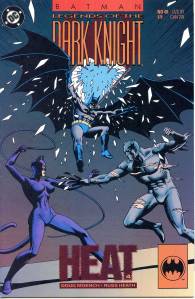
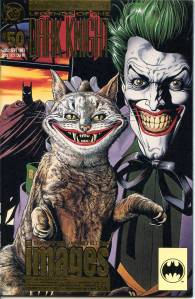
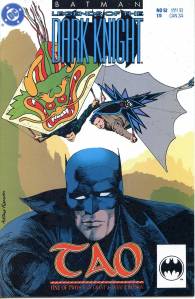
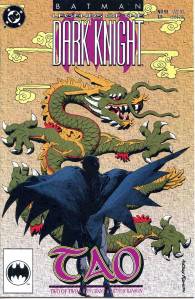
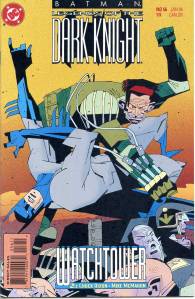
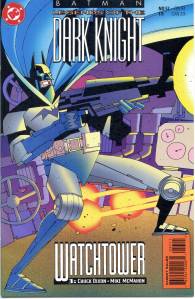
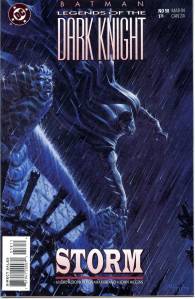
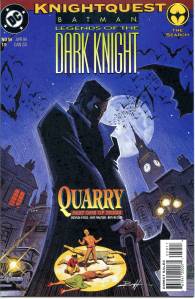
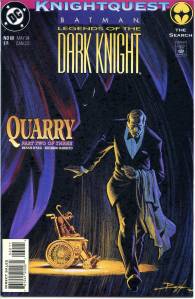
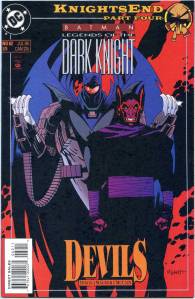
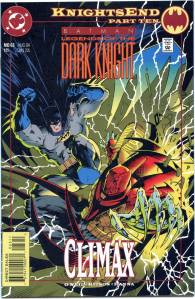
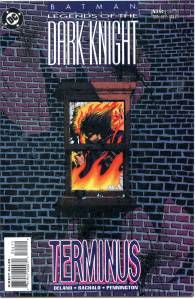
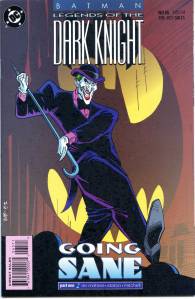
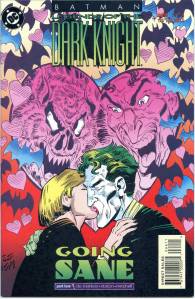
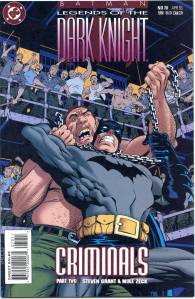
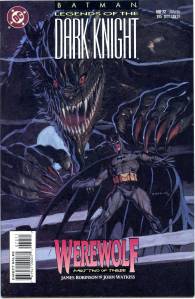
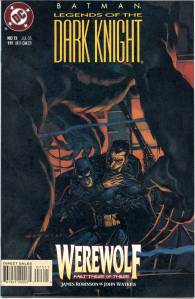
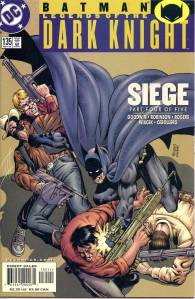
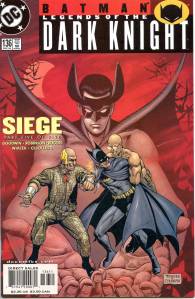
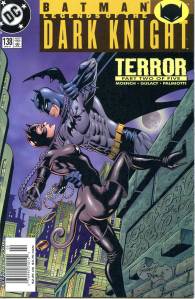
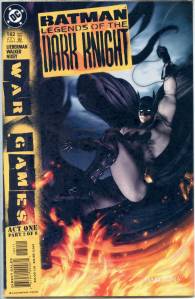
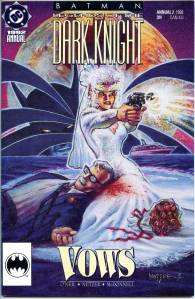
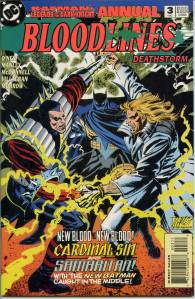
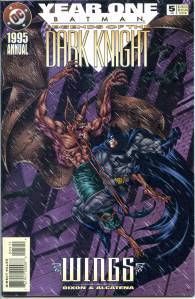
Legends of the Dark Knightwas launched in 1989 with the popularity of the Batman movie, following on from Frank Miller’s Batman: Year One. It differs from other Batman titles in that it has constantly rotating creative teams, and the stories are not necessarily part of the current events of the other Batman comics. Initially the title was promoted as running only stand alone self-contained five issue stories of graphic novel quality. However, after issue 20, stories of different lengths started to appear. While some stories have tied in with the other titles, generally this has not been the case.
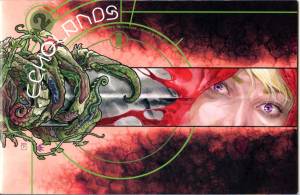
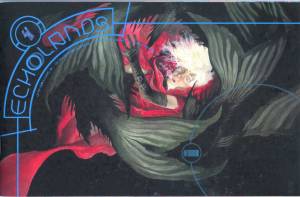
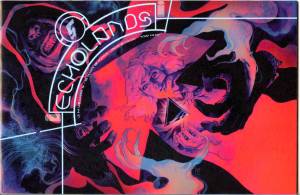
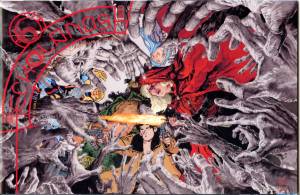
Hope Redhood, holds the key to excavating its dark, strange past—if only she and her crew can escape a tyrannical wizard and his unstoppable daughter. But fate will send them all on a path leading to a war between worlds.ECHOLANDS is a landscape format, mythic-fiction epic where anything is possible—a fast-paced genre mashup adventure that combines everything from horror movie vampires to classic mobsters and cyborg elves, to Roman demigods and retro rocket ships. It’s going to be a helluva ride!
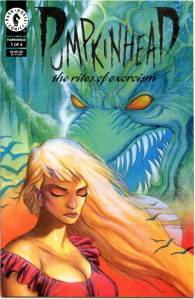
The plot revolves around the town doctor’s son named David, who is in love with a woman named Mariah, who was born in the backwoods. David and Mariah plan to run away together, however Mariah was supposed to replace the backwoods witch named Haggis after her death. A “tragic” fate would eventually meet Mariah that connected to a town newcomer named Angus Brenner and a troubled priest named Father Gibbon, which would eventually lead to Pumpkinhead being conjured again.
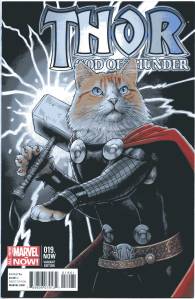
In October 2012, Thor became a regular character in Uncanny Avengers, beginning with issue #1. The following month, an ongoing series titled Thor: God of Thunder by writer Jason Aaron and artist Esad Ribić debuted as part of the Marvel NOW! relaunch.[49][50] This story arc was voted as the 8th best Thor story by Comicbook.com.
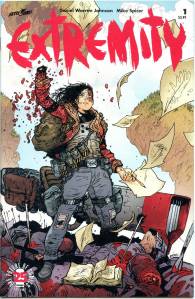
Thea dreams. Not of a better life, but of revenge on the clan that ruined her family. With ferocious battles between man, machines, and monsters ahead…who knows where her quest for vengeance will take her? Creator DANIEL WARREN JOHNSON (Space Mullet) and colorist MIKE SPICER present a bold new vision, where the beauty and imagination of Studio Ghibli meet the intensity of Mad Max.
Supergirl starred in her first solo eponymous monthly series beginning in 1972 until October 1974, when her monthly title merged with Superman’s Girl Friend, Lois Lane, and Superman’s Pal Jimmy Olsen to produce a new title: then-highest DC selling series called The Superman Family, where she eventually became the steady lead story. Linda worked as a student advisor at New Athens Experimental School, before leaving for New York to follow a career in acting with daytime soap Secret Hearts.
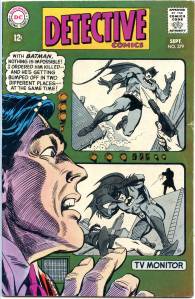
In 1964, Julius Schwartz was made responsible for reviving the fading Batman titles. Writer John Broome and artist Carmine Infantino jettisoned the sillier aspects that had crept into the franchise such as Ace the Bathound and Bat-Mite and gave the character a “New Look” that premiered in Detective Comics #327 (May 1964). Schwartz, Gardner Fox, and Infantino introduced, from the William Dozier produced TV series, Barbara Gordon as a new version of Batgirl in a story titled “The Million Dollar Debut of Batgirl!” in issue #359 (Jan. 1967).Mike Friedrich wrote the 30th anniversary Batman story in Detective Comics #387 (May 1969) which was drawn by Bob Brown.
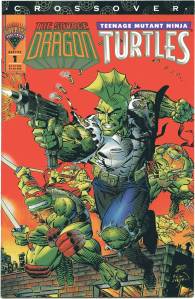
Enter the Savage Dragon! The Dragon joins forces with the Turtles to battle his old foe Virago, who is terrorizing Chicago by bringing stone gargoyles to life. Story by Erik Larsen and Michael Dooney; art by Dooney and Robert Jones.
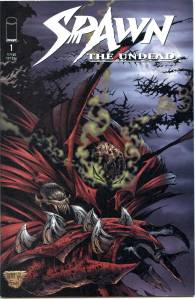
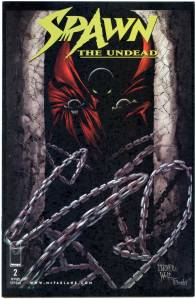
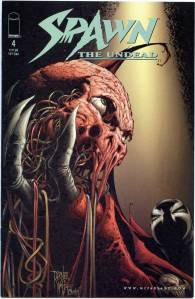
This series concentrates on Al Simmons. Unlike the original Spawn series, it was self-contained, single-issue stories. Written by Paul Jenkins it lasted 9 issues.