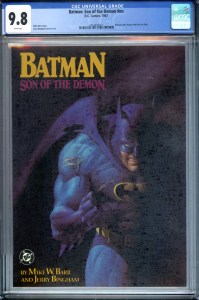
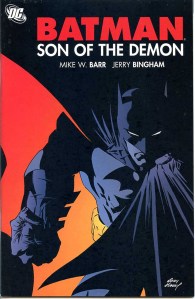
Although it was deemed to be non-canon, Grant Morrison used this story in the 4-issue story “Batman and Son” in 2006. DC Comics published a new printing of Batman: Son of the Demon in 2006 featuring new cover art by Andy Kubert for the first time in standard comic book size with a cover price of $5.99 US, tying in with the “Batman and Son” arc.
Batman Son of the Demon CGC 9.8 White Pages $295Batman Son of the Demon 2006 NM $19
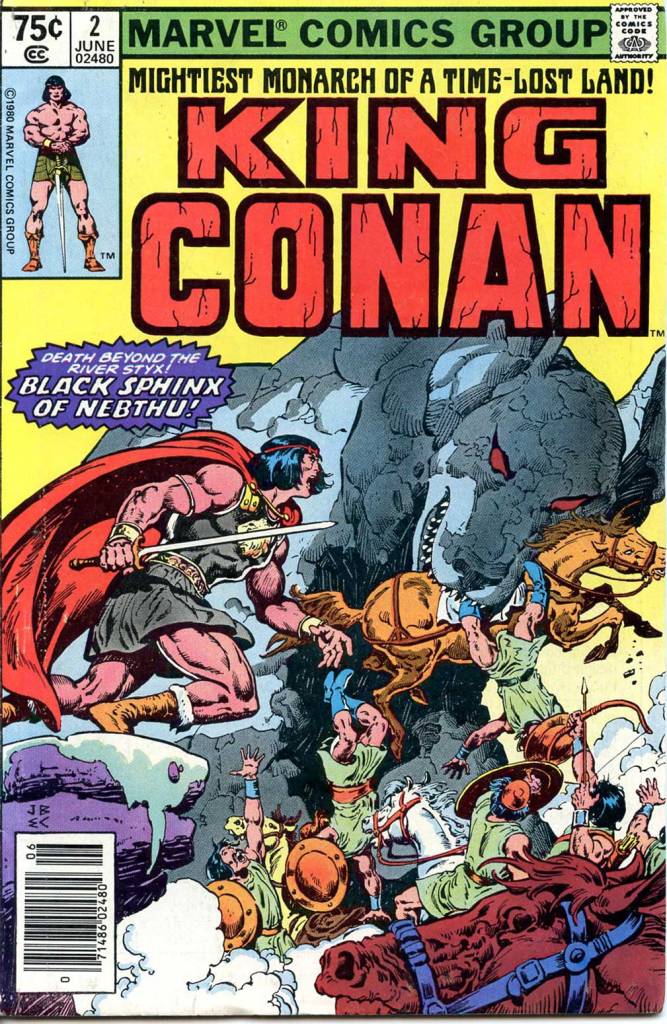
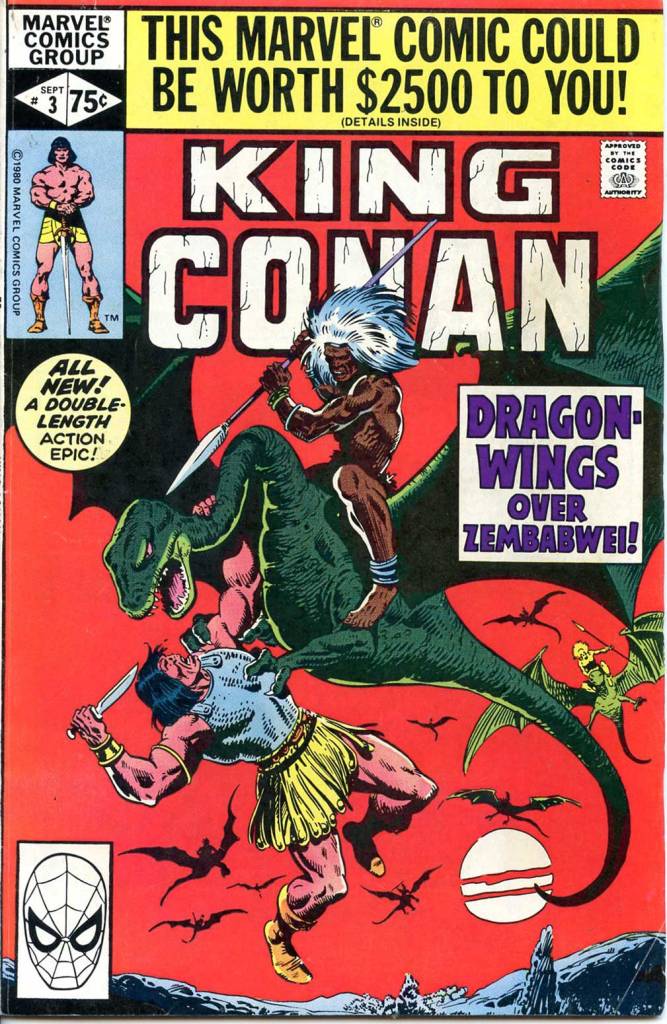
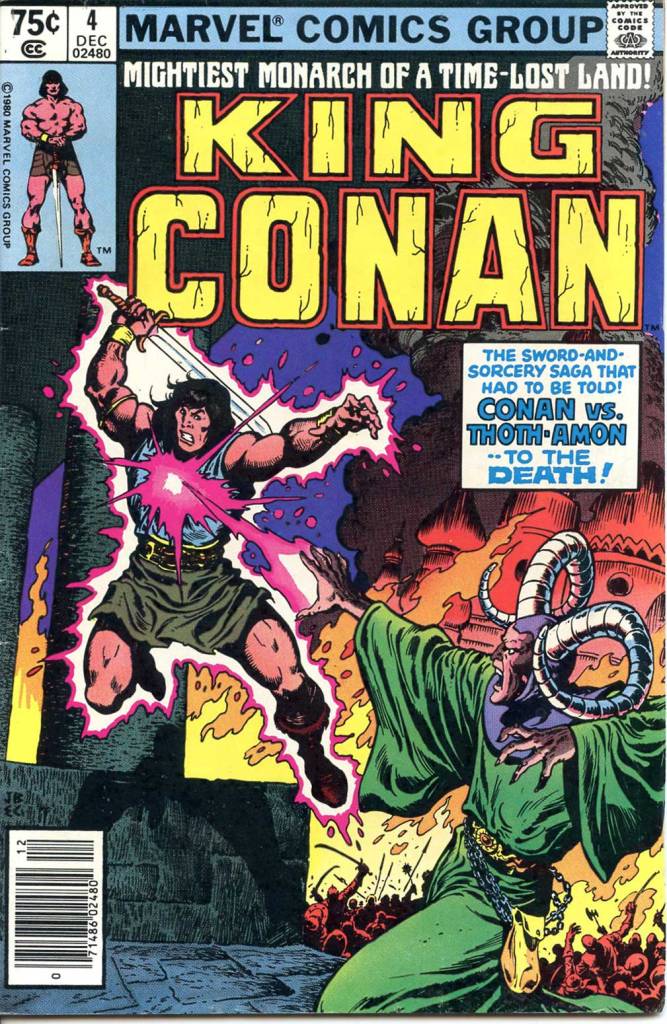
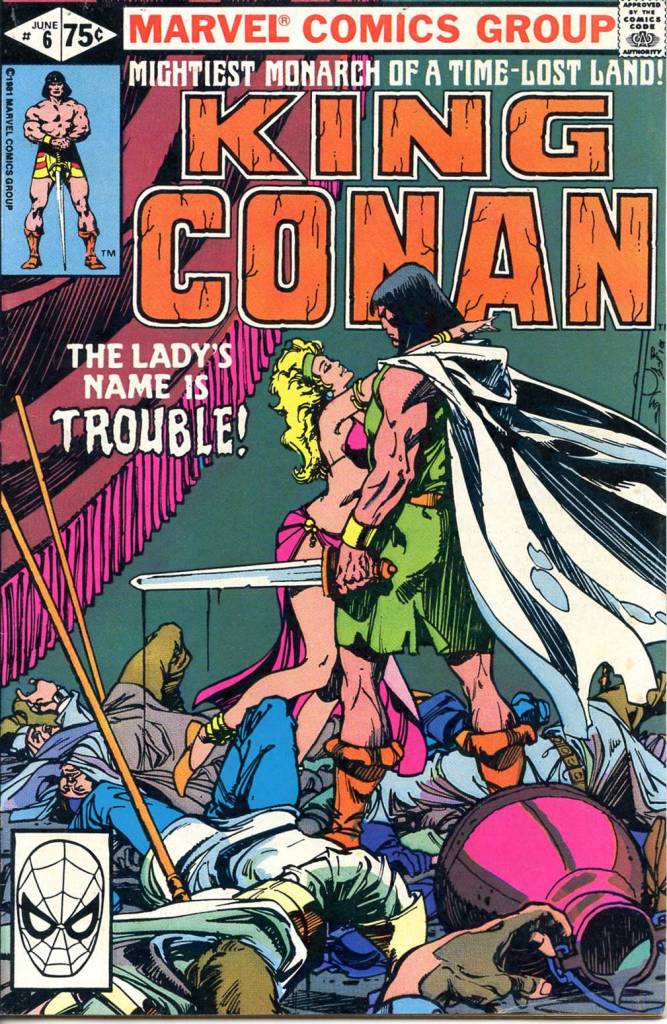
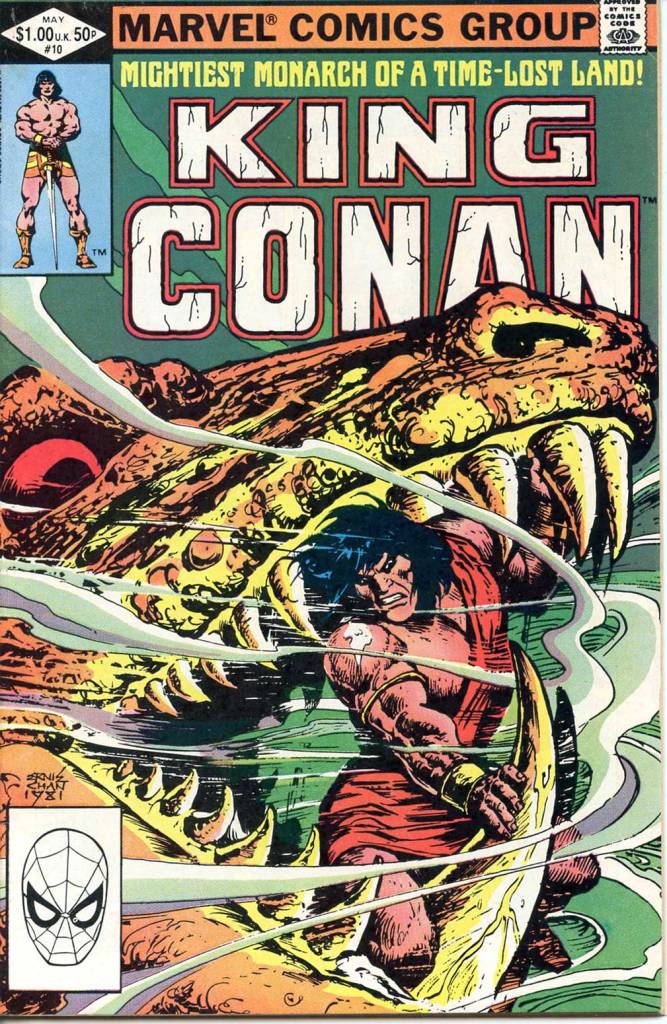
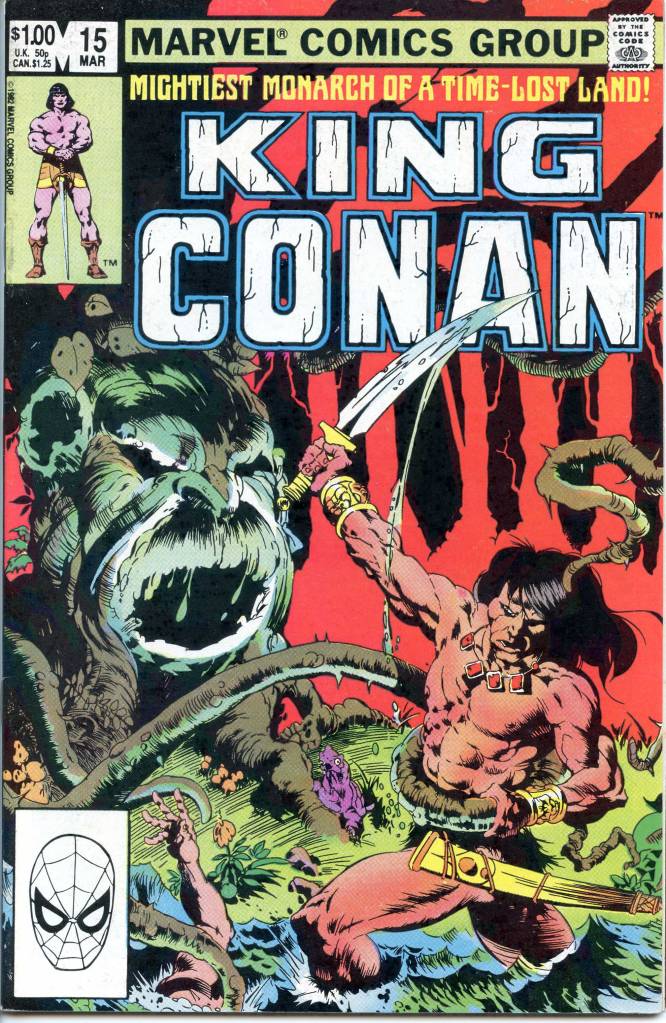
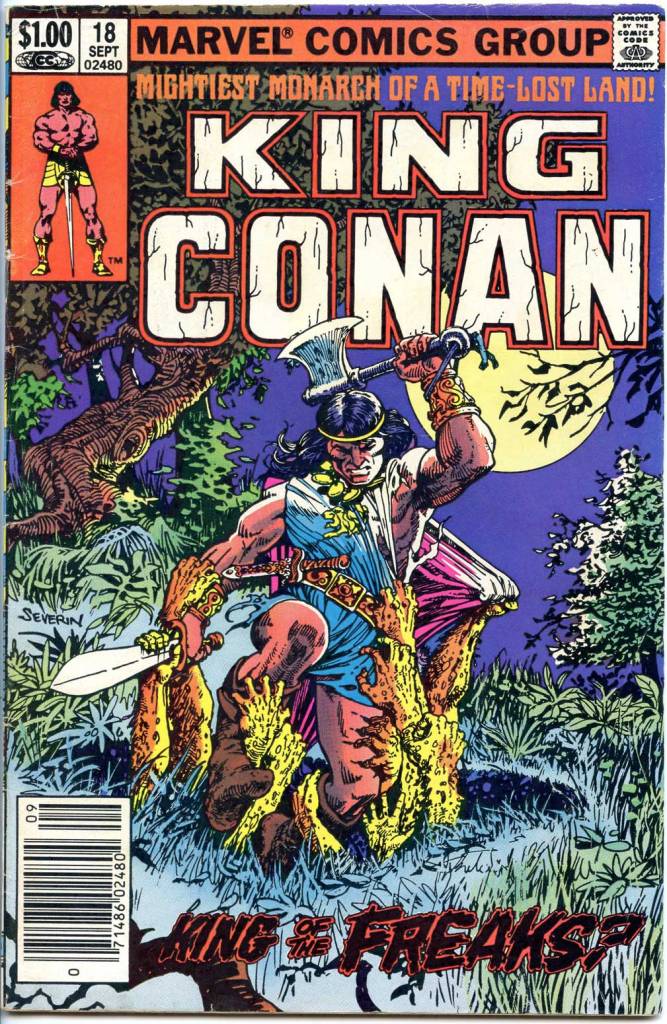
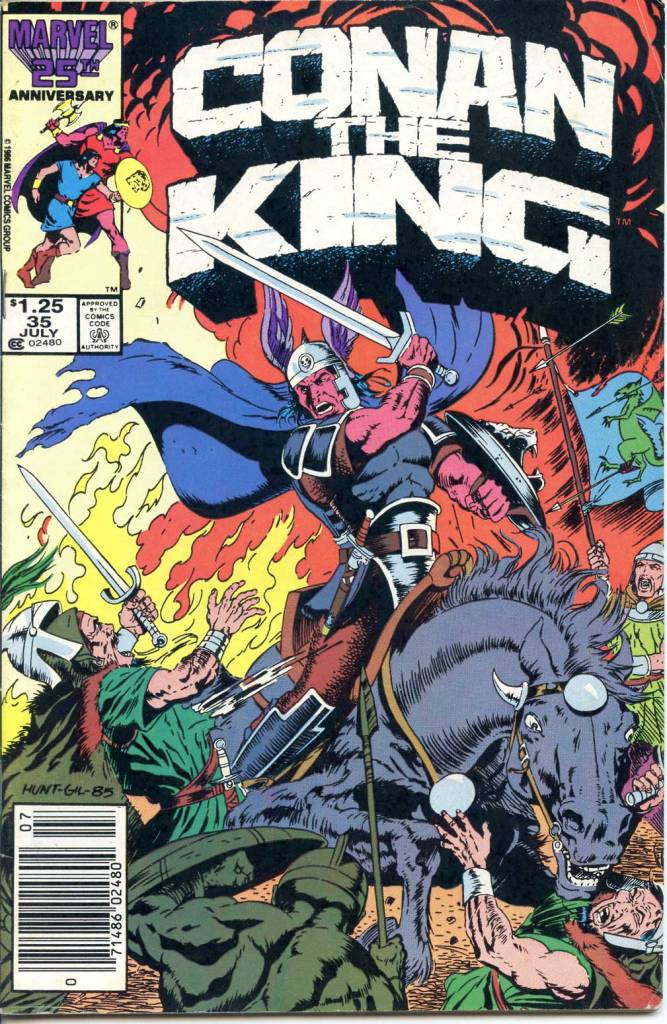
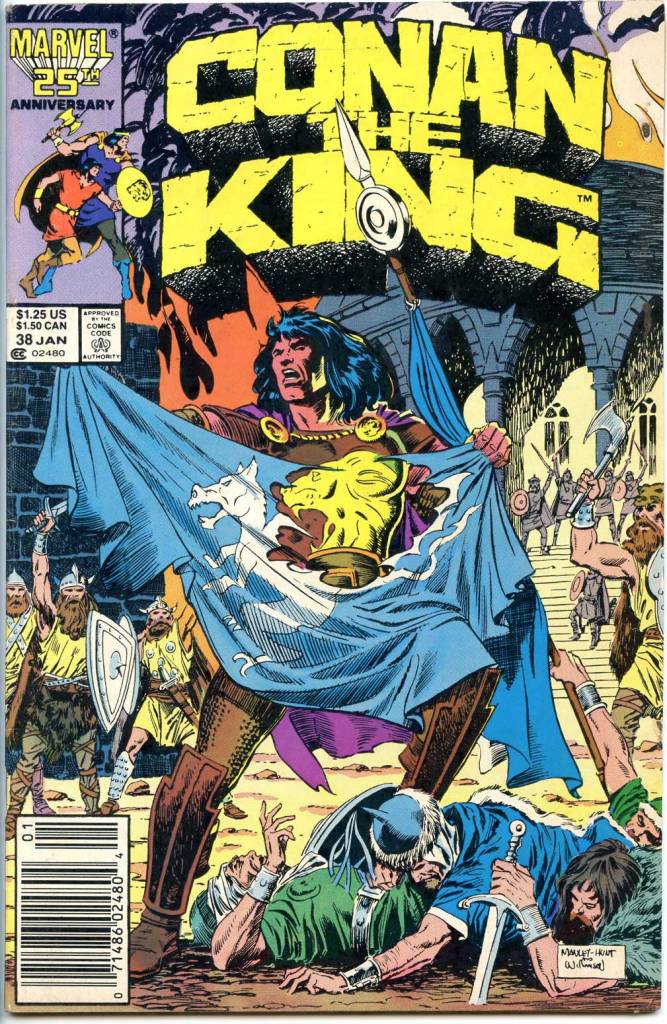
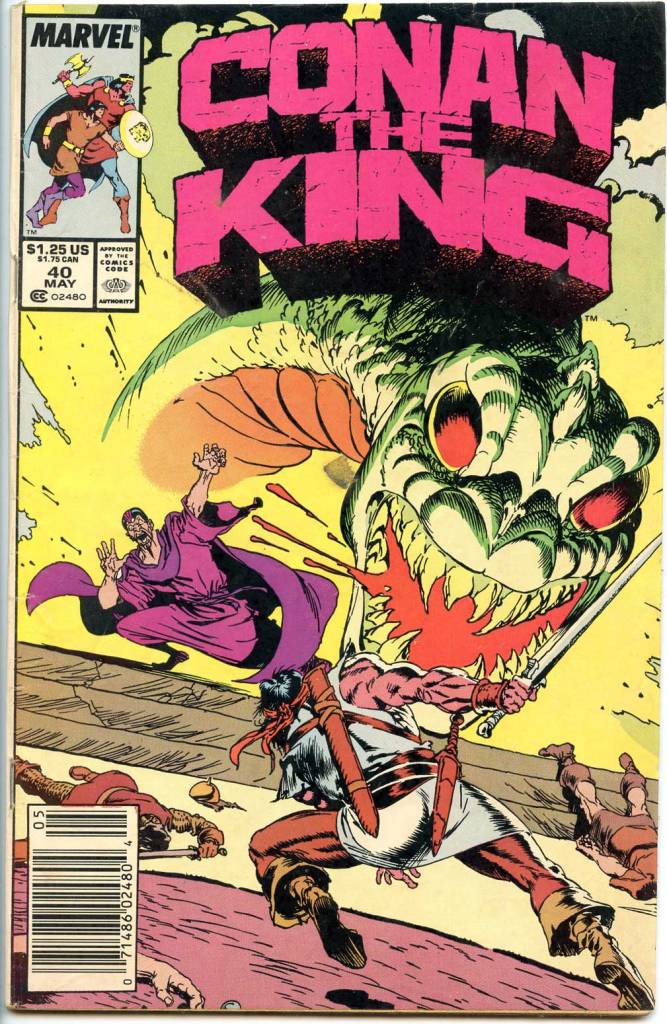
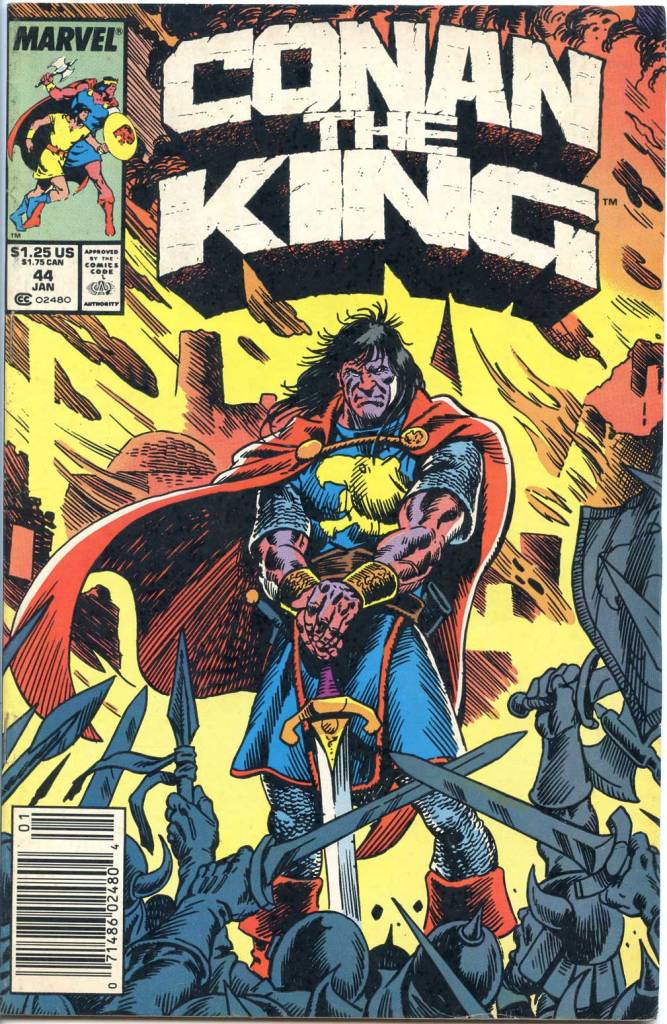
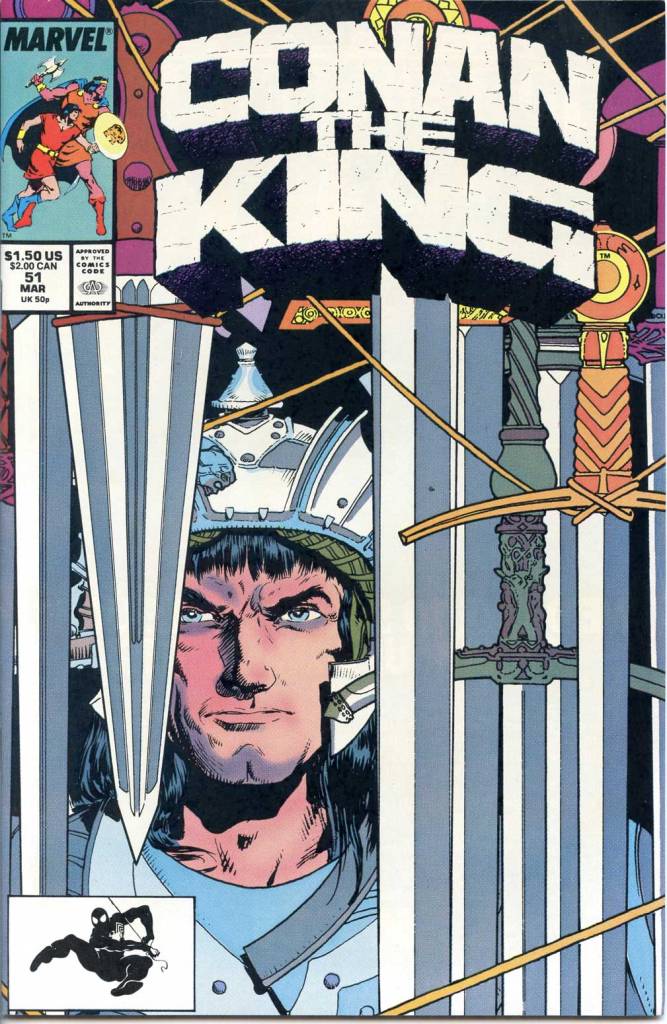
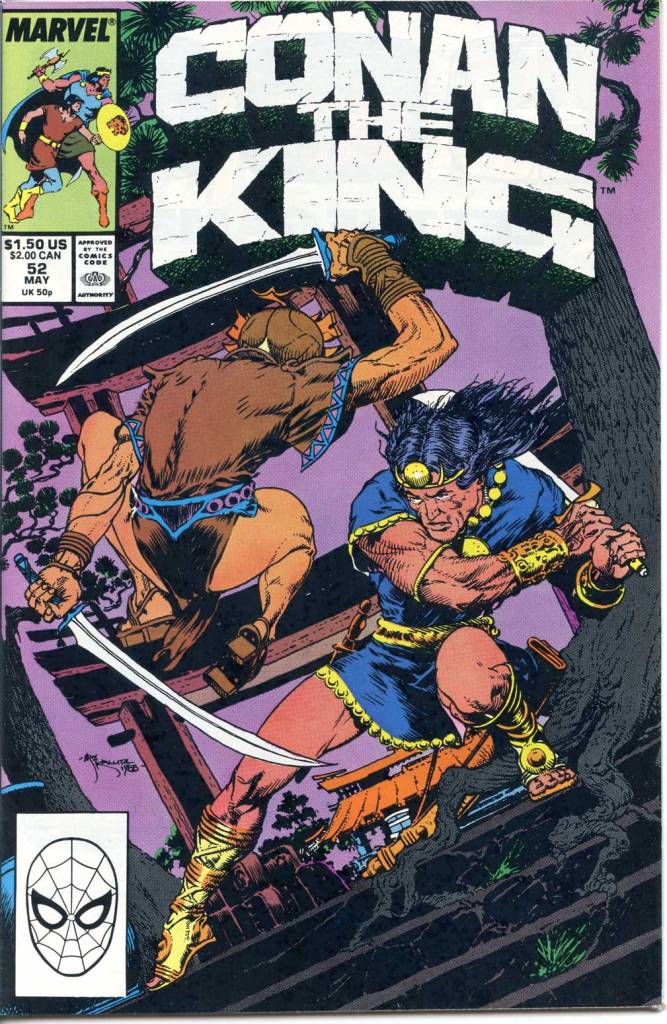
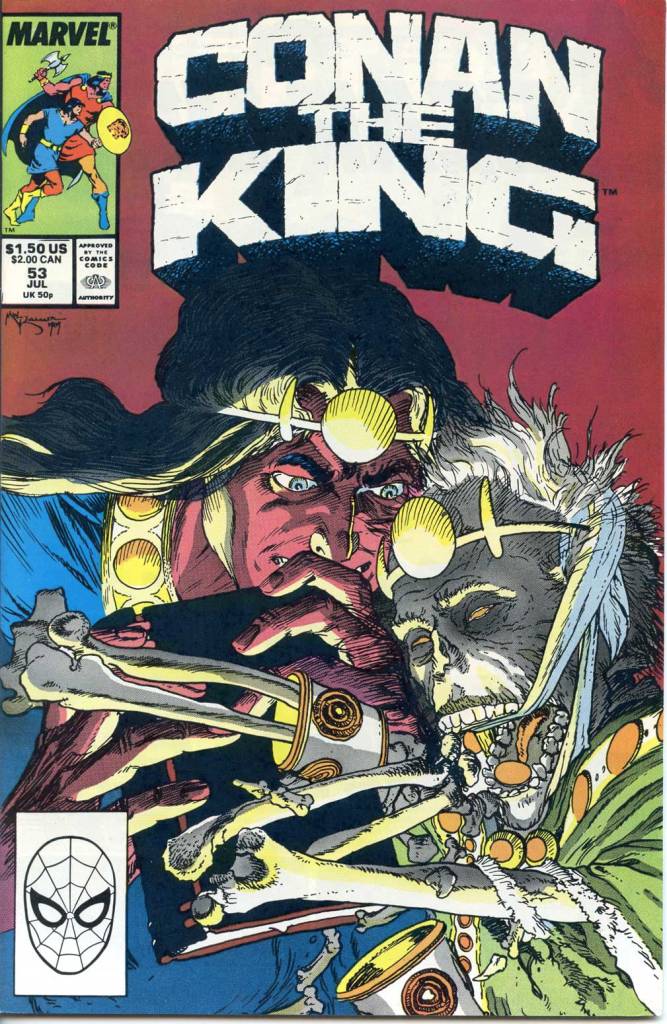
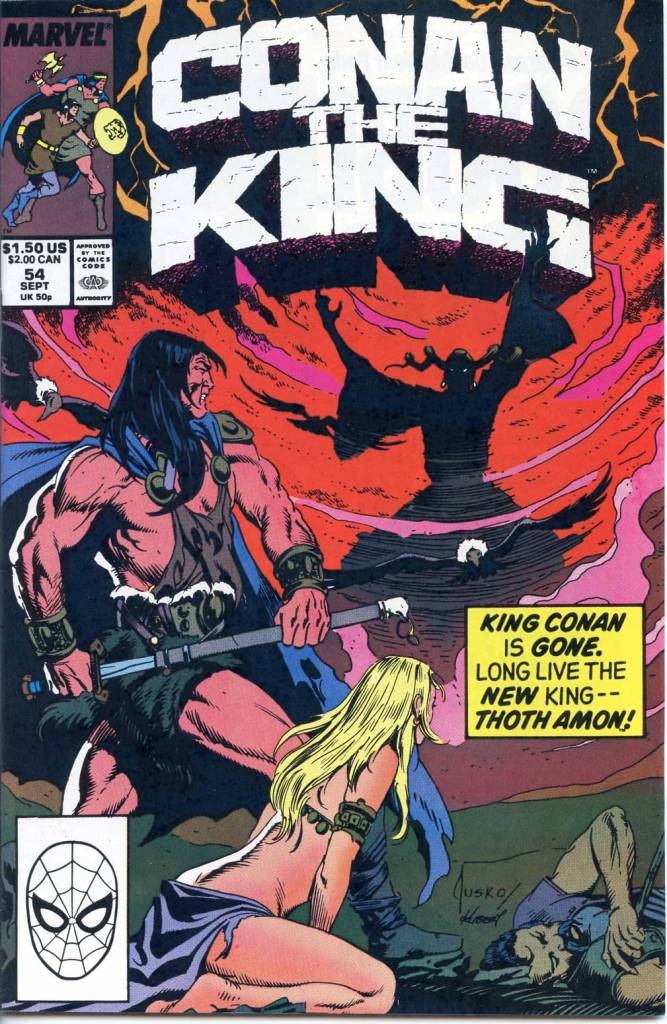
King Conan #2 VF $4King Conan #3 VF $3King Conan #4 F-VF $2King Conan #6 VF $4King Conan #10 VF-NM $5King Conan #15 VF $5King Conan #18 F+ $2Conan the KIng #35 VF- $4Conan the King #38 F+ $2Conan the King #40 F+ $2Conan the King #44 F+ $2Conan the King #51 NM $8Conan the King #52 NM- $7Conan the King #53 NM $11Conan the King #54 NM $12
Doorway to Nightmare, introduced in 1978, was the last of the DC “Mystery” line of titles in the 1970s that became the forerunner of Vertigo. It did not have a consistent creative team—the intent was to create writer-artist pairings that had never occurred before, except for the cover art of Michael William Kaluta. Madame Xanadu, the star of the series, was not a host but an active participant, albeit never the main character in her stories.
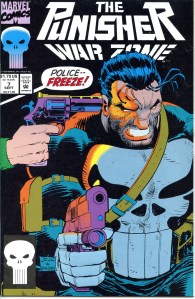
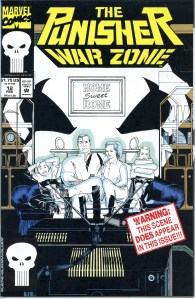
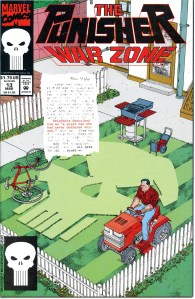
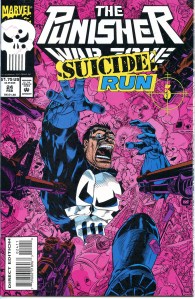
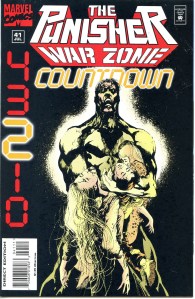
Punisher War Zone ran for 41 issues with two 64-page annuals. Multiple writers contributed to this series during its three-year run from 1992 to 1995. The series served mainly as a vehicle for longtime Marvel artist John Romita, Jr., who had returned to Marvel after a lengthy hiatus from drawing a monthly title. In 2009, Marvel published a 6-issue limited series under the same title. The storyline was called “The Resurrection of Ma Gnucci“.
Punisher War Zone #1 NM $5Punisher War Zone #2 NM $3Punisher War Zone #7 NM $5Punisher War Zone #12 NM $3Punisher War Zone #13 NM $3Punisher War Zone #24 NM $3Punisher War Zone #25 NM $4Punisher War Zone #37 NM $8Punisher War Zone #40 NM $8Punisher War Zone #41 NM $18
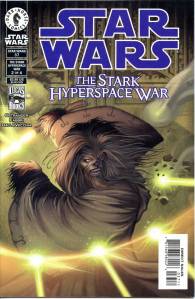
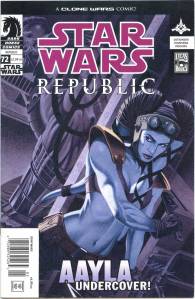
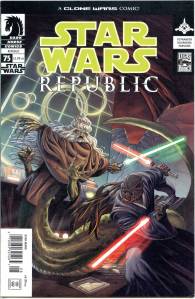
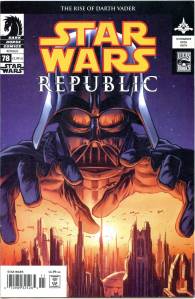
Published by Dark Horse Comics from 1998 to February 2006, the series was originally titled simply Star Wars, but acquired its Republic title at issue 46. The entire series comprises 83 issues. After issue 83, the series was replaced by Star Wars: Dark Times, which continued the Republic numbering on its inside covers. The Republic series is one of a number of comic book series set in the Star Wars Expanded Universe.
The events in Star Wars: Republic are set in roughly the same fictional timeframe as the Star Wars film prequel trilogy. Character development builds on the films, including appearances by more prominent characters such as Mace Windu and Yoda, as well as peripheral characters such as Ki-Adi-Mundi and Quinlan Vos.
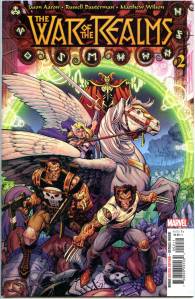
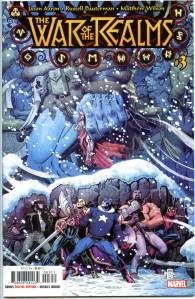
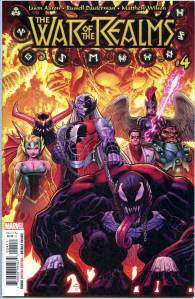
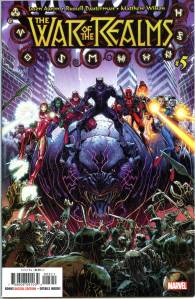
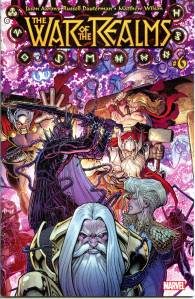
The dark elf Malekith wages a war that has spread from one otherworldly realm to the next, setting them all ablaze, and now it’s time for that war to finally explode into the last realm standing: ours. All the worst monsters from the Ten Realms come pouring in over the globe, and it will take the biggest heroes in the Marvel Universe to stop them from conquering Earth – and the whole realm!
The War of the Realms #2 NM $5The War of the Realms #3 NM $5The War of the Realms #4 NM $5War of the Realms #5 NM $5War of the Realms #6 NM $5
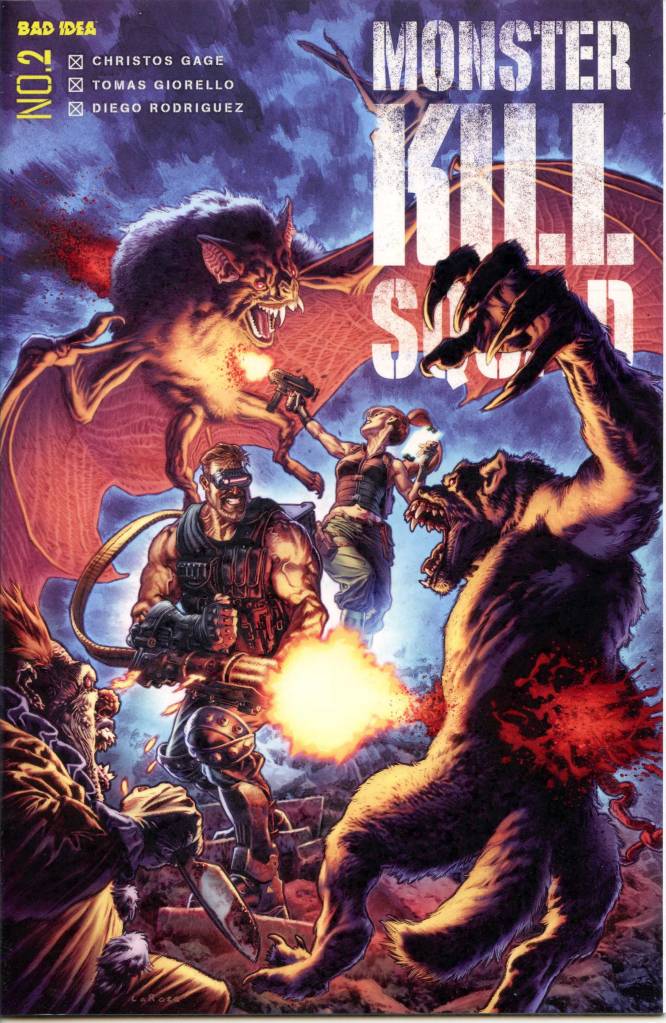
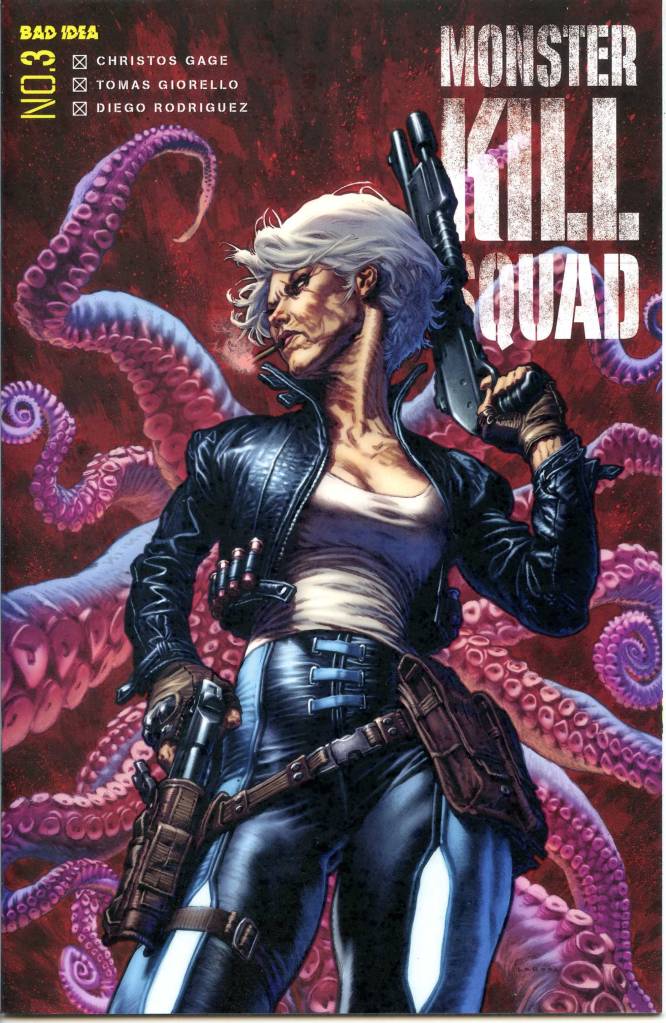
Once upon a time, monster attacks were rare. A forest witch might murder a few hikers, a killer clown might eat a few children, or a malevolent ghost might drive a young couple insane just for the hell of it. But these events were scarce, easily covered up, and soon faded into campfire stories good for a laugh. But no one’s laughing now. Over the past 90 days, cryptozoological attacks have increased a hundredfold, and the arcane has become everyday. Monsters of every shape and size strike at will, and the good, taxpaying folks of the US of A have had enough of this nonsense. Enter: THE MONSTER KILL SQUAD. A Government Unit of the most dangerous motherf-ckers on the planet, the deadliest folks alive are here to put a bullet in the brain of everything that walks, crawls, flies, or hides in shadows. And if it doesn’t have a brain, all the better — we’ve got a gun for that, too. Witches and wraiths. Demons and deadites. Goblins and ghosts. There have always been monsters. Now there are monster killers, and the MKS will kill it, and kill it good.
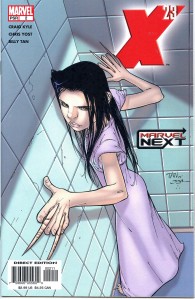
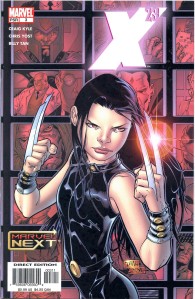
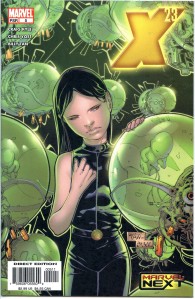
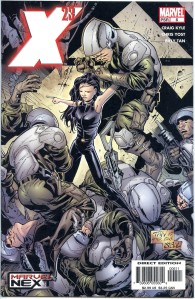
In X-23: “Innocence Lost”, a top-secret program is tasked to replicate the original Weapon X experiment that bonded adamantium to the skeleton of Wolverine. The project is taken in a new direction: Dr. Martin Sutter recruits renowned mutant geneticist Doctor Sarah Kinney to develop a clone of Wolverine. Also on the team is Sutter’s protege, Dr. Zander Rice, who was raised by Sutter after his father was killed by the original Weapon X.
Since the only genetic sample from Weapon X is damaged, Kinney is unable to salvage the Ychromosome. Kinney proposes the creation of a female genetic twin. Her request is denied; Rice is opposed to the idea. After 22 failed attempts at reconstituting the DNA using a duplicate X chromosome, the 23rd sample yields a viable sample to combine with an embryo. Although Kinney is allowed to proceed, Rice exacts revenge for her insubordination by forcing her to act as the surrogate mother of the specimen. For nine months, Kinney’s every move is monitored. Finally, she gives birth to “X-23”
In 1999, Gabriel and his friends discovered the Undernet, a secret architecture to the Internet. They charted their exploration on a message board called W0RLDTR33. Then they lost control. Someone broke into W0RLDTR33-someone who welcomed the violent hold the Undernet had on them. At great personal cost, Gabriel and the others thought they sealed the Undernet away for good. They were wrong. And now they will know the meaning of PH34R.
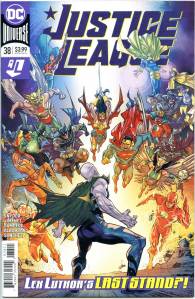
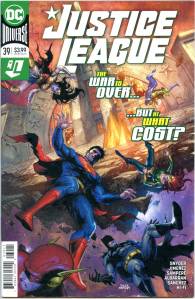
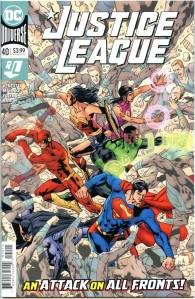
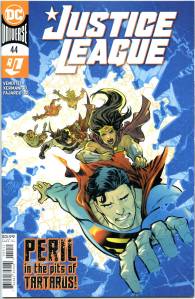
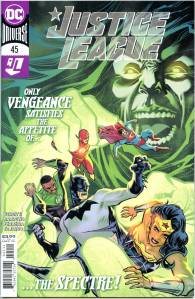
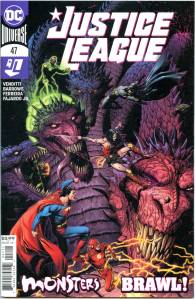
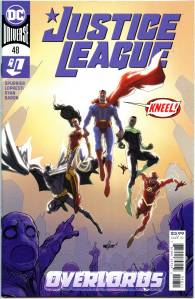
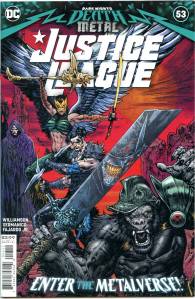
In 2019, Robert Venditti took over from Snyder, relaunching the title, taking place before Snyder’s run and after Metal.
In addition, two more Justice League titles were released. A new volume of Justice League Dark featuring a team led by Wonder Woman and John Constantine. The other, Justice League Odyssey, features Cyborg, Starfire, Green Lantern (Jessica Cruz), Azrael, and Darkseid as they search for answers in the Ghost Sector in one of Brainiac‘s old starships.
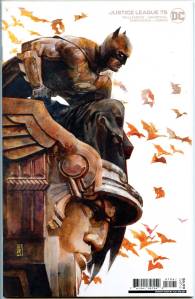
Following Dark Nights: Death Metal, Endless Winter and the beginning of Infinite Frontier, Brian Michael Bendis and David Marquez took over the reins of Justice League from Issue 59. While Superman, Batman, Aquaman, and Hawkgirl remained on the team, the team also includes Green Arrow, Black Canary, Black Adam, Queen Hippolyta and Naomi. It also include a Backstory for Justice League Dark.
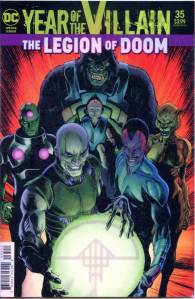
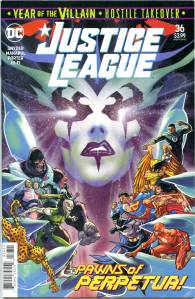
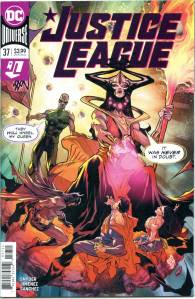
Justice League #35 NM $4Justice League #36 NM $4Justice League #37 NM $4Justice League #38 NM $4Justice League# 39 NM $4Justice League #40 NM $4Justice League V4 #44 NM $4Justice League V4 #45 NM $4Justice League V4 #47 NM $4Justice League V4 #48 NM $4Justice League V4 #53 NM $4Justice League V4 #75 Variant NM $7