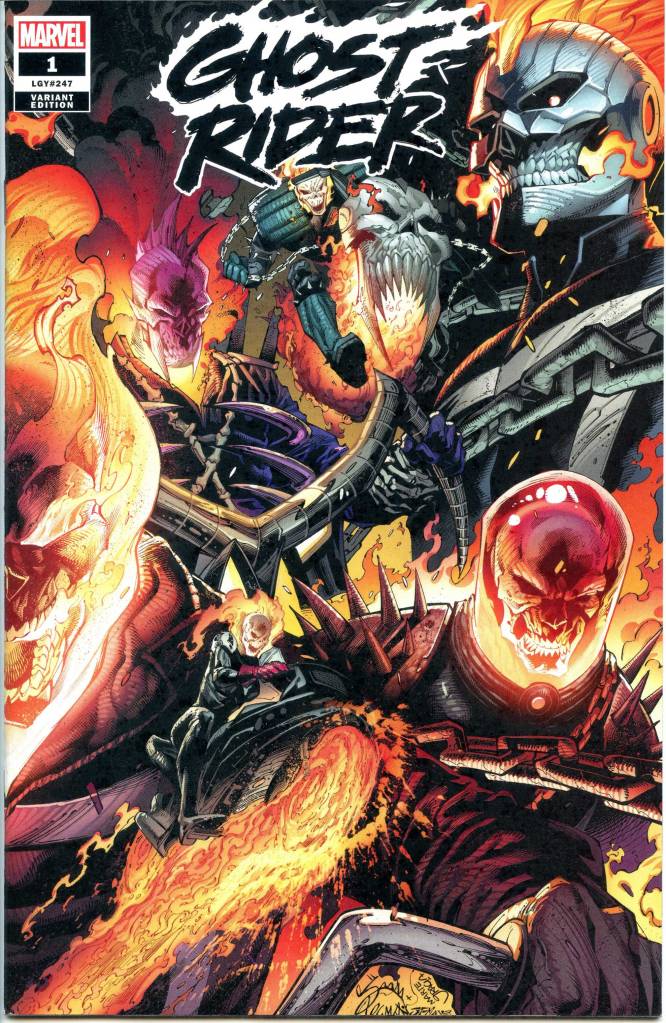
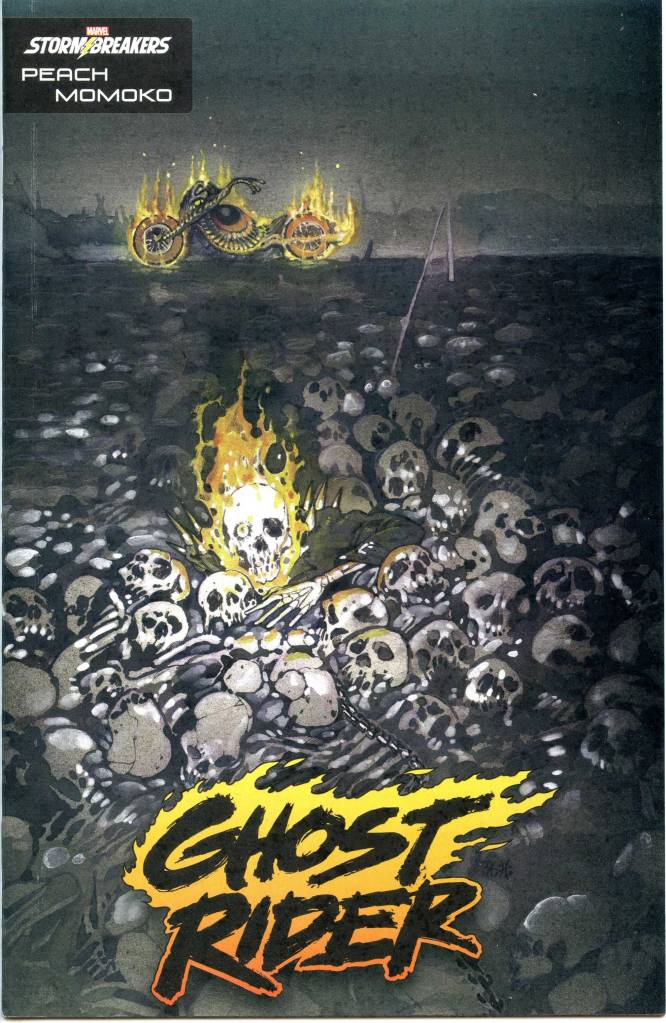
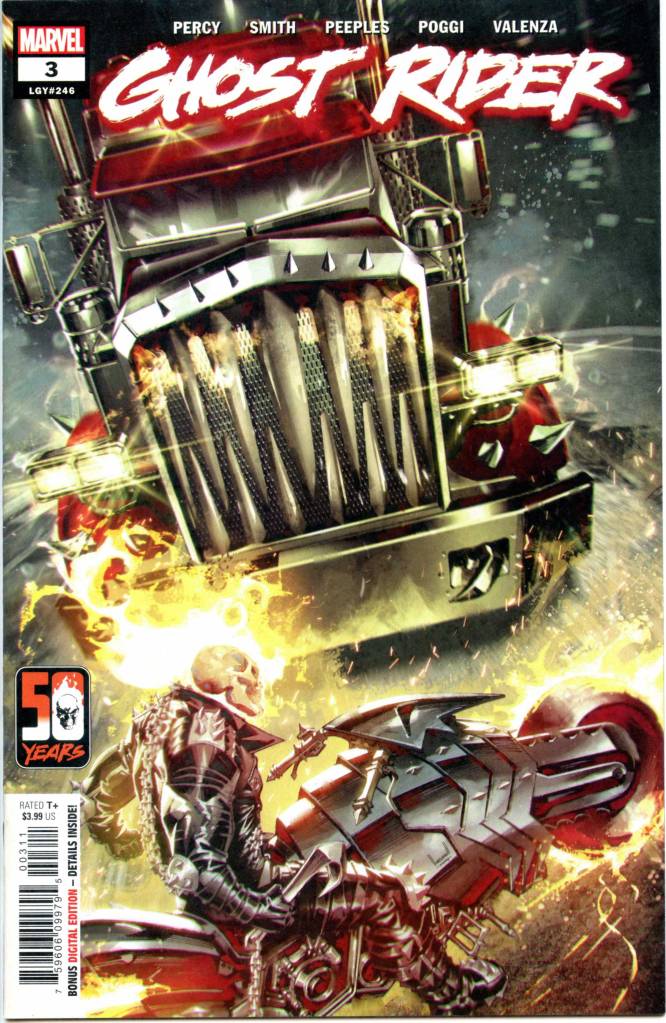
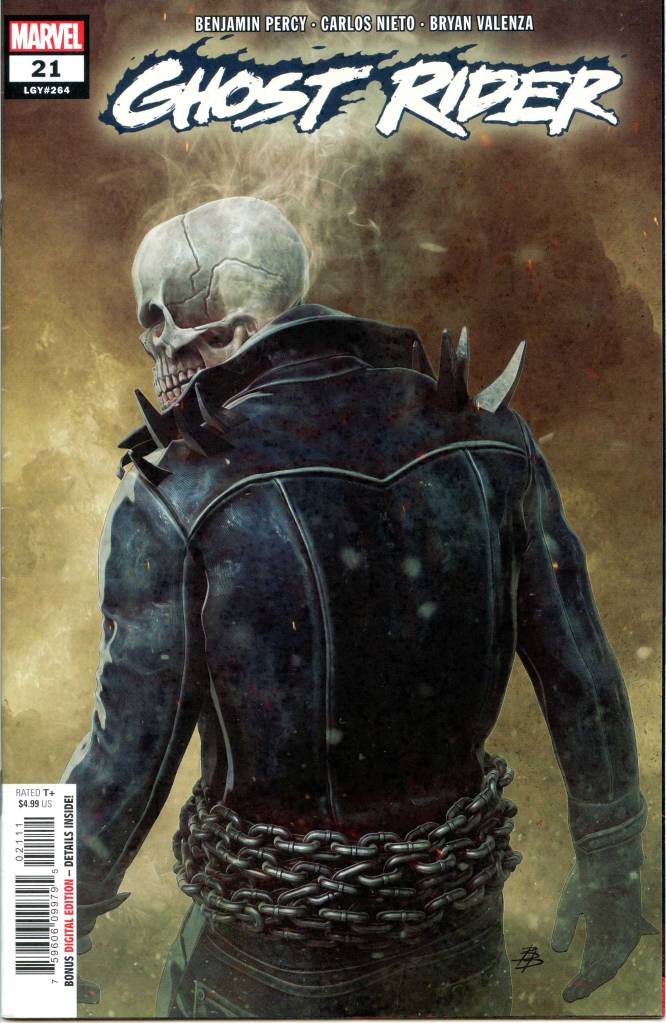
Johnny Blaze has the perfect life: a wife and two kids, a job at an auto repair shop and a small-town community that supports him… But Johnny isn’t doing well. He has nightmares of monsters when he sleeps. And he sees bloody visions when he’s awake. This life is beginning to feel like a prison. And there’s a spirit in him that’s begging to break out!
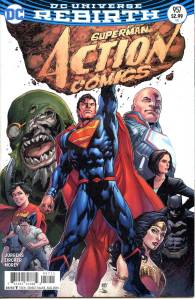
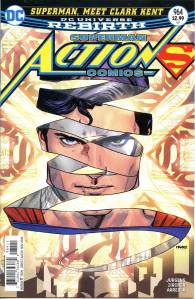
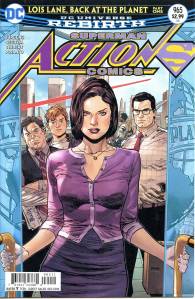
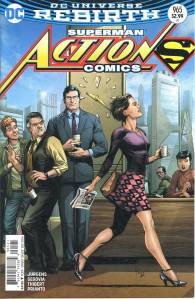
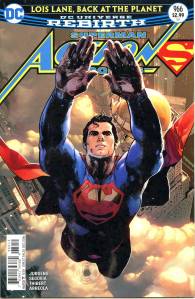
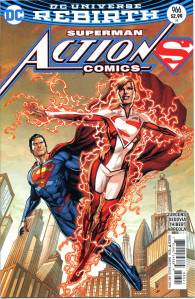
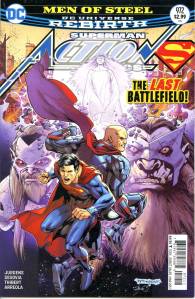
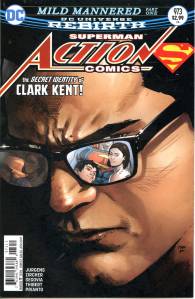
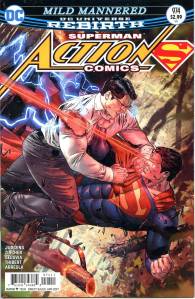
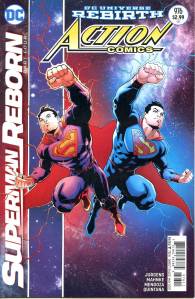
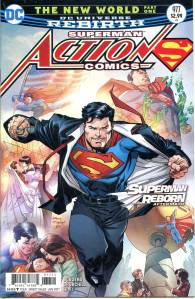
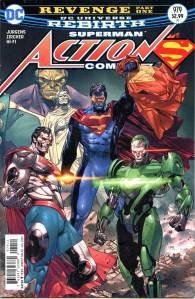
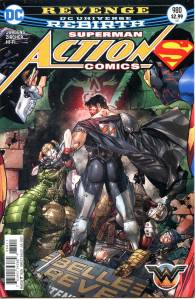
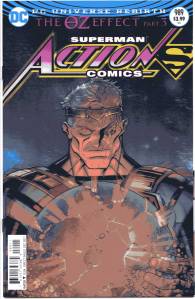
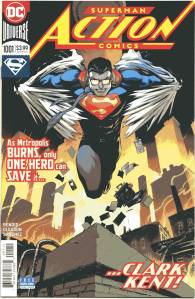
As part of DC Comics’ DC Rebirth relaunch in June 2016, Action Comics reverted to its original numbering beginning with Action Comics #957, with the series shipping twice-monthly. The series, written by Dan Jurgens, serves as a continuation of the comic book series, Superman: Lois and Clark, which featured the pre-Flashpoint Superman alongside his wife, Lois Lane, and their son, Jonathan Kent.
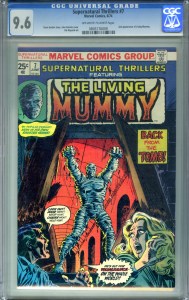
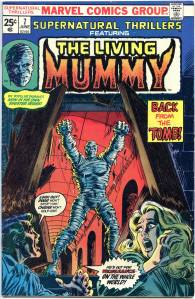
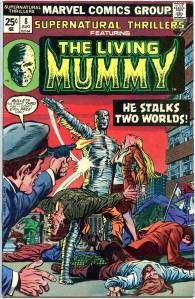
Supernatural Thrillers ran 15 issues (cover-dated December 1972 – October 1975). The title was one of four launched by Marvel Comics editor-in-chief Roy Thomas to form a line of science fiction and horroranthologies with more thematic cohesiveness than the company’s earlier attempts that decade, which had included the series Chamber of Darkness and Tower of Shadows. Whereas those titles generally presented original stories, these new books would instead adapt genre classics and other stories.
Issue #5 (August 1973) introduced the Living Mummy in a standalone story about an African tribal prince enslaved by Egyptians and mummified by an evil priest, who eventually reawakens in modern times. The character, created by writer Steve Gerber and penciler Rich Buckler, returned two issues later as the starring character in a generally 15-page solo series that ran from #7 to the final issue, #15 (June 1974 – October 1975). The cover logo during this time was “Supernatural Thrillers featuring The Living Mummy”.
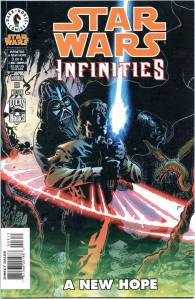
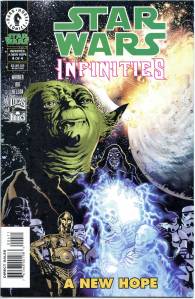
Star Wars Infinities: A New Hope is a 2002 four-part story arc in the Star Wars Infinities series of comic books. It is an extended alternate ending of the 1977 film Star Wars in which Luke Skywalker‘s proton torpedoes fail to destroy the Death Star.
Star Wars Infinities – A New Hope #3 NM $9Star Wars Infinities – A New Hope #4 NM $9
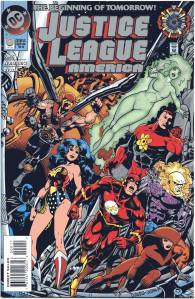
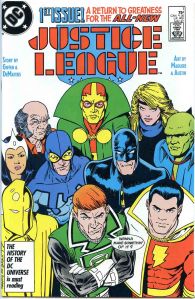
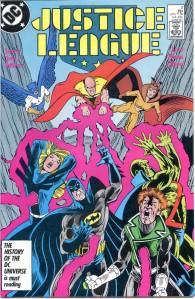
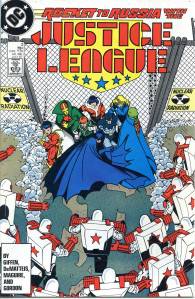
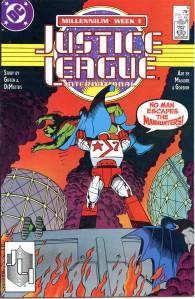
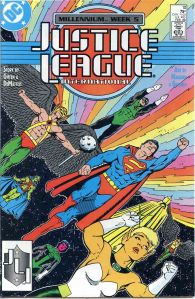
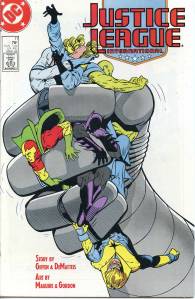
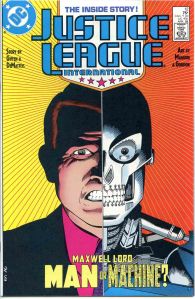
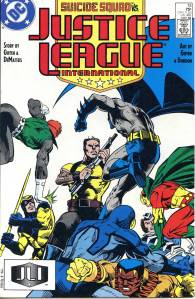
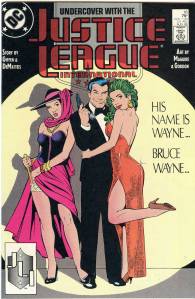
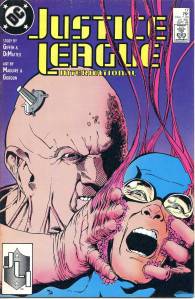
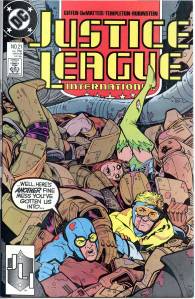
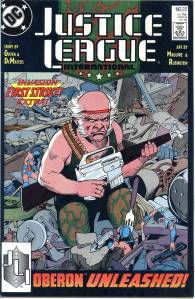
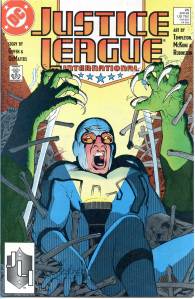
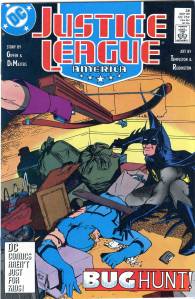
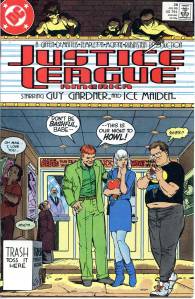
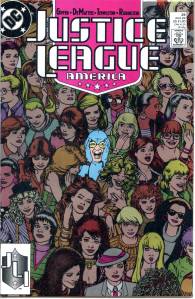
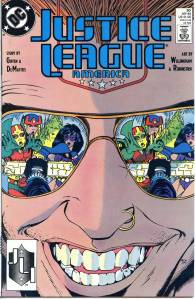
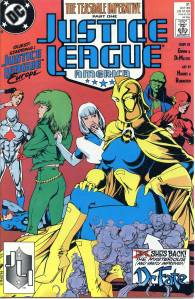
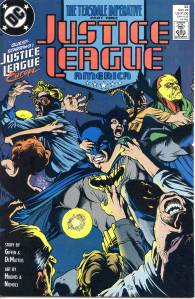
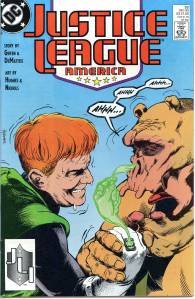
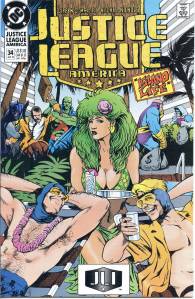
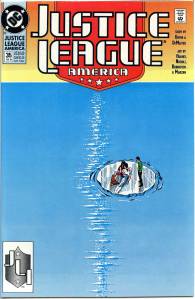
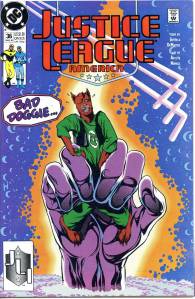
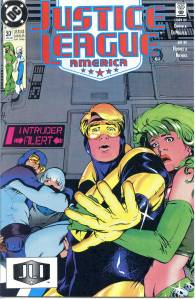
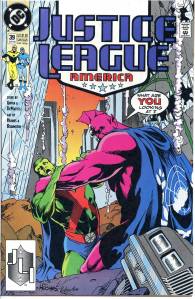
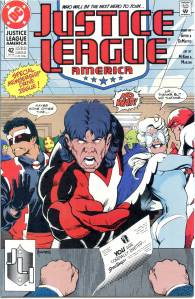
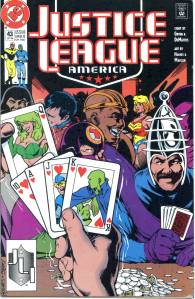
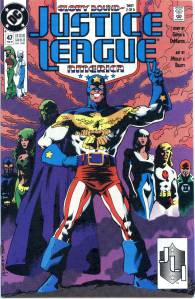
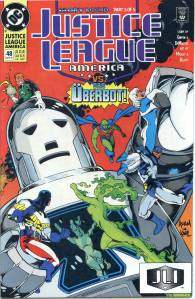
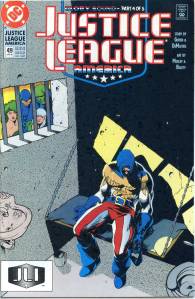
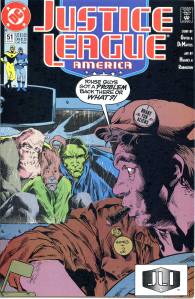
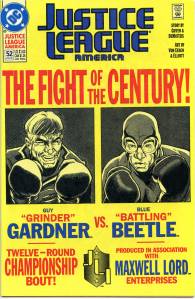
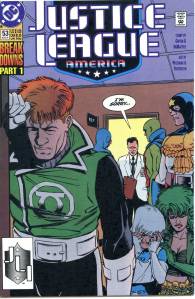
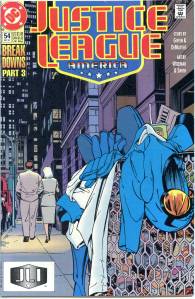
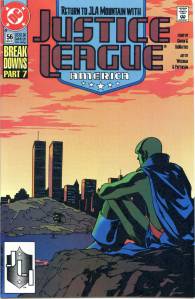
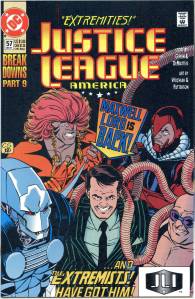
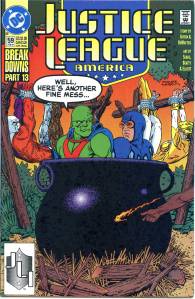
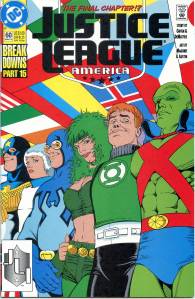
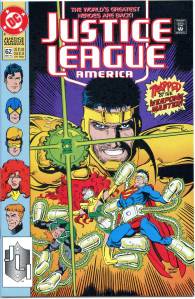
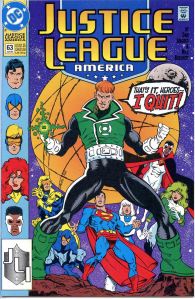
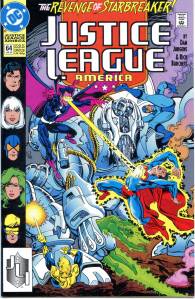
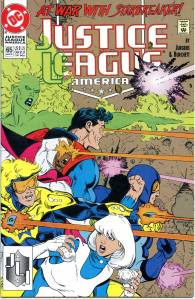
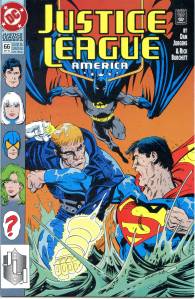
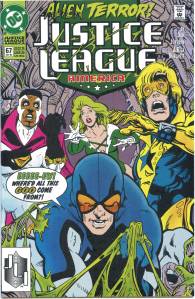
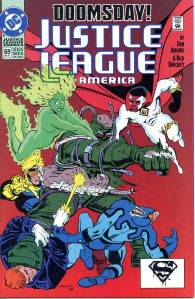
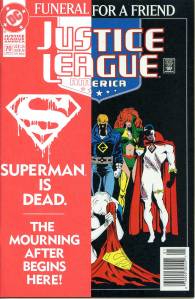
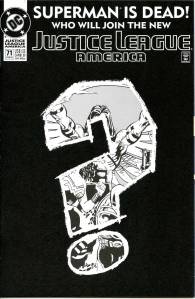
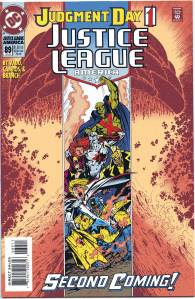
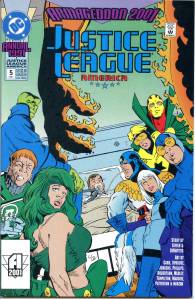
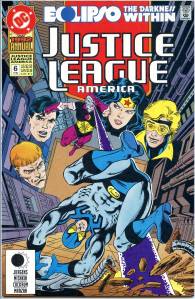
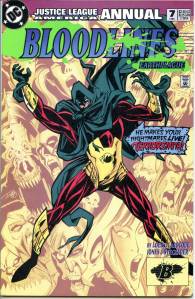
The 1986 company-wide crossover “Legends” concluded with the formation of a new Justice League. The new team was dubbed “Justice League” then “Justice League International” (JLI) and was given a mandate with less of an American focus. The new series, written by Keith Giffen and J. M. DeMatteis with art by Kevin Maguire (and later Adam Hughes), added quirky humor to the team’s stories. In this incarnation, the membership consisted partly of heroes from Earths that, prior to their merging in the Crisis on Infinite Earths, were separate. The Giffen/DeMatteis team worked on Justice League for five years and closed out their run with the “Breakdowns” storyline in 1991 and 1992. The series’ humorous tone and high level of characterization proved very popular.
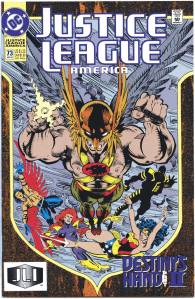
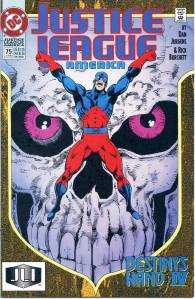
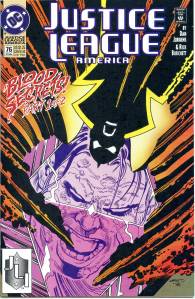
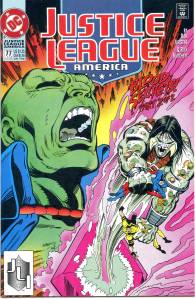
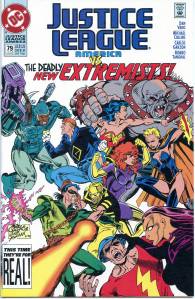
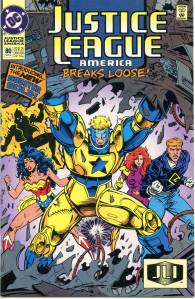
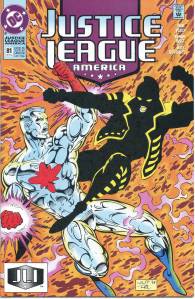
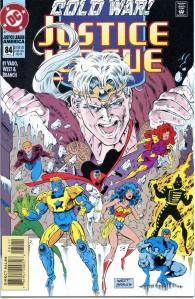
Justice League #0 NM- $3Justice League #1 VF+ $8Justice League #2 NM- $5Justice League #2 VF+ $3Justice League #3 NM $6Justice League #5 VF+ $4Justice League #6 VF+ $3Justice League #9 NM- $3Justice League #10 NM $4Justice League #11 NM $4Justice League #12 NM $4Justice League #13 NM $4Justice League #16 NM $4Justice League #17 NM- $3Justice League #18 NM $26Justice League #19 NM $14Justice League #20 NM $9Justice League #21 NM $6Justice League #22 NM $4Justice League #23 NM $4Justice League #24 NM $4Justice League #25 NM $4Justice League #26 NM $4Justice League #27 NM $4Justice League #28 NM $4Justice League #29 NM $4Justice League #30 NM- $3Justice League #31 NM $9Justice League #32 NM $5Justice League #33 NM $4Justice League #34 NM $6Justice League #35 NM $4Justice League #36 NM $4Justice League #37 NM $4Justice League #38 NM $4Justice League #39 NM $4Justice League #40 NM $5Justice League #41 NM $4Justice League #42 NM $4Justice League #43 NM $4Justice League #47 NM $4Justice League #48 NM $4Justice League #49 NM $4Justice League #50 NM $4Justice League #51 NM- $3Justice League #52 NM- $3Justice League #53 NM $4Justice League #54 NM $4Justice League #56 NM $5Justice League #57 NM $4Justice League #59 NM $4Justice League #60 NM $4Justice League #61 NM $5Justice League #62 NM $4Justice League #63 NM $4Justice League #64 NM $4Justice League #65 NM $4Justice League #66 NM $4Justice League #67 NM $4Justice League #69 NM $9Justice League #70 NM $4Justice League #71 NM $3Justice League #73 NM $4Justice League #75 NM $4Justice League #76 NM $5Justice League #77 NM- $4Justice League #79 NM $4Justice League #80 NM $4Justice League #81 NM $4Justice League #84 NM $4Justice League #89 NM $4Justice League #92 NM $3Justice League Annual #5 NM $4Justice League Annual #6 NM $4Justice League Annual #7 NM $4
Strange Tales switched to superheroes during the Silver Age of Comic Books, retaining the sci-fi, suspense and monsters as backup features for a time. Strange Tales‘ first superhero, in 12- to 14-page stories, was the Fantastic Four‘s Human Torch, Johnny Storm, beginning in #101 (Oct. 1962). Here, Johnny still lived with his elder sister, Susan Storm, in fictional Glenview, Long Island, New York, where he continued to attend high school and, with youthful naivete, attempted to maintain his “secret identity” (later retconned to reveal that his friends and neighbors knew of his dual identity from Fantastic Four news reports, but simply played along).
The title became a “split book” with the introduction of sorcerer Doctor Strange, by Lee and artist Steve Ditko. This 9- to 10-page feature debuted in #110 (July 1963), and after an additional story and then skipping two issues returned permanently with #114. Ditko’s surrealistic mystical landscapes and increasingly head-trippy visuals helped make the feature a favorite of college students, according to Lee himself. Eventually, as co-plotter and later sole plotter, in the “Marvel Method“, Ditko would take Strange into ever-more-abstract realms, which yet remained well-grounded thanks to Lee’s reliably humanistic, adventure/soap opera dialog. Adversaries for the new hero included Baron Mordo introduced in issue #111 (Aug. 1963) and Dormammu in issue #126 (Nov. 1964). Clea, who would become a longtime love interest for Doctor Strange, was also introduced in issue #126.
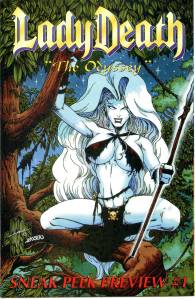
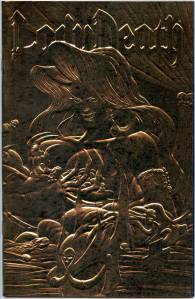
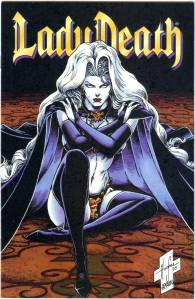
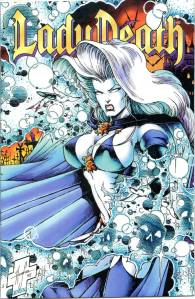
Lady Death, once the ruler of Hell falls prey to a band of barbaric pirates when the goddess Vandala sends her on an odyssey into the unknown, where her powers are at their weakest. Vandala forces Lady Death into acts of heroism, such as defeating the evil angel Agony, and the murderous siblings, Macabre and Malady. Meanwhile, Lucifer attempts to regain the throne of Hell by resurrecting his mighty warrior, Asteroth, and sending him on Lady Death’s trail.
Lady Death – The Odyssey Sneak Preview #1 NM $5Lady Death – The Odyssey #1 NM $12Lady Death – The Odyssey #3 NM $6Lady Death – The Odyssey #4 NM $6
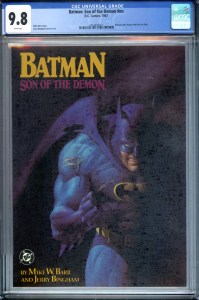
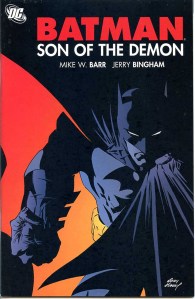
Although it was deemed to be non-canon, Grant Morrison used this story in the 4-issue story “Batman and Son” in 2006. DC Comics published a new printing of Batman: Son of the Demon in 2006 featuring new cover art by Andy Kubert for the first time in standard comic book size with a cover price of $5.99 US, tying in with the “Batman and Son” arc.
Batman Son of the Demon CGC 9.8 White Pages $295Batman Son of the Demon 2006 NM $19
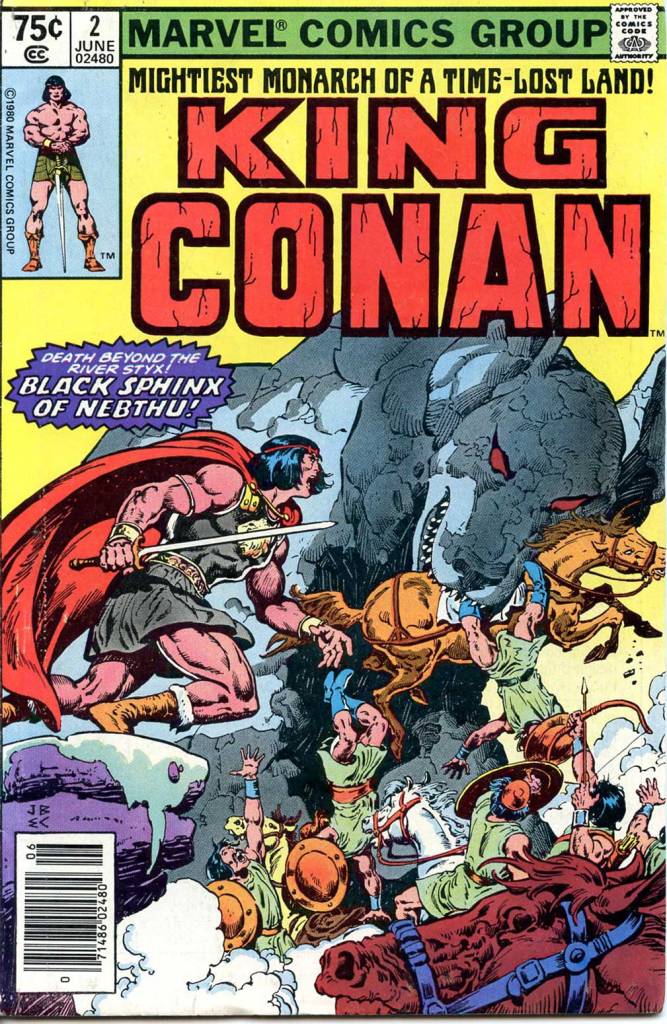
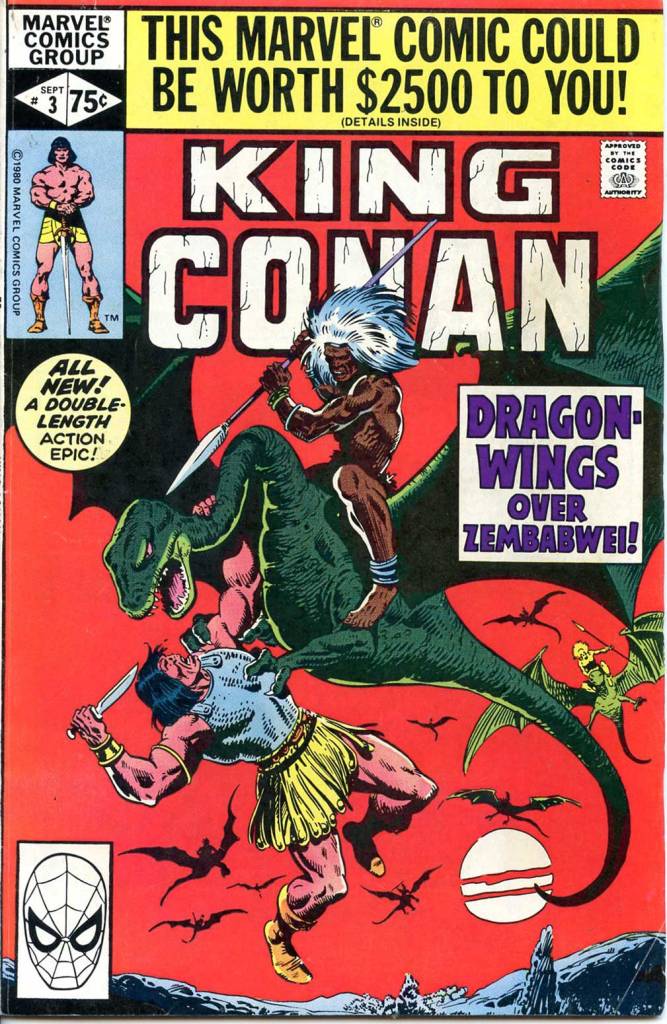
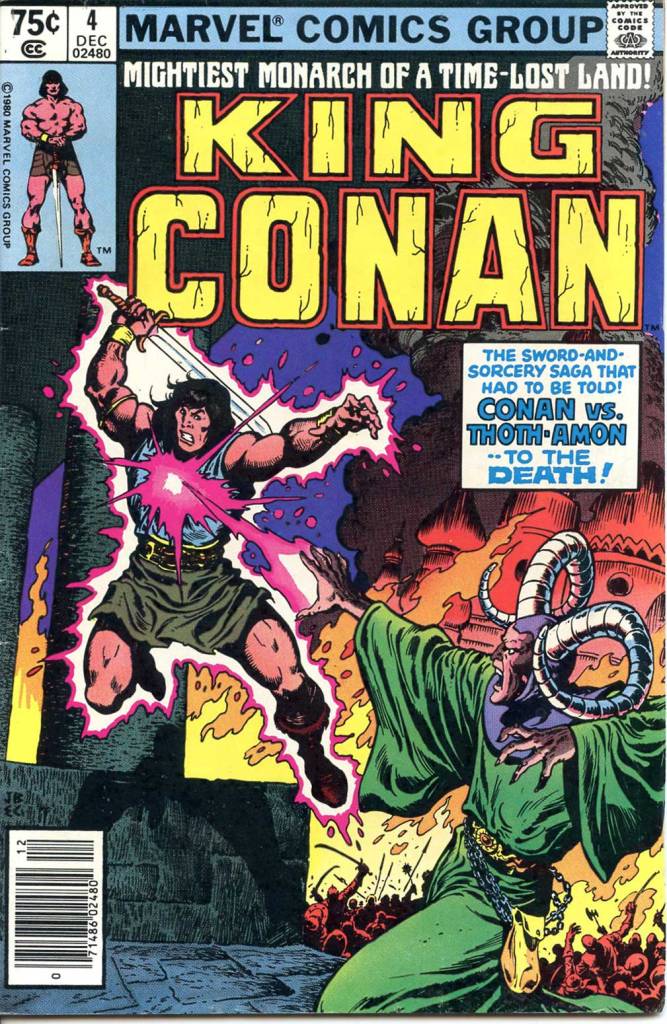
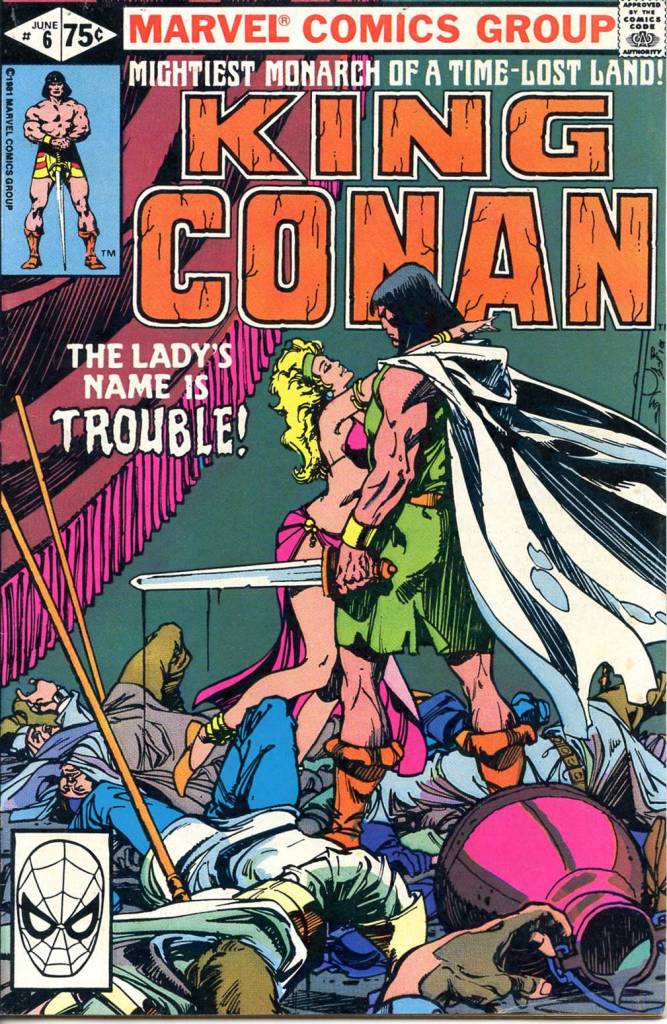
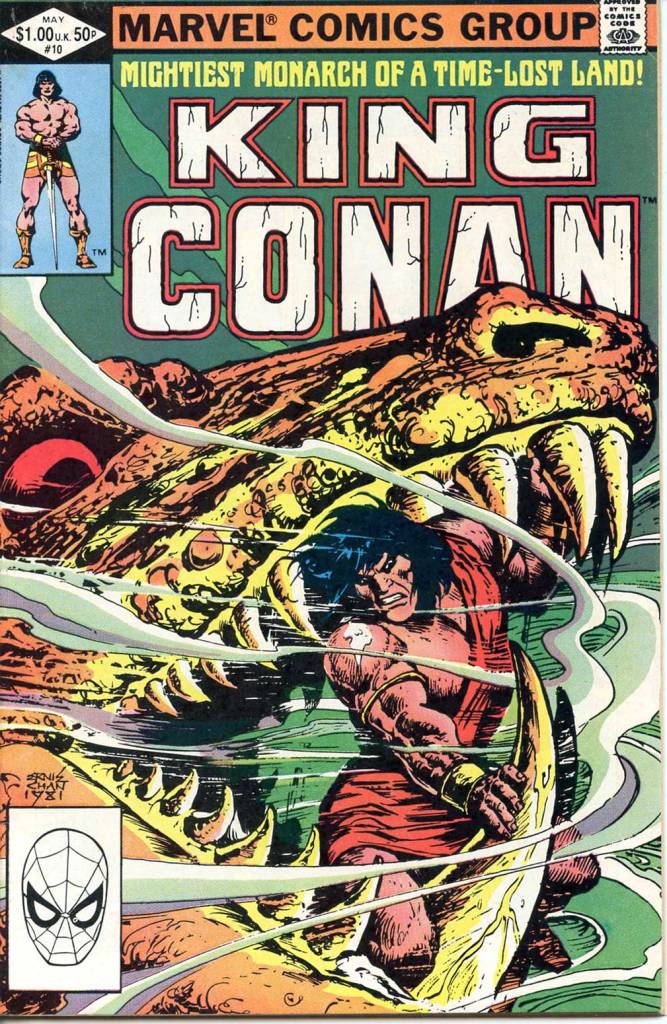
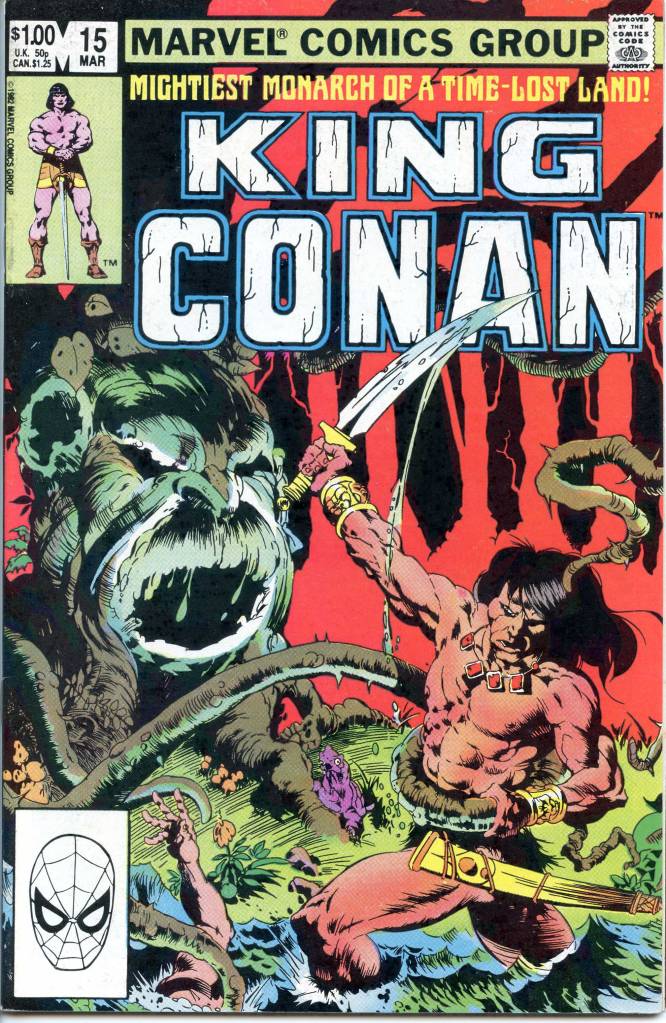
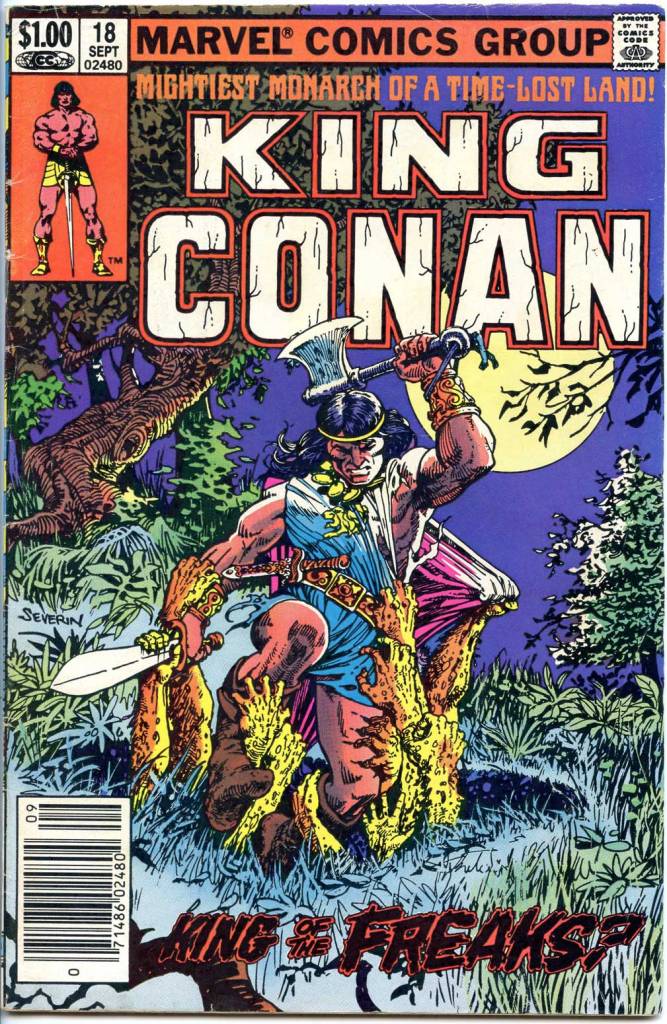
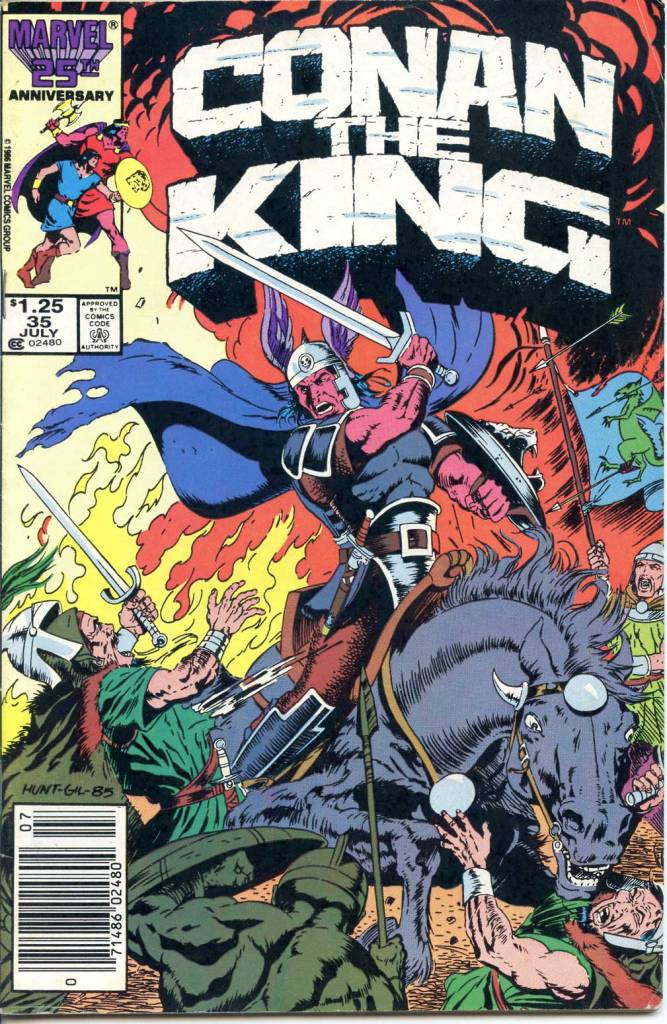
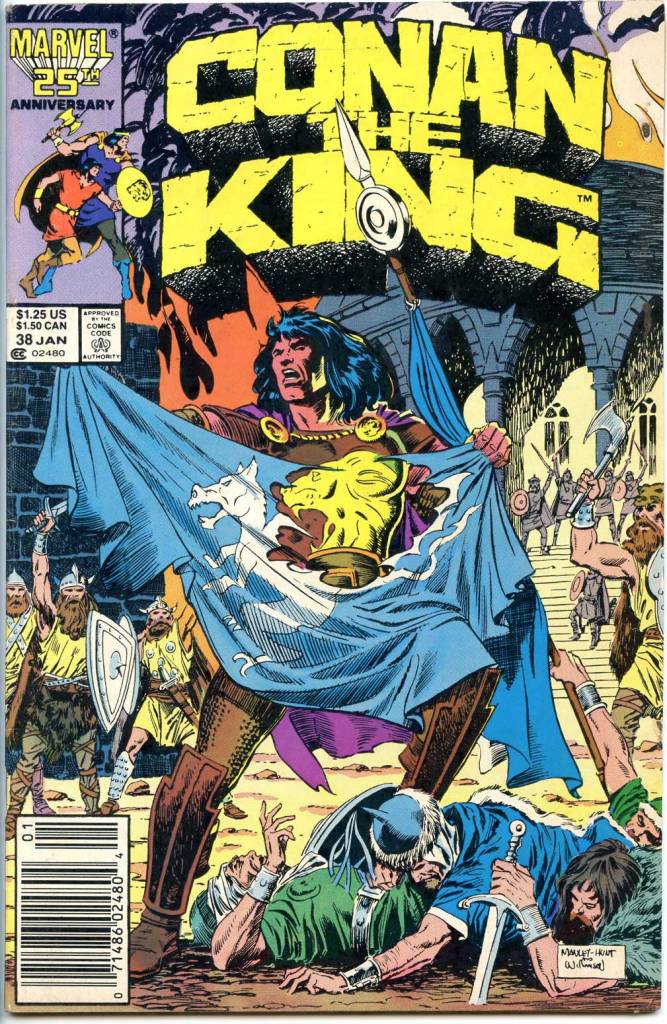
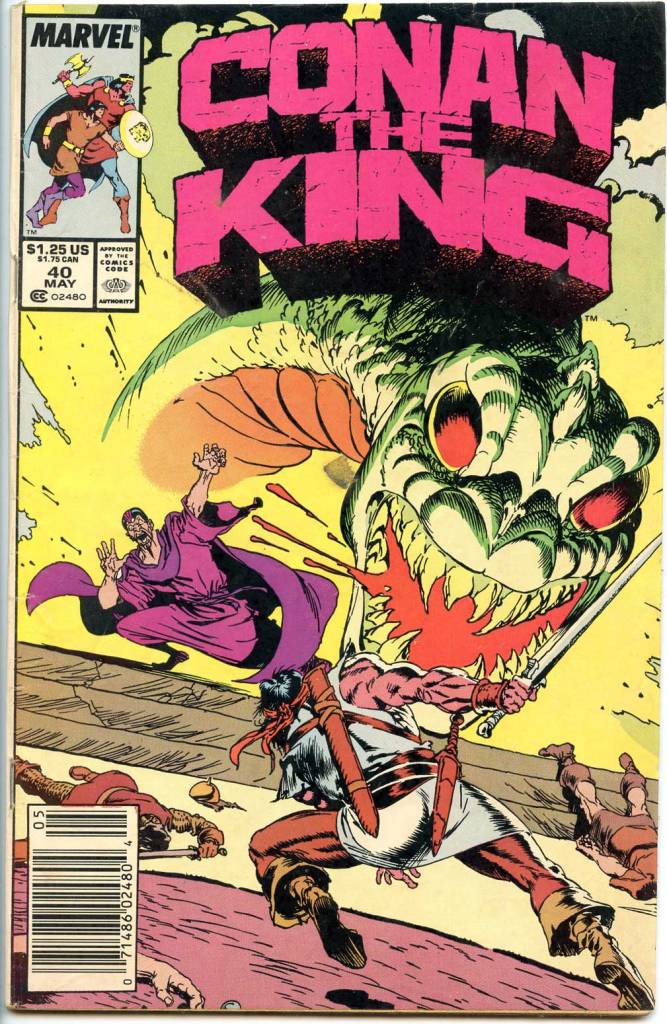
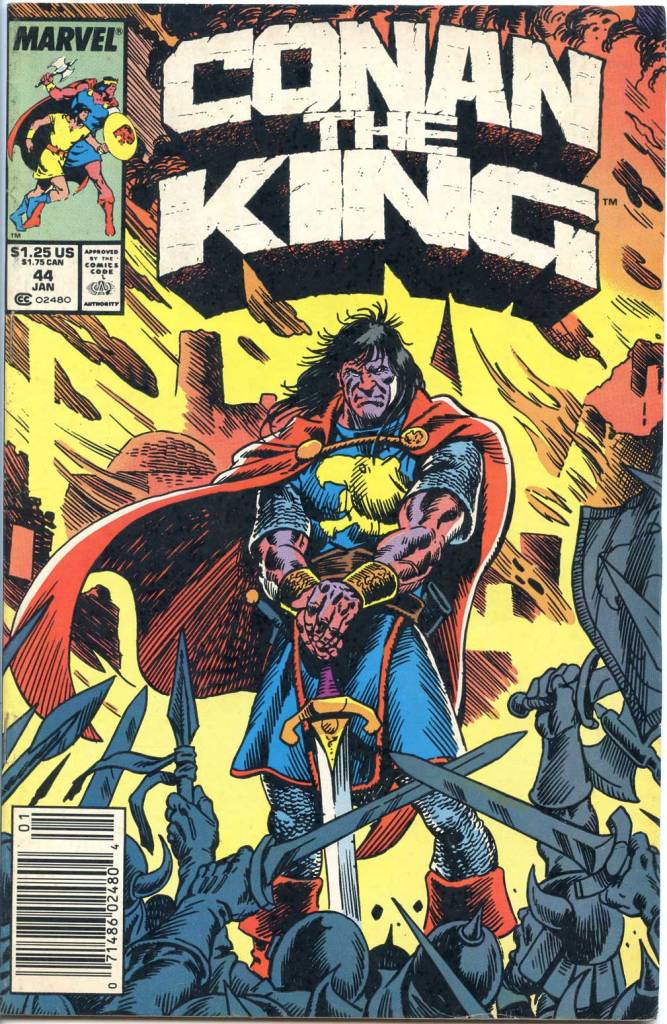
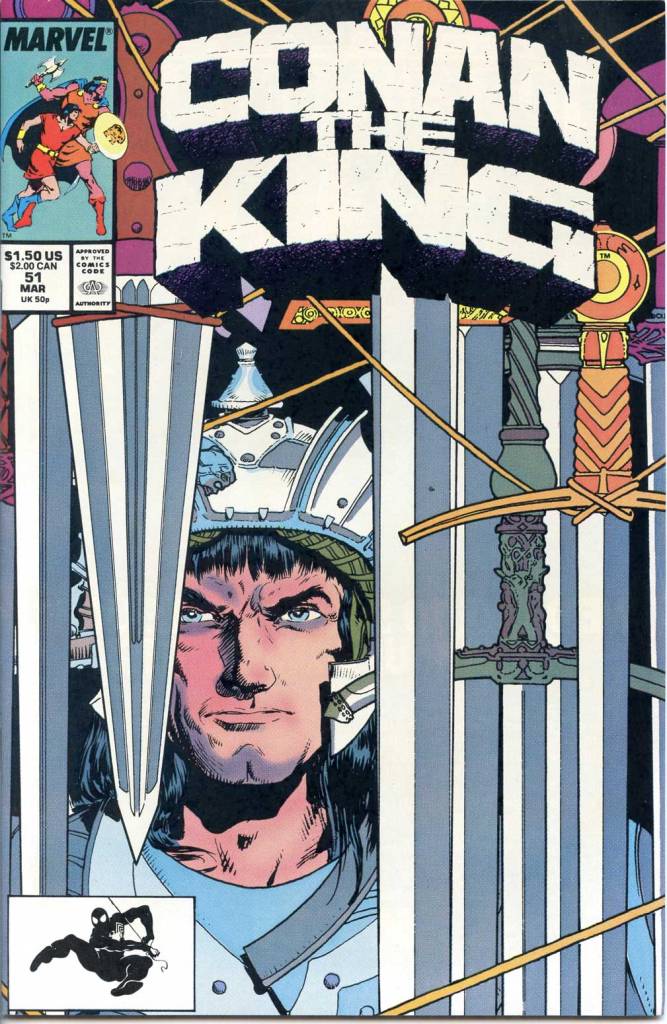
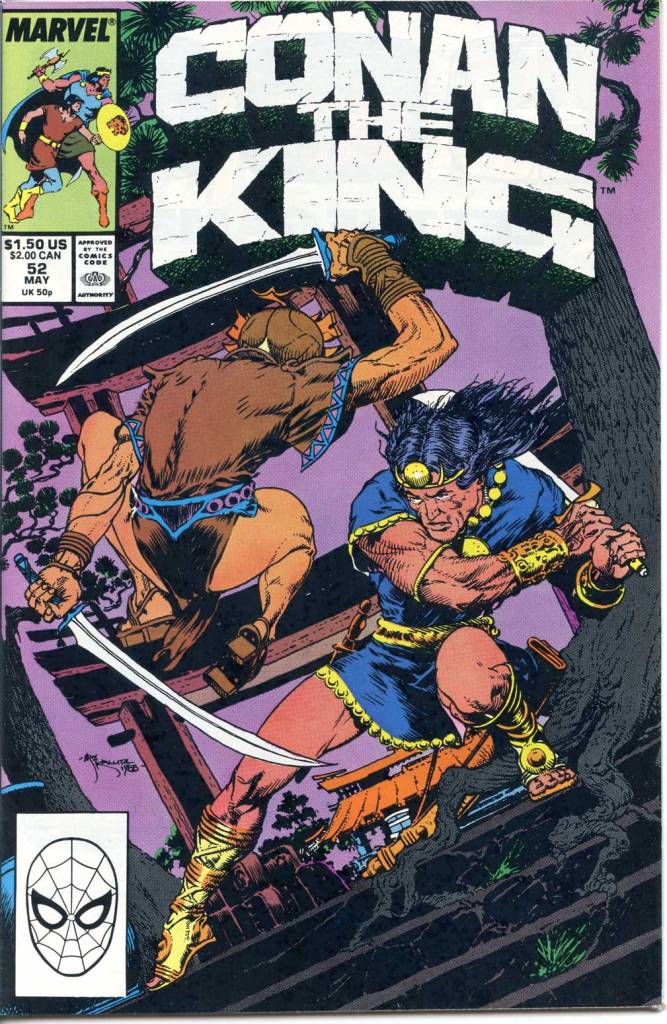
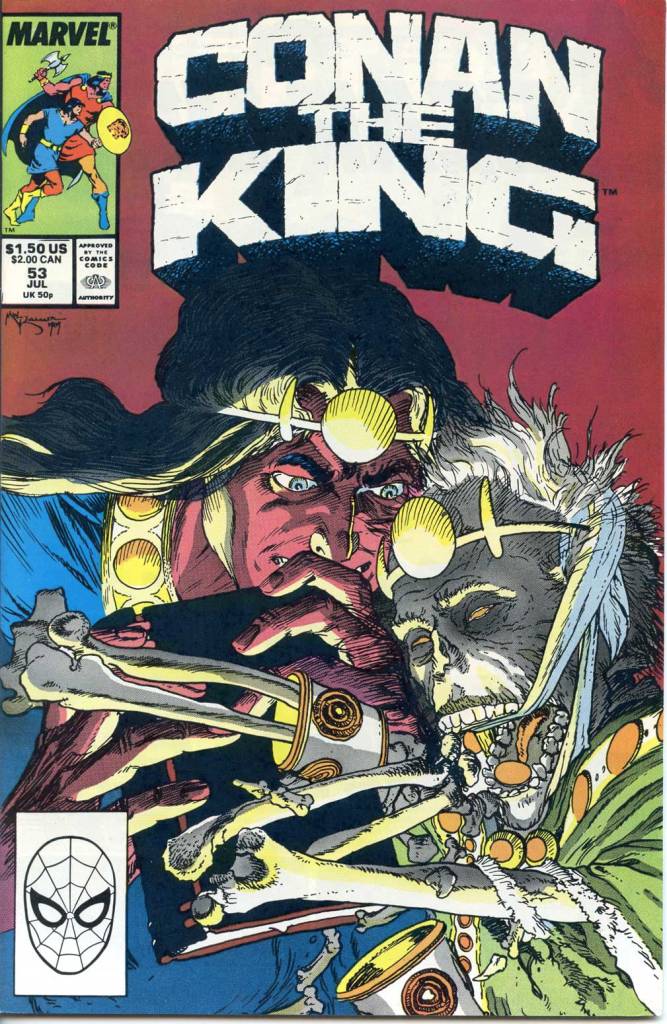
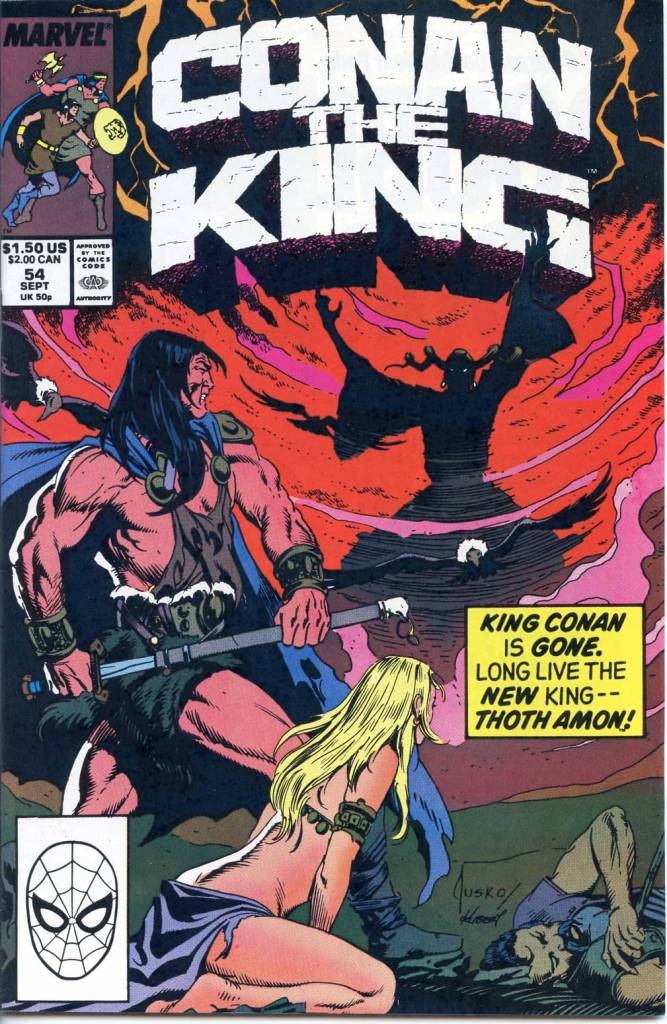
King Conan #2 VF $4King Conan #3 VF $3King Conan #4 F-VF $2King Conan #6 VF $4King Conan #10 VF-NM $5King Conan #15 VF $5King Conan #18 F+ $2Conan the KIng #35 VF- $4Conan the King #38 F+ $2Conan the King #40 F+ $2Conan the King #44 F+ $2Conan the King #51 NM $8Conan the King #52 NM- $7Conan the King #53 NM $11Conan the King #54 NM $12


























 EHT Comics