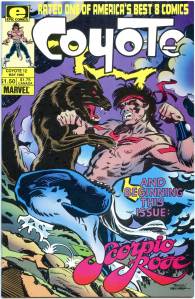
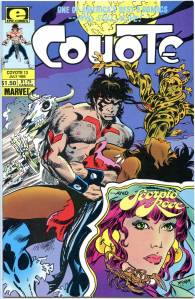
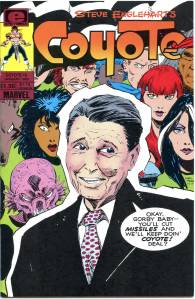
The characters first appeared in Eclipse Magazine #2-8. It would later be reprinted in a color trade paperback, I Am Coyote. Afterwards, a new comic book series started at Marvel ComicsEpic Comics line, that ran 16 issues. It was notable for the first published work of Todd McFarlane. According to Epic editor-in-chief Archie Goodwin, artist Steve Leialoha‘s departure after issue #2 caused deadline problems that the series never fully recovered from, leading to its early cancellation.
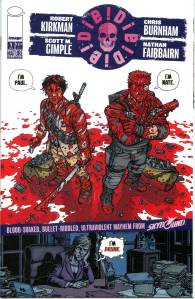
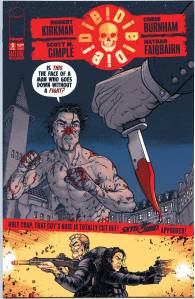
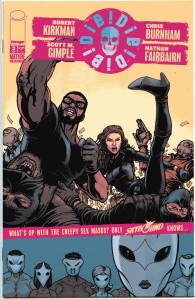
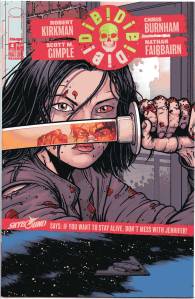
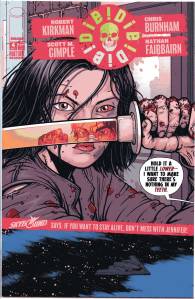
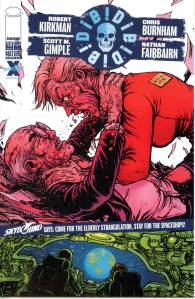
Die!Die!Die! was created and is written by Robert Kirkman with co-writer Scott M. Gimple, artist Chris Burnham and colorist Nathan Fairbairn. It is a blood-soaked, no holds barred, action-packed, irreverent story that fans won’t be able to rip their eyes from. We live in an evil world where evil people do evil stuff all the time and Die!Die!Die! lifts the veil on a secret cabal within the United States government that influences world matters through targeted assassination.
Look no further! We have a highly diverse selection of awesome comics.
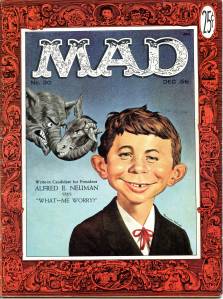
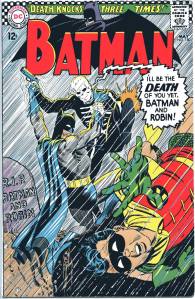
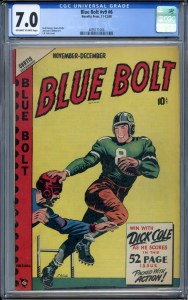
Action Comics #280 CGC 7.0 Off-White to White Pages $149Mad #30 (1956) 1st Full Alfred E. Neuman cover FN-VF $195X-Men #45 CGC 8.0 Off-White to White Pages $179Batman #180 F+ $45Blue Bolt V9 #6 CGC 7.0 Off-White to White Pages $179
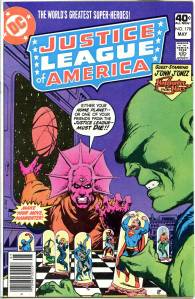
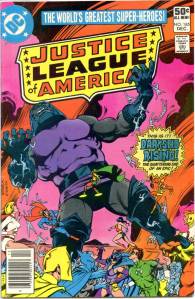
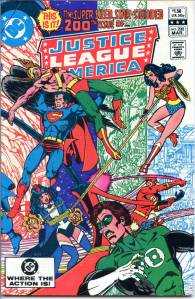
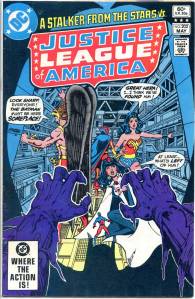
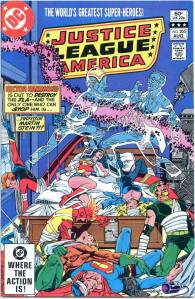
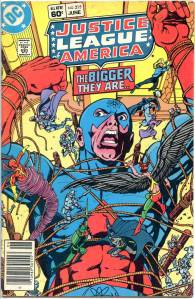
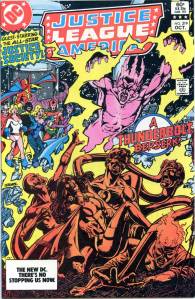
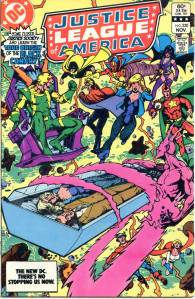
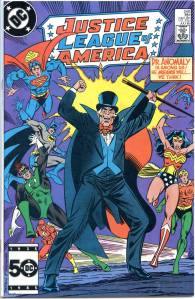
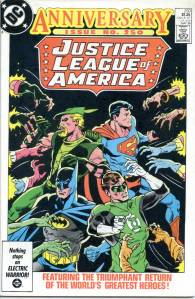
In the early 80’s, George Pérez, Don Heck, and Rich Buckler would rotate as artist on the title. The double-sized anniversary issue #200 (March 1982) was a “jam” featuring a story written by Conway, a framing sequence drawn by Pérez, and chapters drawn by Pat Broderick, Jim Aparo, Dick Giordano, Gil Kane, Carmine Infantino, Brian Bolland, and Joe Kubert. Bolland’s chapter gave the artist his “first stab at drawing Batman.” Pérez would leave the title with issue #200 to concentrate on The New Teen Titans although he would contribute covers to the JLAthrough issue #220 (November 1983). The 1982 team-up with the Justice Society in issues #207–209 crossed over with All-Star Squadron #14–15. A Justice League story by Gerry Conway and Rich Buckler originally intended for publication as an issue of All-New Collectors’ Edition saw print in Justice League of America #210–212 (January–March 1983).
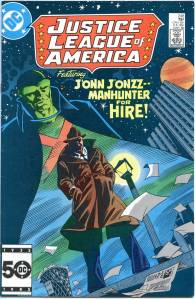
Seeking to capitalize on the popularity of their other team books, which focused upon heroes in their late teens/early 20s, Gerry Conway and artist Chuck Patton revamped the Justice League series. After most of the original heroes fail to help fend off an invasion of Martians, Aquaman dissolves the League and rewrites its charter to allow only heroes who will devote their full-time to the roster. The new team initially consists of Aquaman, Zatanna, Martian Manhunter, Elongated Man, the Vixen, and a trio of teenage heroes Gypsy, Steel, and Vibe. Aquaman leaves the team after a year, due to resolving marital problems, and his role as leader is assumed by the Martian Manhunter.
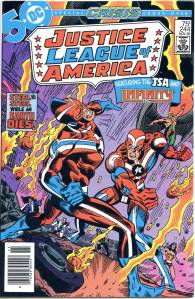
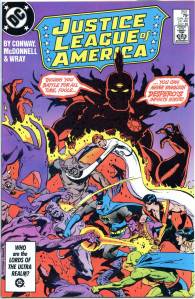
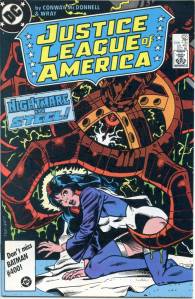
The final storyline for the original Justice League of America series (#258–261), by writer J. M. DeMatteis and artist Luke McDonnell, concludes with the murders of Vibe and Steel at the hands of robots created by long-time League nemesis Professor Ivo, and the resignations of Vixen, Gypsy, and the Elongated Man during the events of DC’s Legends miniseries, which sees the team disband.
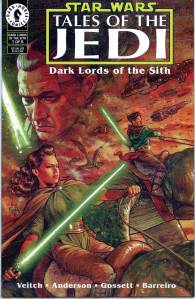
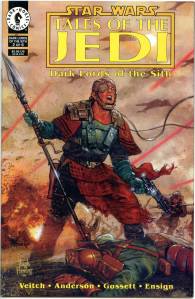
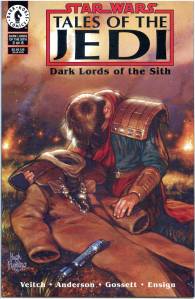
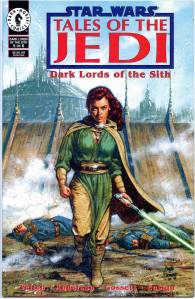
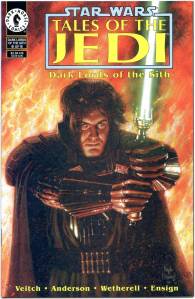
Dark Lords of the Sith (1994–95) is a six-part story arc by Kevin J. Anderson, Tom Veitch, Chris Gossett, and Art Wetherell. It is set two years after the previous arcs, continues the tale of Ulic Qel-Droma, and introduces the character of Exar Kun, a dark lord of the Sith. The story details how the Jedi, led by Ulic Qel-Droma and Nomi Sunrider attempt to free the Empress Teta System from the tyrannical control of evil Dark Side adepts Satal and Aleema. It also details Exar Kun’s fall to the Dark Side at the seduction of the spirit of Freedon Nadd, becoming Dark Lord of the Sith with Ulic as his apprentice.
Star Wars – Tales of the Jedi – Dark Lords of the Sith #1 Ashcan Polybagged NM $49
Tales of the Jedi – Dark Lords of the Sith #1 Polybagged NM $19
Tales of the Jedi – Dark Lords of the Sith #2 NM $9
Tales of the Jedi – Dark Lords of the Sith #3 NM $9
Tales of the Jedi – Dark Lords of the Sith #5 NM $9
Tales of the Jedi – Dark Lords of the Sith #6 NM $19
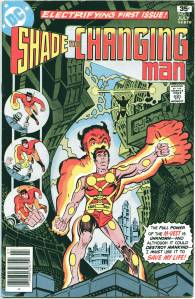
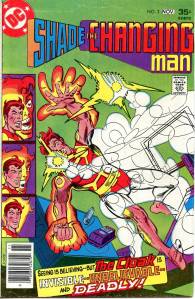
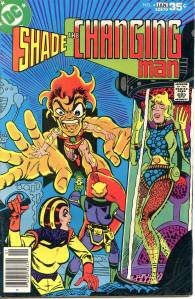
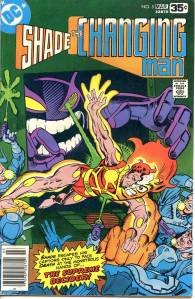
Shade, the Changing Man told the story of a fugitive from the militant planet Meta in another dimension. Shade (whose full name is Rac Shade) was powered by a stolen “M-vest” (or Miraco-Vest, named for its inventor) which protected him with a force field and enabled him to project the illusion of becoming a large grotesque version of himself. The character was the first Ditko had created, or helped to create, for a mainstream publisher for many years. Prior to rejoining DC Comics, Ditko had worked on characters such as his Mr. A. title. Shade was very much a return to mainstream superheroics, although Shade indicated no particular connection with the DC Universe (although the letters columns stated that there is no reason it could not be shown to be there). Michael Fleisher scripted the series based on Ditko’s plotting and art.
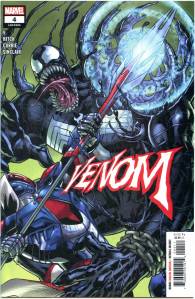
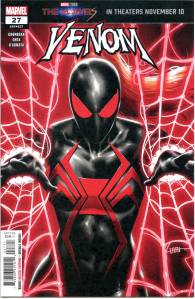
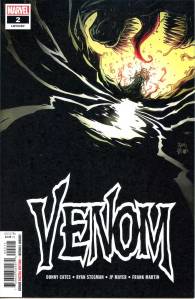
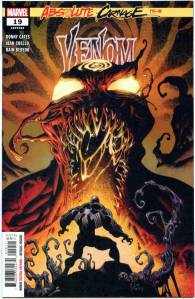
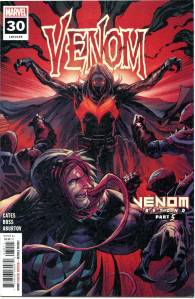
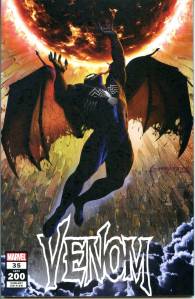
An all-new Venom from some of comics’ greatest talents! Marvel mainstay Al Ewing, who himself has just ended a character-redefining run on Immortal Hulk, is being joined by Ram V, a horror maestro all his own, to craft a mind-bending and gut-wrenching tale of symbiosis the likes of which the Marvel Universe has never seen! Aa if that wasn’t enough, they’ve been joined by Bryan Hitch, who is leaving it all on the page.
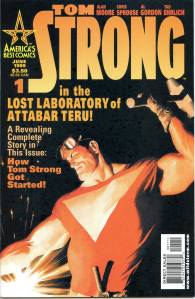
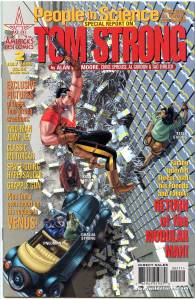
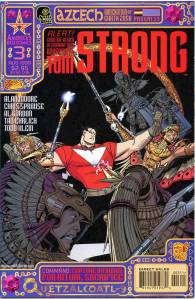
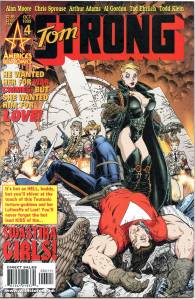
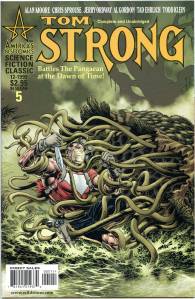
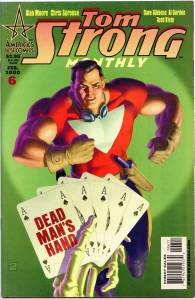
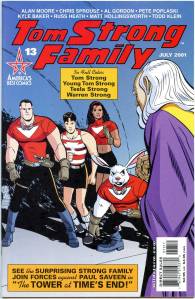
Tom Strong is a comic book created by writer Alan Moore and artist Chris Sprouse, initially published bi-monthly by America’s Best Comics, an imprint of DC Comics‘ Wildstorm division. Tom Strong, the title character, is a “science hero”, with a wife, Dhalua, and a daughter, Tesla, both with enhanced physical and mental abilities and longevity. He lives in a building called The Stronghold in Millennium City. He is also helped by Pneuman, a steam-poweredrobot, and King Solomon, a gorilla with human characteristics. His greatest foe is tuxedo-clad “science villain” Paul Saveen. The series explores many different timelines and universes, which are a nod to different comic genres. The primary characters are tributes to and spoofs of early pulp heroes.
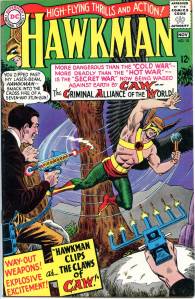
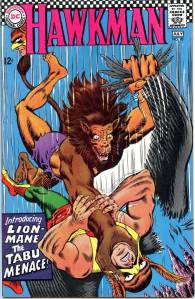
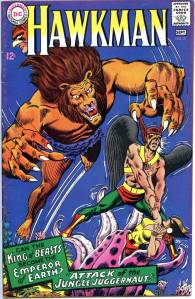
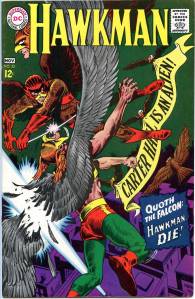
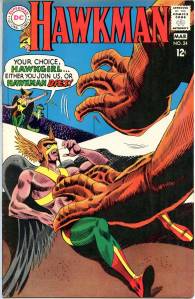
Several incarnations of Hawkman have appeared in DC Comics, all of them characterized by the use of archaic weaponry and by large, artificial wings, attached to a harness made from the special Nth metal that allows flight. Most incarnations of Hawkman work closely with a partner/romantic interest named Hawkgirl or Hawkwoman.
Since DC’s continuity was rewritten in the 1985 series Crisis on Infinite Earths, Hawkman’s history has become muddled with several new versions of the character appearing throughout the years, some associated with ancient Egypt and some with the fictional planet Thanagar. These versions of the character have starred in several series of various durations.
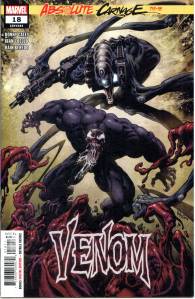
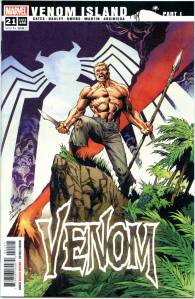
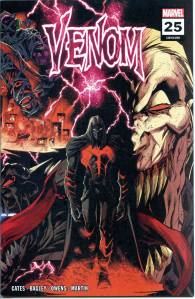
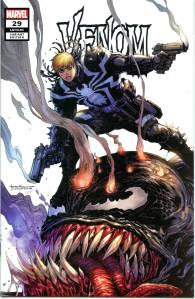
In the wake of S.H.I.E.L.D.’s collapse, an ancient and primordial evil has been awakened beneath the streets of New York. And with it, something equally evil has been awakened in that most wicked of web-slingers: Venom! The symbiote may still be a Lethal Protector of innocents in New York, but this never-before-seen threat could possibly force Venom to relinquish everything it holds dear – including its human host, Eddie Brock!




































 EHT Comics