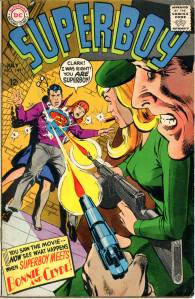
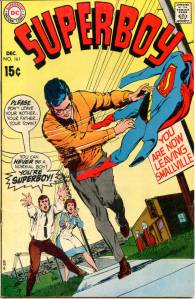
Four years after his debut, Superboy became only the sixth DC superhero to receive his own comic book when Superboy #1 (March–April 1949) was published. The series became the first new DC superhero title to succeed since World War II. Superboy saw the debuts of the first Superbaby story, (about Clark’s adventures as a super-powered toddler), and of Clark’s two closest friends: Lana Lang, who also serves as a romantic interest for Superboy; and Pete Ross, who later discovers and helps protect Clark’s secret identity. Other notable stories to appear in Superboy include the story of the first Bizarro and the first appearances of Legion of Super-Heroes members Mon-El and Ultra Boy.
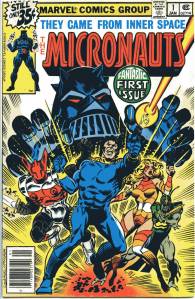
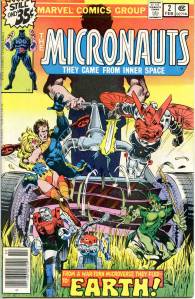
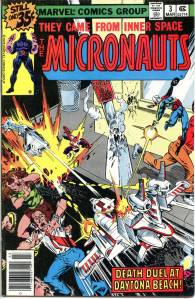
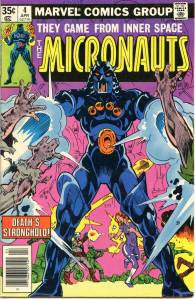
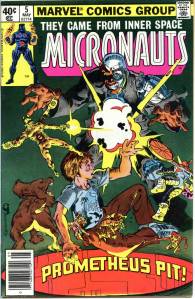
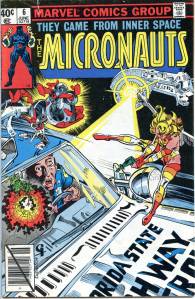
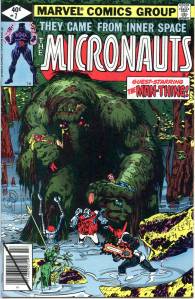
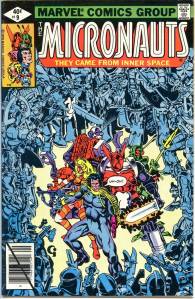
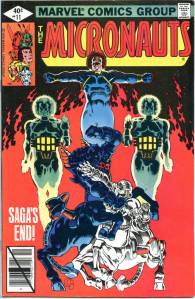
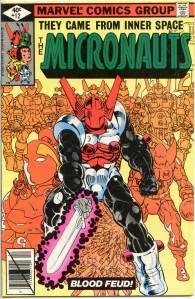
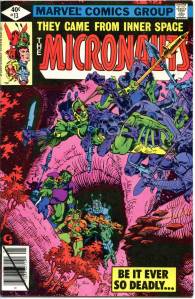
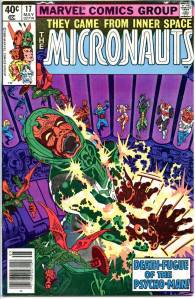
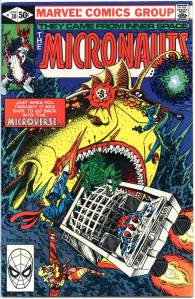
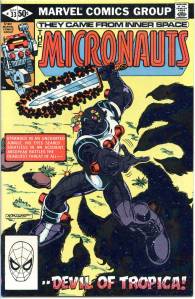
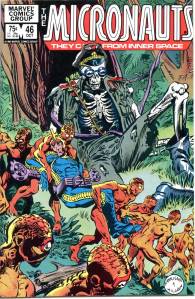
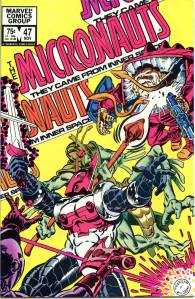
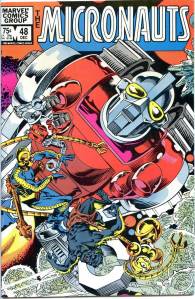
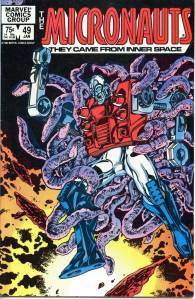
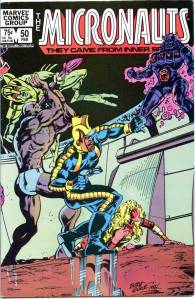
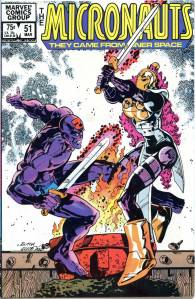
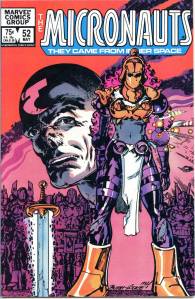
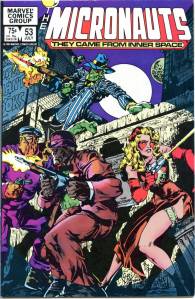
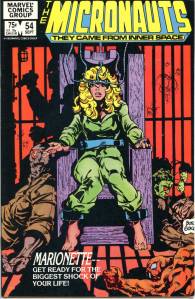
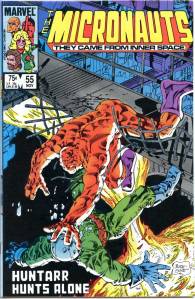
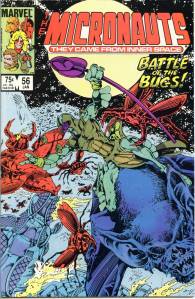
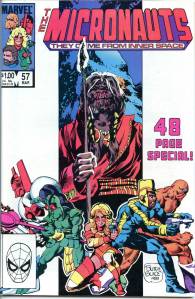
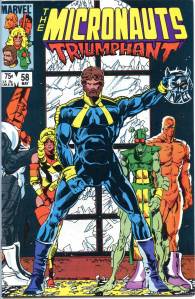
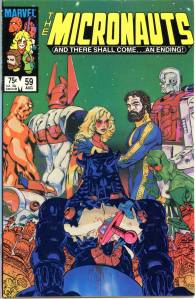
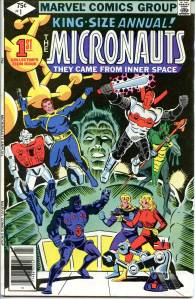
The Micronauts began life as comic book characters thanks to a fortuitous accident on Christmas 1977. Marvel Comics writer Bill Mantlo’s son Adam opened a new present, a line of the Mego Corporation‘s Micronauts action figures. Seeing the toys, Mantlo was instantly struck by inspiration to write their adventures. Convincing then Editor-in-chief Jim Shooter to get the comics license for these toys, Mantlo was hired to script their series.
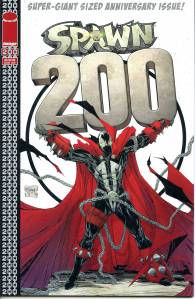
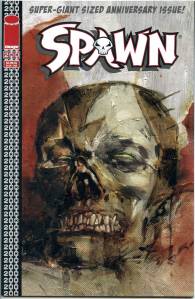
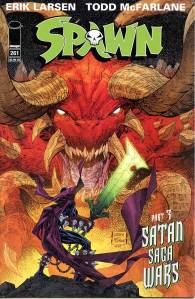
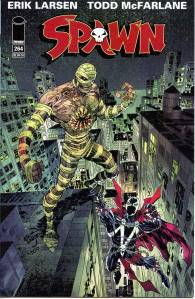
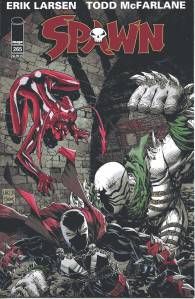
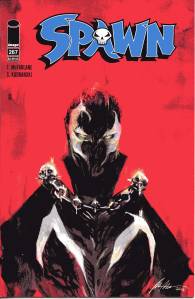
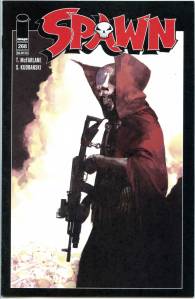
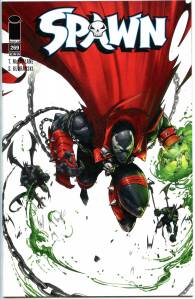
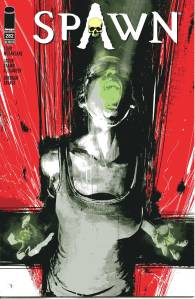
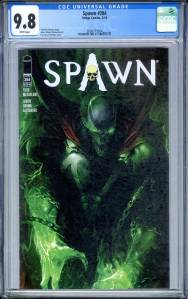
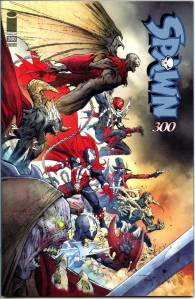
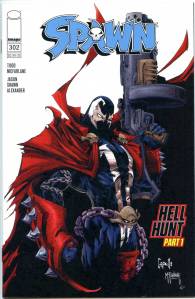
By issue #191 in May 2009, with estimated sales of 19,803 copies, Spawn had dropped below Top 100 titles sold monthly to comic shops as reported by Diamond Comic Distributors. As of August 2010 Spawn no longer was ranked in the top 300 sales figures chart reported by Diamond Comic Distributors. On the day of its release in 2011, issue #200 sold out. This issue featured work by Greg Capullo, David Finch, Michael Golden, Jim Lee, Rob Liefeld, Marc Silvestri, Danny Miki, and Ashley Wood. A second printing was released the next month. Despite its remarkable sales, it received a negative review from IGN.
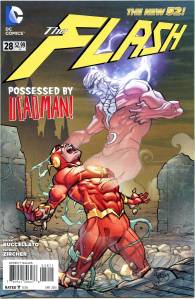
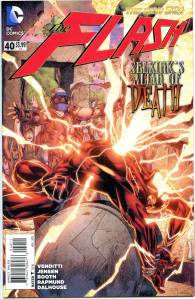
In September 2011, The New 52 rebooted DC’s continuity. In this new timeline, DC Comics relaunched The Flash with issue #1, with writing and art handled by Francis Manapul and Brian Buccellato. As with all of the titles associated with the DC relaunch, Barry Allen appears to be about five years younger than the previous incarnation of the character. Superheroes at large have appeared only in the past five years, and are viewed with at best, suspicion, and at worst, outright hostility. In this new continuity, Barry’s marriage to Iris West never took place, and he is instead in a relationship with longtime co-worker Patty Spivot. In this new series, the Flash draws deeper into the Speed Force, enhancing his mental abilities while still trying to get a full grasp on his powers, which he doesn’t yet exert total control over.
As revealed in issue #0 of this series, Barry Allen’s father was placed in prison for the murder of his mother. While the evidence seems to indicate his father’s guilt, Barry makes proving his father’s innocence a priority. The murder occurred shortly after Barry returned victorious from a school spelling bee, and Barry placed the trophy he won on his mother’s grave in her memory. Barry is also part of the main cast of the relaunched Justice League series, making his debut in the series’ second issue.
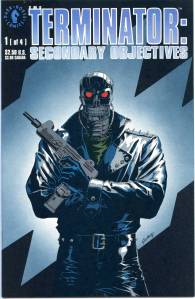
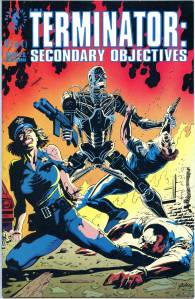
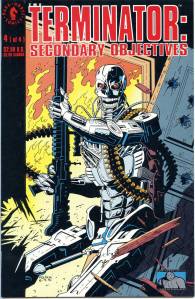
The Terminator: Secondary Objectives is a four issue comic series set after the The Terminator. Secondary Objectives is the second part of four. The series was published in July 1991 by Dark Horse Comics.
After the first attack on Sarah Connor, she has fled out in the desert near Mexico City. Later in 1984, another terminator switches to its secondary mission, to track down and terminate the now pregnant Sarah Connor. Another terminator arrives to assume the primary mission of protecting the genesis of Skynet. But help is coming; Mary, Ed Astin and I825.M, a re-patriated terminator hybrid cyborg.
The series was written by James Robinson, pencilled by Paul Gulacy (who also did the cover art) and inked by Karl Kesel.
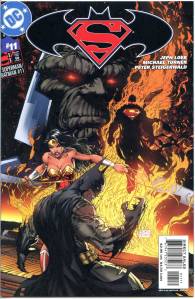
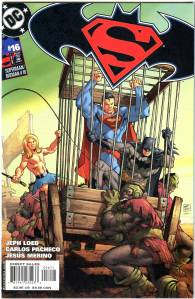
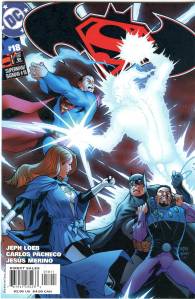
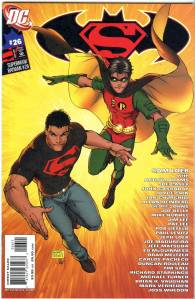
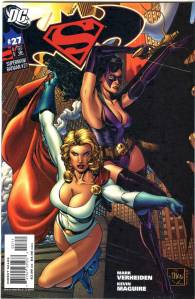
Superman/Batman was a monthly series published by DC Comics that features the publisher’s two most popular characters: Superman and Batman. Superman/Batman premiered in August 2003 and was an update of the previous series, World’s Finest Comics, in which Superman and Batman regularly joined forces.
Superman/Batman explored the camaraderie, antagonism, and friendship between its titular characters. Jeph Loeb, the series’ first writer, introduced a dual-narrator technique to present the characters’ often opposing viewpoints and estimations of each other, which subsequent series writers have maintained. Before the 1985 limited seriesCrisis on Infinite Earths, the two iconic characters were depicted as the best of friends. Frank Miller‘s landmark series The Dark Knight Returns was the first DC story that depicts the heroes at odds with each other, as opposed to pre-Crisis incarnations. This dynamic became DC Universecanon with John Byrne‘s The Man of Steel, a Superman reboot published in 1986.
Superman Batman #7 NM $4Superman Batman #8 1st NM $19Superman Batman #8 2nd NM $14Superman Batman #8 3rd NM $14Superman Batman #9 NM $9Superman Batman #10 Lee Variant $5Superman Batman #10 NM $5Superman Batman #11 NM $5Superman Batman #12 NM $5Superman Batman #13 NM $5Superman Batman #14 NM $3Superman Batman #15 NM $3Superman Batman #16 NM $3Superman Batman #17 NM $3Superman Batman #18 NM $3Superman Batman #20 NM $3Superman Batman #21 NM $3Superman Batman #23 NM $19Superman Batman #24 NM $3Superman Batman #25 NM $3Superman Batman #26 NM $5Superman Batman #27 NM $3Superman Batman #28 NM $5Superman – Batman #66 NM $4Superman Batman #78 NM $9
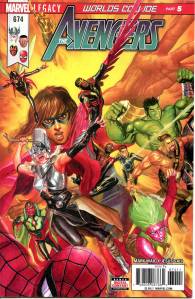
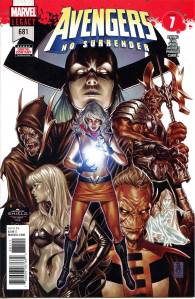
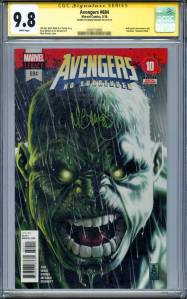
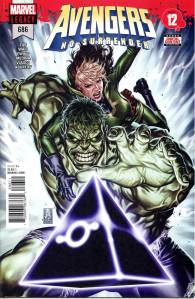
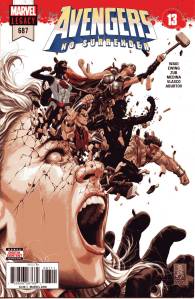
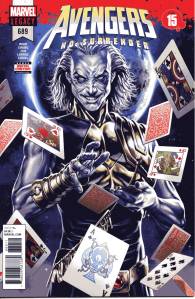
The Earth has been STOLEN! The sky burns while mysterious cosmic objects crash down from above, wreaking havoc across the world – and the Avengers are the last line of defense between Earth and the mysterious forces threatening to tear it apart. It’s time to ASSEMBLE almost everyone who has ever been an Avenger! All of the Avengers you know and love come together to face threats beyond any they’ve faced before – including the Black Order and the Lethal Legion. These two teams of powerful villains bent on destroying each other have arrived on Earth, and they don’t care who gets caught in the crossfire. And when the mysterious Challenger faces off against the Grandmaster, can the Earth survive the destruction they unleash? The Avengers are engaged in a game of cosmic proportions, but they don’t know the rules…and not everyone will survive! Plus: Who is Voyager? Valerie Vector, the forgotten founding Avenger, is revealed. And fan-favorite Avenger, Hulk, returns to the fold as the stakes in the battle for Earth become clear! Tension is high and peril is imminent, but there’s no option to surrender for the relentless Avengers!
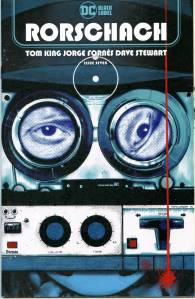
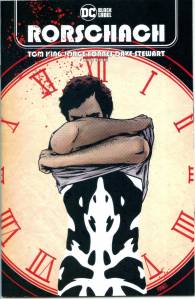
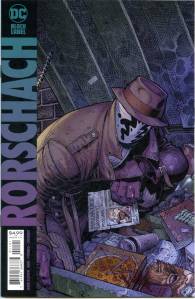
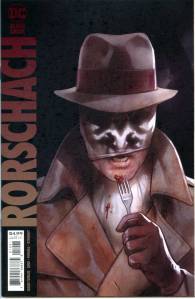
Thirty-five years after the death of Rorschach, right-wing vigilante Laura “The Kid” Cummings brainwashes two elderly comic book creators, Wil Myerson and Frank Miller, into believing that they are Rorschach’s reincarnation, before attempting to assassinate Robert Redford‘s political opponent, being killed themselves in the process.
The underlying difference between this title and the other Spider-Man titles was that Marvel Knights Spider-Man was done with a more mature slant (in style if not content), thus the “Marvel Knights” prefix.
Intended to replace the canceled Spider-Man’s Tangled Web series, Marvel Knights Spider-Man was originally supposed to be written by Kevin Smith, but due to scheduling problems he was replaced by Mark Millar. When Millar completed his year-long story arc, he was followed by writer Reginald Hudlin.
With the consolidation of the Marvel Knights line, Marvel Knights Spider-Man was renamed The Sensational Spider-Man as of issue 23. At this time, Roberto Aguirre-Sacasa took over writing duties on the book.