
Look no further! We have a highly diverse selection of awesome comics.
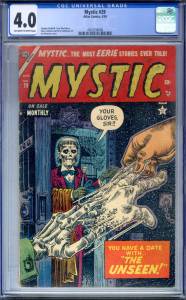
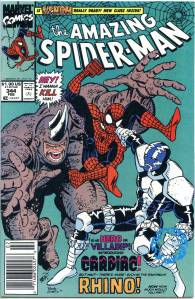

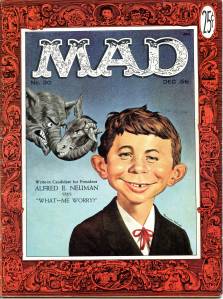

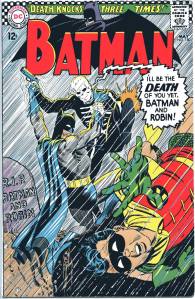
Look no further! We have a highly diverse selection of awesome comics.
 Hello and welcome to EHT Comics! Thank’s for taking the time to stop by our site. All of the items posted on our site are scans or photos of the actual items we have for sale. Just click on an item to view a larger and more detailed image. E-mail us anytime at EHTcomics@gmail.com in regards to items that you are interested in and a Paypal Invoice will be provided via email. Shipping information is provided under “About Us” on the right. We are always adding new comics, so stop back often and if you don’t see it, feel free to ask.
Thanks!
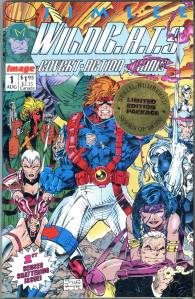
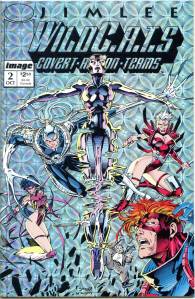
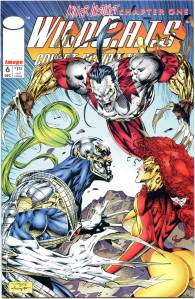
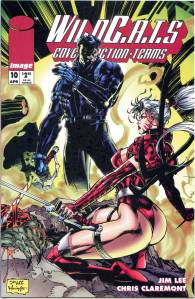
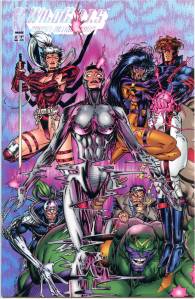
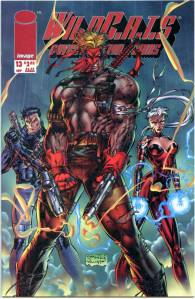
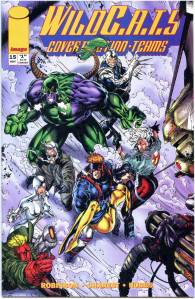
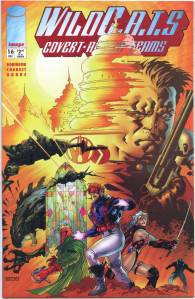
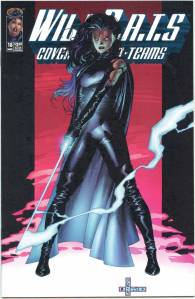
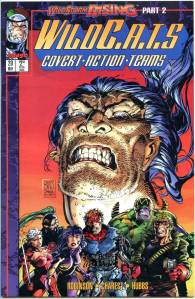
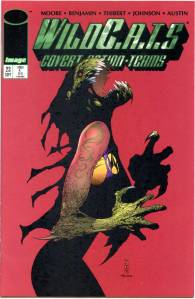
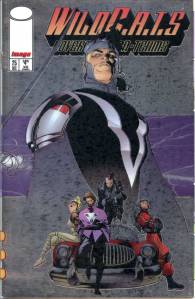
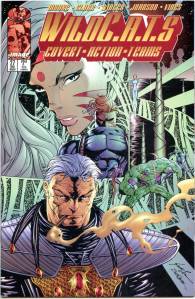
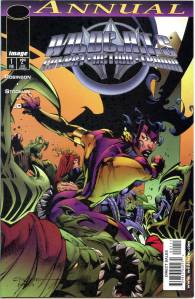
The team first appeared in August 1992 in the first issue of their eponymous comic book WildC.A.T.s: Covert Action Teams, published by Image Comics. It was Image founding partner Jim Lee’s first work published by the newly launched company, and his first creator-owned project. The Wildcats were the starting point for Lee’s menagerie of interconnected superhero creations which became the foundation of the Wildstorm Universe. The Wildcats launched at the apex of a speculator-fueled comics sales boom and was wildly popular at its inception, with wholesale sales to comic book stores above one million copies for early issues. This first series ran for 50 issues, and in addition to Lee, featured work by comics creators such as Travis Charest, Chris Claremont, James Robinson and Alan Moore. This popularity saw the property expand into other media, with an animated adaptation of the comic debuting on CBS in 1994 and a toyline from Playmates Toys.













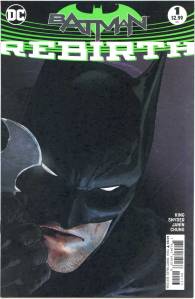
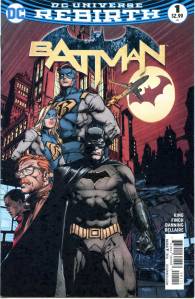
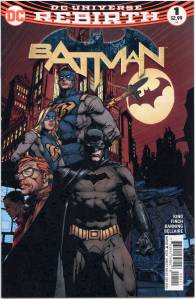
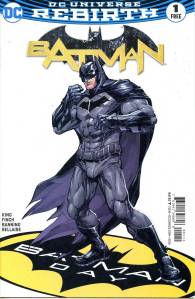
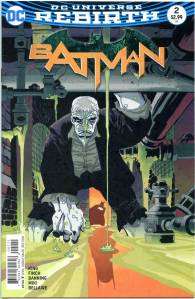
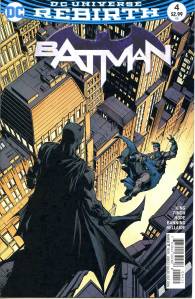
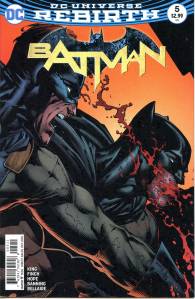
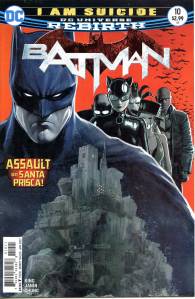
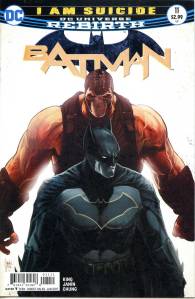
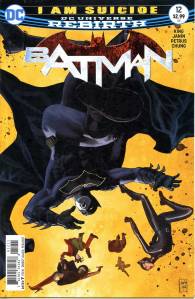
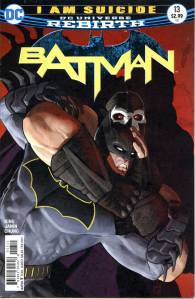
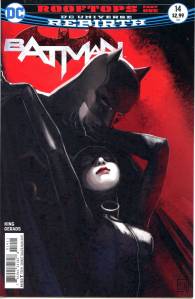
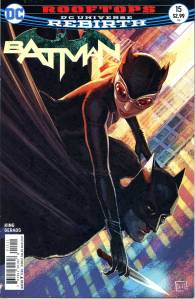
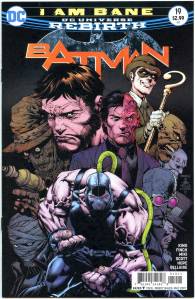
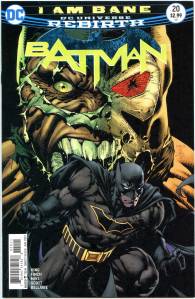
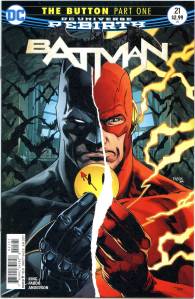
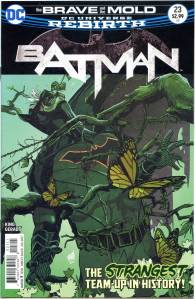
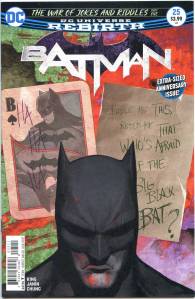
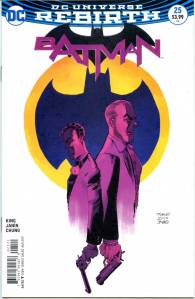
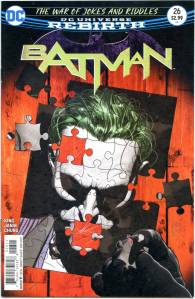
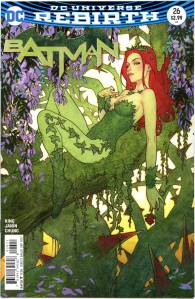
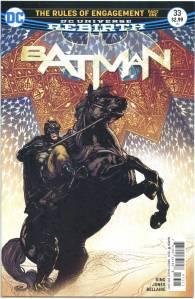
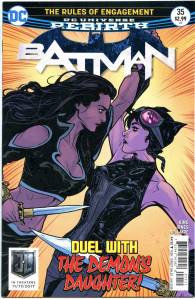
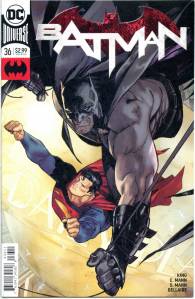
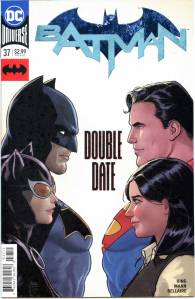
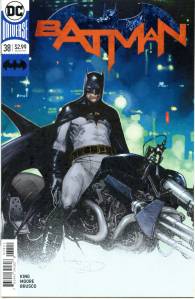
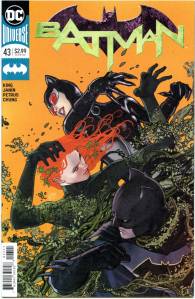
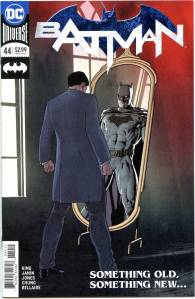
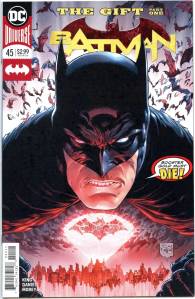
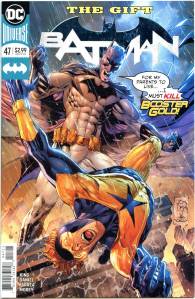
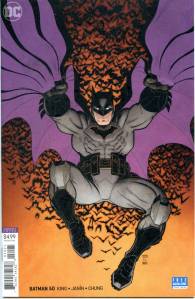
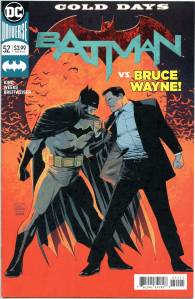
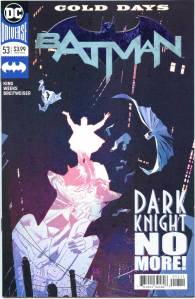
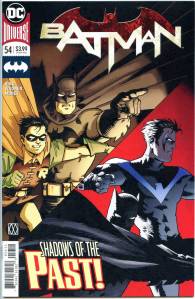
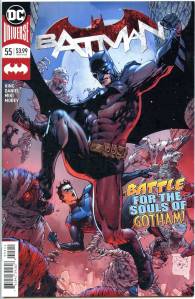
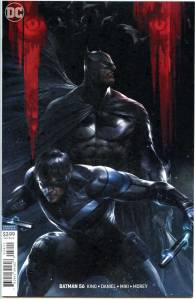
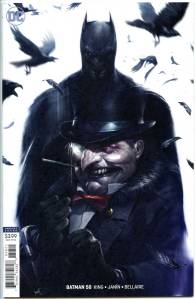
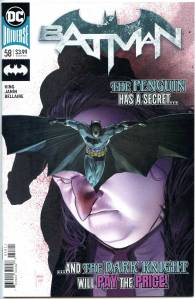
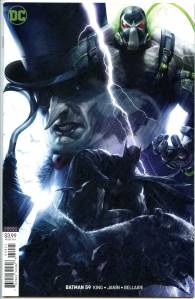
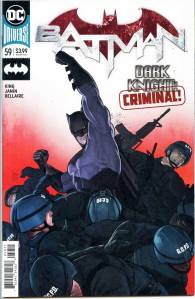
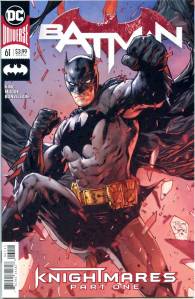
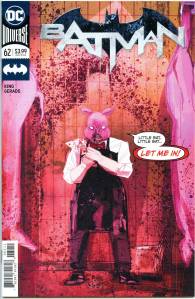
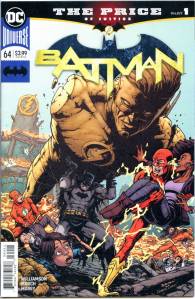
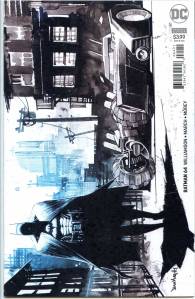
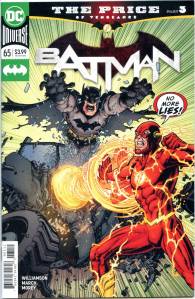
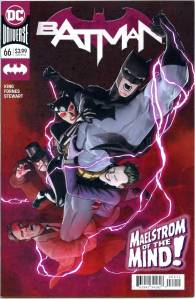
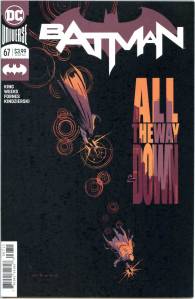
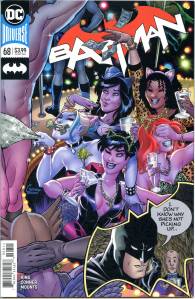
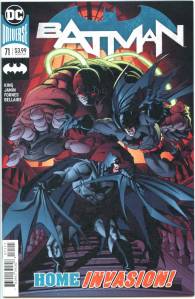
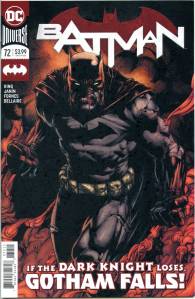
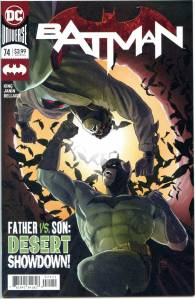
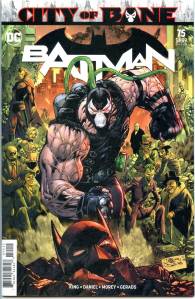
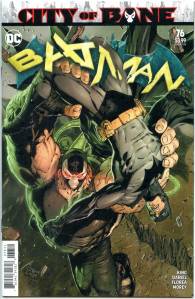
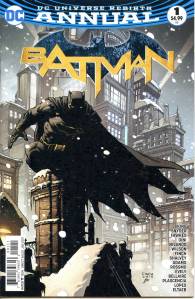
In June 2016, the DC Rebirth event relaunched DC Comics’ entire line of comic book titles. Batman was rebooted as starting with a one-shot issue entitled Batman: Rebirth #1 (August 2016). The series then began shipping twice-monthly as a third volume, starting with Batman vol. 3, #1 (August 2016). The third volume of Batman was written by Tom King, and artwork was provided by David Finch and Mikel Janín. The Batman series introduced two vigilantes, Gotham and Gotham Girl.
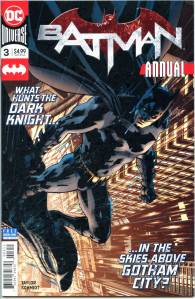
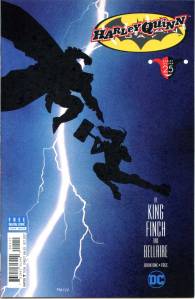
DC Comics ended the Rebirth branding in December 2017, opting to include everything under a larger “DC Universe” banner and naming. The continuity established by Rebirth continues across DC’s comic book titles, including volume one of Detective Comics and the third volume of Batman.




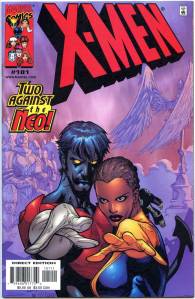
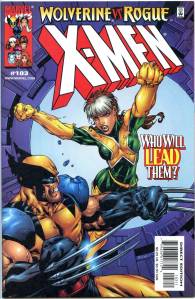
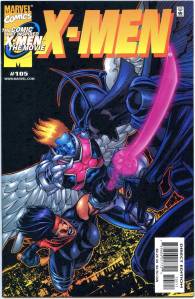
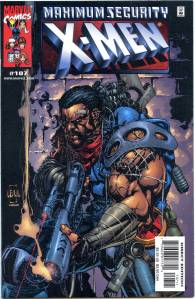
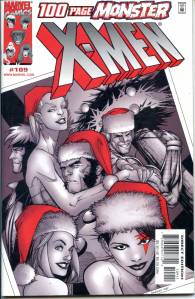
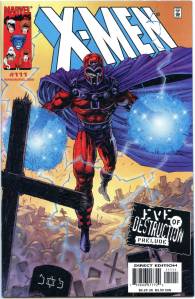
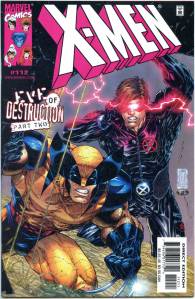
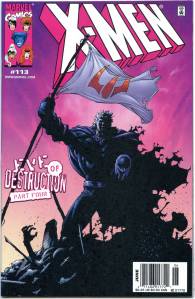
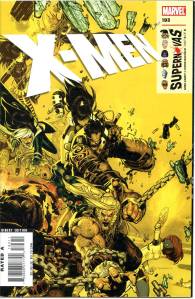
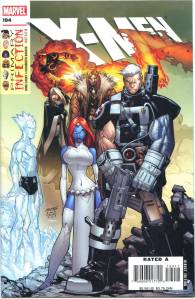
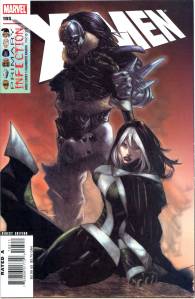
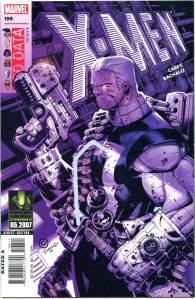
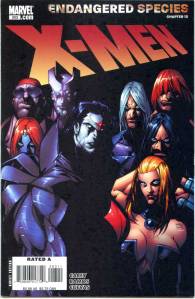
“Eve of Destruction” was part of a four-month period in 2001 on the two core X-Men books, as former X-Men writer Lobdell was brought back to wrap up the dangling plotline of the Legacy Virus and produce filler material while Marvel planned the highly anticipated arrival of Grant Morrison and Joe Casey as writers for the main two X-Men books. As a result, this can be seen as a “finale” to the X-men storylines from the 1990s era. It would be several years before Uncanny X-Men and X-Men crossed over with each other since this story.
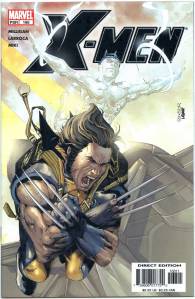
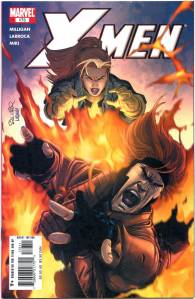
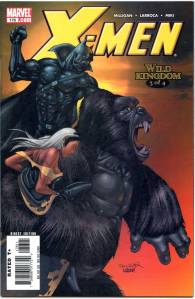
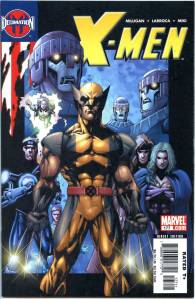
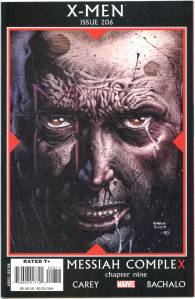
Later in 2001, X-Men had its title changed to New X-Men and writer Grant Morrison took over. When Chuck Austen moved from writing Uncanny X-Men to New X-Men, the title returned to its old name of simply X-Men, with Salvador Larroca, who had been working with him on Uncanny X-Men doing the art. In 2007, the X-Men title would change once again into X-Men: Legacy.







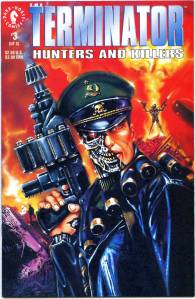
In 1991 Dark Horse published the limited series Hunters and Killers, set during the war, where special Terminators with ceramic skeletons and genuine organs are created to impersonate leaders in the Russian resistance.


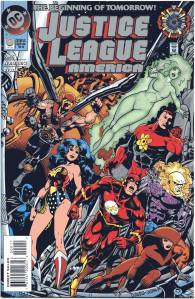
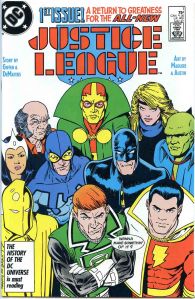
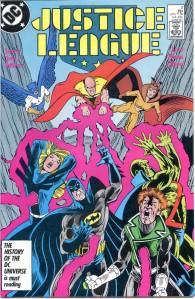
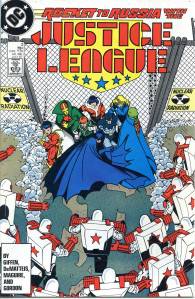
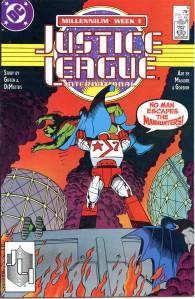
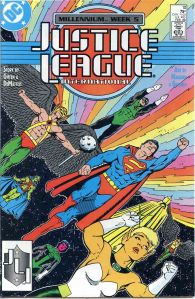
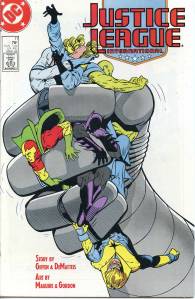
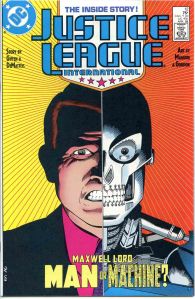
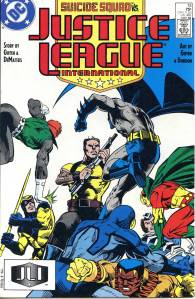
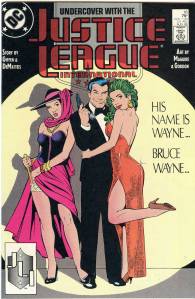
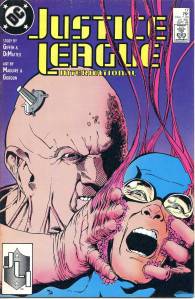
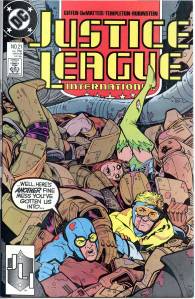
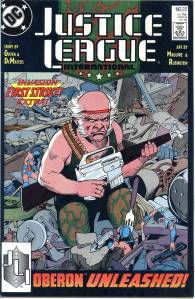
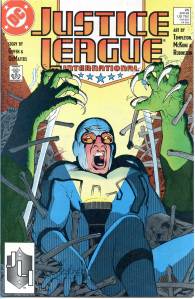
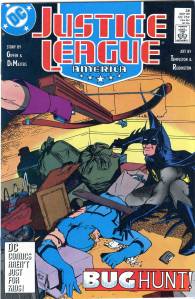
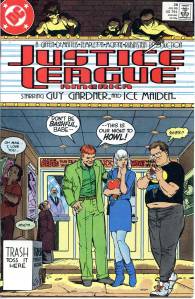
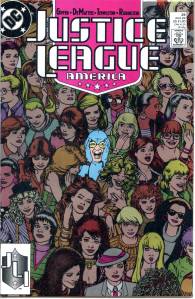
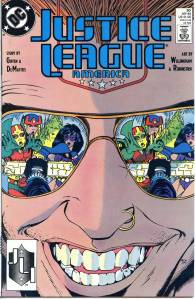
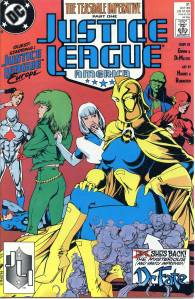
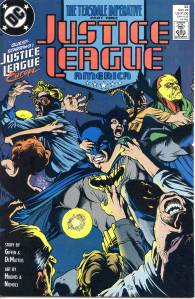
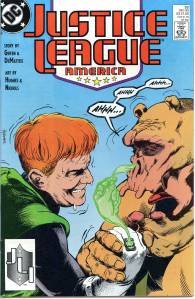
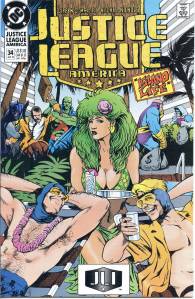
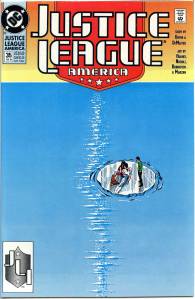
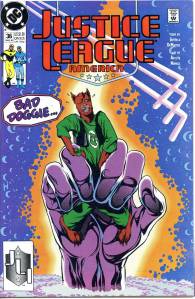
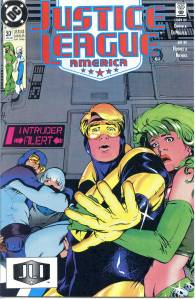
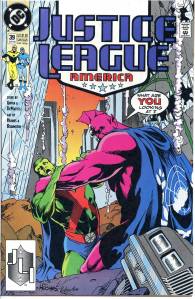
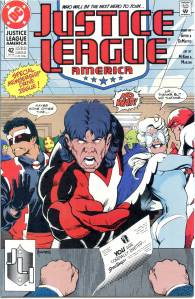
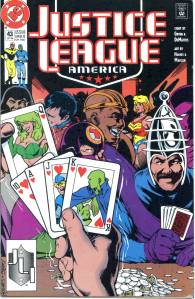
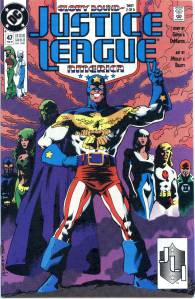
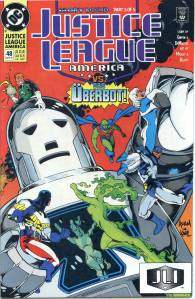
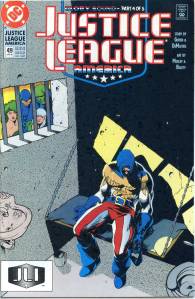
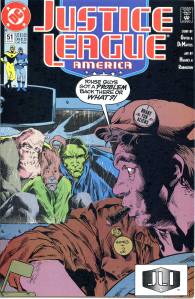
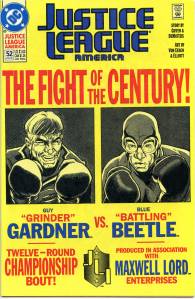
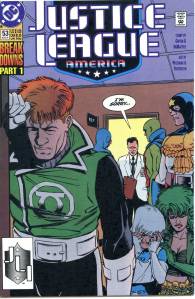
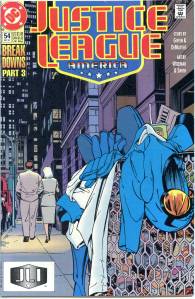
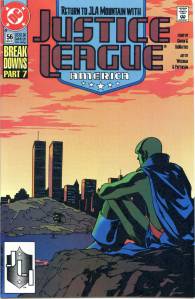
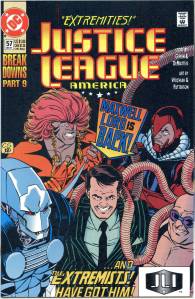
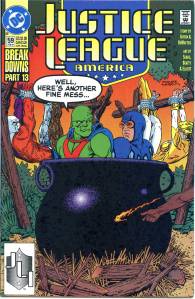
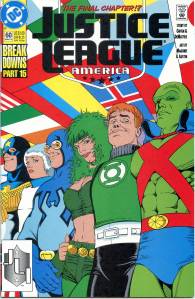
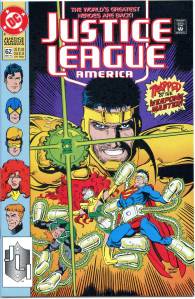
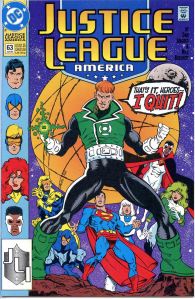
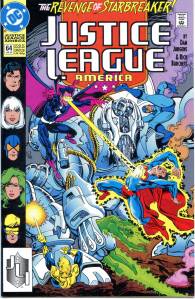
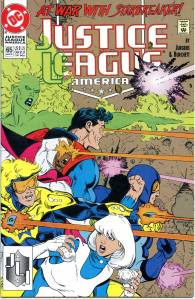
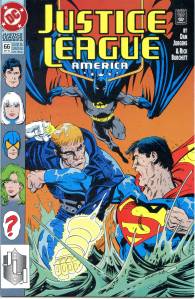
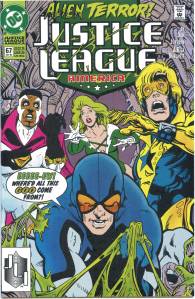
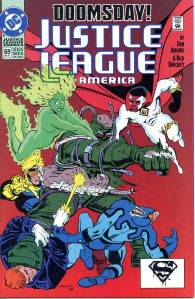
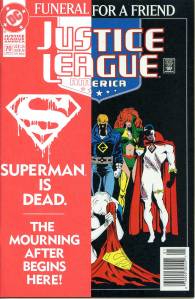
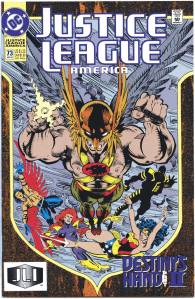
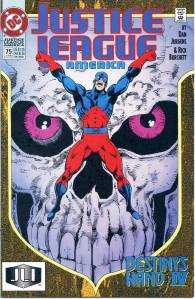
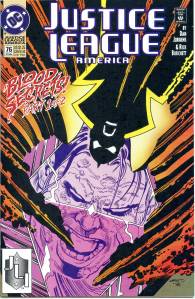
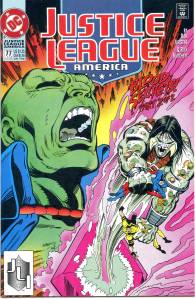
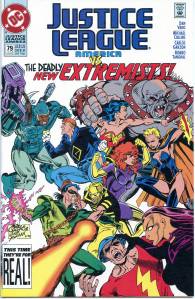
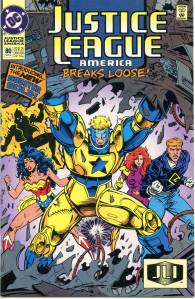
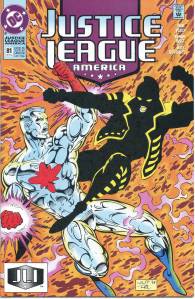
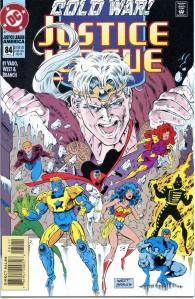
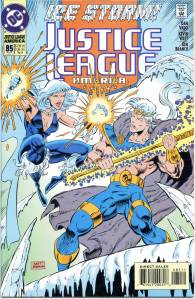
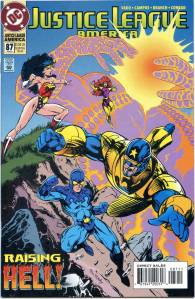
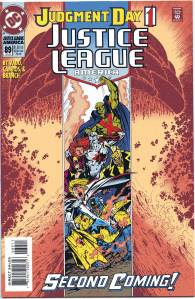
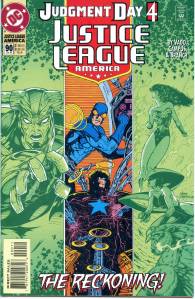
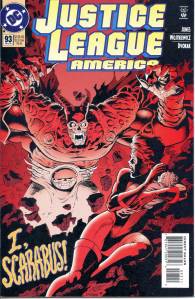
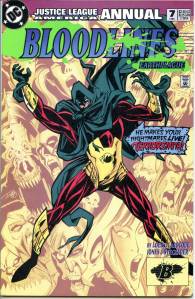
The 1986 company-wide crossover “Legends” concluded with the formation of a new Justice League. The new team was dubbed “Justice League” then “Justice League International” (JLI) and was given a mandate with less of an American focus. The new series, written by Keith Giffen and J. M. DeMatteis with art by Kevin Maguire (and later Adam Hughes), added quirky humor to the team’s stories. In this incarnation, the membership consisted partly of heroes from Earths that, prior to their merging in the Crisis on Infinite Earths, were separate. The Giffen/DeMatteis team worked on Justice League for five years and closed out their run with the “Breakdowns” storyline in 1991 and 1992. The series’ humorous tone and high level of characterization proved very popular.














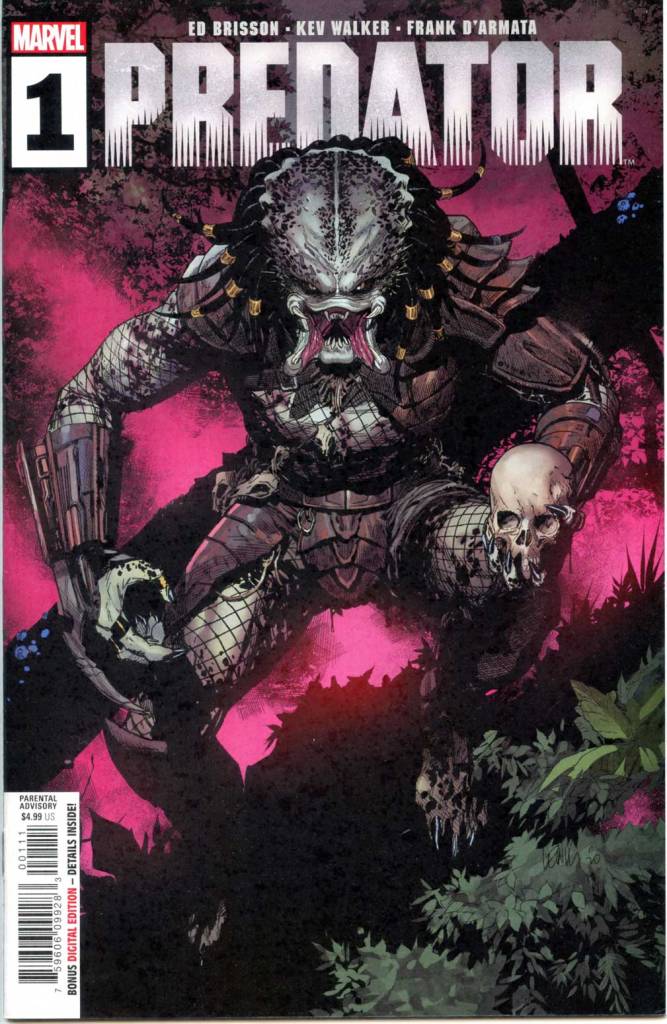
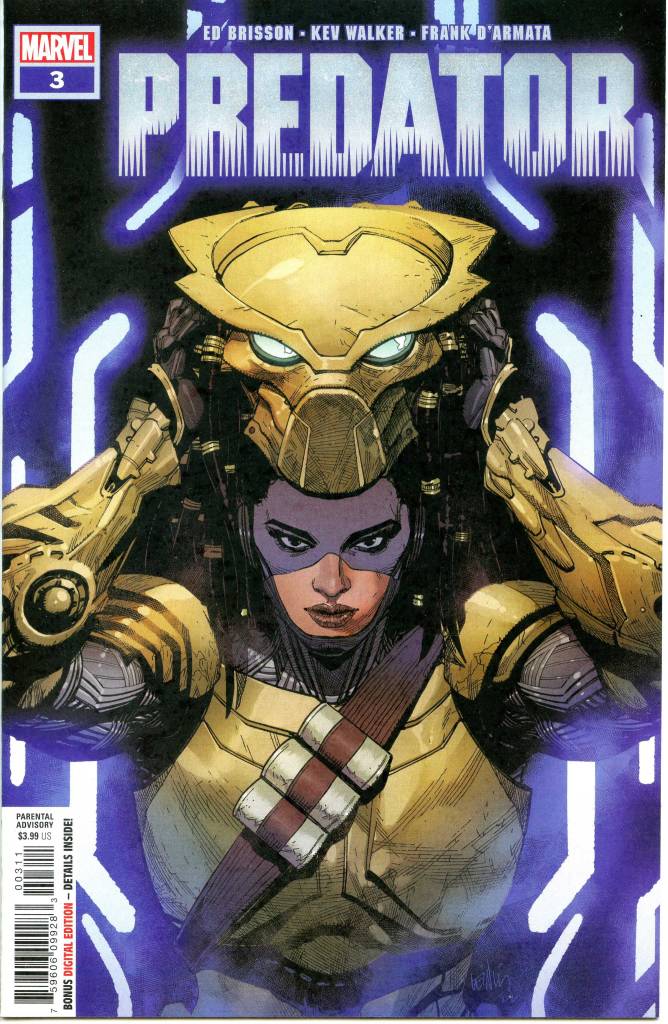
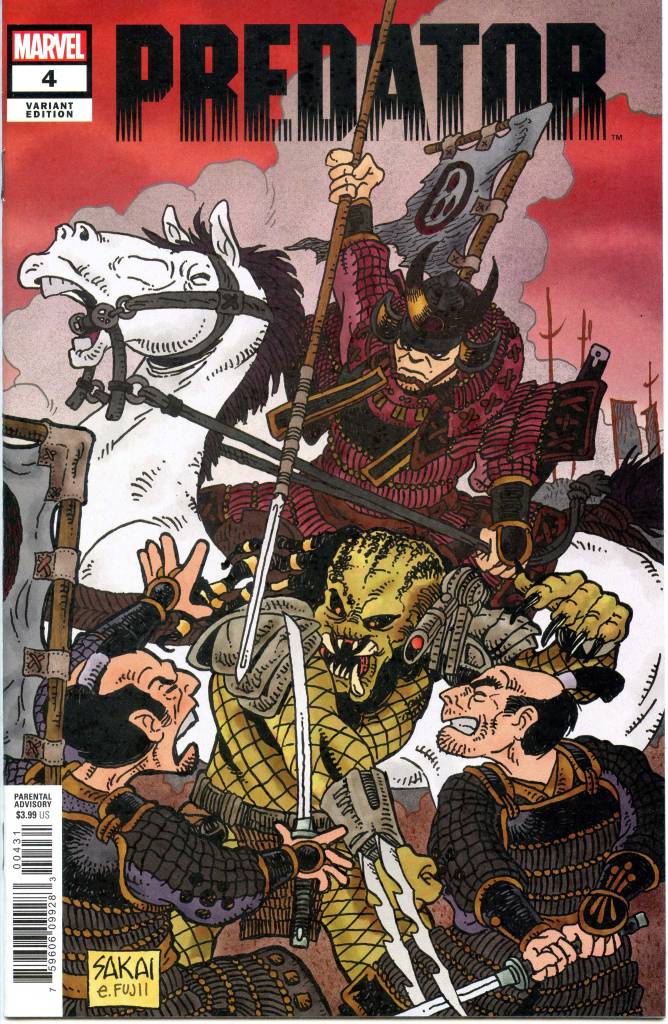
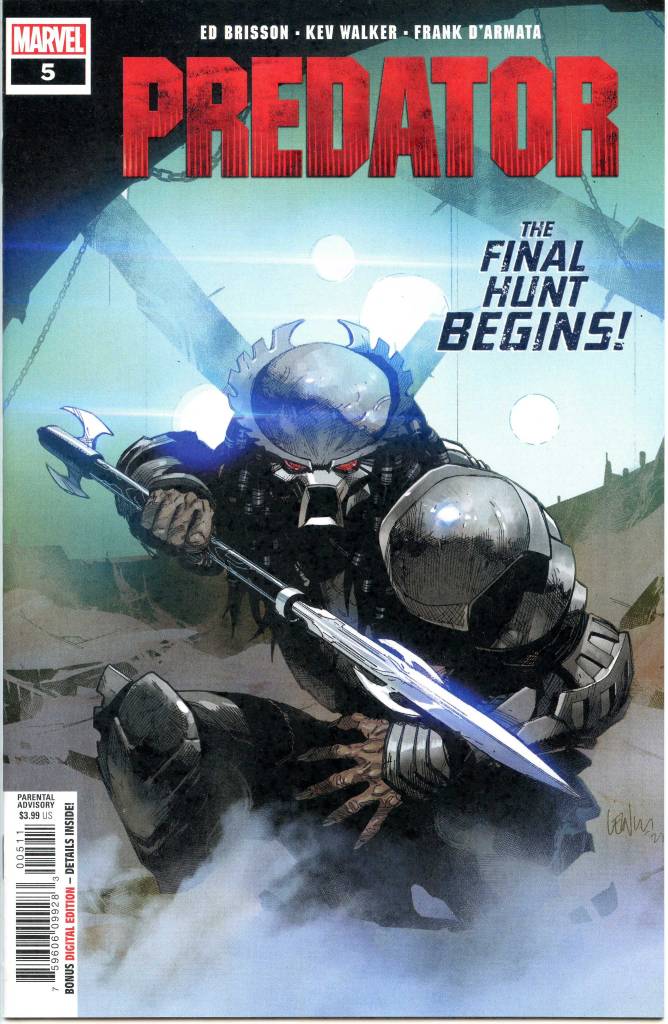
Predator: Day of the Hunter follows Theta, a survivor hunting the Yautja who slaughtered her family. In a desperate, high-stakes hunt, she traverses space, encountering multiple Predators on a frozen tundra world, while determined to kill the monster that destroyed her life.
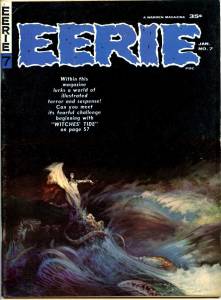
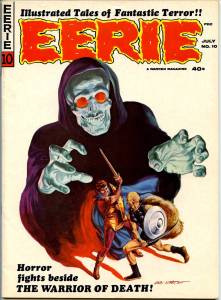
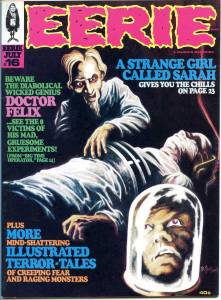
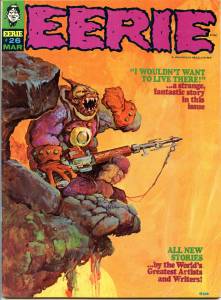
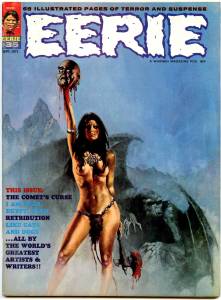
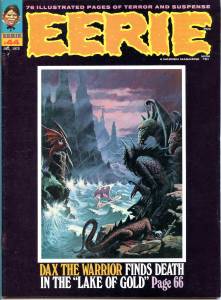
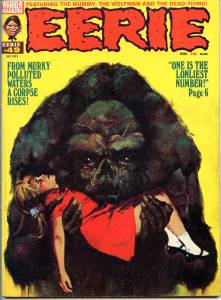
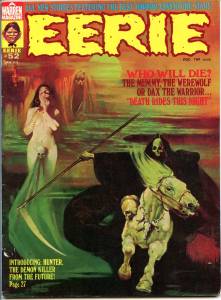
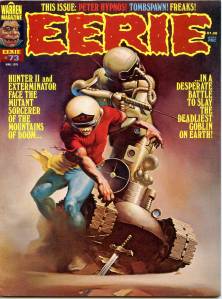
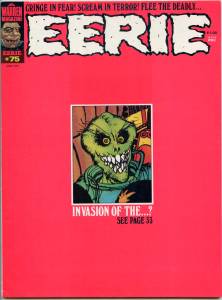
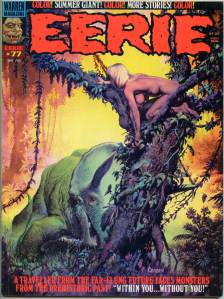
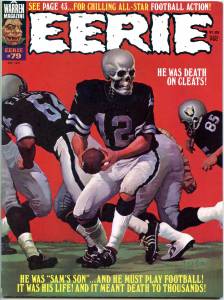
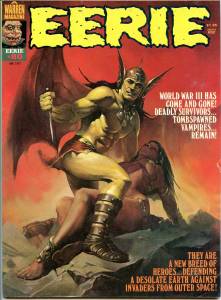
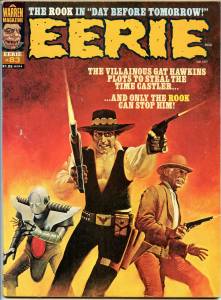
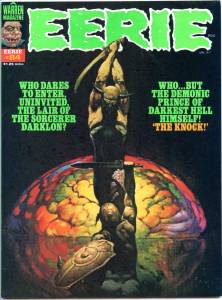
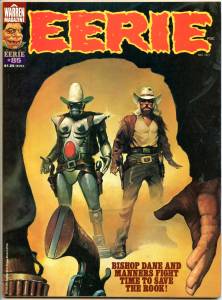
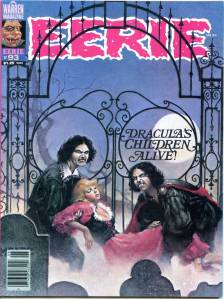
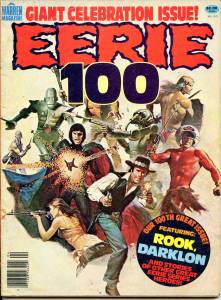
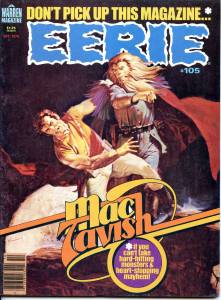
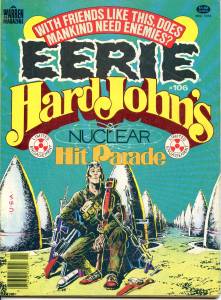
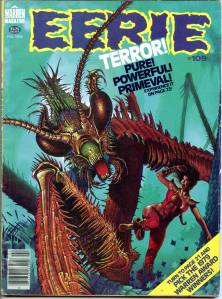
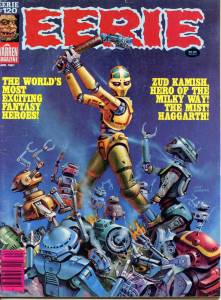
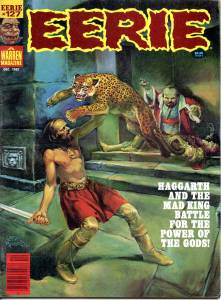
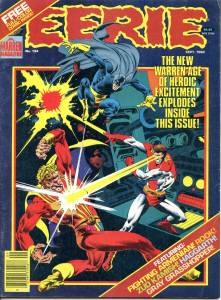
Eerie was an American magazine of horror comics introduced in 1966 by Warren Publishing. Like Mad, it was a black-and-white newsstand publication in a magazine format and thus did not require the approval or seal of the Comics Code Authority. Each issue’s stories were introduced by the host character, Cousin Eerie. Its sister publications were Creepy and Vampirella.
The first issue, in early 1966, had only a 200-issue run of an “ashcan” edition. With a logo by Ben Oda, it was created overnight by editor Archie Goodwin and letterer Gaspar Saladino to establish publisher Jim Warren’s ownership of the title when it was discovered that a rival publisher would be using the name. Warren explained, “We launched Eerie because we thought Creepy ought to have an adversary. The Laurel and Hardy syndrome always appealed to me. Creepy and Eerie are like Boris Karloff and Peter Lorre.”










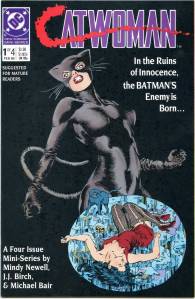
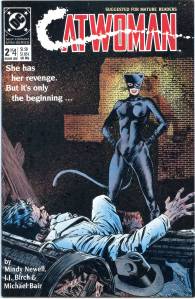
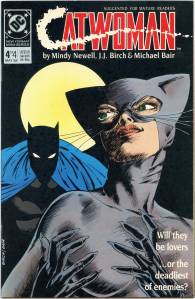
The 1989 Catwoman limited series, written by Mindy Newell and with art by J.J. Birch, expanded upon Miller’s Year One origin. This storyline, known as “Her Sister’s Keeper”, explores Selina’s early life as a dominatrix and the start of her career as Catwoman. The story culminates with Selina’s former pimp, Stan, abducting and beating her sister Maggie, who, in contrast to Selina, is a nun. Selina kills Stan to save her sister, and gets away with it. Most of this is revealed in the former series, but is expanded upon in “Her Sister’s Keeper”.

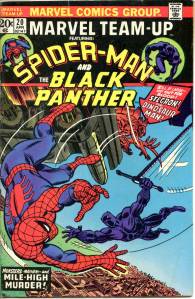
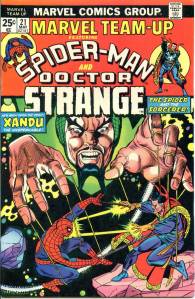
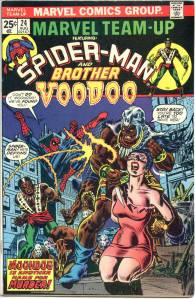
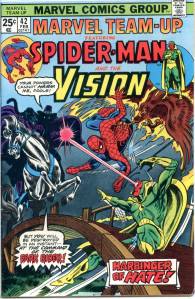
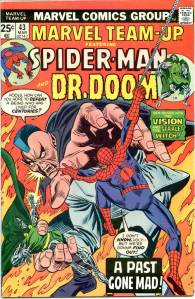
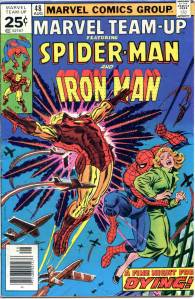
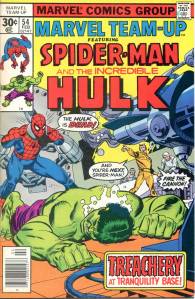
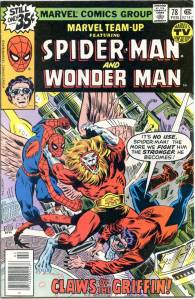
The series featured two or more Marvel characters in one story. The series was originally published from March 1972 through February 1985, and featured Spider-Man as the lead “team-up” character in all but ten of its 150 issues, and in six of its seven Annuals. It was the first major ongoing spin-off series for Spider-Man, being preceded only by the short-lived The Spectacular Spider-Man magazine.










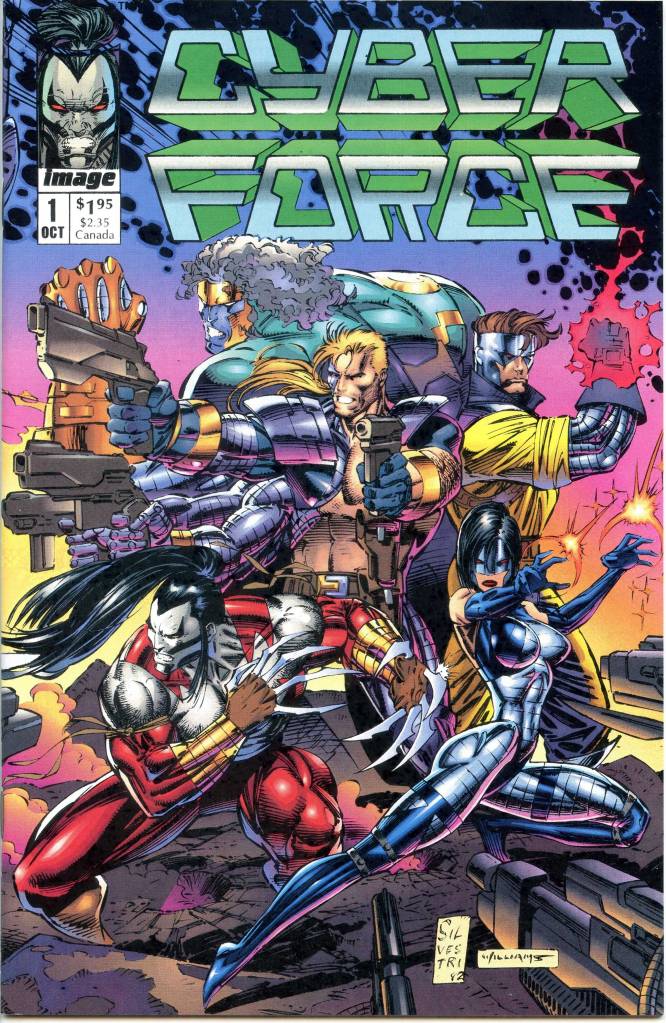
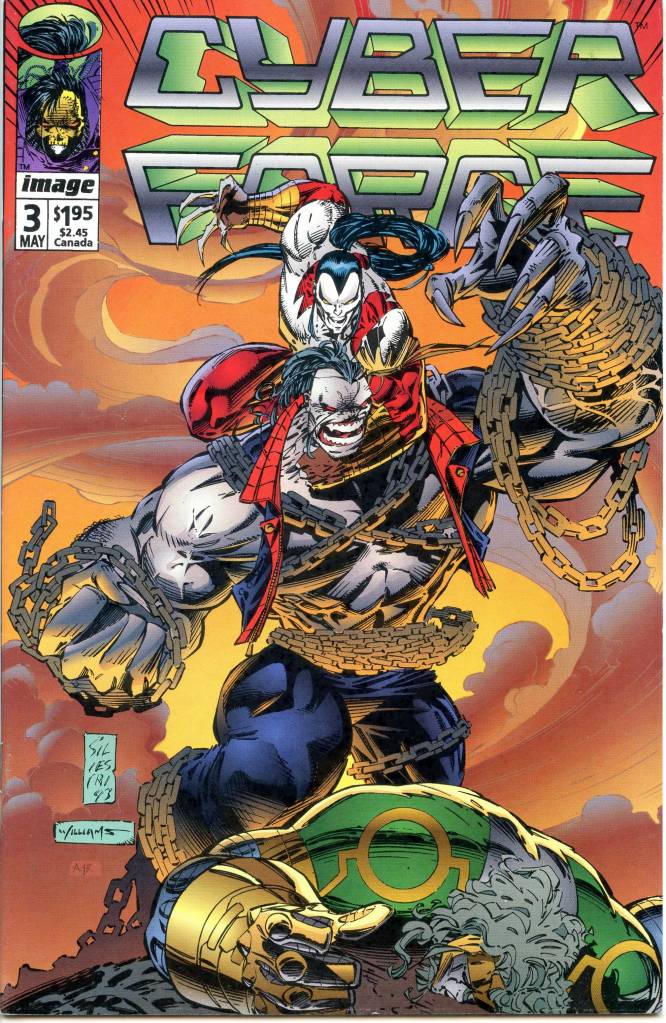
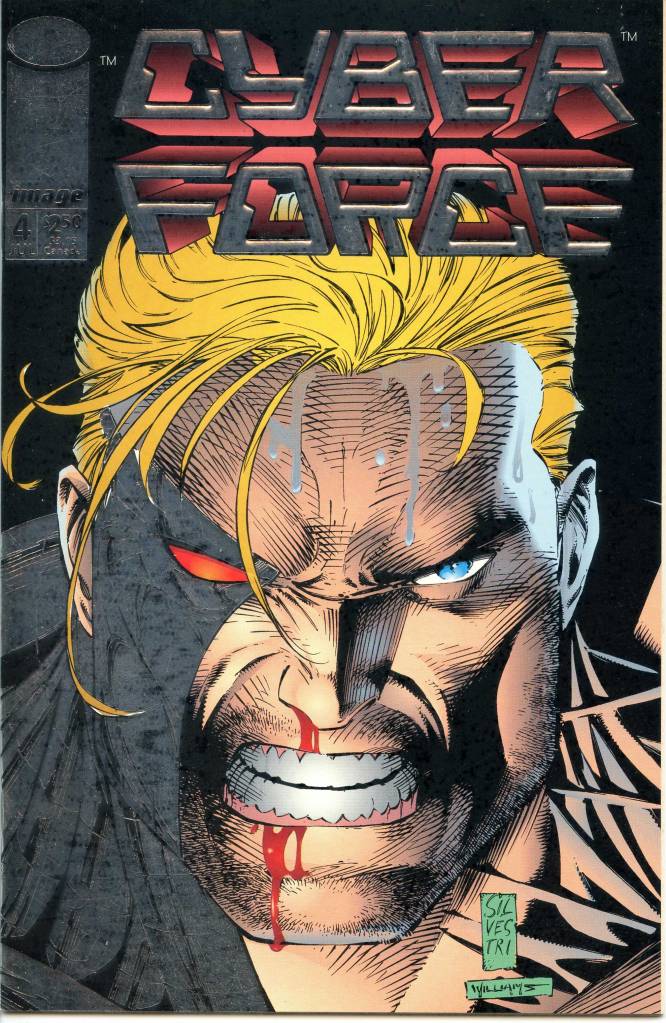
The first story titled “Tin Men of War”, follows Carin Taylor, a mutant otherwise known as Velocity as she attempts to escape the forces of Cyberdata, a corrupt mega-corporation. Her attempts to evade Cyberdata’s task force, led by her sister, Cassandra Taylor a.k.a. “Ballistic” bring her into contact with the Cyber Force, a group of cybernetically enhanced mutant escapees from Cyberdata, consisting of Stryker, Cyblade, Heatwave, Impact and Ripclaw. After Velocity is rescued, the team explains to her that they were created by Cyberdata to enhance their mutant abilities, turning them into super-soldiers known as S.H.O.C.s (Special Hazardous Operation Cyborgs), but they escaped and formed Cyber Force, making it their mission to bring down Cyberdata for good.
 EHT Comics