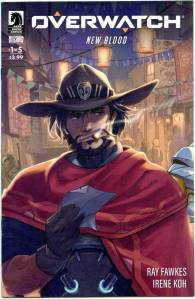
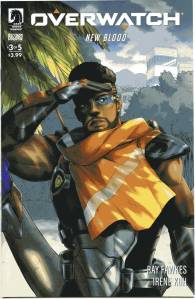
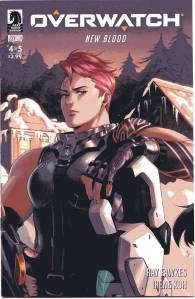
With chaos and devastation rife around the world, Cole Cassidy receives the call to rejoin Overwatch, but memories of its fall still haunt him. After an unexpected reunion with an old friend, Cassidy considers that maybe Overwatch needs more than the old crew to give it new life.
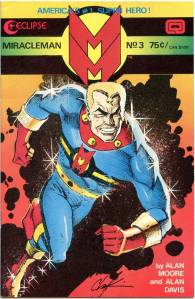
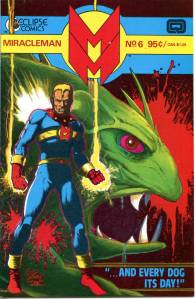
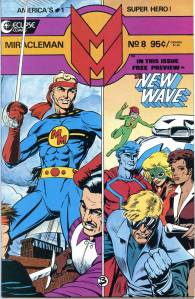
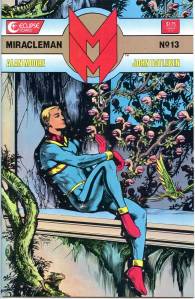
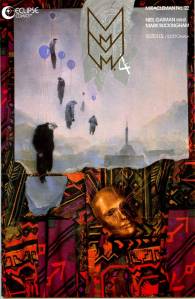
In August 1985, Eclipse began reprinting the Marvelman stories from Warrior, colored, and re-sized. They were renamed and re-lettered throughout as Miracleman to avoid further problems with Marvel Comics.Issues 1-6 reprinted all the Warrior content, after which Eclipse began publishing new Miracleman stories from Alan Moore and new artist Chuck Beckum (now better known as Chuck Austen), soon replaced by Rick Veitch and then John Totleben. Eclipse split the rights to the character, with 2/3 going to Eclipse and 1/3 split between the current writer and artist of the series. Moore wrote the series until issue 16.
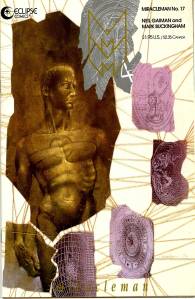
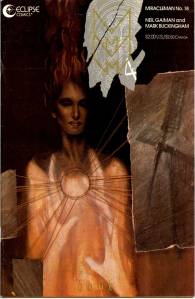
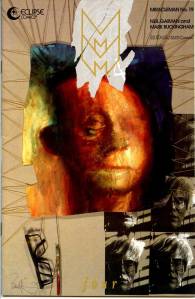
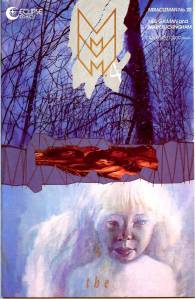
Writer Neil Gaiman picked up the series at #17 and developed it further in the 1990s, working with artist Mark Buckingham. He planned three books, consisting of six issues each; they would be titled “The Golden Age”, “The Silver Age” and “The Dark Age”.
When superhero comics became popular again in the mid-1960s in what is now called the “Silver Age of Comic Books“, Fawcett was unable to revive Captain Marvel, having agreed to never publish the character again as part of their 1953 settlement. Looking for new properties to introduce to the DC Comics line, DC publisher Carmine Infantino decided to bring the Captain Marvel property back into print. On June 16, 1972, DC entered into an agreement with Fawcett to license the Captain Marvel and Marvel Family characters. Because Marvel Comics had by this time established Captain Marvel as a comic book trademark for their own character, created and first published in 1967, DC published their book under the name Shazam! Infantino attempted to give the Shazam! book the subtitle The Original Captain Marvel, but a cease and desist letter from Marvel Comics forced them to change the subtitle to The World’s Mightiest Mortal, starting with Shazam! #15 (December 1974). As all subsequent toys and other merchandise featuring the character have also been required to use the “Shazam!” label with little to no mention of the name “Captain Marvel”, the title became so linked to Captain Marvel that many people took to identifying the character as “Shazam” instead of “Captain Marvel”
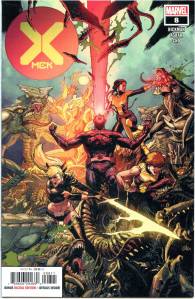
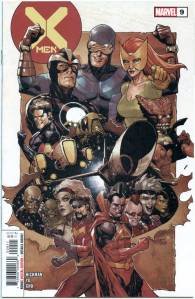
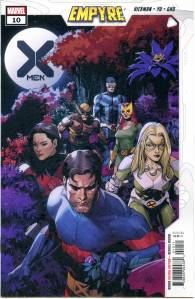
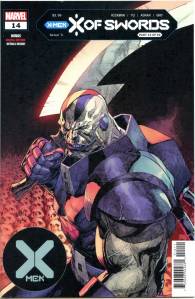
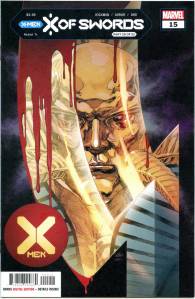
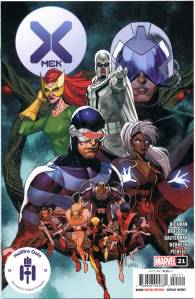
The flagship of the X-titles featuring world-building stories of the mutant renaissance featuring an overlapping cast members. Some of the stories include the introduction of Apocalypse’s grandson, Summoner, leading in to the X of Swords crossover; a new villain group called Hordeculture, featured later in the Empyre tie-in; Professor X, Magneto and Apocalypse attending the World Economic Forum; Mystique’s side mission during the attack on Orchis in House of X and the follow up mission to destroy Nimrod, leading into the Inferno storyline; the mutant rite Crucible, which is followed up in Way of X; and an adhoc team of Wolverine, Synch and Darwin assault of the Vault; the King Egg of the Brood race, a follow-up on a story started in the New Mutants; a tie-in to the Empyre event featuring Vulcan, and Magneto and the rest of the mutant nation fighting the Cotati; Cyclops, Marvel Girl and Storm helping with the kidnapping of Xandra, Majestrix of the Shi’ar Empire; and the X-Men election following its disbandment upon the formation of the Krakoan government.
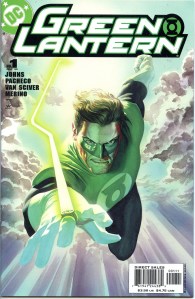
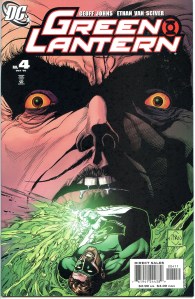
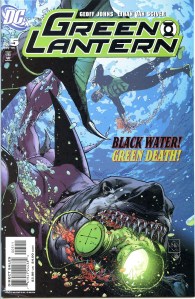
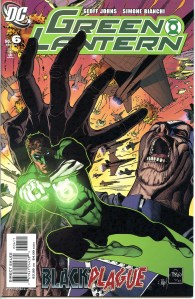
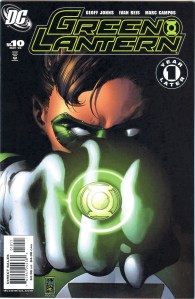
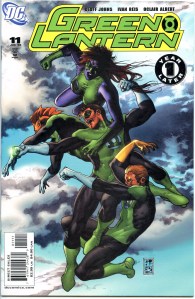
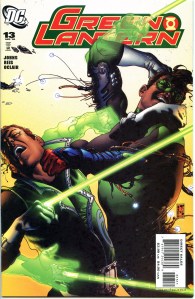
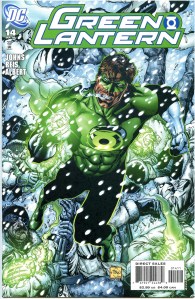
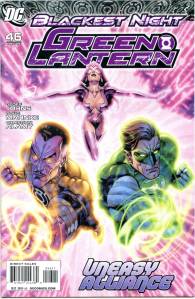
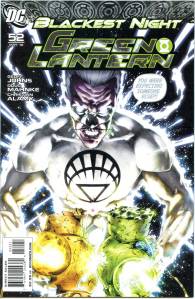
The fourth volume of Green Lantern began in 2005 in the aftermath of Green Lantern: Rebirth, which saw the return of fan favorite Hal Jordan. In the beginning of the series Hal tries to re-acclimate into society and life, both as Hal Jordan: Test Pilot and Hal Jordan: Green Lantern of Sector 2814. As critically acclaimed writer Geoff Johns reinvents Hal Jordan and reintroduces him into the DCU he comes across various problems and threats throughout the run. With Coast City being rebuilt Hal takes residence there, even if barely anyone else has. The Manhunter Androids, Cyborg-Superman, Shark, Hector Hammond and Black Hand cause serious problems for Hal. The Black Hand who becomes immensely important later on in the series.
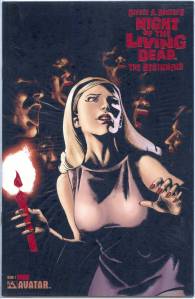
Night of the Living Dead co-creator John Russo brings you a new tale of terror set during the night that changed the world forever. The eastern United States is in chaos as hordes of the undead wage war against the living, and increasingly frantic television transmissions are the only source of information available to a terrified populace. But there is no escape from the living dead and no safe place to hide, not even the WIIC-TV studio where original Night of the Living Dead news anchorman Chuck Blaine has some difficult decisions to make: Should his heroic news crew continue their emergency public broadcasts, or run from the army of ghouls amassing outside the station? More importantly, should he continue to disseminate questionable government recommendations that could be luring viewers into inescapable death traps? This special bonus-sized tale features appearances by some of the original film’s most memorable characters, including the recently deceased Johnny, Barbra, and little Karen Cooper!
Night of the Living Dead Annual #1 Gold NM Ltd to 500 $49
Night of the Living Dead Annual #1 Platinum ltd to 600 NM $35
Night of the Living Dead – Just a Girl – Blood Red Foil Edition NM- $19
Night of the Living Dead – The Beginning – Blood Red Foil Edition – Polybagged NM- $19
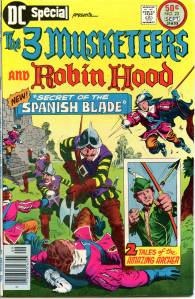
DC Special was a comic book anthology series published by DC Comics originally from 1968 to 1971; it resumed publication from 1975 to 1977. For the most part, DC Special was a theme-based reprint title, mostly focusing on stories from DC’s Golden Age; at the end of its run it published a few original stories. Issue #4 featured many supernatural characters and writer Mark Hanerfeld and artist Bill Draut crafted the first appearance of Abel, who later became (along with his brother Cain) a major character in Neil Gaiman‘s The Sandman. Paul Levitz and Joe Staton finished the series with a Justice Society of America story which revealed the team’s origin.
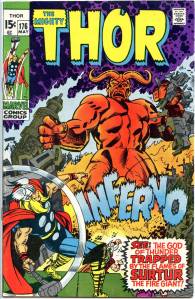
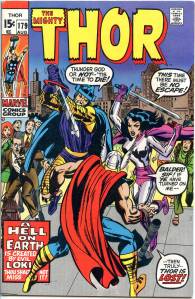
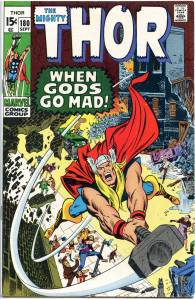
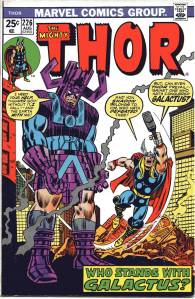
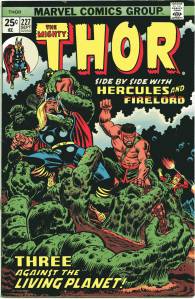
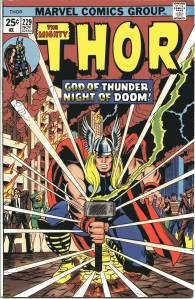
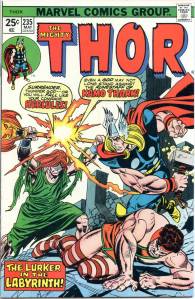
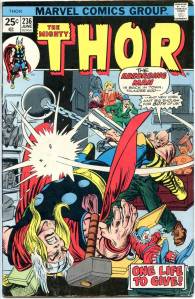
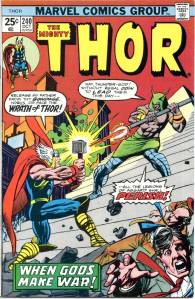
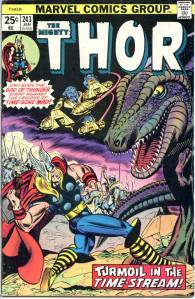
After Kirby left the title, Neal Adams penciled issues #180–181 (Sept.-Oct. 1970).John Buscema then became the regular artist the following issue. Buscema continued to draw the book almost without interruption until #278 (Dec. 1978). Lee stopped scripting soon after Kirby left, and during Buscema’s long stint on the book, the stories were mostly written by Gerry Conway, Len Wein, or Roy Thomas. Thomas continued to write the title after Buscema’s departure, working much of the time with the artist Keith Pollard; during this period Thomas integrated many elements of traditional Norse mythology into the title, with specific stories translated into comics form. Following Thomas’s tenure, Thor had a changing creative team.
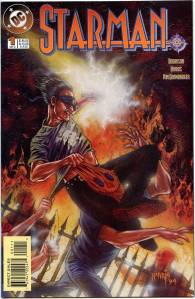
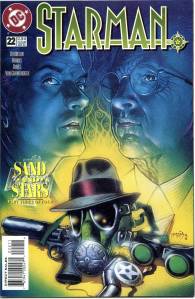
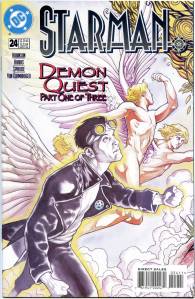
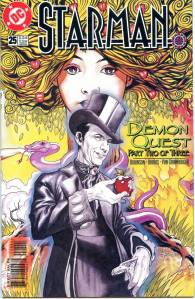
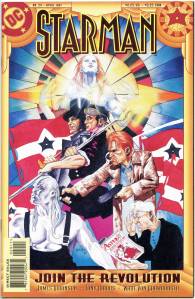
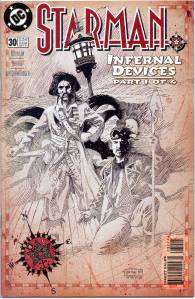
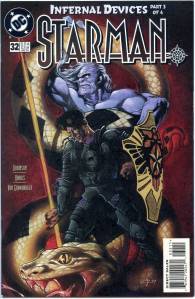
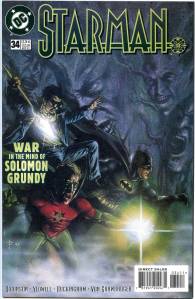
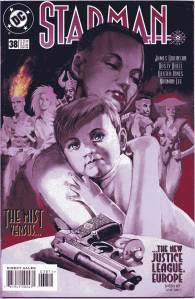
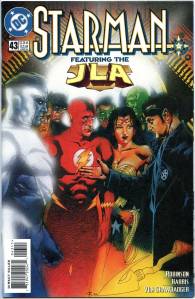
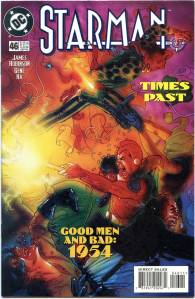
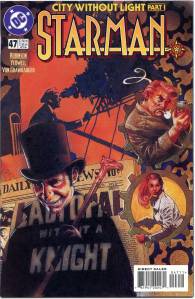
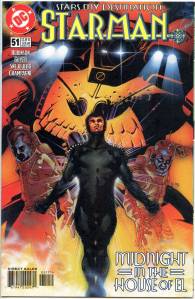
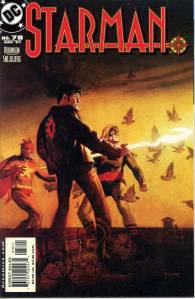
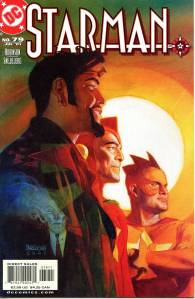
In Zero Hour: Crisis in Time #1 (September 1994), writer James Robinson and artist Tony Harris introduced Jack Knight, the son of the first Starman. He wields a cosmically-powered staff, but refuses to wear a costume, instead preferring a T-shirt, leather jacket (with star emblem on the back), a Cracker Jack prize sheriff’s star,and light-shielding tank goggles. Jack briefly joined the JSA, but soon retired at the end of the Starman series, passing along his cosmic rod to the JSA’s young heroine, Stargirl. He starred in this critically acclaimed series from 1994 until 2001.
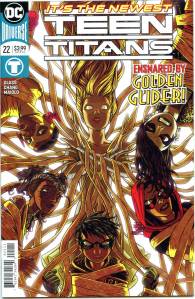
The June 2016 DC Rebirth relaunch established two Titans teams: the Titans, with Nightwing, The Flash (Wally West), Lilith, Arsenal, Donna Troy, the Bumblebee and Tempest; and the Teen Titans, consisting of Damian Wayne as Robin, Wallace West as Kid Flash, Jackson Hyde as Aqualad, Beast Boy, Starfire and Raven. Titans writer Dan Abnett confirmed in an interview with Newsarama that Titans characters the Hawk and the Dove, the Herald, Gnarrk and others would be appearing in the new series as well. After the Lazarus Contract event, Wallace West is fired from the Teen Titans and joins Defiance, Deathstroke’s version of the Titans. However, Wallace returns to the Teen Titans in issue #14. In Super Sons #7, Superboy (Jonathan Samuel Kent) acts as a temporary member.








































 EHT Comics