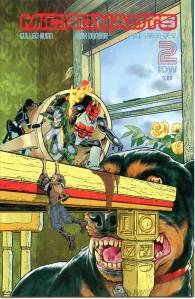
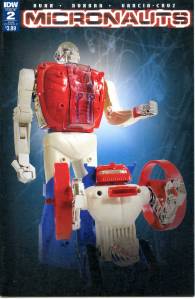
In 2015, IDW Publishing acquired publishing rights from Hasbro to produce new comic books for the Micronauts and Rom the Space Knight, both formerly popularized by Marvel as licensed properties. IDW released the first issue of their Micronauts series in April 2016, with scripts by Cullen Bunn and art by David Baldeon. The comic ran for eleven issues from 2016 to 2017. It was followed by two five-issue miniseries Micronauts: Wrath of Karza and Rom & the Micronauts which were released between 2017 and 2018.
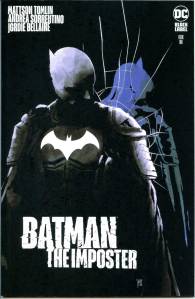
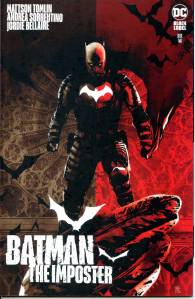
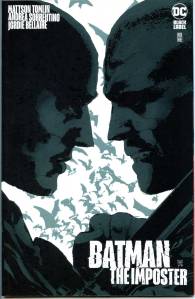
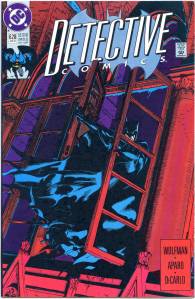
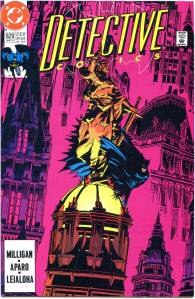
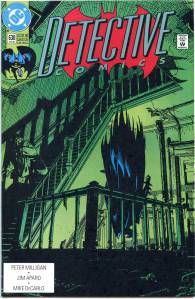
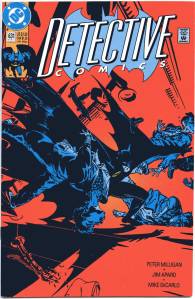
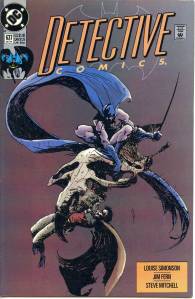
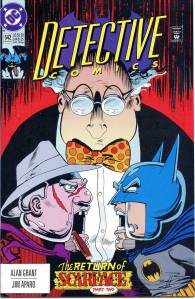
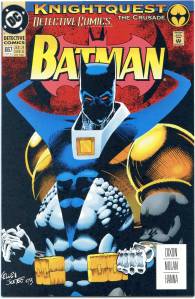
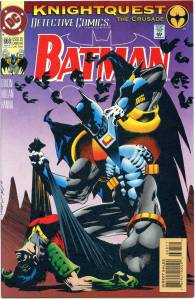
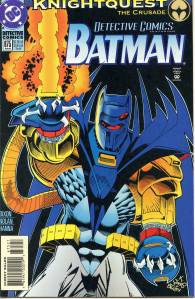
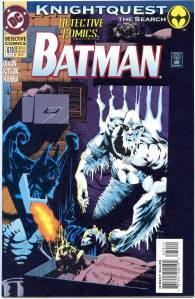
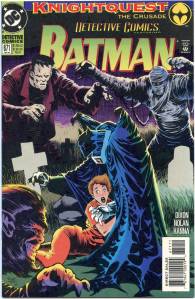
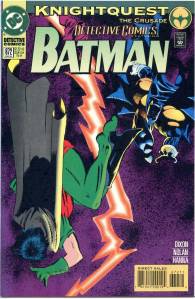
Bruce Wayne’s mission as the Batman has only been under way for a year or so, but he can tell he’s making a difference. Unfortunately, he’s made some powerful enemies. All the traditional power brokers of Gotham resent the disruption the Batman has brought to town…and it seems one of them has a plan to neutralize him. There’s a second Batman haunting Gotham’s rooftops and alleys—and this one has no qualms about murdering criminals, live and on tape.
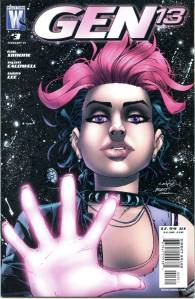
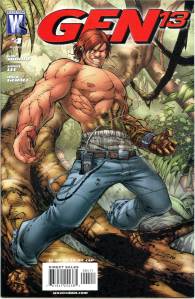
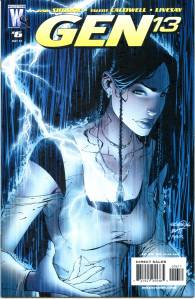
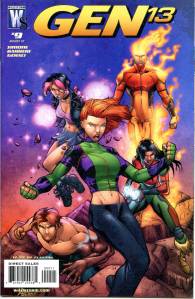
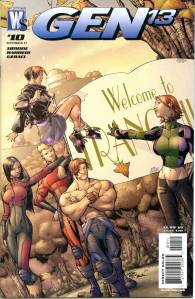
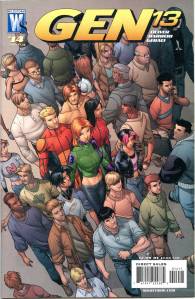
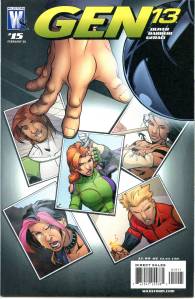
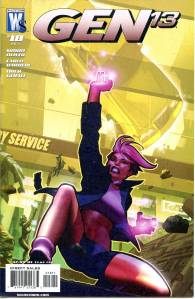
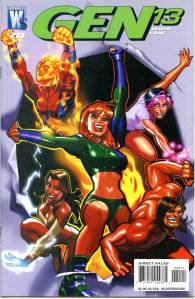
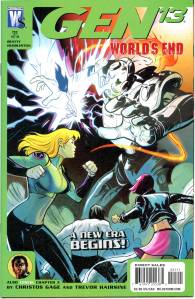
In early 2006, Wildstorm brought all its in-continuity comics since WildC.A.T.s #1 to an end. The universe’s finale came in the form of the crossover miniseries Captain Atom: Armageddon. Following the conclusion of this limited series, the entire Wildstorm line was relaunched with “Worldstorm.” A new Gen13 series began. The entire world had a “soft reset”; the surroundings were mostly familiar, but there were changes throughout.
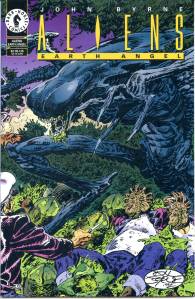
Into the age of diners, black leather jackets, and Buddy Holly comes a monster worse than any that ever made popcorn fly in front of a drive-in screen — the Alien. Legend creator John Byrne has long been a fan of the Aliens films and he jumped at the opportunity to tell his story of the first Alien invasion, the one that took place in 1950’s suburban America! When you Byrne an Alien, you gotta figure it’s gonna give off some heat!
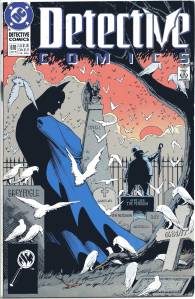
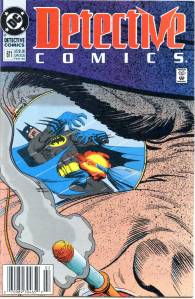
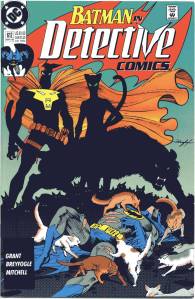
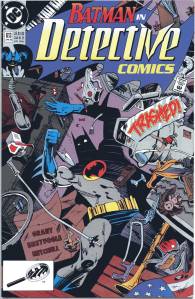
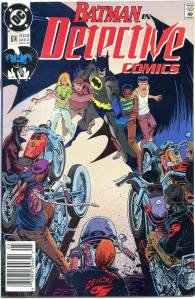
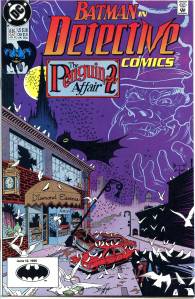
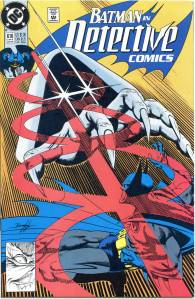
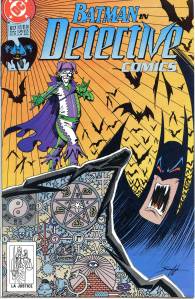
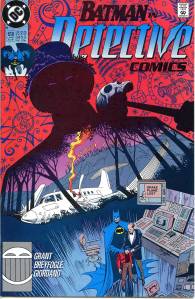
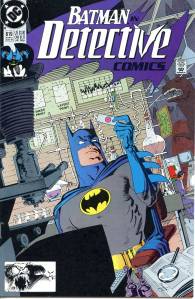
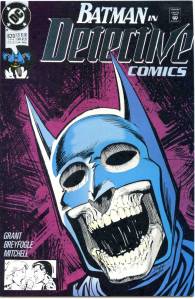
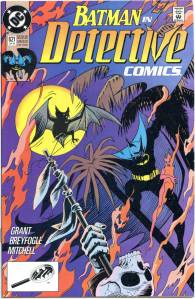
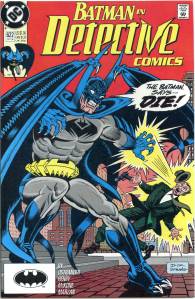
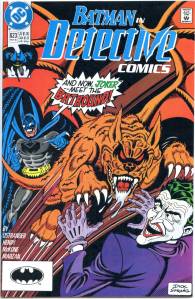
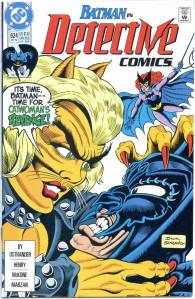
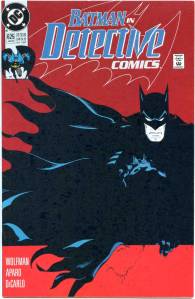
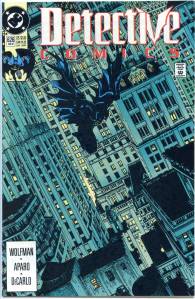
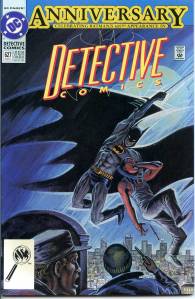
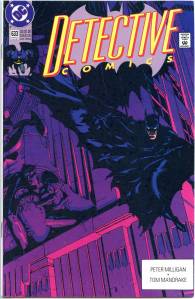
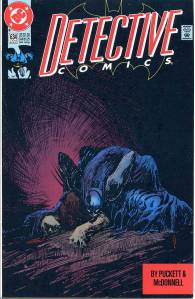
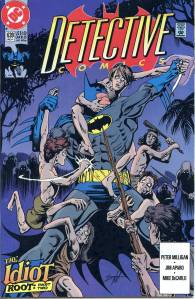
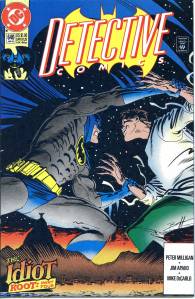
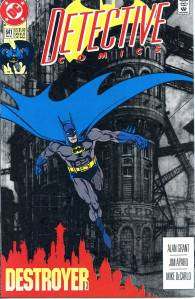
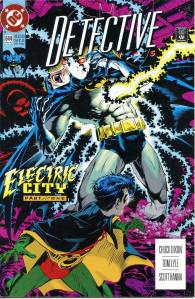
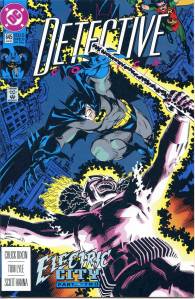
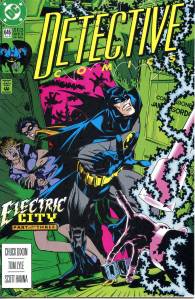
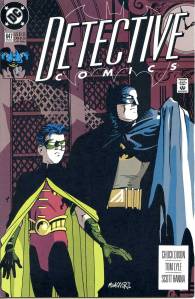
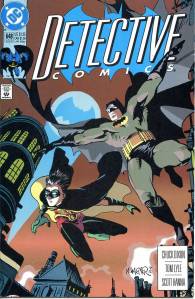
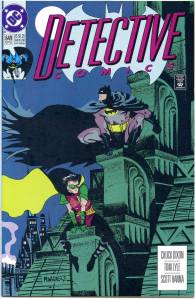
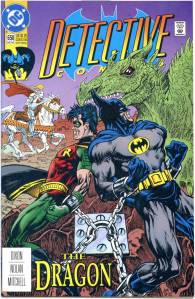
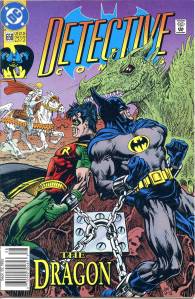
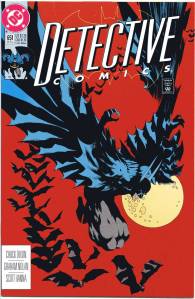
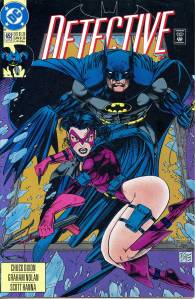
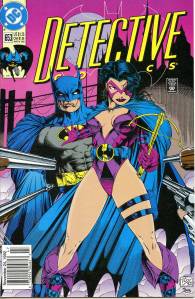
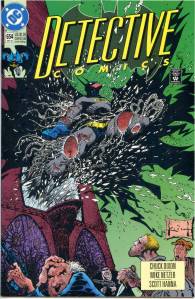
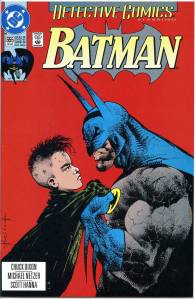
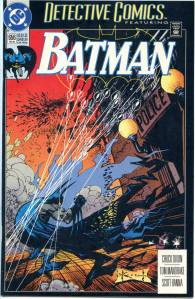
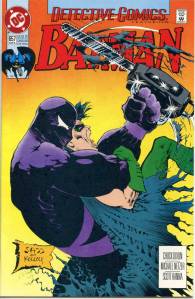
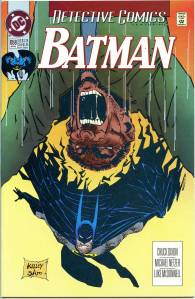
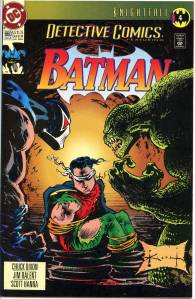
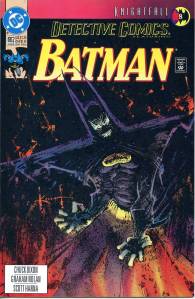
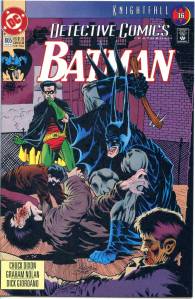
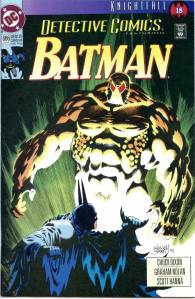
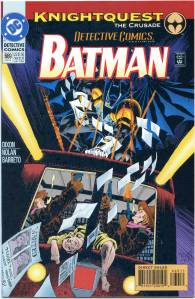
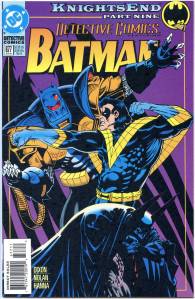
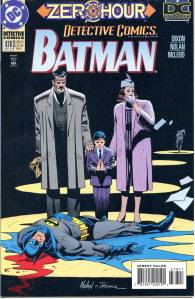
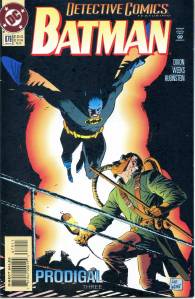
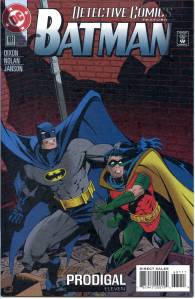
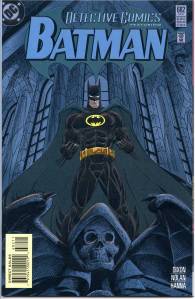
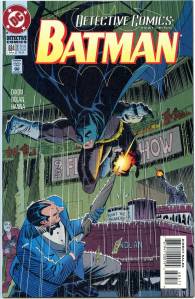
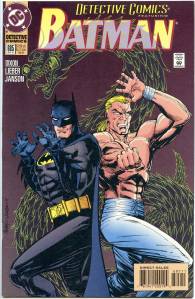
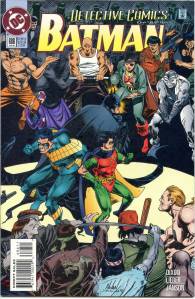
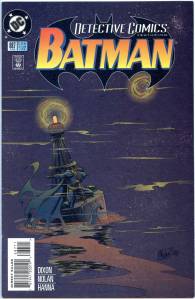
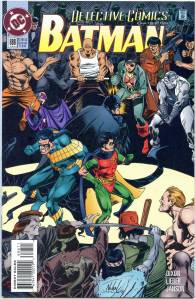
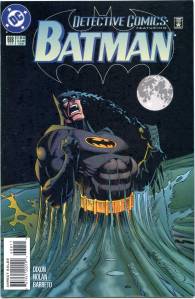
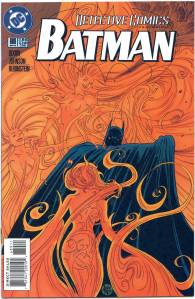
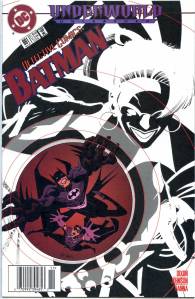
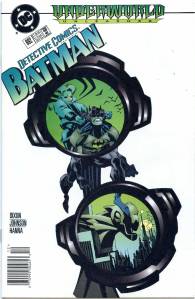
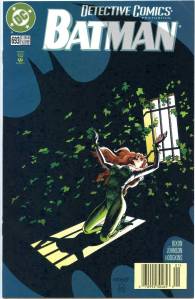
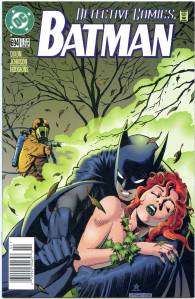
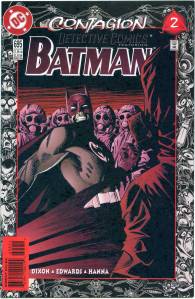
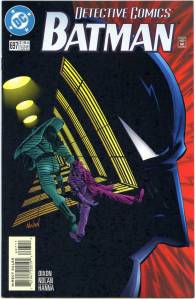
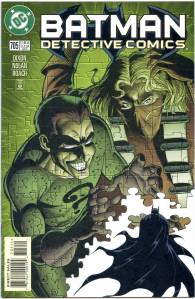
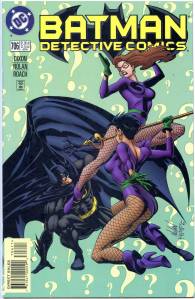
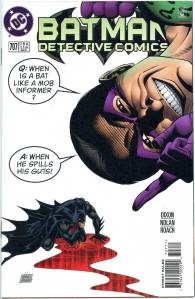
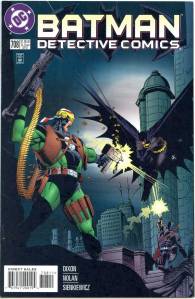
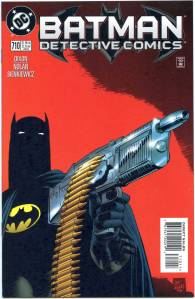
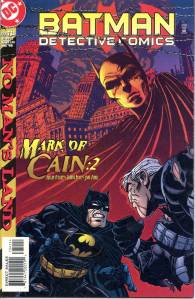
Chuck Dixon became the writer of the series with issue #644 (May 1992). He and Tom Lyle co-created the Electrocutioner in Detective Comics #644 (May 1992) and Stephanie Brown in Detective Comics #647 (August 1992).
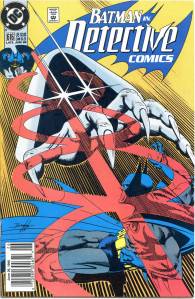
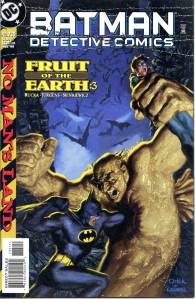
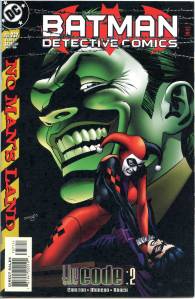
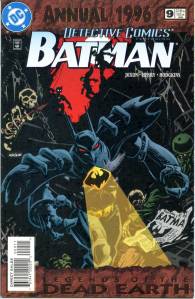
The “Batman: Legacy” storyline began in issue #700 (August 1996). The “No Man’s Land” storyline crossed over into Detective Comics in issues #730–741.
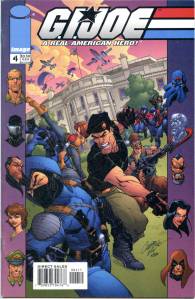
In July 2001, Devil’s Due acquired the rights to G.I. Joe, and released a four-issue limited series through Image Comics, written by Josh Blaylock with John Larter and Steve Kurth as the artists. The title quickly became known to the fans as A Real American Hero vol. 2 (following from Marvel’s original series), or G.I. Joe Reinstated (the title of the first four-issue arc). Strong sales on the limited series led to it being upgraded to an ongoing series, with the publication of a fifth issue and a monthly schedule.
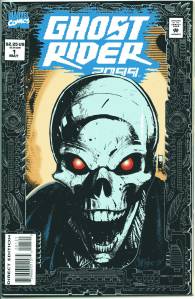
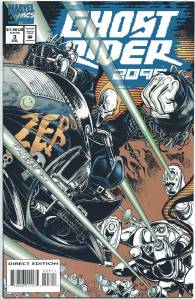
The series is set in the year 2099, in a dystopian possible future of the Marvel Universe, and features Kenshiro “Zero” Cochrane, a hacker who was killed but resurrected as the Ghost Rider — his mind controlling a powerful and well-armed robot. As with most of the Marvel 2099 titles, the protagonist was a futuristic version of a commercially successful Marvel Universe character. The series was heavily influenced by cyberpunk science fiction.
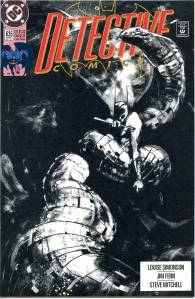
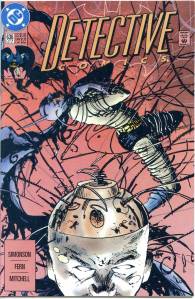
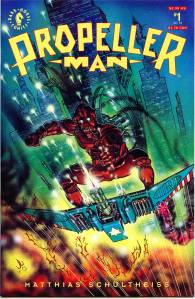
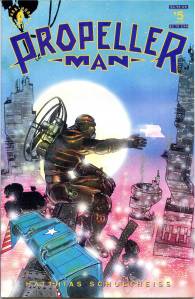
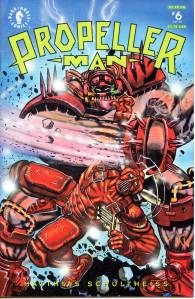
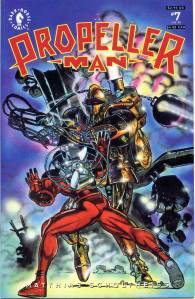
The future. A tired world of economic collapse and ecological disaster. In this corporate-dominated world, a living weapon escapes to blaze a trail of destruction as it searches for its creator. A solitary figure watches from the rooftops. Propellerman. Does the creature provide some clues to his missing memory?
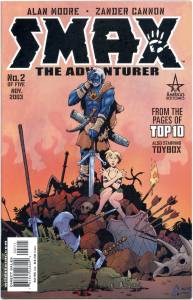
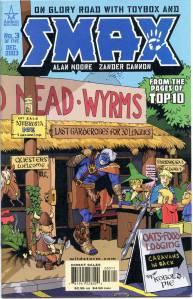
The story deals with Smax and Toybox returning, via magical teleportation, to Jeff’s magically enchanted homeworld. Smax, now a city dweller, seems embarrassed by his unsophisticated, sword-and-sorcery roots. They attend Smax’s uncle’s funeral where Jeff introduces Robyn as his wife, though no such relationship exists. At this point Jeff’s sister Rexa Macksun is introduced, dressed in the typical garb of a female fantasy barbarian such as Red Sonja and just as tall and physically impressive as her brother with the same blue skin and white hair.
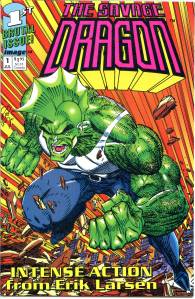
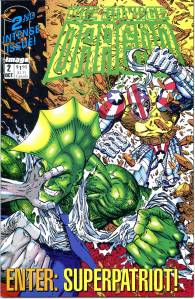
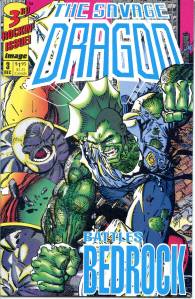
In 1992, when Larsen left Marvel to co-found Image Comics, he reworked the character for the new publication venture. This time, the Dragon was a massively muscled green amnesiac, who joined the Chicago police department after being discovered in a burning field. Initially debuting in a three-issue miniseries (with the first issue cover-dated July 1992), the Savage Dragon comic book met with enough success to justify a monthly series, launched in June 1993. To this day, Larsen continues to write and illustrate the series entirely by himself, and has maintained a reasonably consistent monthly schedule (save for occasional lapses) in comparison with the other original Image Comics titles.