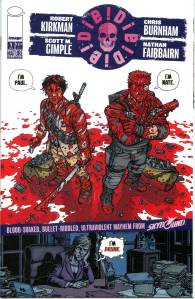
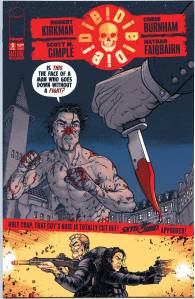
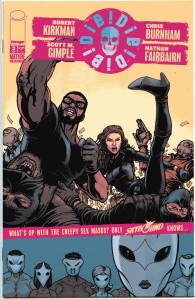
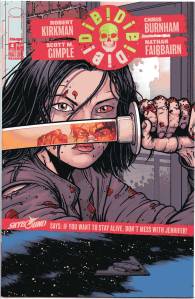
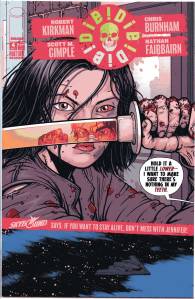
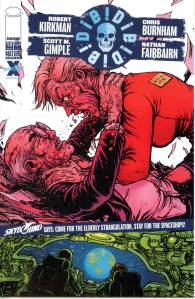
Die!Die!Die! was created and is written by Robert Kirkman with co-writer Scott M. Gimple, artist Chris Burnham and colorist Nathan Fairbairn. It is a blood-soaked, no holds barred, action-packed, irreverent story that fans won’t be able to rip their eyes from. We live in an evil world where evil people do evil stuff all the time and Die!Die!Die! lifts the veil on a secret cabal within the United States government that influences world matters through targeted assassination.
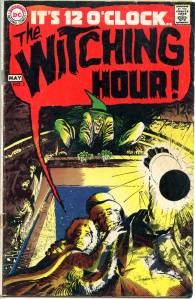
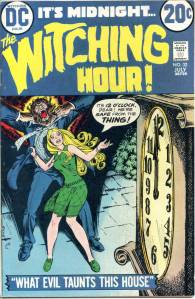
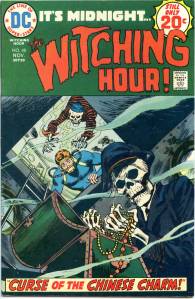
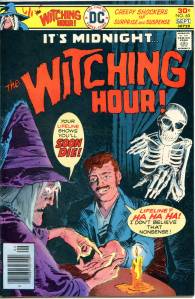
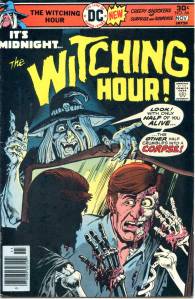
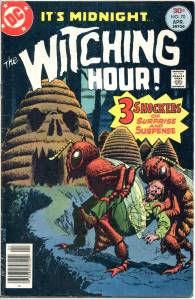
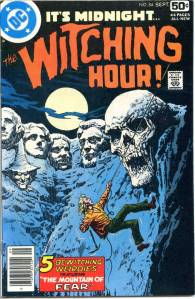
The series was published for 85 issues from February–March 1969 to October 1978. Its tagline was “It’s 12 o’clock… The Witching Hour!” and was changed to “It’s midnight…” from issue #14 onwards. The series was originally edited by Dick Giordano, who was replaced by Murray Boltinoff with issue #14.Nick Cardy was the cover artist for The Witching Hour for issues #1–6, 11–12, 15–16, 18–52, and 60. Stories in the comic were “hosted” and introduced by three witches, Morded, Mildred, and Cynthia.
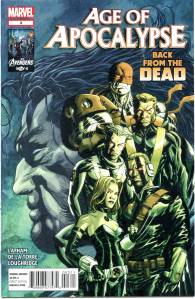
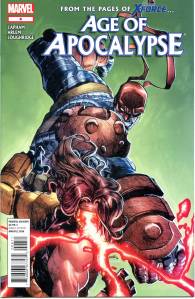
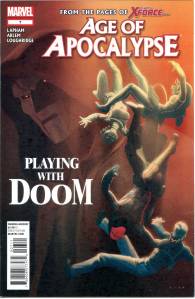
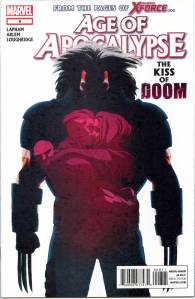
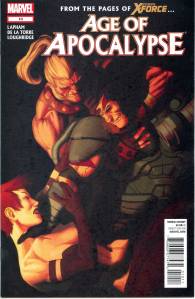
Jean Grey and Sabretooth return to Earth 616. Weapon X and his Black Legion attack the last human city where Weapon X slays both Magneto and Rogue, leaving Jean Grey and Sabretooth the last two X-Men alive. Jean telepathically nudges clones of the Scarlet Witch to recreate the Decimation and remove all mutants’ powers across the globe. However, this was only successful within a radius of 12 feet, so Jean Grey and Sabretooth are both left de-powered. The human coalition distracts Weapon X with a bomb long enough for the group to escape as the city explodes behind them. Harper Simons joins with the human team, the X-Terminated. Others who work with the X-Terminated are Doctor Moreau and Bolivar Trask.
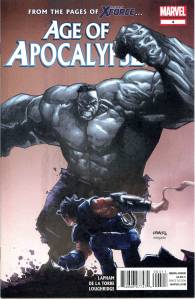
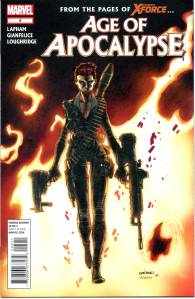
Age of Apocalypse #3 NM $4Age of Apocalypse #4 NM $4Age of Apocalypse #5 NM $4Age of Apocalypse #6 NM $4Age of Ajpocalypse #7 NM $4Age of Apocalypse #8 NM $4Age of Apocalypse #10 NM $4
Darkchylde creator Randy Queen returns to write, draw, and re-imagine for an all- ages audience the character that made him famous!
In this first- ever, comic book release of Manga Darkchylde, the Sinister Sisters of Shadow have come to Salem, Georgia to seek an audience with a girl named Ariel Chylde! The same girl who just discovered she can become any of the creatures from her nightmares! Poor Ariel’s still just trying to adjust, and only wants to use her curse for good, but these creepy Sisters surely have something more sinister in mind!
Manga Darkchylde 0 SD Exclusive NM $9. Signed by Randy QueenManga Darkchylde #1 NM $3Mange Darkchylde #2 NM $3
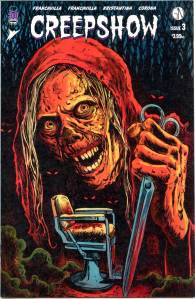
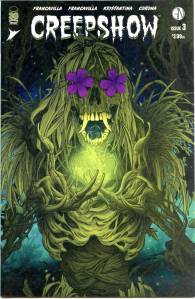
The worldwide phenomenon based on the hit Shudder TV series comes to comics with a collection of can’t-miss horror that critics are screaming about! An all-star roster of comics creators brings readers ten uniquely terrifying standalone stories guaranteed to SCARE YOU TO DEATH!
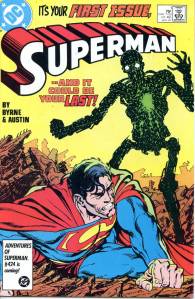
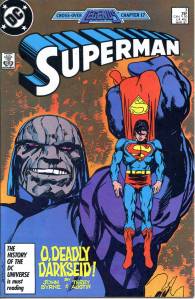
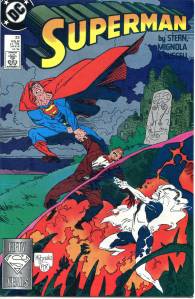
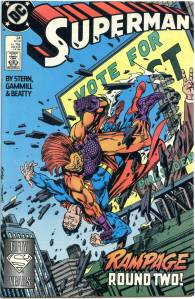
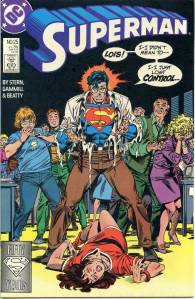
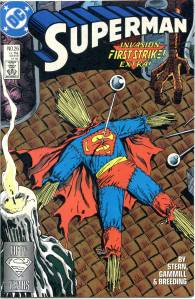
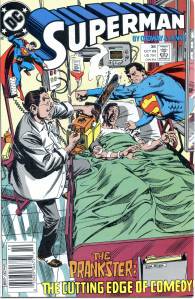
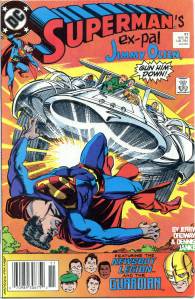
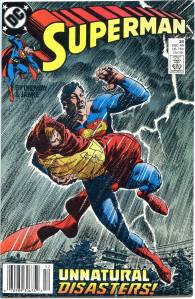
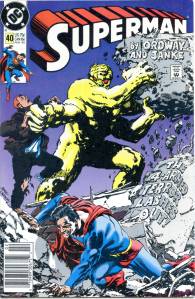
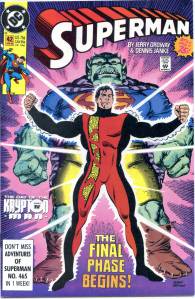
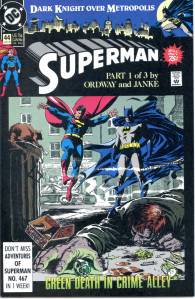
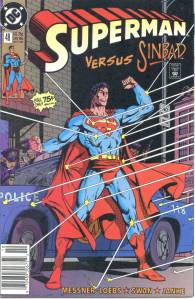
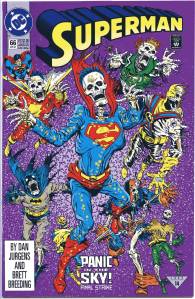
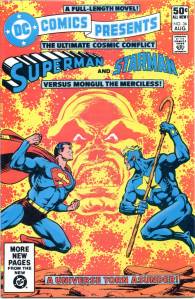
After that limited series, Action Comics returned to publication and Superman vol. 2, #1 was published. The original Superman series (volume 1) became The Adventures of Superman starting with issue #424. Superman vol. 2 continued publishing until April 2006 at which point DC restored The Adventures of Superman to its original title and canceled the second Superman series.
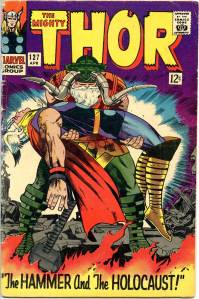
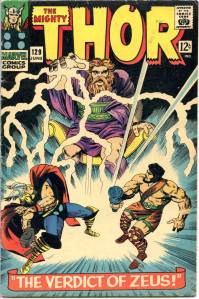
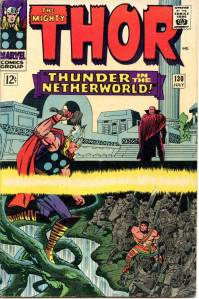
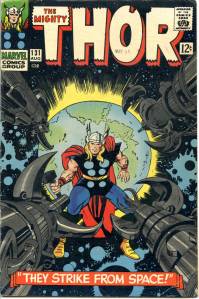
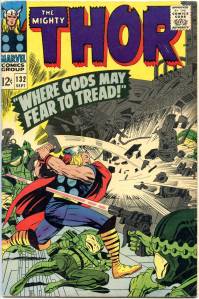
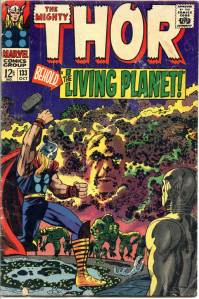
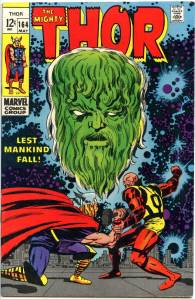
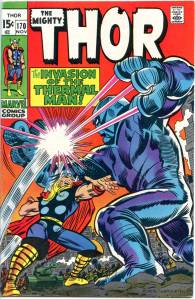
Thor debuted in the science fiction/fantasy anthology title Journey into Mystery #83 (cover-date Aug. 1962), and was created by editor-plotter Stan Lee, scripter Larry Lieber, and penciller-plotter Jack Kirby. A different version of the mythological Thor had appeared previously in Venus #12-13 (Feb.-April 1951).
In a 1984 interview Kirby said “I did a version of Thor for D.C. in the Fifties before I did him for Marvel. I created Thor at Marvel because I was forever enamored of legends, which is why I knew about Balder, Heimdall, and Odin. I tried to update Thor and put him into a superhero costume, but he was still Thor.” And in a 1992 interview, Kirby said “[I] knew the Thor legends very well, but I wanted to modernize them. I felt that might be a new thing for comics, taking the old legends and modernizing them.”
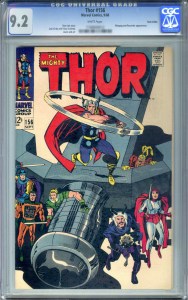
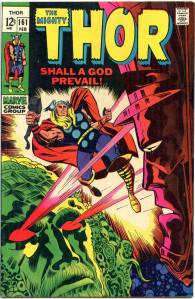
Journey into Mystery was retitled Thor (per the indicia, or The Mighty Thor per most covers)with issue #126 (March 1966). “Tales of Asgard” was replaced by a five-page featurette starring the Inhumans from #146–152 (Nov. 1967 – May 1968), after which featurettes were dropped and the Thor stories expanded to Marvel’s then-standard 20-page length.
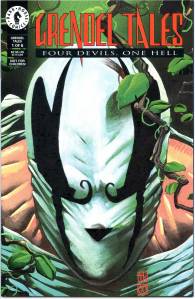
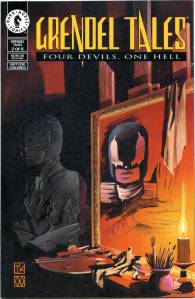
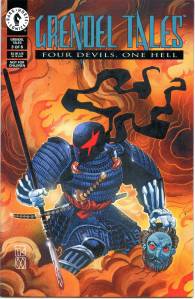
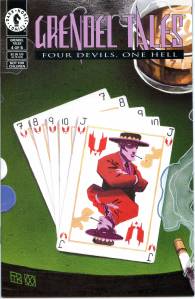
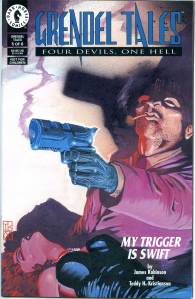
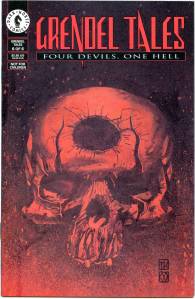
Too many devils are looking to rule the underworld. Some of them have to head for higher ground. The gambler, the detective, the madman, the artist — four displaced devils each in search of a hell to call his own. But while each follows his own path, they all end up on the night train to New Orleans. Four devils are fighting for one town, and an unknown threat with a thirst for power is lurking amongst them, unwilling to give up his town. There’s always somethin’ hot goin’ down in the Big Easy, but forecasts are predicting an all-time high!
Grendel Tales – Four Devils One Hell #1 NM $4Grendel Tales – Four Devils One Hell #2 NM $4Grendel Tales – Four Devils One Hell #3 NM $3Grendel Tales – Four Devils One Hell #4 NM $3Grendel Tales – Four Devils One Hell #5 NM $3Grendel Tales – Four Devils One Hell #6 NM $4
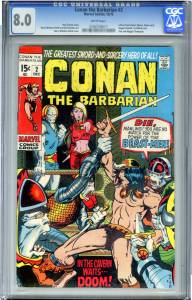
Marvel Comics introduced a fairly faithful version of Conan in 1970 with Conan the Barbarian, written by Roy Thomas with art initially by Barry Windsor-Smith, then John Buscema and Ernie Chan (aka Ernie Chua). The highly successful Conan the Barbarian series spawned the more adult, black-and-white Savage Sword of Conan in 1974, by Thomas, Buscema, and Alfredo Alcala. Savage Sword of Conan soon became one of the most popular comic series in the 1970s.
The Marvel Conan stories were also adapted as a newspaper comic strip which appeared daily and Sunday from September 4, 1978, to April 12, 1981. Originally written by Roy Thomas and illustrated by John Buscema, the strip was continued by several different Marvel artists and writers.