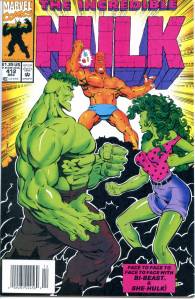
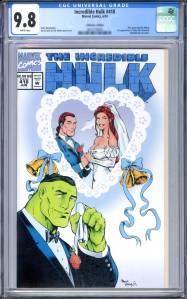
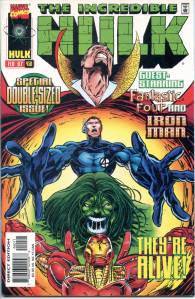
The 1990s saw the Green Hulk return. In issue #377 (Jan. 1991), the Hulk was revamped in a storyline that saw the personalities of Banner, Grey Hulk, and Savage Hulk confront Banner’s past abuse at the hands of his father Brian and a new “Guilt Hulk” persona. Overcoming the trauma, the intelligent Banner, cunning Grey Hulk, and powerful Savage Hulk personalities merge into a new single entity possessing the traits of all three. The Hulk also joined the Pantheon, a secretive organization of superpowered individuals. His tenure with the organization brought the Hulk into conflict with a tyrannical alternate future version of himself called the Maestro in the 1993 Future Imperfectminiseries, who rules over a world where many heroes are dead.
Incredible Hulk V1 #367 VF $3Incredible Hulk V1 #369 Newsstand NM $6Incredible Hulk V1 #369 NM- $3Incredible Hulk V1 #370 NM $4Incredible Hulk V1 #371 VF-NM $2Incredible Hulk V1 #372 Newsstand NM $6Incredible Hulk #372 NM $4Incredible Hulk V1 #373 NM $4Incredible Hulk V1 #374 VF-NM $3Incredible Hulk V1 #375 NM- $3Incredible Hulk V1 #378 NM $6Incredible Hulk V1 #380 NM $4Incredible Hulk V1 #381 VF $2Incredible Hulk V1 #382 VF $2Incredible Hulk V1 #383 NM $4Incredible Hulk V1 #383 VF-NM $3Incredible Hulk V1 #384 NM $4Incredible Hulk V1 #385 NM $4Incredible Hulk V1 #386 NM $4Incredible Hulk V1 #387 NM $4Incredible Hulk V1 #388 VF-NM $2Incredible Hulk V1 #389 NM $4Incredible Hulk V1 #390 NM $4Incredible Hulk V1 #392 NM $4Incredible Hulk V1 #393 NM $4Incredible Hulk V1 #394 NM $3Incredible Hulk V1 #395 NM $4Incredible Hulk V1 #396 NM- $3Incredible Hulk V1 #397 NM $4Incredible Hulk #400 NM $3Incredible Hulk #401 NM- $4Incredible Hulk V1 #411 NM $3Incredible Hulk #412 Newsstand NM $6Incredible Hulk #418 CGC 9.8 White Pages $59Incredible Hulk V1 #418 NM $15Incredible Hulk V1 #420 NM $3Incredible Hulk V1 #421 NM $3Incredible Hulk V1 #425 NM $5Incredible Hulk V1 #426 NM $4Incredible Hulk #447 NM $4Incredible Hulk #450 NM $7Incredible Hulk V1 Annual #16 NM- $4
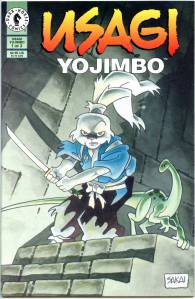
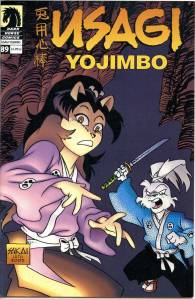
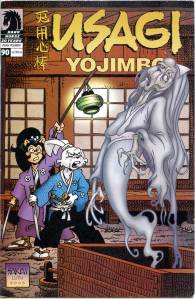
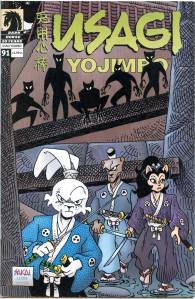
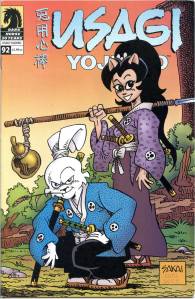
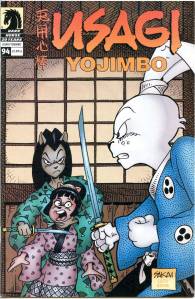
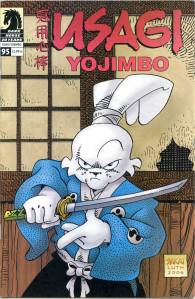
Usagi first appeared in the anthologyAlbedo Anthropomorphics in 1984, and later in the Fantagraphics Books anthropomorphic anthologyCritters, before appearing in his own series in 1987.[14] The Usagi Yojimbo series has been published by three different companies. The first publisher was Fantagraphics (volume one; 38 regular issues, plus one Summer Special and three Color Specials). The second was Mirage Comics (volume two; 16 issues). The third is Dark Horse Comics, by which Usagi Yojimbo is still being published (as volume three, over 160 issues), and who also released a fourth Color Special. A fourth publisher, Radio Comix, published two issues of The Art of Usagi Yojimbo which contained a selection of unpublished drawings, convention sketches, and other miscellaneous Usagi Yojimbo artwork. The first issue also included an original Usagi Yojimbo short story. In 2004, Dark Horse Comics published a Twentieth Anniversary hardcover volume also entitled The Art of Usagi Yojimbo.
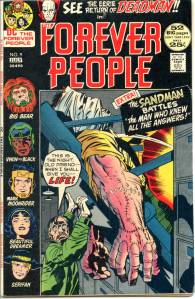
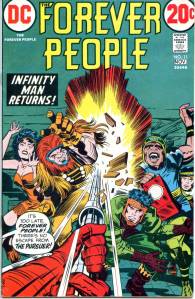
The Forever People are a fictional group of extraterrestrial superheroes published by DC Comics. They first appeared in Forever People #1 (February–March 1971), and were created by Jack Kirby as part of his “Fourth World” epic.
The Forever People lasted eleven issues. They mainly fought Darkseid’s forces such as Glorious Godfrey in issue #3. Issues #9 and 10 guest-starred Deadman; according to writer/artist Jack Kirby‘s assistant Mark Evanier, “We were ordered to put Deadman into New Gods, but we slipped him into Forever People instead, where he was a little less obtrusive. Jack didn’t like the character and didn’t want to do it. He didn’t feel he should be doing someone else’s character. … He doesn’t want to trample on someone else’s vision. Carmine [Infantino, DC Comics publisher and Deadman’s co-creator] said the character hadn’t sold and he wanted the Kirby touch on it.”
Forever People #2 VF $24Forever People #5 VF+ $25Forever People #7 VF+ $25Forever People #8 VF+ $29Forever People #9 FN+ $6Forever People #11 FN+ $5
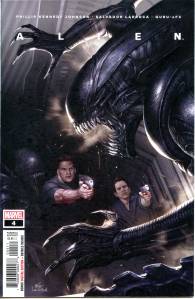
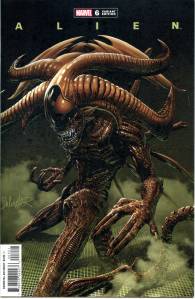
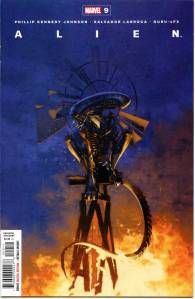
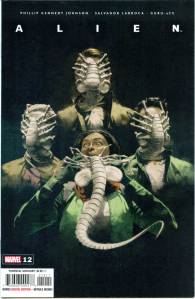
Gabriel Cruz gave his life to Weyland-Yutani–In the case of an alien attack he barely survived, almost literally! Recently retired, Cruz is trying to patch things up with his abandoned son with the help of his friend, a Bishop-model android, but his re-entry into civilian life is not going smoothly…and his encounters with the deadly Xenomorph are far from over.
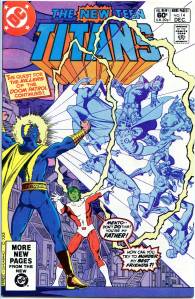
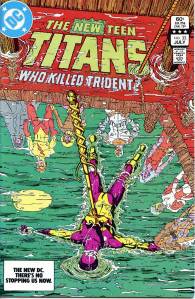
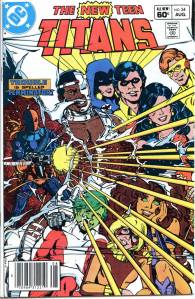
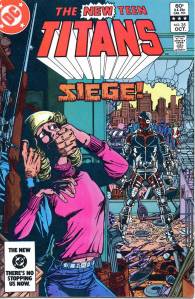
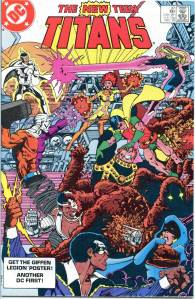
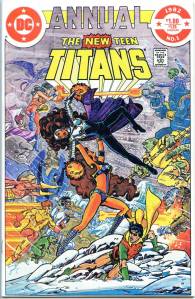
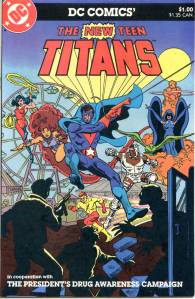
In 1980, Teen Titans relaunched as The New Teen Titans, aging the characters to young adulthood. Original members Robin, Wonder Girl and Kid Flash were joined by new characters Cyborg, Starfire and Raven, as well as the former Doom Patrol member Beast Boy, as Changeling. The group had several encounters with the original Titans of Greek mythology, particularly Hyperion.
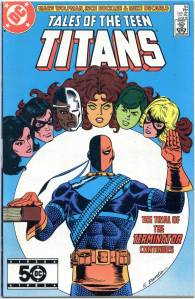
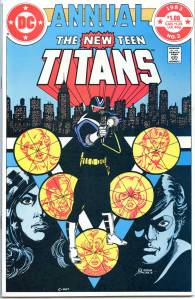
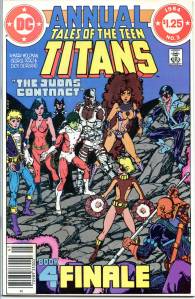
The team’s adversaries included Deathstroke the Terminator, a mercenary who takes a contract to kill the Titans to fulfill a job his son had been unable to complete. This led to perhaps the most notable Titans storyline of the era. 1984’s “The Judas Contract,” in Tales of the Teen Titans #42-44 and Teen Titans Annual #3 featured a psychopathic girl named Terra with the power to manipulate earth and all earth-related materials. She infiltrates the Titans in order to destroy them. “The Judas Contract” won the Comics Buyer’s Guide Fan Award for “Favorite Comic Book Story” of 1984, and was later reprinted as a standalone trade paperback in 1988. Robin adopts the identity of Nightwing, while Wally West gives up his Kid Flash persona and quits the Titans. It also featured the introduction of a new member in Jericho, Deathstroke’s other son.
New Teen Titans V1 #14 NM- $4New Teen Titans V1 #33 NM- $3New Teen Titans #34 VF+ $3New Teen Titans V1 #35 NM- $3New Teen Titans V1 #36 VF-NM $3New Teen Titans V1 #37 NM $5New Teen Titans V1 #40 NM- $3Tales of the Teen Titans #54 VF- $4New Teen Titans V1 Annual #1 NM $5New Teen Titans V1 Annual #2 NM $29Tales of the Teen Titans Annual #3 VF $6New Teen Titans 1983 Drug Awareness Campaign NM $5
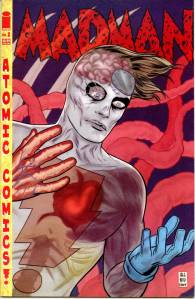
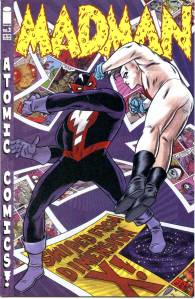
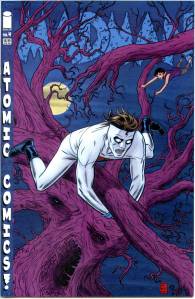
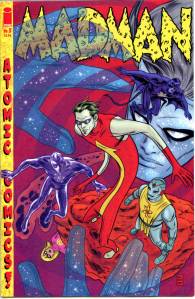
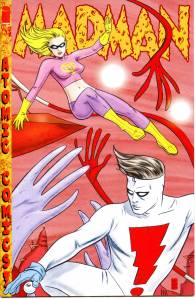
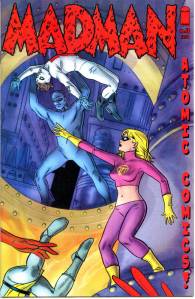
Making his return in this new series from Image Comics, Frank “Madman” Einstein faces his most terrifying challenge ever when his entire existence – not to mention the existence of everything else – is called into question! If fans have never experienced this legendary creation, Madman Atomic Comics marks the perfect opportunity to jump on board! This story also includes an innovative recap of every essential event in the Madman mythos.
Aquaman, published by DC Comics was created by Paul Norris and Mort Weisinger. The character debuted in More Fun Comics #73 (November 1941). Initially a backup feature in DC’s anthology titles, Aquaman later starred in several volumes of a solo title. During the late 1950s and 1960s superhero-revival period known as the Silver Age, he was a founding member of the Justice League of America. In the 1990s Modern Age, Aquaman’s character became more serious than in most previous interpretations, with storylines depicting the weight of his role as king of Atlantis.
Later accounts reconciled both facets of the character, casting Aquaman as serious and brooding, saddled with an ill reputation, and struggling to find a true role and purpose beyond his public side as a deposed king and a fallen hero.
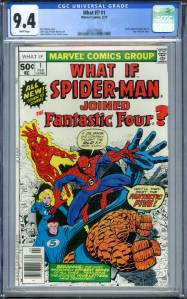
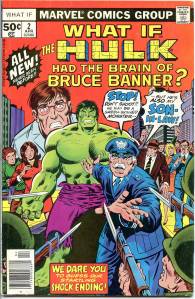
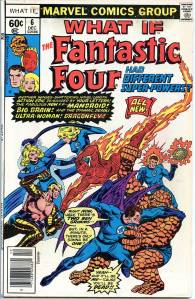
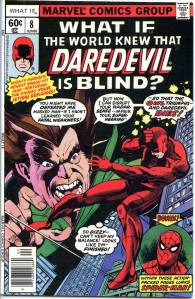
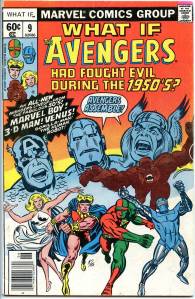
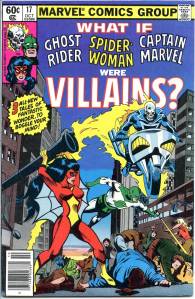
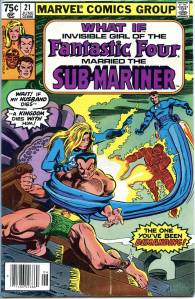
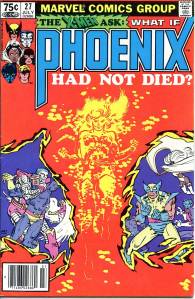
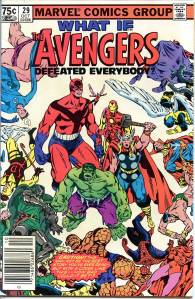
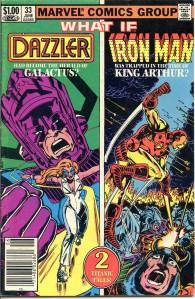
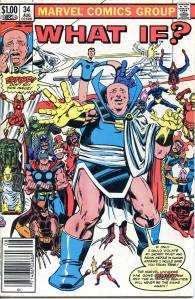
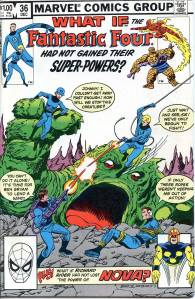
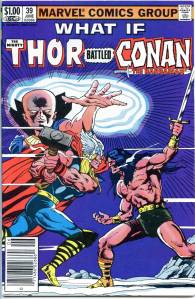
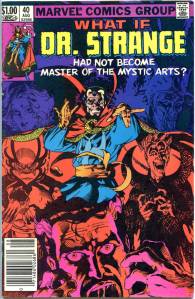
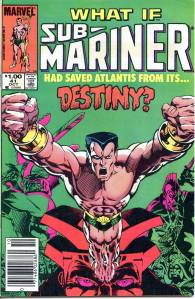
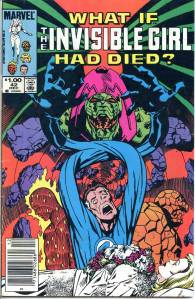
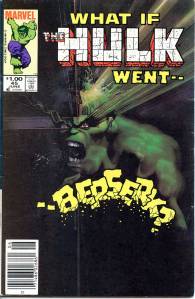
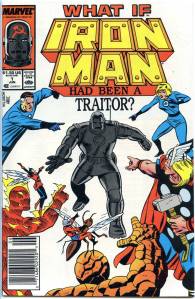
What If, sometimes rendered as What If…?, is published by Marvel Comics whose stories explore how the Marvel Universe might have unfolded if key moments in its history hadn’t occurred as they did in mainstream continuity. What If comics have been published in eleven series (volumes).
The stories of the inaugural series (1977–1984) feature the alien Uatu the Watcher as a narrator. From the moon, Uatu, a member of an immortal race of “Watchers”, observes both the Earth and alternate realities. Most What If stories begin with Uatu describing an event in the mainstream Marvel Universe, then introducing a point of divergence in that event and then describing the consequences of the divergence. Uatu was used similarly in the second series (1989–1998) until a point where, in the Fantastic Four comic book, Uatu was punished for destroying another Watcher. This made the use of Uatu improbable so the character was phased out to its last appearance in issue #76. Without a framing device, the stories themselves became the focus.
What If #1 CGC 9.4 White Pages $124What If V1 #2 FN+ $8What If V1 #4 FN- $6What If V1 #6 FN $7What If V1 #8 VF $9What If V1 #9 VF- $14What If V1 #17 VF $14What If V1 #20 VF- $14What If V1 #21 VF $12What If V1 #27 VF $8What If V1 #29 FN+ $8What If V1 #33 VF $9What If V1 #34 VF-NM $10What If V1 #36 NM $24What If V1 #37 VF+ $12What If #39 Newstand VF+ $24What If #40 VF- $5What If V1 #41 VF+ $9What If V1 #42 VF+ $9What If V1 #44 NM- $24What If V1 #45 F+$7What If V1 #46 F- $4What If Special #1 NM $8
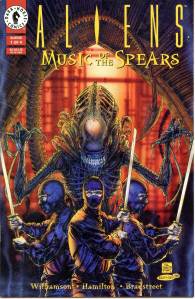
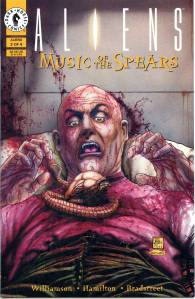
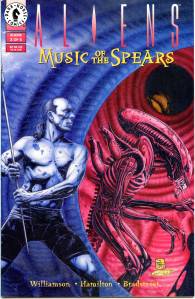
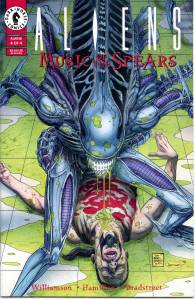
Little-known and under-appreciated composer Damon Eddington wants to hatch an Alien egg so he can nurture the Alien in captivity and capture its sounds of hatred and pain for the ultimate concert — sounds of rage made from “a mouthful of spears.”
Aliens – Music of the Spears #1 NM $6Aliens Music of the Spears #2 NM $6Aliens Music of the Spears #3 NM $6Aliens Music of the Spears #4 NM $6
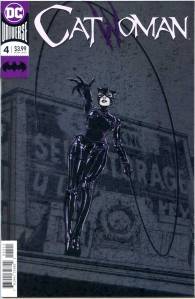
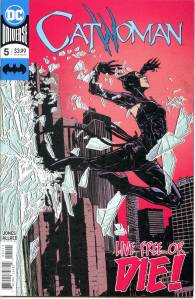
On the day of their wedding, Selina decides to call off the wedding as she realizes that marrying Bruce would ultimately take away what makes him Batman. This is later revealed to be due to the manipulations of Holly under the instructions of Bane as to finally break Batman of both spirit and will. Subsequently, Selina leaves Gotham and starts a new life in the city of Villa Hermosa, California (Catwoman (vol. 5) #1). She faces opposition from the power-hungry Creel family who run Villa Hermosa, specifically First Lady Raina Creel.