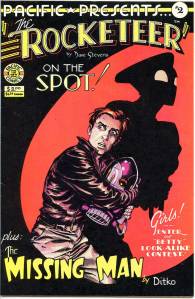
The Rocketeer’s first adventure appeared in 1982 as a backup feature in issues #2 and #3 of Mike Grell‘s Starslayer series from Pacific Comics. Two more installments appeared in Pacific’s showcase comic Pacific Presents #1 and 2. The fourth chapter ended in a cliffhanger that was later concluded in a special Rocketeer issue released by Eclipse Comics. The complete story was then collected by Eclipse in a single volume titled The Rocketeer. It was published in three versions: a trade paperback edition, a trade hardcover, and a signed, limited edition hardcover. Noted fantasy author Harlan Ellison, a fan of the Rocketeer and also an acquaintance of Dave Stevens, wrote the introduction to the collection; both Dave Stevens and Harlan Ellison signed the limited edition on a specially bound-in bookplate.
The story was continued in the Rocketeer Adventure Magazine. Two issues were published by Comico Comics in 1988 and 1989; the third installment was not published until 1995, six years later by Dark Horse Comics. All three issues were then collected by Dark Horse into a glossy trade paperback titled The Rocketeer: Cliff’s New York Adventure that quickly went out-of-print.
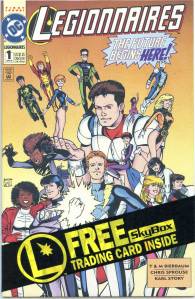
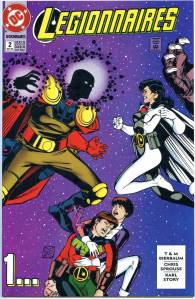
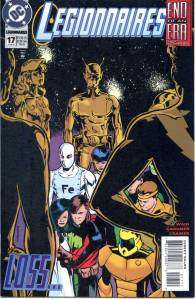
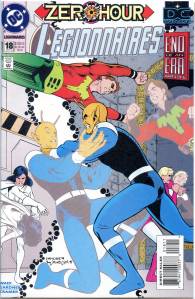
Following Zero Hour, a new Legion continuity was created, beginning with a retelling of the origin story starting in Legion of Super-Heroes (vol. 4) #0 and then continued in spin-off sister series Legionnaires #0 (both released in October 1994). Lightning Lad was renamed Live Wire, and after the group’s founding, a large number of heroes were added to the roster very quickly. Several members from the previous continuity were given new codenames, and some new heroes were added, including XS (the granddaughter of Barry Allen, the second Flash), Kinetix, and Gates.
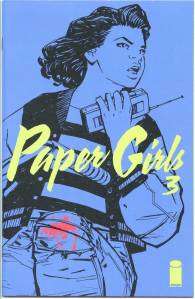
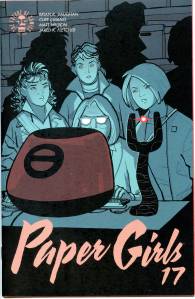
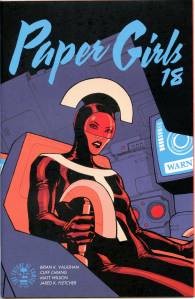
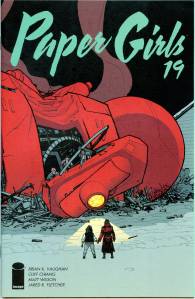
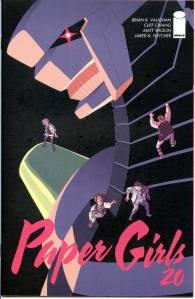
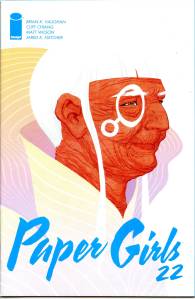
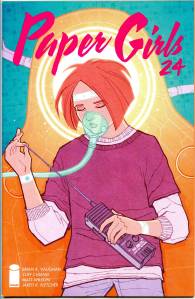
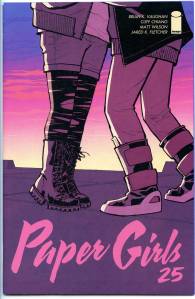
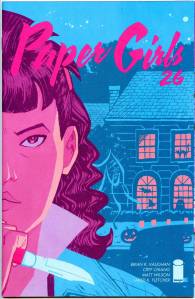
Paper Girls follows the story of four 12-year-old newspaper delivery girls (Erin, MacKenzie, KJ, and Tiffany) set in Stony Stream, a fictional suburb of Cleveland, Ohio. While out delivering papers on the morning after Halloween, the town is struck by an invasion from a mysterious force from the future. The girls become unwillingly caught up in the conflict between two warring factions of time-travelers.
Never betray a Bounty Hunter – especially if it’s Boba Fett!
Years ago, Valance and fellow bounty hunters Bossk and Boba Fett took on a mission that went sideways in a bad way after Valance’s mentor, Nakano Lash, violently betrayed them. Valance’s team barely escaped with their lives. He never thought he’d face his old mentor ever again…until Lash finally resurfaces under mysterious circumstances. Every bounty hunter in the galaxy wants a piece and Valance is hell-bent on getting to the prize first. He has score to settle—but so does Boba Fett!
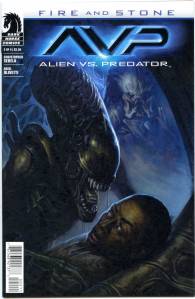
The main storyline begins after the end of the Prometheus film and continues across different eras, such as that of Aliens, involving different characters from those seen in each film series. The comic series is divided into four mini-series related to each franchise. Each mini-series is composed of four issues. A final, double-sized issue that gives closure to the main storyline was also produced. The series ties in popular franchises such as Predator and remarks on the origins of the Aliens, and Engineers.
Alien Vs Predator – Fire and Stone #1 NM $17Alien Vs Predator – Fire and Stone#2 NM $9
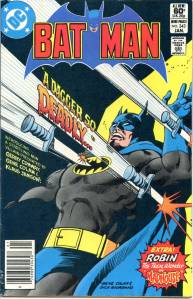
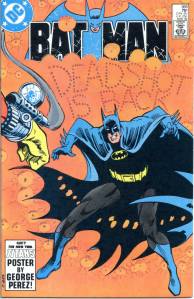
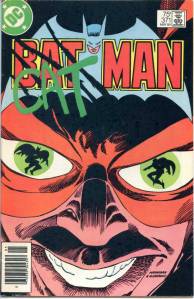
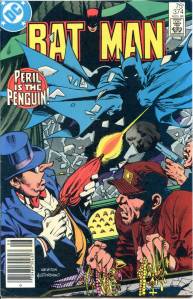
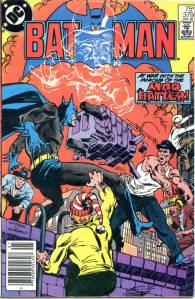
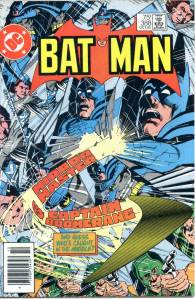
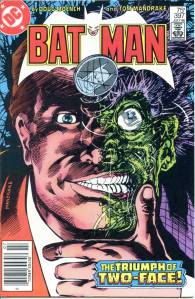
Frank Miller‘s limited series The Dark Knight Returns (February–June 1986), which tells the story of a 55-year old Batman coming out of retirement in a possible future, reinvigorated the character. The Dark Knight Returns was a financial success and has since become one of the medium’s most noted touchstones. The series also sparked a major resurgence in the character’s popularity.
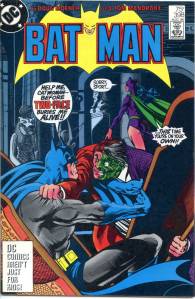
That year Dennis O’Neil took over as editor of the Batman titles and set the template for the portrayal of Batman following DC’s status quo-altering miniseries Crisis on Infinite Earths. O’Neil operated under the assumption that he was hired to revamp the character and as a result tried to instill a different tone in the books than had gone before. One outcome of this new approach was the “Year One” storyline in Batman #404–407 (February–May 1987), in which Frank Miller and artist David Mazzucchelli redefined the character’s origins. Writer Alan Moore and artist Brian Bolland continued this dark trend with 1988’s 48-page one-shotBatman: The Killing Joke, in which the Joker, attempting to drive Commissioner Gordon insane, cripples Gordon’s daughter Barbara, and then kidnaps and tortures the commissioner, physically and psychologically.
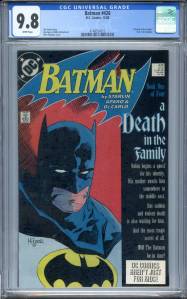
The Batman comics garnered major attention in 1988 when DC Comics created a 900 number for readers to call to vote on whether Jason Todd, the second Robin, lived or died. Voters decided in favor of Jason’s death by a narrow margin of 28 votes (see Batman: A Death in the Family). The following year saw the release of Tim Burton‘s Batman feature film, which firmly brought the character back to the public’s attention, grossing millions of dollars at the box office, and millions more in merchandising.
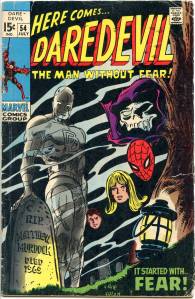
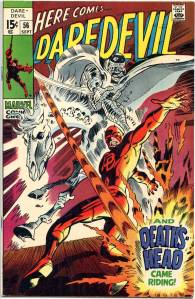
Daredevil debuted in Marvel Comics‘ Daredevil #1 (cover date April 1964), created by writer-editor Stan Lee and artist Bill Everett, with character design input from Jack Kirby, who devised Daredevil’s billy club. When Everett turned in his first-issue pencils extremely late, Marvel production manager Sol Brodsky and Spider-Man co-creator Steve Ditko inked a large variety of different backgrounds, a “lot of backgrounds and secondary figures on the fly and cobbled the cover and the splash page together from Kirby’s original concept drawing”.
Writer and comics historian Mark Evanier has concluded (but cannot confirm) that Kirby designed the basic image of Daredevil’s costume, though Everett modified it. The character’s original costume design was a combination of black, yellow, and red, reminiscent of acrobat tights. Wally Wood, known for his 1950s EC Comics stories, penciled and inked issues #5–10, introducing Daredevil’s modern red costume in issue #7.
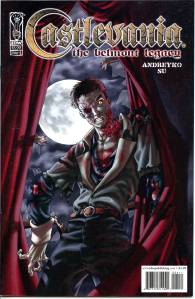
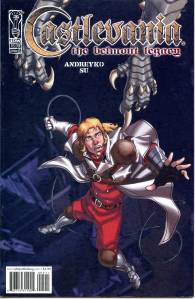
It is 1576, and the legend of the Belmont family’s vampire-hunting prowess still echoes through the Romanian countryside. While Christopher Belmont celebrates his nuptials, dark forces conspire to raise Count Dracula from his unholy slumber. With this ancient evil unleashed once more, young Belmont must to prove he is worthy of the Belmont legacy. Based on the smash-hit Konami videogame series.
Castlevania – The Belmont Legacy #4 VFN $19Castlevania – The Belmont Legacy #5 VFN $16
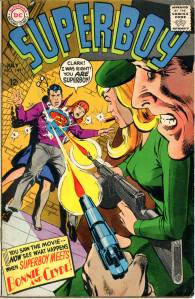
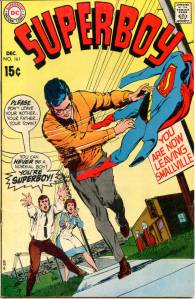
Four years after his debut, Superboy became only the sixth DC superhero to receive his own comic book when Superboy #1 (March–April 1949) was published. The series became the first new DC superhero title to succeed since World War II. Superboy saw the debuts of the first Superbaby story, (about Clark’s adventures as a super-powered toddler), and of Clark’s two closest friends: Lana Lang, who also serves as a romantic interest for Superboy; and Pete Ross, who later discovers and helps protect Clark’s secret identity. Other notable stories to appear in Superboy include the story of the first Bizarro and the first appearances of Legion of Super-Heroes members Mon-El and Ultra Boy.
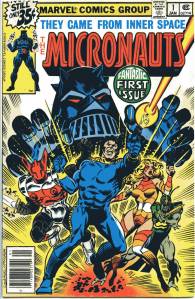
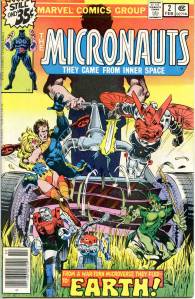
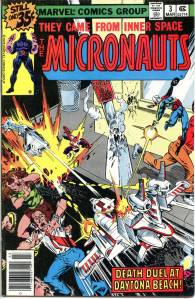
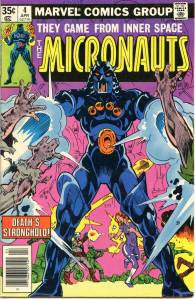
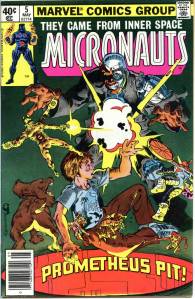
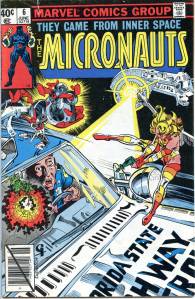
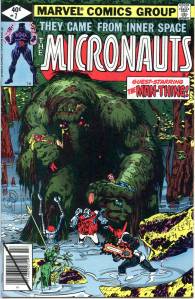
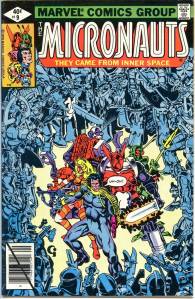
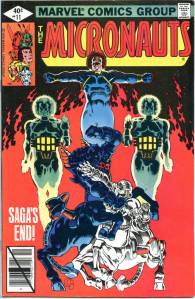
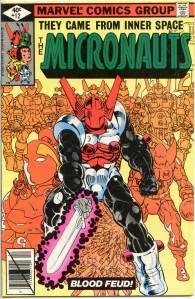
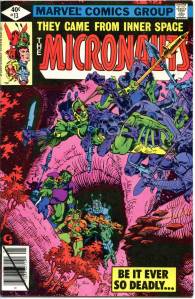
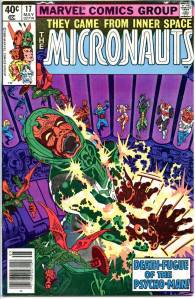
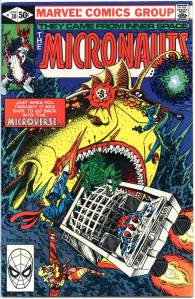
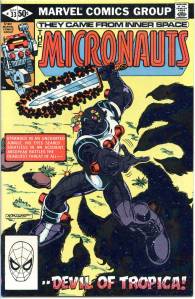
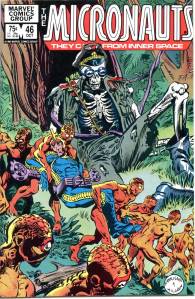
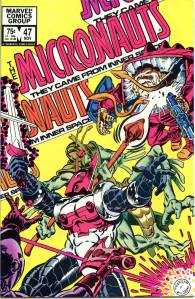
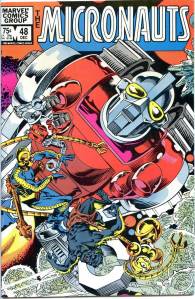
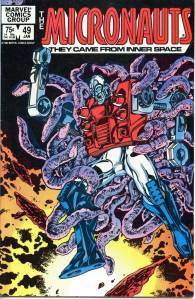
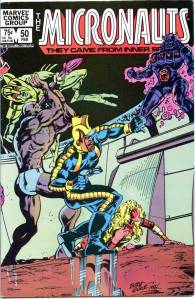
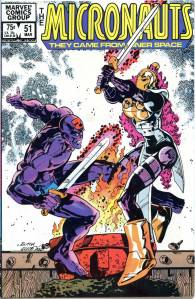
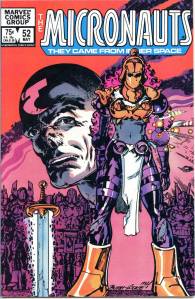
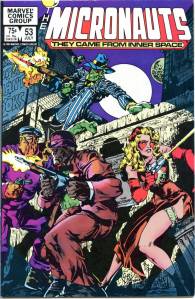
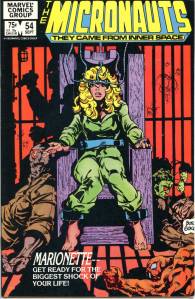
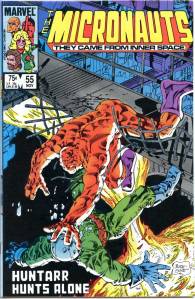
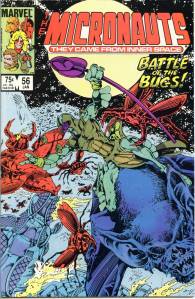
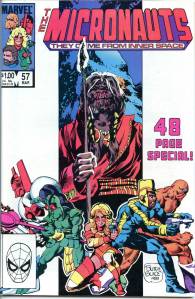
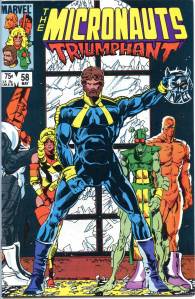
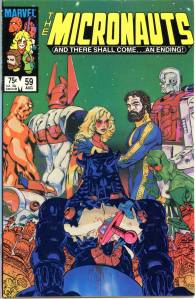
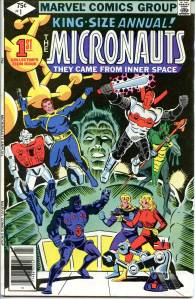
The Micronauts began life as comic book characters thanks to a fortuitous accident on Christmas 1977. Marvel Comics writer Bill Mantlo’s son Adam opened a new present, a line of the Mego Corporation‘s Micronauts action figures. Seeing the toys, Mantlo was instantly struck by inspiration to write their adventures. Convincing then Editor-in-chief Jim Shooter to get the comics license for these toys, Mantlo was hired to script their series.