After four issues as The Dark Mansion Of Forbidden Love, the romance angle was abandoned and the title changed to Forbidden Tales of Dark Mansion. Very much in the same vein as House of Mystery and House of Secrets, Forbidden Tales of Dark Mansion was “hosted” by Charity (the character debuted in issue #7).
The character of Charity later became part of the supporting cast in the Starman series and at some point after the last issue married the policeman Mason O’Dare and is pregnant with his child.
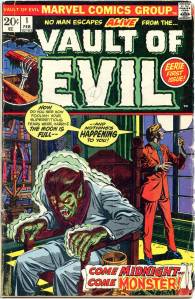
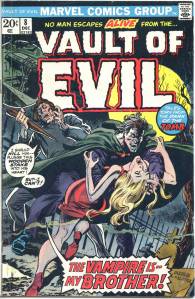
In the early 1970s, horror was hot once again, and Marvel filled that demand with a number of titles, including Chamber of Chills, Supernatural Thrillers, Crypt of Shadows, and Fear. Like many of these, Vault of Evil relied on reprint material from its 1950s precursor, Atlas comics.
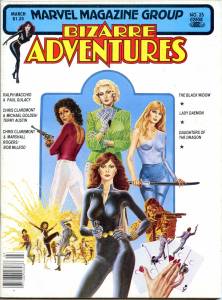
With #25 (March 1981) the title Marvel Preview was changed to Bizarre Adventures, which ran for an additional ten issues before ceasing publication. To offset the dark tone of most of the stories, editor Denny O’Neil had writer Steve Skeates produce a humor feature called Bucky Bizarre to close out each issue. A story originally prepared for Marvel’s Logan’s Run comic book series was published in Bizarre Adventures #28 (Oct. 1981). The final issue, #34, was a standard-sized color comic book, featuring the cover-blurb, “Special Hate the Holidays Issue”, with anthological Christmas-related stories, including one starring Howard the Duck.
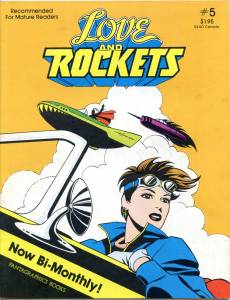
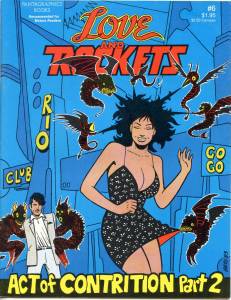
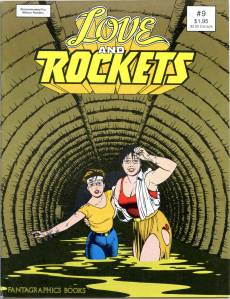
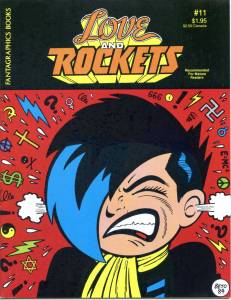
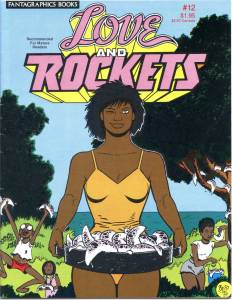
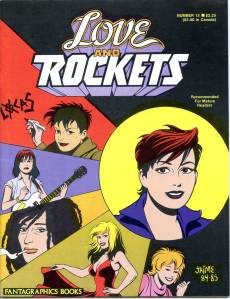
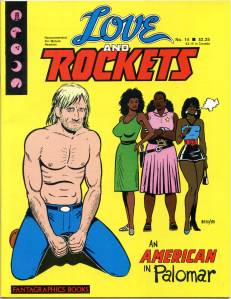
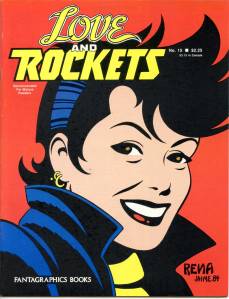
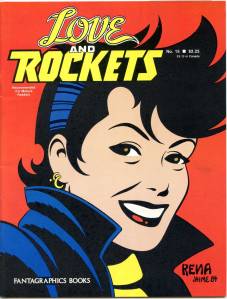
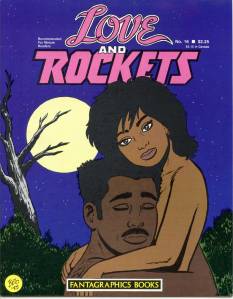
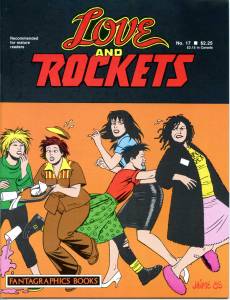
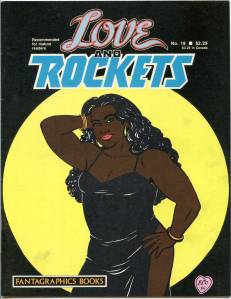
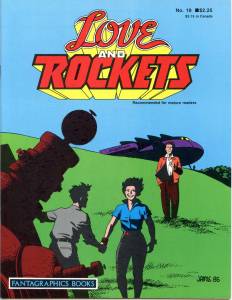
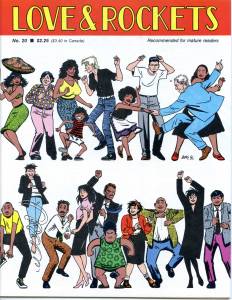
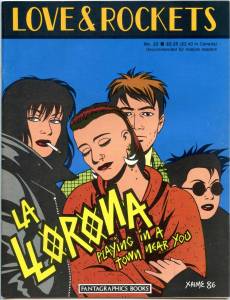
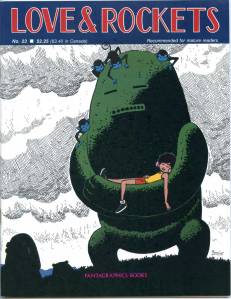
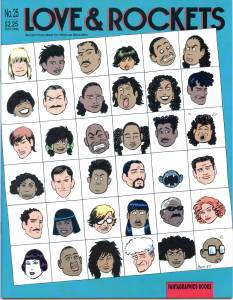
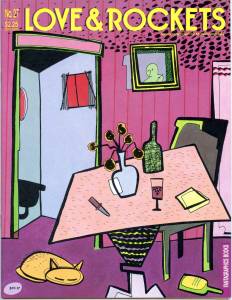
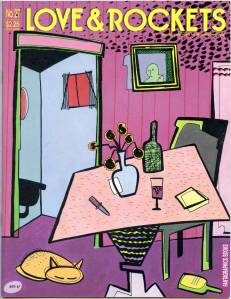
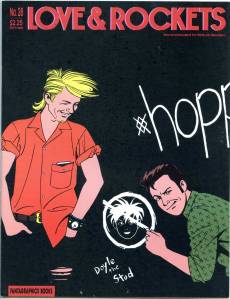
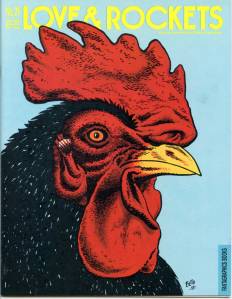
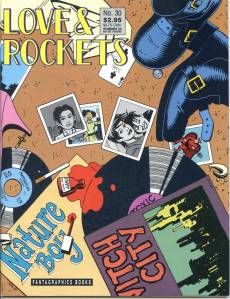
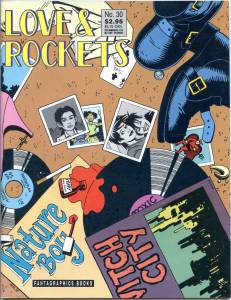
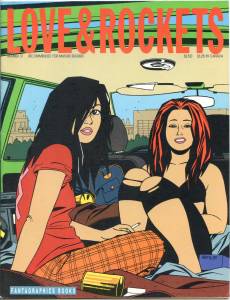
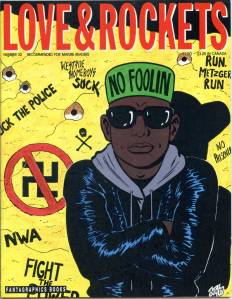
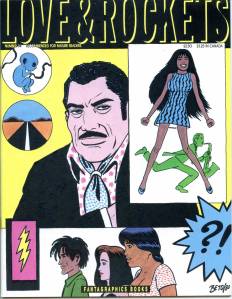
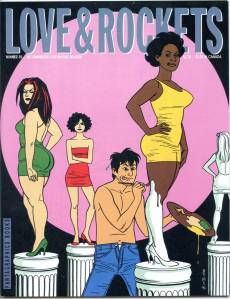
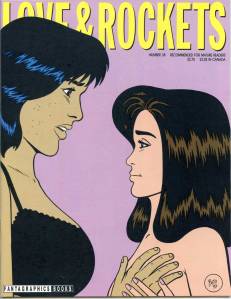
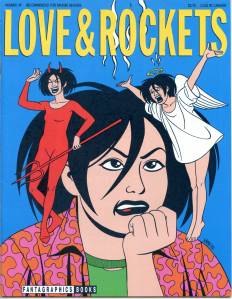
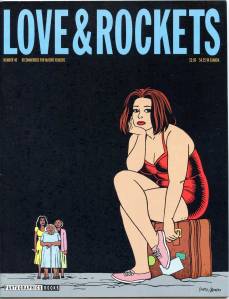
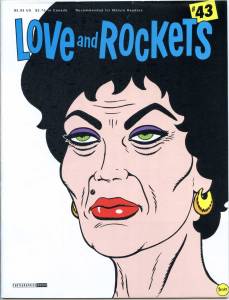
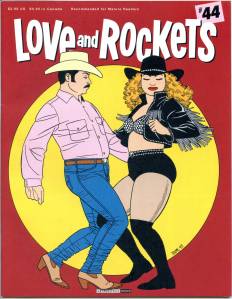
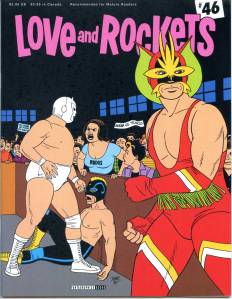
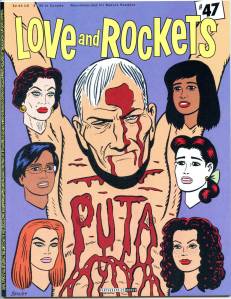
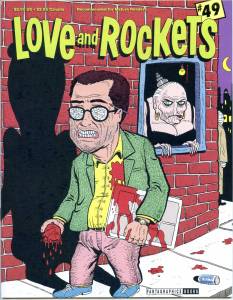
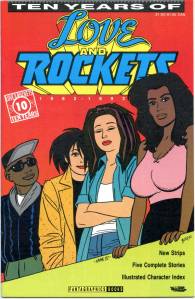
The Hernandez brothers self-published the first issue of Love and Rockets in 1981, but since 1982 it has been published by Fantagraphics Books. The magazine temporarily ceased publication in 1996 after the release of issue #50, while Gilbert and Jaime went on to do separate series involving many of the same characters. However, in 2001 Los Bros revived the series as Love and Rockets Volume 2.
Love and Rockets contains several ongoing serial narratives, the most prominent being Gilbert’s Palomar stories and Jaime’s Hoppers 13(aka Locas) stories. It also contains one-offs, shorter stories, surrealist jokes, and more.
Palomar tells the story of a fictional village in Latin America and its inhabitants. Its vibrant characters and sometimes-fantastic events are sometimes compared to the magical realism literary style of authors such as Gabriel García Márquez. The series is also sometimes referred to as Heartbreak Soup, after the first story set in Palomar.
Hoppers 13 follows the tangled lives of a group of primarily chicano characters, from their teenage years in the early days of the California punk scene to the present day. (Hoppers, or Huerta, is a fictional city based on the Hernandezes’s home town of Oxnard, California.) The series is also often called Locas (Spanish for “crazy women”) because of the many quirky female characters depicted.
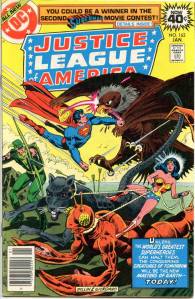
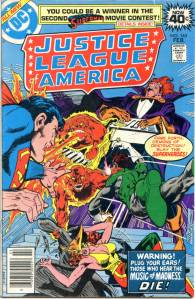
In need of a new secure headquarters, the Justice League moved into an orbiting satellite headquarters in Justice League of America #78 (February 1970). The Elongated Man, the Red Tornado, Hawkwoman, Zatanna, and Firestorm joined the team, and Wonder Woman returned during this period.
Len Wein wrote issues #100–114, in which he and Dillin re-introduced the Seven Soldiers of Victory in issues #100-102 and the Freedom Fighters in issues #107-108. In the fall of 1972, Wein and writers Gerry Conway and Steve Englehart crafted a metafiction an unofficial crossover spanning titles from both Marvel and DC. Each comic featured Englehart, Conway, and Wein, as well as Wein’s first wife Glynis, interacting with Marvel or DC characters at the Rutland Halloween Parade in Rutland, Vermont.
Beginning in Amazing Adventures #16 (by Englehart with art by Bob Brown and Frank McLaughlin), the story continued in Justice League of America #103 (by Wein, Dillin and Dick Giordano), and concluded in Thor #207 (by Conway and penciler John Buscema). As Englehart explained in 2010, “It certainly seemed like a radical concept and we knew that we had to be subtle (laughs) and each story had to stand on its own, but we really worked it out. It’s really worthwhile to read those stories back to back to back — it didn’t matter to us that one was at DC and two were at Marvel — I think it was us being creative, thinking what would be really cool to do.” Justice League of America #103 also featured the Justice League offering membership to the Phantom Stranger. Len Wein commented on the Phantom Stranger’s relationship with the JLA in a 2012 interview stating that the character “only sort of joined. He was offered membership but vanished, as per usual, without actually accepting the offer. Over the years, other writers have just assumed [he] was a member, but in my world, he never really said yes.” Libra, a supervillain created by Wein and Dillin in Justice League of America #111 (May–June 1974), would play a leading role in Grant Morrison‘s Final Crisisstoryline in 2008.
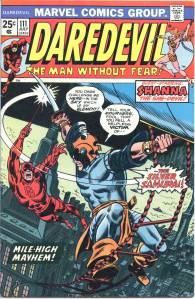
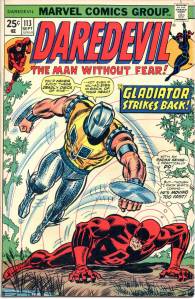
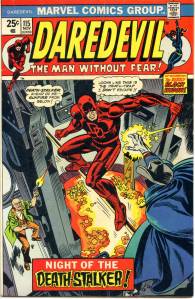
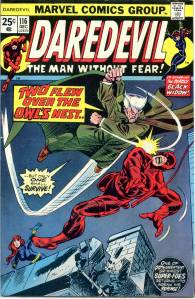
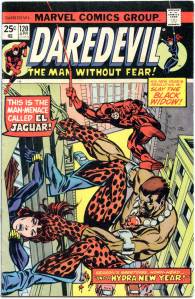
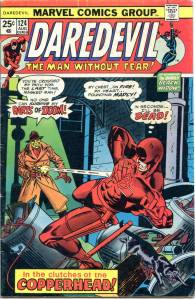
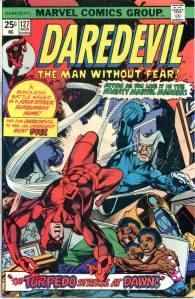
Gerry Conway took over as writer with issue #72, and turned the series in a pulp science fiction direction: a lengthy story arc centered on a robot from thousands of years in the future trying to change history. Even long-standing arch-villain the Owl was outfitted with futuristic weaponry and vehicles. Conway also moved Daredevil to San Francisco beginning with Daredevil #86, and simultaneously brought on the Black Widow as a co-star for the series. The Black Widow served as Daredevil’s crime-fighting ally as well as his love interest from issue #81–124 (Nov. 1971–Aug. 1975), of which #93-108 were titled Daredevil and the Black Widow.
In a story arc overlapping Wolfman, Shooter, and McKenzie’s runs on the series, Daredevil reveals his identity to Heather Glenn and becomes partially responsible for the suicide of her father; their relationship would persist but would prove increasingly harmful to both of them. Though the Black Widow returned for a dozen issues (#155–166) and attempted to rekindle her romance with Daredevil, he ultimately rejects her in favor of Glenn.
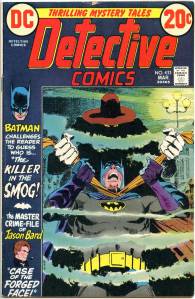
Writer Dennis O’Neil and artist Neal Adams had their first collaboration on Batman on the story “The Secret of the Waiting Graves” in issue #395 (Jan. 1970). The duo, under the direction of Schwartz, would revitalize the character with a series of noteworthy stories reestablishing Batman’s dark, brooding nature and taking the books away from the campy look and feel of the 1966–68 ABCTV series. Comics historian Les Daniels observed that “O’Neil’s interpretation of Batman as a vengeful obsessive-compulsive, which he modestly describes as a return to the roots, was actually an act of creative imagination that has influenced every subsequent version of the Dark Knight.” Adams introduced the Man-Bat with writer Frank Robbins in Detective Comics #400 (June 1970). O’Neil and artist Bob Brown crafted Batman’s first encounter with the League of Assassins in Detective Comics #405 (Nov. 1970) and created Talia al Ghul in issue #411 (May 1971).
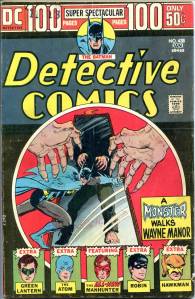
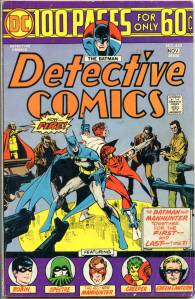
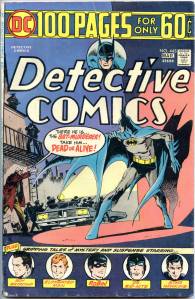
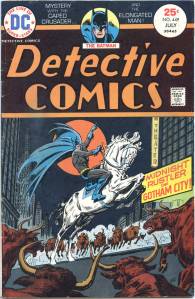
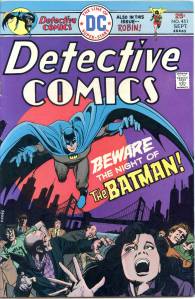
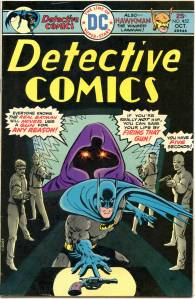
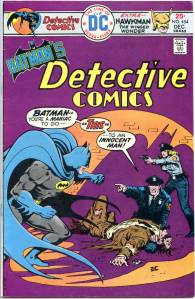
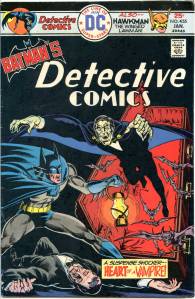
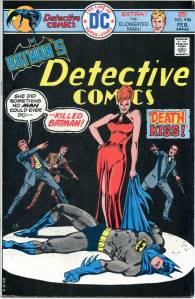
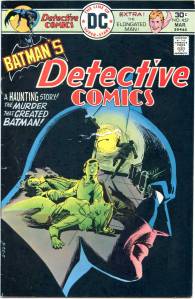
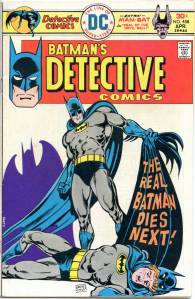
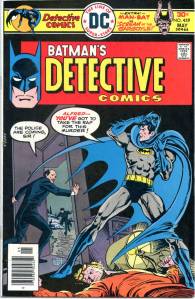
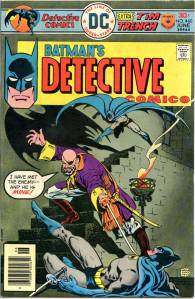
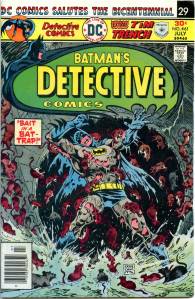
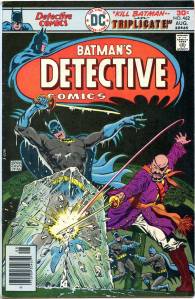
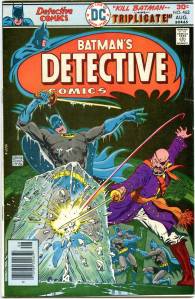
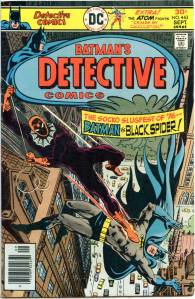
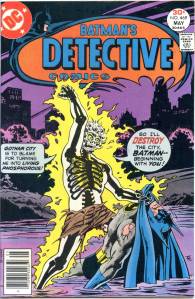
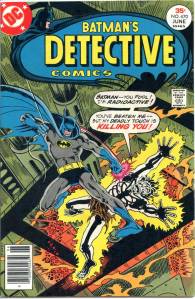
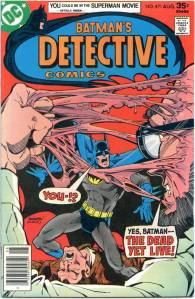
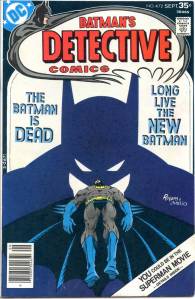
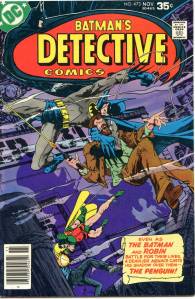
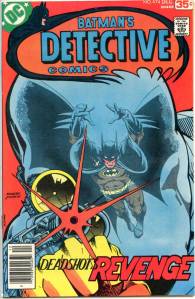
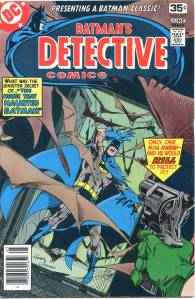
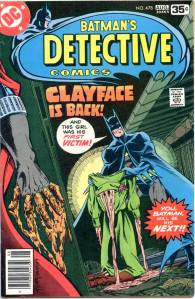
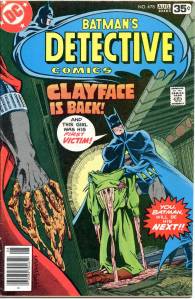
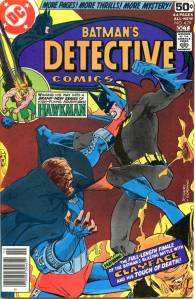
After publishing on a monthly schedule throughout its run, Detective Comics became a bi-monthly book from issues #435 (June–July 1973) to #445 (Feb.-March 1975). Issues #438 (Dec. 1973-Jan. 1974) to #445 (Feb.–March 1975) of the series were in the 100 Page Super Spectacular format. O’Neil and artist Dick Giordano created the Batman supporting character Leslie Thompkins in the story “There Is No Hope in Crime Alley” appearing in issue #457 (March 1976). Writer Steve Englehart and artist Marshall Rogers produced an acclaimed run of Batman stories in Detective Comics #471–476 (Aug. 1977 – April 1978), and provided one of the definitive interpretations that influenced the 1989 Batman movie and would be adapted for the 1990s animated series. The Englehart and Rogers pairing, was described in 2009 by comics writer and historian Robert Greenberger as “one of the greatest” creative teams to work on the Batman character. In their story “The Laughing Fish”, the Joker is brazen enough to disfigure fish with a rictus grin, then expects to be granted a federal trademark on them, only to start killing the bureaucrats who try to explain to him that obtaining such a claim on a natural resource is legally impossible. Writer Len Wein and Rogers co-created the third version of the supervillain Clayface in Detective Comics #478 (July–Aug. 1978). The original Katherine Kane also known as “Batwoman” was killed in the lead story in issue #485 (Aug.–Sept. 1979) by the League of Assassins.
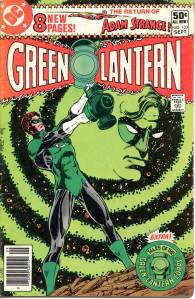
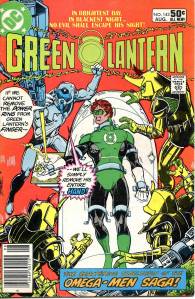
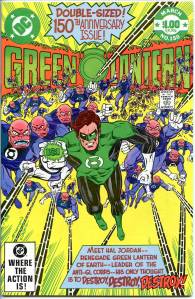
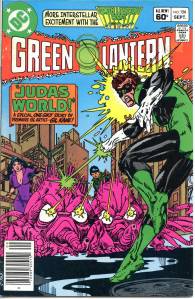
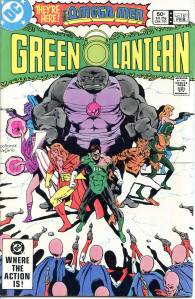
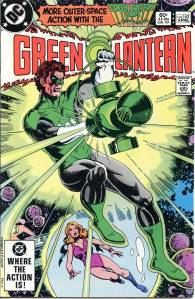
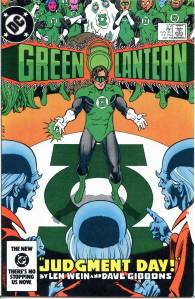
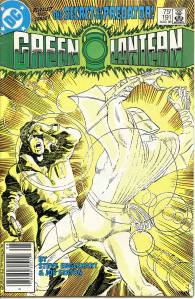
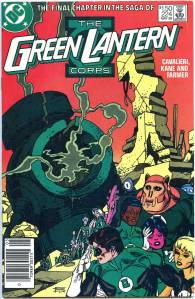
Green Lantern would know a number of revivals and cancellations. Its title would change to Green Lantern Corps at one point as the popularity rose and waned. During a time there were two regular titles, each with a Green Lantern, and a third member in the Justice League.
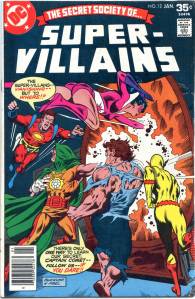
Due to the delays caused by having to redo the first issue from scratch, Conway assigned David Anthony Kraft to script the next three issues of Secret Society of Super Villains over his plots. After issue #4, both Conway and Kraft abruptly left DC, leading to a mad scramble to produce a fill-in issue.
Jack C. Harris took over as editor, and Conway returned as writer only with issue #8, but artists on the series rotated nearly as often as the lineup of the titular supergroup, with Rich Buckler, Mike Vosburg, and Dick Ayers all contributing short stints as pencilers, while inkers changed from issue to issue. Harris felt that the series’ mediocre sales might have been partly his fault: “The cover concepts were one of my editorial duties. Rich Buckler turned my ideas into the best he could do, but I never felt as if my ideas were good enough for his art. I think there was a ‘sameness’ to my ideas which might have hurt the title in that casual readers might have missed buying an issue because they thought they’d already seen it”. Secret Society of Super Villains was cancelled with issue #15 as part of the DC Implosion.





















 EHT Comics