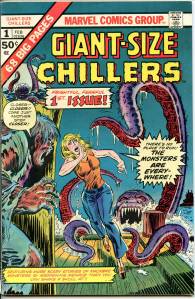
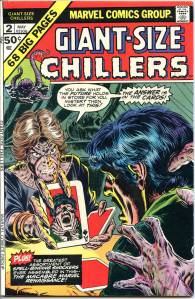
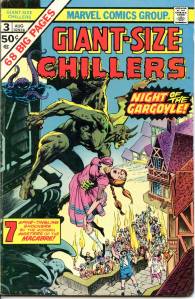
Giant Size Chillers V2 was publish in 1975 and lasted only 3 issues. They contained new Stories combined with 1950’s Atlas reprints. Some of the artists included, G.Kane, B.Everett, D.Heck, B.Wrightson, J.Kirby, G.Colan, BWSmith, A.Alcala & M.Severin.
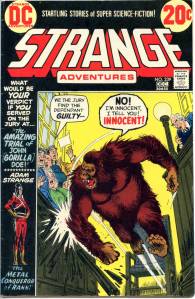
Strange Adventures ran for 244 issues and was DC Comics’ first science fiction title. It began with an adaptation of the film Destination Moon. The sales success of the gorilla cover-featured story in Strange Adventures #8 (May 1951) led DC to produce numerous comic book covers with depictions of gorillas.
With issue #217, the title gained another new logo and began reprinting stories of Adam Strange and the Atomic Knights, among other stories. Several Strange Adventure stories were also reprinted in some of DC Comics’ later anthologies such as From Beyond the Unknown.
In 1978, DC Comics intended to revive Strange Adventures. These plans were put on hold that year due to the DC Implosion, a line-wide scaling back of the company’s publishing output. When the project was revived a year later, the title was changed to Time Warp and the series was in the Dollar Comics format.
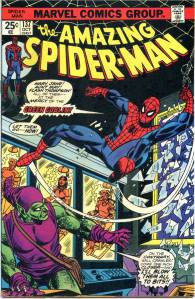
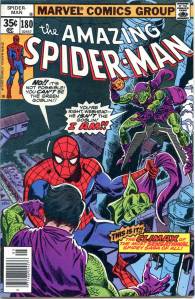
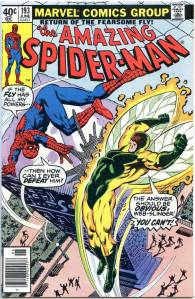
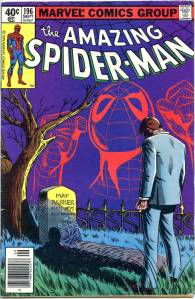
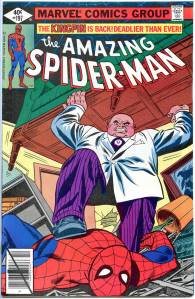
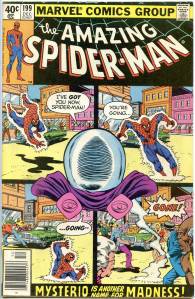
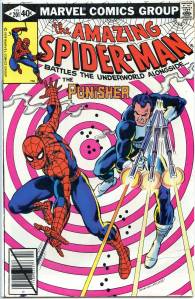
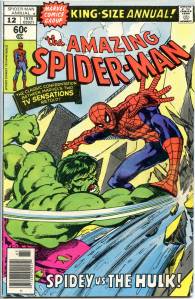
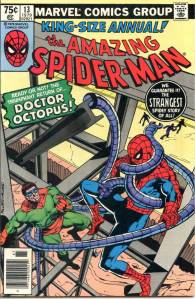
An early 1970s Spider-Man story led to the revision of the Comics Code. Previously, the Code forbade the depiction of the use of illegal drugs, even negatively. However, in 1970, the Nixon administration’s Department of Health, Education, and Welfare asked Stan Lee to publish an anti-drug message in one of Marvel’s top-selling titles. Lee chose the top-selling The Amazing Spider-Man; issues #96–98 (May–July 1971) feature a story arc depicting the negative effects of drug use. In the story, Peter Parker’s friend Harry Osborn becomes addicted to pills. When Spider-Man fights the Green Goblin (Norman Osborn, Harry’s father), Spider-Man defeats the Green Goblin, by revealing Harry’s drug addiction. While the story had a clear anti-drug message, the Comics Code Authority refused to issue its seal of approval. Marvel nevertheless published the three issues without the Comics Code Authority’s approval or seal. The issues sold so well that the industry’s self-censorship was undercut and the Code was subsequently revised.
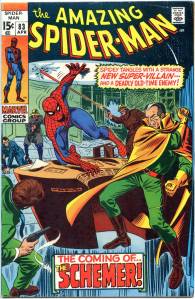
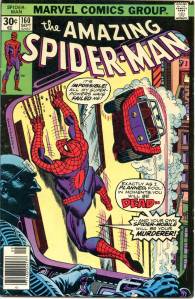
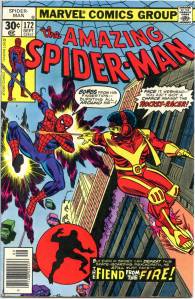
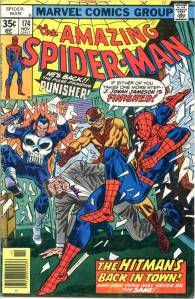
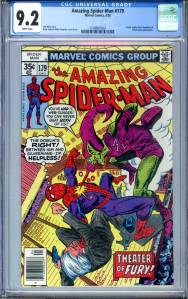
Amazing Spider-man #83 F+ $24
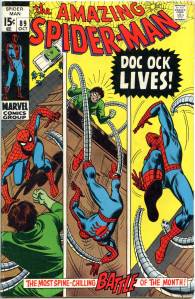
Amazing Spider-Man #89 F $22
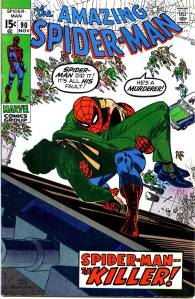
Amazing Spiderman #90 VF- $129
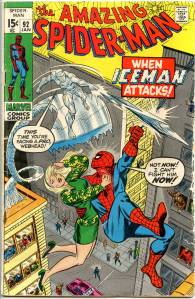
Amazing Spider-Man #92 VG- $17
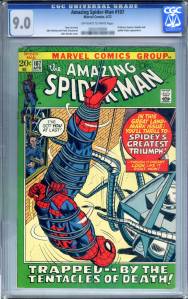
Amazing Spider-Man #107 CGC 9.0 Off White to White Pages $149
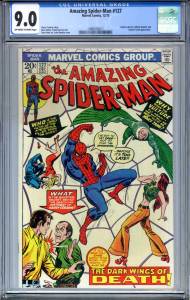
Amazing Spider-Man #127 CGC 9.0 Offwhite to White Pages $129
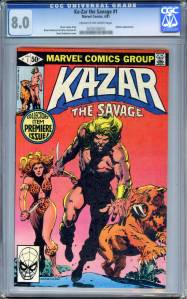
Ka-Zar is having a midlife crisis. He’s wondering if he should give up the jungle life and head to the comforts of modern civilization. He parts ways from Shanna for a bit to try and find Zabu, who has uncharacteristically wandered off.
The trail leads him to a vast new section of the Savage Land. We’ll eventually learn that it’s called Pangea,. He meets a woman called Leanne who owns a femal pet saber-tooth . He rescues her from some savages, but it turns out that she is the queen of a a large medieval city called Lemuria. They have a brief affair, but she leaves him because he’s too uncivilized.
Ka-Zar the Savage #1 CGC 8.0 Cream to Off-White Pages $29
When superhero comics became popular again in the mid-1960s in what is now called the “Silver Age of Comic Books“, Fawcett was unable to revive Captain Marvel, having agreed to never publish the character again as part of their 1953 settlement. Looking for new properties to introduce to the DC Comics line, DC publisher Carmine Infantino decided to bring the Captain Marvel property back into print. On June 16, 1972, DC entered into an agreement with Fawcett to license the Captain Marvel and Marvel Family characters. Because Marvel Comics had by this time established Captain Marvel as a comic book trademark for their own character, created and first published in 1967, DC published their book under the name Shazam! Infantino attempted to give the Shazam! book the subtitle The Original Captain Marvel, but a cease and desist letter from Marvel Comics forced them to change the subtitle to The World’s Mightiest Mortal, starting with Shazam! #15 (December 1974). As all subsequent toys and other merchandise featuring the character have also been required to use the “Shazam!” label with little to no mention of the name “Captain Marvel”, the title became so linked to Captain Marvel that many people took to identifying the character as “Shazam” instead of “Captain Marvel”
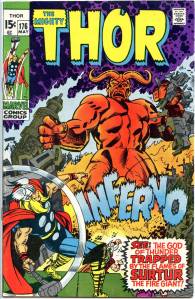
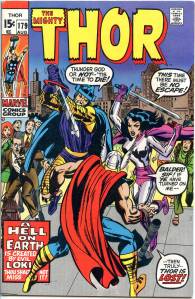
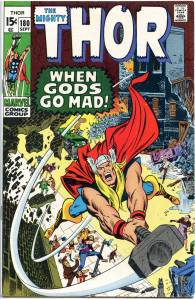
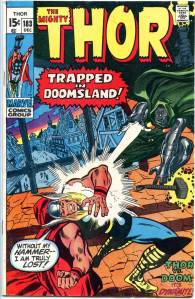
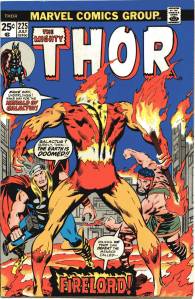
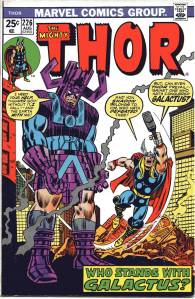
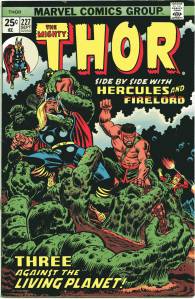
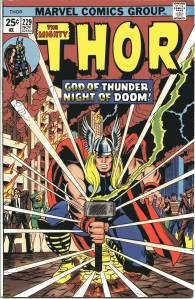
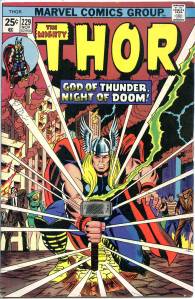
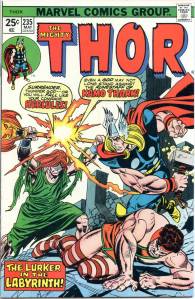
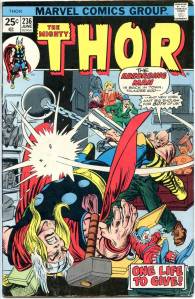
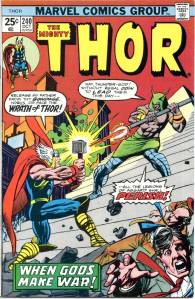
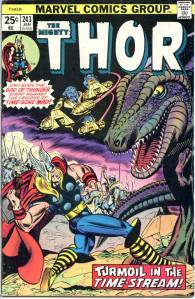
After Kirby left the title, Neal Adams penciled issues #180–181 (Sept.-Oct. 1970).John Buscema then became the regular artist the following issue. Buscema continued to draw the book almost without interruption until #278 (Dec. 1978). Lee stopped scripting soon after Kirby left, and during Buscema’s long stint on the book, the stories were mostly written by Gerry Conway, Len Wein, or Roy Thomas. Thomas continued to write the title after Buscema’s departure, working much of the time with the artist Keith Pollard; during this period Thomas integrated many elements of traditional Norse mythology into the title, with specific stories translated into comics form. Following Thomas’s tenure, Thor had a changing creative team.
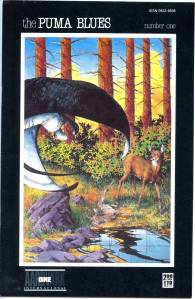
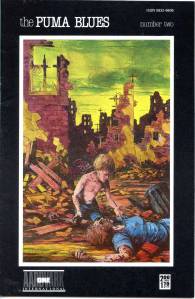
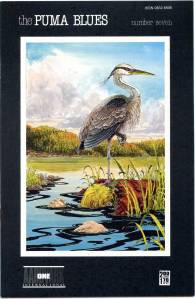
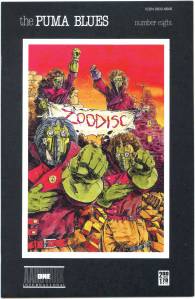
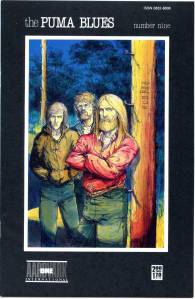
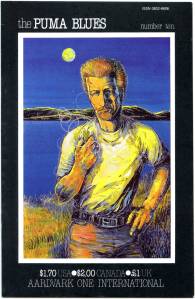
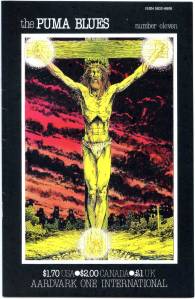
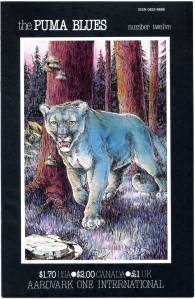
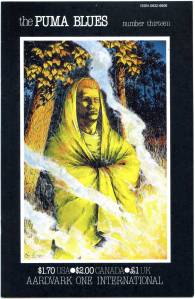
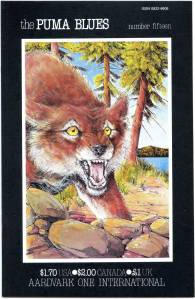
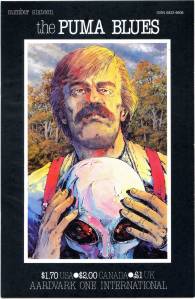
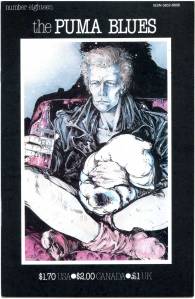
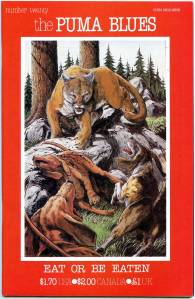
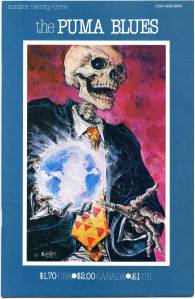
The comic book’s detailed artwork by Michael Zulli, which focused primarily on wildlife and nature, was superposed to a loose narrative with a druggy, dreamy, new age apocalyptic atmosphere. This de-structuralizing of the main narrative increased dramatically in later issues, with the second half of the series often taking the form of illustrated prose poetry within an associative narrative.
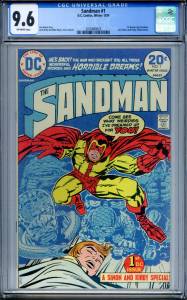
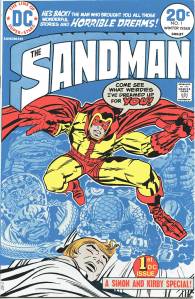
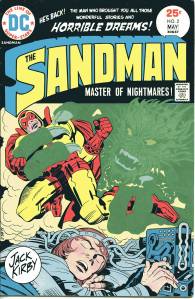
The Sandman of the 1970s was created by Joe Simon and Jack Kirby. Issue #1 was intended as a one-shot, but five more issues and an additional story followed. After the first issue, the stories were written by Michael Fleisher. The second and third issues were illustrated by Ernie Chua. Inks were by Kirby, Mike Royer and, in the sixth issue, Wally Wood. All covers were by Kirby, and the fourth issue noted his return to the interior artwork on the cover.
This Sandman was originally intended to be the actual Sandman of popular myth, “eternal and immortal”, despite his superhero-like appearance and adventures. The Sandman is assisted by two living nightmares named Brute and Glob, whom he releases from domed cells with the help of a magic whistle. They are nuisances who beg for release, who are intent on hand-to-hand combat, but are implied to be relatively harmless and well-intentioned once freed. Using security monitoring devices, the Sandman can enter the “Dream Stream” or the “Reality Stream” (in which he acts like the superhero he looks like), and he carries a pouch of dream dust with which he can cause anyone to sleep and dream. The Sandman’s main task is protecting children from nightmare monsters within their dreams, especially one young boy named Jed, who lives with his grandfather, Ezra Paulsen, as well as to ensure that children have an appropriate level of nightmares rather than dealing with such anxieties in real life.
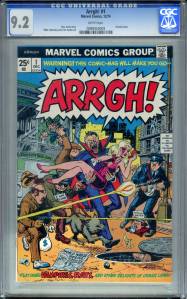
Arrgh! ran for five issues between December 1974 and September 1975. Each issue of Arrgh! presented humorous horror stories, often parodies of well-known movies or TV shows. Marvel Humor in a Jugular Vein.
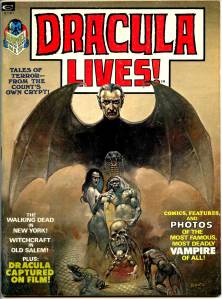
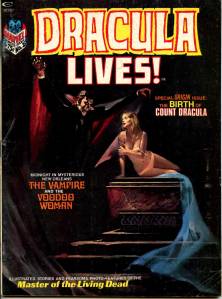
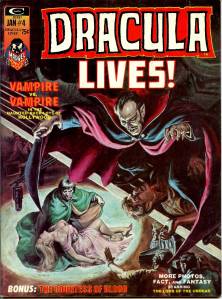
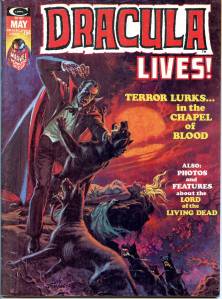
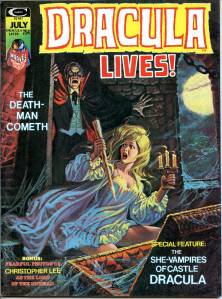
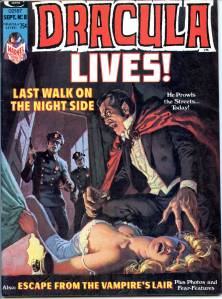
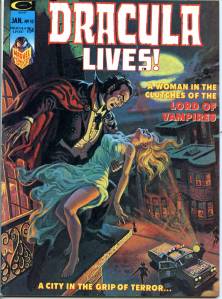
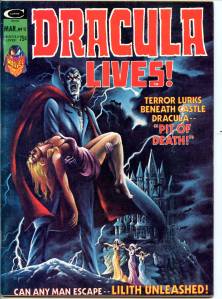
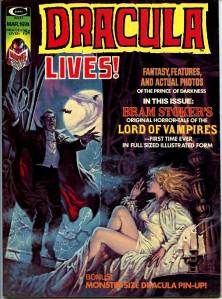
Running concurrently with the longer-running Marvel comic Tomb of Dracula, the continuities of the two titles occasionally overlapped, with storylines weaving between the two. Most of the time, however, the stories in Dracula Lives! were stand-alone tales by various creative teams. Later issues of Dracula Lives! featured a serialized adaptation of the original Bram Stoker novel, written by Roy Thomas and drawn by Dick Giordano.
The magazine format did not fall under the purview of the Comics Code, allowing the title to feature stronger content — such as moderate profanity, partial nudity, and more graphic violence — than Marvel’s “mainstream” titles. The larger format allowed the interior artists to “stretch out” a bit more. Painted covers of the series were done by artists like Boris Vallejo, Neal Adams, and Luis Dominguez. Dracula Lives!‘ text and photo articles were mostly of the Count’s various film appearances. The title of the magazine’s letter column was “Dracula Reads!”