
A nineteen-year-old girl is kidnapped and Hellboy tracks her down to a remote clearing in France where she’s about to be given to Asmodeus, in a strange tale of ghosts, demonic revenge, lost love, and King Solomon.

A nineteen-year-old girl is kidnapped and Hellboy tracks her down to a remote clearing in France where she’s about to be given to Asmodeus, in a strange tale of ghosts, demonic revenge, lost love, and King Solomon.
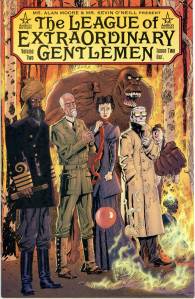
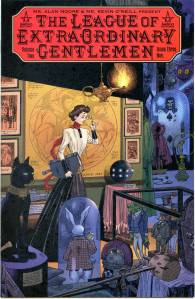
The League of Extraordinary Gentlemen, Volume II is a comic book limited series written by Alan Moore and illustrated by Kevin O’Neill. It is a sequel to the original volume of The League of Extraordinary Gentlemen and like its previous installment is a pastiche of various characters and events from Victorian literature; though it borrows a great number of characters and elements from various literary works of writers such as Sir Arthur Conan Doyle, Edgar Rice Burroughs, Ian Fleming, Robert Louis Stevenson and Bram Stoker, it is predominantly a retelling of The War of the Worlds by H. G. Wells.
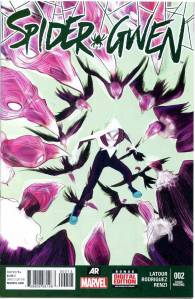
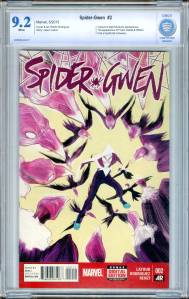
The series revolves around Gwen Stacy of Earth-65, an alternate universe version of Gwen Stacy that debuted in Edge of Spider-Verse #2 as part of the 2014–2015 Spider-Man storyline “Spider-Verse“. Spider-Gwen explores a universe where Gwen Stacy was bitten by the radioactive spider instead of Peter Parker, leading to her a career as the Spider-Woman of her world.
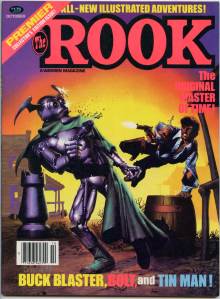
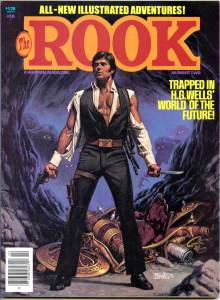
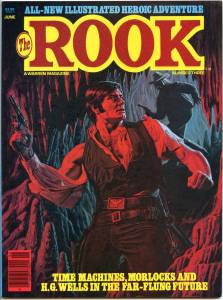
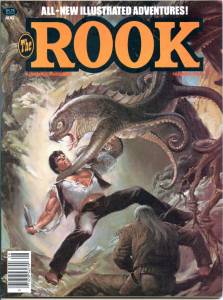
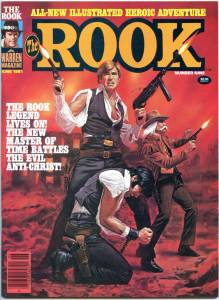
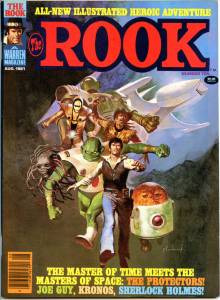
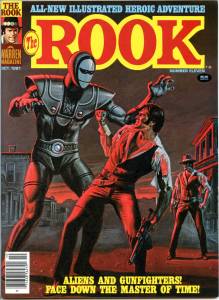
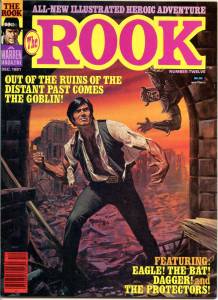
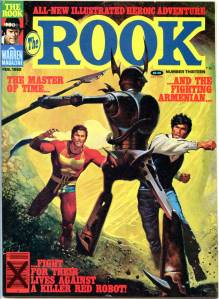
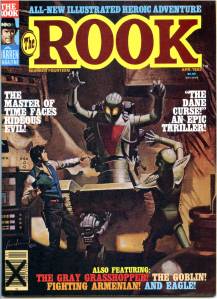
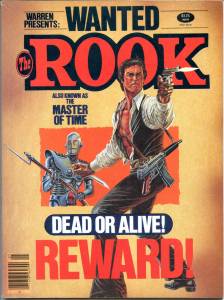
The Rook is a fictional, time-traveling comic book adventure hero. He first appeared in March 1977 in American company Warren Publishing‘s Eerie, Vampirella & Warren Presents magazines. In the 1980s, the Rook became popular and gained his own comic magazine title of the same name, The Rook Magazine.
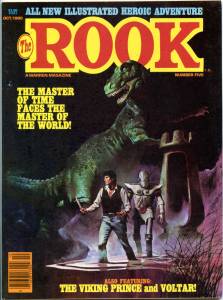
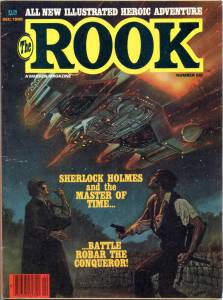
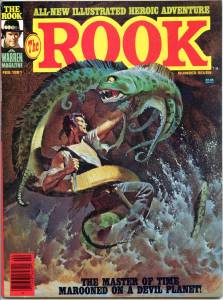
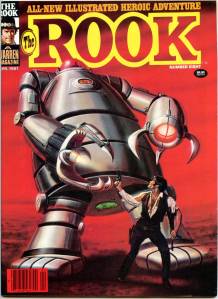
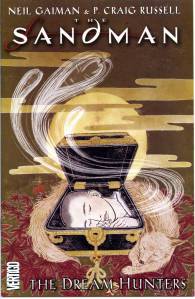
In 1999, Gaiman wrote The Sandman: The Dream Hunters, a novella illustrated by Yoshitaka Amano. As in many of the single-issue stories throughout The Sandman, Morpheus appears in Dream Hunters, but only as a supporting character. In Gaiman’s afterword to the book, he describes the story as a retelling of an existing Japanese legend. There is no trace of it in the primary source he cites, and when asked, Gaiman has stated that he made up the “legend”. The novel was later adapted into a four-issue miniseries by P. Craig Russell and released by Vertigo from January 2009 to April 2009.



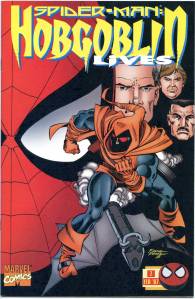
Roger Stern was unhappy with the Hobgoblin’s civilian identity revelation was Leeds and wrote the three-issue miniseries Spider-Man: Hobgoblin Lives in 1997, with the retcon that Kingsley was the original Hobgoblin while Leeds was brainwashed into serving as a fall guy, Macendale is killed off, and Kingsley returned. According to Stern, initially he had not known how to resolve the situation of having two Hobgoblins, and it was at the suggestion of the editorial staff that Kingsley kill Macendale and return to operating as the Hobgoblin.

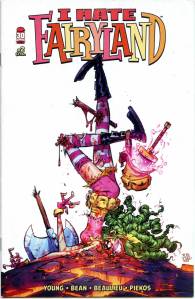
Gert is more jaded than ever when she discovers the secret behind the mystery man offering her a mission he doesn’t think she can refuse. Eisner Award-winning writer Skottie Young and artist Brett Bean continue the triumphant return of I HATE FAIRYLAND!

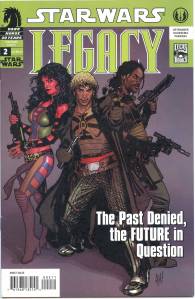
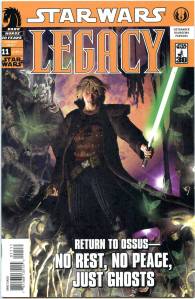
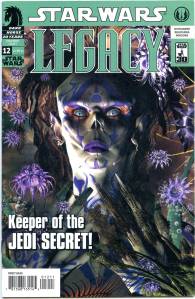
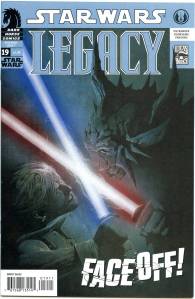
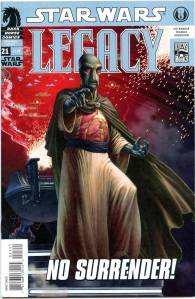
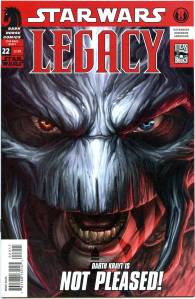
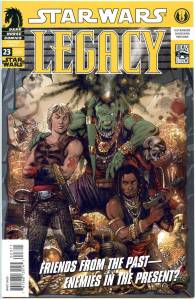
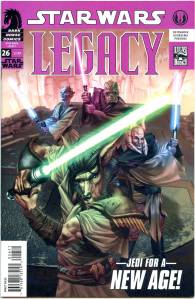
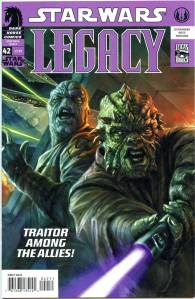
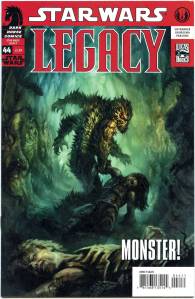
Star Wars: Legacy is set over 126 years after the film Return of the Jedi. The comics feature Cade Skywalker, a descendant of Luke Skywalker, who was trained as a Jedi, but abandoned the order. He apprenticed himself to the pirate Rav and lives among bounty hunters, smugglers and pirates. Cade also dropped his last name. The series begins with an attack on the Jedi Temple and the overthrow of the Galactic Alliance by the One Sith order.
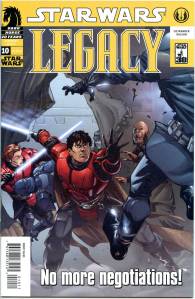
After a great and furious struggle, Cade and his friends manage to kill the evil Sith emperor, Darth Krayt. However, even without their leader, the Sith remain a powerful danger.












In the darkly humorous Lobo’s Back, Lobo is killed over and over again by one of his quarries but is refused entrance to both Heaven and Hell. As a result, the Main Man finds himself reincarnated in various forms, among them a woman and a squirrel. Furious but unfazed by his less than appealing new identities, the bounty hunter continues his mission.


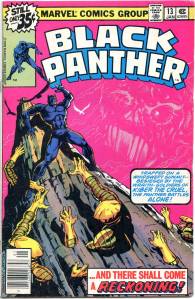
Though popular with college students, the overall sales of Jungle Action were low, and Marvel relaunched the Black Panther in a self-titled series, bringing in the character’s co-creator Jack Kirby—newly returned to Marvel after having decamped to rival DC Comics for a time— as writer, penciler, and editor. However, Kirby wanted to work on new characters and was unhappy at being assigned a series starring a character he had already worked with extensively. He left the series after only 12 issues and was replaced by Ed Hannigan (writer), Jerry Bingham (penciler), and Roger Stern(editor). Black Panther ran 15 issues (Jan. 1977 – May 1979). Due to the series’s cancellation, the contents of what would have been Black Panther#16-18 were published in Marvel Premiere #51-53.

 EHT Comics