
Star Wars: X-Wing: Rogue Squadron is a series of comics published by Dark Horse Comics. The first issue came out on July 1, 1995. It was originally intended to be just the first three story-arcs, but ended up running for 35 issues.


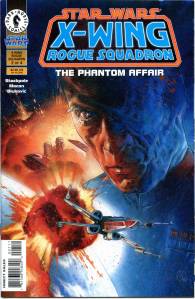
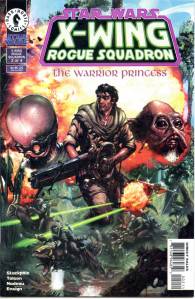
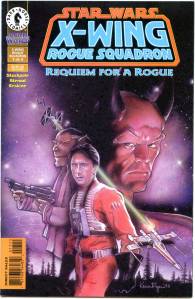
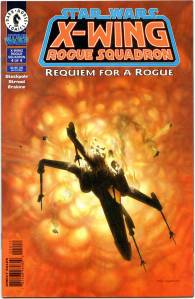
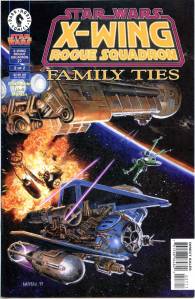
Star Wars: X-Wing: Rogue Squadron is a series of comics published by Dark Horse Comics. The first issue came out on July 1, 1995. It was originally intended to be just the first three story-arcs, but ended up running for 35 issues.
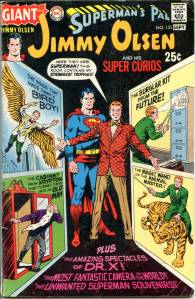
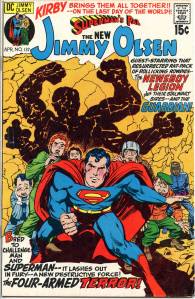
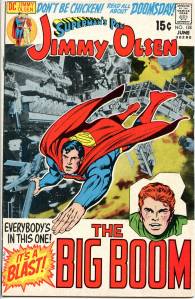
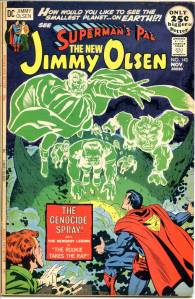
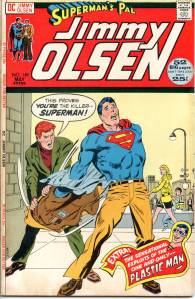
Superman’s Pal, Jimmy Olsen is a series published by DC Comics from September–October 1954 until March 1974, spanning a total of 163 issues. Featuring the adventures of Superman supporting character Jimmy Olsen, it contains stories often of humorous nature.
The 1952 television series Adventures of Superman co-starred actor Jack Larson, who appeared regularly as Jimmy Olsen. Largely because of the popularity of Larson and his portrayal of the character, National Comics Publications (DC Comics) decided to create a regular title featuring Jimmy as the leading character. Curt Swan was the main artist on the series for its first decade.
Many of the issues include Jimmy undergoing a transformation of some form.



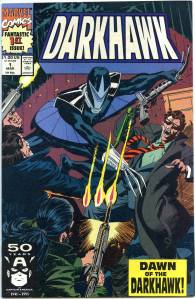
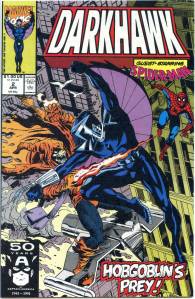
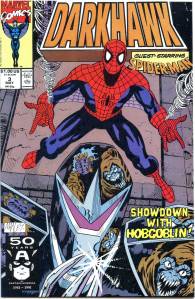
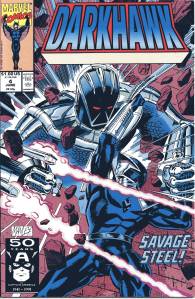
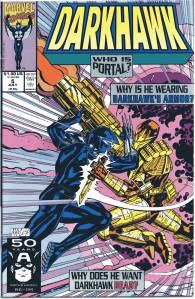
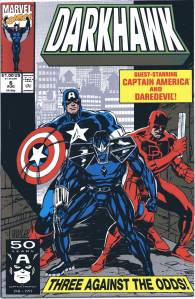
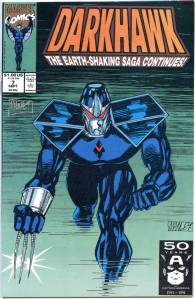
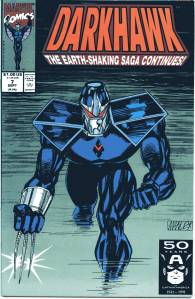
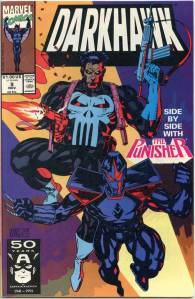
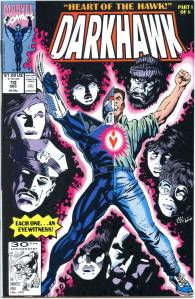
Darkhawk appeared in a self-titled monthly series for 50 issues that was published by Marvel Comics from March 1991 to March 1995, and included three standalone annuals. Although created by DeFalco and Manley, DeFalco was never credited as a writer of the series. The original writer was Danny Fingeroth.
After his own series ended, Darkhawk co-starred or cameoed in other titles over the following years, such as New Warriors, Avengers/JLA, and Iron Man, eventually resurfacing in Runaways Vol.2 #1-6, followed by Marvel Team Up Vol.3 #15 and the short-lived Loners series. New Warriors writer Fabian Nicieza said in 1992 that “People keep coming up to me and asking, ‘Is Darkhawk a member of the New Warriors or not?’ Well, yes and no. The New Warriors isn’t an official group with a rule book and charter and the like. They’re more of a club for super-powered teens. So if Darkhawk wants to hang out on a Friday evening and talk about his powers, then he’ll stop by the New Warriors’ crash pad.”

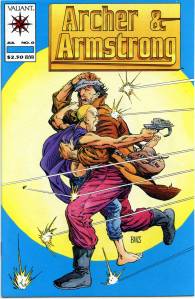
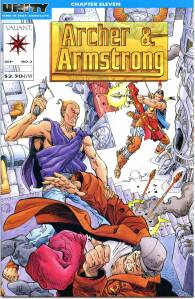
Murdered by his sadistic parents, Obadiah Archer returns from the dead with uncanny physical abilities and a mission: to punish all evil-doers like his parents; Learning martial arts in the Orient, Archer soon becomes the world’s greatest fighter!; He soon encounters Armstrong, a free-spirited immortal with the strength of ten men!; They have just met when they are attacked by Armstrong’s foes, the Sect.; Can they survive their crazy friendship?


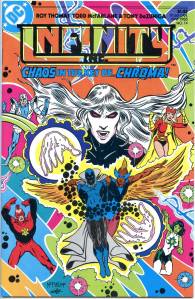
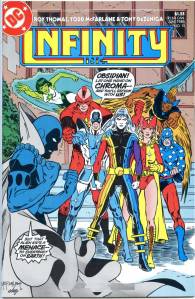
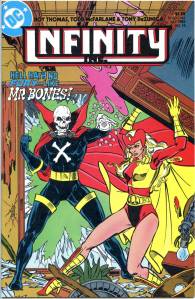
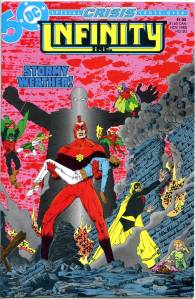
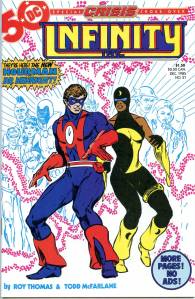
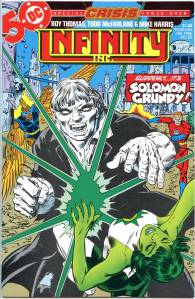
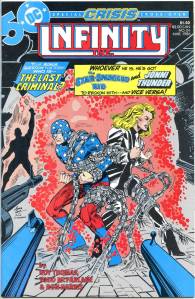
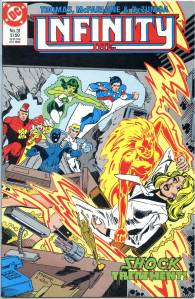
Roy Thomas and his wife, Dann Thomas, wrote the series throughout its run. Artists on the series included Jerry Ordway, Don Newton, Todd McFarlane, Michael Bair, and Vince Argondezzi.
The group was organized by Sylvester Pemberton, the original Star-Spangled Kid, in Infinity Inc. #1, when a number of JSA protégés were denied admission to the JSA. They instead formed their own group. Members of Infinity, Inc. were known as Infinitors.
The series ended in 1988 with the death of the Star-Spangled Kid (by then known as Skyman), and presumably the group disbanded shortly thereafter. Several members have gone on to supporting roles in other comics series. Fury filled a pivotal role in The Sandman and is the mother of Daniel Hall. Hourman, Obsidian, Nuklon (as Atom Smasher), Silver Scarab(as Doctor Fate), and Power Girl eventually joined the 21st century incarnation of the JSA.
Originally, the series took place on the parallel world of Earth-Two, but in 1986 it was merged with the rest of DC continuity following Crisis on Infinite Earths. From then on, they shared their spot as Los Angeles’ superteam with the Outsiders, and were involved in a crossover with the New Teen Titans.

Cletus Kasady has renewed his killing spree, and the FBI is following the trail of bodies. They think they’re ready: They have the latest sonic tech, and a specialist team including military hero/astronaut John Jameson and a reformed Eddie Brock! And when they pursue Carnage into an abandoned coal mine, the trap is set — but is it for him, or for them?


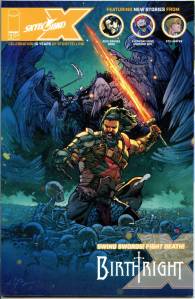
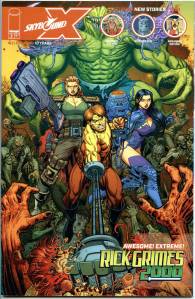
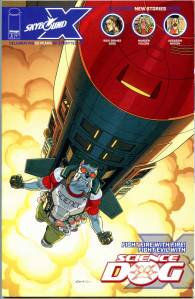
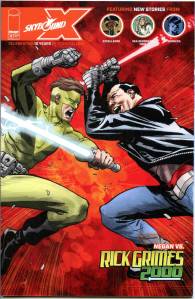
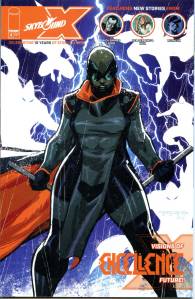
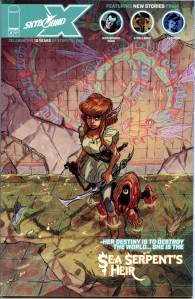
Celebrate a sensational 10 years of Skybound with a cavalcade of your favorite creators and all-new stories of your favorite series past, present, and future! Each issue of this oversized, weekly series will kick off with a new chapter of a serialized The Walking Dead story – Rick Grimes 2000.
Also debuting all-new series and characters every issue, starting with the first appearance of the most requested Walking Dead character of all-time: Clementine, star of the bestselling Telltale’s The Walking Dead video game series!


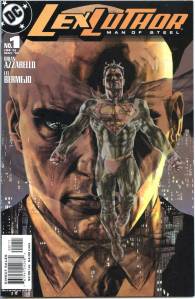
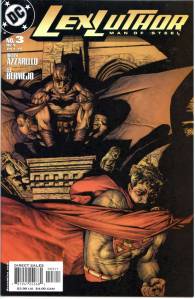
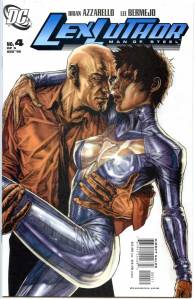
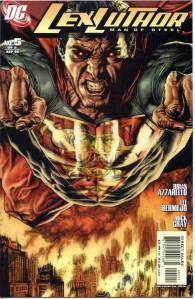
Lex Luthor: Man of Steel (later collected as simply Luthor) is a five-issue monthly limited series written by Brian Azzarello and illustrated by Lee Bermejo, which features Superman‘s nemesis Lex Luthor as the protagonist.
It explores Luthor’s motivations behind being a constant foe to the Man of Steel inside a city that has largely embraced him. Luthor views Superman as a demigod who looks down on humanity and believes that in order to “save” the human race from extraterrestrial threats, Superman must be stopped.

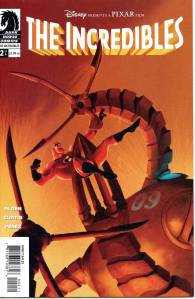
Based on the smash cinematic blockbuster, this graphic novelization recounts the reawakening of dormant heroism that has seemingly been stifled by social conformity and lowered mid-life expectations. Bob Parr, his wife Helen, daughter Violet, son Dash, and baby Jack-Jack grapple with the banality of a comfortable suburban existence and yearn to reaffirm their individuality by expressing their unique “super”-powers.
Unlike most movie adaptations, this succeeds in both being faithful to and expanding the original plotline. It helps when the artist is a Pixar storyboarder and the writer is the film’s director. Serving up high quality art and narrative, this tale lives up to expectations.


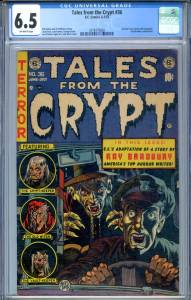
Tales from the Crypt was an American bi-monthly horror comic anthology series published by EC Comics from 1950 to 1955, producing 27 issues (the first issue with the title was #20, previously having been International Comics (#1–5); International Crime Patrol (#6); Crime Patrol (#7–16) and The Crypt of Terror (#17–19) for a total of 46 issues in the series). Along with its sister titles, The Haunt of Fear and The Vault of Horror, Tales from the Crypt was popular, but in the late 1940s and early 1950s comic books came under attack from parents, clergymen, schoolteachers and others who believed the books contributed to illiteracy and juvenile delinquency. In April and June 1954, highly publicized congressional subcommittee hearings on the effects of comic books upon children left the industry shaken. With the subsequent imposition of a highly restrictive Comics Code, EC Comics publisher Bill Gaines cancelled Tales from the Crypt and its two companion horror titles, along with the company’s remaining crime and science fiction series in September 1954.
 EHT Comics