Phantom Stranger V2 (1970’s)

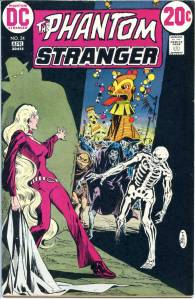
After an appearance in Showcase #80 (February 1969), he received another series beginning May–June 1969 that lasted until February–March 1976. The Showcase appearance and the first three issues of Phantom Stranger consisted of reprints from both the 1950s title and the “Dr. 13: Ghost-Breaker” feature from the last nine issues of Star Spangled Comics at the same time, with new, brief framing sequences. These had Dr. Thirteen, certain that the Phantom Stranger was an impostor, determined to expose him.

Beginning with issue #4 (November-December 1969), the series began featuring all-new material, with stories produced by Robert KanigherLen WeinJim AparoNeal AdamsTony DeZuniga and others. In these stories, while the Stranger’s past remained a mystery, the writers added a semi-regular cast of characters for him. A demonic sorceress named Tala would become his archenemy; an alchemist/sorcerer named Tannarak was first an enemy and would later assist him against the Dark Circle; and a blind psychic named Cassandra Craft would assist him. Doctor Thirteen, dropped along with the reprints, was given a back-up series here as of #12 (March-April 1971) which morphed into “The Spawn of Frankenstein” in #23 (January-February 1973).

The second volume originally ended with the forty-first issue in November 1975, cover dated March 1976. In January 2010, a forty-second issue was added to the second series during the Blackest Night event, effectively a one-shot.
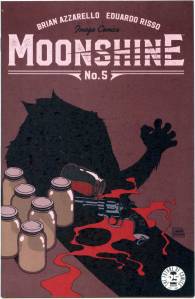
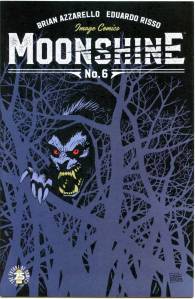
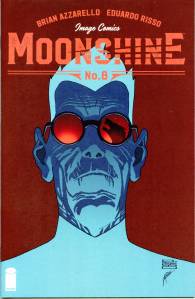
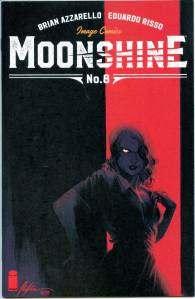
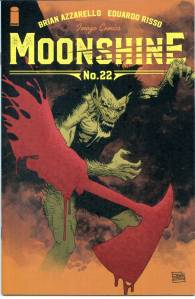
Moonshine (2016)

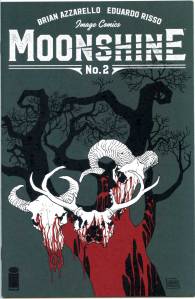
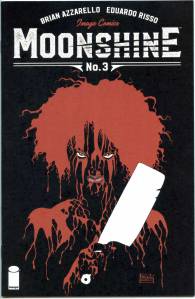
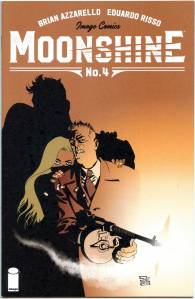
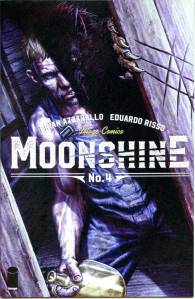
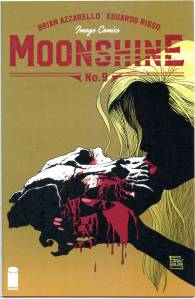
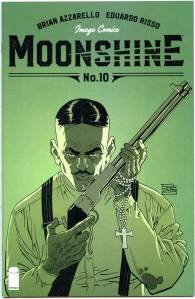
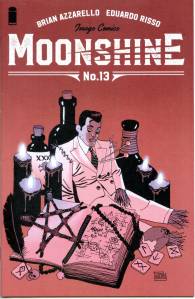
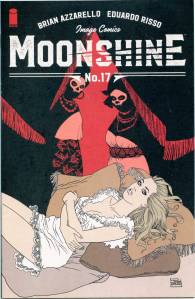
Set during Prohibition, and deep in the backwoods of Appalachia, MOONSHINE tells the story of Lou Pirlo, a city-slick “torpedo” sent from New York City to negotiate a deal with the best moonshiner in West Virginia, one Hiram Holt. What Lou doesn’t figure on is that Holt is just as cunning and ruthless as any NYC crime boss. Because not only will Holt do anything to protect his illicit booze operation, he’ll stop at nothing to protect a much darker family secret…a bloody, supernatural secret that must never see the light of day… or better still, the light of the full moon.
Tales of the Unexpected (1960’s)

In response to the restrictions imposed by the Comics Code Authority, DC began a new science-fiction series in 1956. The series featured artwork by Murphy AndersonGil Kane, and many others, with stories by John BroomeGardner Fox, and additional writers. It was an anthology comic for many years, publishing a variety of science fiction stories. The series featured Space Ranger as of issue #40 and running through #82 (April–May 1964) Other features included the “Green Glob” (issues #85–98, 100, 102, 103) and “Automan” (issues #91, 94, 97). The series’ last issue as Tales of the Unexpected was #104 (December 1967–January 1968). As of issue #105 (February–March 1968), the title was shortened to The Unexpected.

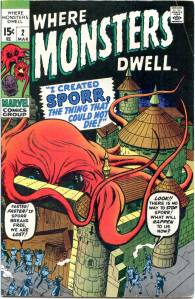
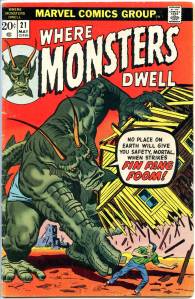
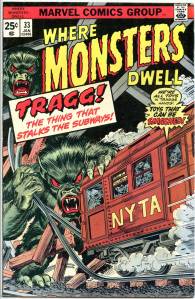
Where Monsters Dwell (1970)

One of Marvel’s revival Horror and Monster comics. It lasted for 38 issues, making it one of the longest running Monster Mags from Marvel in the 1970’s. The series contains stories from many comic legends including Jack Kirby, Steve Ditko, Gil Kane and Bernie Wrightson. Issues #6 contains a reprint of  Tales to Astonish #13, which is the 1st appearance of Groot from Guardians of the Galaxy.

Tales of the Jedi (1993)

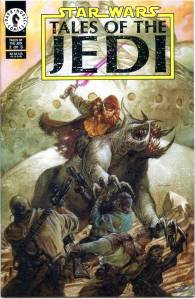
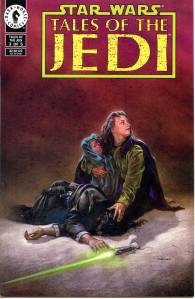
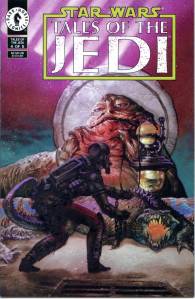
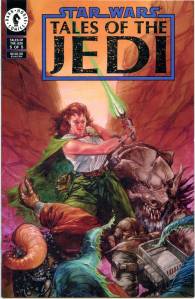
Tales of the Jedi is a series of comic books published by Dark Horse Comics between 1993 and 1998. They are part of the fictional Star Wars expanded universe, and cover the Great Sith War and the Great Hyperspace War. The series represented the earliest chronological Star Wars stories until the publication of the Dawn of the Jedi series of comics and novels.

The first books released covered the Great Sith War (3,996 BBY, or Before the Battle of Yavin). The latter were prequels that covered the Great Hyperspace War, which happened a thousand years earlier.

Silver Surfer: Black (2019)

In 2019, a 5 part mini-series titled Silver Surfer: Black was released featuring art from Tradd Moore in collaboration with writing from Donny Cates. The series is an extension of a Guardians of the Galaxy storyline which the Surfer was sucked into a black hole and ejected into unfamiliar space territory. This run follows the Surfer as he traverses the spaceways on a journey back home.

Locke and Key (2008)

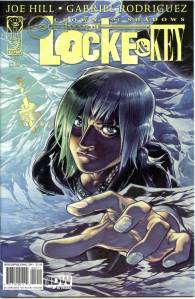
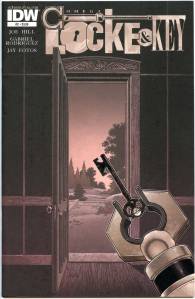
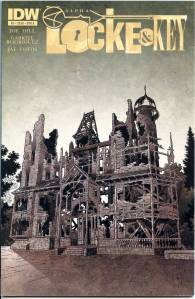
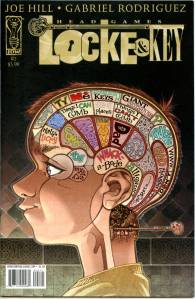
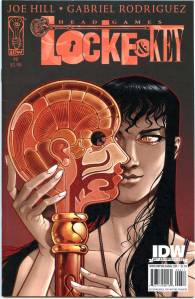
Following their father’s gruesome murder in a violent home invasion, the Locke children return to his childhood home of Keyhouse in secluded Lovecraft, Massachusetts. Their mother, Nina, is too trapped in her grief—and a wine bottle—to notice that all in Keyhouse is not what it seems: too many locked doors, too many unanswered questions. Older kids Tyler and Kinsey aren’t much better. But not youngest son Bode, who quickly finds a new friend living in an empty well and a new toy, a key, that offers hours of spirited entertainment. But again, all at Keyhouse is not what it seems, and not all doors are meant to be opened. Soon, horrors old and new, real and imagined, will come ravening after the Lockes and the secrets their family holds.
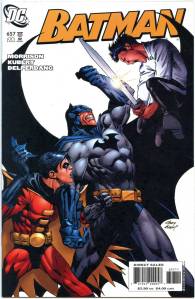
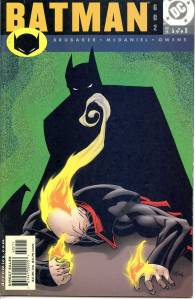
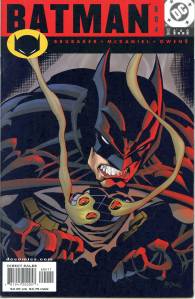
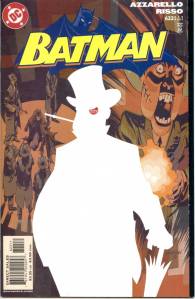
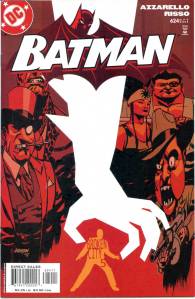
Batman (2000’s)

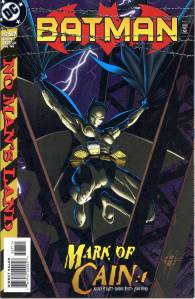
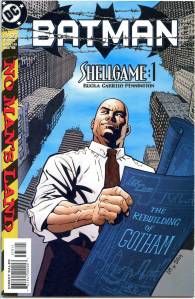
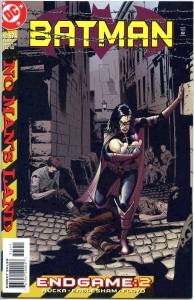
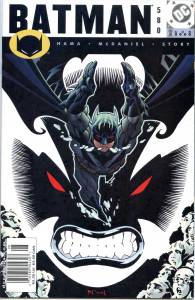
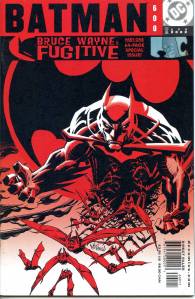
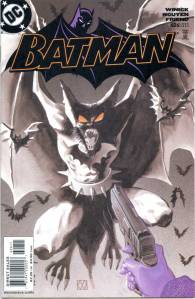
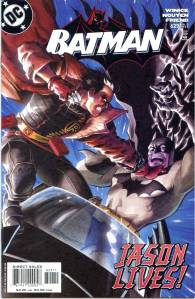
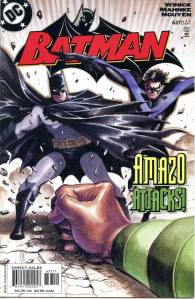
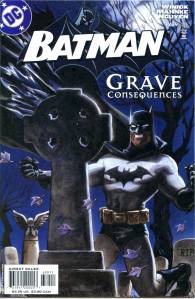
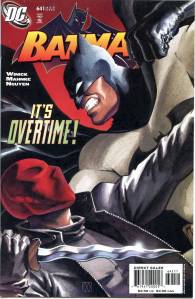
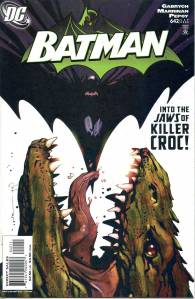
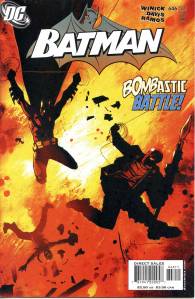
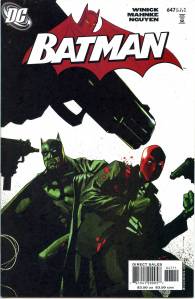
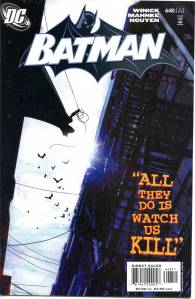
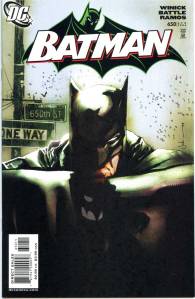
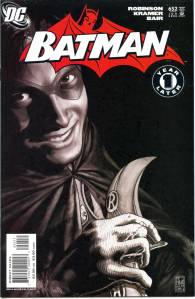
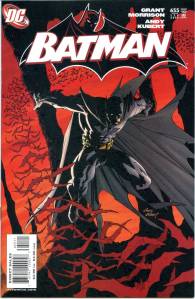
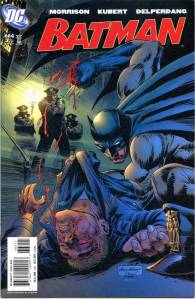
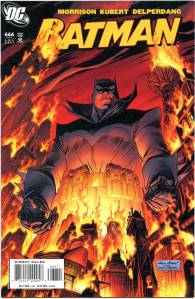
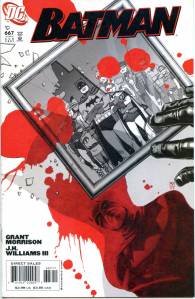
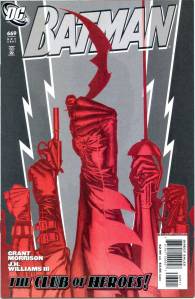
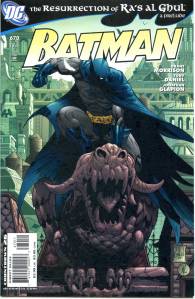
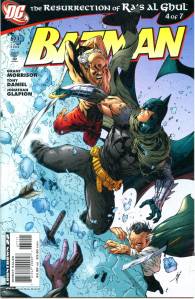
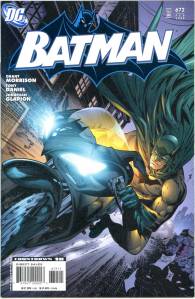
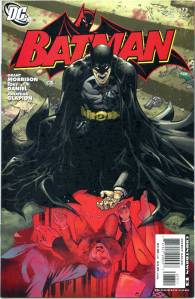
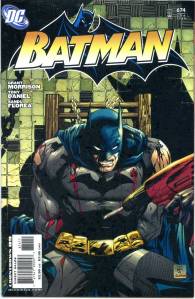
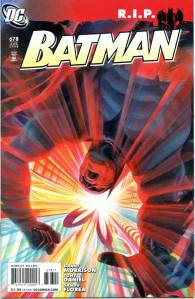
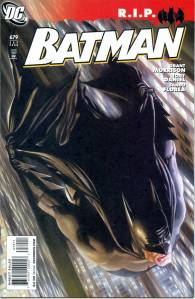
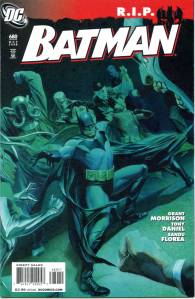
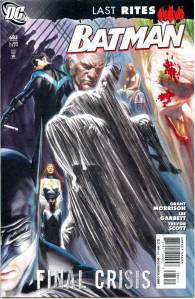
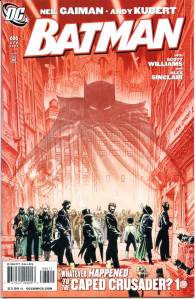
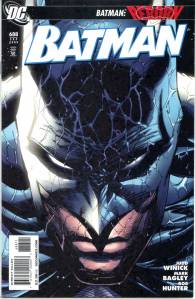
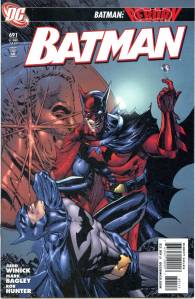
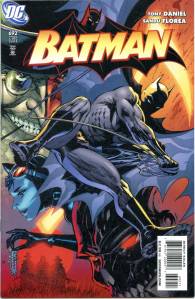
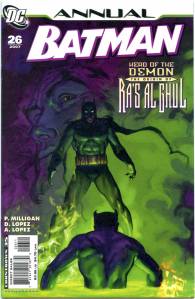
Starting in 2006, the regular writers on Batman and Detective Comics were Grant Morrison and Paul Dini, with Grant Morrison reincorporating controversial elements of Batman lore (most notably, the science fiction themed storylines of the 1950s Batman comics, which Morrison revised as hallucinations Batman suffered under the influence of various mind-bending gases and extensive sensory deprivation training) into the character. Morrison’s run climaxed with “Batman R.I.P.”, which brought Batman up against the villainous “Black Glove” organization, which sought to drive Batman into madness. “Batman R.I.P.” segued into Final Crisis (also written by Morrison), which saw the apparent death of Batman at the hands of Darkseid. In the 2009 miniseries Batman: Battle for the Cowl, Wayne’s former protégé Dick Grayson becomes the new Batman, and Wayne’s son Damian becomes the new Robin. In June 2009, Judd Winick returned to writing Batman, while Grant Morrison was given his own series, titled Batman and Robin.

Weirdworld (2015)

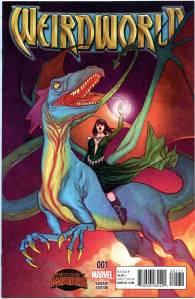
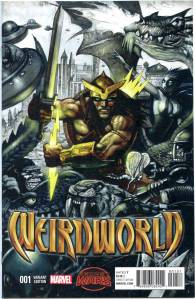
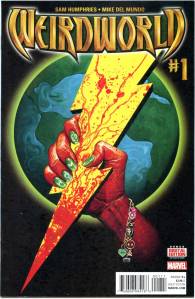
As part of the 2015 Secret Wars storyline, a series titled Weirdworld starring Arkon was released in June 2015 which featured other characters like Morgan le Fay of Earth-15238, Skull the Slayer, a variation of Jennifer Kale from Earth-11234 that is the Queen of Weirdworld’s Man-Things, and characters from The Saga of Crystar. Weirdworld is featured on the map of the storyline’s version of Battleworld as a floating island composed of fragments from many alternate reality magical realms like Polemachus, Crystalium, Klarn, and the original Weirdworld. By the end of the miniseries, Weirdworld manifested on Earth-616 in the Bermuda Triangle.

Incredible Hulk V1 (1990’s)

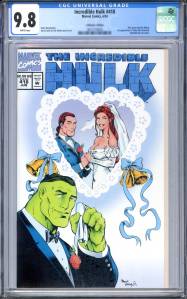
The 1990s saw the Green Hulk return. In issue #377 (Jan. 1991), the Hulk was revamped in a storyline that saw the personalities of Banner, Grey Hulk, and Savage Hulk confront Banner’s past abuse at the hands of his father Brian and a new “Guilt Hulk” persona. Overcoming the trauma, the intelligent Banner, cunning Grey Hulk, and powerful Savage Hulk personalities merge into a new single entity possessing the traits of all three. The Hulk also joined the Pantheon, a secretive organization of superpowered individuals. His tenure with the organization brought the Hulk into conflict with a tyrannical alternate future version of himself called the Maestro in the 1993 Future Imperfect miniseries, who rules over a world where many heroes are dead.