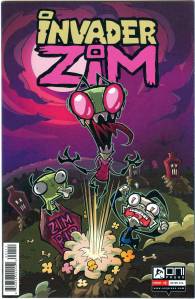
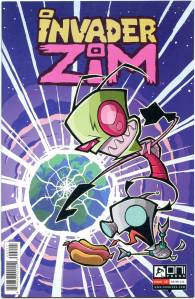
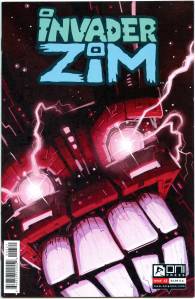
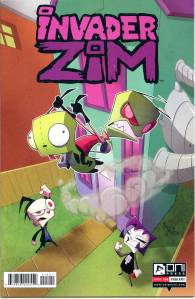
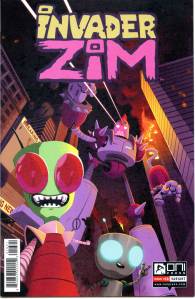
On February 20, 2015, Oni Press announced that they would be releasing an official Comic Book series based on Invader Zim, in collaboration with Jhonen Vasquez and Nickelodeon. Jhonen Vasquez said: “I’m always confused when people say how much they miss Invader Zim because the show never stopped running in my head, and then I remember everyone else isn’t in my head”. A pre-issue 0 was released on May 23, 2015 as a zine and foreshadow to the comic book series. The first issue was released on July 8, 2015, and since then most issues are released on a monthly basis.
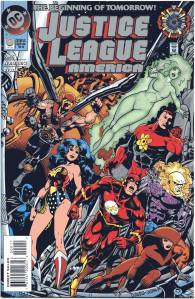
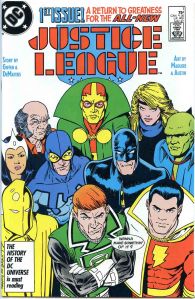
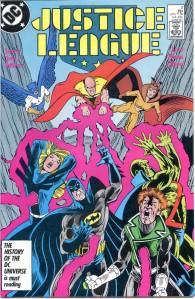
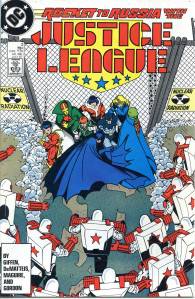
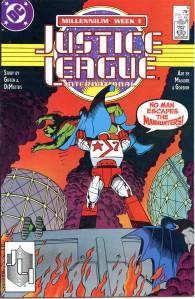
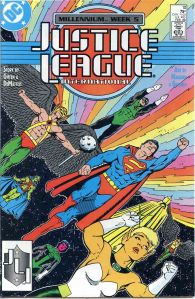
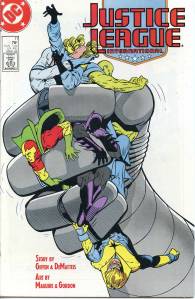
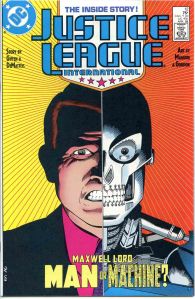
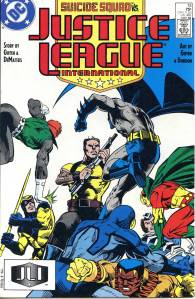
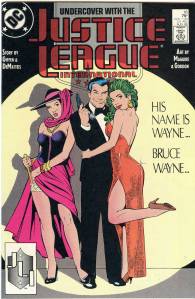
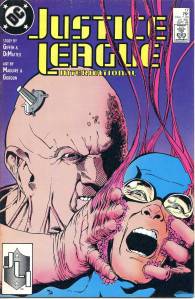
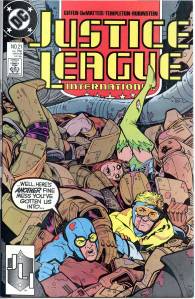
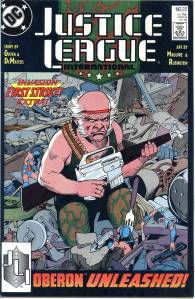
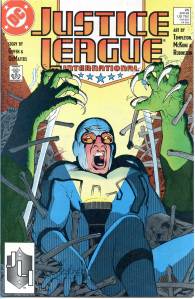
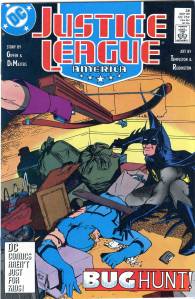
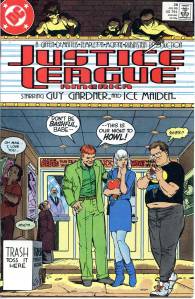
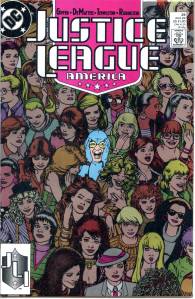
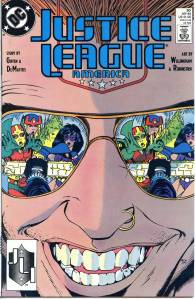
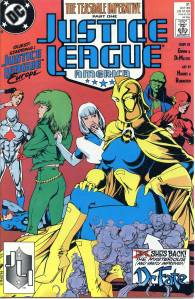
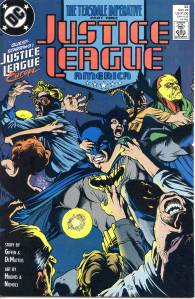
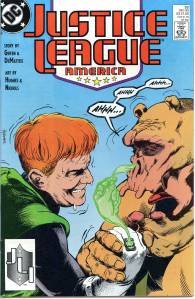
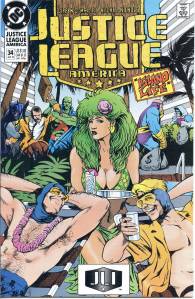
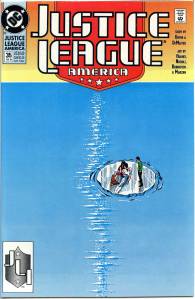
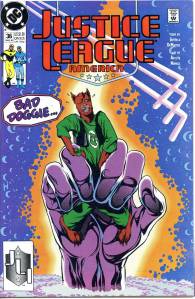
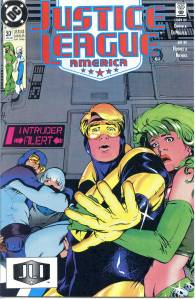
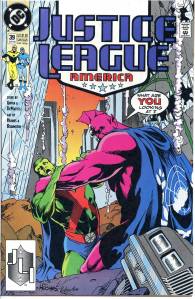
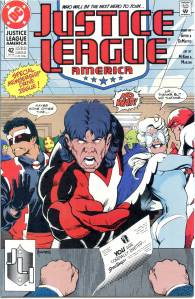
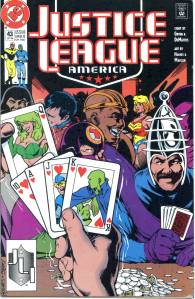
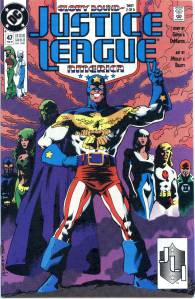
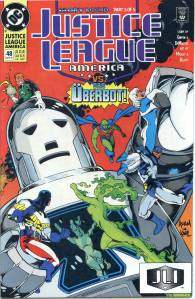
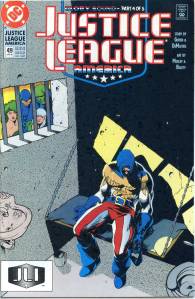
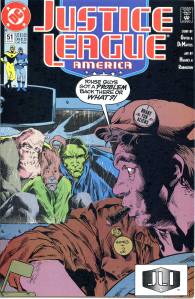
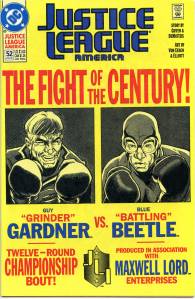
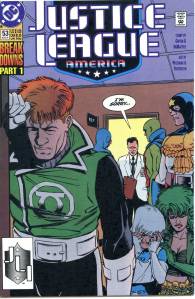
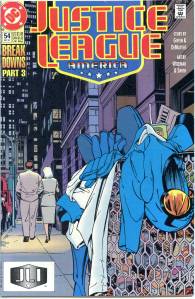
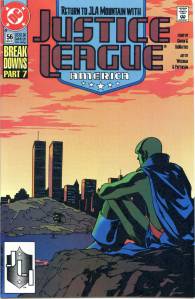
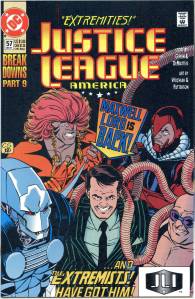
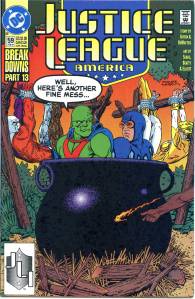
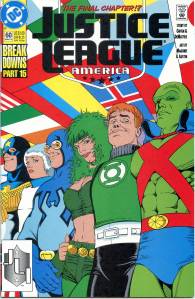
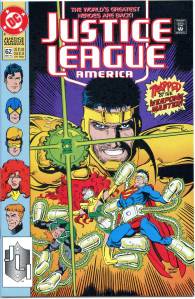
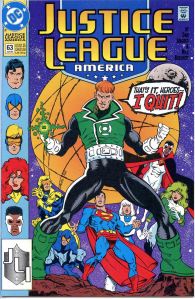
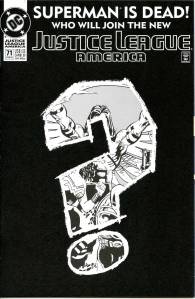
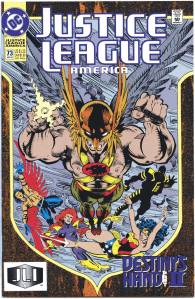
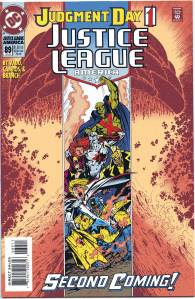
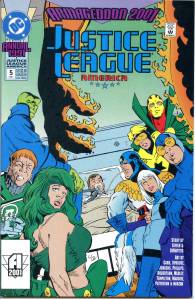
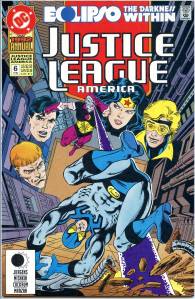
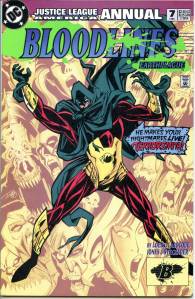
The 1986 company-wide crossover “Legends” concluded with the formation of a new Justice League. The new team was dubbed “Justice League” then “Justice League International” (JLI) and was given a mandate with less of an American focus. The new series, written by Keith Giffen and J. M. DeMatteis with art by Kevin Maguire (and later Adam Hughes), added quirky humor to the team’s stories. In this incarnation, the membership consisted partly of heroes from Earths that, prior to their merging in the Crisis on Infinite Earths, were separate. The Giffen/DeMatteis team worked on Justice League for five years and closed out their run with the “Breakdowns” storyline in 1991 and 1992. The series’ humorous tone and high level of characterization proved very popular.
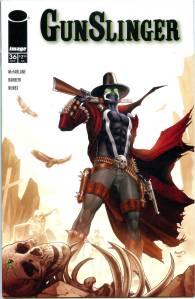
He is a man out of time. Lost in his future and in search for a way back to the past. Gunslinger Spawn has many scores to settle with those that did him wrong. Be he has been thrown into a greater conflict, one of the fate of humanity, and his revenge just might have to wait for a bit.
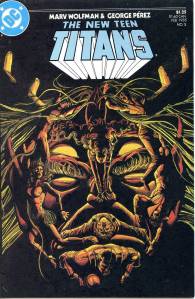
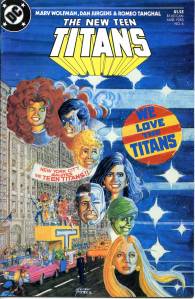
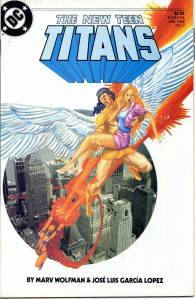
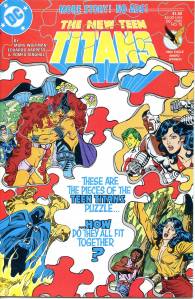
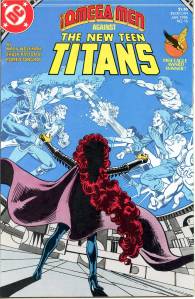
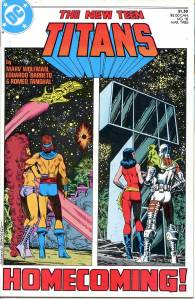
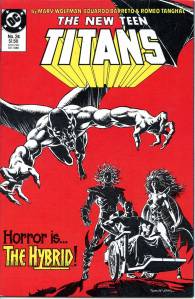
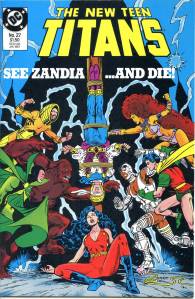
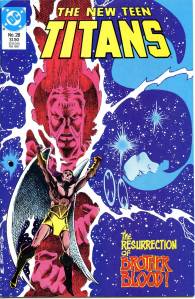
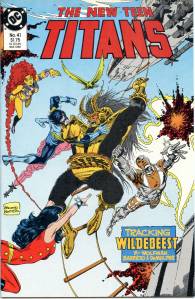
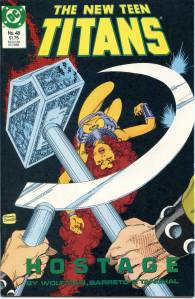
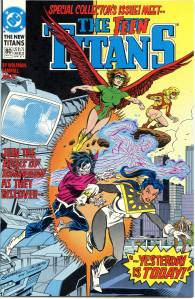
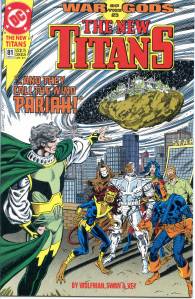
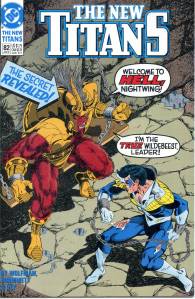
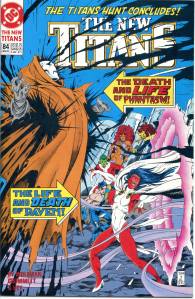
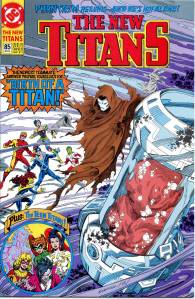
The New Teen Titans relaunched with a new #1 issue in August 1984 as part of a new initiative at DC informally referred to as “hardcover/softcover”. The New Teen Titans along with Legion of Super-Heroes and Batman and the Outsiders were the first and only titles included in this program. The same stories were published twice, first in a more expensive edition with higher-quality printing and paper distributed exclusively to comic book specialty stores, then republished a year later in the original format, distributed to newsstands. The title was renamed Tales of the Teen Titans with issue #41, while a new concurrently published series named The New Teen Titans vol. 2 launched with a new #1 following the release of Tales of the Teen Titans #44 and Annual #3, the conclusion of the “Judas Contract” storyline.
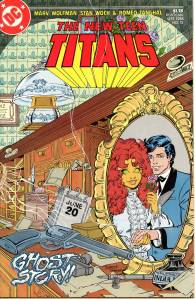
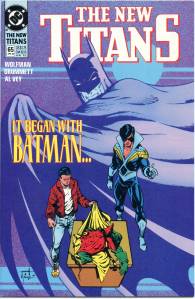
Pérez temporarily returned with issue #50, when the series took the name The New Titans without the “Teen” prefix, as the characters were no longer teenagers. Issue #50 told a new origin story for Wonder Girl, her link to Wonder Woman having been severed due to retcons created in the aftermath of Crisis on Infinite Earths. Issues #60 and #61 were part of a five-part crossover with Batman, “A Lonely Place of Dying” and along with issue #65, featured the debut of Tim Drake as the third Robin.
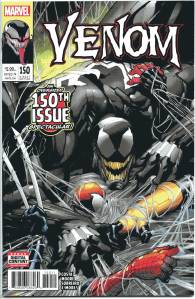
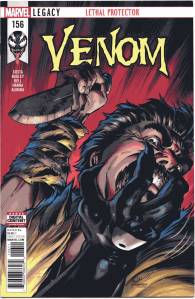
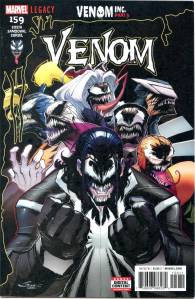
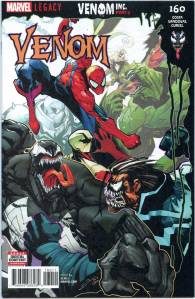
Eddie Brock and the Venom symbiote have been reunited, and they’re web-slinging their way around New York again. How was the symbiote separated from Flash Thompson, and what lies in its future now that it’s reunited with Eddie Brock?
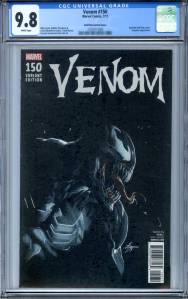
Venom 150 Dell’Otto variant CGC 9.8 White Pages $79
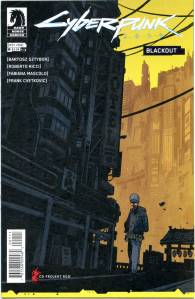
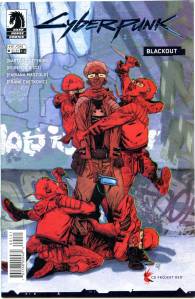
It hurts. Night City hurts. The suffering runs deep and the deeper one falls, the longer the self-prescribed dreams play. Fortune, hope, love–all made possible by DMS technology. But not everyone desires a happy ending. A braindance repairman discovers the answer to pain . . . comes in a blackout.
The third comic series from Dark Horse based on CD Projekt Red’s video game Cyberpunk 2077.
DC 100 Page Super Spectacular was published by DC Comics from 1971 through 1973, featuring only reprints initially and later including new stories. The “100 Page” count included both sides of the front and back covers as pages. Each numbered issue appearing under this title featured a wrap-around cover with all editorial content and no advertisements. Versions after late 1973 included advertisements.
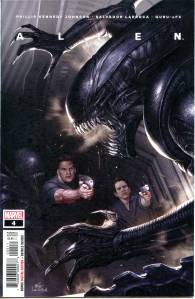
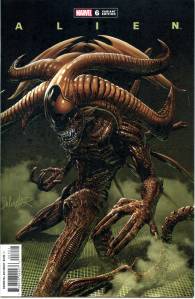
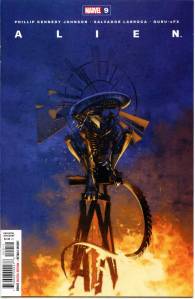
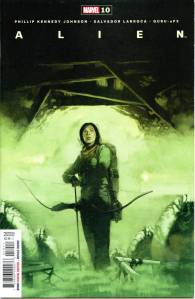
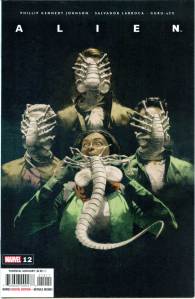
Gabriel Cruz gave his life to Weyland-Yutani–In the case of an alien attack he barely survived, almost literally! Recently retired, Cruz is trying to patch things up with his abandoned son with the help of his friend, a Bishop-model android, but his re-entry into civilian life is not going smoothly…and his encounters with the deadly Xenomorph are far from over.
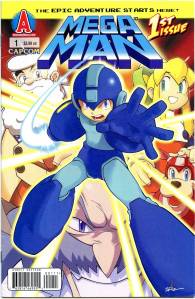
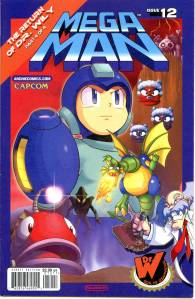
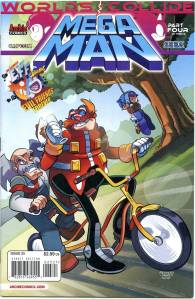
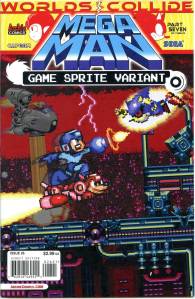
Mega Man is a comic series based on the video game series of the same name by Capcom produced by Archie Comics which was announced at New York Comic Con 2010. The series began publication in April 2011 with Ian Flynn, who has written many stories for Archie’s Sonic the Hedgehog series, involved with the production. The series has proved highly successful, and in 2013 a crossover took place between the Mega Man and Sonic series, under the title “Worlds Collide“. The series does not follow the events of the games in exact order, including an adaptation of the Japanese exclusive game Super Adventure Rockman between those of Mega Man 2 and Mega Man 3. The series later included a few stories set in the time of the Mega Man X series. The popularity of Worlds Collide subsequently led to a second crossover with the Sonic series, Worlds Unite. The series was put into an “indefinite hiatus” after issue 55, concluding with setup for an adaptation of Mega Man 4.









































 EHT Comics