Adventure Comics (1980’s)

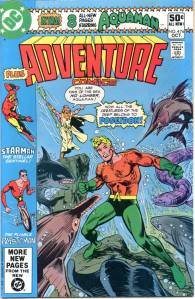
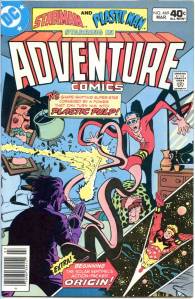
As of #425 (December 1972), Adventure Comics theme changed from superhero adventure to fantasy/supernatural adventure. That issue debuted one new feature along with three non-series stories, the pirate saga “Captain Fear”. The next edition added a semi-anthology series, “The Adventurers’ Club”. Soon, editor Joe Orlando was trying out horror-tinged costumed heroes, first Black Orchid, then the Spectre. Before long, though, conventional superheroes returned to the book, beginning behind the Spectre, first a three-issue run of Aquaman (issues #435–437, an early assignment for Mike Grell) and then a newly drawn 1940s Seven Soldiers of Victory script (issues #438–443). Aquaman was promoted to lead (issues #441-452), and backing him up were three-part story arcs featuring the Creeper (#445–447), the Martian Manhunter (#449–451), bracketed by issue-length Aquaman leads. He was awarded his own title and Superboy (#453-458) took over Adventure with Aqualad (#453–455) and Eclipso (#457–458) backups. Following this was a run as a Dollar Comic format giant-sized book (issues #459-466), including such features as the resolution of the Return of the New Gods (cancelled in July–August 1978), “Deadman“, and “Justice Society of America“.

Paul the Samurai V2 (1992)

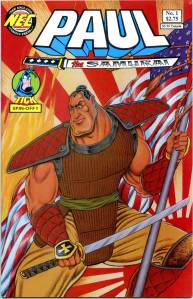
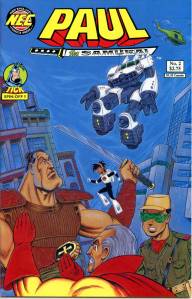
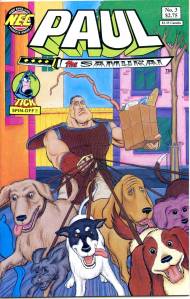
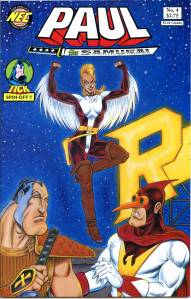
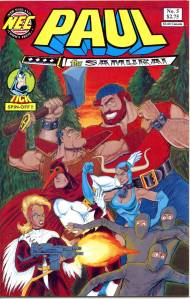
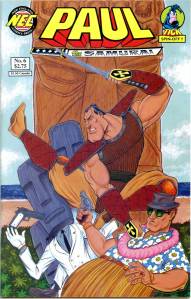
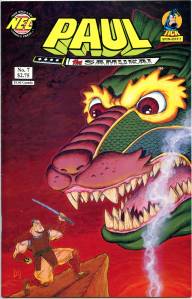
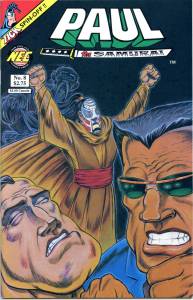
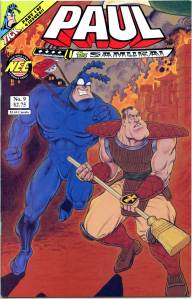
Paul begins adapting to the unusual barbarians inhabiting his new land. He confronts The Detroit Fury a metal monster created by a disgruntled American autoworker; He also encounters THE MITI MEN a superhero group sent from Japan to protect Japanese interests from the Detroit Fury’s attacks!

Micronauts IDW (2015)

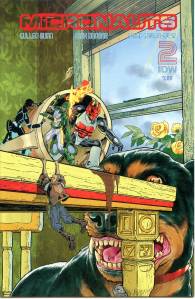
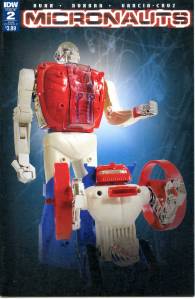
In 2015, IDW Publishing acquired publishing rights from Hasbro to produce new comic books for the Micronauts and Rom the Space Knight, both formerly popularized by Marvel as licensed properties. IDW released the first issue of their Micronauts series in April 2016, with scripts by Cullen Bunn and art by David Baldeon. The comic ran for eleven issues from 2016 to 2017. It was followed by two five-issue miniseries Micronauts: Wrath of Karza and Rom & the Micronauts which were released between 2017 and 2018.

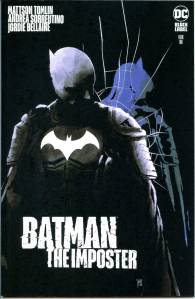
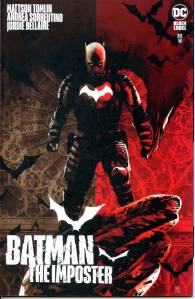
Batman: The Imposter (2021)

Bruce Wayne’s mission as the Batman has only been under way for a year or so, but he can tell he’s making a difference. Unfortunately, he’s made some powerful enemies. All the traditional power brokers of Gotham resent the disruption the Batman has brought to town…and it seems one of them has a plan to neutralize him. There’s a second Batman haunting Gotham’s rooftops and alleys—and this one has no qualms about murdering criminals, live and on tape.

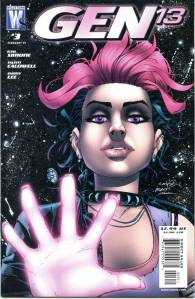
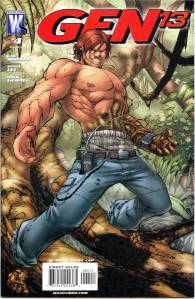
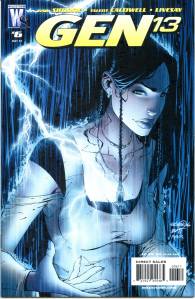
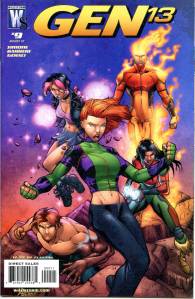
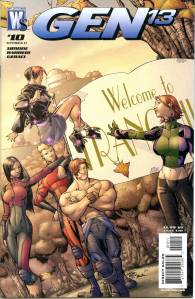
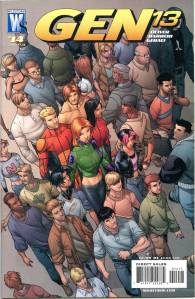
Gen 13 V4 (2006)

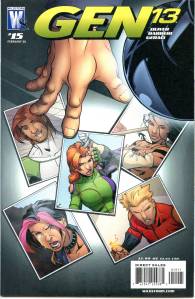
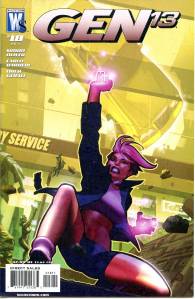
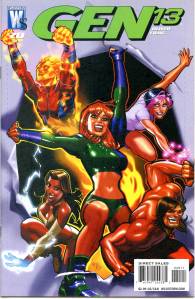
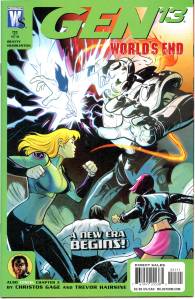
In early 2006, Wildstorm brought all its in-continuity comics since WildC.A.T.s #1 to an end. The universe’s finale came in the form of the crossover miniseries Captain Atom: Armageddon. Following the conclusion of this limited series, the entire Wildstorm line was relaunched with “Worldstorm.” A new Gen13 series began. The entire world had a “soft reset”; the surroundings were mostly familiar, but there were changes throughout.

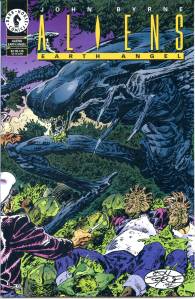
Aliens: Earth Angel (1994)

Into the age of diners, black leather jackets, and Buddy Holly comes a monster worse than any that ever made popcorn fly in front of a drive-in screen — the Alien. Legend creator John Byrne has long been a fan of the Aliens films and he jumped at the opportunity to tell his story of the first Alien invasion, the one that took place in 1950’s suburban America! When you Byrne an Alien, you gotta figure it’s gonna give off some heat!

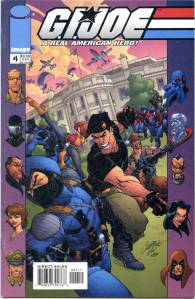
G.I. Joe V2 (2001)

In July 2001, Devil’s Due acquired the rights to G.I. Joe, and released a four-issue limited series through Image Comics, written by Josh Blaylock with John Larter and Steve Kurth as the artists. The title quickly became known to the fans as A Real American Hero vol. 2 (following from Marvel’s original series), or G.I. Joe Reinstated (the title of the first four-issue arc). Strong sales on the limited series led to it being upgraded to an ongoing series, with the publication of a fifth issue and a monthly schedule.

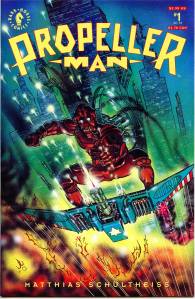
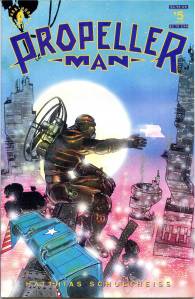
Propeller Man (1993)

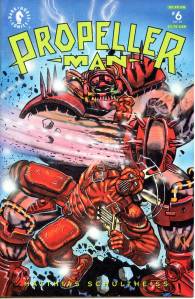
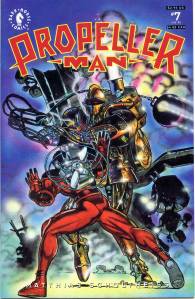
The future. A tired world of economic collapse and ecological disaster. In this corporate-dominated world, a living weapon escapes to blaze a trail of destruction as it searches for its creator. A solitary figure watches from the rooftops. Propellerman. Does the creature provide some clues to his missing memory?

Moon Girl and Devil Dinosaur (2016)

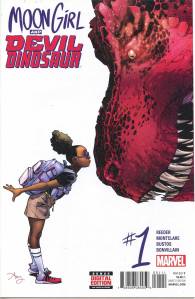
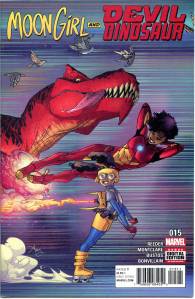
The character was created by Amy Reeder, Brandon Montclare and Natacha Bustos and first appeared in Moon Girl and Devil Dinosaur #1 (January 2016).

The genesis of the character came from Mark Paniccia and Emily Shaw who were a fans of the character Devil Dinosaur and had hired Montclare and Reeder to pen the basis for a new series that involved the character ending up in modern day. They came up with the idea of Devil Dinosaur interacting with a girl and fell in love with the idea of working with a hero who wasn’t a “regular cape-and-tights superhero”.

They also viewed the series as a direct sequel to the Moon-Boy and Devil Dinosaur series from Jack Kirby hence the first villains that Moon Girl and Devil Dinosaur face are the Killer-Folk.

Artist Natacha Bustos found the character a relief from the norm of other typical superheroes. She was primarily inspired by the clear diversity that Moon Girl and Devil Dinosaur promoted, further comparing the character Lunella to herself. She compared her story to a “Ghibli one” due to the immense relationship between the title characters.

Savage Dragon (1992)

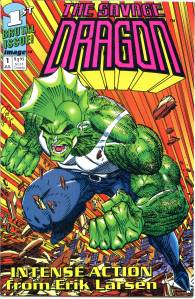
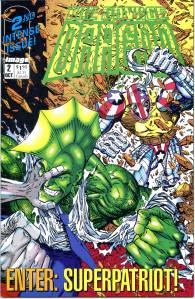
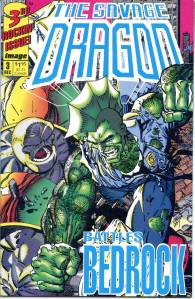
In 1992, when Larsen left Marvel to co-found Image Comics, he reworked the character for the new publication venture. This time, the Dragon was a massively muscled green amnesiac, who joined the Chicago police department after being discovered in a burning field. Initially debuting in a three-issue miniseries (with the first issue cover-dated July 1992), the Savage Dragon comic book met with enough success to justify a monthly series, launched in June 1993. To this day, Larsen continues to write and illustrate the series entirely by himself, and has maintained a reasonably consistent monthly schedule (save for occasional lapses) in comparison with the other original Image Comics titles.