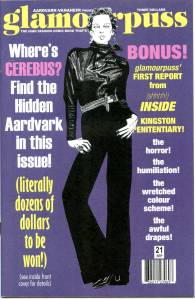
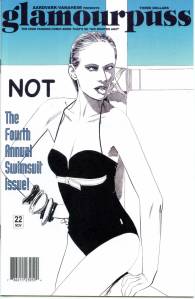
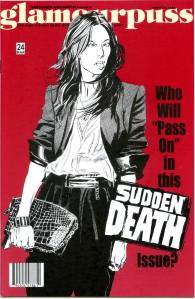
Glamourpuss is a Canadianindependent comic book written and illustrated by Dave Sim which was published from April 2008 to July 2012 and ran for 26 issues. The comic was published bimonthly, with 24 pages of story and art, and back issues remaining available throughout the comic’s print run. The premise of the book is threefold: a parody of fashion magazines, a history of photorealism in comics, and a surrealsuper-heroine comic.
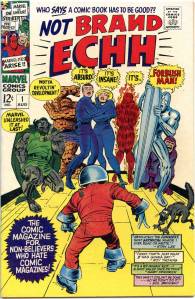
Its mascot, Forbush Man, introduced in the first issue, was a superhero wannabe with no superpowers and a costume of red long johns emblazoned with the letter “F” and a cooking pot, with eye-holes, covering his never-revealed head. His secret identity was eventually revealed in issue #5 (Dec. 1967) as Irving Forbush, Marvel’s fictitious office gofer.
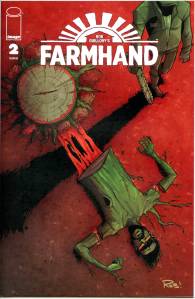
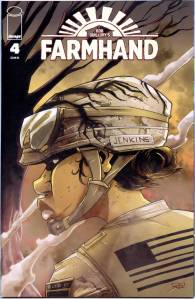
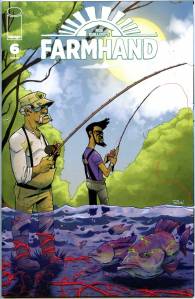
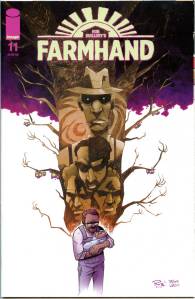
a Louisiana farmer named Jedidiah receives a vision and creates a plant which can grow replacement limbs and organs for human beings. The plot begins several years later when his estranged adult son, Ezekiel, returns home to join the family business. Many outside agents, including foreign and domestic government operatives, are after the secret of Jedidiah’s seed. Meanwhile, Jedidiah’s former partner, Thorne, has been covertly introducing the seed into the wild and is elected mayor.
Farmhand debuted to mostly positive reviews. Critics were divided on the effectiveness of the story’s pacing but praised the combination of humor and horror elements. The story is told with a cartoon-like art style and often features visual gags.
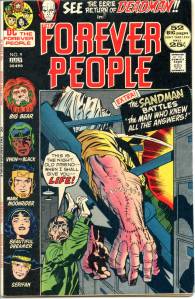
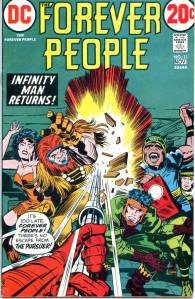
The Forever People are a fictional group of extraterrestrial superheroes published by DC Comics. They first appeared in Forever People #1 (February–March 1971), and were created by Jack Kirby as part of his “Fourth World” epic.
The Forever People lasted eleven issues. They mainly fought Darkseid’s forces such as Glorious Godfrey in issue #3. Issues #9 and 10 guest-starred Deadman; according to writer/artist Jack Kirby‘s assistant Mark Evanier, “We were ordered to put Deadman into New Gods, but we slipped him into Forever People instead, where he was a little less obtrusive. Jack didn’t like the character and didn’t want to do it. He didn’t feel he should be doing someone else’s character. … He doesn’t want to trample on someone else’s vision. Carmine [Infantino, DC Comics publisher and Deadman’s co-creator] said the character hadn’t sold and he wanted the Kirby touch on it.”
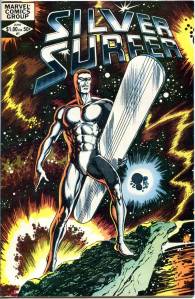
The galactic herald returns in this jam-packed one-shot! Silver Surfer recalls happier times with the Fantastic Four. With Norrin Radd becoming a distant memory with each passing day, will Surfer ever recover the man he once was? Surfer returns to his homeland Zenn-La to find absolute devastation. A new quest begins for Silver Surfer — one that involves finding his soulmate, Shalla Bal!
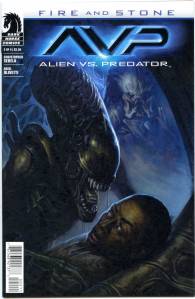
The main storyline begins after the end of the Prometheus film and continues across different eras, such as that of Aliens, involving different characters from those seen in each film series. The comic series is divided into four mini-series related to each franchise. Each mini-series is composed of four issues. A final, double-sized issue that gives closure to the main storyline was also produced. The series ties in popular franchises such as Predator and remarks on the origins of the Aliens, and Engineers.
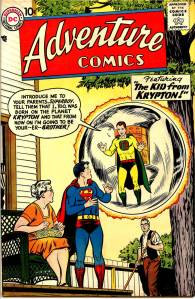
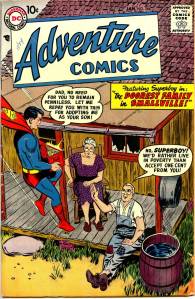
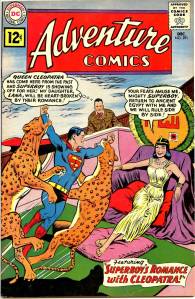
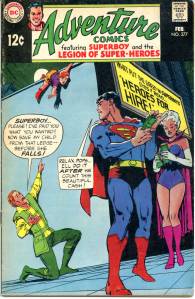
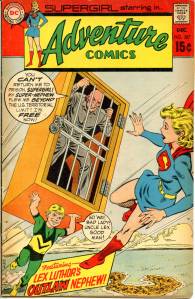
Adventure Comics was published by DC Comics from 1938 to 1983 and revived from 2009 to 2011. In its first era, the series ran for 503 issues (472 of those after the title changed from New Adventure Comics), making it the fifth-longest-running DC series, behind Detective Comics, Action Comics, Superman, and Batman. It was revived in 2009 by writer Geoff Johns with the Conner Kent incarnation of Superboy headlining the title’s main feature, and the Legion of Super-Heroes in the back-up story. It returned to its original numbering with #516 (September 2010). The series finally ended with #529 (October 2011), prior to DC’s The New 52 company reboot.
Adventure Comics #242 VF- $150
Adventure Comics #244 F+ $125
Adventure Comics #291 VF $79
Adventure Comics #377 VG $9
Adventure Comics #377 CGC 9.4 Off-White to White Pages $199
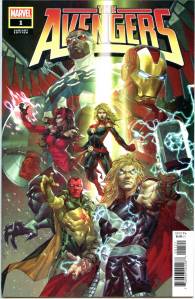
The world is ever in peril, and a new team of Avengers mobilizes to meet any dangers that dare threaten the planet. But when Terminus attacks, a new and insidious danger rears its head: one that the Avengers know all too well, and one that comes to them in the most dangerous of guises – that of a friend.
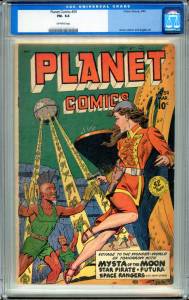
Planet Comics was a science fictioncomic book title published by Fiction House from January 1940 to Winter 1953. It was the first comic book dedicated wholly to science fiction. Like most of Fiction House’s early comics titles, Planet Comics was a spinoff of a pulp magazine, in this case Planet Stories. Like the magazine before it, Planet Comics features space operatic tales of muscular, heroic space adventurers who are quick with their “ray pistols” and always running into gorgeous women who need rescuing from bug-eyed space aliens or fiendish interstellar bad guys.
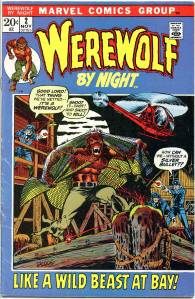
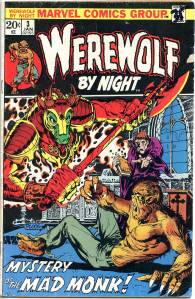
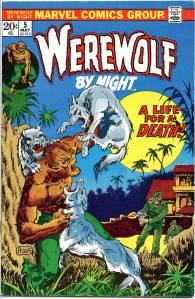
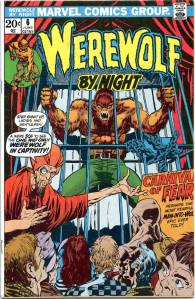
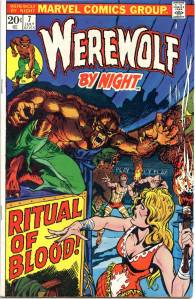
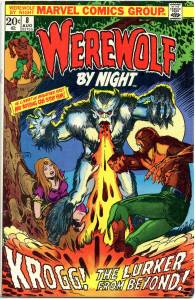
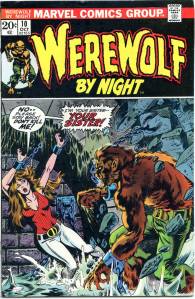
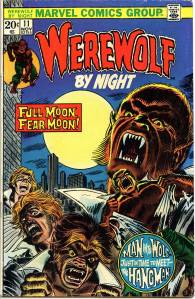
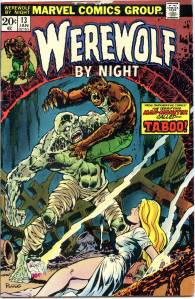
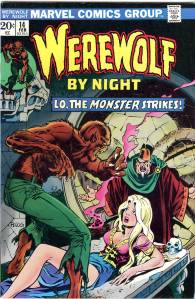
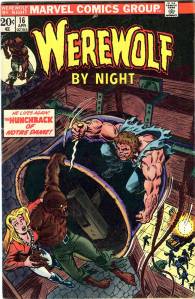
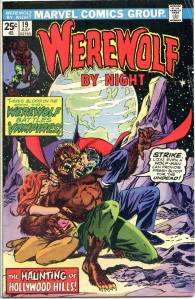
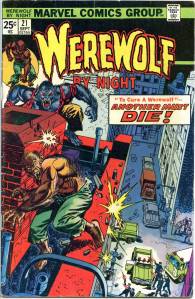
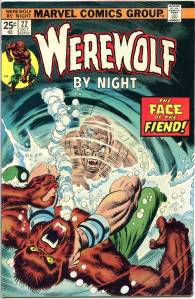
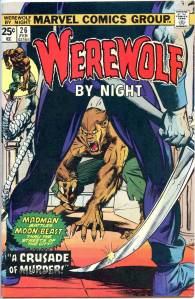
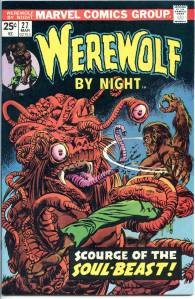
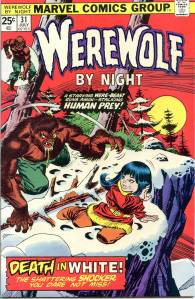
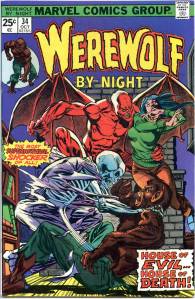
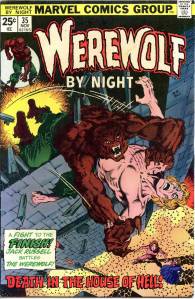
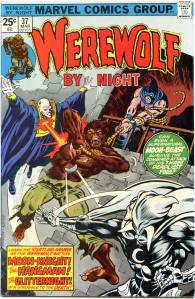
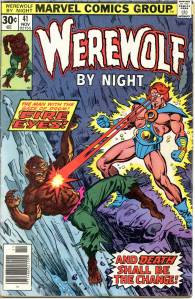
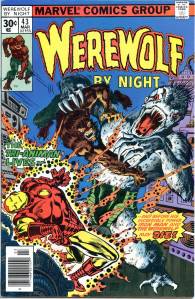
The Werewolf by Night character first appeared in Marvel Spotlight #2 (Feb. 1972) and was based on an idea by Roy Thomas. The series name was suggested by Stan Lee and the debut story was crafted by Gerry Conway and Mike Ploog. The character made additional appearances in Marvel Spotlight #3 and #4 and then graduated to his own eponymous series in September 1972. Werewolf by Night was published for 43 issues and ran through March 1977. Issue #32 contains the first appearance of Moon Knight. Jack Russell co-starred with Tigra in Giant Size Creatures #1 (July 1974), which was the first appearance of Greer Grant as Tigra instead of the Cat.That series was retitled Giant-Size Werewolf with its second issue.







 EHT Comics